Sun Protection
SPF 50+ sport sunscreen, SPF lip balm and sweat-resistant creams for mountain races.
In trail running you spend hours exposed to the sun at altitude, where ultraviolet radiation is significantly more intense than at sea level. At 2,500 metres, UV radiation is 30% higher; at 3,500 metres it exceeds 40%. Factor in the constant sweat that dilutes any sunscreen, reflective surfaces like snow or light rock, and the long hours of racing, and sun protection stops being an extra and becomes mandatory gear.
Altitude and UV radiation: why the mountains burn more
+10–12% UV radiation per 1,000 m of altitude. The atmosphere is thinner at height and filters less ultraviolet radiation. In a race above 2,000 m, your skin receives 20–25% more UV than at the coast. Above 3,000 m — like Ultra Sierra Nevada or Gran Trail Aneto-Posets — UV intensity can exceed 35–40% above sea level.
Snow and reflection: Fresh snow reflects up to 80% of UV radiation. If you run at high altitude with snowfields or in early spring, you receive direct radiation from the sun and reflected radiation from below — a double hit that multiplies the risk of sunburn even on cloudy days.
Thin air, less filter: The ozone layer and atmospheric particles offer less protection the higher you go. On top of that, the solar angle is more direct during the middle of the day in the mountains. Races that start at dawn and finish at midday expose runners to peak UV hours (10:00–16:00).
Sweat resistance and reapplication
Water-resistant vs very water-resistant: A "water-resistant" sunscreen maintains its SPF for 40 minutes of intense water or sweat activity. One labelled "very water-resistant" lasts 80 minutes. In trail running, where you sweat for hours, the difference is crucial. Always look for the "very water-resistant" or "sport" category.
When to reapply: Every 2 hours at most, or sooner if you're sweating heavily, get wet crossing a stream, or wipe your face with a buff. On an ultra of 10+ hours, carry a small tube (50 ml) in your pack and reapply at every aid station. It's the perfect moment: you stop, eat, drink, and apply sunscreen.
Race-day formats: Stick: ideal for face, ears and nose — no dripping, precise and quick application. Fluid cream: better overall coverage for arms and legs. Spray: convenient but wastes product and covers irregular areas poorly. For trail, the winning combo is a facial stick + body fluid cream.
Lip protection: the zone everyone forgets
Why do lips burn so easily? Lips don't produce melanin — the pigment that protects skin from the sun. Their skin is extremely thin and constantly exposed. At altitude, with wind and dry air, lips dehydrate and become even more vulnerable to UV radiation. Lip sunburn is painful and takes days to heal.
What to use: A lip balm with SPF 30+ in stick format. It should be moisturising (with shea butter, beeswax or vitamin E) as well as protective. Avoid balms with menthol or eucalyptus, which dry lips out further. The stick format fits in any vest pocket and applies in seconds without getting your hands dirty.
When to apply: Before setting off and every hour during the race — lips lose protection faster than the rest of your face because you constantly wet them when drinking, eating gels, or simply breathing through your mouth. An SPF balm weighs under 5 grams: there's no excuse not to carry one.
Snow and reflective surfaces
Snow: Reflects up to 80% of UV radiation. If you run through snowfields in spring or early summer (Pyrenees, Sierra Nevada), you're getting direct + reflected radiation. This is the highest solar risk situation in trail running. Use SPF 50+, category 3–4 sunglasses, and cover your neck with a buff.
Sand and light rock: Sand reflects 15–25% of UV. Coastal races (Trail Menorca, Ibiza Trail Maratón) or those on light volcanic terrain also increase total exposure. The effect is less than snow, but it adds up over the many hours of an ultra.
Essential extras: Sunscreen alone isn't enough in high mountains. Combine it with polarised sunglasses (category 3 minimum), a buff or cap with neck protection, and technical sleeves with UPF 50+ on races with prolonged exposure. UV-protective clothing is the most reliable barrier because it doesn't degrade with sweat.
Sun exposure per race
Indicative classification based on latitude, month, maximum altitude and terrain type for each race.
* Indicative classification combining latitude (more UV the further south), month (higher intensity in summer), maximum altitude (+10–12% UV per 1,000 m) and terrain type (skyrunning and ridges = no shade). Each race includes specific sun protection recommendations in its Pack 360.
Is your sun protection up to your race?
Every race has a different sun exposure profile. Explore the Pack 360 for any event to see specific recommendations, or use the planner to organise your entire season with the right protection.
Recommended products
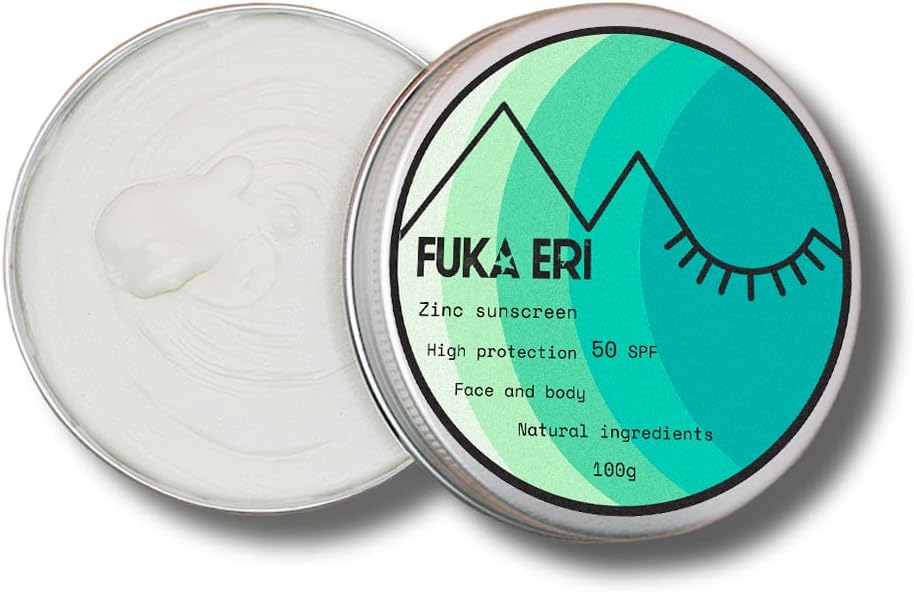
FUKA ERI
FUKA ERI Protector Solar Mineral con Zinc SPF 50
Protector solar mineral con zinc no-nano y SPF 50. Ingredientes 100% naturales, vegano y waterproof. Apto para cara y cuerpo. Envase sin plástico, fácil de extender. Formato 100 g.

ISDIN
ISDIN Fotoprotector Fusion Water SPF 50+
Protector solar facial ultraligero de fase acuosa con SPF 50+. Textura fluida que se absorbe al instante sin dejar residuo graso, ideal para aplicar durante la carrera. Resistente al agua y al sudor.

Piz Buin
Piz Buin Mountain SPF 50+
Crema solar de montaña con SPF 50+ formulada para condiciones extremas de altitud. Protección extra contra la radiación UV intensificada y el viento frío. Textura rica que protege la piel de la deshidratación.

Sun Bum
Sun Bum Sunscreen Lip Balm SPF 30
Bálsamo labial con protección solar SPF 30 en formato stick. Hidrata y protege los labios de quemaduras solares, un punto que muchos corredores olvidan. Sabor a coco, sin parabenos.
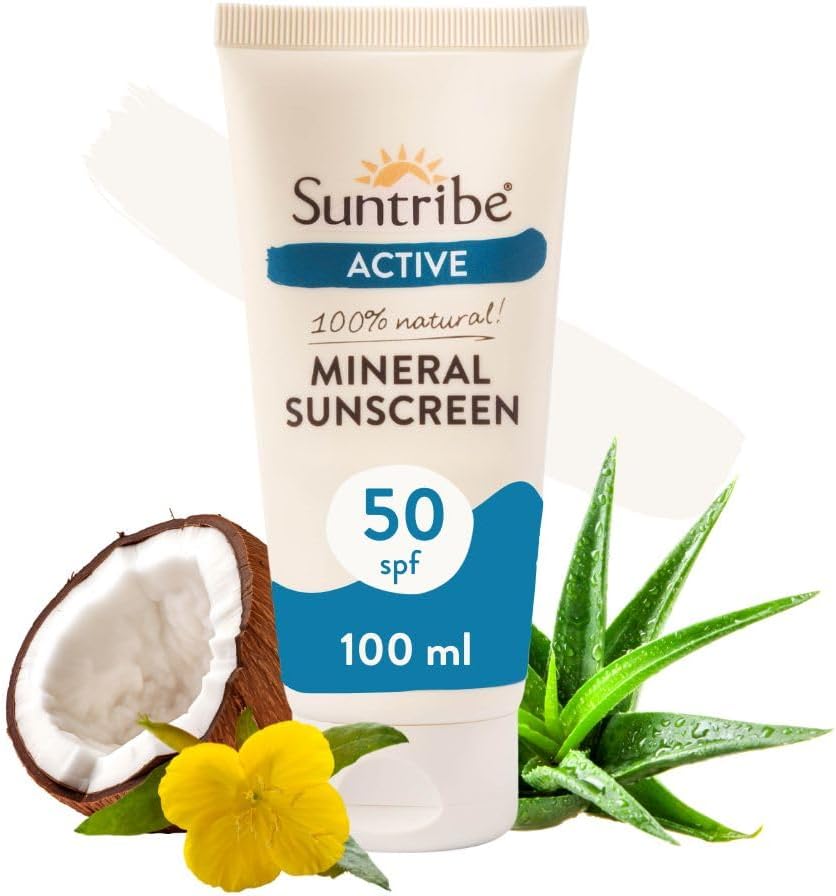
Suntribe
Suntribe Crema Solar Natural Mineral Deporte SPF 50
Crema solar mineral natural con SPF 50 diseñada para deporte. Ecológica, 100% natural y segura para arrecifes. Filtros UV no-nano minerales. Muy resistente al agua y al sudor. Formato 100 ml.