ITRA (International Trail Running Association) rates every trail race by difficulty and awards points based on your results — many races require a minimum score to register.
ITRA Performance Index calculator
Estimate your ITRA Performance Index (PI) from your race results. Enter distance, elevation gain and finish time to see your estimated score.
Quick reference
Score level
- 900+ — World class
- 800–899 — Elite
- 700–799 — Advanced+
- 600–699 — Advanced
- 500–599 — Intermediate+
- 400–499 — Intermediate
- 300–399 — Advanced beginner
- < 300 — Beginner
Race category (km-effort)
- XXS: < 25 km-effort
- XS: 25–44
- S: 45–74
- M: 75–114
- L: 115–154
- XL: 155–209
- XXL: ≥ 210
Single race score
Enter your race data and finish time to estimate your individual performance score.
Multi-race performance index
Enter up to 5 race results to estimate your overall ITRA Performance Index. More recent results have more weight.
Estimated performance index
Estimate based on public data. Your official index: itra.run
The watch to earn ITRA points in the mountains
Barometric altimeter, offline maps and ultra-grade battery life: what you need for races that score. We never show a price — check it on Amazon.
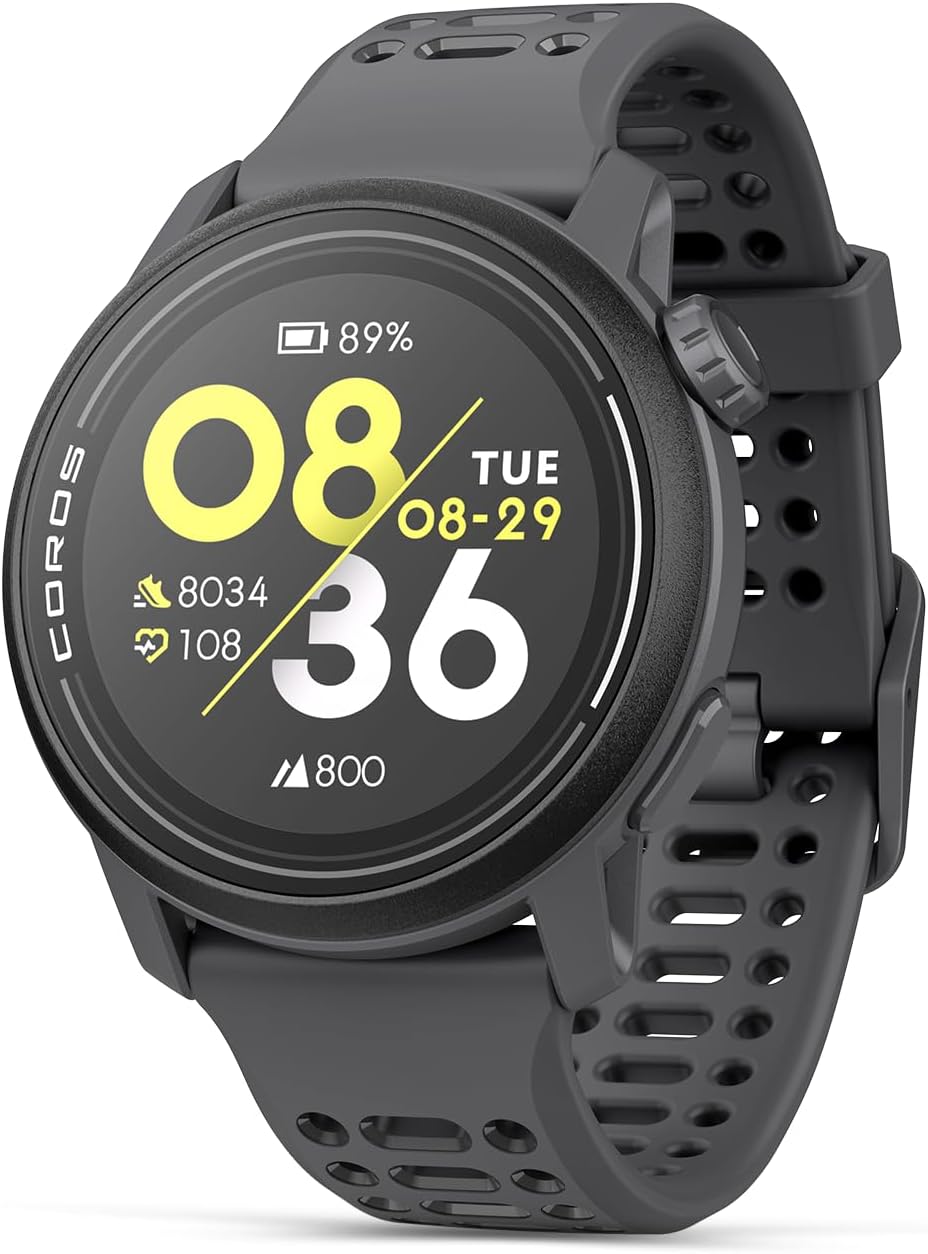
Our pick
Coros Pace 3
Trail running GPS watch with track navigation, barometric altimeter and up to 38 h battery life in GPS mode
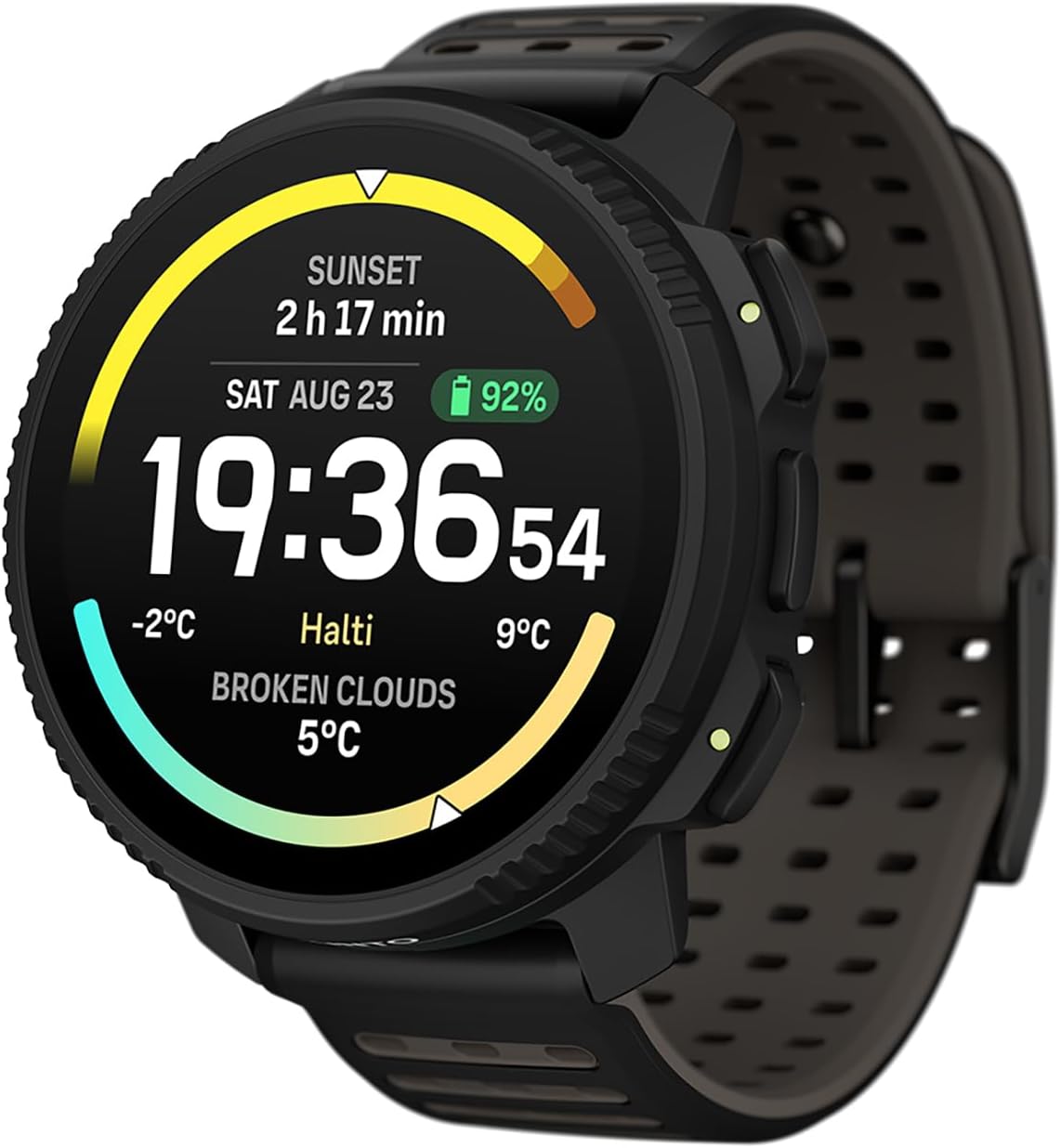
Alternative
Suunto Vertical
Adventure watch with free offline topo maps and enormous battery life: 60 h in dual-band and up to 60 days in daily use, with a 500 h Tour mode
Some links are affiliate links. If you buy through them, we earn a commission at no extra cost to you.
Race details
Km-effort
ITRA category
Speed
Score
Gear to improve your performance
The equipment used by runners with the best ITRA index
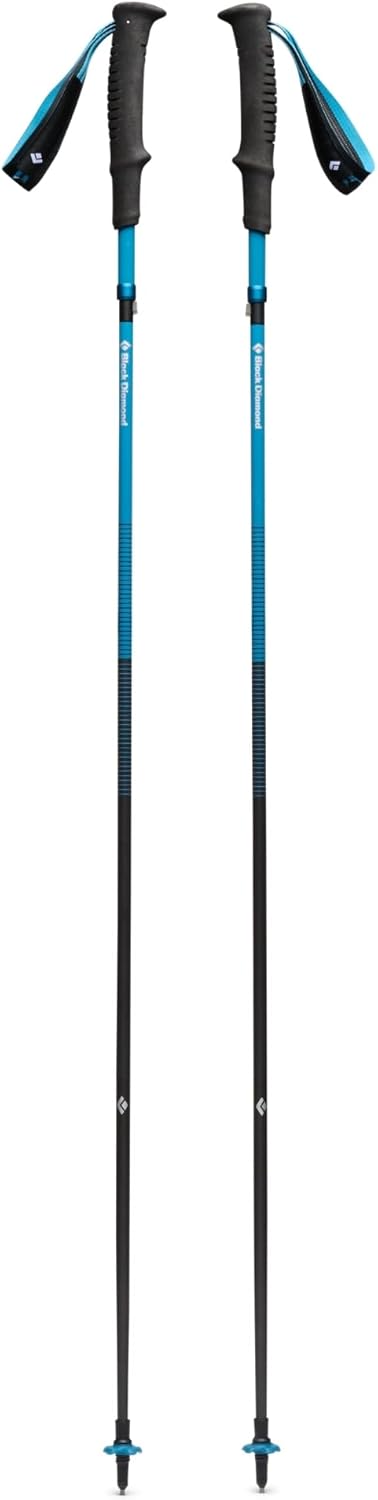
Black Diamond
Black Diamond Distance Carbon Z
Ultralight carbon Z-pole foldable trekking poles. 137 g per pole in 110 cm length, 33 cm folded. EVA grip and adjustable strap. The trail running reference.
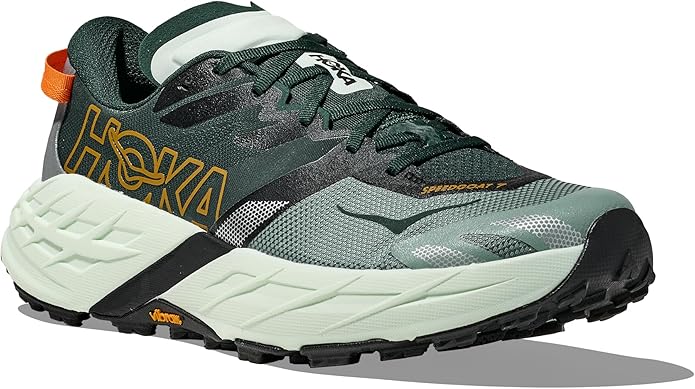
Hoka
Hoka Speedgoat 7
The best-selling trail shoe in the US and an absolute ultra-trail classic. Max Hoka cushioning, a Vibram Megagrip outsole with 5 mm lugs for grip in mud and technical terrain, and a snug Matryx upper. Built to eat up kilometres without punishing your legs in long races.
Altra
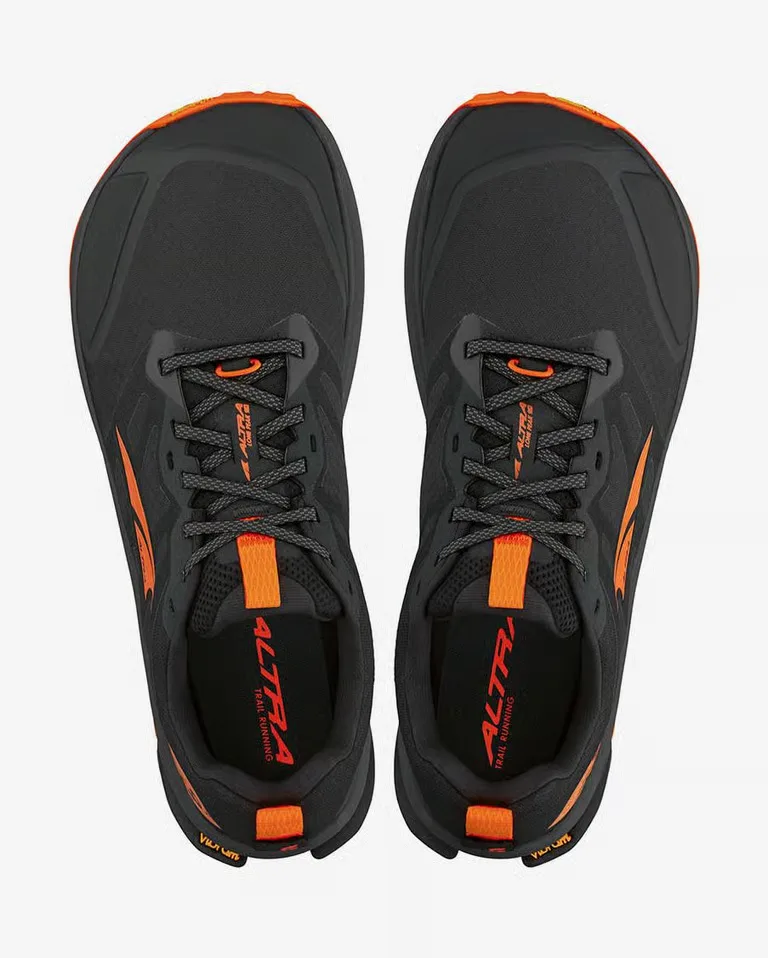
Altra Lone Peak 9
Trail running shoe with zero drop and wide FootShape toe box that allows natural toe splay. 25 mm stack with EGO foam for balanced cushioning without losing ground contact. MaxTrac outsole with 3.5 mm lugs, ideal for non-technical trails, forest tracks and long-distance paths.

New Balance
New Balance Fresh Foam X Hierro v9
The model breaking into Spain's best-seller charts. Fresh Foam X midsole with a solid balance between cushioning and ground feel, a Vibram Megagrip outsole, and a comfortable last suited to wide feet. A reliable all-rounder for training runs and mountain races of any distance.
Some links are affiliate links. If you buy through them, we earn a commission at no extra cost to you.
Race-by-race breakdown
| # | Km-effort | Time | Score | Age | Weight |
|---|
Frequently asked questions
What is the ITRA Performance Index?
The ITRA Performance Index (PI) is a 0-1000 score that measures your level as a trail runner. It's calculated from your results in ITRA-certified races. The higher your PI, the better your relative performance. A recreational runner typically scores 300-500, while a world-class elite exceeds 850.
How is the ITRA Performance Index calculated?
ITRA takes your best results from certified races in the last 36 months. It calculates an individual score for each race based on your speed in effort-km per hour. It then applies weightings for result age and number of completed races to get your final PI.
What are effort kilometers (km-effort)?
Effort kilometers convert race difficulty to an equivalent flat distance. The formula is: km-effort = distance (km) + elevation gain (m) / 100. A 42 km race with 3000 m D+ equals 72 km-effort. This is the basis of ITRA's race categorization system (XXS to XXL).
How many races do I need for an ITRA index?
ITRA needs at least 1 result to calculate a PI, but accuracy improves with more races. With 1-2 results the PI is provisional and can vary a lot. From 3-5 results the score stabilizes. The official system considers up to 5 of your best results.
How long does it take for my ITRA index to update?
Results appear on ITRA when the organizer uploads them, usually 1-4 weeks after the race. Your PI is automatically recalculated with each new result. Results older than 36 months gradually lose weight.
What's the difference between ITRA points and UTMB Index?
ITRA points (1-6) measure race difficulty by effort-km. The ITRA Performance Index (PI, 0-1000) measures your level as a runner. The UTMB Index is a proprietary system that categorizes races (20K, 50K, 100K, 100M) and assigns its own performance index for accessing UTMB races. This calculator approximates the ITRA PI.
Can I use this index to register for UTMB races?
This calculator provides an estimate of the ITRA Performance Index. To register for UTMB races you need your official PI calculated by ITRA from verified results. Your official PI can be checked at itra.run by creating a free account.
How do I improve my performance index?
To improve your PI: (1) run longer races with more elevation gain, as they offer higher individual scores, (2) improve your finish time to increase your effort-km/hour speed, (3) run more ITRA-certified races so the system has more data, and (4) keep results recent, as older ones lose weight.
How the ITRA calculator works
This calculator estimates your ITRA Performance Index using the effort-km methodology, the same metric used by ITRA to classify race difficulty:
- Km-effort: converts the race profile to an equivalent flat distance. Formula: km-effort = distance (km) + elevation gain (m) / 100.
- Speed: your speed in effort-km per hour (km-effort divided by your finish time in hours).
- Score: your speed is multiplied by 100 to get a score on the 0-1000 scale. A speed of 5 km-effort/h equals approximately 500 points.
In multi-race mode, the calculator takes your top 5 scores and applies a time decay: recent results (last 12 months) count at full weight, while older results gradually lose weight. This mirrors the official ITRA methodology.
This is an approximation. The official ITRA system uses additional factors like race-specific coefficients and the full distribution of results. Check your official PI at itra.run.