Nutrition
Gels, bars, isotonic drinks and nutrition plans to perform at your best.
Nutrition is the fourth discipline of trail running — alongside training, rest and mental preparation. No matter how many hours you've logged on the mountain: if your fueling strategy fails, your body shuts down. This guide covers what to eat, when and how much so you cross the finish line performing at your best.
The 3 key nutrition moments
Before the race (48-72 h): Progressive carbohydrate loading. Increase the proportion of pasta, rice, bread and potatoes in your regular meals without gorging the night before. Your pre-race meal should be 3-4 hours before the start, high in carbs and low in fibre and fat to avoid stomach issues. Example: white bread with jam, a banana and coffee.
During the race: Your first gel or bar should go in at 30 minutes into the race, not when you already feel hungry. From there, every 30-45 minutes. If you wait until you bonk, it's too late: your body takes 15-20 minutes to absorb the carbohydrates. In ultras, alternate gels with solid food to avoid palate fatigue.
After the race (30-60 min): The recovery window is real. Take in 20-25 g of protein combined with 1 g/kg body weight of carbohydrates within the first hour. A recovery shake, a ham sandwich with banana or yoghurt with granola and fruit all work perfectly. Don't wait until you get home.
Product types: what to carry?
Energy gels: The most practical format during a race. They deliver 20-25 g of fast-absorbing carbohydrates in a small package. Ideal for high-intensity efforts. Hydrogel types (like Maurten) are better tolerated without water. Classic gels (GU, SiS) work just as well but are best washed down with a sip of water.
Energy bars: More satiating than a gel because they require chewing. They provide 30-45 g of carbohydrates and some include protein and fat. Ideal for long, low-intensity climbs in ultras, where the stomach tolerates solids better. Choose soft bars you can eat without stopping.
Isotonic drinks: Hydration + electrolytes + carbohydrates in one product. Ideal for carrying in soft flasks to complement gels. Look for formulas with sodium (>400 mg/L) and avoid those with too much sugar, which can cause discomfort.
Electrolyte salts: Capsules or effervescent tablets with sodium, potassium and magnesium. Essential in heat or high-sweat conditions. They don't replace food — they complement it. One capsule every 45-60 minutes in hot conditions is a common guideline, but every runner sweats differently: test in training.
Real food: Nuts, banana, dates, boiled potato with salt, cured ham, cheese, mini sandwiches. Common in ultras of 50 km or more, where spending 10+ hours on gels alone becomes unbearable. Aid stations at many Spanish races offer real food — but don't rely solely on them: carry your own backup plan.
How many carbohydrates per hour?
The amount of carbohydrates you need depends on the duration of the effort, not just the distance. These are reference ranges based on ISSN (International Society of Sports Nutrition) guidelines:
- Short trail (< 21 km): 30-40 g/h. One gel every 40-45 minutes is usually enough.
- Mountain marathon (42 km): 40-60 g/h. Two gels per hour or one gel + isotonic drink.
- Ultra 50-80 km: 60-80 g/h. Combine gels, bars and real food. Alternate between sweet and savoury flavours.
- Ultra 100 km+: 60-90 g/h. At these durations you need prior gut training to tolerate high intakes. Practise on long runs with the same nutrition you'll use on race day.
Important: carbohydrate intakes above 60 g/h require systematic gut training. Start with 40-50 g/h on your long runs and gradually increase over weeks. Your gut adapts, but it needs time.
Hydration: how much and what to drink
The general recommendation is 400-800 ml per hour, adjusting for temperature, humidity and your individual sweat rate. In heat (>25 °C) or on sun-exposed climbs, aim for the upper range. In cold or shade, the lower range is fine. Weigh yourself before and after a long training run to estimate how much fluid you lose.
Water or isotonic? If you're already taking gels and salt capsules, plain water works fine. If you prefer fewer products, an isotonic drink covers hydration + electrolytes + some energy in a single sip. Many runners carry one soft flask with water and another with isotonic. In races with frequent aid stations (every 8-12 km), you can carry less fluid.
The 4 most common mistakes
1. Testing new products on race day. The golden rule of sports nutrition: nothing new on race day. A gel that works for your training partner may wreck your stomach. Test every product in training before taking it to a race.
2. Starting to eat too late. Many runners wait until they feel hungry or bonk before taking their first gel. By then you're already in a deficit that's hard to recover from. Start at 30 minutes and maintain the cadence even if you feel fine.
3. Ignoring electrolytes in the heat. Drinking only water for hours dilutes blood sodium (hyponatraemia). In heat or high-sweat conditions, salts aren't optional — they're essential. If your urine is clear and you feel bloated, you're probably drinking too much and taking too few salts.
4. Not training your nutrition. Your long runs are the laboratory. Use them to test gels, bars, quantities and timing. Train your gut just like you train your legs. Runners who practise their nutrition plan in training have 30-40% fewer gastrointestinal problems on race day.
Estimated nutrition per race
Rough estimate of nutritional needs for the longest distance of each race we cover.
| Race | Max dist. | D+ | Carbs/h |
|---|---|---|---|
| Trail Menorca Camí de Cavalls | 185 km | 3,500 m | 60–90 g/h |
| HOKA Val d'Aran by UTMB | 163 km | 10,000 m | 60–90 g/h |
| UltraMediterrània | 162 km | 8,050 m | 60–90 g/h |
| Mallorca by UTMB | 138 km | 5,350 m | 60–90 g/h |
| Transgrancanaria | 128 km | 7,500 m | 60–90 g/h |
| Costa Brava Stage Run | 125 km | 4,820 m | 60–90 g/h |
| Tenerife Bluetrail by UTMB | 110 km | 6,250 m | 60–90 g/h |
| Penyagolosa Trails | 106 km | 5,600 m | 60–90 g/h |
| Gran Trail Trangoworld Aneto-Posets | 105 km | 6,760 m | 60–90 g/h |
| Gran Trail de Peñalara | 104 km | 5,100 m | 60–90 g/h |
| RunThrough Ultra Trail Girona | 103 km | 2,881 m | 60–90 g/h |
| Costa Blanca Trails | 102 km | 6,020 m | 60–90 g/h |
| 101 Kilometres in 24 Hours - La Legión | 101 km | 2,819 m | 60–90 g/h |
| Ultra Sierra Nevada | 100 km | 6,200 m | 60–90 g/h |
| Canfranc-Canfranc | 100 km | 8,848 m | 60–90 g/h |
| Ultra Pirineu | 100 km | 6,400 m | 60–90 g/h |
| 90K Camino de la Cruz | 91 km | 2,500 m | 60–90 g/h |
| Riaño Trail Run | 84 km | 5,500 m | 60–90 g/h |
| Festival Cavalls del Vent | 84 km | 5,600 m | 60–90 g/h |
| Ultra Montseny | 80 km | 4,868 m | 60–90 g/h |
| Transvulcania | 73 km | 4,350 m | 60–90 g/h |
| Travesera Picos de Europa | 72 km | 5,800 m | 60–90 g/h |
| Ultra Trail Gredos | 71 km | 2,322 m | 60–90 g/h |
| Reventón Trail | 70.5 km | 4,079 m | 60–90 g/h |
| Ultra Trail Bosques del Sur | 70 km | 3,700 m | 60–90 g/h |
| EDP DesafiOSOmiedo | 70 km | 8,000 m | 60–90 g/h |
| GTPE Picos de Europa | 70 km | 5,300 m | 60–90 g/h |
| Ultra Montaña Palentina | 65 km | 4,500 m | 60–90 g/h |
| Ultra Trail Muntanyes Costa Daurada | 64 km | 3,000 m | 60–90 g/h |
| Kangas Mountain | 58 km | 3,500 m | 60–90 g/h |
| Desafío Ultra El Cainejo | 52 km | 5,500 m | 60–90 g/h |
| Ultra Trail Torla-Ordesa | 50 km | 4,100 m | 60–90 g/h |
| Ibiza Trail Maratón Festival | 48 km | 1,600 m | 60–90 g/h |
| V Trail Nieva de Cameros | 47 km | 2,350 m | 60–90 g/h |
| Isasa Trail Xtrem | 46 km | 2,600 m | 60–90 g/h |
| La Osera | 45 km | 2,300 m | 60–90 g/h |
| Jurramendi 360 | 45 km | 2,400 m | 60–90 g/h |
| Madrid Alpine Marathon | 44 km | 2,500 m | 60–90 g/h |
| Trail Vielha-Molières 3010 | 43 km | 4,200 m | 60–90 g/h |
| Trail Laxe dos Bolos | 43 km | 2,300 m | 60–90 g/h |
| Basajaun Trail Race | 43 km | 2,550 m | 60–90 g/h |
| Marató dels Dements | 42.5 km | 3,808 m | 60–90 g/h |
| Garmin Epic Trail Vall de Boí | 42 km | 2,800 m | 60–90 g/h |
| Zegama-Aizkorri | 42 km | 2,736 m | 60–90 g/h |
| Desafío Urbión | 37 km | 2,600 m | 60–90 g/h |
| Trail Picos de la Demanda | 35 km | 2,300 m | 60–90 g/h |
| GR 322 Nafarroa Xtrem | 35 km | 1,800 m | 60–90 g/h |
| Trail Loja - Abades Stone Race | 34.92 km | 4,038 m | 60–90 g/h |
| Arganza Trail — Cañón del Río Lobos | 33 km | 1,900 m | 60–90 g/h |
| Trail Heróica Sacra | 33 km | 1,800 m | 60–90 g/h |
| Subida a Tágara | 32 km | 2,029 m | 60–90 g/h |
| Camille Extreme | 32 km | 2,044 m | 60–90 g/h |
| Gorbeia Suzien | 32 km | 2,400 m | 60–90 g/h |
| Calamorro Skyrace | 30 km | 2,200 m | 60–90 g/h |
| Anaga Maratón | 30 km | 2,055 m | 60–90 g/h |
| Gomera Paradise Trail | 30 km | 2,536 m | 60–90 g/h |
| Irati Trail | 30 km | 2,000 m | 60–90 g/h |
| Subbética Trail | 29 km | 1,400 m | 60–90 g/h |
| Cross de Las Dehesas | 29 km | 1,900 m | 60–90 g/h |
| Mitxarro Bira | 27.5 km | 1,775 m | 60–90 g/h |
| Garganta de los Infiernos Mountain Race | 26 km | 1,500 m | 60–90 g/h |
| Trail Cova da Bruxa | 26 km | 1,600 m | 60–90 g/h |
| Cross de Cuerda Larga | 26 km | 1,500 m | 60–90 g/h |
| El Valle Trail | 26 km | 1,600 m | 60–90 g/h |
| Lakuntza-Aralar Mendi Lasterketa | 26 km | 1,200 m | 60–90 g/h |
| Mazucator Sky | 25 km | 1,700 m | 60–90 g/h |
| Santa Cruz Extreme | 25 km | 1,460 m | 60–90 g/h |
| Petaca Trail | 25 km | 1,200 m | 60–90 g/h |
| Volta Peramola | 25 km | 1,613 m | 60–90 g/h |
| Cross de la Pedriza | 25 km | 1,600 m | 60–90 g/h |
| Haritzen Mendi Lasterketa | 24.25 km | 1,650 m | 60–90 g/h |
| Entremontañas Paralelo 28 | 24 km | 1,185 m | 60–90 g/h |
| Cross de los 3 Refugios | 24 km | 1,700 m | 60–90 g/h |
| Betagarri Trail | 24 km | 1,050 m | 60–90 g/h |
| Trail Tierras Pésicas | 23.5 km | 2,800 m | 60–90 g/h |
| CxM Alfarnat Trail | 23 km | 1,450 m | 60–90 g/h |
| Trail Covatelles | 23 km | 1,000 m | 60–90 g/h |
| Aloñako Igoera | 22.6 km | 1,868 m | 60–90 g/h |
| Trail Cabo de Ajo | 22 km | 800 m | 60–90 g/h |
| Trail Tierra de Ibias | 21.9 km | 1,300 m | 60–90 g/h |
| Bera Mountain Half Marathon | 21.81 km | 1,376 m | 60–90 g/h |
| Alto Rey Trail | 21.7 km | 1,082 m | 60–90 g/h |
| Berroeta Mendi Maratoi Erdia | 21.6 km | 1,274 m | 60–90 g/h |
| X CxM Deportes Parra Hervás | 21.5 km | 1,205 m | 60–90 g/h |
| XI Carrera del Espárrago 51 | 21 km | 0 m | 60–90 g/h |
| CxM Villa de Casares | 21 km | 1,094 m | 60–90 g/h |
| Xtrail Series Run Òrrius | 21 km | 800 m | 60–90 g/h |
| XVII CxM Carrera Pencona | 21 km | 1,200 m | 60–90 g/h |
| Trail Vila de Cuntis | 21 km | 1,100 m | 60–90 g/h |
| Triku Trail | 21 km | 1,300 m | 60–90 g/h |
| Xtreme Higa de Monreal | 21 km | 1,145 m | 60–90 g/h |
| Desafío Galayos 2026 | 20 km | 1,200 m | 60–90 g/h |
| Desafío Trail Templario | 20 km | 0 m | 30–60 g/h |
| Foncea Trail | 20 km | 820 m | 60–90 g/h |
| Trail Mina de la Plata de Bustarviejo | 20 km | 1,150 m | 60–90 g/h |
| Trail Virgen del Yugo | 19.67 km | 493 m | 60–90 g/h |
| Rebecos Trail | 18.6 km | 614 m | 60–90 g/h |
| VII Trail e Andaina Ribeiras do Tambre | 15 km | 400 m | 30–60 g/h |
| Trail Santuario de Consolación | 14 km | 370 m | 30–60 g/h |
| Aoiz Mountain Race | 14 km | 800 m | 30–60 g/h |
| Kilómetro Vertical de la Barranca | 7.3 km | 1,010 m | 30–60 g/h |
| Kilómetro Vertical Media Legua Gruesa | 5 km | 900 m | 30–60 g/h |
| Neveros Vertical | 5 km | 1,000 m | 30–60 g/h |
| Uharte-Arakil Beriain Km Bertikala | 5 km | 1,023 m | 30–60 g/h |
| KM Vertical Fuente Dé | 2.6 km | 972 m | 30–60 g/h |
* Estimates based on an average pace of ~7 km/h + elevation penalty. Gel count assumes 22 g of carbohydrates per gel. Actual values depend on your pace, weight, temperature and individual tolerance. Each race includes specific recommendations in its Pack 360.
Ready to plan your nutrition?
Explore the Pack 360 for any race to see specific nutrition recommendations based on the terrain, distance and expected conditions. Or use the planner to organise your entire season.
Recommended products
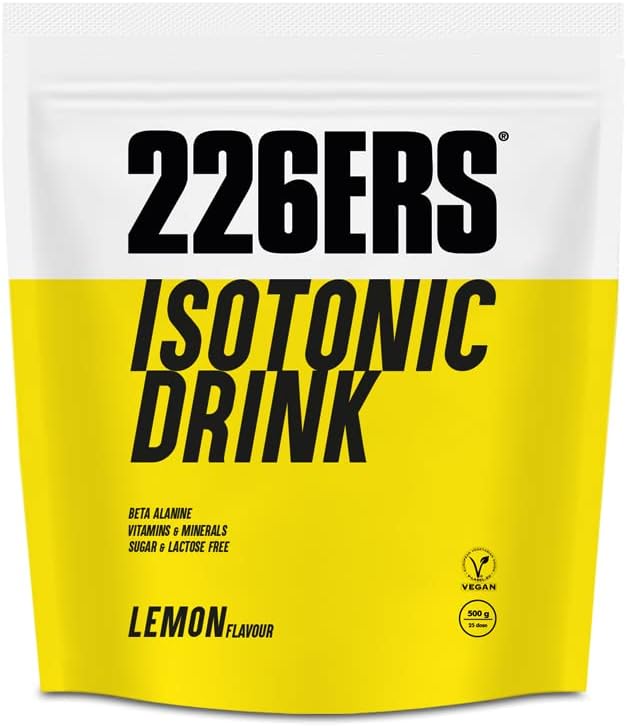
226ERS
226ERS Isotonic Drink
Bebida isotónica en polvo de la marca española 226ERS. Aporta carbohidratos, electrolitos y minerales para mantener la hidratación durante el ejercicio. Fórmula con amilopectina para absorción rápida sin molestias digestivas.
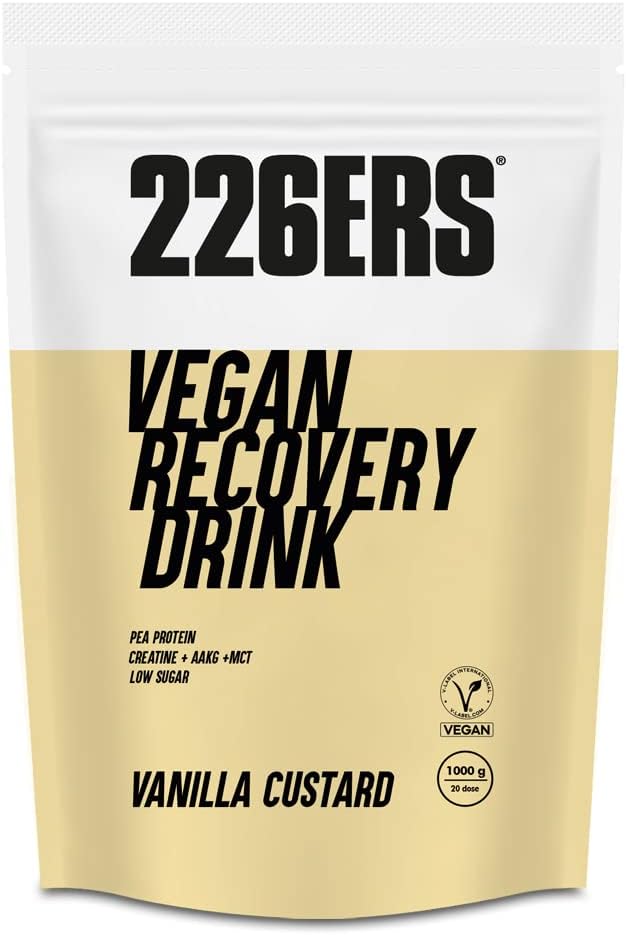
226ERS
226ERS Recovery Drink
Batido de recuperación muscular de la marca española 226ERS. Fórmula con proteína de suero, amilopectina, aminoácidos (incluyendo glutamina y BCAA) y minerales. Ratio carbohidratos-proteína optimizado para la ventana post-ejercicio. Buen sabor y tolerancia digestiva.
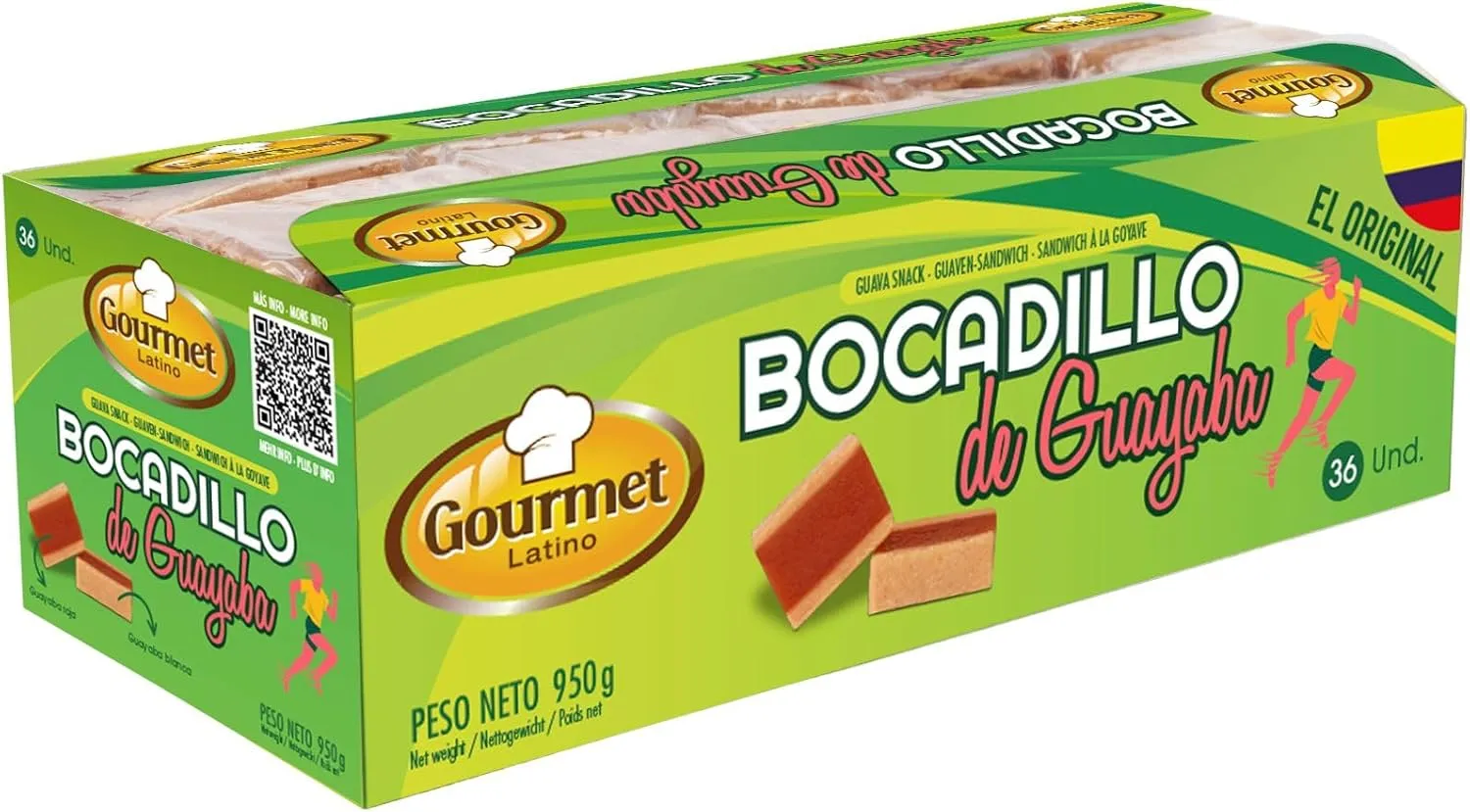
Gourmet Latino
Bocadillo de Guayaba Gourmet Latino
Bocadillo de guayaba natural en formato individual de 26 g. Alto contenido en vitamina C y carbohidratos de rápida absorción. Textura sólida y envoltorio fácil de abrir, ideal para llevar en carrera. Sabor dulce intenso que aporta energía inmediata sin necesidad de agua.
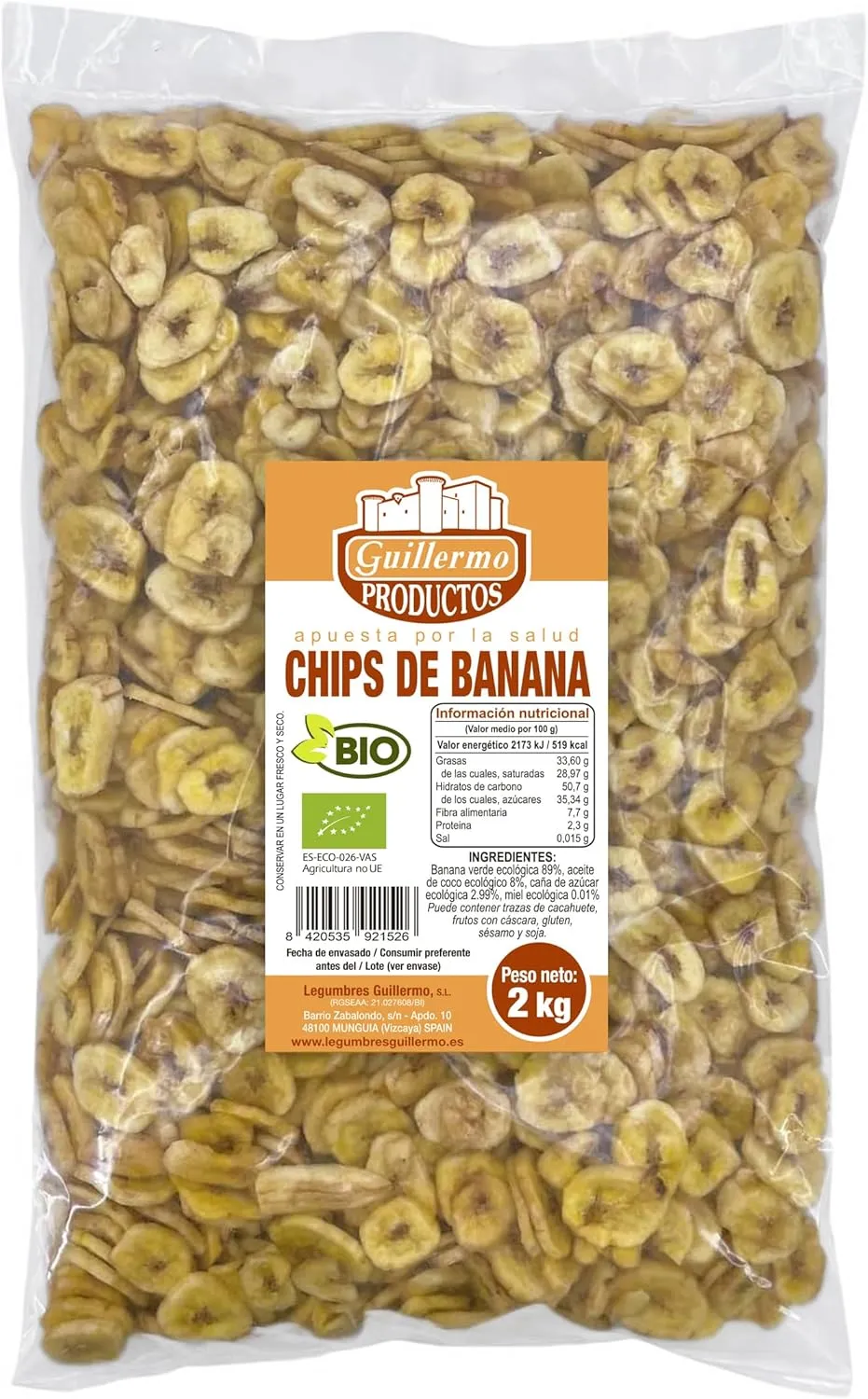
Guillermo
Chips de Plátano Deshidratado Guillermo
Chips de plátano deshidratado 100% natural. Crujientes, ligeras y con buen aporte de carbohidratos y potasio. Formato bolsa de 2 kg para rellenar bolsitas individuales. Fáciles de comer corriendo sin necesidad de masticar mucho.

Clif Bar
Clif Bar Original Energy Bar
Barrita energética con 40g de carbohidratos y 10g de proteína. Ingredientes orgánicos y sabores naturales. Textura densa, ideal para avituallamientos o secciones tranquilas. Una de las barritas más populares en trail running.
Dorimed
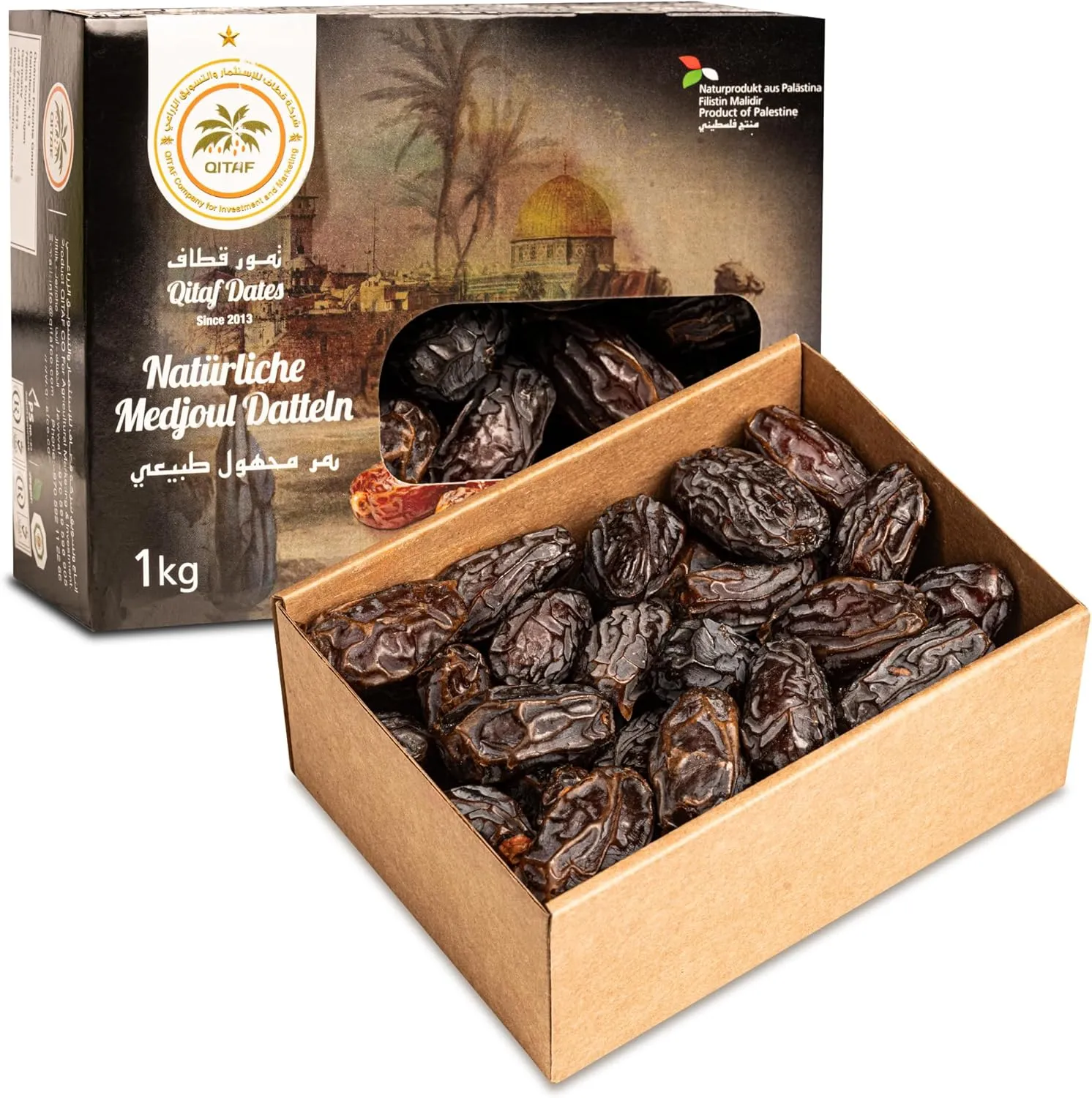
Dátiles Medjool Dorimed
Dátiles Medjool de Palestina, grandes y jugosos. Cada unidad aporta unos 18 g de carbohidratos en un formato muy compacto. Textura blanda, fácil de masticar y con una densidad calórica altísima. El clásico entre los corredores que buscan alternativas naturales a los geles.

GU
GU Energy Gel Original
Gel energético con 100 calorías y 21g de carbohidratos por sobre. Mezcla de maltodextrina y fructosa para absorción óptima. Incluye aminoácidos y electrolitos. El gel más usado en ultratrails de todo el mundo.

Natural Elements
Magnesio Bisglicinato - Natural Elements
Magnesio bisglicinato de alta biodisponibilidad. 240 cápsulas (4 meses de suministro), 155 mg de magnesio elemental por cápsula. Forma quelada que se absorbe mejor y no causa molestias digestivas. Ideal para relajación muscular y calidad del sueño post-carrera.

Maurten
Maurten Gel 100
Gel de hidrogel con 25g de carbohidratos. La tecnología de hidrogel encapsula los carbohidratos para una absorción sin molestias gástricas. Sabor neutro, sin edulcorantes artificiales. Usado por corredores de élite en maratón y ultra.
La Membrillera
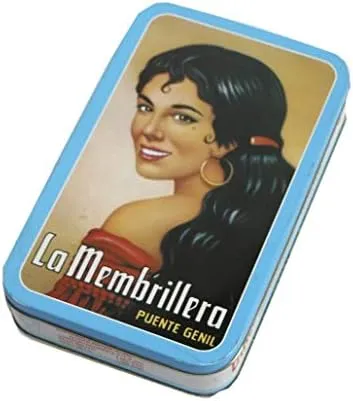
Membrillo Artesano La Membrillera
Dulce de membrillo artesano en lata de 500 g. Textura firme ideal para cortar en dados y llevar en bolsitas. Unos 18 g de carbohidratos por porción de 30 g. Sabor dulce natural, compacto y resistente al calor. Producto gourmet español sin conservantes.
Propol-mel
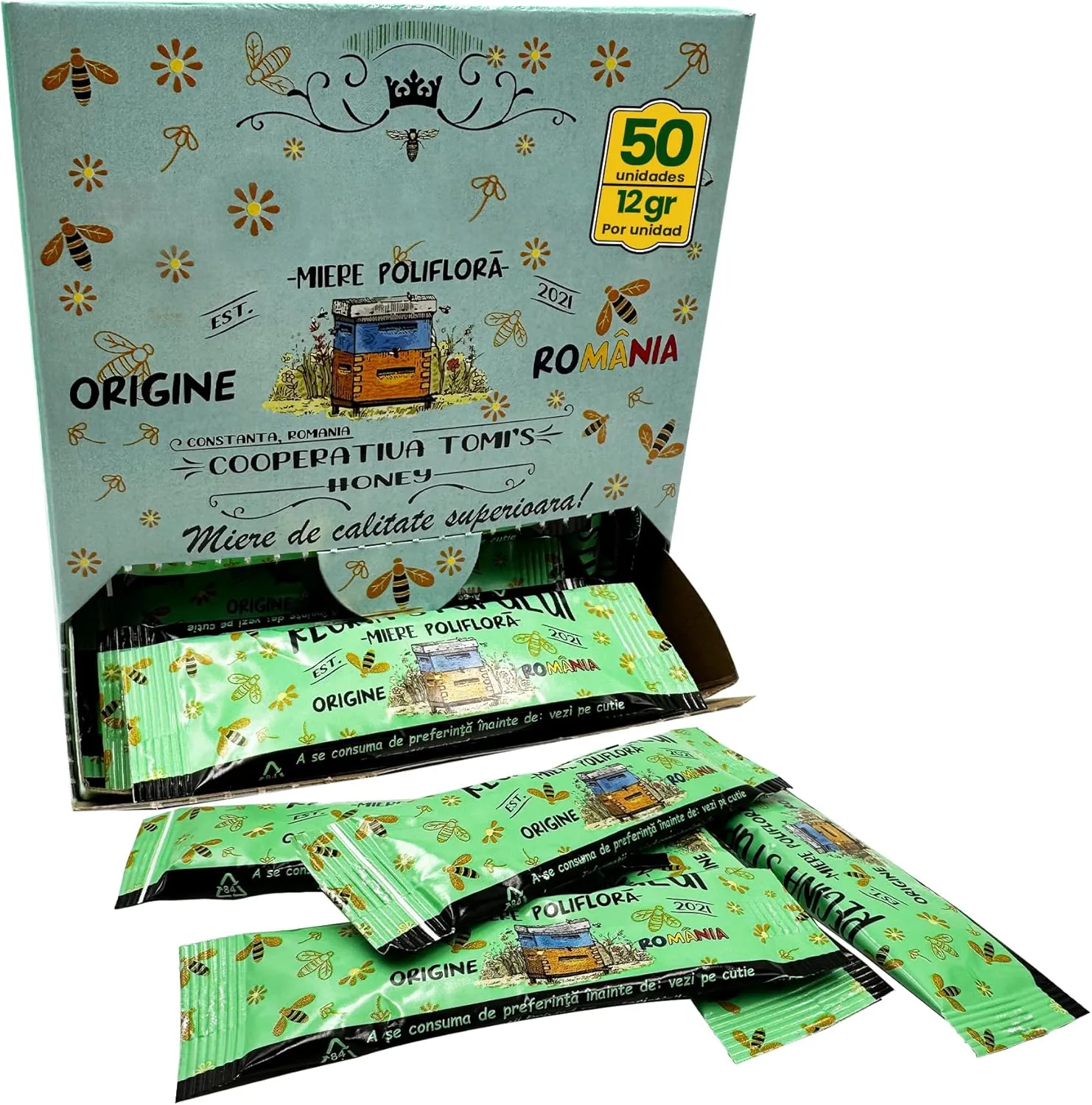
Miel en Sticks Propol-mel
Sticks monodosis de miel pura polifloral. Se abren con los dientes y se toman como un gel líquido, pero 100% natural. Absorción rápida de carbohidratos sin ingredientes artificiales. Formato compacto ideal para llevar en el chaleco.
Mundo Feliz
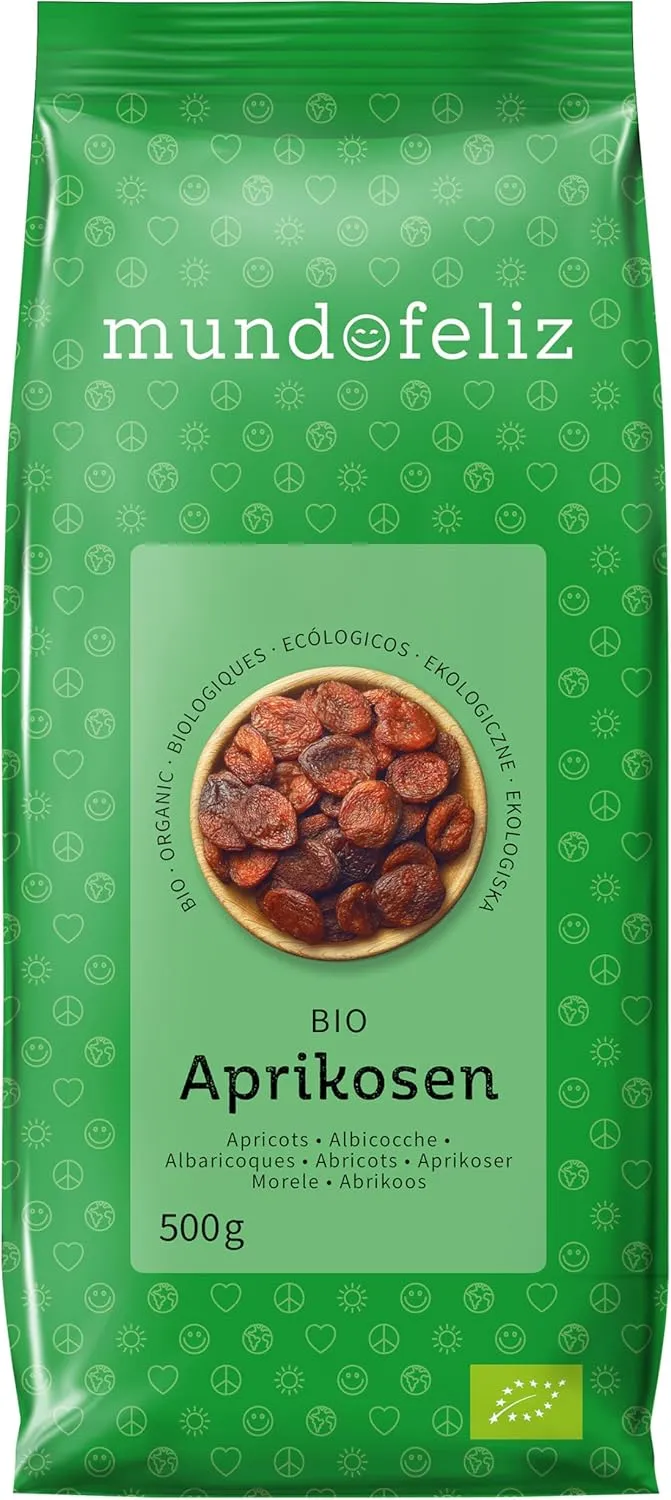
Orejones de Albaricoque Ecológicos Mundo Feliz
Orejones de albaricoque ecológicos en bolsa de 500 g. Unos 10 g de carbohidratos por pieza con potasio natural que ayuda a prevenir calambres. Ligeros, no se derriten y no necesitan envoltorio. Certificación ecológica.

PowerBar
PowerBar Energize Original
Barrita energética con 45g de carbohidratos por unidad. Mezcla de carbohidratos de absorción rápida y lenta para energía sostenida. Textura masticable, ideal para secciones de subida donde puedes comer con calma.
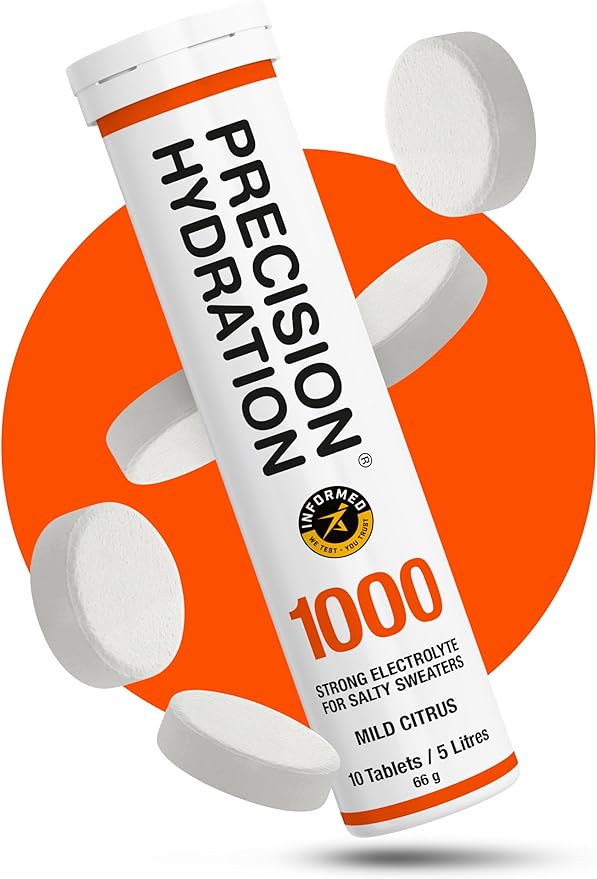
Precision Fuel & Hydration
Precision Fuel & Hydration PH 1500
Pastillas efervescentes con 1500 mg de sodio por litro. Para corredores que sudan mucho o en condiciones de calor. Sin calorías ni carbohidratos, solo electrolitos. Ideales para combinar con geles o barritas.

Science in Sport
SiS GO Isotonic Energy Gel
Gel isotónico que no necesita agua para su consumo. 22g de carbohidratos por sobre. Formulación ligera y fácil de digerir durante el ejercicio intenso. Muy popular en ciclismo y trail running.