Rain and Mud Trail Running Kit 2026: What to Bring to a Wet Race
Our picks by use case
Affiliate links: if you buy through them we earn a commission at no extra cost to you. It does not affect the ranking.
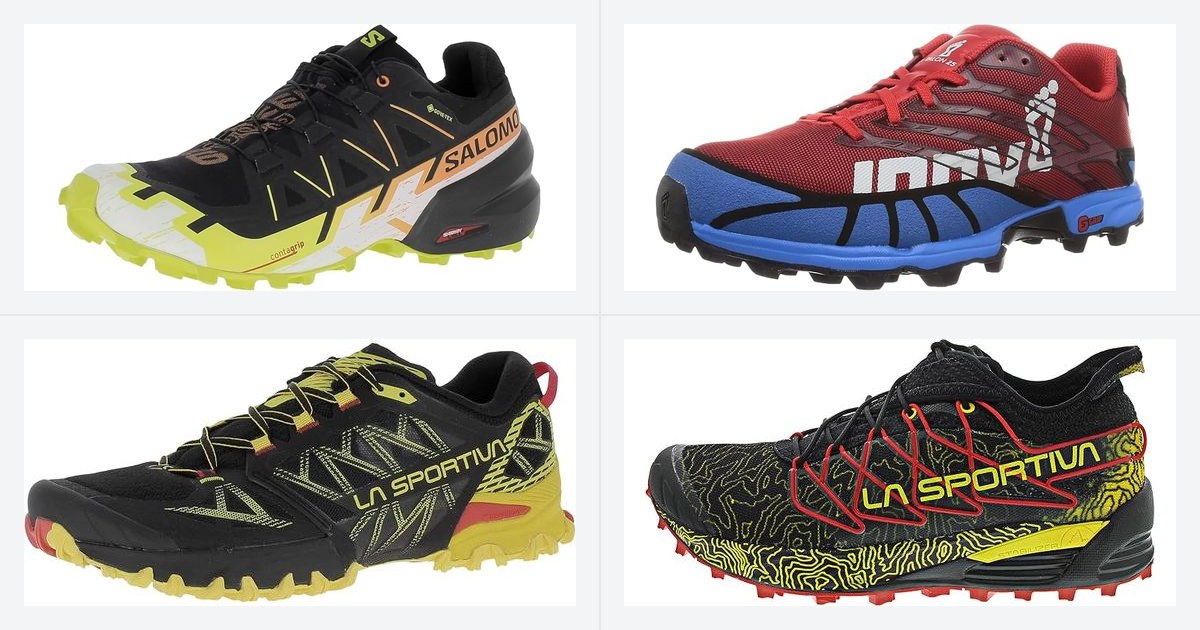
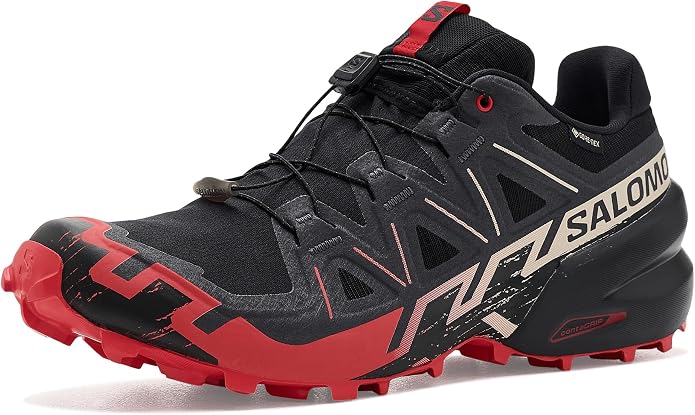 Our top pick#1 · Best shoe for rain and mudSalomon Salomon Speedcross 6 GTXView on Amazon (opens in a new tab)
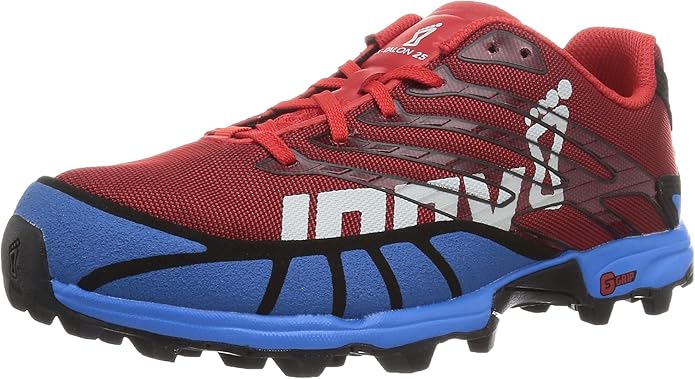 #2 · Best shoe for extreme mudInov-8 Inov-8 Mudclaw G 260View on Amazon (opens in a new tab)
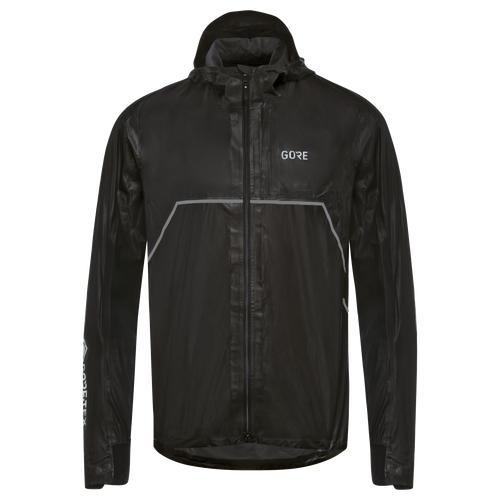 #3 · Lightest, most breathable rain jacketGore Wear Gore Wear R7 GTX ShakedryView on Amazon (opens in a new tab)
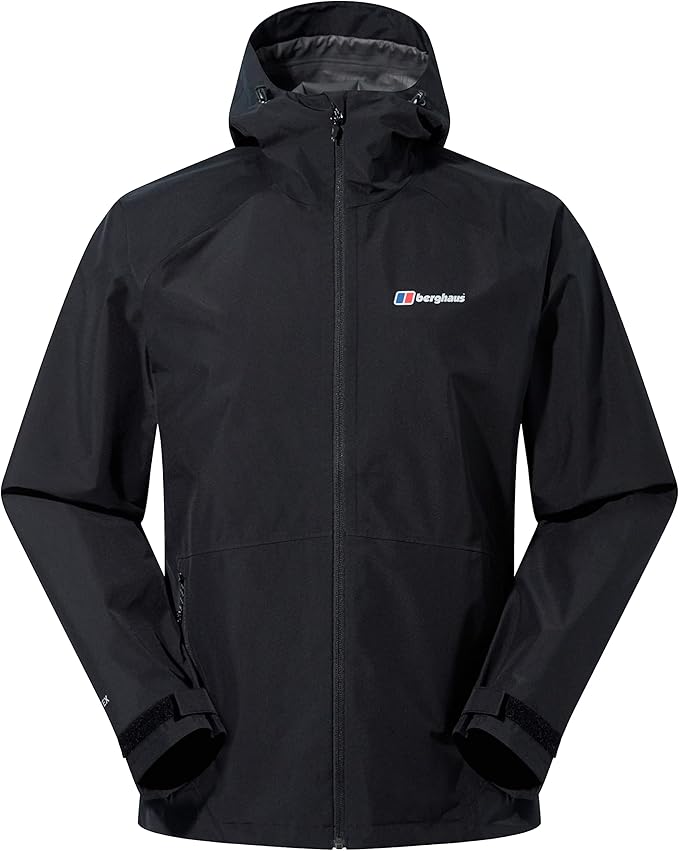 #4 · Most affordable Gore-Tex jacketBerghaus Berghaus Paclite 2.0 GTXView on Amazon (opens in a new tab)
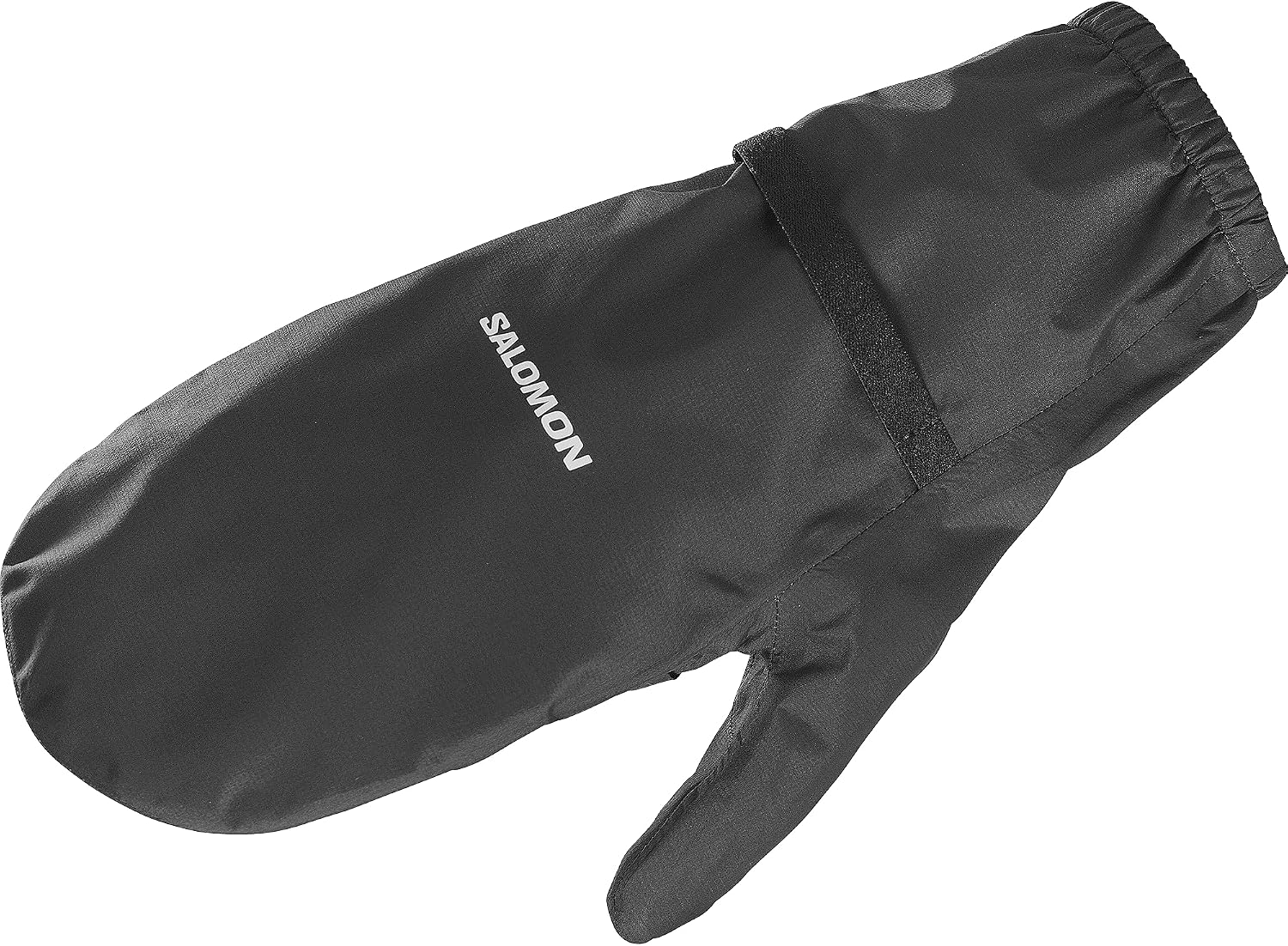 #5 · Best waterproof running glovesSalomon Salomon Bonatti Pro Waterproof GloveView on Amazon (opens in a new tab)
How we choose
We compare every model on verified technical specs (weight, materials, price), user reviews and our own experience running and testing gear in races from 21K to 100K+. We update this guide when prices change or new models launch. Some links are affiliate links: if you buy through them, TrailRunTemple earns a commission at no extra cost to you and with no influence on the selection.
All products in this guide
Salomon
Salomon Speedcross 6 GTX
The Speedcross 6 with a GORE-TEX membrane: the same aggressive 5 mm lugs for mud and soft ground, now waterproof for winter, rain and snow.
Inov-8
Inov-8 Mudclaw G 260
A pure mud specialist: 8 mm lugs and a Graphene Grip outsole for extreme traction on soft ground, wet grass and muddy climbs. The choice of fell-running and cross-country racers.
Gore Wear
Gore Wear R7 GTX Shakedry
Chubasquero Gore-Tex Shakedry ultraligero (110 g). Impermeabilidad total sin membrana interior, altamente transpirable. El referente para corredores de montaña.
Berghaus
Berghaus Paclite 2.0 GTX
Waterproof jacket with a Gore-Tex Paclite membrane (around 330 g). Fully waterproof with taped seams, fixed adjustable hood, storm flap behind the zip and cuff adjustment. Packs down small in a vest. Heavier than a pure running hardshell, but it meets the waterproof-breathable membrane requirement in race rules and is the affordable route into Gore-Tex.
Salomon
Salomon Bonatti Pro Waterproof Glove
Lightweight waterproof glove built for running, not just standing still in the snow: a waterproof membrane with more dexterity and less bulk than a thick membrane glove, for sustained rain without giving up handling gels or poles.
Quick answer: for a rainy, muddy trail race you need five pieces that work together: a shoe with deep lugs (Salomon Speedcross 6 GTX(opens in a new tab) if you want a membrane, Inov-8 Mudclaw G 260(opens in a new tab) if the mud is serious), a rain jacket that doesn’t cook you from the inside (Gore Wear R7 Shakedry(opens in a new tab) or, cheaper, Berghaus Paclite 2.0 GTX(opens in a new tab)), waterproof gloves (Salomon Bonatti Pro Waterproof(opens in a new tab)), gaiters to keep mud out of your shoes, and blister care in your vest. The full kit is below, split between short race and ultra.
A wet race isn’t lost to the rain: it’s lost to waterlogged feet, numb hands and a jacket that soaks through after two hours. Each of those has a specific gear fix, and most of it is decided when you pack the night before. This guide doesn’t compare a single product: it builds the rain and mud kit piece by piece and links to the guide for each category if you want to see more models.
The rain and mud kit at a glance
| Piece | Model | What it does | Buy |
|---|---|---|---|
| Shoe with membrane | Salomon Speedcross 6 GTX | 5 mm lugs and GORE-TEX for rain, cold and soft mud | Amazon →(opens in a new tab) |
| Extreme mud shoe | Inov-8 Mudclaw G 260 | 8 mm lugs and 260 g for deep mud and soaked grass | Amazon →(opens in a new tab) |
| Stable shoe with membrane | Brooks Cascadia 20 GTX | Dry feet and protection on wet rocky terrain | Amazon →(opens in a new tab) |
| Ultralight rain jacket | Gore Wear R7 Shakedry | 110 g, fully waterproof and very breathable | Amazon →(opens in a new tab) |
| Affordable Gore-Tex jacket | Berghaus Paclite 2.0 GTX | Gore-Tex membrane, sealed seams and adjustable hood | Amazon →(opens in a new tab) |
| Waterproof windbreaker | Salomon Bonatti WP | 135 g, packs into its own pocket | Amazon →(opens in a new tab) |
| Waterproof gloves | Salomon Bonatti Pro Waterproof | Sustained rain without losing dexterity for gels and poles | Amazon →(opens in a new tab) |
| Membrane gloves for cold | Gore Wear C5 GORE-TEX | More warmth for sleet and heavy rain | Amazon →(opens in a new tab) |
| Waterproof gaiters | TRIWONDER Waterproof Trail Gaiters | Block mud and puddles instead of just repelling them | Amazon →(opens in a new tab) |
| High gaiters | Salomon Trail Gaiters High | Barrier against mud, stones and sand up to mid-calf | Amazon →(opens in a new tab) |
| Toe socks | Injinji Trail Midweight Crew | Quick-drying, no rubbing between toes | Amazon →(opens in a new tab) |
| Blister care | Compeed Medium Blister Plasters | Individually wrapped plasters for your vest | Amazon →(opens in a new tab) |
| Anti-chafe | BodyGlide Original | Sweat-resistant, also works on wet clothing | Amazon →(opens in a new tab) |
Short-race kit (under 30 km) or ultra kit (over 50 km)
Rain weighs differently depending on how many hours you’ll be out. In a short race you get by with the minimum; in an ultra, wet gear is a safety risk.
| Short race (<30 km) | Ultra (>50 km) | |
|---|---|---|
| Shoe | Mud: Mudclaw. Mixed terrain: Speedcross 6 GTX | Speedcross 6 GTX or Cascadia 20 GTX for stability |
| Rain jacket | Waterproof windbreaker (Bonatti WP), or none if the rules allow | Membrane jacket with sealed seams (R7 Shakedry or Paclite) |
| Hands | Thin waterproof gloves | Waterproof gloves and a dry spare pair |
| Feet | Low gaiters | Gaiters + a second pair of socks in the vest + Compeed |
| Skin | Optional | BodyGlide on underarms, groin and nipples: with wet clothing, chafing multiplies |
In an ultra the vest changes too: you need room for the spare layer and to avoid losing the jacket at the first aid station. See the options in the hydration vest guide.
How to choose each piece
1. Shoe: lugs first, membrane second
In mud, the lug rules: the deeper and more widely spaced, the more it bites and the less it clogs. The Speedcross 6 GTX has 5 mm lugs and weighs 328 g; the Mudclaw G 260 goes up to 8 mm at just 260 g. The membrane is a separate decision, covered just below. If your race mixes mud with wet rock, the mud and technical terrain shoe guide explains why mud grip and rock grip are opposites.
2. Rain jacket: the point is not cooking inside it
A jacket that keeps the rain out but soaks you in sweat still leaves you wet. Look for sealed seams, an adjustable hood and breathability. The R7 Shakedry (110 g) is fully waterproof with no inner membrane; the Paclite (around 330 g) weighs three times as much, but it is the most accessible route to real Gore-Tex and meets the waterproof-breathable membrane requirement in many race rules. Check yours in the mandatory gear guide before deciding.
3. Hands: dry, or at least still working
Hands are the first thing to fail in a cold, wet race: without dexterity you can’t open a gel or handle a pole. A thin waterproof glove like the Bonatti Pro keeps dexterity; the Gore C5 is warmer if you expect sleet. If you’re torn between models, the trail running gloves guide compares them all.
4. Gaiters: mud comes in from the top
Half a race with a pebble or mud inside your sock means a blister. A low waterproof gaiter (TRIWONDER) blocks mud and water at the ankle; a high one (Salomon) protects more calf but only repels light water. More models in the trail running gaiters guide.
5. Feet and skin: prevent the blister
A wet foot softens and blisters in half the time. Quick-drying socks (Injinji, or any in the trail running socks guide) help; and carry a Compeed in your vest. For the rest of the body, a stick like BodyGlide holds up against sweat and rain. The anti-chafe guide ranks the options.
Shoe with or without a membrane: the question of every wet race
It’s the most repeated question, and it has no single answer.
- With membrane (Speedcross 6 GTX, Cascadia 20 GTX): your foot starts dry and handles cold and light rain well. But if water gets in over the collar, through a river crossing or a deep puddle, the membrane traps it inside and the shoe takes longer to dry. Better for constant rain and low temperatures.
- Without membrane (Mudclaw, regular Speedcross 6): it soaks through fast, but it also drains and dries sooner. With the right sock, a wet but warm foot performs well. Better for deep mud and frequent water crossings.
Rule of thumb: cold and sustained rain → membrane; deep mud and water crossings → no membrane. And in both cases, gaiters. We compare more membrane models in the waterproof trail shoes guide.
Rain jacket: Shakedry, Paclite or windbreaker
| Gore Wear R7 Shakedry | Berghaus Paclite 2.0 GTX | Salomon Bonatti WP | |
|---|---|---|---|
| Weight | 110 g | Around 330 g | 135 g |
| Type | Gore-Tex Shakedry, no inner membrane | Gore-Tex Paclite, sealed seams | Waterproof windbreaker, sealed seams |
| Best for | Ultras and fast races | Races with mandatory gear and mountaineering | Short races or an emergency layer |
Bottom line: the R7 is the best jacket for running; the Paclite is the sensible buy if you want real Gore-Tex without overspending and your race rules require it; the Bonatti WP is the light plan B. To see how to combine them with the rest of your layers, check the technical apparel guide.
Our recommendations by profile
- If your race is cold, constant rain: Speedcross 6 GTX(opens in a new tab), R7 Shakedry(opens in a new tab) and Gore C5(opens in a new tab).
- If it’s deep mud and water crossings: Mudclaw G 260(opens in a new tab) with no membrane, TRIWONDER(opens in a new tab) gaiters and quick-drying socks.
- If you have an ultra over wet rocky terrain: Cascadia 20 GTX(opens in a new tab), Paclite 2.0(opens in a new tab) and spare gloves.
- If it’s your first autumn race and you want to spend little: Bonatti WP(opens in a new tab), Compeed(opens in a new tab) and BodyGlide(opens in a new tab).
After the race: make your gear last the season
A muddy race is half the job; the rest is what you do when you get home. Remove dried mud before storing your shoes, restore the jacket’s waterproofing and dry your footwear from the inside without excessive heat:
- Cleaning: the cleaning kit with brush(opens in a new tab) removes mud from the mesh and restores protection.
- Jacket: the Nikwax TX.Direct waterproofer(opens in a new tab) renews the DWR on membrane jackets without affecting breathability.
- Drying: a shoe dryer(opens in a new tab) dries from the inside with moderate heat before your next run.
More detail in the guide to caring for and repairing your trail gear.
Common mistakes in a rainy race
- Debuting shoes on race day. In mud there is no room to discover a hot spot. Test them first.
- Trusting a “water-resistant” windbreaker. After two hours of sustained rain it no longer is. You need a genuinely waterproof garment.
- Forgetting spare gloves. A wet glove chills more than a bare hand.
- Not protecting your skin. Wet clothing plus sweat means guaranteed chafing on underarms, groin and nipples.
- Carrying the jacket “just in case” without testing it. Check that it fits in your vest and that you can put it on without taking the vest off.
Frequently asked questions
What should I bring to a trail race in the rain?
Shoes with deep lugs, a waterproof jacket with sealed seams, waterproof gloves, gaiters and spare socks. In an ultra, add a second pair of gloves and a dry insulating layer.
Are Gore-Tex shoes better for running in the rain?
It depends. In cold, constant rain, yes: your foot starts dry and stays warm. In deep mud or water crossings, a shoe without a membrane drains and dries sooner. In both cases, gaiters help.
Is a windbreaker enough for a rainy race?
For a short race and light rain, a lightweight waterproof windbreaker may be enough. For sustained rain or an ultra, you need a membrane jacket with sealed seams. Check your race rules.
Which shoes for deep mud?
Shoes with 8 mm lugs like the Inov-8 Mudclaw G 260 are built for that. If the mud mixes with wet rock, the Speedcross 6 is more versatile. You have more options in the mud shoe guide.
How do I avoid blisters with wet feet?
Quick-drying socks, gaiters to keep mud out, well-fitted shoes and a Compeed in your vest to act at the first hot spot. Don’t wait for the blister to open.
How do I clean and dry shoes after a muddy race?
Brush off the mud, wash them with lukewarm water and no harsh detergent, and dry them from the inside with moderate heat, never on a radiator. Reapply the waterproof treatment afterwards.
Other guides you might find useful
Races where you'll need this gear

Ultra Pirineu
100K, 54K, and 30K along the Cadí Range in the Catalan Pyrenees
Read more →
Trail Trans Serra da Groba
Trail Trans Serra da Groba — 29K and 1,000 m D+ above the Atlantic, among wild horses
Read more →
Trail Buciero Escal
Trail Buciero Escal — 17.9K and 1,028 m D+ looping around Monte Buciero above the sea, in Santoña
Read more →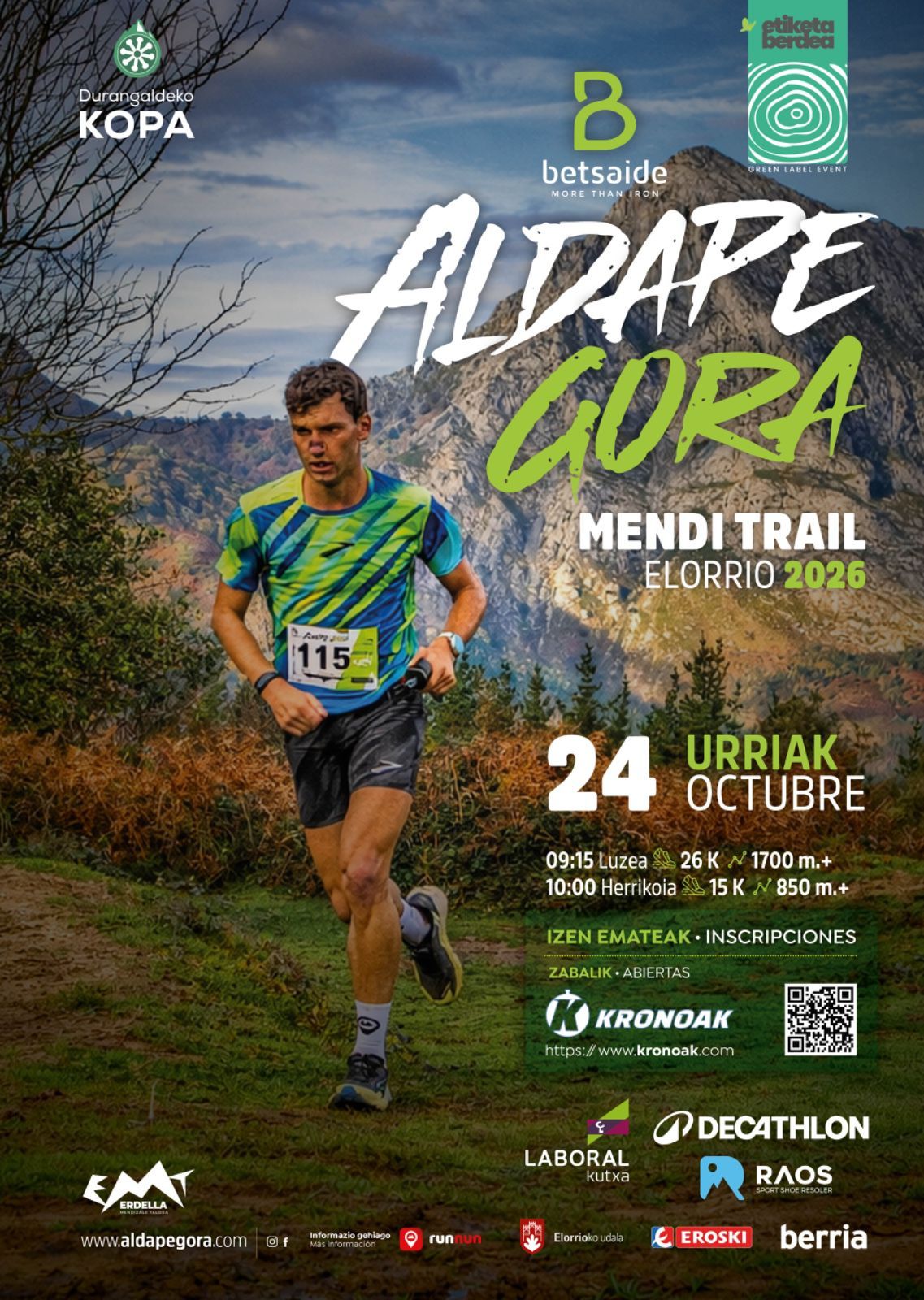
Aldapegora Mendi Trail
Aldapegora — 26 km and 1,700 m D+ over the summit of Udalaitz from Elorrio
Read more →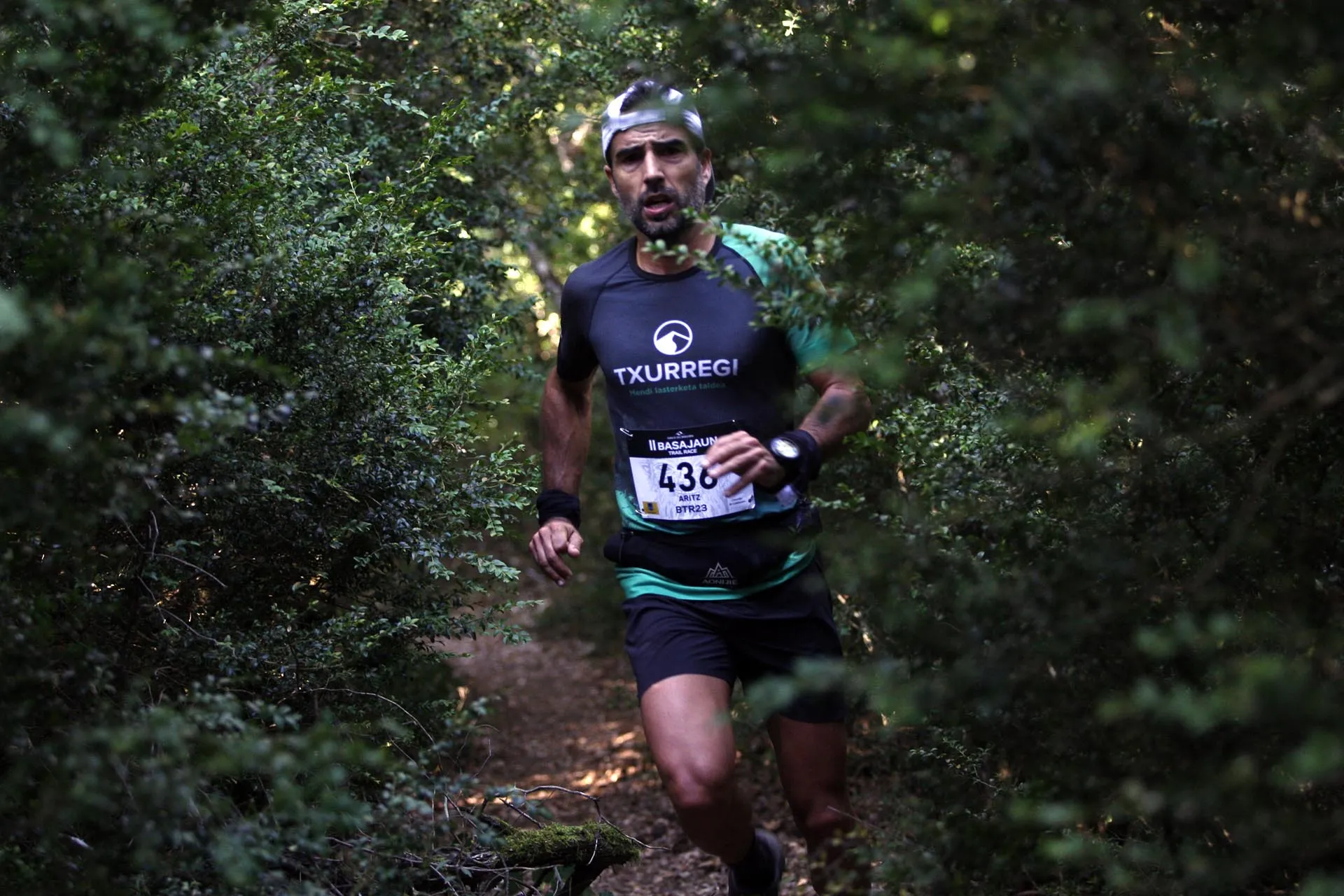
Basajaun Trail Race
Basajaun Trail Race: three distances through Sierra de Lokiz from Galdeano (Navarra) — 43K, 23K, and 13K
Read more →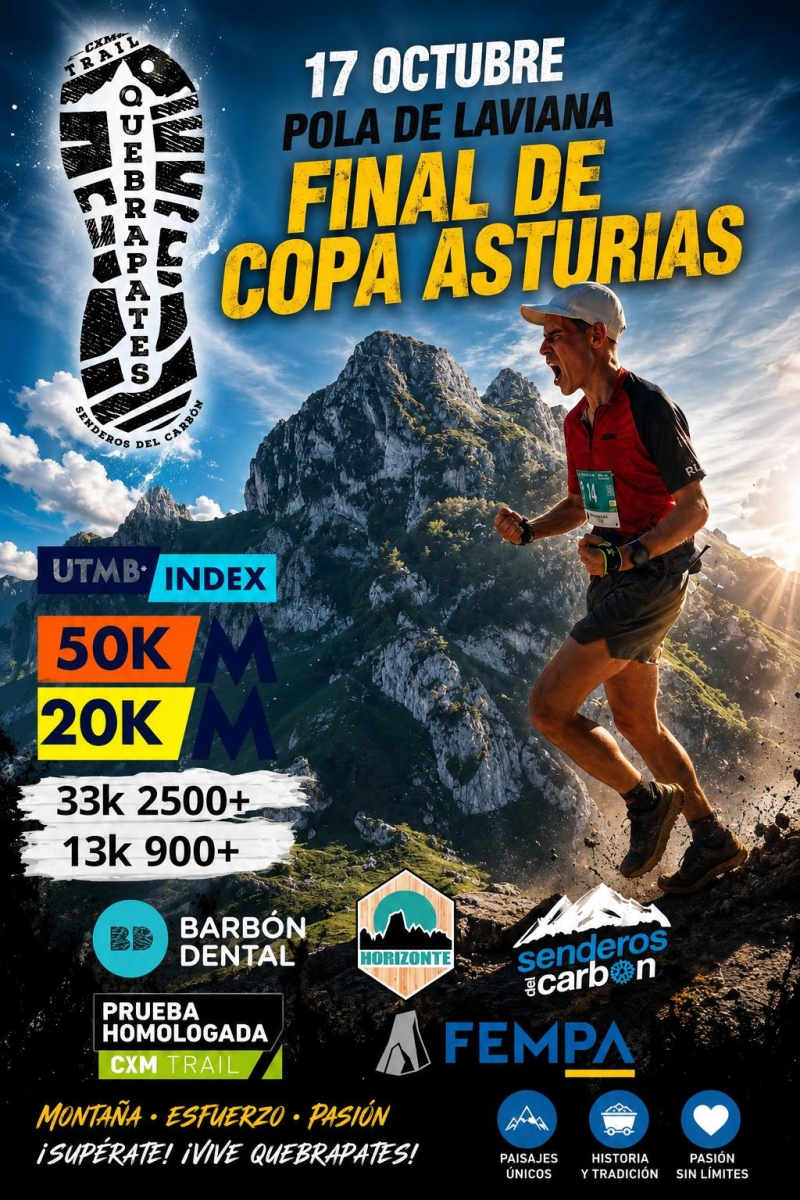
Quebrapates Peñamea
33K and 2,225m of climbing to the summit of Peña Mea, with a technical descent through a limestone gully
Read more →