Best Waterproof (GORE-TEX) Trail Running Shoes 2026
 (se abre en una pestaña nueva)
 (se abre en una pestaña nueva)
 (se abre en una pestaña nueva)
 (se abre en una pestaña nueva)
How we choose
We compare every model on verified technical specs (weight, materials, price), user reviews and our own experience running and testing gear in races from 21K to 100K+. We update this guide when prices change or new models launch. Some links are affiliate links: if you buy through them, TrailRunTemple earns a commission at no extra cost to you and with no influence on the selection.
Our picks by use case
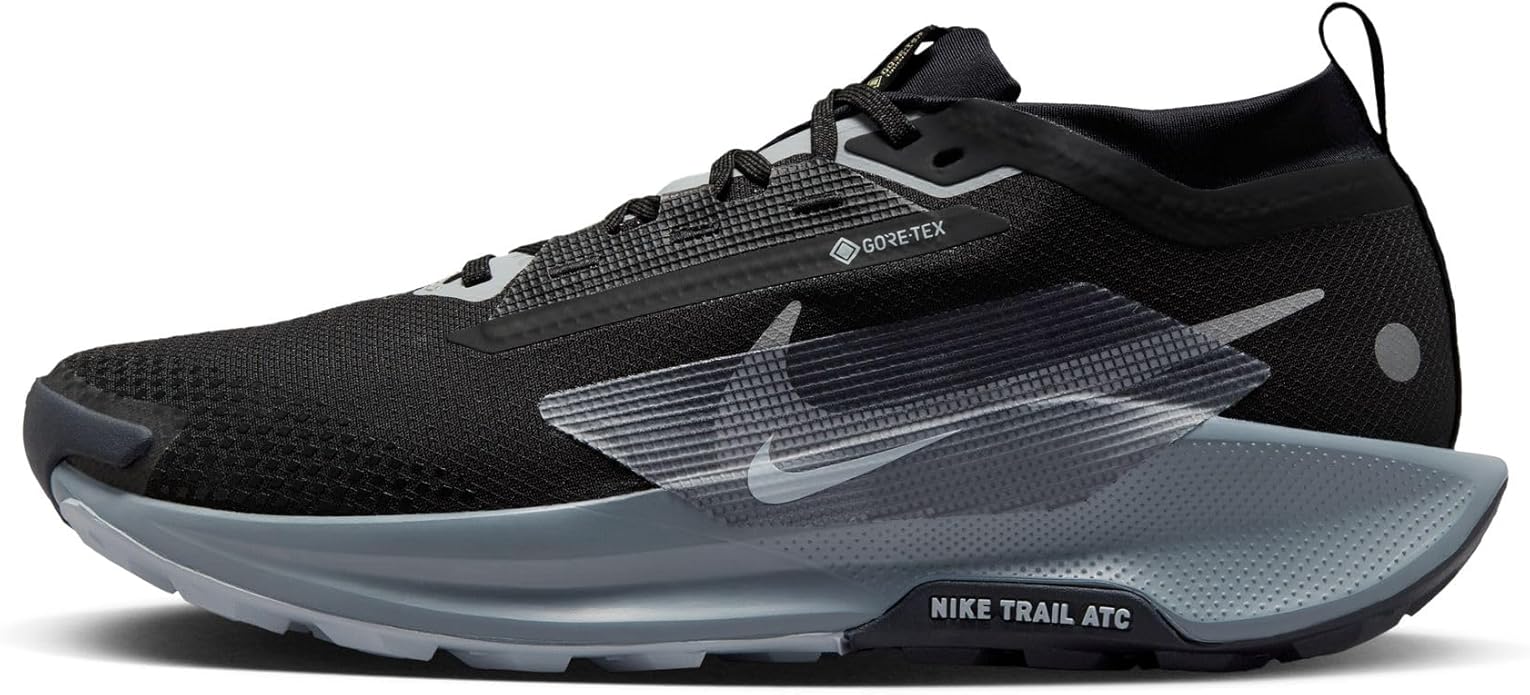
- #1Best Overall Waterproof: Nike Nike Pegasus Trail 5 GORE-TEXView on Amazon →(se abre en una pestaña nueva)
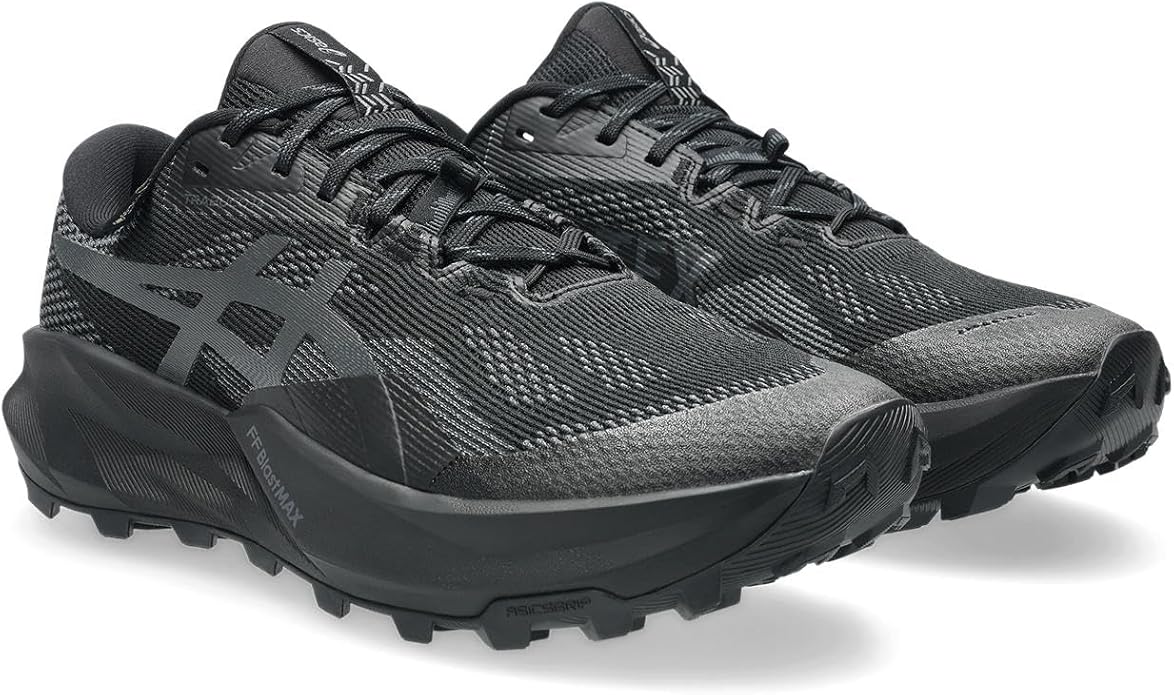
- #2Best Value Waterproof: Asics Asics Gel-Trabuco 14 GTXView on Amazon →(se abre en una pestaña nueva)
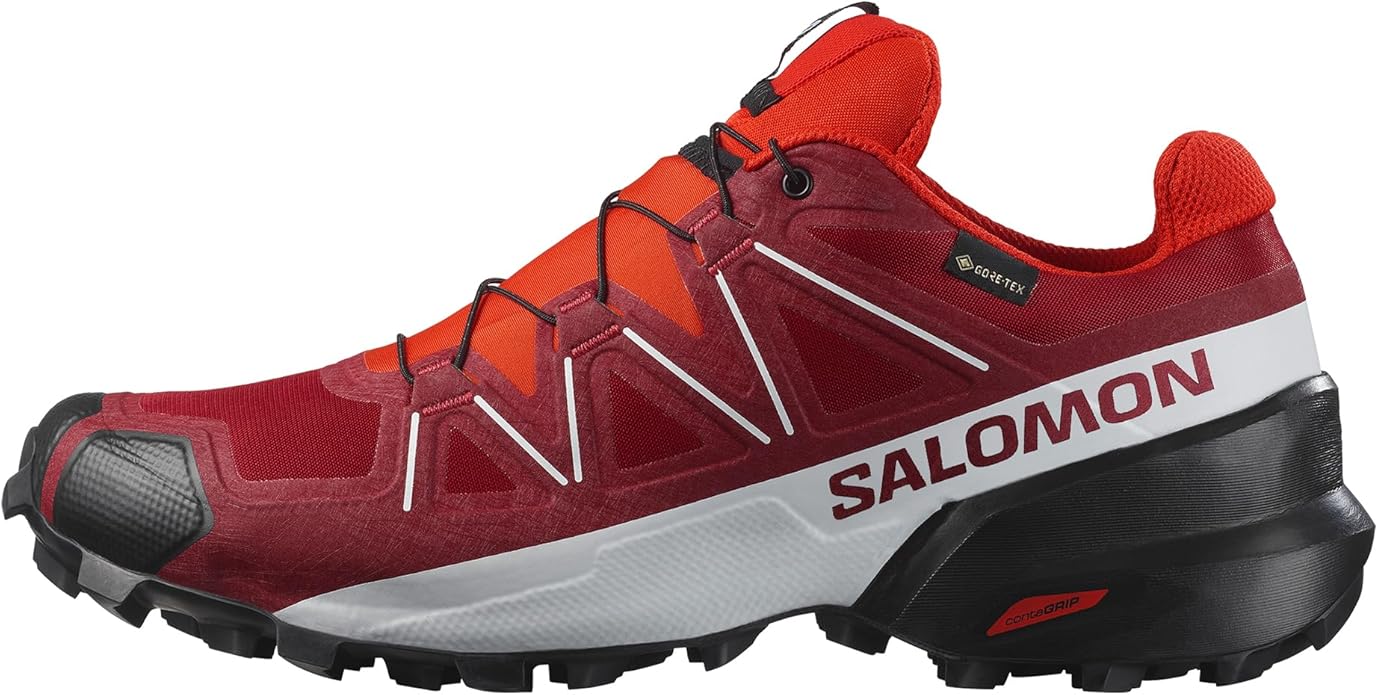
- #3Best Non-Membrane Alternative: Salomon Salomon Speedcross 6View on Amazon →(se abre en una pestaña nueva)
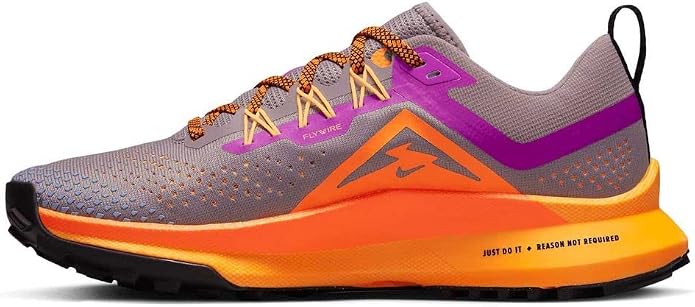
- #4Best Budget (Non-Membrane Road-to-Trail): Nike Nike React Pegasus Trail 4View on Amazon →(se abre en una pestaña nueva)
All products in this guide
Nike
Nike Pegasus Trail 5 GORE-TEX
The best-selling gateway trail shoe: comfortable, cushioned and versatile for moving from road to trail. Waterproof GORE-TEX version, perfect for beginners and easy runs on mixed terrain.
Asics
Asics Gel-Trabuco 14 GTX
A best-selling beginner trail shoe: GEL cushioning, good stability and a waterproof GORE-TEX membrane. Versatile and reliable for training on mixed terrain in any weather.
Salomon
Salomon Speedcross 6
Salomon's most versatile trail shoe, ideal for technical terrain and mud. Exceptional grip with Contagrip sole and EnergyCell+ cushioning.
Nike
Nike React Pegasus Trail 4
The previous-generation Pegasus Trail, membrane-free and heavily discounted. Fast-draining mesh, comfortable React cushioning and a road-to-trail transition: the affordable pick for light-rain running when you'd rather the water drain out.
Waterproof trail shoes look like an obvious winter and rain buy, but they hide a debate almost nobody tells you about in the shop: a GORE-TEX membrane keeps the foot dry… until water gets in from the top, and then it becomes a pool that won’t drain. So choosing well isn’t just “does it have GORE-TEX?”, but understanding when a membrane saves you and when it sinks you. This guide analyses the two best GORE-TEX shoes around right now and, honestly, two non-membrane alternatives for those who run through real water: one for mud and one for a tight budget. If you’re after a more general shoe, first check the trail shoe guide.
Comparison Table
| Shoe | Waterproofing | Lugs | Best for | Buy |
|---|---|---|---|---|
| Nike Pegasus Trail 5 GORE-TEX | GTX membrane | ~4 mm | Light rain / road-to-trail | Amazon → |
| Asics Gel-Trabuco 14 GTX | GTX membrane | ~4 mm | Cold & wet, value | Amazon → |
| Salomon Speedcross 6 | None (drains) | 5 mm | Deep water, mud, heat | Amazon → |
| Nike React Pegasus Trail 4 | None (drains) | ~4 mm | Light rain on a tight budget | Amazon → |
Amazon links go to the live, up-to-date price.
Almost all of these models come in a women’s (W) fit: same materials and same membrane, but with a narrower heel and midfoot and cushioning tuned for lighter weights. Direct links to the W fit of each model are further down.
GORE-TEX or No GORE-TEX: the Key Question
Before buying, be clear on the rule that separates a good buy from an expensive mistake:
- GORE-TEX YES when you run in cold, light rain, snow or surface mud, and water comes from above or from wet grass. The membrane keeps the foot dry and warm, and in winter that’s hugely welcome.
- GORE-TEX NO when there are river crossings, deep puddles or heat. If water goes above the ankle, it gets in over the collar and the membrane — which keeps it out — also keeps it in: you end up with a soaked foot for hours. And in heat, the membrane breathes worse and you cook.
In short: membrane to keep out a little cold water; no membrane (one that drains fast) for when there’s lots of water or it’s hot. That’s why this guide includes both philosophies.
How to Choose Waterproof Trail Shoes
1. Type of waterproofing: membrane vs drainage
The GORE-TEX membrane seals the foot. It works great with moderate moisture, but retains water if it gets in. The no-membrane + drainage philosophy (meshes that clear fast) assumes you’ll get wet and prioritises drying quickly. Decide based on the water you face: little and cold → membrane; lots or hot → drainage.
2. Breathability and temperature
A membrane always breathes less than an open mesh. In winter that’s an advantage (keeps warmth in); in shoulder season or heat, a drawback (sweats and cooks). If you run mostly in temperate climates, ask whether you really need GORE-TEX year-round or just a few months.
3. Grip for wet terrain
Waterproof doesn’t mean non-slip. In the rain, rock and roots turn treacherous: you need an outsole with good compound and lugs suited to the terrain. For mud, deep lugs (Speedcross). For wet mixed terrain, a balanced outsole does the job.
4. Collar and ankle fit
If you’re going into water or mud, a higher collar and a firm ankle fit reduce water and grit ingress. Pairing a waterproof shoe with gaiters is the ultimate formula for keeping the foot dry in tough conditions.
Individual Analysis
1. Nike Pegasus Trail 5 GORE-TEX — Best Overall Waterproof
The Nike Pegasus Trail 5 GORE-TEX is the best-selling gateway to waterproof trail: immediate comfort, generous cushioning and a very well-executed road-to-trail transition, now with a GORE-TEX membrane for wet days. It’s the perfect shoe for someone starting out, running mixed terrain and wanting to keep the foot dry in light rain without fuss.
Pros: immediate comfort ideal for getting started, waterproof GORE-TEX membrane for wet days, very well-executed road-to-trail transition.
Cons: lugs not aggressive enough for mud or technical rock, the membrane reduces breathability in the heat.
Best for: the mixed-terrain and road-to-trail runner who wants to keep the foot dry in autumn-winter light rain without complications. The most comfortable and versatile of the group.
View Nike Pegasus Trail 5 GORE-TEX on Amazon →2. Asics Gel-Trabuco 14 GTX — Best Value Waterproof
The Asics Gel-Trabuco 14 GTX is a best-selling beginner shoe with hard-to-beat value: comfortable GEL cushioning, good stability and a waterproof GORE-TEX membrane. It’s the reliable option for training on mixed terrain in any weather without overspending.
Pros: comfortable GEL cushioning for beginners, waterproof GORE-TEX membrane, very good value for money.
Cons: moderate lugs, just adequate in deep mud; the membrane reduces breathability in the heat.
Best for: anyone wanting a solid, versatile waterproof shoe to train year-round without paying premium. The sensible buy if you prioritise reliability and price.
View Asics Gel-Trabuco 14 GTX on Amazon →3. Salomon Speedcross 6 — Best Non-Membrane Alternative
Sometimes the best “waterproof” shoe is the one that isn’t. The Salomon Speedcross 6 assumes you’ll get wet and prioritises two things: brutal grip on mud and soft ground (5 mm lugs) and efficient drainage that clears water fast rather than retaining it. For crossings, deep puddles, soaked grass and muddy winter races, it drains what a membrane would trap.
Pros: exceptional grip on mud and soft ground, efficient drainage that clears water, reinforced toe protection, fast Quicklace.
Cons: not waterproof (won’t keep the foot dry in light rain), high 10 mm drop, average durability on asphalt.
Best for: the runner facing real water (crossings, deep mud, soaked grass) who prefers the water to get out rather than stay in. The honest alternative when GORE-TEX would be counterproductive.
View Salomon Speedcross 6 on Amazon →4. Nike React Pegasus Trail 4 — Best Budget (Non-Membrane)
It’s the previous-generation Pegasus Trail, membrane-free and with years of discounts on it: often found well under €100 when in stock. For anyone who mostly runs in light rain and would rather water get in and out than stay trapped, it’s the cheapest way into mixed terrain: draining mesh, comfortable React cushioning and a very easy road-to-trail transition. It’s not a mud or technical-rock shoe, but for trails and fire roads in changeable weather it’s more than enough.
Pros: membrane-free mesh that drains and dries fast, comfortable React cushioning for easy runs, clearance price and a women’s (W) fit available.
Cons: not waterproof (the foot gets wet in light rain or wet grass), lugs not aggressive enough for mud, patchy size and colour stock as it’s being discontinued.
Best for: the mixed-terrain runner on a tight budget who accepts getting wet and wants the shoe to drain. The logical buy if GORE-TEX is out of your price range.
View Nike React Pegasus Trail 4 on Amazon →Women’s Waterproof Trail Shoes
All three GORE-TEX shoes in this guide are made in a women’s (W) fit. It’s not a colour swap: the W fit has a narrower heel and midfoot to cut slippage, a lower instep volume and cushioning tuned for lighter weights, so the plate and foam respond just like the unisex version. Membrane, lugs and drop are the same; what changes is the fit.
Sizing tip: with a waterproof shoe, don’t go tight. The membrane doesn’t give like an open mesh, and with a winter sock or a foot swollen at the end of a long run, half a size up prevents rubbing and lost toenails.
- Asics Gel-Trabuco 14 GTX (women’s): view on Amazon → — the value pick, GEL cushioning and stability for training year-round.
- Nike Pegasus Trail 5 GORE-TEX (women’s): view on Amazon → — the most comfortable and versatile, road-to-trail with a dry foot in light rain.
- Nike React Pegasus Trail 4 (women’s): view on Amazon → — membrane-free and on clearance, for those who’d rather the water drain and not overspend.
5 Common Mistakes When Buying Waterproof Shoes
-
Buying GORE-TEX for crossings or heat. If water gets in from the top, the membrane traps it: soaked foot for hours. And in heat, you cook. For that, drainage is better.
-
Thinking waterproof = non-slip. They’re different things. In the rain, what saves you from slipping is the outsole’s compound and lugs, not the membrane.
-
Using GORE-TEX year-round. In shoulder season and summer, a breathable mesh is more comfortable. Save the membrane for cold and damp.
-
Not pairing with gaiters. To truly keep the foot dry in mud and snow, waterproof shoe + gaiters stops water and grit getting in over the collar.
-
Forgetting about drying. A shoe with a wet-inside membrane takes much longer to dry. Pull the insole and stuff with paper; never near a direct heat source.
Frequently Asked Questions
Is GORE-TEX worth it in trail shoes?
It depends on the water. For cold, light rain, snow and surface mud, yes: it keeps the foot dry and warm. For crossings, deep puddles or heat, no: it traps water and breathes worse. It’s not universally “better”, it’s for specific conditions.
What happens if water gets into a GORE-TEX shoe?
It stays in. The membrane blocks both entry and exit, so if water goes over the collar, you end up with a waterlogged foot for a long time. In those cases, a fast-draining shoe is better.
Are waterproof shoes good for summer?
Better avoided. The membrane breathes worse and the foot sweats and overheats. For summer and dry climates, an open, breathable mesh is more comfortable. Save the waterproof one for the cold, wet months.
Waterproof or draining for mountain running?
If the terrain is rain and wet grass with little water, waterproof. If there are rivers, deep puddles or ankle-deep mud, one that drains fast will give you fewer problems. Many mountain runners own both and choose by the day.
Final Verdict
- Best overall waterproof: Nike Pegasus Trail 5 GORE-TEX
- Best value waterproof: Asics Gel-Trabuco 14 GTX
- Best non-membrane alternative (drains): Salomon Speedcross 6
- Best budget (non-membrane): Nike React Pegasus Trail 4
The best shoe for water isn’t always the one with a membrane: it’s the one that fits the kind of water you face. Membrane to keep out a little cold water; drainage for when there’s lots of water or it’s hot. Define that first and you’ll get it right.
Other guides you might find useful
Races where you'll need this gear

Zegama-Aizkorri
42K and VK through the Aizkorri range — the most legendary skyrunning race in Spain
Read more →
Ultra Pirineu
100K, 54K, and 30K along the Cadí Range in the Catalan Pyrenees
Read more →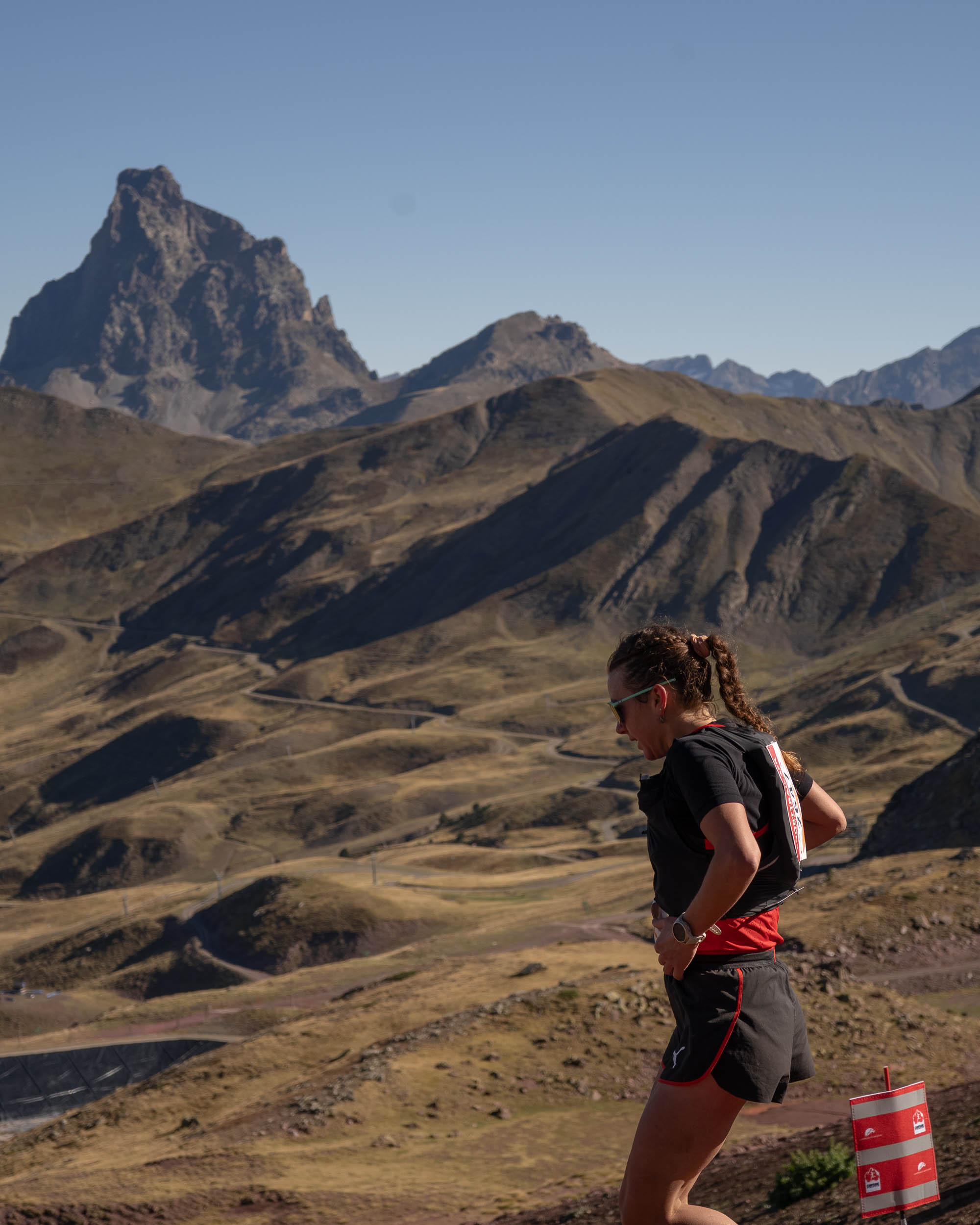
Canfranc-Canfranc
From 6K to 100K through the central Pyrenees from the iconic Canfranc International Station
Read more →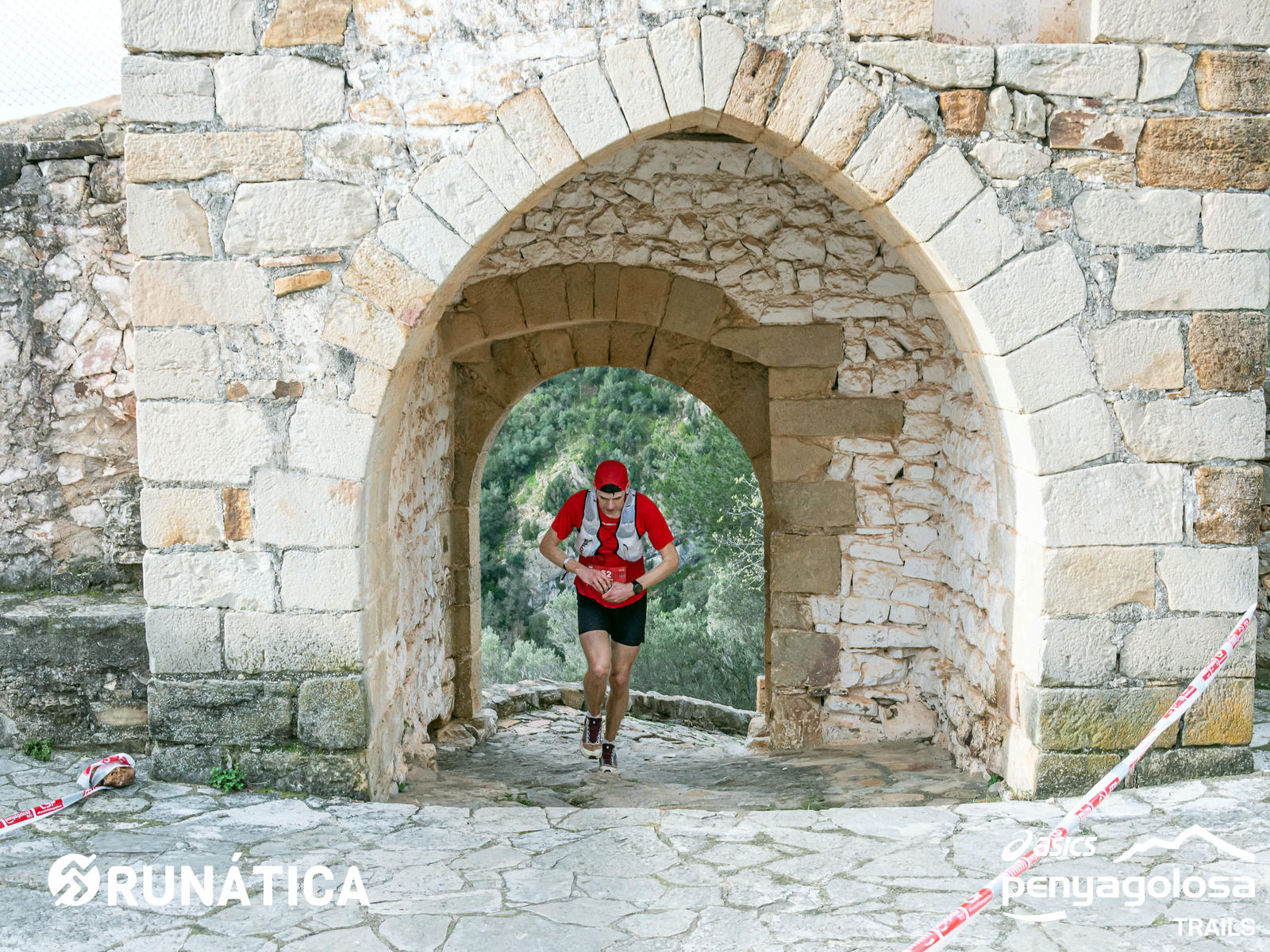
Penyagolosa Trails
106K and 60K from Castellón to the Penyagolosa summit via the GR-33
Read more →