Best Trail Shoes for Mud & Technical Terrain 2026
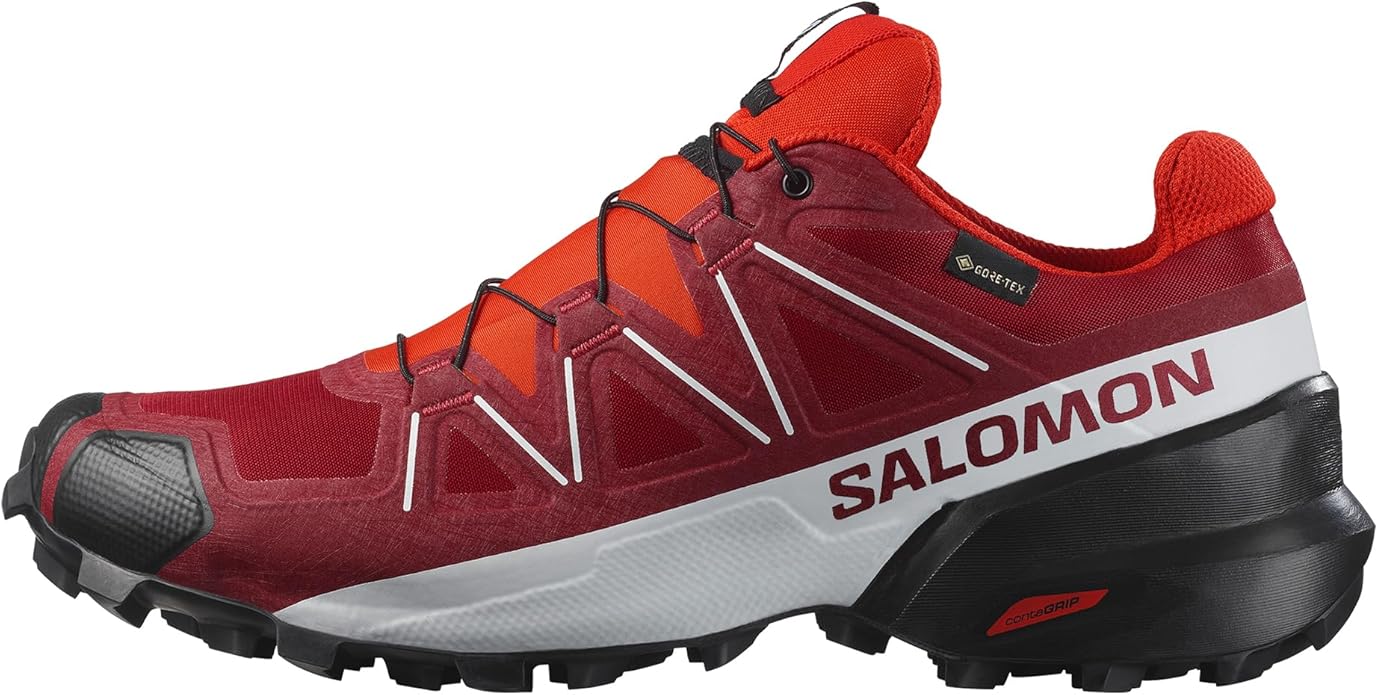 (se abre en una pestaña nueva)
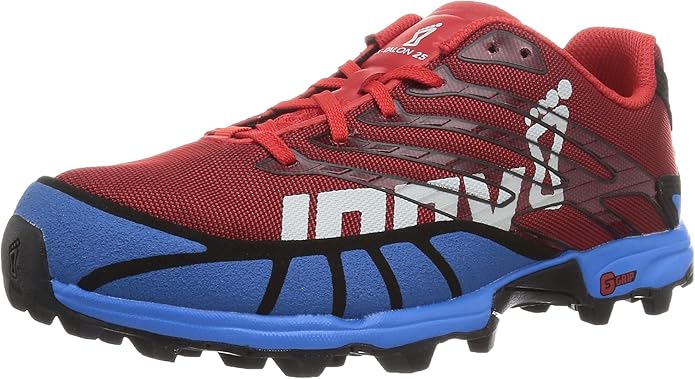 (se abre en una pestaña nueva)
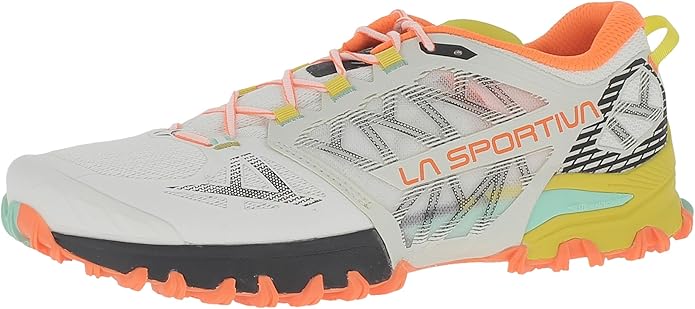 (se abre en una pestaña nueva)
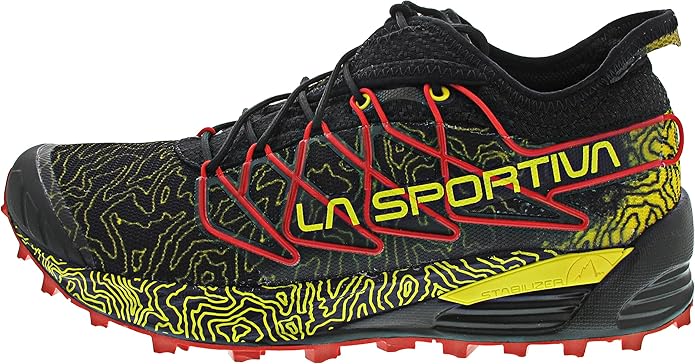 (se abre en una pestaña nueva)
How we choose
We compare every model on verified technical specs (weight, materials, price), user reviews and our own experience running and testing gear in races from 21K to 100K+. We update this guide when prices change or new models launch. Some links are affiliate links: if you buy through them, TrailRunTemple earns a commission at no extra cost to you and with no influence on the selection.
Our picks by use case
- #1Best Overall Mud: Salomon Salomon Speedcross 6View on Amazon →(se abre en una pestaña nueva)
- #2Best Extreme Mud Specialist: Inov-8 Inov-8 Mudclaw G 260View on Amazon →(se abre en una pestaña nueva)
- #3Best for Technical Rock: La Sportiva La Sportiva Bushido IIIView on Amazon →(se abre en una pestaña nueva)
- #4Best Mountain Protection: La Sportiva La Sportiva MutantView on Amazon →(se abre en una pestaña nueva)
All products in this guide
Salomon
Salomon Speedcross 6
Salomon's most versatile trail shoe, ideal for technical terrain and mud. Exceptional grip with Contagrip sole and EnergyCell+ cushioning.
Inov-8
Inov-8 Mudclaw G 260
A pure mud specialist: 8 mm lugs and a Graphene Grip outsole for extreme traction on soft ground, wet grass and muddy climbs. The choice of fell-running and cross-country racers.
La Sportiva
La Sportiva Bushido III
The quintessential skyrunning shoe, built in Italy for the most demanding terrain. FriXion White outsole with Impact Brake System delivering extraordinary grip on dry and wet rock. Low profile and maximum sensitivity for precise footing on every step. Weight: 285 g. Drop: 6 mm.
La Sportiva
La Sportiva Mutant
Versatile, technical mountain shoe built for rocky, demanding terrain. FriXion outsole with deep lugs, strong protection and stability for skyrunning and technical trail.
When the terrain turns ugly — ankle-deep mud, soaked grass, wet rock, slippery roots — everything else stops mattering: the only thing that counts is grip. A fast, cushioned shoe that slips on a technical descent is a ticket to injury. Trail shoes for mud and technical terrain sacrifice weight and rolling comfort for what you actually need here: lugs that bite, grippy compounds and protection. This guide analyses the 4 best of 2026, split into their two specialities — soft mud and technical rock — so you can choose by your ground. If you’re after a more general shoe, first check the trail shoe guide.
Comparison Table
| Shoe | Lugs | Speciality | Outsole | Buy |
|---|---|---|---|---|
| Salomon Speedcross 6 | 5 mm | Mud / soft ground | Contagrip | Amazon → |
| Inov-8 Mudclaw G 260 | 8 mm | Extreme mud / fell running | Graphene Grip | Amazon → |
| La Sportiva Bushido III | ~3.5 mm | Rock / skyrunning | FriXion White | Amazon → |
| La Sportiva Mutant | Deep | Technical mountain protection | FriXion | Amazon → |
Amazon links go to the live, up-to-date price.
Mud vs Technical Rock: Two Problems, Two Outsoles
“Difficult terrain” isn’t one thing. The grip you need in mud is the opposite of what you need on rock:
- Mud and soft ground demand deep, widely-spaced lugs (5-8 mm) that penetrate and self-clean (don’t clog with mud). Speedcross and Inov-8 Mudclaw rule here.
- Dry and wet rock demand the opposite: a grippy soft-compound outsole, low lugs and a sensitive profile that maximises contact. La Sportiva (FriXion) dominates here.
Buying a mud shoe for rock (or vice versa) is the classic mistake: a Mudclaw’s 8 mm lugs slip on granite because they stand on the tips; a rock outsole clogs and slips in a muddy meadow. Define your dominant terrain first.
How to Choose Mud & Technical Shoes
1. Lug depth and spacing
For mud, the deeper and more widely-spaced the lug, the better: 5 mm (Speedcross) handles normal mud; 8 mm (Mudclaw) is for serious fell-running mud. Spacing matters as much as depth: tightly-packed lugs clog with mud and lose bite. For rock, forget deep lugs: there the compound rules.
2. Outsole compound
On wet rock, the compound is king. La Sportiva’s FriXion White and Megagrip compounds are the benchmark for adhesion. A deep lug is useless on smooth granite: what grips is the soft rubber in contact with the stone. For mixed rock-dirt terrain, look for a balance.
3. Hold and protection for technical terrain
On technical descents the foot slides inside the shoe and the toes hit the toe cap. A firm hold (sock-like fit, Mutant style) and reinforced protection (toe cap, plate) are the difference between descending with confidence or with fear. On loose-stone terrain, protection isn’t optional.
4. Weight vs stability
Technical shoes tend to be lower and more stable (better against ankle rolls) at the cost of some cushioning. For skyrunning and short races, lightness and sensitivity rule (Bushido). For long, demanding mountain with stone, protection rules even if it weighs a bit more (Mutant).
Individual Analysis
1. Salomon Speedcross 6 — Best Overall Mud
The Salomon Speedcross 6 is the most recognisable mud shoe in the world. Its deep, widely-spaced 5 mm lugs bite into mud, wet grass and soft ground where almost everything else slips, with efficient drainage and a reinforced toe cap. It’s the default choice for the wet north, autumn-winter and any race with lots of dirt and grass.
Pros: exceptional grip on mud and soft ground, reinforced toe protection, comfortable and fast Quicklace, efficient drainage.
Cons: average durability on asphalt, high 10 mm drop, slightly narrow fit; on dry rock the deep lugs feel awkward.
Best for: mud, soaked grass and soft ground in wet weather. The versatile mud option that covers 90% of muddy days.
View Salomon Speedcross 6 on Amazon →2. Inov-8 Mudclaw G 260 — Best Extreme Mud Specialist
The Inov-8 Mudclaw G 260 is a pure specialist: 8 mm lugs and a Graphene Grip outsole for extreme traction on mud, wet grass and muddy climbs. It’s the choice of fell-running and cross-country racers, where the ground is so soft and steep that anything else slips. It’s not a versatile shoe: it’s a mud tool.
Pros: extreme grip on mud, grass and soft ground, very durable graphene outsole, light and snug for soft technical terrain.
Cons: minimal cushioning (not for asphalt or long runnable distances), aggressive lugs uncomfortable on hard-packed tracks.
Best for: fell running, cross-country and serious mud races where grip is everything. If your terrain is muddy meadow and slippery climbs, nothing’s better.
View Inov-8 Mudclaw G 260 on Amazon →3. La Sportiva Bushido III — Best for Technical Rock
The La Sportiva Bushido III is the queen of skyrunning and rock. Its FriXion White outsole with Impact Brake System delivers vertigo-inducing grip on dry and wet rock, with a low, sensitive profile for maximum precision. Where a mud shoe slips (granite, limestone, roots), the Bushido sticks. It’s the tool for dry and mixed technical terrain.
Pros: exceptional grip on rock, low and sensitive profile for precision, durable Italian construction, contained weight for the protection.
Cons: low cushioning (uncomfortable over very long distances), narrow fit, not suitable for deep mud or rolling terrain.
Best for: skyrunning, vertical kilometres and dry technical mountain (Zegama, Transvulcania, Penyagolosa). If your terrain is rock and roots, there’s no debate.
View La Sportiva Bushido III on Amazon →4. La Sportiva Mutant — Best Mountain Protection
The La Sportiva Mutant is the option when technical terrain is long and punishing. A FriXion outsole with deep lugs, a sock-like fit that locks the foot on descents and mountain-grade protection that handles loose stone and kilometres. It’s more versatile than the Bushido: it combines rock grip with lugs capable in some mud, at the cost of a little more weight.
Pros: excellent grip on rock and technical terrain, sock-like fit that locks the foot on descents, mountain-grade protection and durability.
Cons: slightly heavy versus racing models, snug fit across the instep.
Best for: long, demanding technical mountain with loose stone where protection and hold matter as much as grip. The technical all-rounder of the lineup.
View La Sportiva Mutant on Amazon →Head-to-Head: Speedcross 6 vs Mudclaw G 260
The two mud shoes in the lineup differ like this:
Mudclaw wins in extreme mud. Its 8 mm lugs and graphene outsole bite where the Speedcross (5 mm) starts to slip: deep mud, soaked meadows, vertical muddy climbs.
Speedcross wins on versatility. With 5 mm lugs and more cushioning, it’s more comfortable on mixed terrain and longer distances. The Mudclaw is so specific that it feels awkward on hard-packed tracks.
Speedcross wins on daily-use comfort. More cushioned and versatile for training; the Mudclaw is a mud race/competition tool.
Verdict: for serious fell-running mud, Mudclaw G 260. For normal mud with some versatility, Speedcross 6.
5 Common Mistakes When Buying Mud/Technical Shoes
-
Using a mud shoe on dry rock. Deep lugs stand on their tips on granite and slip, plus they wear fast. For rock, soft compound and low lugs.
-
Using a rock shoe in mud. A rock outsole clogs and slips in a muddy meadow. Each terrain, its outsole.
-
Forgetting protection on stone terrain. In scree and loose stone, without a reinforced toe cap and firm hold you end up with knocks and fear on descents.
-
Buying tightly-packed lugs for mud. Tight lugs clog with mud and lose bite. For mud, look for deep, well-spaced lugs that self-clean.
-
Expecting cushioning from a technical shoe. Mud and rock shoes prioritise grip and sensitivity, not cushion. For long rolling distances, you need a different shoe.
Frequently Asked Questions
What lugs do I need for mud?
For normal mud, well-spaced 5 mm (Speedcross) does the job. For serious fell-running mud and soaked meadows, 8 mm (Mudclaw). The key isn’t just depth: well-spaced self-cleaning lugs grip far more than tight clogged ones.
Why does my mud shoe slip on rock?
Because deep lugs only stand on their tips on hard, smooth surfaces, reducing contact. On rock the soft outsole compound grips, not the lug. For rock you need a FriXion- or Megagrip-type outsole with low lugs.
Can a technical shoe be used for daily training?
The Mutant, yes, thanks to its protection and durability. The Bushido and Mudclaw are more specific: low cushioning makes them uncomfortable for rolling volume. The ideal is to save them for the terrain where they shine.
Do these shoes work in the rain?
Grip on mud and soft ground improves with moisture. To keep the foot dry in light rain, see the waterproof shoe guide; for grip on wet rock, La Sportiva’s FriXion is among the best.
Final Verdict
- Best overall mud: Salomon Speedcross 6
- Best extreme mud: Inov-8 Mudclaw G 260
- Best for technical rock: La Sportiva Bushido III
- Best mountain protection: La Sportiva Mutant
On difficult terrain there’s no shoe that does it all: mud and rock demand opposite outsoles. Identify your dominant terrain — soft or rocky — and choose the specific tool. Getting the grip right is, literally, what keeps you on your feet.
Other guides you might find useful
Races where you'll need this gear
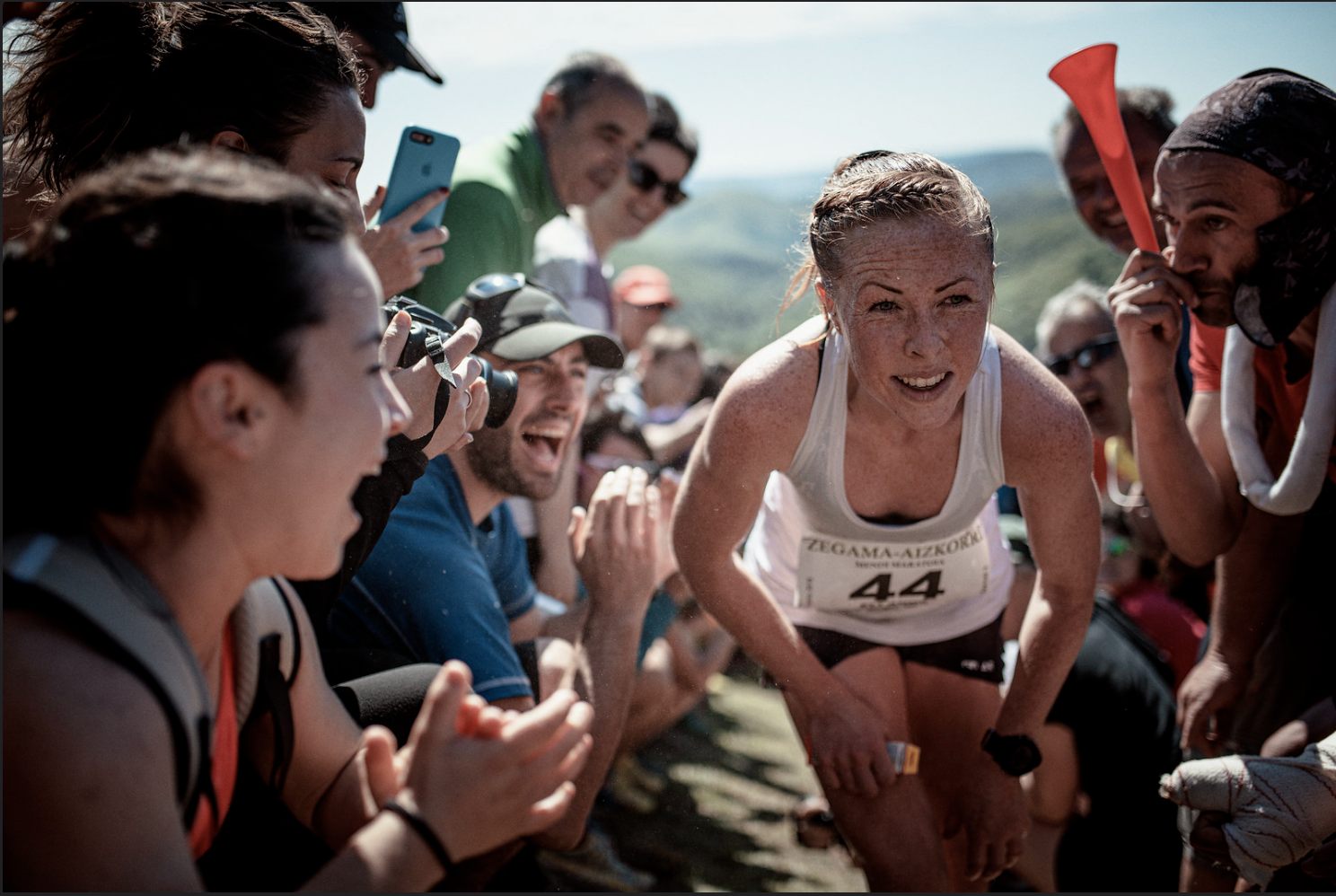
Zegama-Aizkorri
42K and VK through the Aizkorri range — the most legendary skyrunning race in Spain
Read more →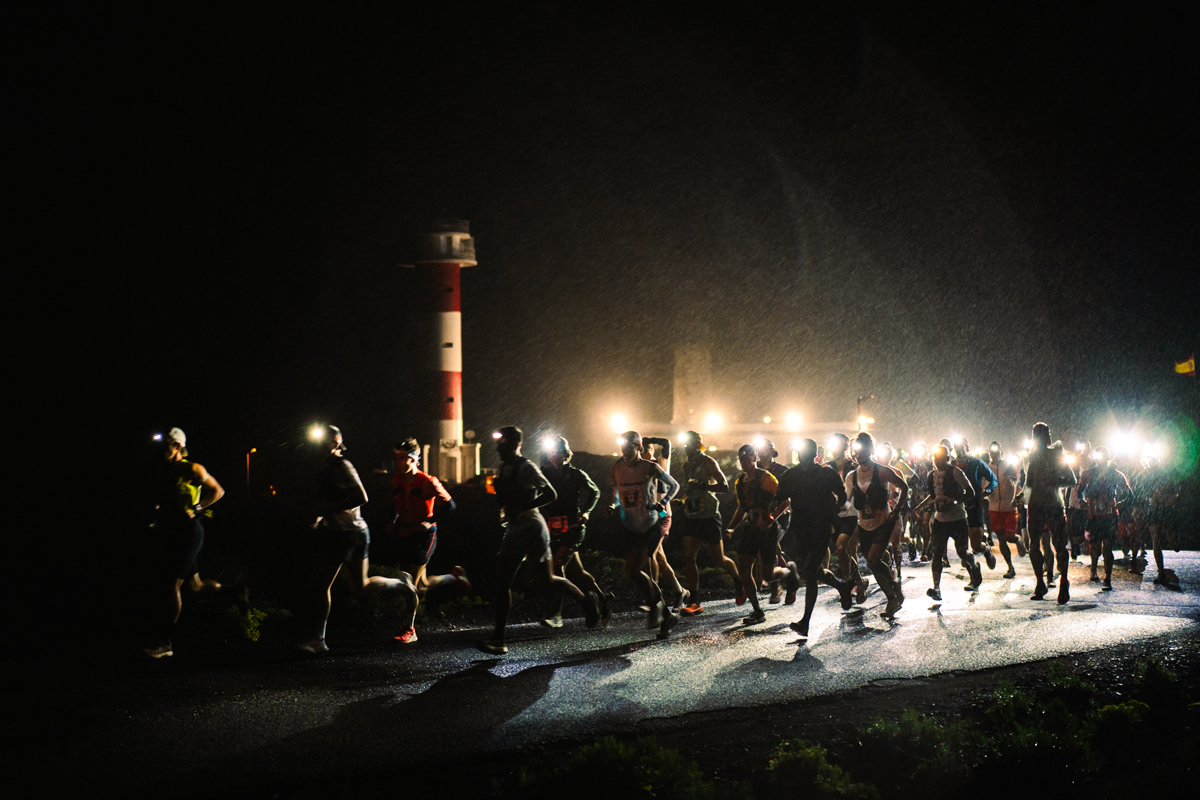
Transvulcania
73K, 43K, 25K, and VK crossing La Palma along the Ruta del Bastón
Read more →
Ultra Pirineu
100K, 54K, and 30K along the Cadí Range in the Catalan Pyrenees
Read more →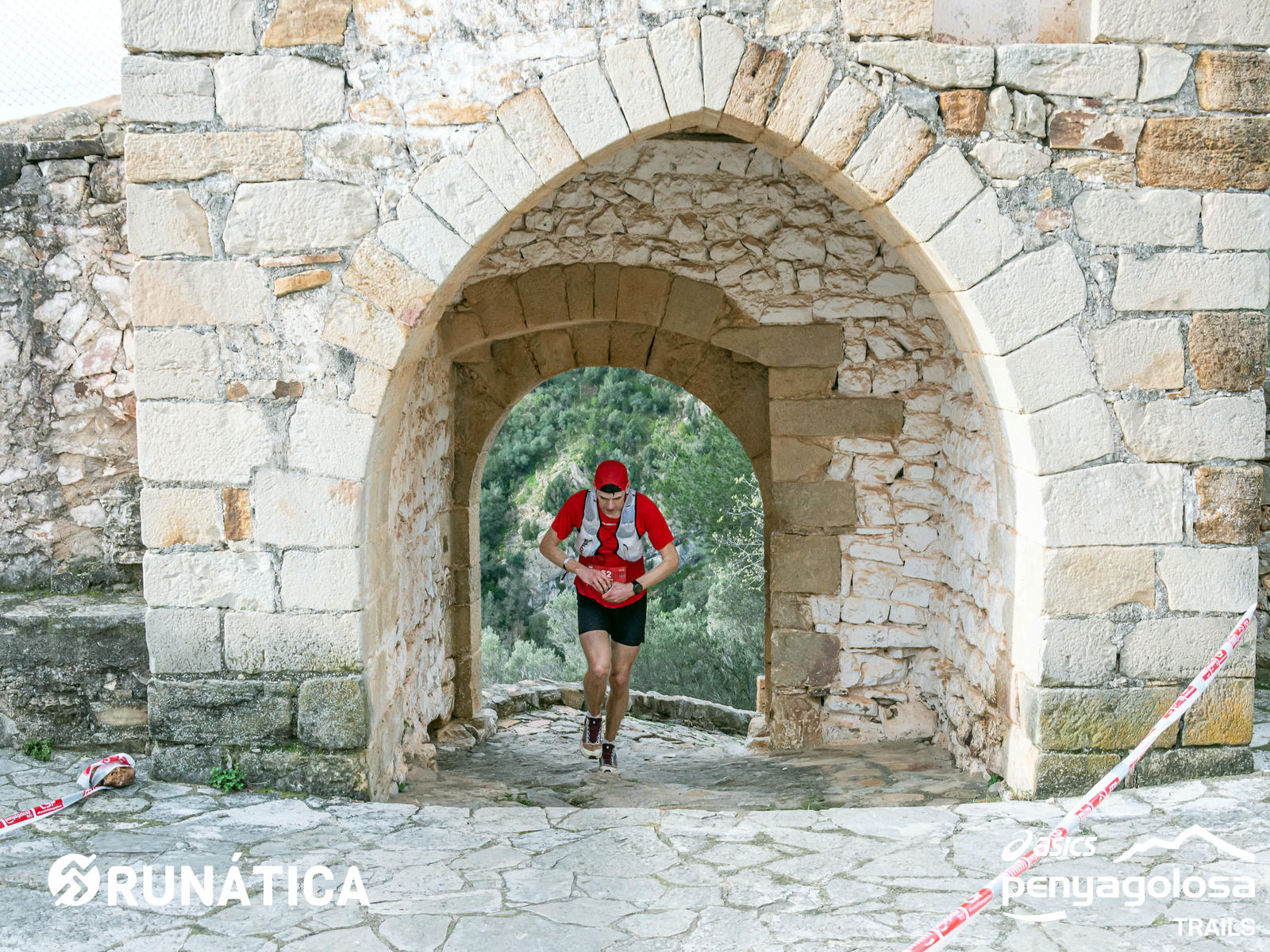
Penyagolosa Trails
106K and 60K from Castellón to the Penyagolosa summit via the GR-33
Read more →
HOKA Val d'Aran by UTMB
163K, 110K, 75K, 55K, 32K and more through the Pyrenees of Val d'Aran — European Major UTMB World Series
Read more →