Best Trail Running Hydration Vests 2026: Comparison and Buying Guide
 (se abre en una pestaña nueva)
 (se abre en una pestaña nueva)
 (se abre en una pestaña nueva)
 (se abre en una pestaña nueva)
How we choose
We compare every model on verified technical specs (weight, materials, price), user reviews and our own experience running and testing gear in races from 21K to 100K+. We update this guide when prices change or new models launch. Some links are affiliate links: if you buy through them, TrailRunTemple earns a commission at no extra cost to you and with no influence on the selection.
Our picks by use case
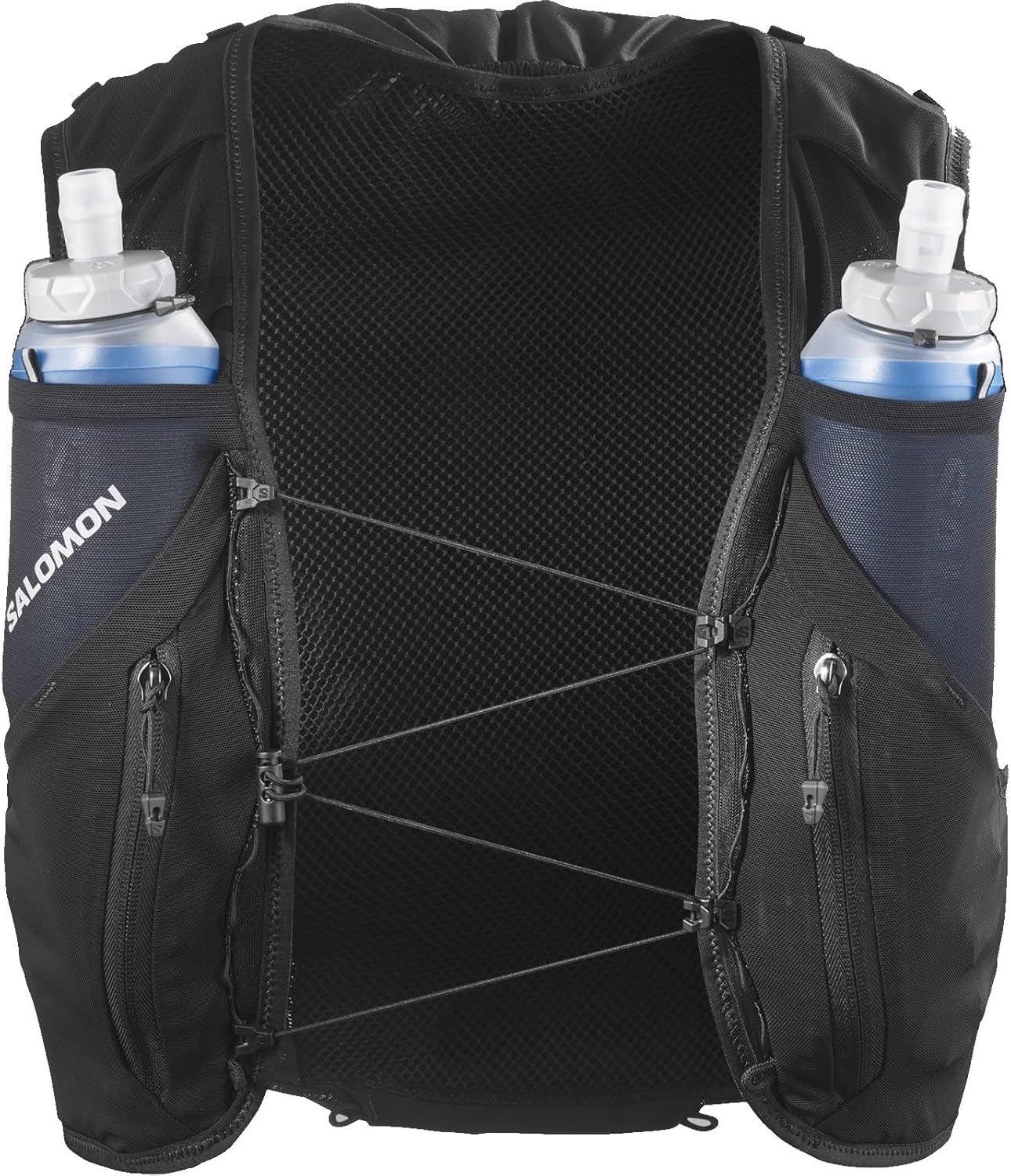
- #1Best Overall: Salomon Salomon ADV Skin 12 SetView on Amazon →(se abre en una pestaña nueva)
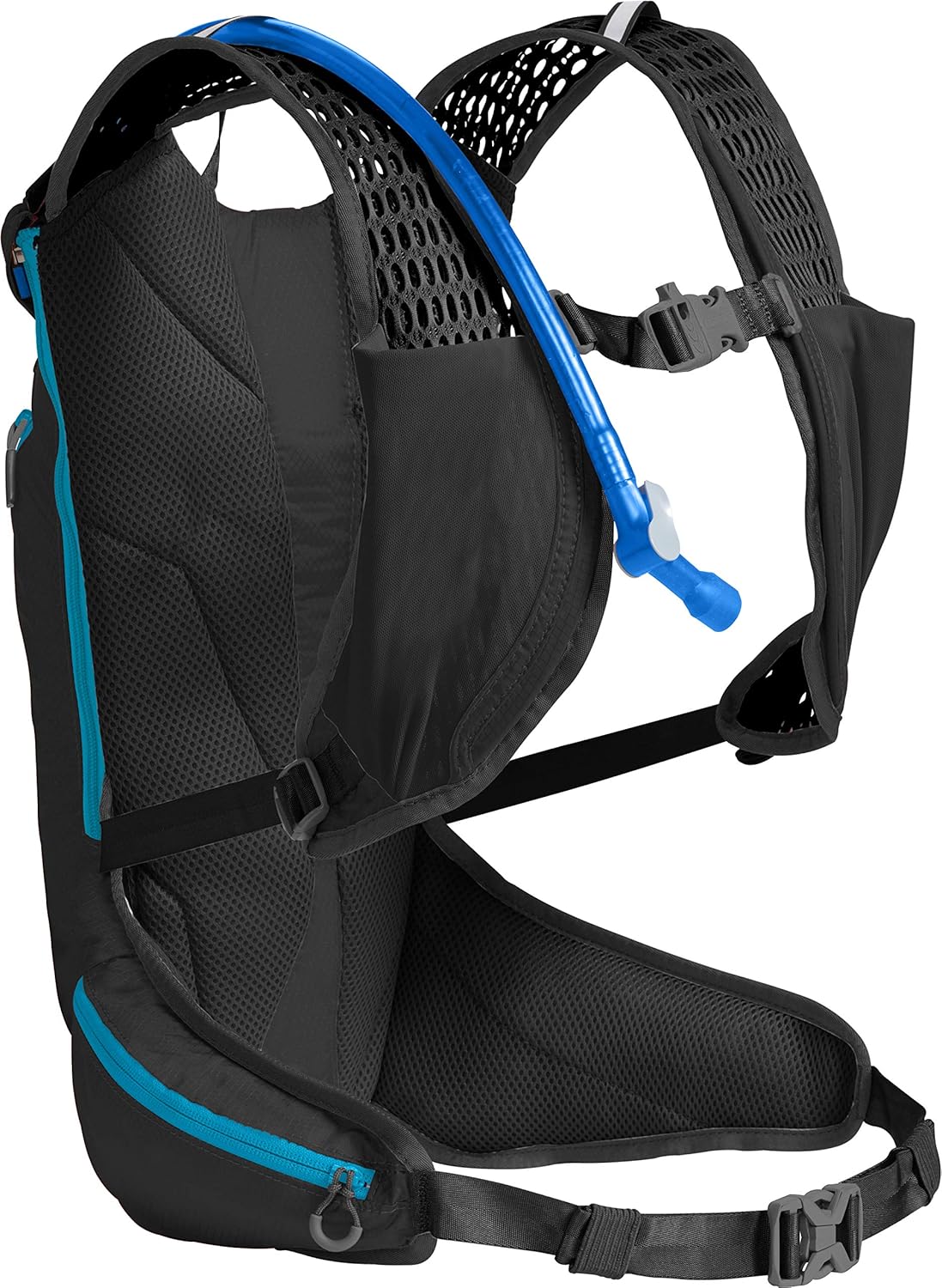
- #2Best Reservoir System: CamelBak CamelBak OctaneView on Amazon →(se abre en una pestaña nueva)
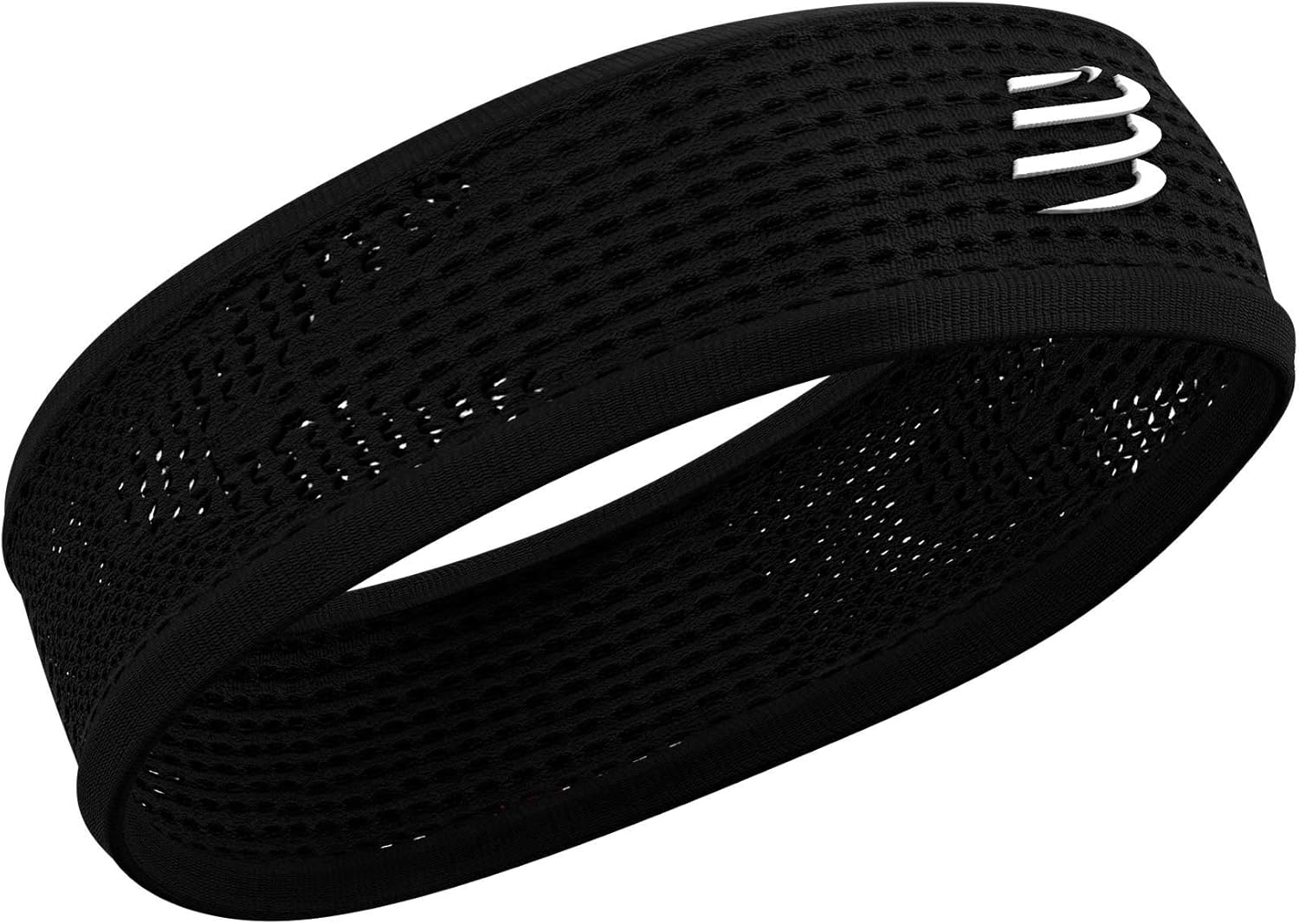
- #3Best for Short Races: Compressport Compressport UltRun VestView on Amazon →(se abre en una pestaña nueva)
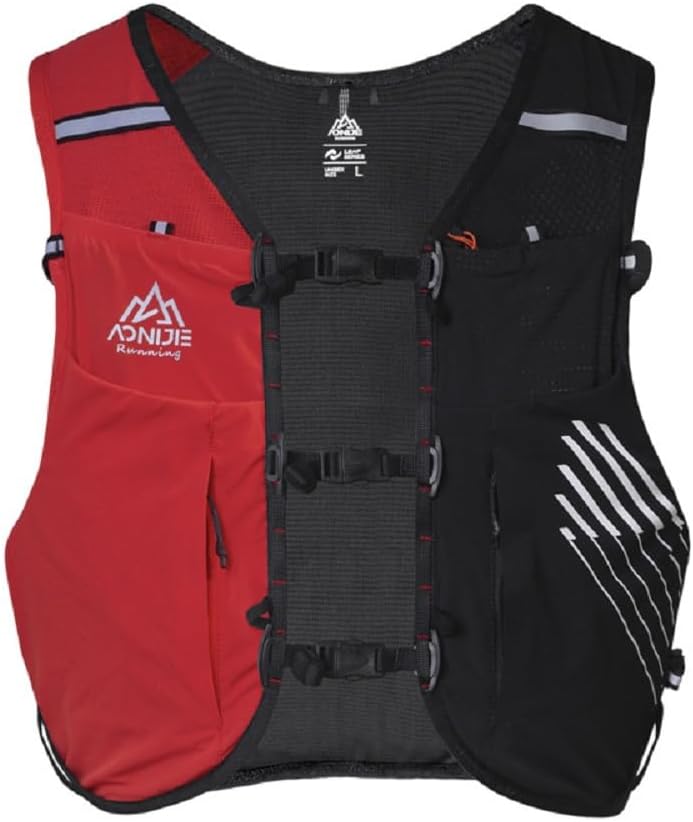
- #4Best Budget: AONIJIE AONIJIE Mochila de Hidratación 10LView on Amazon →(se abre en una pestaña nueva)
- #5Best Branded Starter Vest: Salomon Salomon Active Skin 8View on Amazon →(se abre en una pestaña nueva)
- #6Best Minimalist Race Vest: NNormal NNormal Race VestView on Amazon →(se abre en una pestaña nueva)
- #7Best Beltless Alternative: HANKER HANKER Riñonera RunningView on Amazon →(se abre en una pestaña nueva)
All products in this guide
Salomon
Salomon ADV Skin 12 Set
Chaleco de hidratación de 12 litros con bolsas adicionales incluidas para llevar todo el material obligatorio en carreras largas y ultras. Sistema SensiFit ceñido sin rebotes, dos soft flasks frontales y capacidad ampliada respecto al modelo estándar.
CamelBak
CamelBak Octane
Mochila de hidratación con depósito (bladder) en lugar de soft flasks, la alternativa para quien prefiere beber por tubo sin tener que sacar botellas mientras corre. Buena opción para entrenamientos largos y carreras donde no es obligatorio llevar flasks específicos.
Compressport
Compressport UltRun Vest
Chaleco de hidratación minimalista pensado para carreras cortas y de montaña donde el peso importa más que la capacidad. Ajuste ceñido tipo segunda piel, ideal para llevar solo lo esencial sin sacrificar estabilidad en carrera.
AONIJIE
AONIJIE Mochila de Hidratación 10L
Mochila de hidratación de entrada de 10 litros a precio muy ajustado, válida para trail, senderismo y ciclismo. Buena opción para quien empieza en carreras de montaña y no quiere hacer una inversión alta antes de saber si va a repetir distancia.

Salomon
Salomon Active Skin 8
Salomon's entry-level hydration vest: 8-litre capacity, body-hugging Sensifit-style fit and two 500 ml soft flasks included. Simpler than the ADV Skin (fewer pockets, fixed webbing instead of elastic), but with the same non-bouncing pattern. Built for training and mid-distance races without extensive mandatory gear.

NNormal
NNormal Race Vest
NNormal's race vest (Kilian Jornet's brand): around 5 litres, a mono-stretch fabric that wraps the torso like a second skin with no chest straps: it fits through the fabric's own stretch. Two soft flasks included. Minimalist philosophy for vertical kilometre races, short races and runners who want to feel nothing on their back. Available in several chest sizes, with a women's-adapted cut option.
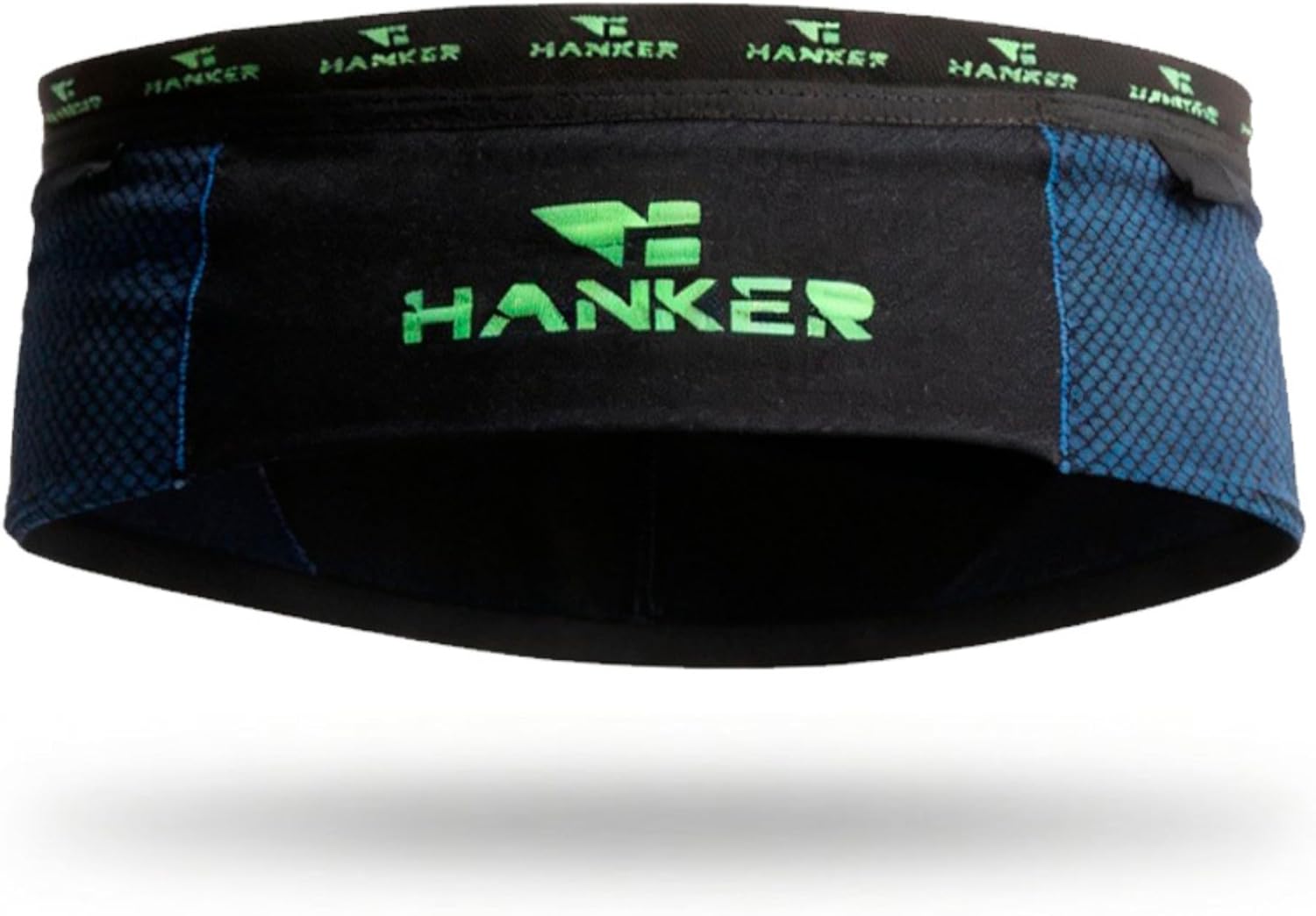
HANKER
HANKER Riñonera Running
Riñonera deportiva con hueco para el móvil, geles, llaves y una botella de 500 ml. Alternativa ligera a la mochila para carreras cortas o entrenamientos donde no hace falta llevar el material obligatorio completo.
The hydration vest is the centerpiece of mandatory gear on any mountain race of real distance: it doesn’t just carry your water, it carries everything the rulebook requires (thermal blanket, whistle, first aid kit, windbreaker) without bouncing or shifting with every stride. The market splits into two competing philosophies — front soft flasks vs. a tube-fed reservoir — and capacities that range from a 10-minute waist belt to a 12-liter vest for a 100 km ultra. This comparison covers the models built for real-world scenarios and explains how many litres you need, how much water to carry and how to stop the vest bouncing.
Vest, pack or waist belt? Decide in 30 seconds
The three terms get used almost interchangeably, but they aren’t the same:
- Hydration vest: the close, second-skin format with soft flasks up front. It’s what 90% of trail runners use. “Hydration pack” and “vest” usually mean this.
- Pack with a reservoir: carries a water bladder with a tube on your back. More water at once, but refilling mid-race is slower.
- Waist belt: a bottle and not much else. Only for short training runs or popular races with no mandatory gear.
Quick rule: under 15 km with no mandatory gear → waist belt; 15 to 50 km → 5-12 L vest; over 50 km or a full mandatory-gear list → 12 L vest or one with add-on pouches.
Comparison Table
| Vest | System | Capacity | Best for | Buy |
|---|---|---|---|---|
| Salomon ADV Skin 12 Set | Soft flasks + reservoir compatible | ~12 L + extra pouches | Long ultras, full mandatory kit | Amazon → |
| CamelBak Octane | Reservoir (bladder) | Compact with built-in reservoir | Runners who prefer a tube over flasks | Amazon → |
| Compressport UltRun Vest | Front soft flasks | Minimalist | Short races and vertical Ks | Amazon → |
| AONIJIE 10L | Soft flasks / bottle | 10 L | Starting out in trail running without overspending | Amazon → |
| Salomon Active Skin 8 | Front soft flasks | 8 L | Training and mid-distance races with a branded fit | Amazon → |
| NNormal Race Vest | Front soft flasks | ~5 L | Racing, vertical Ks and a women’s cut | Amazon → |
| HANKER Waist Belt | 500 ml bottle | No vest needed | Training runs and very short races | Amazon → |
Amazon links go to the live, current price.
How to Choose a Hydration Vest: the 5 Deciding Factors
1. Soft Flasks vs. Reservoir
This is the decision that shapes everything else. Soft flasks (front soft bottles) refill quickly at an aid station, you don’t need to take the vest off, and you can see how much water is left at a glance. A reservoir with a tube (bladder) lets you drink hands-free and usually holds more water at once, but refilling it mid-race means pulling it out of the vest. For races with frequent aid stations, go with flasks. For long solo training runs or unsupported stretches, go with a reservoir.
2. Capacity by Distance
Rule of thumb: under 21 km, 5-8 liters is plenty (enough for gels, a windbreaker and your phone). Between 21 and 50 km, 8-12 liters gives you room for an extra layer and hours of nutrition. Beyond 50 km or on ultras with extensive mandatory gear (thermal blanket, first aid kit, extra layer), you need 12 liters or a vest with add-on pouches like the Salomon ADV Skin 12 Set.
3. Fit and Bounce
A trail running vest has to sit close to the body with zero bounce when you run, unlike a hiking backpack that hangs off the shoulders. Systems like Salomon’s SensiFit or Compressport’s second-skin fit are what separate a comfortable long run from feeling the vest with every stride for hours.
4. Pockets and Accessibility
Count how many front pockets you can reach without stopping: for your phone, for gels, for the flasks. Minimalist vests trade pockets for weight; higher-capacity vests multiply them so mandatory gear stays organized instead of forcing you to empty the whole vest to find your whistle.
5. Do You Even Need a Vest?
For short training runs or races under 15 km with no strict mandatory-gear list, a waist belt like the HANKER does the job perfectly and weighs a fraction of a vest. Don’t buy more capacity than you’ll use: a 12-liter vest running half-empty bounces more than one properly matched to its actual load.
How Much Water to Carry by Distance and Temperature
The costly mistake isn’t picking the wrong vest, it’s carrying too little water (or overloading and bouncing). As a guide, assuming aid stations every 8-12 km:
| Scenario | Water to carry | Recommended system |
|---|---|---|
| Training run < 1 h, cool weather | 250-500 ml | 1 soft flask or waist belt |
| 15-25 km race, mild weather | 500 ml - 1 L | 2 x 500 ml soft flasks |
| 25-45 km race, heat | 1 - 1.5 L | 2 soft flasks + reserve in a reservoir or rear flask |
| 50 km+ ultra, heat, long stretches with no water | 1.5 - 2 L | 1.5 L reservoir + soft flasks |
Adjustments: in strong heat (>25 °C) or high humidity, add 30-50%. If the stretch between aid stations is over 15 km or 700 m of climbing, budget around 500 ml per hour of effort. And carry salt tablets separately: drinking a lot of water without replacing sodium causes hyponatremia.
How to Stop the Vest Bouncing
A bouncing vest is almost always a fit problem, not a model problem:
- Size first. A SensiFit or second-skin system only works with the right size. Go by the manufacturer’s chart (chest circumference), not your t-shirt size.
- Tighten bottom-up. Adjust the lower chest straps first, then the upper ones, with the vest already loaded with the water and gear you’ll carry.
- Weight high and against your back. Put heavy items (reservoir, layer) high and centred in the rear compartment, never loose at the bottom.
- Flasks filled to the top. A half-full soft flask sloshes and destabilises; fill it completely or move it to a rear pocket.
- Test it running, not walking. Do a 5-minute jog with a few jumps before calling the fit good.
Individual Review of the 7 Vests
1. Salomon ADV Skin 12 Set — Best Overall
The Salomon ADV Skin 12 Set is the market reference for ultra trail, and the “Set” version adds extra pouches on top of the standard ADV Skin 12 to fit a full mandatory-gear list without compressing everything. Body-hugging SensiFit system, two easy-access front soft flasks, and a rear compartment compatible with a reservoir if you want to combine both systems.
Pros: the most race-proven vest on the ultra circuit (you’ll see it at the start line of every major Spanish ultra), extra capacity from the set’s add-on pouches, SensiFit system that doesn’t bounce.
Cons: priced at the premium end of the segment, more vest than you need for short races.
Best for: runners tackling ultras of 50 km or more with a full mandatory-gear list (thermal blanket, first aid kit, extra layer) who want one reliable vest for every long race.
See Salomon ADV Skin 12 Set on Amazon →2. CamelBak Octane — Best Reservoir System
CamelBak pioneered the tube-fed reservoir for sport, and the Octane is its running-specific answer: instead of front soft flasks, you drink straight from a reservoir with a bite valve, no need to pull anything out of the vest. It’s the system preferred by runners who train long and don’t want to think about refilling flasks.
Pros: hands-free drinking without breaking stride, harness built for running rather than hiking, a natural fit for runners already used to reservoir systems from cycling or hiking.
Cons: refilling the reservoir mid-race is slower than swapping a soft flask at an aid station, the tube can feel awkward if you’re not used to it.
Best for: long solo training runs without aid stations, and runners who already use a reservoir in other sports and want to keep the same habit while running.
See CamelBak Octane on Amazon →3. Compressport UltRun Vest — Best for Short Races
The Compressport UltRun Vest bets on minimalism: a second-skin fit and capacity trimmed to the essentials. It’s the vest you reach for when the goal is to go light and fast, not to carry gear for a 12-hour race.
Pros: the lightest, lowest-profile vest in the lineup, zero bounce thanks to the close fit, comfortable enough to forget you’re wearing it during fast races.
Cons: not enough capacity for long ultras with an extensive mandatory-gear list, fewer pockets than the higher-volume options.
Best for: races up to 30-40 km, vertical Ks, and runners who prioritize speed over carrying capacity.
See Compressport UltRun Vest on Amazon →4. AONIJIE Hydration Vest 10L — Best Budget
AONIJIE has carved out a niche on Amazon as the brand that lets you try the hydration vest format without a big upfront investment. This 10-liter vest works for trail running, hiking or cycling, with plenty of room to get started in mountain racing before committing to a premium vest.
Pros: priced well below the reference brands, solid capacity for short and medium races, versatile beyond running (hiking, cycling).
Cons: build quality and fit system aren’t at the level of Salomon or Compressport, less proven on long ultras.
Best for: runners just starting out in trail running who want to confirm they like the sport before investing in a premium vest.
See AONIJIE 10L on Amazon →5. HANKER Running Waist Belt — Best Beltless Alternative
You don’t always need a vest. The HANKER waist belt carries your phone, gels, keys and a 500 ml bottle, and it’s the lightest possible option for short training runs or races where the rulebook doesn’t demand an extensive mandatory-gear list. If you want to compare more belt and waist-pack options, we have a dedicated guide covering 4 models.
Pros: minimal weight, no shoulder straps or chest fit to worry about, quick to put on and take off.
Cons: not enough capacity for any race with a serious mandatory-gear list, only 500 ml of water on board.
Best for: training runs, popular races under 15 km, and runners who already own a vest for long races but want something light for everyday use.
See HANKER Waist Belt on Amazon →6. Salomon Active Skin 8 — Best Branded Starter Vest
If you want Salomon’s fit without paying ADV Skin money, the Active Skin 8 is the way in. It keeps the non-bouncing SensiFit pattern and ships with two 500 ml soft flasks included, so it’s ready to run straight out of the box. In exchange it cuts front pockets and uses fixed adjustment webbing instead of elastic, but for long training runs and mid-distance races without extensive mandatory gear it’s more than enough.
Pros: branded fit at an entry price, soft flasks included, 8 litres with room to spare for races up to mid-distance.
Cons: fewer accessible pockets than the ADV Skin 12, fixed webbing is less forgiving of a changing load, falls short for long ultras.
Best for: runners who want their first vest from a reference brand and aren’t racing ultras with a full mandatory-gear list any time soon.
See Salomon Active Skin 8 on Amazon →7. NNormal Race Vest — Best Minimalist Race Vest
The race vest from NNormal, Kilian Jornet’s brand. It’s around 5 litres and its signature is a mono-stretch fabric that fits the torso through its own stretch, with no chest straps: there are no chafing points because there are no buckles. It’s sized by chest circumference and there’s a women’s-adapted cut, which also makes it one of the best answers if unisex vests pinch across the chest.
Pros: strap-free fit that eliminates chest chafing, one of the lightest and lowest-profile vests on the market, women’s cut option, two soft flasks and a pole holder included.
Cons: 5 litres isn’t enough for ultras with a full mandatory-gear list, sizing is critical (with no straps, a wrong size can’t be dialled out), premium price for so little capacity.
Best for: vertical Ks, fast short races, and women looking for a dedicated cut without giving up a race-grade vest.
See NNormal Race Vest on Amazon →Head-to-Head: Salomon ADV Skin 12 Set vs. CamelBak Octane
The two most capacity-oriented models represent the market’s two competing philosophies:
Salomon wins on organizing mandatory gear. The Set’s add-on pouches are built to fit a thermal blanket, first aid kit and extra layer in an orderly way — something a water reservoir doesn’t solve on its own.
CamelBak wins on drinking speed. With the tube, there’s nothing to pull out of the vest and no need to break stride; it’s the most convenient system on long, unsupported training runs.
Salomon wins at fast aid stations. Swapping an empty soft flask for a full one at a race with frequent aid stations takes seconds. Refilling a reservoir means stopping and taking the vest off.
Verdict: if you’re racing ultras with aid stations every 10-15 km and need room for a full mandatory-gear list, go with the Salomon ADV Skin 12 Set. If you train long alone without water points, or you simply prefer drinking from a tube, go with the CamelBak Octane.
5 Common Mistakes When Buying a Hydration Vest
-
Buying more capacity than you’ll actually use. A 12-liter vest running half-empty on a 15 km race bounces more than one properly matched to the load. Choose capacity based on distance and required mandatory gear, not “just in case.”
-
Not testing the hydration system before race day. Soft flasks and reservoirs are refilled and used differently. Practice on long training runs before debuting a new system on race day.
-
Ignoring the mandatory-gear list before buying. Check what the race requires (thermal blanket, first aid kit, whistle, minimum water carried) before deciding on capacity, not after.
-
Buying the wrong size and assuming it’ll “break in.” A SensiFit or second-skin fit system only works if the size is correct. Check the manufacturer’s size chart, don’t go by your usual t-shirt size.
-
Sticking with a waist belt for a long race. A belt with 500 ml and no room for mandatory gear won’t cut it for anything beyond a short popular race, no matter how comfortable it is day to day.
Frequently Asked Questions
Soft flasks or a reservoir with a tube, which is better?
It depends on the race. If aid stations are frequent, soft flasks refill in seconds and win out. If you train long without water points or prefer drinking hands-free, a reservoir with a tube is more convenient. Many vests, like the Salomon ADV Skin 12 Set, support combining both systems.
How many liters do I need for a 42 km mountain race?
Between 8 and 12 liters is usually enough, depending on the organizer’s mandatory-gear list. If the race requires a thermal blanket, first aid kit and an extra layer on top of water, go for 12 liters or a model with add-on pouches.
Does a hydration vest replace a waist belt?
For long races or races with a mandatory-gear list, yes, there’s no comparison. For short training runs or popular races under 15 km with no strict rulebook requirements, a waist belt does the job just as well and weighs far less.
What maintenance does a reservoir system need?
Wash and dry it thoroughly after every use to prevent mold in the tube and bladder, especially if you’re carrying an isotonic drink instead of water. Soft flasks are easier to clean since they open up completely.
Can I use the same vest for trail running and hiking?
Entry-level models like the AONIJIE 10L work well for both. Technical running vests (Salomon, Compressport) are built to sit close to the body while running and are less comfortable for multi-day hikes, where a structured hiking backpack is the better choice.
How much does a trail running hydration vest cost?
Premium vests (Salomon ADV Skin, Compressport) run between 100 and 160 €. Mid-range branded vests are around 60-90 €. Entry-level options like AONIJIE sit under 40 €, and a waist belt with a bottle is under 25 €. Replacement soft flasks are bought separately (10-20 € a pair).
Are there women’s-specific hydration vests?
Yes. Brands like Salomon and Compressport have women’s lines (Salomon Adv Skin W, for example) with the chest cut and strap spacing adapted, and the NNormal Race Vest (reviewed above) offers a women’s cut option. If you’re a woman and the unisex vest chafes or pinches across the chest, it’s worth looking for the adapted version before writing the model off.
Can you carry poles on a hydration vest?
Almost every trail vest has a pole-stow system (front quick-stow or rear bungees). If you’re going to run with foldable poles, check that the vest has that system and that the pole’s folded length fits; we cover it in the trail running poles guide.
Final Verdict: Our Pick of the 7 Vests
- If you want the best without overthinking it: Salomon ADV Skin 12 Set
- If you prefer a tube-fed reservoir: CamelBak Octane
- If you want light and fast for short races: Compressport UltRun Vest
- If you’re starting out and don’t want to overspend: AONIJIE 10L
- If you want Salomon’s fit at an entry price: Salomon Active Skin 8
- If you race or want a women’s cut: NNormal Race Vest
- If you only need the bare minimum for training: HANKER Waist Belt
The hydration vest is the piece of mandatory gear you notice most when it fails: if it bounces, if you’re not carrying enough water, or if you can’t find your first aid kit in time, you pay for it during the race itself. None of the 7 models here is a bad buy within its category — the key is choosing based on the actual distance you’re racing and whether you prefer soft flasks or a reservoir, not on which one sounds best.
If a buckle breaks or a strap frays, you don’t need a new vest: in how to care for and repair your trail running gear we explain how to fix it at home.
Other guides you might find useful
Races where you'll need this gear

Transgrancanaria
128K, 83K, 44K, and 30K crossing Gran Canaria from north to south
Read more →
Zegama-Aizkorri
42K and VK through the Aizkorri range — the most legendary skyrunning race in Spain
Read more →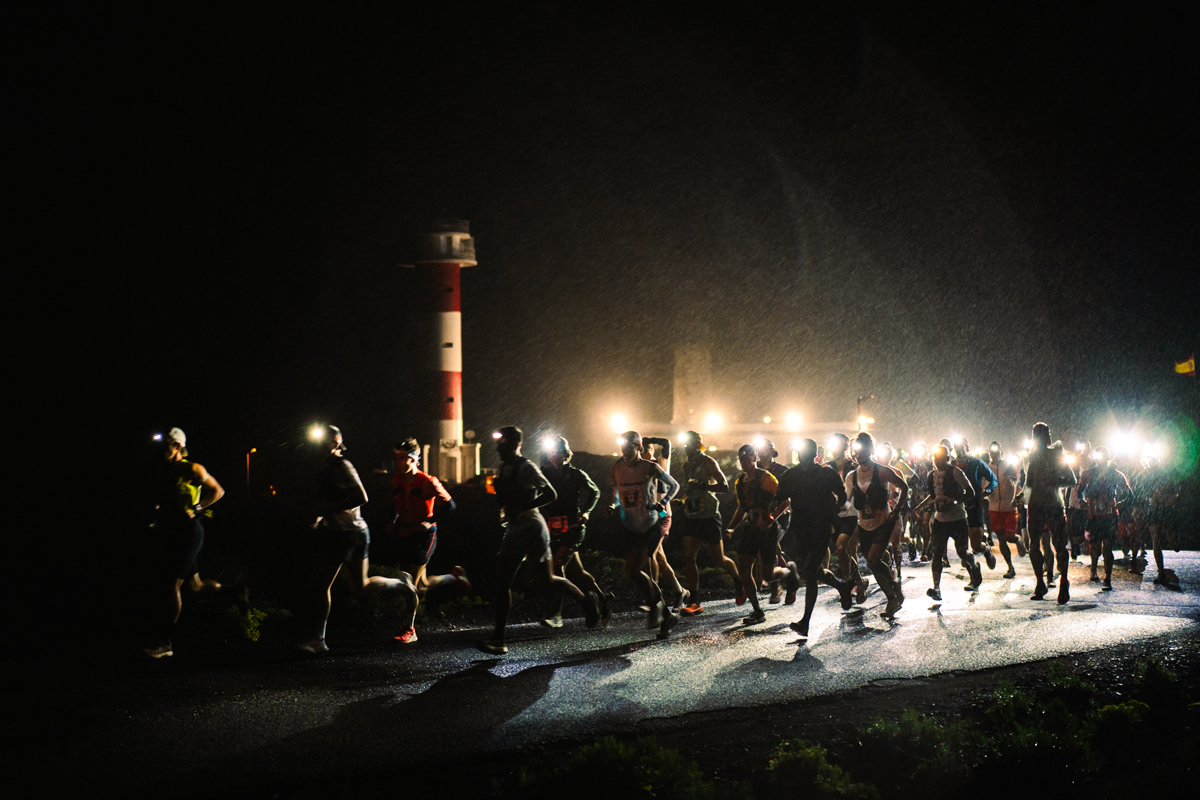
Transvulcania
73K, 43K, 25K, and VK crossing La Palma along the Ruta del Bastón
Read more →
Ultra Pirineu
100K, 54K, and 30K along the Cadí Range in the Catalan Pyrenees
Read more →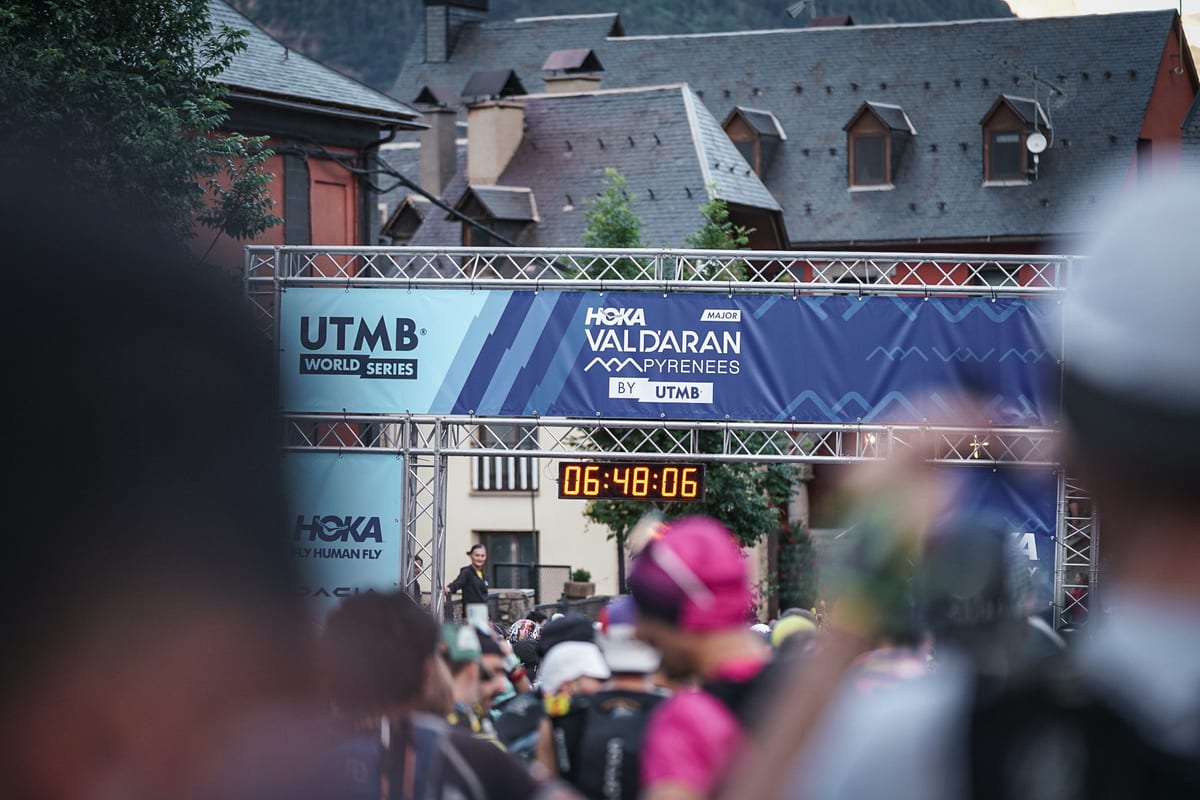
HOKA Val d'Aran by UTMB
163K, 110K, 75K, 55K, 32K and more through the Pyrenees of Val d'Aran — European Major UTMB World Series
Read more →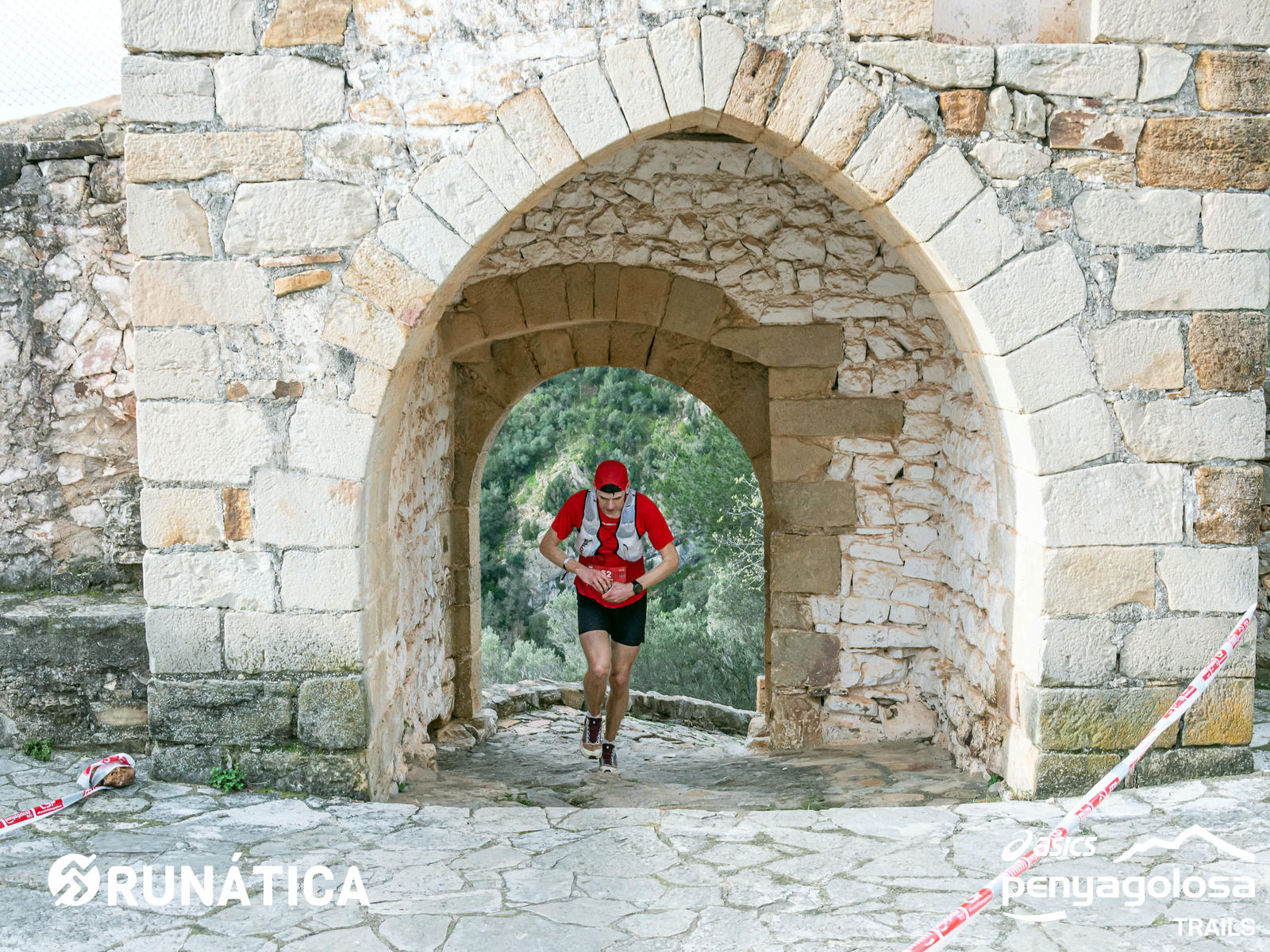
Penyagolosa Trails
106K and 60K from Castellón to the Penyagolosa summit via the GR-33
Read more →