Trail Running Mandatory Safety Kit 2026: Emergency Blanket, Whistle & First Aid Kit
How we choose
We compare every model on verified technical specs (weight, materials, price), user reviews and our own experience running and testing gear in races from 21K to 100K+. We update this guide when prices change or new models launch. Some links are affiliate links: if you buy through them, TrailRunTemple earns a commission at no extra cost to you and with no influence on the selection.
Our picks by use case
All products in this guide
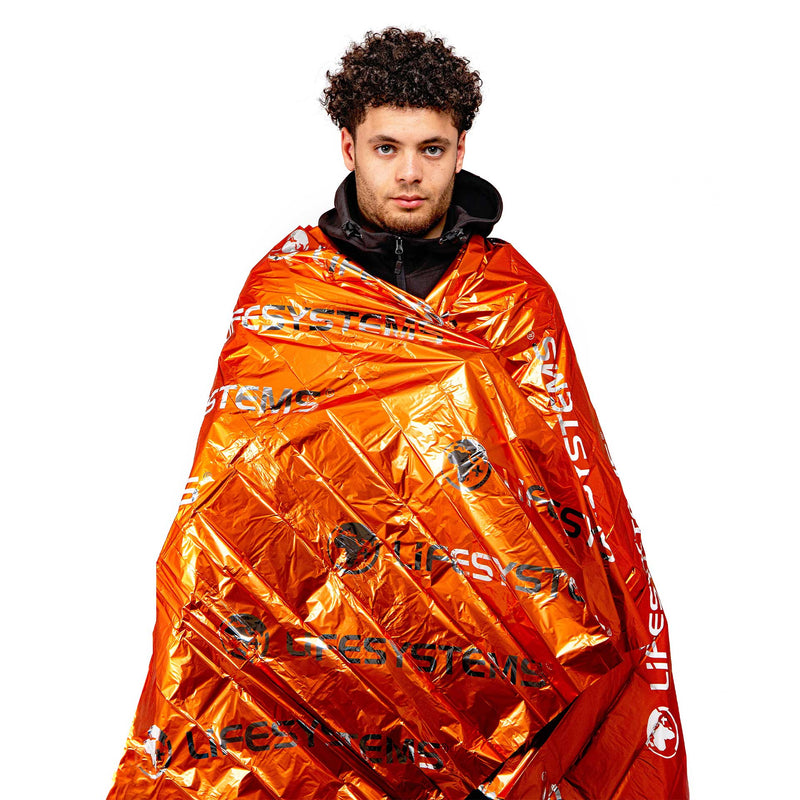
Lifesystems
Lifesystems Thermal Blanket
Manta térmica de emergencia reflectante. Retiene el 90% del calor corporal. Ultraligera (60 g) y compacta, cabe en cualquier mochila de trail.
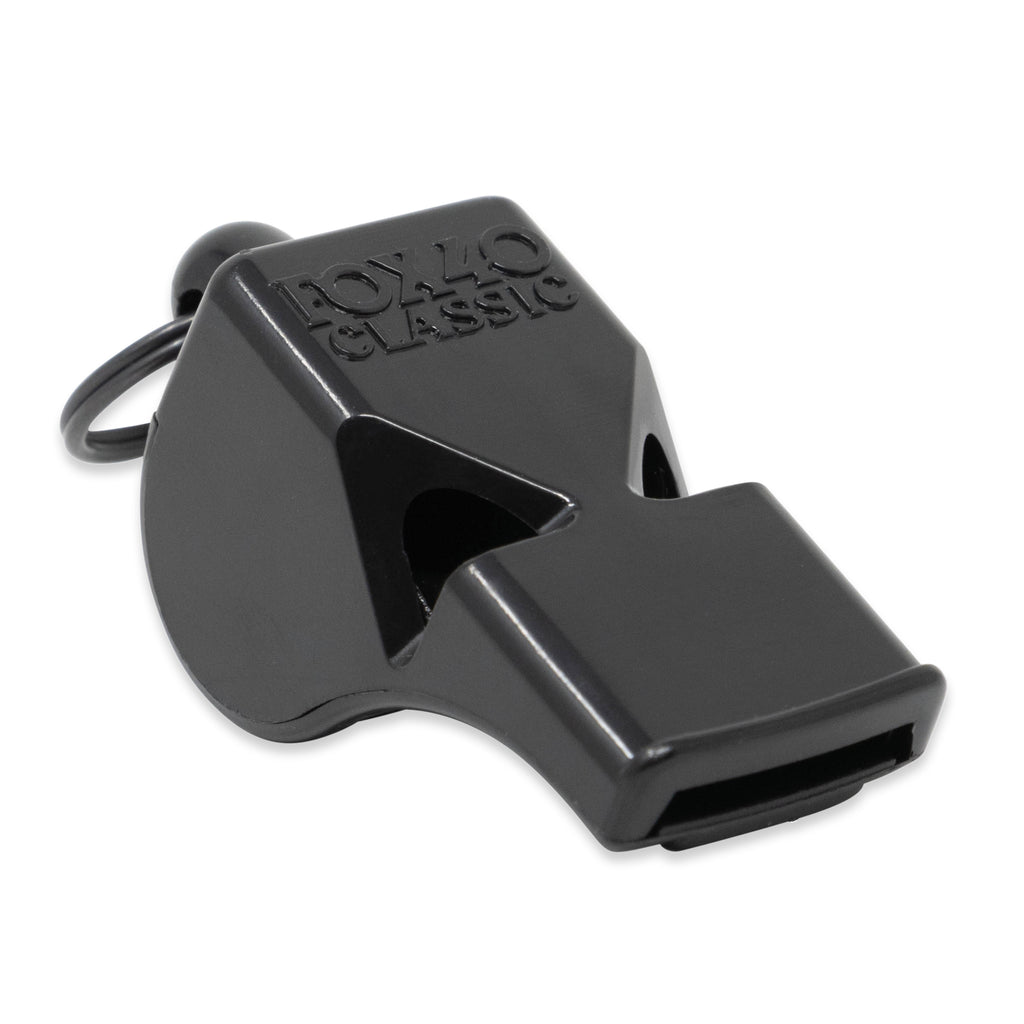
Fox 40
Fox 40 Classic
Silbato de emergencia sin pieza interna, funciona mojado y con barro. Sonido de 115 dB audible a gran distancia. El estándar en carreras de montaña.

Tatonka
Tatonka First Aid Basic
Compact, lightweight first aid kit (120 g) designed for outdoor activities. Includes bandages, plasters, antiseptic wipes, tape and waterproof pouch. Ideal format for a trail running vest. Supplement with antihistamine cream and adhesive tape for processionary caterpillar situations.
Two weeks before race day you open the rulebook to check the mandatory gear list, and three lines you weren’t expecting jump out: emergency blanket, approved whistle, basic first aid kit. They’re not optional — without them, gear check won’t let you start. The good news: sorting this out costs under 40 € and adds less than 150 g to your pack. This guide compares the 3 emergency items most commonly required by Spanish trail races and the UTMB/ITRA-style circuit: what races actually require, why these specific three models, and how to carry them without them getting in the way.
Comparison table
| Product | Category | Weight | Price | Buy |
|---|---|---|---|---|
| Lifesystems Thermal Blanket | Emergency blanket | 60 g | 8.99 € | Amazon → |
| Fox 40 Classic | Emergency whistle | 25 g | 12.03 € | Amazon → |
| Tatonka First Aid Basic | Compact first aid kit | 120 g | 14.95 € | Amazon → |
Combined weight of all 3: 205 g. Combined price: 35.97 €. Fits entirely in a front pocket of any trail running vest.
Why these 3 items show up in almost every rulebook
It’s not organizer whim. The mandatory gear model followed by most Spanish ultras — and popularized by the UTMB/ITRA circuit — starts from a simple idea: if you get injured or lost on a mountain section without phone coverage, you need to be able to protect yourself from the cold, signal for help, and treat a wound until assistance arrives. That’s exactly what these three items cover.
- The emergency blanket prevents hypothermia if you’re stopped injured or waiting for rescue in an exposed area. It retains up to 90% of body heat, and it’s useless if it’s sitting in the car.
- The whistle lets you signal your position when your phone has no coverage or has died — a certified whistle’s 115 dB carries far further than a shout, and it won’t get tired of blowing.
- The first aid kit covers immediate treatment: a blister that could get infected, a sprain that needs wrapping, a cut that needs cleaning before you can keep moving or wait it out.
In our race catalog, races like the Gran Trail Aneto-Posets, Ultra Trail Torla-Ordesa and EDP DesafiOSOmiedo require an emergency blanket and/or whistle on their mandatory gear list, with a physical check at the start. First aid kits show up less often as a specific line item, but more races now recommend or bundle them under “emergency gear” without specifying brand or format — leaving the choice to the runner.
Individual breakdown of the 3 products
1. Lifesystems Thermal Blanket — the emergency blanket
The Lifesystems Thermal Blanket is a 60 g reflective survival blanket that retains 90% of body heat. It’s the most commonly cited default product in Spanish race rulebooks that require this item, precisely because it clears gear check without argument: compact size, tough wrapper, one-handed deployment.
Best for: any ultra with sections above 2,000 m or a night start, where a fall or a long wait in an exposed area can lead to hypothermia within minutes. Keep it in an easily accessible outer pocket, not buried at the bottom of your pack — in a real emergency you won’t be rummaging.
See Lifesystems Thermal Blanket on Amazon →2. Fox 40 Classic — the emergency whistle
The Fox 40 Classic is the mountain-race standard for a technical reason: it has no internal pea, so it works the same wet, muddy, or below freezing — conditions where a conventional whistle can jam. Its 115 dB blast carries a long way even in wind.
Best for: clipping to a chest strap with a carabiner, not loose in a pocket — the moment you need it, it’s because something has gone wrong, and every second spent digging for it counts. It’s also the whistle most frequently checked at pre-start gear checks, so it avoids last-minute surprises with unapproved generic models.
See Fox 40 Classic on Amazon →3. Tatonka First Aid Basic — the compact first aid kit
The Tatonka First Aid Basic covers on-race first aid without adding real weight: 120 g with bandages, plasters, antiseptic wipes, tape and a waterproof pouch that keeps everything dry and organized. It’s not meant to replace a full hiking first aid kit — it’s built for what actually happens in a race: chafing, a blister that opens up, a shallow cut.
Best for: any ultra or mountain race, with or without an explicit rulebook requirement — this is the kind of item that shouldn’t be a hard decision. Pair it with antihistamine cream and extra adhesive tape if your race passes through areas with processionary caterpillars or dense vegetation, common on spring races in central and southern Spain.
See Tatonka First Aid Basic on Amazon →How to carry the kit without it getting in the way
The combined 205 g of this kit won’t be noticeable in a race if you place it right:
- Emergency blanket and first aid kit, together in a side or rear vest pocket — you don’t need constant instant access, but you do need to know exactly where they are without emptying the whole pack.
- Whistle, always clipped with a carabiner to a front strap, never loose in a pocket. It’s the only one of the three you need to be able to use one-handed and without looking.
- Check the emergency blanket’s wrapper condition every season — the plastic degrades with sun exposure and the heat cycles of a car trunk, and a torn wrapper won’t protect the same way.
5 common mistakes with emergency gear
-
Buying it the week before and never testing the whistle. Some unapproved generic whistles don’t hit the required volume and get rejected at gear check.
-
Leaving the emergency blanket in the car “just in case I need it at the finish.” Gear checks happen at the start: if you’re not carrying it, you don’t run.
-
Burying the first aid kit at the bottom of the pack. The moment you need it — a fall, a bleeding blister — every second spent searching counts.
-
Assuming your car’s first aid kit works for a race. Household kits are heavier and bulkier than they need to be; the compact trail format is built specifically not to be a weight penalty.
-
Not checking your specific race’s rulebook. Every organizer sets its own minimums — quantity, whether the blanket is required per runner, whether the whistle needs a minimum decibel rating. Buy for what your race requires, not for what another race required last year.
FAQ
Is an emergency blanket mandatory in every trail race?
Not in every race, but yes in most mountain ultras with sections above 2,000 m or extended exposure risk. Always check your race’s official rulebook: the requirement and quantity (one per runner or one per team) vary.
Which whistle counts as valid for gear check?
Any whistle that produces a clearly audible sound at distance, is certified, and is in good condition. The Fox 40 Classic is the most common choice because it has no internal pea and works wet, avoiding the most common reason for rejection at gear check.
Is the first aid kit checked at gear check?
It depends on the race: some require an explicit kit with minimum contents (bandages, plasters, antiseptic); others bundle it under “emergency gear” without a breakdown. Carrying a compact kit like the Tatonka covers both scenarios without it being a hard decision.
How much does carrying all three together weigh?
Around 205 g total — less than a bottle and a half of energy gel. Not a reasonable excuse to skip it.
Does the emergency blanket do anything besides prevent hypothermia?
Yes: it also shields against wind and rain if you’re stopped waiting for assistance, and its reflective color helps make you visible to a rescue team.
Final verdict: the complete kit
- Emergency blanket: Lifesystems Thermal Blanket
- Emergency whistle: Fox 40 Classic
- Compact first aid kit: Tatonka First Aid Basic
It’s the gear nobody wants to use and almost nobody buys until the rulebook forces the issue. But for under 36 € and 205 g, you clear gear check at the start line and — far more important — you have what you need to act if something goes wrong on a section where nobody else can help you in time.
Other guides you might find useful
Races where you'll need this gear
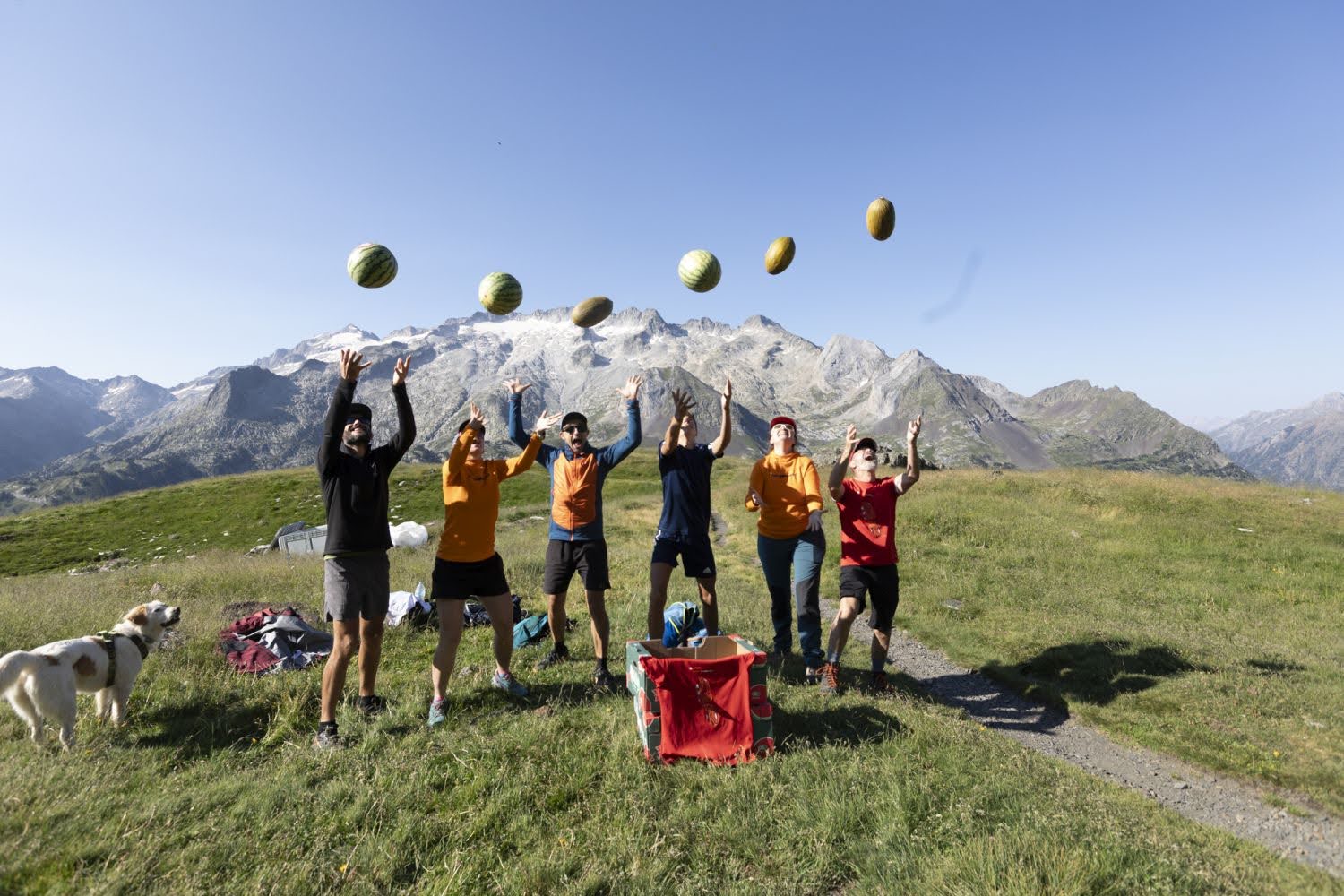
Gran Trail Trangoworld Aneto-Posets
From 5K to 105K between the Pyrenean rooftops: Aneto and Posets from the Benasque Valley
Read more →
Ultra Trail Torla-Ordesa
From 2.9K to 50K in Ordesa National Park: trail running at the foot of Monte Perdido
Read more →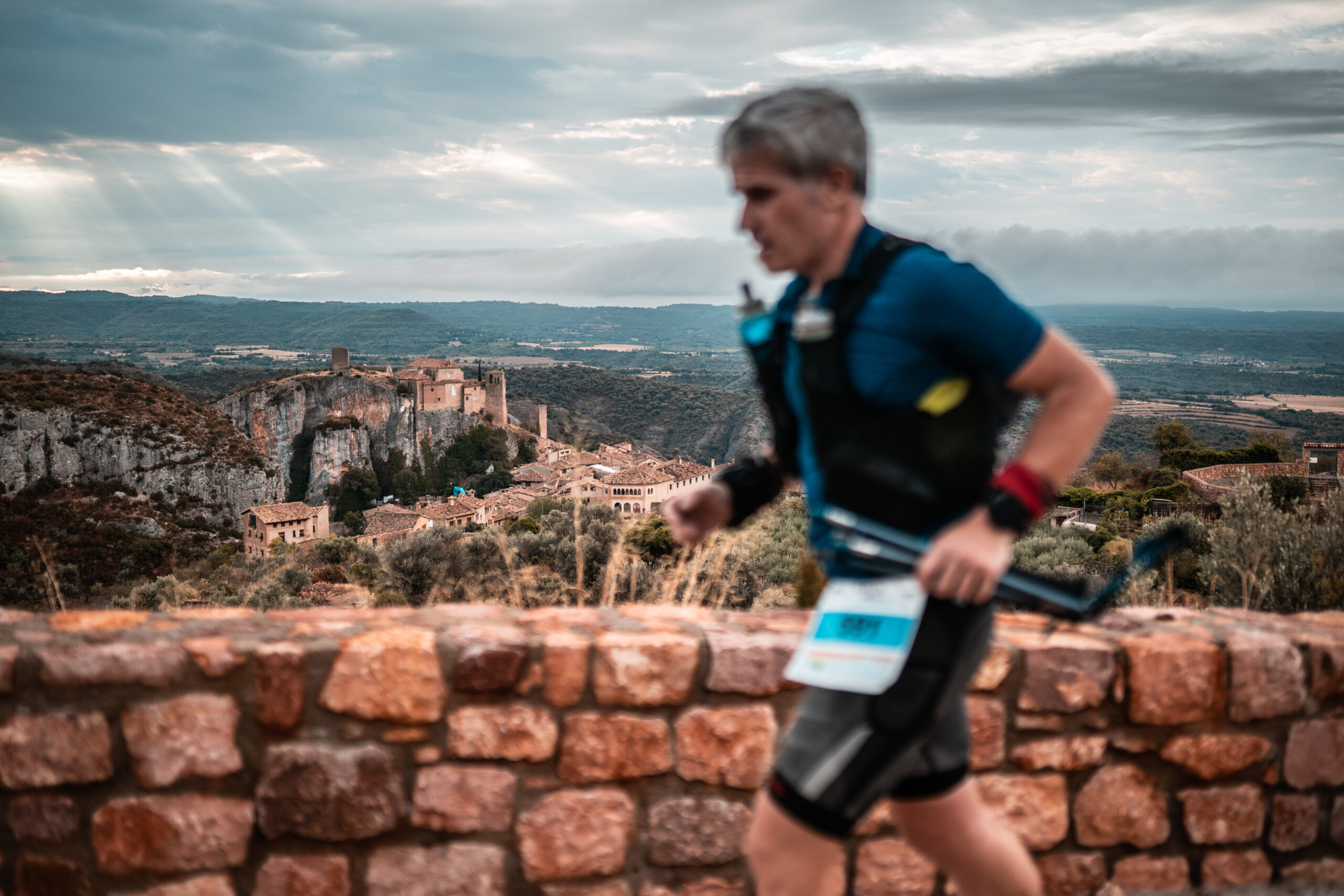
Ultra-Trail Guara Somontano
From 17K to an 82K with 4,700 m of climbing through the canyons of the Sierra de Guara, starting in Alquézar
Read more →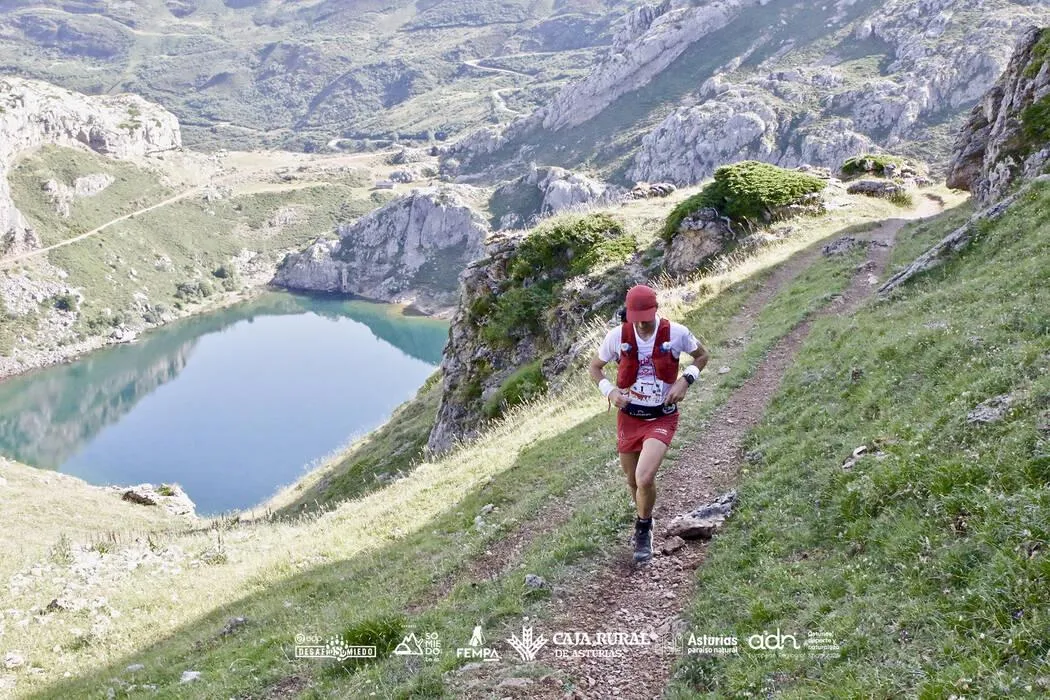
EDP DesafiOSOmiedo
70K, 46K and 24K through Somiedo Natural Park, home of the Cantabrian brown bear
Read more →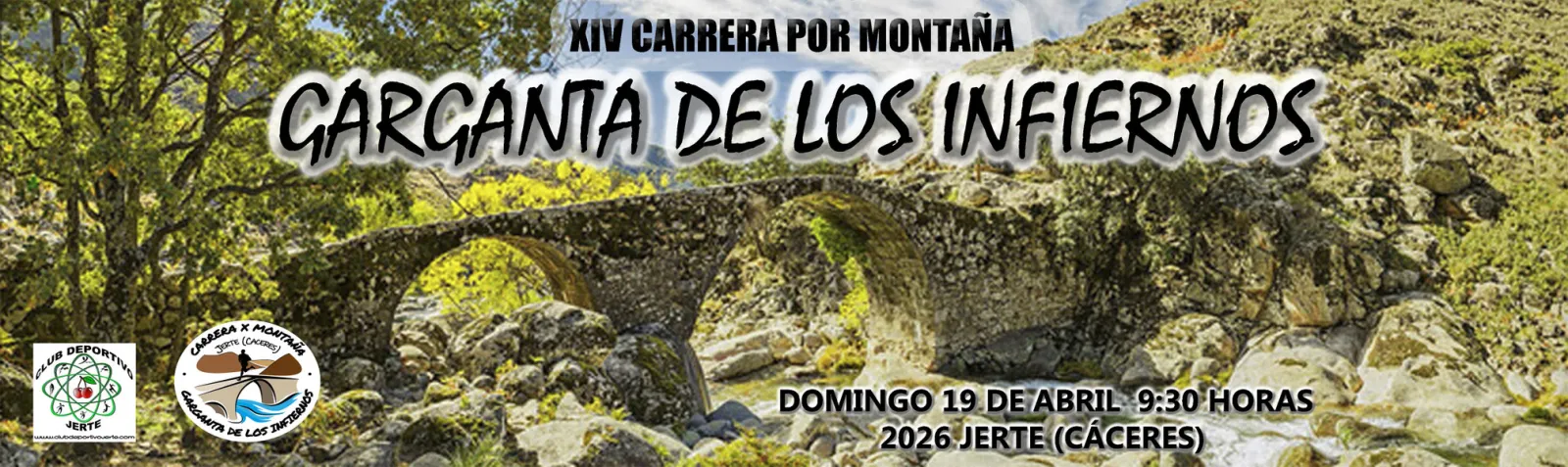
Garganta de los Infiernos Mountain Race
26 km and 1,500 m D+ through the Garganta de los Infiernos Nature Reserve in the Jerte Valley
Read more →