Best Canicross Gear 2026: The Definitive Guide (Harness, Belt, Line and Safety)
Our picks by use case
Affiliate links: if you buy through them we earn a commission at no extra cost to you. It does not affect the ranking.
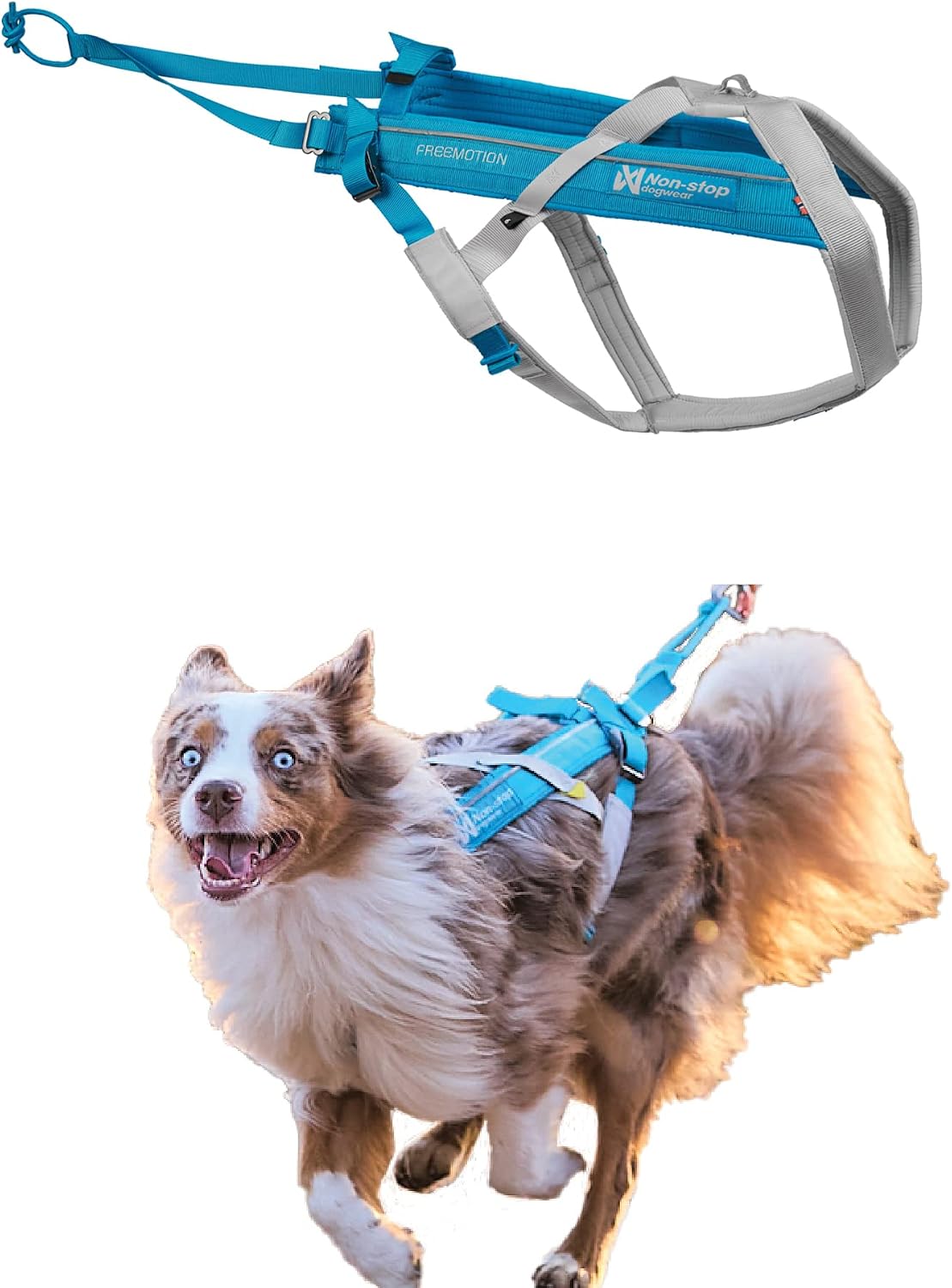 Our top pick#1 · Best Canicross HarnessNon-stop dogwear Non-stop dogwear Freemotion 5.0View on Amazon (se abre en una pestaña nueva)
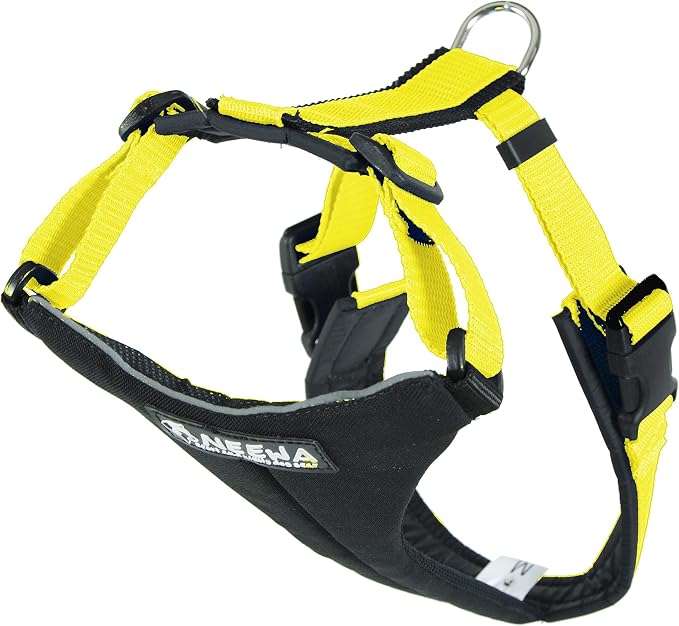 #2 · Best Value HarnessNeewa Neewa arnés de running (pechera)View on Amazon (se abre en una pestaña nueva)
 #3 · Best BeltNon-stop dogwear Non-stop dogwear Canix BeltView on Amazon (se abre en una pestaña nueva)
 #4 · Best Bungee LineNon-stop dogwear Non-stop dogwear Bungee Touring Leash 2 mView on Amazon (se abre en una pestaña nueva)
 #5 · Budget Starter KitTrixie Trixie cinturón con correa para canicrossView on Amazon (se abre en una pestaña nueva)
 #6 · Best for HeatRuffwear Ruffwear Swamp Cooler (chaleco refrigerante)View on Amazon (se abre en una pestaña nueva)
(se abre en una pestaña nueva)(se abre en una pestaña nueva)(se abre en una pestaña nueva)(se abre en una pestaña nueva)How we choose
We compare every model on verified technical specs (weight, materials, price), user reviews and our own experience running and testing gear in races from 21K to 100K+. We update this guide when prices change or new models launch. Some links are affiliate links: if you buy through them, TrailRunTemple earns a commission at no extra cost to you and with no influence on the selection.
All products in this guide
Non-stop dogwear
Non-stop dogwear Freemotion 5.0
The benchmark canicross pulling harness. Its long-back design spreads the pulling force across the dog's body, and the V-neck leaves the shoulders free so stride and breathing are not restricted. Adjustable at neck and chest, it fits both athletic and broader dogs. It is what podium teams race in.
Neewa
Neewa arnés de running (pechera)
Neewa's value pulling harness, from the Spanish brand specialised in canicross and mushing. A proper pulling design with rear attachment point and chest padding, at a price well below Non-stop. The best entry point for anyone getting serious without overspending.
Non-stop dogwear
Non-stop dogwear Canix Belt
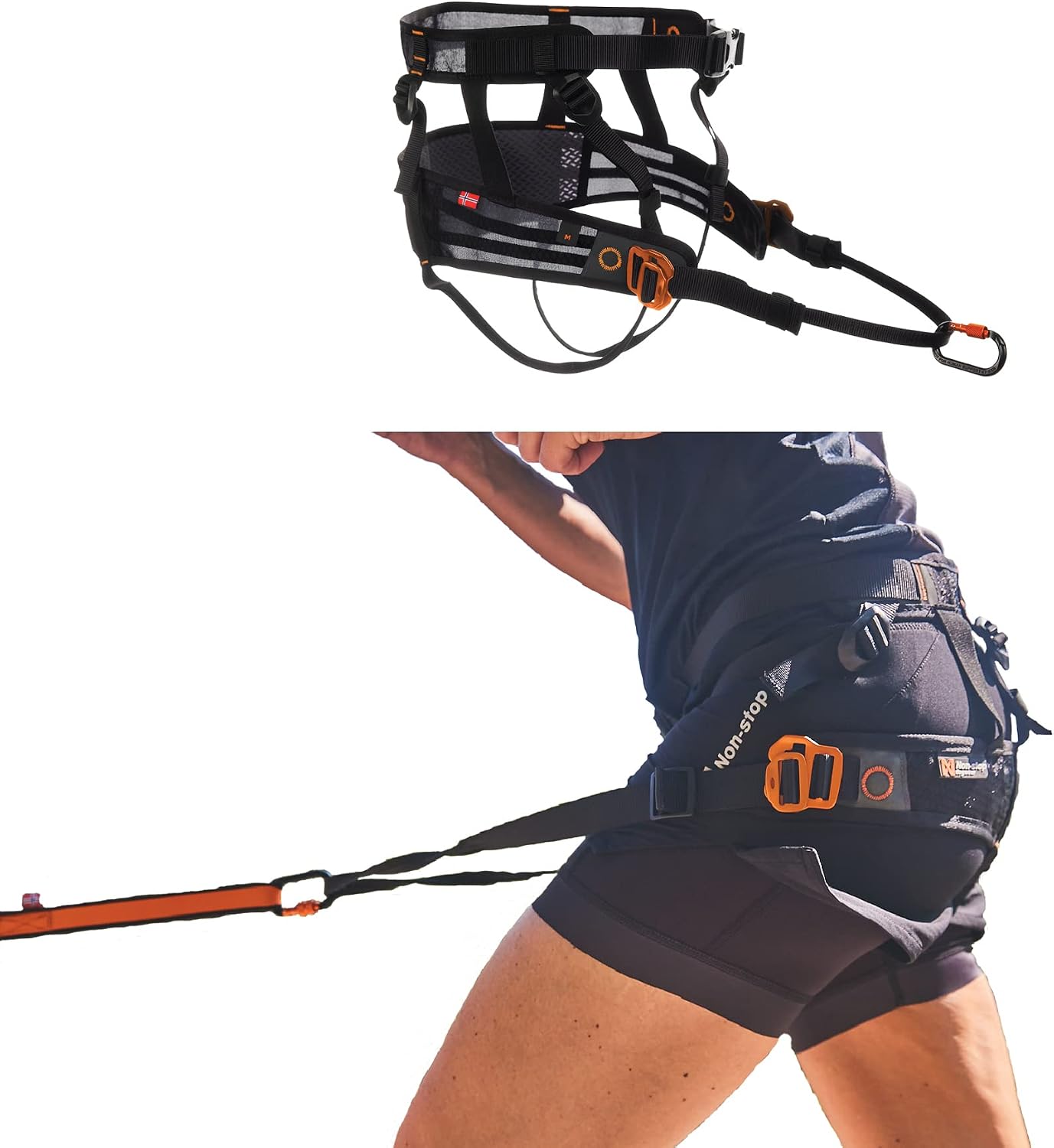
A canicross belt with leg loops that sits the pull on your hips and glutes, not your waist. It is the difference between finishing with lower-back pain or not. Quick-release attachment ring and pockets for bags or keys. The belt we recommend to anyone running with a dog that really pulls.
Non-stop dogwear
Non-stop dogwear Bungee Touring Leash 2 m
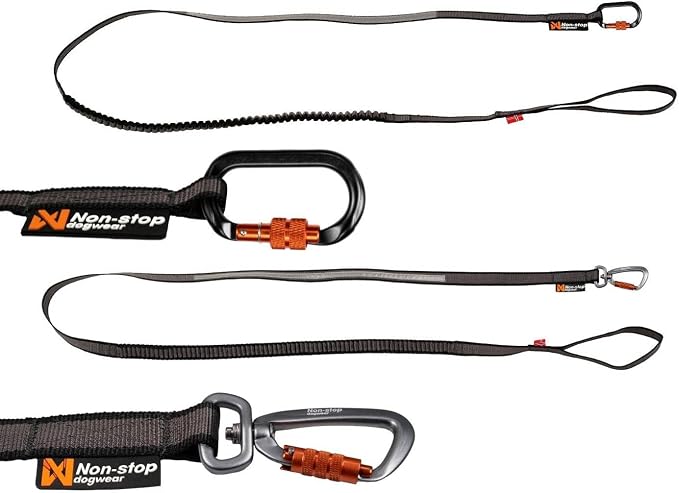
A 2 m canicross line with an elastic section that absorbs jolts for both your back and the dog's body. The most underrated part of the kit: a normal leash without bungee sends every surge straight into your lower back. Reliable carabiners and the 2 m length is the racing standard.
Trixie
Trixie cinturón con correa para canicross
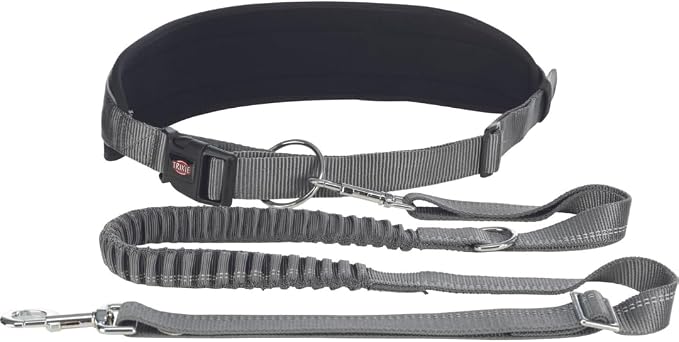
Basic belt and bungee leash kit. The cheapest way to test whether you and your dog enjoy running together before buying specialist gear. Fine for easy trails and tracks. Too limited for strong pullers or racing: the belt is narrow and loads the waist rather than the hips.
Ruffwear
Ruffwear Swamp Cooler (chaleco refrigerante)
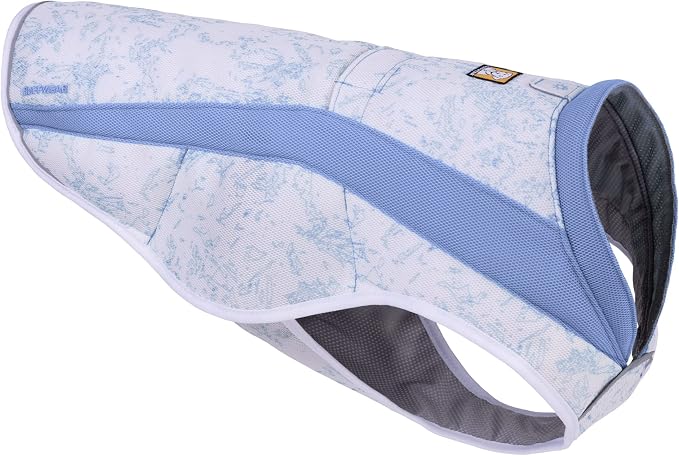
A vest you soak before heading out that cools your dog by evaporation, with SPF 50+ on the back. Heatstroke is the biggest risk in canicross: dogs shed heat only by panting and through their pads. For spring and summer runs or warm races it is the best safety investment.
Canicross is trail running attached to your dog: the dog wears a pulling harness, you wear a belt, and a bungee line connects you. It sounds simple, but the gear makes all the difference. With the wrong gear, the dog pulls from the neck and your lower back takes a beating. With the right gear, running together feels fluid and safe. This guide covers everything you need: what to buy and in what order, how to measure your dog so the size is right first time, and how to look after your dog on race day. No filler.
The canicross kit in 30 seconds
| Piece | Our pick | Why | Buy |
|---|---|---|---|
| Harness (best) | Non-stop dogwear Freemotion 5.0 | Spreads the pull, no pressure on trachea or shoulders | View on Amazon |
| Value harness | Neewa running harness | Proper pulling design from a specialist brand | View on Amazon |
| Belt | Non-stop dogwear Canix Belt | Leg loops: the pull goes to your hips, not your lower back | View on Amazon |
| Line | Non-stop Bungee Touring 2 m | Absorbs every surge | View on Amazon |
| Budget kit to try it | Trixie belt + leash | The minimum to see if you’re hooked | View on Amazon |
| For heat | Ruffwear Swamp Cooler | Evaporative cooling, SPF 50+ | View on Amazon |
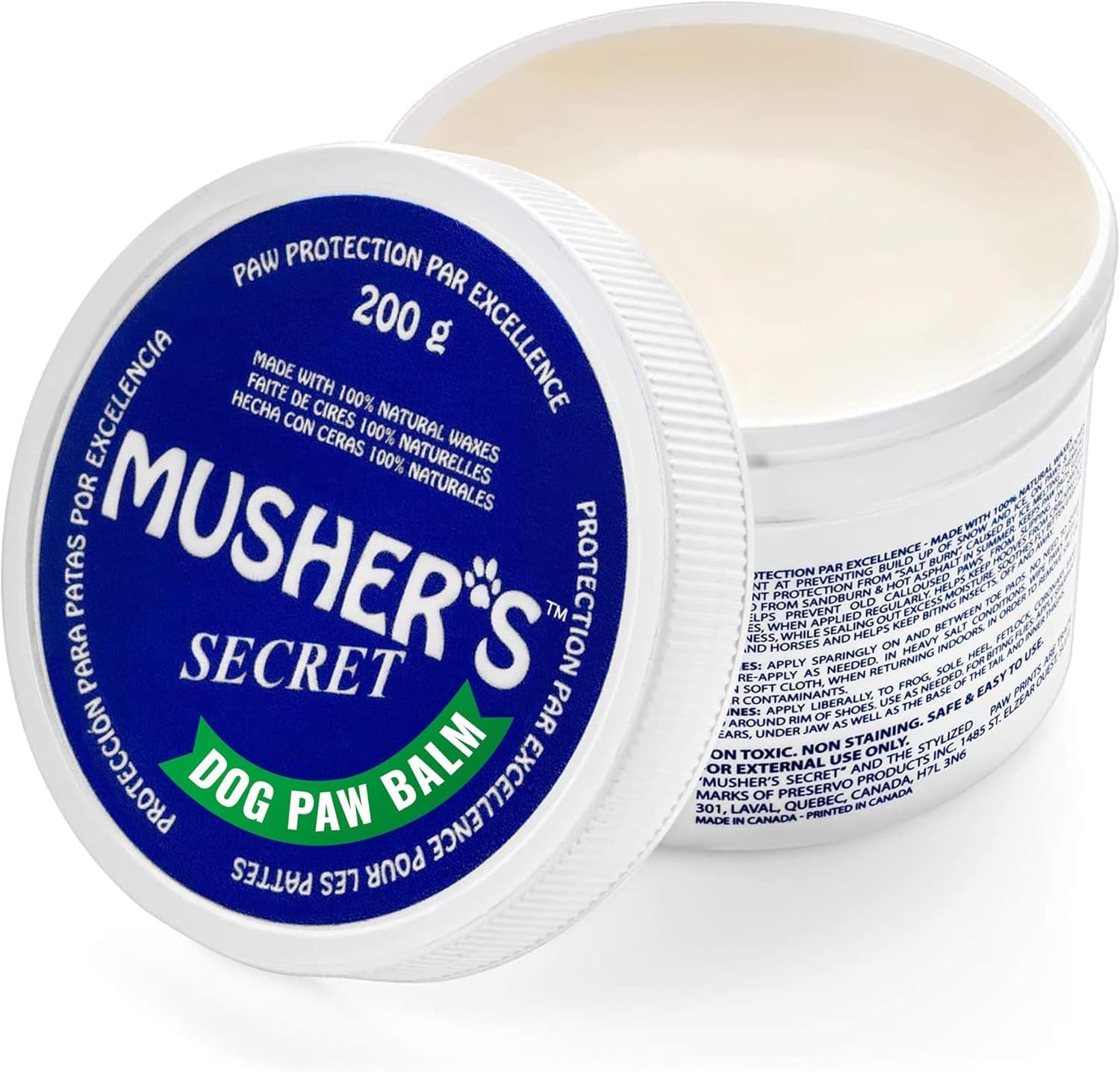 Paw pads Paw pads | Musher’s Secret | The mushers’ wax | View on Amazon |
Amazon links show the live, up-to-date price.
The golden rule: if you can only invest in one piece, make it the harness, because it protects your dog. Second comes a belt with leg loops, which protects you. The bungee line is cheap, so don’t skimp on it.
Which kit do you need? Pick your profile
| Your situation | Recommended kit |
|---|---|
| I want to try it without spending much | Trixie kit + Neewa harness. Never use a walking harness or a collar. |
| Strong puller (husky, pointer, shepherd, energetic mixed breed) | Freemotion + Canix belt with leg loops + Bungee line. The full race kit. |
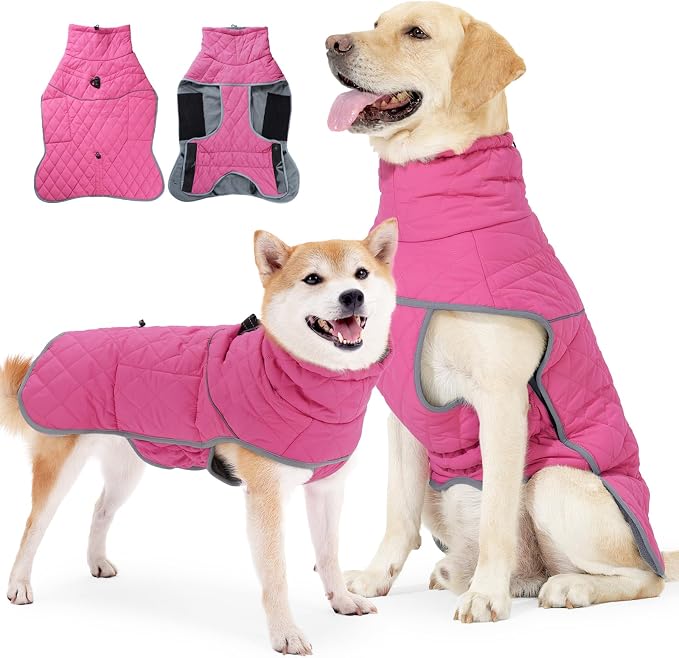 Greyhound, podenco or short-coated dog Greyhound, podenco or short-coated dog | Freemotion harness (its V-neck suits deep chests) + a reflective coat for warming up and waiting at the start in winter. |
| Small dog (under 12 kg) | Neewa harness in a small size + Trixie kit. Small dogs pull little, so a belt with leg loops is not a priority. |
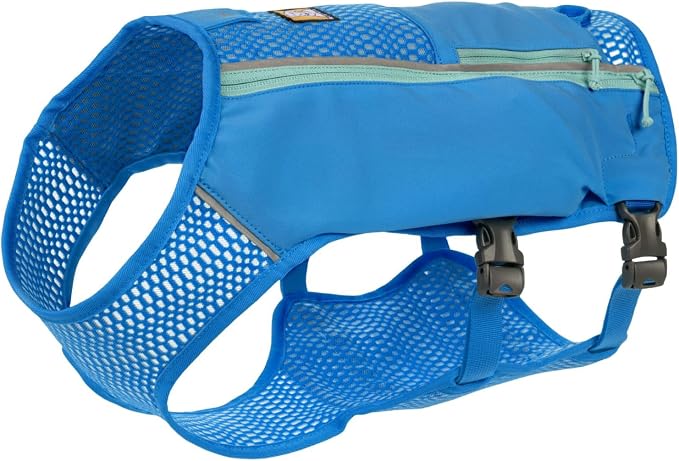 Long mountain routes without water Long mountain routes without water | Add the Ruffwear Trail Runner vest (your dog carries its own water) + Tractive GPS. |
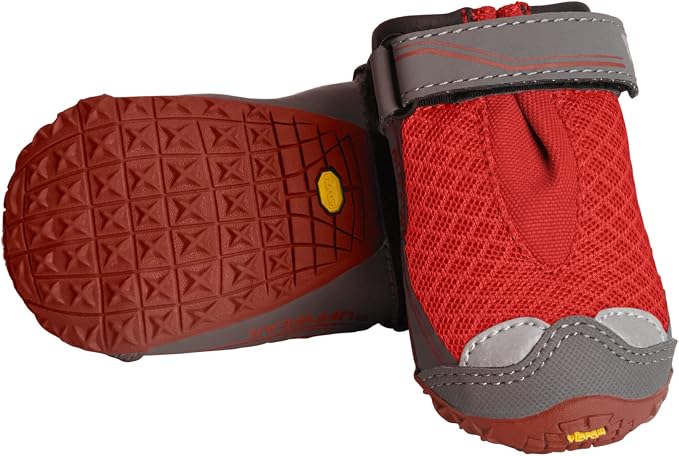 I’m going to race I’m going to race | Full kit + spare Grip Trex boots + rehydration for afterwards. |
1. Canicross harness: the piece that matters most
A canicross harness is not a walking harness. Walking and no-pull harnesses are designed to stop the dog pulling: they close over the shoulders or chest and block the stride. A pulling harness does the opposite. It channels force from the chest to a rear attachment point near the base of the tail, so the dog pushes with its whole body without pressure on the trachea.
Types of pulling harness:
- Long back (x-back and similar): reaches the base of the tail. The most efficient option for dogs that pull steadily. Example: Freemotion.
- Short back: ends mid-back. Gives more freedom of movement and suits dogs that pull on and off or change pace a lot.
- Adjustable back: a middle ground for young dogs still learning to pull.
Non-stop dogwear Freemotion 5.0: the best canicross harness
This is the harness you’ll see on the podiums. It has a V-neck that leaves the shoulders free, just the right amount of padding and adjustment at the neck and chest, so it fits both slim athletic dogs and broad-chested ones. If your dog really pulls, it’s the best buy you can make in canicross.
Pros: spreads the pull without pressing on the trachea, highly adjustable, survives several seasons of mud.
Cons: it comes in many sizes, so you need to measure your dog carefully (see below). Premium price.
Ideal for: dogs over 15 kg that pull, and anyone who wants to race.
View Non-stop Freemotion on Amazon →Neewa running harness: the best value
Neewa is a Spanish brand specialised in canicross and mushing, and it shows. This harness has a proper pulling design, a rear attachment and a padded chest at a clearly lower price than Non-stop. If you’re getting serious or your dog pulls moderately, it’s the smartest buy.
Pros: purpose-built pulling design, good sizing for trail dogs, very visible colours.
Cons: fewer adjustment points than the Freemotion, so it may rub on dogs with an unusual build.
Ideal for: beginners, medium dogs and as a spare harness.
View Neewa harness on Amazon →How to measure your dog for a harness (and avoid returns)
This is the number one question before buying. Use a soft tape measure, with your dog standing and relaxed:
- Neck girth: at the base of the neck, where a wide collar would sit, not high up.
- Chest girth: the widest part of the ribcage, just behind the front legs.
- Back length: from the withers (base of the neck, between the shoulder blades) to the base of the tail. This is the key measurement for a long-back harness.
- Weight: some size charts use it as a secondary reference.
How to check the fit: you should be able to slide two fingers under the straps. When the dog pulls, the back of the harness should sit at the base of the tail without going past it. If it slides towards the tail while the dog stands still, it’s too long. If it pulls the neck backwards, it’s too short.
Between two sizes? For slim, deep-chested dogs (greyhounds, podencos, pointers), size by the chest and adjust the neck. For stocky dogs, size by the neck.
2. Canicross belt: protect your back
The belt is your half of the system. A narrow belt or a bum bag puts the pull point at your waist, and every tug bends your lower back. A real canicross belt is wide, sits on your hips and has leg loops that stop it riding up. That way the pull reaches your centre of gravity, where your body can absorb it.
Non-stop dogwear Canix Belt: the best belt
It has leg loops, an attachment ring with quick release (at a crossing with another dog or a cyclist, you free your dog in a second) and pockets for poo bags and keys. It’s light and you barely notice it while running. If your dog pulls, this belt is the difference between finishing with lower-back pain and finishing fine.
Pros: pull sits on the hips, safety quick release, useful pockets.
Cons: pricier than a basic kit, and you need to get the hip size right.
View Non-stop Canix Belt on Amazon →Trixie belt with leash: the budget starter kit
The cheapest way to try canicross. It includes a belt and a leash with an elastic section. It’s fine for easy runs and dogs that don’t pull much. If you get hooked, you’ll normally move up to a belt with leg loops within a few months. You can always keep this one as a spare.
Pros: rock-bottom price, elastic leash included, light.
Cons: no leg loops, so it rides up to the waist with strong pullers. Not for serious racing.
View Trixie kit on Amazon →Looking for a belt for running without a dog? See our running belt guide. Those belts aren’t built to take a dog’s pull.
3. Bungee line: the most underrated piece
A normal leash sends every surge straight into your back and your dog’s. A canicross line has an elastic (bungee) section that absorbs those jolts. It measures about 2 metres extended: long enough for the dog to run ahead without you treading on its heels, and short enough to stay in control. Spain’s federation (RFEDI) requires a line of 2 to 3 metres extended, with a mandatory bungee section and a belt at least 7 cm wide.
Non-stop dogwear Bungee Touring Leash 2 m: the best line
It has the standard length, a bungee that responds well and reliable carabiners. It’s cheap relative to what it protects, so it makes no sense to save money here.
Pros: effective bungee, regulation 2 m length, sturdy carabiners.
Cons: the elastic loses some response over the years, and there’s no short handle for crossings.
View Non-stop Bungee line on Amazon →Running with two dogs? Clip the Non-stop Bungee Touring Double Y-extension to the end of your line: each dog gets its own branch, they don’t tangle, and the main line’s bungee keeps working.
4. Your dog’s health and safety
This is the section that matters most, and the one almost no guide takes seriously. Your dog won’t tell you it’s suffering: it will keep pulling until it can’t any more.
Heat: the biggest risk in canicross
Dogs only shed heat by panting and through their paw pads. That’s why the canicross season runs from October to April in most of Europe, and race rules cut or cancel events as it warms up: Spain’s RFEDI caps races at 5 km from 16 °C, at 2.5 km from 20 °C and cancels them from 22 °C, and the ICF limit is 25 °C. The basics:
- On mild days, run at dawn or dusk, in shade and near water.
- Warning signs: very heavy panting with a wide, purple or bright-red tongue, stumbling, loss of interest or lying down. Stop, find shade, wet the armpits, groin and pads (with cool water, not ice-cold) and call the vet.
- A Ruffwear Swamp Cooler vest, soaked before you set off, lowers your dog’s temperature through evaporation. It’s the best safety investment for spring and autumn.
Hydration: if you drink, they drink
Offer water at every stop, in small amounts. A bottle with a foldable bowl clipped to your belt solves this for very little money. On long routes without water, the Ruffwear Trail Runner vest lets your dog carry its own water in two flasks. After a long or hot effort, a rehydration solution like Oralade encourages dogs that under-drink. Zanipro is a cheaper powdered alternative.
| Product | What for | Buy |
|---|---|---|
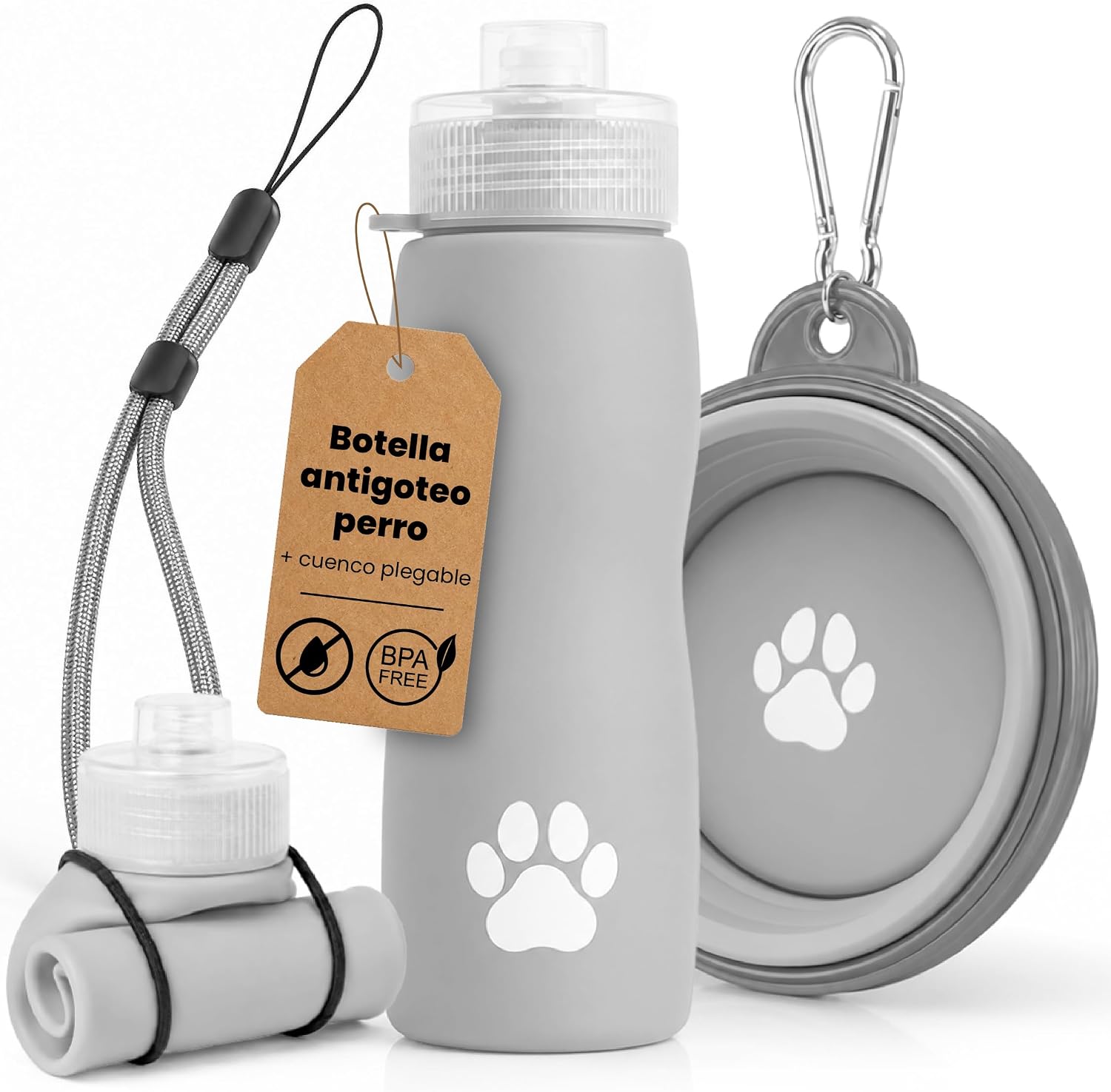 Bottle with foldable bowl Bottle with foldable bowl | Water at every stop | View on Amazon |
| Ruffwear Trail Runner | Dog carries its own water on long routes | View on Amazon |
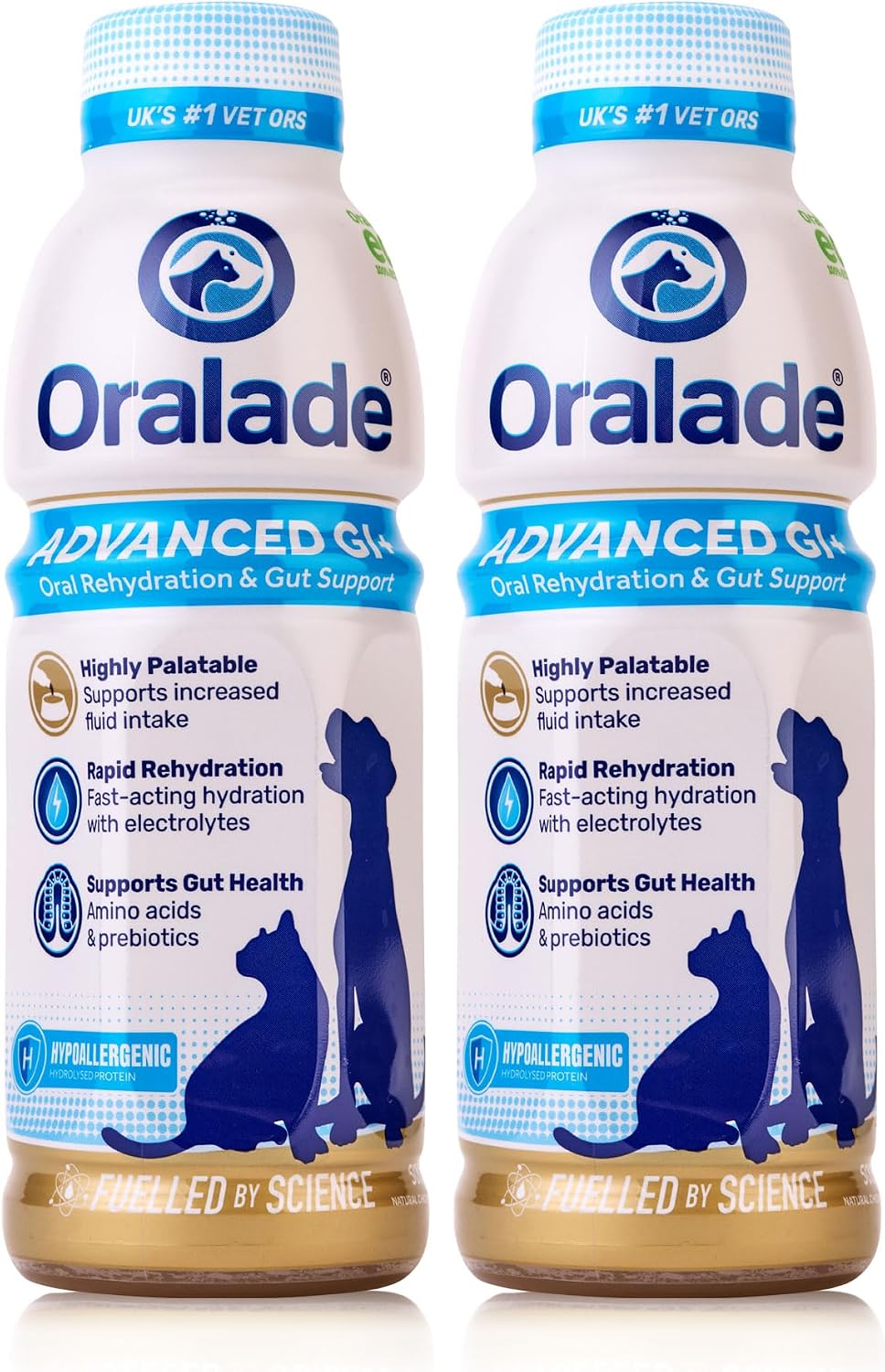 Oralade Advance GI+ Oralade Advance GI+ | Rehydration after the effort | View on Amazon |
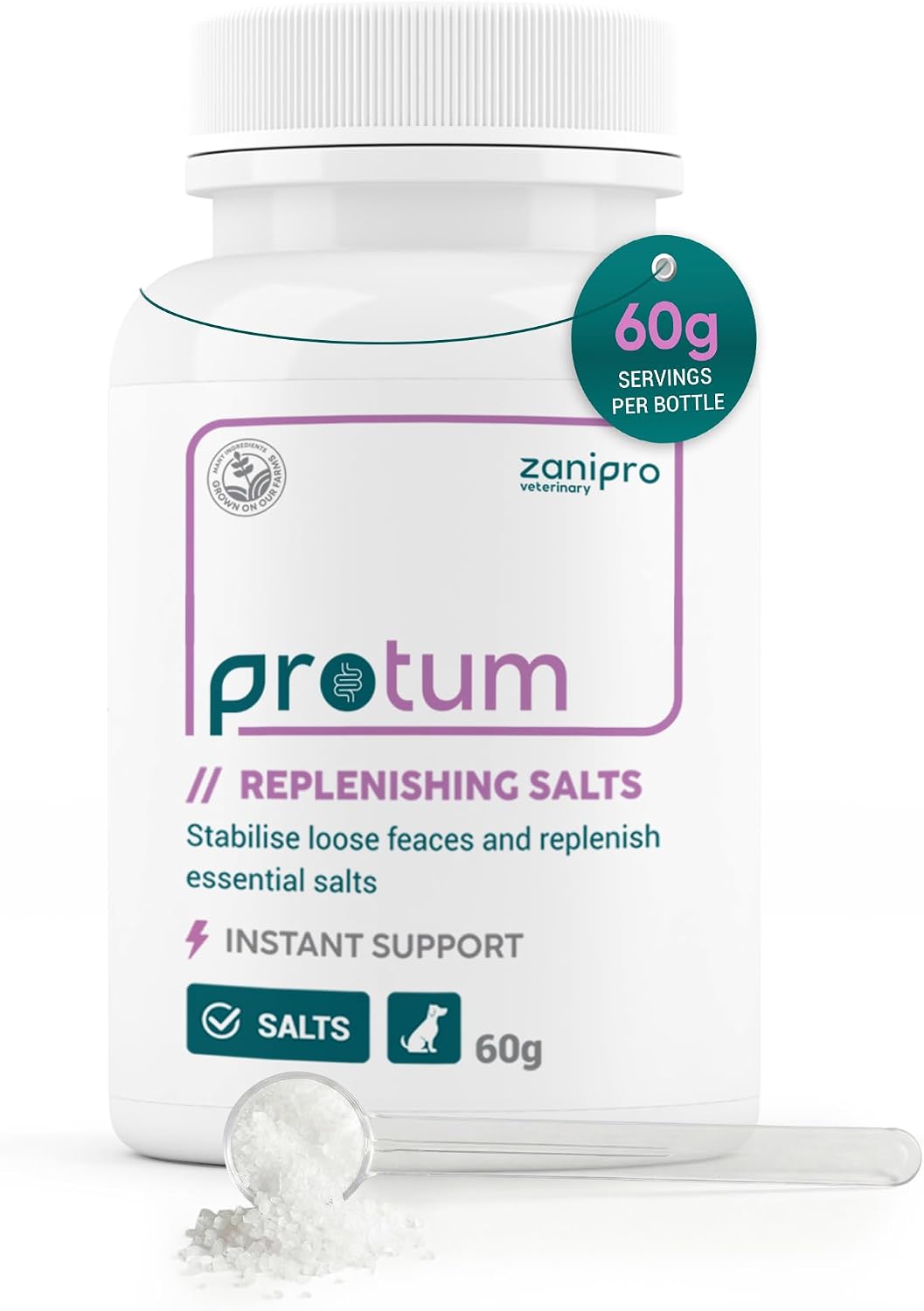 Zanipro electrolytes Zanipro electrolytes | Budget powdered rehydration | View on Amazon |
Paw pads: rock, tarmac and ice
Paw pads are your dog’s “running shoes”, and on rocky ground or abrasive tracks they wear down or get cut. There are two levels of protection:
- Musher’s Secret: a natural wax you apply before every run to form a breathable barrier. It’s the everyday protection, and one tub lasts a whole season.
- Ruffwear Grip Trex boots: Vibram soles for loose rock, snow or hot tarmac, and a must-carry spare in your pack in case your dog cuts a pad. Sold in pairs. Before a race, get your dog used to them at home and on short walks.
Check the pads after every run. A small crack today is a limp next week.
Visibility and night running
In winter, a lot of sessions end in the dark. Your headlamp lets you see, but your dog also needs to be seen. The PAJ LED light clips to a collar or harness and makes your dog visible from hundreds of metres away to cyclists and cars. For short-coated dogs, the fleece-lined reflective raincoat is for warming up and waiting at the start of winter races. Take it off for flat-out running.
GPS: in case your dog gets loose
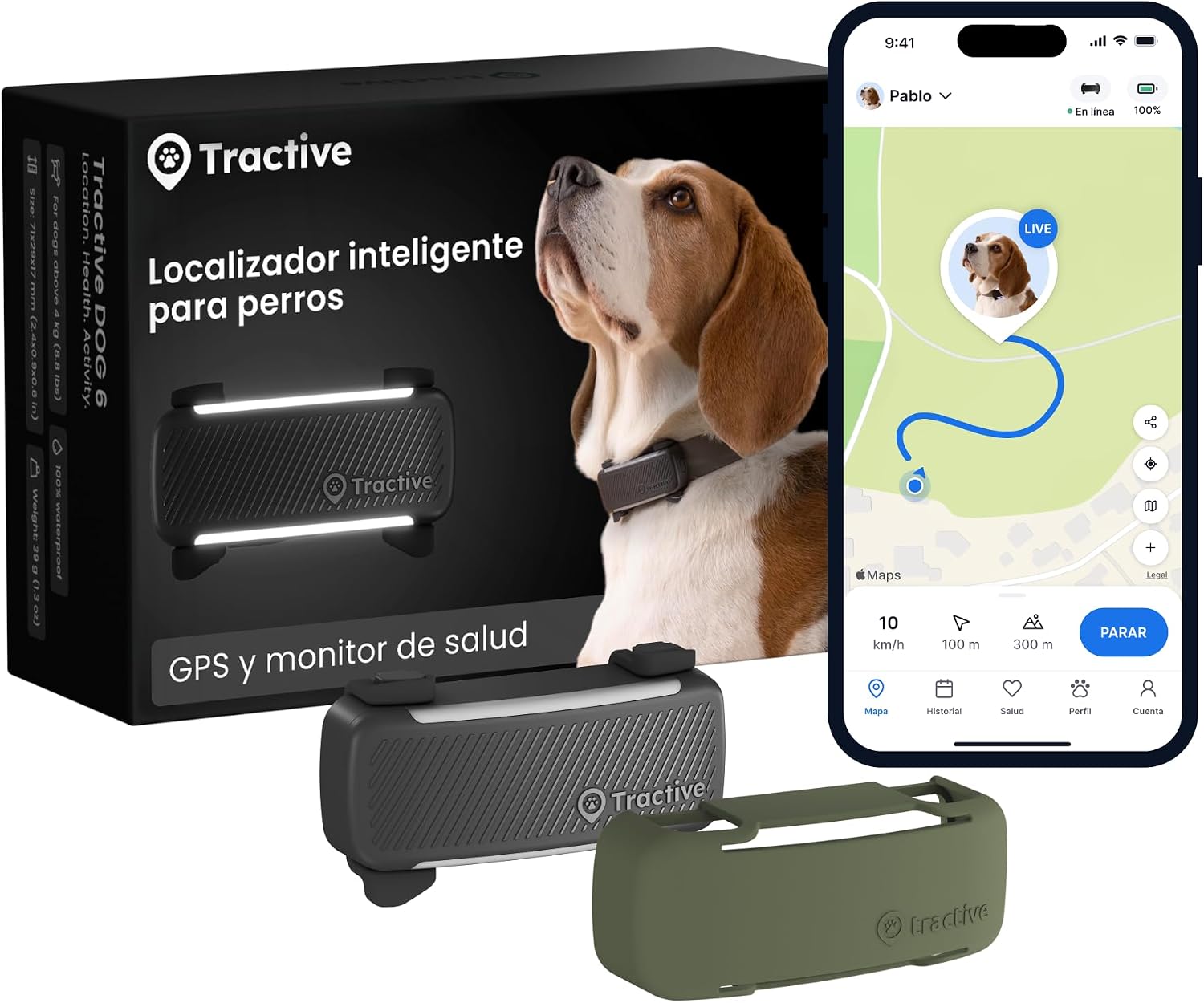
In the mountains, a dog that slips off after a deer can vanish in seconds. The Tractive GPS shows you where it is in real time on your phone, and it logs your dog’s kilometres, which is useful for managing your dog’s training load the same way you manage your own. It needs a monthly subscription.
Treats and recovery
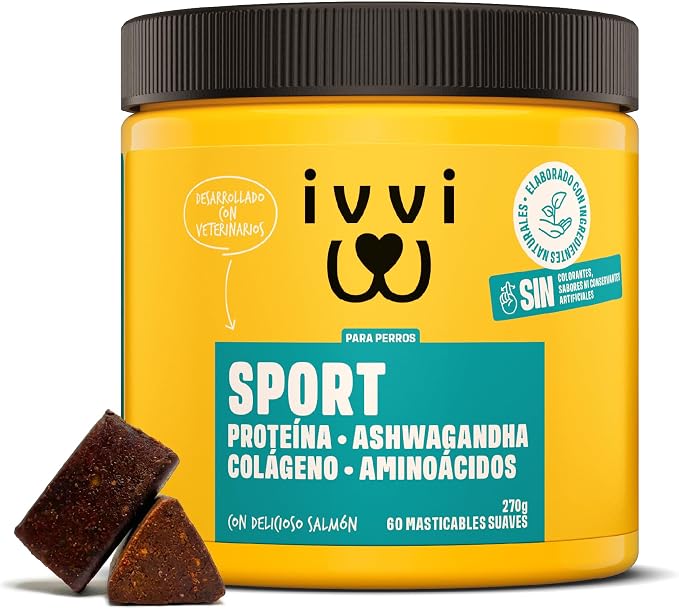
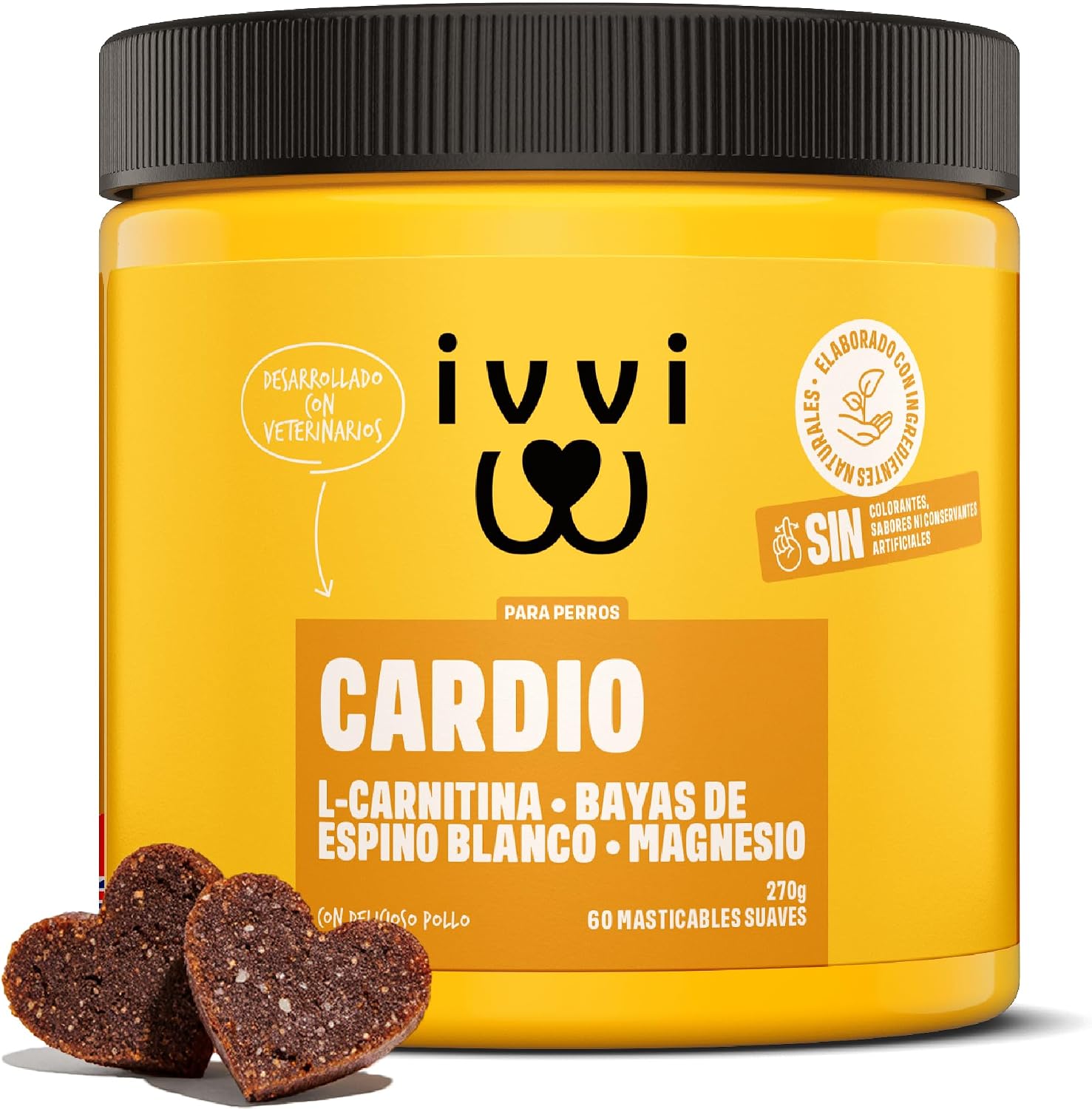
Positive reinforcement is the foundation of canicross: the run has to be the best part of your dog’s day. ivvi Sport are soft treats for sporting dogs, with protein and collagen. For veteran dogs that keep running there’s ivvi Cardio. Never feed your dog in the 2 hours before a run or right after it: in deep-chested dogs, gastric torsion (bloat) is a life-threatening emergency.
Full canicross gear comparison

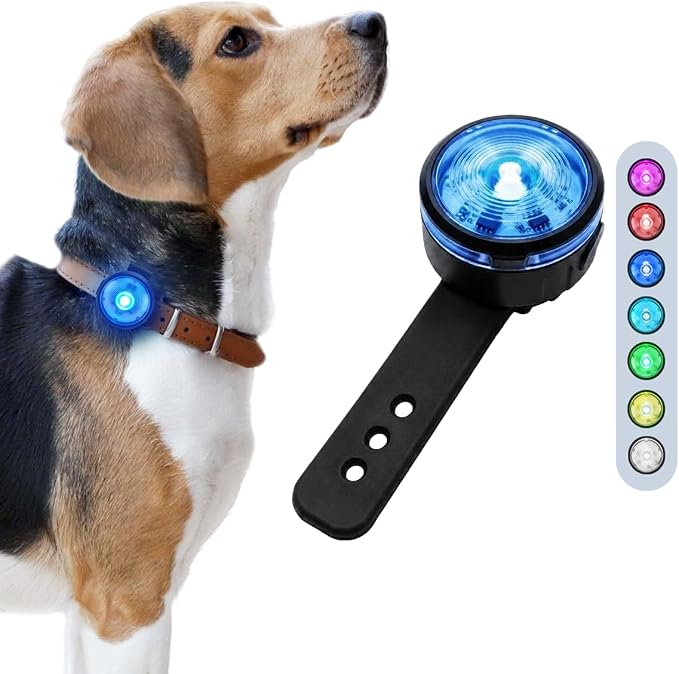
Your gear as the runner
In canicross you run faster than you would alone on descents and take-offs, often on muddy winter trails. You need shoes with deep lugs and mud grip, because a slip with a dog pulling ends on the ground. See our pick of mud trail shoes. If you train at night, you need a headlamp with good battery life.
How to start canicross: 6 rules
- Minimum age: wait until your dog has finished growing. For medium breeds that’s usually around 12 months, and later for large breeds. To compete, the ICF requires at least 12 months, and Spain’s RFEDI requires at least 18 months (and a maximum of 10 years). Check with your vet before you start.
- Vet check: heart, joints and weight. An overweight dog needs to lose weight before it starts running.
- Progression: start with 2-3 km on soft ground and build up gradually, just as you would for yourself.
- Basic commands: “right”, “left”, “stop” and “go on”. Teach them on walks, before you run.
- The dog always runs in front: if it drops behind, it will tread on you or trip you. Keep the line taut.
- No day is mandatory: if it’s hot, your dog is tired or limping, it stays at home.
Trail races with canicross
More and more trail races include a canicross event on the same day. It’s the perfect way to make your debut:
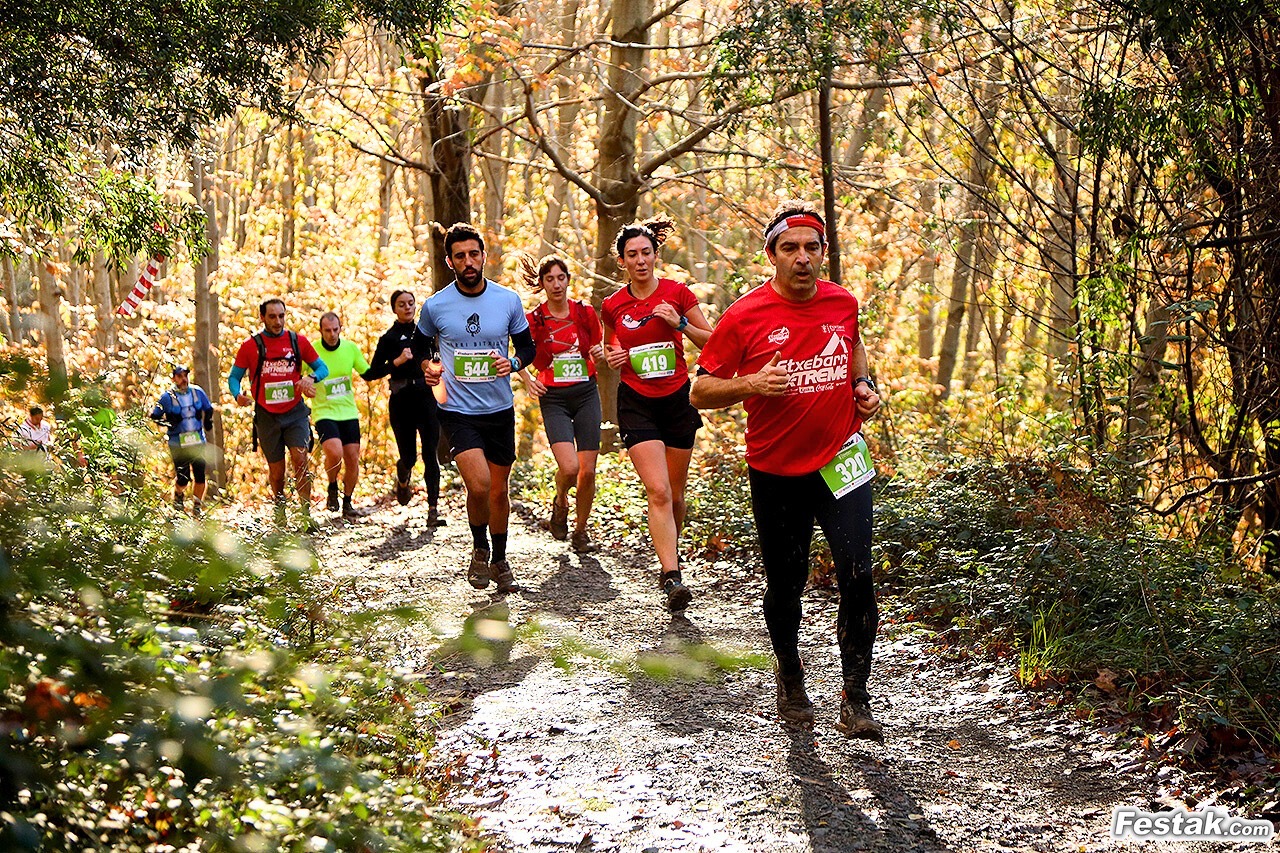
- Etxebarri Xtreme (Bizkaia, Spain, December): a 9 km canicross on the same day as the Trail 30K and Trail 10K. Limited places.
- Vitoria-Gasteiz Trail (Álava, Spain, September): Canicross 5K, ideal for a first race.
Frequently asked questions
Can I do canicross with a walking harness?
No. A walking or no-pull harness is designed to stop pulling and blocks the shoulders and chest. If your dog pulls in one, it does so in a forced posture. A pulling harness like the Neewa costs only a little more and is the only safe option. Never use a collar.
Which dogs can do canicross?
Almost any healthy adult dog over 12-15 kg: mixed breeds, shepherds, pointers, greyhounds, podencos, huskies… Brachycephalic breeds (bulldogs, pugs, boxers) regulate their temperature poorly and shouldn’t do it. Small dogs can run with you, but not to pull.
How much does canicross gear cost?
A basic kit (a cheap belt and leash plus an entry-level pulling harness) doesn’t cost much. The full race kit (Freemotion, Canix Belt and Bungee line) costs considerably more, but lasts for years. If you have to choose where to spend, invest in the harness first.
How often should I replace the harness?
When the padding flattens, you see rubbing, or your dog changes weight or shape, which is common in young dogs. Check stitching and buckles every few months.
How hot is too hot to run with my dog?
There’s no magic number, because humidity matters as much as temperature. A useful reference is Spain’s RFEDI race scale: from 16 °C, no more than 5 km; from 20 °C, no more than 2.5 km; from 22 °C, no running. In high humidity, lower those thresholds. A cooling vest helps, but it’s not a licence to run in the heat.
Start with the harness: view Non-stop Freemotion on Amazon →