Best Technical Trail Running Apparel 2026: Waterproof Jackets, Wind Shells, Tights and Gaiters
 (se abre en una pestaña nueva)
 (se abre en una pestaña nueva)
 (se abre en una pestaña nueva)
 (se abre en una pestaña nueva)
How we choose
We compare every model on verified technical specs (weight, materials, price), user reviews and our own experience running and testing gear in races from 21K to 100K+. We update this guide when prices change or new models launch. Some links are affiliate links: if you buy through them, TrailRunTemple earns a commission at no extra cost to you and with no influence on the selection.
Our picks by use case
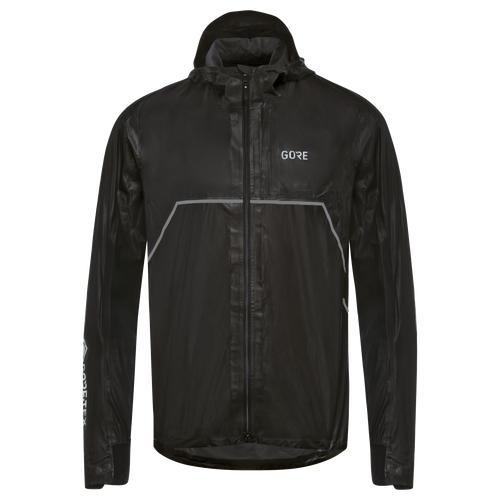
- #1Best Rain Jacket: Gore Wear Gore Wear R7 GTX ShakedryView on Amazon →(se abre en una pestaña nueva)
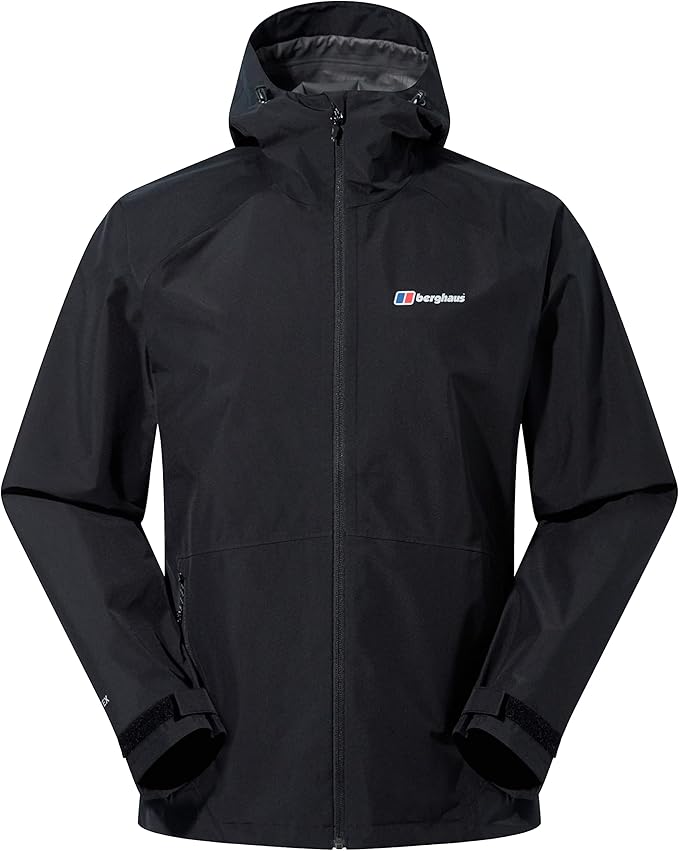
- #2Best Value Waterproof: Berghaus Berghaus Paclite 2.0 GTXView on Amazon →(se abre en una pestaña nueva)
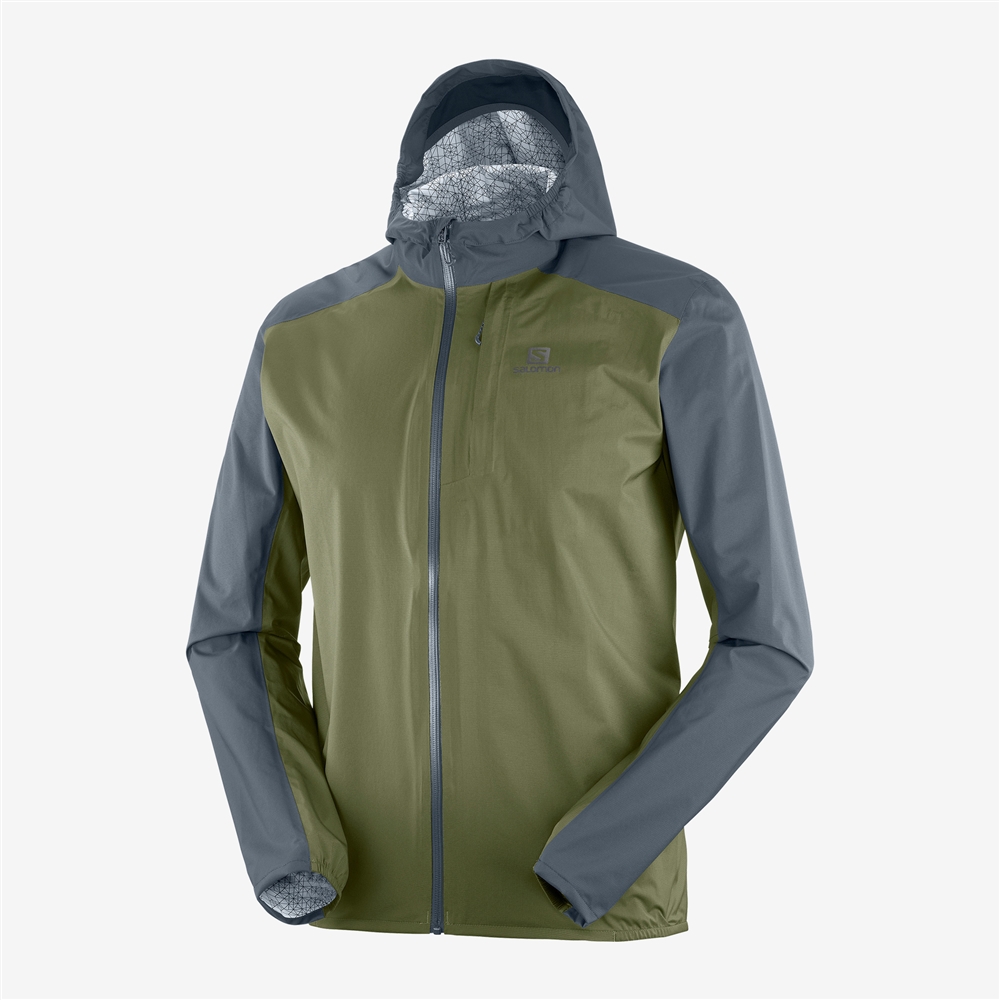
- #3Best Windproof Jacket: Salomon Salomon Bonatti WPView on Amazon →(se abre en una pestaña nueva)
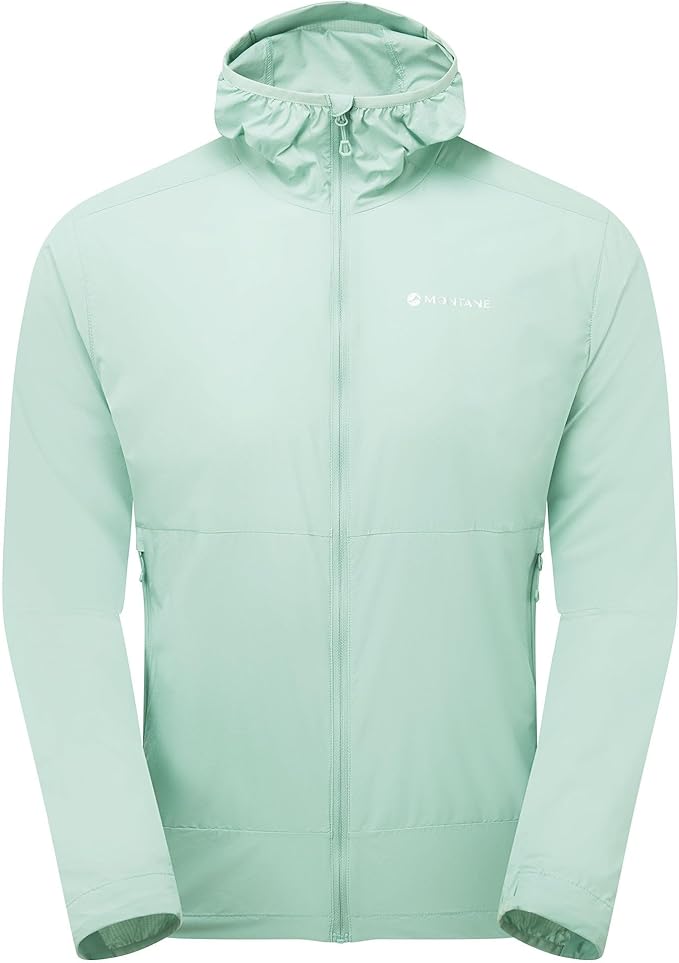
- #4Best Ultralight Wind Jacket: Montane Montane Featherlite HoodedView on Amazon →(se abre en una pestaña nueva)
- #5Best Wind Jacket for Visibility: Salomon Salomon Bonatti Cross WindView on Amazon →(se abre en una pestaña nueva)
- #6Best Base Layer: Odlo Odlo Active Warm EcoView on Amazon →(se abre en una pestaña nueva)
- #7Best Running Tights: Salomon Salomon Cross Run TightView on Amazon →(se abre en una pestaña nueva)
- #8Best Thermal Gloves: Salomon Salomon Cross Warm GloveView on Amazon →(se abre en una pestaña nueva)
- #9Best Thermal Buff: Buff Buff ThermonetView on Amazon →(se abre en una pestaña nueva)
- #10Best Gaiters: Salomon Salomon Trail Gaiters HighView on Amazon →(se abre en una pestaña nueva)
All products in this guide
Gore Wear
Gore Wear R7 GTX Shakedry
Chubasquero Gore-Tex Shakedry ultraligero (110 g). Impermeabilidad total sin membrana interior, altamente transpirable. El referente para corredores de montaña.
Berghaus
Berghaus Paclite 2.0 GTX
Waterproof jacket with a Gore-Tex Paclite membrane (around 330 g). Fully waterproof with taped seams, fixed adjustable hood, storm flap behind the zip and cuff adjustment. Packs down small in a vest. Heavier than a pure running hardshell, but it meets the waterproof-breathable membrane requirement in race rules and is the affordable route into Gore-Tex.
Salomon
Salomon Bonatti WP
Chaqueta cortavientos impermeable ultraligera (135 g). Costuras selladas, capucha ajustable y ventilación trasera. Se pliega en su propio bolsillo.
Montane
Montane Featherlite Hooded
Ultralight hooded wind jacket (120 g in size M). Pertex Quantum Air 12-denier stretch nylon: blocks wind while venting heat and moisture better than almost any rain shell. PIVOT hood, elasticated cuffs, YKK zipped pockets. Pure windproof, not waterproof.
Salomon
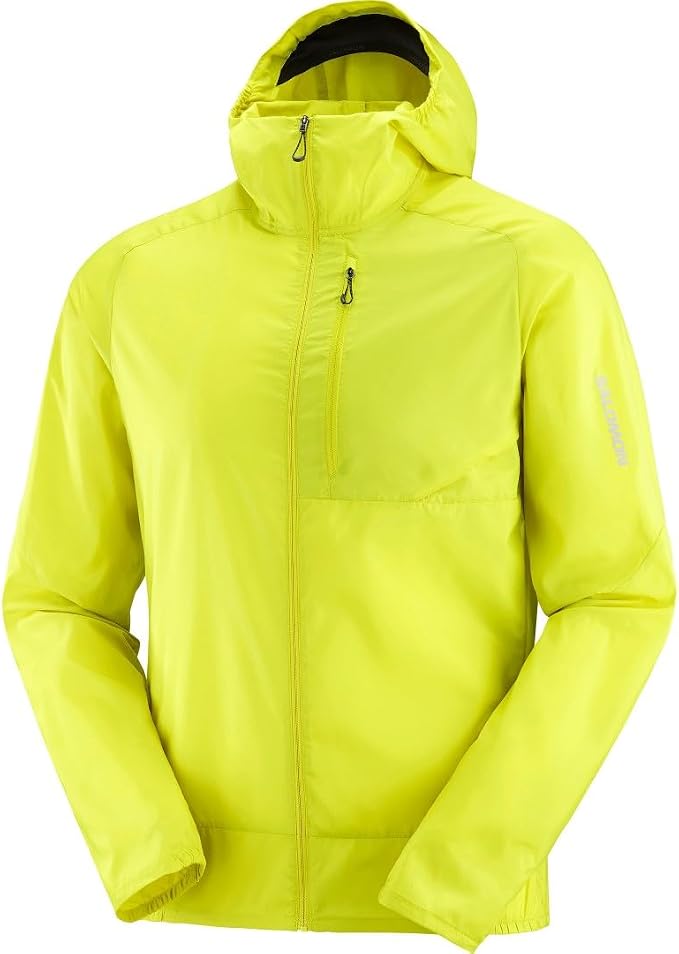
Salomon Bonatti Cross Wind
Hooded trail running wind jacket (134 g). AdvancedSkin windproof fabric with a DWR water-repellent finish and reflective details. Front button vent and packs into its own pocket. No membrane: it sheds spray and wind, not sustained rain.
Odlo
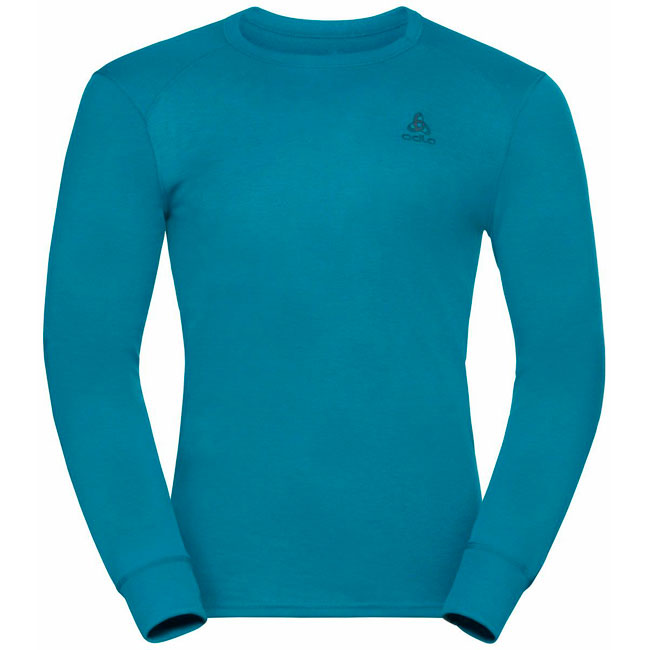
Odlo Active Warm Eco
Camiseta térmica de manga larga con tejido reciclado y tratamiento antiolor. Regulación térmica activa, ideal como capa base en montaña.
Salomon
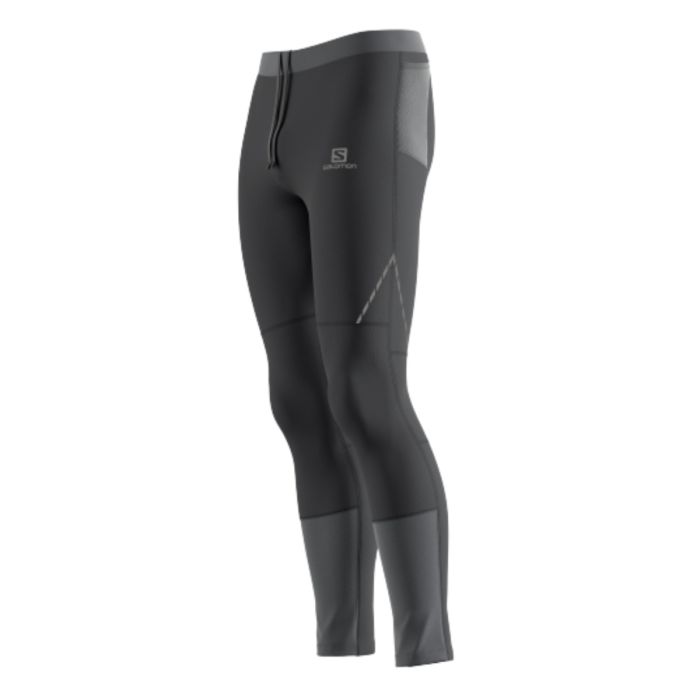
Salomon Cross Run Tight
Mallas largas de trail con tejido elástico y transpirable. Cintura ajustable, bolsillo trasero con cremallera. Protección contra el frío y la vegetación.
Salomon
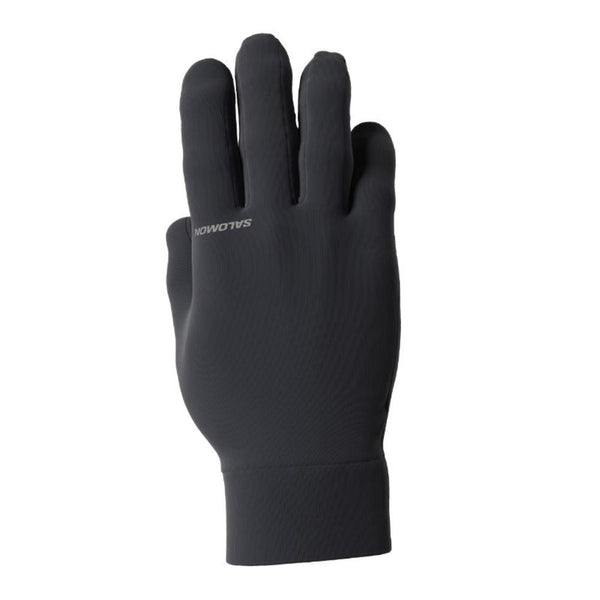
Salomon Cross Warm Glove
Guantes térmicos de running con palma antideslizante y puntas táctiles. Ligeros, cálidos y compatibles con bastones.
Buff
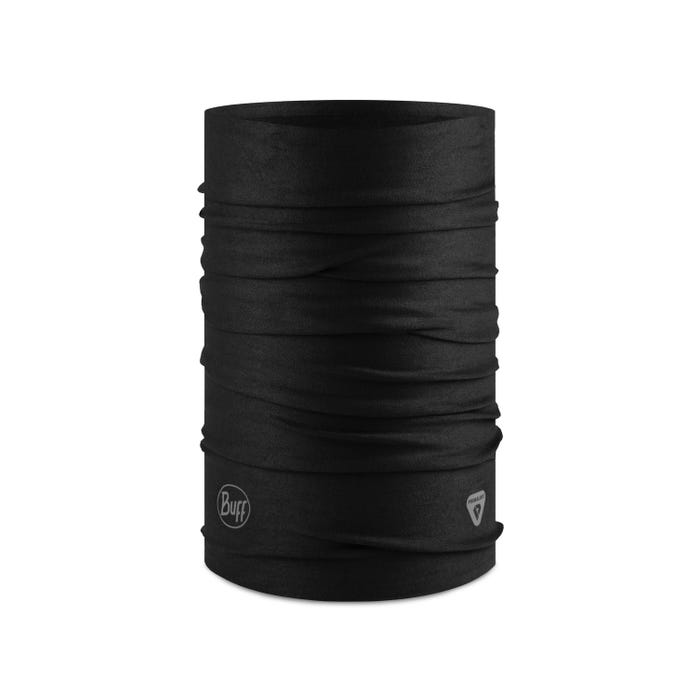
Buff Thermonet
Buff tubular térmico con tecnología Primaloft. Retiene el calor corporal, ultraligero y polivalente: gorro, braga, cinta. Ideal para alta montaña.
Salomon
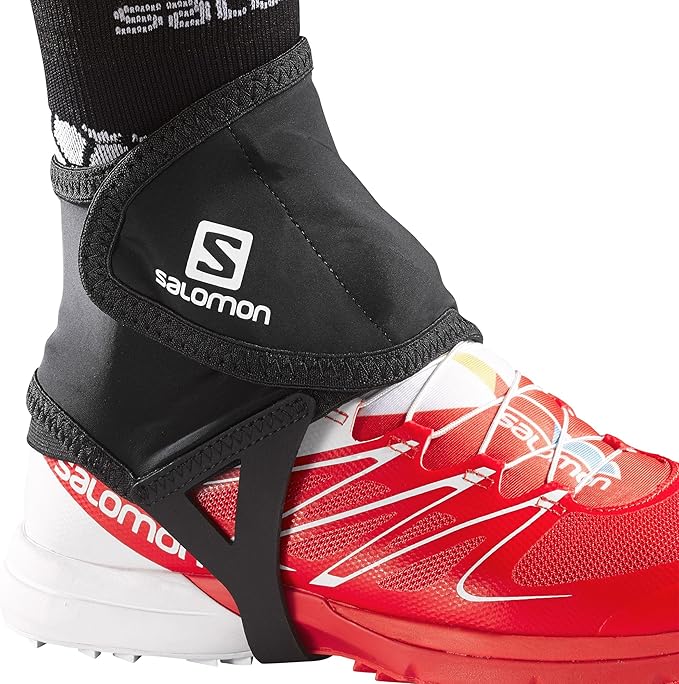
Salomon Trail Gaiters High
High trail running gaiters covering ankle to mid-calf. Physical barrier against stones, mud, sand and processionary caterpillar urticating hairs. Durable, breathable fabric with adjustable closure compatible with any shoe.
In trail running, the biggest enemy isn’t always the elevation gain: it’s the weather change you didn’t see coming. You start at 15°C in the valley and by 2,000 m you hit wind, drizzle and a 10-degree temperature drop in 40 minutes. Technical apparel isn’t a brand indulgence — it’s what decides whether that weather change is a minor discomfort or a DNF. This guide compares the technical pieces that solve 90% of cold, wind and rain scenarios in a race, with particular focus on the piece that raises the most doubts and weighs most on the budget: the jacket. We cover 5 jackets — two membrane waterproofs and three wind shells — plus thermal base layer, tights, gloves, buff and gaiters.
Which jacket do you need: membrane waterproof or wind shell
Before comparing models, decide which category you’re in. These are two different garments solving two different problems:
- Membrane waterproof jacket (Gore-Tex or equivalent): fully waterproof, taped seams, holds up for hours of rain. This is what UTMB/ITRA-circuit rulebooks require as mandatory gear. It weighs more (110–330 g) and breathes less. In this guide: Gore Wear R7 GTX and Berghaus Paclite 2.0.
- Wind shell (with or without a DWR water-repellent finish): blocks wind, sheds spray and light rain, but soaks through in sustained rain. Much lighter (100–140 g), breathes better and works as an everyday outer layer. It won’t pass gear check if the rulebook demands a membrane. In this guide: Salomon Bonatti WP, Montane Featherlite Hooded and Salomon Bonatti Cross Wind.
Quick rule: if your race requires a “waterproof-breathable jacket with taped seams” in the rulebook, you need a membrane. If you only run with a forecast of wind and the odd shower, a good wind shell weighs half as much and you’ll use it far more.
Comparison Table
| Product | Category | Protection | Approx. weight | Buy |
|---|---|---|---|---|
| Gore Wear R7 GTX Shakedry | Gore-Tex rain jacket | Fully waterproof (membrane) | 110 g | Amazon → |
| Berghaus Paclite 2.0 GTX | Gore-Tex waterproof | Fully waterproof (membrane) | 330 g | Amazon → |
| Salomon Bonatti WP | Windproof waterproof shell | Sheds rain; taped seams | 135 g | Amazon → |
| Montane Featherlite Hooded | Ultralight wind shell | Wind; very light rain | 120 g | Amazon → |
| Salomon Bonatti Cross Wind | Wind shell with reflectives | Wind; sheds spray (DWR) | 134 g | Amazon → |
| Odlo Active Warm Eco | Thermal base layer | Thermal regulation; no wind protection | 155 g | Amazon → |
| Salomon Cross Run Tight | Running tights | Cold; vegetation scratches | 190 g | Amazon → |
| Salomon Cross Warm Glove | Thermal gloves | Cold hands; pole use | 50 g | Amazon → |
| Buff Thermonet | Thermal buff | Cold on head and neck | 60 g | Amazon → |
| Salomon Trail Gaiters High | Gaiters | Stones, mud, processionary caterpillars | 90 g | Amazon → |
Approximate weight per unit in standard size. Excluding the Gore-Tex waterproof, all the other pieces together weigh under 900 g and fit inside a 5 L vest.
How to choose technical trail apparel: the 5 deciding factors
1. The 3-layer system, not individual pieces
Everything in this guide works as a layering system: base layer (thermal shirt, sits against skin and wicks sweat), mid layer (insulates from cold) and outer layer (protects from wind and rain: this is where the 5 jackets sit). Don’t buy pieces thinking “the warmest one” — buy thinking about what’s missing from your system. If you already own a wind shell but run with a cotton shirt underneath, the cotton soaks with sweat and chills you; that’s the weak link.
2. Real waterproofing vs water repellency (DWR)
There’s a huge difference between a jacket with a membrane (Gore-Tex and equivalents: fully waterproof, taped seams, holds up for hours of rain) and one with a DWR finish (repels splashes and light rain, but soaks through in sustained rain). The Gore Wear R7 GTX and the Berghaus Paclite 2.0 are real membranes; the Bonatti WP, the Featherlite and the Bonatti Cross Wind are wind shells with a water-repellent finish, from most to least effective. DWR also degrades with washes: it needs reactivating.
3. Weight and packability
In a race, every piece you carry “just in case” takes up space in your vest. A 120 g wind shell packs into a fist and you carry it always; a 330 g mountaineering Gore-Tex weighs its part but it’s the one the rulebook demands. Pick the minimum that meets what your race requires, not the lightest full stop.
4. Multi-use versatility
A thermal buff works as a hat, neck gaiter, or improvised bandage. A light wind shell goes on and off without stopping and works for training year-round. The more multi-use a piece is, the less dead weight you carry for scenarios that might not happen.
5. Temperature range and your race’s rulebook
A summer race at mid-altitude (where the jacket is only for a possible storm) is not the same as a high-mountain ultra with a night start. Always check the rulebook: many UTMB/ITRA-circuit races explicitly require a waterproof-breathable membrane jacket with taped seams, a hat/buff and gloves as mandatory gear — a plain wind shell without a membrane won’t pass gear check.
The 5 jackets, analysed
1. Gore Wear R7 GTX Shakedry — Best Rain Jacket
The Gore Wear R7 GTX Shakedry is the absolute reference for waterproofing among mountain runners. Shakedry technology removes the usual outer textile layer of Gore-Tex, leaving the membrane exposed: the result is just 110 g, total waterproofing and breathability that no DWR jacket can match.
Pros: 100% real, lasting waterproofing (doesn’t degrade with washes like DWR), feather-light, packs down to fist size.
Cons: premium price, the Shakedry membrane is more delicate and doesn’t handle brush or rock abrasion as well as a reinforced fabric.
Ideal for: any race with a strict waterproof-breathable jacket rule (UTMB/ITRA circuit) or when the forecast calls for sustained rain in the high mountains, and you also want the lowest possible weight.
View Gore Wear R7 GTX Shakedry on Amazon →2. Berghaus Paclite 2.0 GTX — Best Value Waterproof
The Berghaus Paclite 2.0 GTX is the cheap route into real Gore-Tex. It uses a Gore-Tex Paclite membrane with taped seams, a fixed adjustable hood, a storm flap behind the zip and cuff adjustment: it unquestionably meets the “waterproof-breathable jacket with taped seams” requirement rulebooks demand. In exchange it weighs around 330 g (three times the Gore Wear) and has a hiking cut, less trim for running.
Pros: full, durable Gore-Tex membrane waterproofing, valid for mandatory kit, the most affordable way into real Gore-Tex, fabric more resistant to abrasion than a Shakedry.
Cons: around 330 g, heavier and bulkier in the vest, long, loose hiking cut, breathes less than a running-specific shell under high effort.
Ideal for: the runner who needs a membrane jacket to pass gear check at their first mountain ultra without spending a premium-shell budget, or who already uses the jacket for mountaineering and hiking too.
View Berghaus Paclite 2.0 GTX on Amazon →3. Salomon Bonatti WP — Best Windproof Jacket
The Salomon Bonatti WP sits between membrane and wind shell: a windproof jacket with a reinforced waterproof treatment, taped seams, an adjustable hood and back ventilation, all in 135 g that packs into its own pocket. It sheds rain well for a good while, but it’s not a membrane: in hours of continuous rain it eventually soaks through.
Pros: the wind shell in this guide that best protects from rain, adjustable hood that doesn’t block side vision, back ventilation that avoids the sauna effect on steep climbs, taped seams.
Cons: doesn’t hold up to hours of sustained rain like a membrane, slightly heavier than a pure wind shell, not always accepted at gear checks demanding a certified membrane.
Ideal for: mountain races with a forecast of occasional showers or strong summit wind, where you don’t need the total waterproofing of a Gore-Tex but do need more protection than a basic wind shell.
View Salomon Bonatti WP on Amazon →4. Montane Featherlite Hooded — Best Ultralight Wind Jacket
The Montane Featherlite Hooded is the reference wind shell for anyone who prioritises weight and breathability. Pertex Quantum Air 12-denier stretch nylon: blocks wind while venting heat and moisture better than almost any rain shell, with a PIVOT hood, elasticated cuffs and YKK zipped pockets. Just 120 g in size M.
Pros: one of the lightest hooded wind shells available, exceptional breathability on climbs (no sauna effect), hood and cuffs that seal without pinching, packs down tiny.
Cons: not waterproof, sheds only very light rain; the 12-denier fabric is delicate against rock and branch abrasion; not valid for rulebooks demanding a membrane.
Ideal for: races and training with wind and cold but no guaranteed rain, fast runners who overheat under any closed layer, and to keep in the vest as a wind joker for how little it weighs.
View Montane Featherlite Hooded on Amazon →5. Salomon Bonatti Cross Wind — Best Wind Jacket for Visibility
The Salomon Bonatti Cross Wind is a 134 g hooded wind shell in AdvancedSkin fabric with a DWR water-repellent finish, a front button vent and — its distinguishing feature — reflective details spread across the whole garment. It sheds spray and wind; there’s no membrane, so it soaks through in sustained rain.
Pros: generous reflectives for night and pre-dawn runs, front button vent that opens on the move, packs into the chest pocket, athletic slim cut for running.
Cons: no membrane, no protection from continuous rain; the slim cut is tight over a thick base layer; the DWR loses effectiveness with washes.
Ideal for: anyone who trains at night year-round or runs ultras with long night sections and wants the visibility built into the jacket rather than relying only on the vest and headlamp.
View Salomon Bonatti Cross Wind on Amazon →Jacket comparison: which to pick for your race
The 5 jackets solve the same problem — wind and water in the mountains — with very different approaches. Choose by scenario:
- Strict rulebook (UTMB/ITRA circuit, high-mountain ultras) + minimum weight: Gore Wear R7 GTX Shakedry. Real membrane, 110 g, the least bulky.
- Strict rulebook on a tight budget, or mixed use with mountaineering: Berghaus Paclite 2.0 GTX. Same membrane protection, weighs more and costs considerably less.
- Occasional showers and strong wind, no membrane requirement: Salomon Bonatti WP. It’s the wind shell that holds off rain longest before soaking.
- Wind and cold only, priority on breathing and low weight: Montane Featherlite Hooded. The lightest and the best-breathing.
- Wind only but running at night often: Salomon Bonatti Cross Wind. Protection similar to the Featherlite with reflectives built in.
General rule: a membrane (Gore Wear or Berghaus) if the rulebook demands it or the forecast calls for hours of rain; a wind shell (Bonatti WP, Featherlite or Bonatti Cross Wind) for everything else, which is most of your outings.
How to combine layers depending on your race’s weather
- Summer in the high mountains (pre-dawn or night start): short-sleeve technical shirt + Buff Thermonet in your pocket + Montane Featherlite Hooded (or Bonatti Cross Wind if you run at night) for the summit. The temperature drop at altitude at dawn is real even in July.
- Autumn-winter with rain forecast and a strict rulebook: Odlo Active Warm Eco as a base layer + Salomon Cross Run Tight + Gore Wear R7 GTX or Berghaus Paclite 2.0 as the outer layer + gloves and buff worn, not stashed in a pocket.
- Occasional showers with no membrane requirement: base layer + Salomon Bonatti WP + buff and gloves within reach.
- Mud, processionary caterpillars or low vegetation sections: add the Salomon Trail Gaiters High to the setup above, regardless of temperature — it’s the only piece in this guide that depends on terrain, not weather.
- Extreme cold or strong summit wind: base layer + wind shell or waterproof + gloves + buff. Better too much than too little.
Analysis of the remaining pieces
Odlo Active Warm Eco — Best Base Layer
The Odlo Active Warm Eco is the long-sleeve base layer that does the invisible but essential job: worn against the skin, it wicks sweat outward and keeps a stable temperature instead of letting sweat cool on your skin. Recycled fabric with an anti-odor treatment, welcome on ultras lasting over 6 hours.
Pros: genuine active thermal regulation (not just “warmth”), anti-odor fabric useful in long races, snug fit that layers cleanly under any outer shell.
Cons: offers no protection from wind or rain on its own, needs pairing with a wind shell or waterproof jacket in adverse conditions.
Ideal for: night or pre-dawn starts in the high mountains, and as a fixed base layer for any autumn-winter race.
View Odlo Active Warm Eco on Amazon →Salomon Cross Run Tight — Best Running Tights
The Salomon Cross Run Tight is a long tight in stretchy, breathable fabric with an adjustable waistband and a zippered back pocket for a gel or key. It replaces shorts in autumn-winter races or pre-dawn starts, and also protects against scratches from low vegetation on overgrown trail sections.
Pros: very affordable for what it offers, fabric that doesn’t hold moisture like cotton, practical rear pocket to carry a gel without a vest.
Cons: not windproof or waterproof, soaks through in heavy rain just like any technical tight.
Ideal for: races with a pre-dawn start, autumn-winter events, or sections with low vegetation where a tight protects legs better than shorts.
View Salomon Cross Run Tight on Amazon →Salomon Cross Warm Glove — Best Thermal Gloves
The Salomon Cross Warm Glove solves a very specific problem: hands are among the first things to get cold in the high mountains and the last thing runners think about. A non-slip palm for gripping poles without slipping, touchscreen-compatible fingertips so you don’t have to take them off to check your phone or watch, and low enough weight that you don’t notice carrying them in your pocket if the temperature rises.
Pros: compatible with pole use without losing grip, genuinely functional touchscreen tips, take up almost no space when packed.
Cons: not waterproof, soak through in heavy rain and lose some insulation.
Ideal for: night starts, summits above 2,000 m, or any race whose rulebook requires gloves as mandatory gear.
View Salomon Cross Warm Glove on Amazon →Buff Thermonet — Best Thermal Buff
The Buff Thermonet is the most versatile piece in the whole guide: a tube of fabric with Primaloft insulation that works as a hat, neck gaiter, headband or improvised bandage, with almost no weight or bulk. It retains body heat around the head and neck, two areas where a significant share of heat loss happens when temperature drops or wind picks up.
Pros: genuinely multi-use (hat, neck, headband), recycled fabric, fits in any tiny vest pocket.
Cons: doesn’t replace a technical hat in extreme cold, the Primaloft loses some insulation if it gets soaked.
Ideal for: always carrying in your vest as a joker card — it solves head and neck cold in races year-round, including summer nights in the high mountains. It’s thermal, not solar: if you’re looking for UV protection for summer sun, check out our caps, visors and bandanas comparison.
View Buff Thermonet on Amazon →Salomon Trail Gaiters High — Best Gaiters
The Salomon Trail Gaiters High cover from the ankle to mid-calf and act as a physical barrier against stones, mud, sand and urticating processionary caterpillar hairs — a real risk in winter and spring races through pine forests in central and southern Spain. Durable, breathable fabric with an adjustable closure compatible with any trail shoe.
Pros: real physical barrier against processionary caterpillars, stones and mud, adjustable fit compatible with any trail shoe, breathable fabric that doesn’t trap heat.
Cons: not waterproof (only repel light water), can slide slightly on very technical descents.
Ideal for: winter or spring races through pine forest areas (processionary risk) or sections of mud and loose rock where debris constantly gets into your shoe.
View Salomon Trail Gaiters High on Amazon →Common mistakes with technical trail apparel
-
Buying a DWR wind shell thinking it’s the same as Gore-Tex. DWR treatment degrades with washes and gives you false confidence until it soaks through in the first sustained rain. If your race requires a membrane in the rulebook, you need the Gore Wear R7 GTX or Berghaus Paclite 2.0, not a Bonatti WP or a Featherlite.
-
Carrying warm layers at the bottom of your pack. Weather changes in the mountains don’t announce themselves. If your buff and gloves are buried under the rest of your gear, by the time you dig them out you’ve already been cold for 20 minutes.
-
Using a cotton shirt as a base layer. Cotton absorbs sweat and doesn’t wick it away: the moment the wind stops or effort drops, that moisture chills your body much faster than a technical fabric would.
-
Not testing the full layering system before race day. Putting on 4-5 pieces for the first time on race day is a recipe for discovering chafing or that the jacket doesn’t fit well over your vest.
-
Ignoring your race’s specific mandatory-gear rule. Every race sets its own minimums — whether it requires a certified membrane, whether it accepts a wind shell, whether gloves and a hat are required. Buy for what your race requires, not for what you wore last year at a different one.
FAQ
Do I need a Gore-Tex membrane jacket or is a DWR wind shell enough?
It depends on the rulebook and the forecast. If your race requires a waterproof-breathable membrane with taped seams (common on the UTMB/ITRA circuit) or the forecast calls for several hours of rain, you need a real membrane: Gore Wear R7 GTX or Berghaus Paclite 2.0. For occasional showers or as a training wind shell, a Bonatti WP, a Montane Featherlite or a Bonatti Cross Wind are enough and weigh far less.
What’s the difference between the Gore Wear R7 GTX and the Berghaus Paclite 2.0?
Both are Gore-Tex membranes and both are valid for mandatory kit. The Gore Wear weighs 110 g and is built for running; the Berghaus weighs around 330 g, has a mountaineering cut and costs considerably less. If weight is the priority and you’ll use it a lot, Gore Wear. If it’s your first ultra with a gear check and you don’t want to overspend, Berghaus.
Do the Montane Featherlite and the Bonatti Cross Wind protect from rain?
Only from very light rain and spray. They’re wind shells: they block wind and repel water for a while, but soak through in sustained rain. For real rain you need the Bonatti WP (holds off longer) or a membrane.
Can I replace tights with shorts and sleeves?
Yes, it’s a valid and slightly lighter alternative, but tights protect better against scratches from low vegetation and leave no exposed skin at the knees.
Are gaiters only for winter?
No. They protect against processionary caterpillars (more active in winter-spring in pine forests), but they’re also useful year-round on sections of mud, sand or loose rock where debris keeps getting into your shoe.
Final verdict: our pick
- Best rain jacket (minimum weight): Gore Wear R7 GTX Shakedry
- Best value waterproof: Berghaus Paclite 2.0 GTX
- Best windproof jacket: Salomon Bonatti WP
- Best ultralight wind jacket: Montane Featherlite Hooded
- Best wind jacket for visibility: Salomon Bonatti Cross Wind
- Best base layer: Odlo Active Warm Eco
- Best running tights: Salomon Cross Run Tight
- Best thermal gloves: Salomon Cross Warm Glove
- Best thermal buff: Buff Thermonet
- Best gaiters: Salomon Trail Gaiters High
None of these pieces is the star of the race, but any one of them can decide whether you finish it or not. A layering system isn’t improvised on race morning — it’s built ahead of time, tested in training, and matched to what your race’s rulebook and forecast actually demand.
Once you have the jacket, don’t let it lose its waterproofing to washing: see how to care for and repair your trail running gear for when and how to re-proof it.
Other guides you might find useful
Races where you'll need this gear

Ultra Pirineu
100K, 54K, and 30K along the Cadí Range in the Catalan Pyrenees
Read more →
Gran Trail Trangoworld Aneto-Posets
From 5K to 105K between the Pyrenean rooftops: Aneto and Posets from the Benasque Valley
Read more →
Transvulcania
73K, 43K, 25K, and VK crossing La Palma along the Ruta del Bastón
Read more →
Zegama-Aizkorri
42K and VK through the Aizkorri range — the most legendary skyrunning race in Spain
Read more →
HOKA Val d'Aran by UTMB
163K, 110K, 75K, 55K, 32K and more through the Pyrenees of Val d'Aran — European Major UTMB World Series
Read more →
Ultra Sierra Nevada
100K, 42K and 21K across the rooftop of the Iberian Peninsula
Read more →