Best Bivvy Gear for the Night Before an Ultra: 4 Essentials
Our picks by use case
Affiliate links: if you buy through them we earn a commission at no extra cost to you. It does not affect the ranking.
 Our top pick#1 · Best OverallNaturehike Naturehike Esterilla Autoinflable 6.5cmView on Amazon (opens in a new tab)
 #2 · LightestAlpin Loacker Alpin Loacker Saco de Dormir UltraligeroView on Amazon (opens in a new tab)
 #3 · Best Comfort Add-OnTrekology Trekology ALUFT 2.0 Almohada HinchableView on Amazon (opens in a new tab)
 #4 · Best Post-Race EssentialBAGAIL BAGAIL Toalla de Microfibra CompactaView on Amazon (opens in a new tab)
How we choose
We compare every model on verified technical specs (weight, materials, price), user reviews and our own experience running and testing gear in races from 21K to 100K+. We update this guide when prices change or new models launch. Some links are affiliate links: if you buy through them, TrailRunTemple earns a commission at no extra cost to you and with no influence on the selection.
All products in this guide
Naturehike
Naturehike Esterilla Autoinflable 6.5cm
Self-inflating sleeping pad with built-in pillow and foot pump. 40D nylon with puncture-resistant TPU coating. 6.5 cm thick for comfortable rest at campsites or in a van.
Alpin Loacker
Alpin Loacker Saco de Dormir Ultraligero
Ultralight summer sleeping bag weighing just 460 g. Packs down to 25 × 15 cm, perfect for carrying in a backpack or van. Ideal for camping nights before a race in warm months.
Trekology
Trekology ALUFT 2.0 Almohada Hinchable
Ultralight ergonomic inflatable pillow. Inflates with 3-5 breaths and deflates in seconds. Non-slip base with rubber dots to prevent sliding on the sleeping pad. Compact as a soda can.
BAGAIL
BAGAIL Toalla de Microfibra Compacta
Quick-drying microfibre towel, super absorbent and ultra-compact. Includes breathable EVA zippered case. Ideal for campsite showers, hotel pools or post-race use.
There’s a moment every ultra runner knows and nobody posts about on Strava: the night before the race, sleeping badly in the back seat of a car, in a hostel with squeaky bunk beds, or in an improvised tent near the start line. Sleeping badly that one night won’t ruin the race on its own, but it adds accumulated fatigue to a body that’s about to take on 12, 20 or 30 hours of effort. In multi-stage races like Costa Brava Stage Run, the problem repeats every single night: the quality of your recovery between stages literally determines whether you finish. The good news is that solving this doesn’t require hauling a 5 kg camping kit. With 4 light, compact pieces (under 1.5 kg total, small enough to fit in any trunk) you can put together a decent sleep system anywhere: car, tent, a gym floor set up as a rest area, or bivvying under the stars if the race allows it.
Comparison Table
| Product | Weight | Packed size | Function | Price | Buy |
|---|---|---|---|---|---|
| Naturehike Self-Inflating Sleeping Pad | 850 g | Bulky but manageable | Ground insulation + cushioning | 45.99 € | Amazon →(opens in a new tab) |
| Alpin Loacker Ultralight Sleeping Bag | 460 g | 25 × 15 cm | Summer warmth | 39.99 € | Amazon →(opens in a new tab) |
| Trekology ALUFT 2.0 Inflatable Pillow | Soda-can sized | Ultra-compact | Neck comfort | 16.97 € | Amazon →(opens in a new tab) |
| BAGAIL Compact Microfibre Towel | Lightweight | With EVA case | Post-race / campsite shower | 14.99 € | Amazon →(opens in a new tab) |
Prices are indicative and subject to change on Amazon. Links go to the live, up-to-date price.
Why the night before an ultra matters so much
When you sign up for an ultra trail, all the prep focus goes on shoes, race nutrition and months of training. But one factor gets systematically overlooked: where and how you sleep in the 24-48 hours before the start. In races like Transgrancanaria, Ultra Pirineu or Val d’Aran by UTMB, many runners travel the day before, spend the night near the start (van, campsite, basic hostel or even a bivvy) and get up early to catch the bus to the start line. Sleeping badly that night — a thin mat, cold, discomfort — adds accumulated fatigue before you’ve even started. In multi-stage races like Costa Brava Stage Run, the problem repeats every night: the quality of your recovery between stages literally decides whether you finish.
The good news is that fixing this doesn’t require a 5 kg camping setup. With 4 lightweight, compact items (under 1.5 kg total, small enough to fit in any car boot) you can build a proper rest system anywhere: car, tent, a gym floor set up as a rest area, or an open-air bivvy if the race allows it.
How to choose your bivvy gear: 4 criteria
1. Weight and volume before luxury
You’re not setting up a base camp, you’re solving one night. Always prioritise the lightest, smallest option: every gram you add to the boot or your mandatory-gear pack counts. A sub-500 g sleeping bag and a pad that packs into a 25 cm bag are the standard to aim for.
2. Ground insulation, not just air
Sleeping directly on the ground (asphalt, dirt, gym floor concrete) steals body heat through conduction far faster than cold air steals it through convection. A pad, even a basic one, makes more difference to thermal comfort than an expensive bag with nothing underneath it.
3. Realistic temperature range
If you’re racing in spring-summer in southern Spain or the Canary Islands (Transgrancanaria, Transvulcania), an ultralight summer bag like the Alpin Loacker is enough. If your race is in mountain areas with cold nights (Pyrenees, Val d’Aran by UTMB at altitude), check the bag’s comfort rating and, if needed, pair it with extra thermal layers instead of buying a heavy winter bag you’ll only use once.
4. Fast setup and takedown
You’ll arrive tired from travel and wake up with little time before the bus to the start. Anything that requires manual pumps, long inflation times or parts that get lost easily works against you. Self-inflating or few-breaths systems (Naturehike pad, Trekology pillow) are built exactly for this.
Individual analysis of the 4 products
1. Naturehike Self-Inflating Sleeping Pad — Best Overall
The Naturehike self-inflating pad is the centrepiece of the system: without ground insulation, even the most expensive sleeping bag in the world won’t keep you warm. At 6.5 cm thick with a built-in foot pump, it inflates in about 20 seconds without needing to blow into it (which matters after a full day of travel when you just want to rest). The 40D nylon with TPU coating holds up well against rough surfaces like parking-lot asphalt or a gym floor.
Key specs: 850 g, 6.5 cm thick, puncture-resistant 40D nylon with TPU, built-in pillow, integrated foot pump.
Pros: built-in foot pump (inflates in 20 seconds, no blowing required), integrated pillow as standard, puncture-resistant fabric, 6.5 cm thickness stays comfortable even on uneven ground.
Cons: the heaviest piece in the lineup (850 g) and the bulkiest when packed, not the pick if absolute minimum weight is your priority.
Best for: sleeping in a van, car or tent the night before races like Transgrancanaria or Ultra Pirineu, and for multi-stage races where you set up and pack down every night and fast inflation matters more than grams.
See Naturehike Self-Inflating Pad on Amazon →(opens in a new tab)2. Alpin Loacker Ultralight Sleeping Bag — Lightest
The Alpin Loacker summer sleeping bag weighs just 460 g and packs down to 25 × 15 cm, about the size of a large water bottle. It’s the choice when space is critical: stuffed into your race’s mandatory-gear pack or the gap left in the car after loading up all your race equipment.
Key specs: 460 g, packs to 25 × 15 cm, soft breathable lining, summer design.
Pros: one of the lightest in its category, very compact when packed, good value for money, comfortable breathable lining.
Cons: summer use only (not suitable below 10 °C), no hood or full closure, so in the mountains with cold nights you’ll need extra layers.
Best for: spring-summer races in warm climates like Transgrancanaria or Transvulcania, where the goal is maximum lightness and night-time temperatures don’t drop much. Always pair it with the Naturehike pad underneath: the bag alone doesn’t insulate from the ground.
See Alpin Loacker Sleeping Bag on Amazon →(opens in a new tab)3. Trekology ALUFT 2.0 Inflatable Pillow — Best Comfort Add-On
The Trekology ALUFT 2.0 pillow is the item nobody thinks to pack and everyone’s grateful for at 3 a.m. Rolling up a jacket or a pack as an improvised pillow is the unwritten rule for a lot of runners, but it wrecks your neck. This pillow inflates with 3-5 breaths, deflates in seconds, and packs down to the size of a soda can.
Key specs: inflates in 3-5 breaths, non-slip base with rubber dots, ergonomic shape for neck and head, can-sized when packed.
Pros: ultra-compact, near-instant inflation, non-slip base to keep it from sliding on the pad, ergonomic shape.
Cons: can be noisy when turning your head at night, firmness isn’t finely adjustable.
Best for: any runner who wants to sleep without neck pain for under €17. It’s the lowest-cost, highest-comfort-impact buy in the lineup, and it’s just as useful during the mid-race nights of a multi-stage event like Costa Brava Stage Run.
See Trekology ALUFT 2.0 on Amazon →(opens in a new tab)4. BAGAIL Compact Microfibre Towel — Best Post-Race Essential
The Bagail microfibre towel isn’t strictly sleep gear, but it completes the bivvy kit: useful for a campsite or hostel shower before the race and, above all, for after — when you’re wrecked at the finish and need to dry off fast without hauling a heavy, wet cotton towel home. It dries ultra-fast, is super absorbent, and comes with a breathable EVA zippered case that keeps the rest of your kit dry.
Key specs: ultra-fast drying, super absorbent (absorbs 4 times its weight), breathable EVA zippered case, ultra-compact.
Pros: ultra-fast drying, very compact with included case, super absorbent, lightweight and easy to carry.
Cons: different texture from a cotton towel (some runners need to adjust), can develop odour if not dried spread out properly after use.
Best for: the campsite shower before the start and, especially, the shower after finishing. In point-to-point or multi-stage races where everything gets carried in one pack, this towel takes up a fraction of the space of a regular one.
See BAGAIL Microfibre Towel on Amazon →(opens in a new tab)Head-to-head: sleeping bag vs emergency thermal blanket
A common question is whether it’s worth carrying a real sleeping bag, or whether the emergency thermal blanket you already carry as mandatory gear is enough.
The sleeping bag wins on comfort and real sleep quality. The emergency thermal blanket is designed for a one-off risk situation (hypothermia during the race), not for sleeping comfortably for several hours. With the Alpin Loacker bag you actually sleep; with the emergency blanket you survive the night, but rest poorly.
The emergency blanket wins on weight and mandatory status. It’s required gear in most ultras and weighs almost nothing; the sleeping bag is an add-on that only makes sense before or after the race, not during it.
Verdict: they’re complementary, not substitutes. Always carry the thermal blanket as part of your mandatory race kit, and add the Alpin Loacker bag (or equivalent) for the night before or after, when the goal is sleeping well, not surviving an emergency.
4 common mistakes when planning your pre-race bivvy
-
Not checking the organiser’s bivvy policy. Some races prohibit camping near the start or along the course; others set up designated areas. Check the race regulations before pitching a tent where you shouldn’t.
-
Sleeping without ground insulation. A sleeping bag alone isn’t enough if you’re lying directly on asphalt or cold ground. The pad isn’t optional — it’s half the system.
-
Bringing heavy camping gear “just in case”. You don’t need a 3 kg tent or a -10 °C bag for a May night in the Canary Islands. Match your gear to the realistic expected temperature, not the worst-case scenario you can imagine.
-
Not testing the pad and pillow inflation before the trip. Check at home that there are no leaks and that the foot pump or breath-inflation system works properly. Discovering a puncture at 11 p.m. in a parking lot is not the moment.
Frequently asked questions
Can I sleep in the car the night before an ultra without this gear?
You can, but you’ll sleep worse than necessary. A reclined seat without a proper pad or bag creates pressure points and cold spots that you’ll feel the next day. For under 1.5 kg of extra gear, the difference in sleep quality is noticeable.
Does this gear work for multi-stage races?
Yes, that’s exactly where it pays off most. In events like Costa Brava Stage Run you sleep several nights in a row, and recovery between stages is decisive. A light, fast-to-set-up, comfortable system is the difference between arriving fresh for stage 3 or dragging yourself through it.
Do I need a winter sleeping bag for mountain races with cold nights?
Not necessarily a heavy specialised winter bag. For a single night, pair a light summer bag with extra thermal layers (down jacket, beanie) instead of buying a -15 °C bag you’ll only use once a year. If you do this regularly in the mountains, then a three-season bag is worth the investment.
Does the self-inflating pad puncture easily?
The Naturehike’s 40D nylon with TPU coating holds up well to normal use on asphalt or a tent floor, but avoid unprotected sharp-stone surfaces. Carrying a small repair patch (usually included) is good practice with any inflatable pad.
Final verdict: our pick of the 4 products
- If you only buy one thing, make it the pad: Naturehike Self-Inflating Pad(opens in a new tab)
- If weight is your absolute priority: Alpin Loacker Ultralight Sleeping Bag(opens in a new tab)
- If you want the biggest comfort gain for under €17: Trekology ALUFT 2.0(opens in a new tab)
- If you need to round out the kit for before and after the race: BAGAIL Microfibre Towel(opens in a new tab)
None of these 4 products will show up on your mandatory gear list, but the runners who carry them sleep better, arrive fresher at the start line, and recover faster between stages. For under €120 and 1.5 kg of total weight, this is one of the best-value investments you can make before your next ultra.
Other guides you might find useful
Races where you'll need this gear

Transgrancanaria
128K, 83K, 44K, and 30K crossing Gran Canaria from north to south
Read more →
Ultra Pirineu
100K, 54K, and 30K along the Cadí Range in the Catalan Pyrenees
Read more →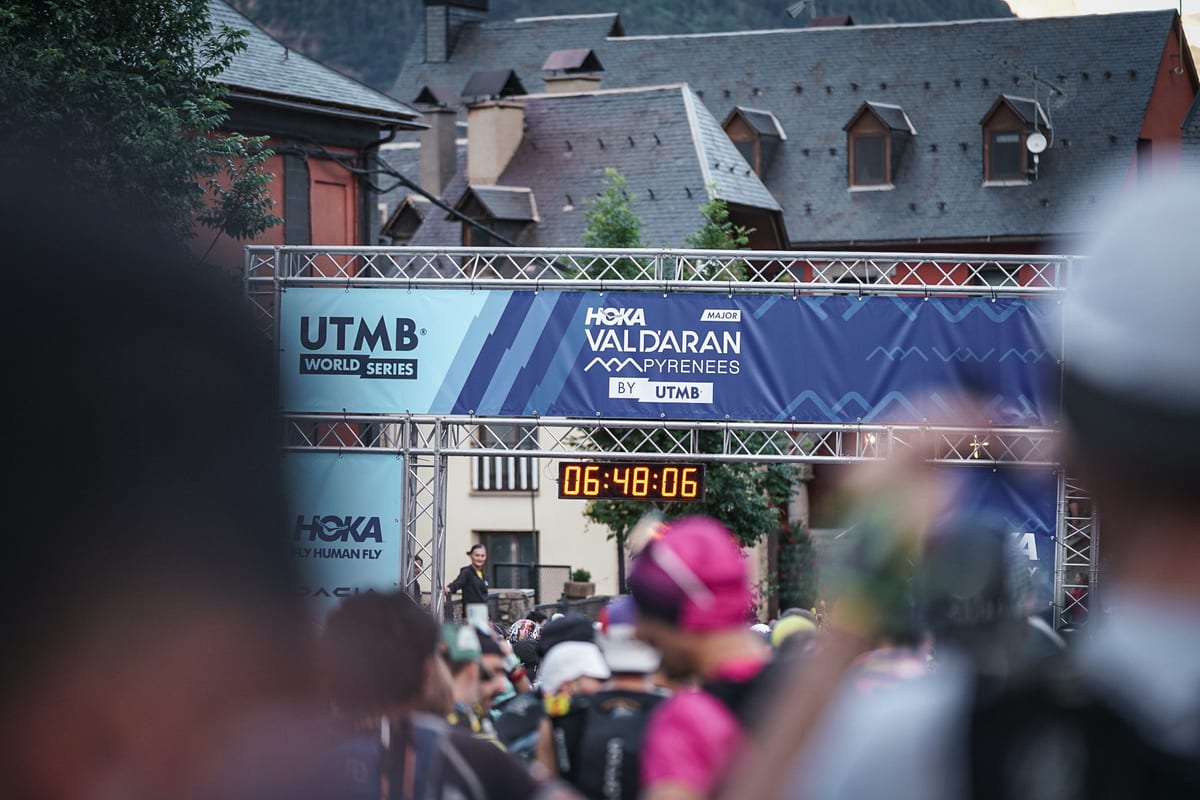
HOKA Val d'Aran by UTMB
163K, 110K, 75K, 55K, 32K and more through the Pyrenees of Val d'Aran — European Major UTMB World Series
Read more →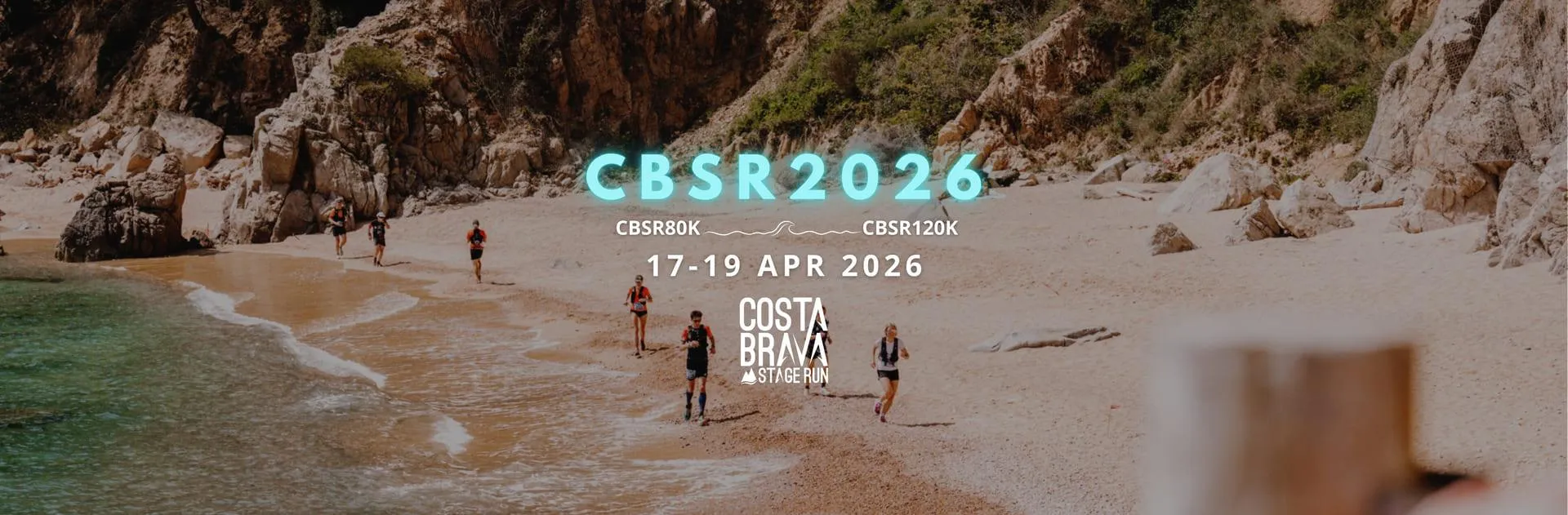
Costa Brava Stage Run
3 days of trail running along the Costa Brava: 120K or 85K from Blanes to Colera
Read more →
Transvulcania
73K, 43K, 25K, and VK crossing La Palma along the Ruta del Bastón
Read more →