Trail running VAM calculator
Enter climb and time and we give you your VAM, your level and what you could hold in a race. Or the other way round: your VAM and how long a climb takes.
Your result
Fill in the fields and your result will appear here instantly.
–
Gear to climb faster
Chosen for your gradient and goal.
- Our pick
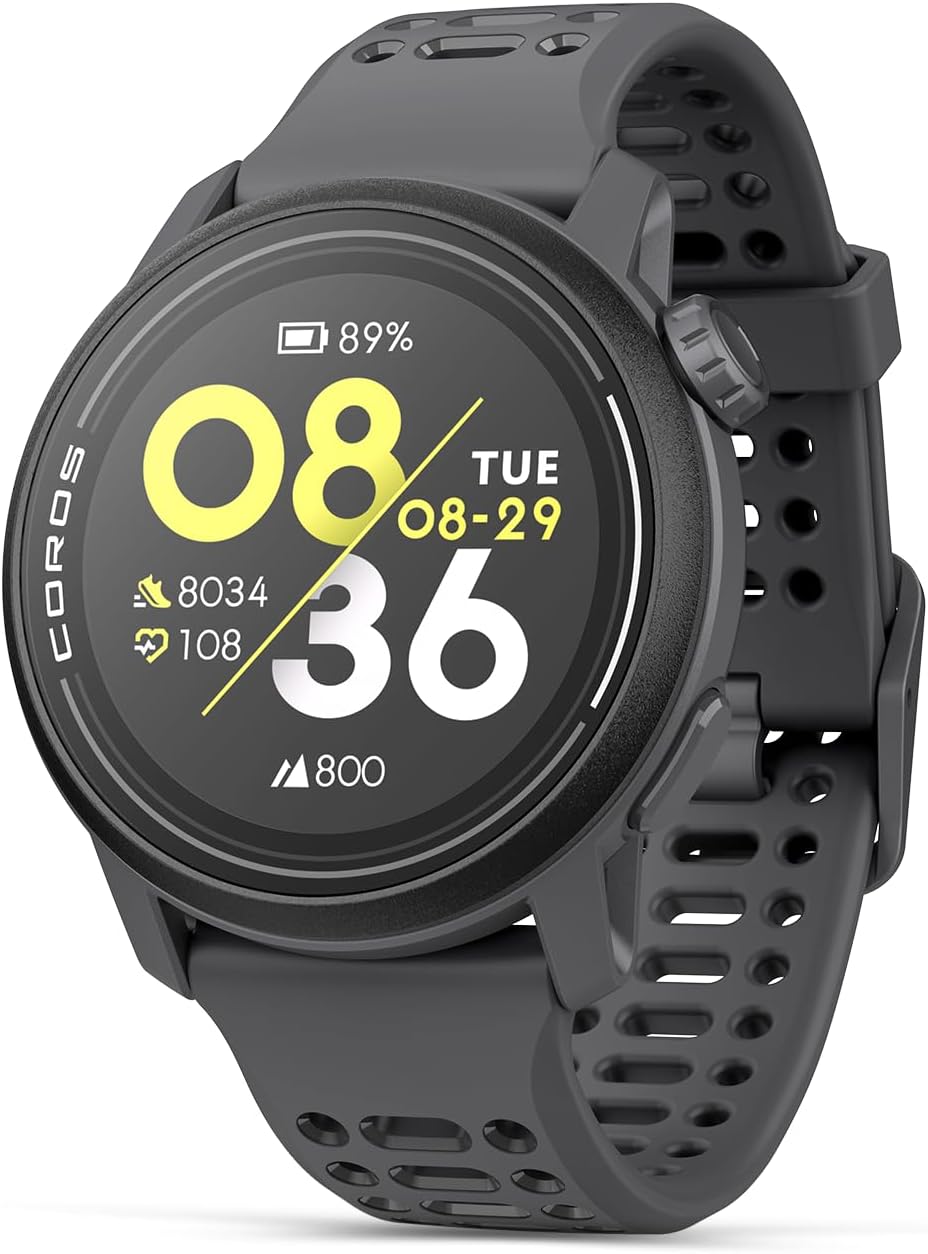 CorosCoros Pace 3Trail running GPS watch with track navigation, barometric altimeter and up to 38 h battery life in GPS mode. Lightweight (39 g), accurate and with offline maps. Best value for mountain navigation.See Coros Pace 3 on Amazon(opens in a new tab)
 - Our pick
 LekiLeki Ultratrail FX.One SuperliteThe lightest version of the Ultratrail FX.One: 100% carbon foldable pole, fixed length, with a short Aerogon grip (no extension) and a Shark mesh strap. Around 130 g per pole, one of the lightest race poles on the market. Built for vertical kilometre races and short mountain races.See Leki Ultratrail FX.One Superlite on Amazon(opens in a new tab)
 - Our pick
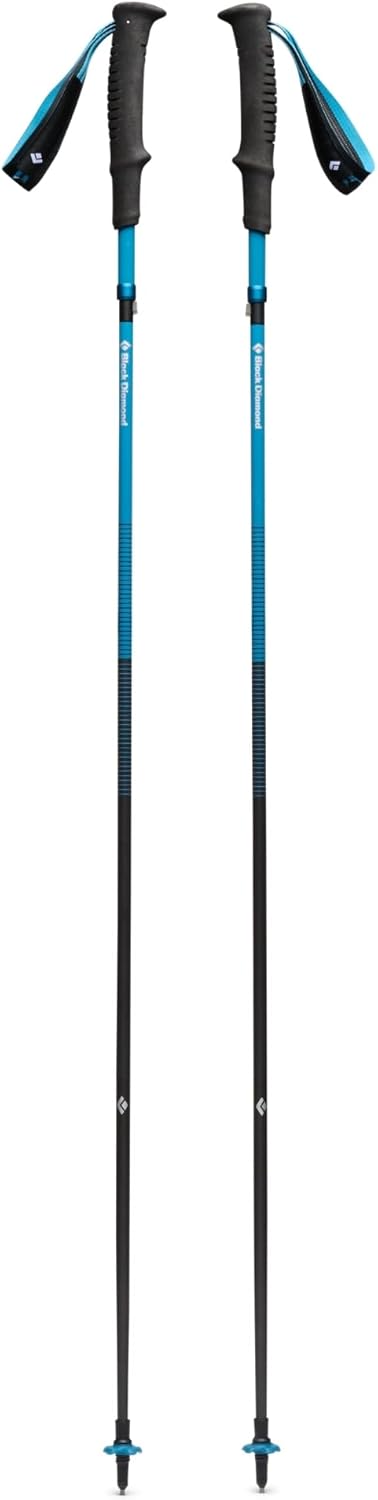 Black DiamondBlack Diamond Distance Carbon ZUltralight carbon Z-pole foldable trekking poles. 137 g per pole in 110 cm length, 33 cm folded. EVA grip and adjustable strap. The trail running reference.See Black Diamond Distance Carbon Z on Amazon(opens in a new tab)
Affiliate links: if you buy on Amazon through them we earn a small commission at no extra cost to you. We never show prices: check them on Amazon.
How it is calculated
- VAM is elevation gain divided by time in hours: 600 m in 45 min is 800 m/h.
- Average gradient is climb divided by distance: 600 m over 4 km is 15%.
- A short-test VAM cannot be held in a race: we reduce it by duration (for example, 70% in an ultra).
Indicative estimate: terrain, altitude and heat change your real VAM.
Frequently asked questions
What is a good VAM in trail running?
Between 500 and 800 m/h is a typical recreational level; above 1100 m/h is high level, and the world's best exceed 1400 m/h on short climbs.
When are poles worth it?
From an average gradient of about 15%, walking with poles shares the effort between arms and legs.
How do I measure my real VAM?
Time a steady 20-30 minute climb and divide the gain by the hours. A watch with a barometric altimeter gives climb more accurately than GPS.