Best Trail Running Gloves 2026: Comparison & Buying Guide
Quick answer: if you only want one, Salomon Cross Warm Glove (best overall). For best waterproof (snow & rain), Gore Wear C5 GORE-TEX Glove.
Our picks by use case
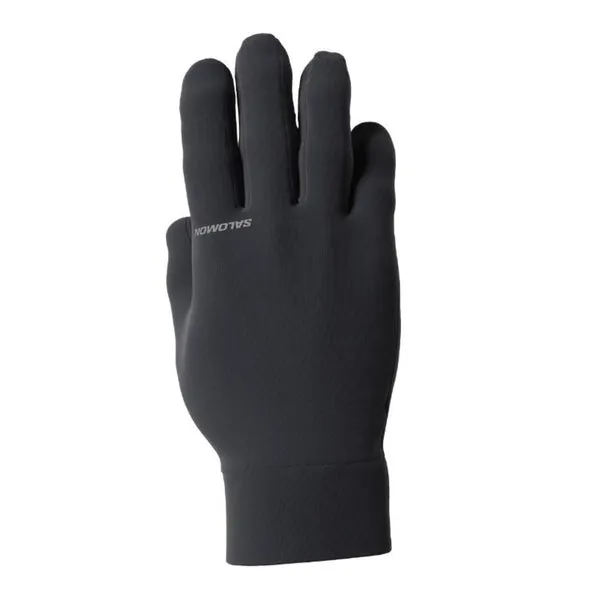 Our top pick#1 · Best OverallSalomon Cross Warm GloveView on Amazon (opens in a new tab)
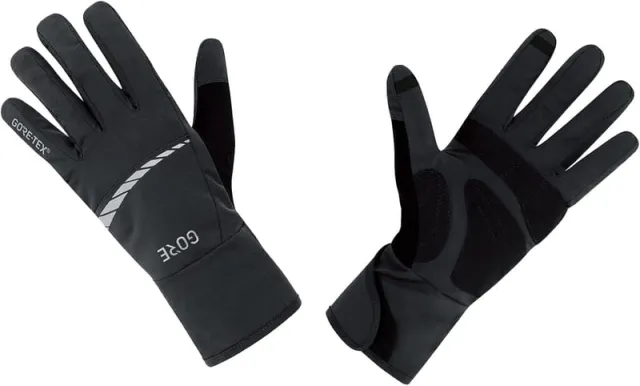 #2 · Best Waterproof (Snow & Rain)Gore Wear C5 GORE-TEX GlovePro: Real waterproofing with a GORE-TEX membrane: your hand stays dry in snow and rainDownside: Less breathable than a softshell glove under hard effortsView on Amazon (opens in a new tab)
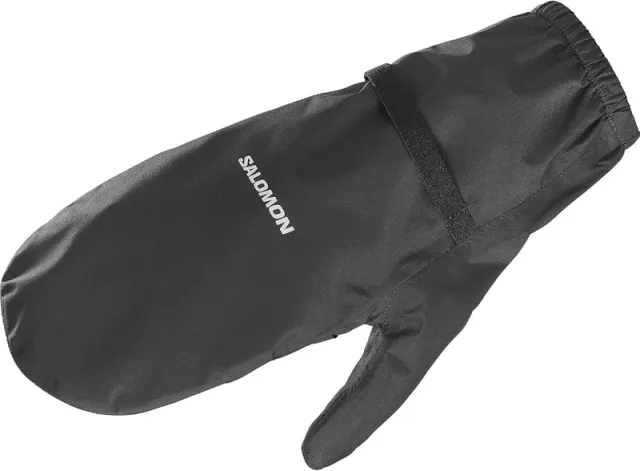 #3 · Best Waterproof with DexteritySalomon Bonatti Pro Waterproof GlovePro: Genuinely waterproof for sustained rain, with less bulk than a thick membrane gloveDownside: Less warmth than the Gore C5 GORE-TEX in extreme coldView on Amazon (opens in a new tab)
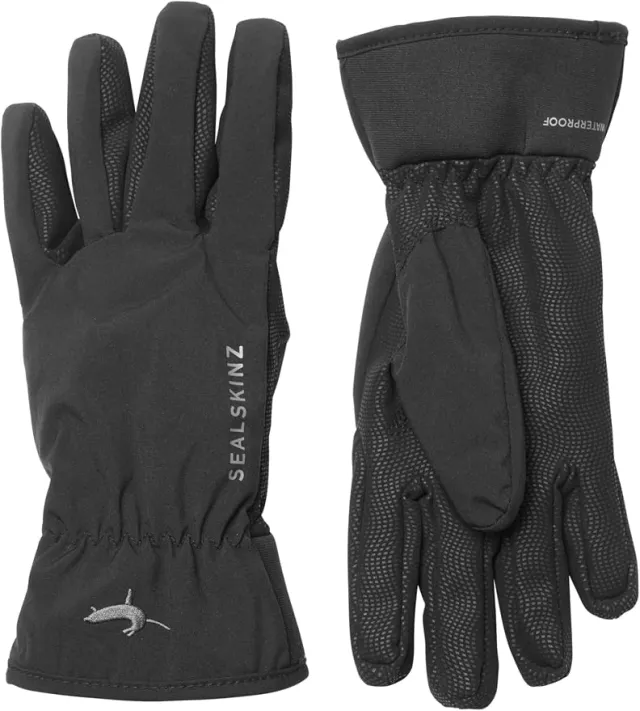 #4 · Best Value WaterproofSealskinz Waterproof Lightweight GlovePro: Genuinely waterproof at a lower price than the Gore C5Downside: Less warmth than a thick winter gloveView on Amazon (opens in a new tab)
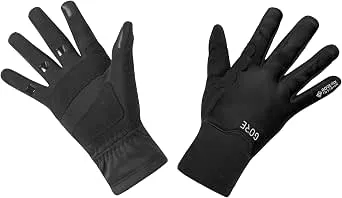 #5 · Best Waterproof for Extreme ColdGore Wear M GORE-TEX Thermo GlovePro: Fully waterproof and windproof like the C5, plus added thermal liningDownside: Bulkier and less dexterity than the C5 or the Bonatti Pro WPView on Amazon (opens in a new tab)
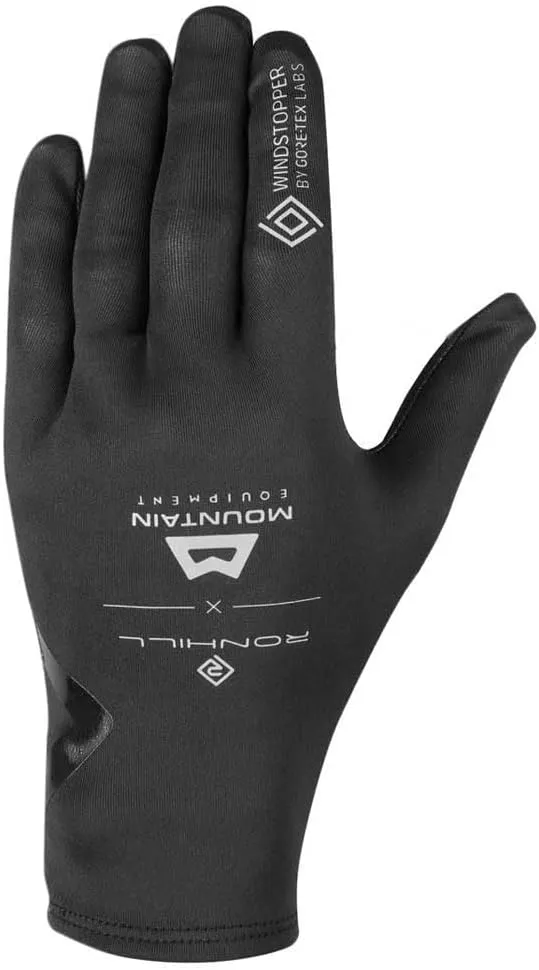 #6 · Best WindproofRonhill GORE-TEX Windstopper GlovePro: GORE-TEX Windstopper: blocks wind completely, which is what really chills your handDownside: Little insulation: not enough below 0 °C without a linerView on Amazon (opens in a new tab)
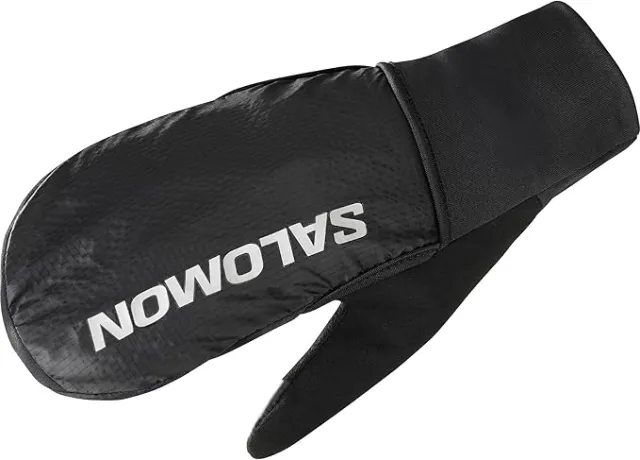 #7 · Best Warmth-to-WeightSalomon Fast Wing Winter GlovePro: Effective windproof outer shell in harsh conditionsDownside: Less breathable than a thin running gloveView on Amazon (opens in a new tab)
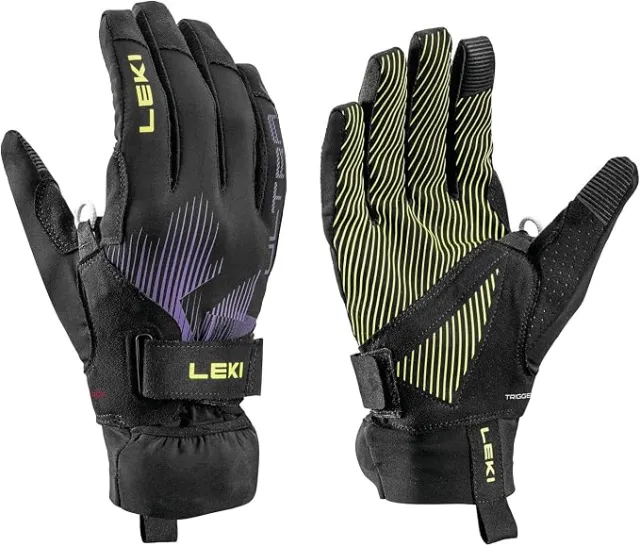 #8 · Best for Pole UsersLEKI Ultra Trail Storm SharkPro: Shark system: clip into the pole without gripping the handle, less forearm fatigue on long climbsDownside: Only makes sense with compatible LEKI poles (Trigger Shark grip)View on Amazon (opens in a new tab)
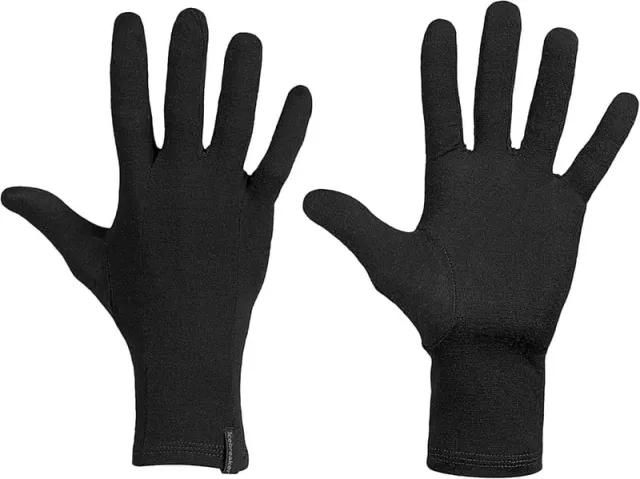 #9 · Best Thin Glove / LinerIcebreaker Oasis LinersPro: Merino wool: insulates even when damp and stays odor-freeDownside: Little protection against strong wind or rainView on Amazon (opens in a new tab)
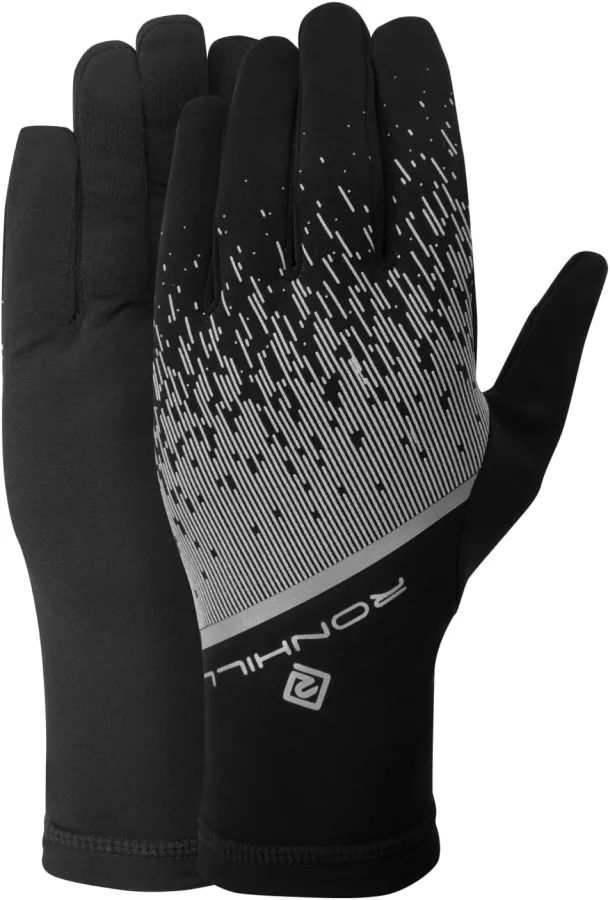 #10 · Best for Low-Light VisibilityRonhill Reflect GloveView on Amazon (opens in a new tab)
Affiliate links: if you buy through them we earn a commission at no extra cost to you. It does not affect the ranking.
Pick by your profile
- #1(opens in a new tab)
- #2(opens in a new tab)
Best Waterproof (Snow & Rain)
Gore Wear C5 GORE-TEX Glove
- Pro: Real waterproofing with a GORE-TEX membrane: your hand stays dry in snow and rain
- Downside: Less breathable than a softshell glove under hard efforts
- #3(opens in a new tab)
Best Waterproof with Dexterity
Salomon Bonatti Pro Waterproof Glove
- Pro: Genuinely waterproof for sustained rain, with less bulk than a thick membrane glove
- Downside: Less warmth than the Gore C5 GORE-TEX in extreme cold
- #4(opens in a new tab)
Best Value Waterproof
Sealskinz Waterproof Lightweight Glove
- Pro: Genuinely waterproof at a lower price than the Gore C5
- Downside: Less warmth than a thick winter glove
- #5(opens in a new tab)
Best Waterproof for Extreme Cold
Gore Wear M GORE-TEX Thermo Glove
- Pro: Fully waterproof and windproof like the C5, plus added thermal lining
- Downside: Bulkier and less dexterity than the C5 or the Bonatti Pro WP
- #6(opens in a new tab)
Best Windproof
Ronhill GORE-TEX Windstopper Glove
- Pro: GORE-TEX Windstopper: blocks wind completely, which is what really chills your hand
- Downside: Little insulation: not enough below 0 °C without a liner
- #7(opens in a new tab)
Best Warmth-to-Weight
Salomon Fast Wing Winter Glove
- Pro: Effective windproof outer shell in harsh conditions
- Downside: Less breathable than a thin running glove
- #8(opens in a new tab)
Best for Pole Users
LEKI Ultra Trail Storm Shark
- Pro: Shark system: clip into the pole without gripping the handle, less forearm fatigue on long climbs
- Downside: Only makes sense with compatible LEKI poles (Trigger Shark grip)
- #9(opens in a new tab)
Best Thin Glove / Liner
Icebreaker Oasis Liners
- Pro: Merino wool: insulates even when damp and stays odor-free
- Downside: Little protection against strong wind or rain
- #10(opens in a new tab)
In winter trail running, cold hands aren’t just uncomfortable: they make it harder to open a gel, use your phone, or plant your poles. The most common mistake is picking one glove for the whole season, when in reality the glove you need depends on what you’re up against that day: dry cold, wind, snow or rain. Sustained rain is where most people get it wrong: a windproof or softshell glove soaks through in 20-30 minutes and stops insulating, so you need a genuinely waterproof glove with a membrane — and not all waterproof gloves are built for the same trade-off between dexterity and warmth. This comparison covers nine real profiles, from the everyday glove to three different waterproof options and one built specifically for pole users, so you get it right the first time instead of piling up pairs you never wear.
Comparison table
| Glove | Profile | Touchscreen | Buy |
|---|---|---|---|
| Salomon Cross Warm | General use | Yes | View on Amazon →(opens in a new tab) |
| Gore Wear C5 GORE-TEX | Snow, sleet, heavy rain | No | View on Amazon →(opens in a new tab) |
| Salomon Bonatti Pro WP | Waterproof with dexterity, rain | No | View on Amazon →(opens in a new tab) |
| Sealskinz Waterproof Lightweight | Value waterproof | No | View on Amazon →(opens in a new tab) |
| Gore Wear M GORE-TEX Thermo | Waterproof + extreme cold | No | View on Amazon →(opens in a new tab) |
| Ronhill GORE-TEX Windstopper | Wind and damp cold, thin | Partial | View on Amazon →(opens in a new tab) |
| Salomon Fast Wing Winter | Intense cold, windproof | No | View on Amazon →(opens in a new tab) |
| LEKI Ultra Trail Storm Shark | LEKI pole users | No | View on Amazon →(opens in a new tab) |
| Icebreaker Oasis Liners | Thin / liner | No | View on Amazon →(opens in a new tab) |
How to choose based on your situation
”Normal” winter runs (0-10°C)
The Salomon Cross Warm is the reasonable starting point for most runners: warm without overheating, with touchscreen-compatible fingertips and a non-slip palm for gripping poles or a headlamp strap.
Harsh cold and wind (below freezing, high mountain)
That’s where the Cross Warm falls short. The Salomon Fast Wing Winter, with its windproof outer shell, keeps your hands warm when wind is the real problem, not just ambient temperature.
Snow, sleet or heavy rain
When water is the problem, neither softshell nor merino holds up: they soak through and stop insulating. That’s when you need a membrane — and not every waterproof glove suits the same use case:
- Sustained rain mid-run, dexterity first: the Salomon Bonatti Pro WP is genuinely waterproof with less bulk than a thick membrane glove, so you keep handling gels and poles without fighting the glove.
- Waterproof on a budget, best value: the Sealskinz Waterproof Lightweight costs noticeably less than the other waterproof gloves here and is still a thin glove that doesn’t bulk up.
- Snow or downpour with very low temperatures at the same time: the Gore Wear C5 GORE-TEX is genuinely waterproof and blocks wind completely; if it’s also brutally cold, its warmer sibling, the Gore Wear M GORE-TEX Thermo, adds thermal lining for when the problem isn’t just water, but water and hard cold together.
In all four cases you give up some breathability and touchscreen use, but it’s the only way to finish a winter run with usable hands.
Wind as the main problem (without extreme cold)
Many days it isn’t that cold, but the wind on a ridge freezes your hands within minutes. The Ronhill GORE-TEX Windstopper blocks wind completely in a thin glove that doesn’t cost you dexterity: you can still open gels and use your phone. Below freezing, pair it with the merino liner underneath.
If you run with poles
If you do ultras or long climbs with LEKI poles that have a compatible grip, the LEKI Ultra Trail Storm Shark changes the game: you clip into the pole without closing your hand, transferring force and taking load off your forearms on long climbs. It only makes sense with LEKI Trigger Shark poles; with any other pole you won’t get what makes it special.
The 9 in detail
1. Salomon Cross Warm — Best Overall
The reference glove for most winter runs: warm, with functional touchscreen fingertips and a non-slip palm that helps you grip poles without them sliding. If you’re only buying one pair, start here.
Pros: good warmth-breathability balance, touchscreen, good pole grip.
Cons: not the warmest for extreme cold; no dedicated windproof shell or membrane.
See Salomon Cross Warm on Amazon →(opens in a new tab)2. Gore Wear C5 GORE-TEX — Best Waterproof (Snow & Rain)
When the enemy is water — snow, sleet, hours of rain — this is the only glove here that keeps your hand dry. The GORE-TEX membrane is genuinely waterproof and blocks wind completely; the insulation is light, so it doesn’t bulk up or cost you dexterity. This kind of glove swings a lot in price out of season: worth checking what it costs right now.
Pros: real waterproofing, full windproofing, light insulation that stays out of the way.
Cons: less breathable under hard efforts, not touchscreen, high price.
See Gore Wear C5 GORE-TEX on Amazon →(opens in a new tab)3. Salomon Bonatti Pro Waterproof — Best Waterproof with Dexterity
Built for running in the rain, not just standing still in the snow. The waterproof membrane is real, but the glove weighs and bulks less than the Gore C5, so you keep handling gels, zippers and poles without fighting the glove. It’s the middle ground between “genuinely waterproof” and “still a running glove.”
Pros: genuinely waterproof with less bulk than a thick glove, more dexterity than the C5, low weight for long races.
Cons: less warmth than the Gore C5 GORE-TEX or the M GORE-TEX Thermo in extreme cold, not touchscreen.
See Salomon Bonatti Pro Waterproof on Amazon →(opens in a new tab)4. Sealskinz Waterproof Lightweight — Best Value Waterproof
Sealskinz specializes in waterproofing for outdoor sport (gloves, socks), and this model shows it: genuinely waterproof, thin and low-bulk, at a price well below the other membrane gloves on this list. If you want to test whether a waterproof glove is worth it before paying double for a Gore-Tex one, this is the entry point.
Pros: real waterproofing at a lower price than the GORE-TEX alternatives, thin glove that doesn’t cost dexterity, brand known specifically for waterproofing.
Cons: less warmth than a thick winter glove, not touchscreen, black only.
See Sealskinz Waterproof Lightweight on Amazon →(opens in a new tab)5. Gore Wear M GORE-TEX Thermo — Best Waterproof for Extreme Cold
The warmer variant of the Gore C5: the same fully waterproof, windproof GORE-TEX membrane, with added thermal lining for when the problem isn’t just water, but water and hard cold together. It’s the glove for winter outings in high mountains with snow or rain and very low temperatures.
Pros: full waterproofing and windproofing like the C5, plus thermal lining for extreme cold, same reliable GORE-TEX membrane.
Cons: bulkier and less dexterity than the C5 or the Bonatti Pro WP, not touchscreen, the priciest waterproof option here.
See Gore Wear M GORE-TEX Thermo on Amazon →(opens in a new tab)6. Ronhill GORE-TEX Windstopper — Best Windproof
The glove for days when the cold isn’t extreme but the wind kills your hands. The GORE-TEX Windstopper fabric blocks wind 100% and repels light rain, all in a thin, close-fitting glove that keeps the dexterity to open a gel or tap the screen. Below freezing, put the merino liner underneath and you have a system that handles almost anything.
Pros: blocks wind completely, thin with good dexterity, dries fast.
Cons: little insulation on its own, tight sizing, only partial touchscreen.
See Ronhill GORE-TEX Windstopper on Amazon →(opens in a new tab)7. Salomon Fast Wing Winter — Best Warmth-to-Weight
Built for when wind and intense cold are the real problem, not just temperature. Its windproof outer shell makes the difference on exposed ridges or winter outings with real exposure, where a standard glove falls short within minutes — with almost no weight penalty.
Pros: effective windproofing, good insulation, snug wrist fit.
Cons: less breathable, not touchscreen compatible, not waterproof in sustained rain.
See Salomon Fast Wing Winter on Amazon →(opens in a new tab)8. LEKI Ultra Trail Storm Shark — Best for Pole Users
If you do ultras or big vertical with LEKI poles that have a Trigger Shark grip, this glove clips straight into the pole. You stop gripping the handle hard on every step: you transfer the push through your wrist and your forearms fatigue far less on long climbs. It’s windproof and water-repellent, with a reflective back and a good fit.
Pros: the Shark system cuts forearm fatigue, windproof and water-repellent, reflective.
Cons: only pays off with compatible LEKI poles, mid-level insulation, high price for its warmth.
See LEKI Ultra Trail Storm Shark on Amazon →(opens in a new tab)9. Icebreaker Oasis Liners — Best Thin Glove / Liner
A thin, breathable merino wool glove that doesn’t overheat on mild days and works just as well as an inner layer under a windproof glove on the harshest ones. Merino wool insulates even when damp, which cotton doesn’t.
Pros: breathable, doesn’t overheat, insulates even when damp, works as a liner.
Cons: not enough on its own in extreme cold or strong wind.
See Icebreaker Oasis Liners on Amazon →(opens in a new tab)Frequently asked questions
Do I need more than one pair of gloves for trail running?
If you run regularly in winter across varied terrain (exposed ridges and milder days), yes: a general-purpose glove plus a thin liner covers nearly every situation without paying for a specialized third pair.
Do thin merino gloves work in snow?
Not on their own — they get wet and lose insulation in damp snow. Combine them as an inner layer under a windproof glove like the Fast Wing Winter.
Is it worth paying more for a touchscreen glove?
If you use your phone for tracking or photos mid-run, yes: taking your glove off at every stop in the cold is more annoying than it sounds.
Waterproof or windproof? They’re not the same.
A windproof glove (Ronhill Windstopper, Fast Wing) blocks air but soaks through in heavy rain or wet snow. A waterproof one with a membrane (Gore C5 GORE-TEX, Bonatti Pro WP, Sealskinz, Gore M Thermo) keeps your hand dry even when the water doesn’t stop, at the cost of worse breathability. For dry cold with wind, go windproof; for real snow and rain, go membrane.
I know I want a waterproof glove — which of the four should I pick?
It depends on which priority matters most to you: for dexterity mid-run, the Bonatti Pro WP; for price, the Sealskinz Waterproof Lightweight; for extreme cold on top of rain, the Gore Wear M GORE-TEX Thermo; and for the reference balance of waterproofing and windproofing without overthinking it, the Gore Wear C5 GORE-TEX.
Final verdict
- If you want one glove for almost everything: Salomon Cross Warm(opens in a new tab)
- If you run in harsh cold or strong wind: Salomon Fast Wing Winter(opens in a new tab)
- If you run in snow or heavy rain (reference balance): Gore Wear C5 GORE-TEX(opens in a new tab)
- If you want waterproof but dexterity matters most: Salomon Bonatti Pro Waterproof(opens in a new tab)
- If you want the best-value waterproof glove: Sealskinz Waterproof Lightweight(opens in a new tab)
- If you run in rain or snow plus extreme cold: Gore Wear M GORE-TEX Thermo(opens in a new tab)
- If wind is your problem and you want a thin glove: Ronhill GORE-TEX Windstopper(opens in a new tab)
- If you run ultras with LEKI poles: LEKI Ultra Trail Storm Shark(opens in a new tab)
- If you want a thin glove or a liner: Icebreaker Oasis Liners(opens in a new tab)
If you run with poles in winter, check that the glove doesn’t interfere with the wrist strap: covered in the best trail running poles guide. And if cold is a full-body problem, not just your hands, complete the layering system with the thermal base layer guide, the best trail running socks guide, the best arm sleeves for trail running guide, and review the rest of the mandatory gear for ultra trail before your next winter race.
For the wind layer you always carry in your vest, see our comparison of the best trail running wind jackets.
Running at night, in an ultra or in winter? The headlamp is the gear runners buy most right after this: Best Headlamps for Trail & Ultra Running 2026: 12 Compared
How we choose
We compare every model on verified technical specs (weight, materials, price), user reviews and our own experience running and testing gear in races from 21K to 100K+. We update this guide when prices change or new models launch. Some links are affiliate links: if you buy through them, TrailRunTemple earns a commission at no extra cost to you and with no influence on the selection.
Other guides you might find useful
- Best Neck Gaiter (Buff) for Trail Running 2026: Comparison & Buying Guide
- Best Thermal Base Layer for Trail Running 2026: Comparison & Buying Guide
- Best Technical Trail Running Apparel 2026: Waterproof Jackets, Wind Shells, Tights and Gaiters
- What to Wear for Snow and High-Mountain Trail Running 2026: The Complete Kit
Races where you'll need this gear

Zegama-Aizkorri
42K and VK through the Aizkorri range — the most legendary skyrunning race in Spain
Read more →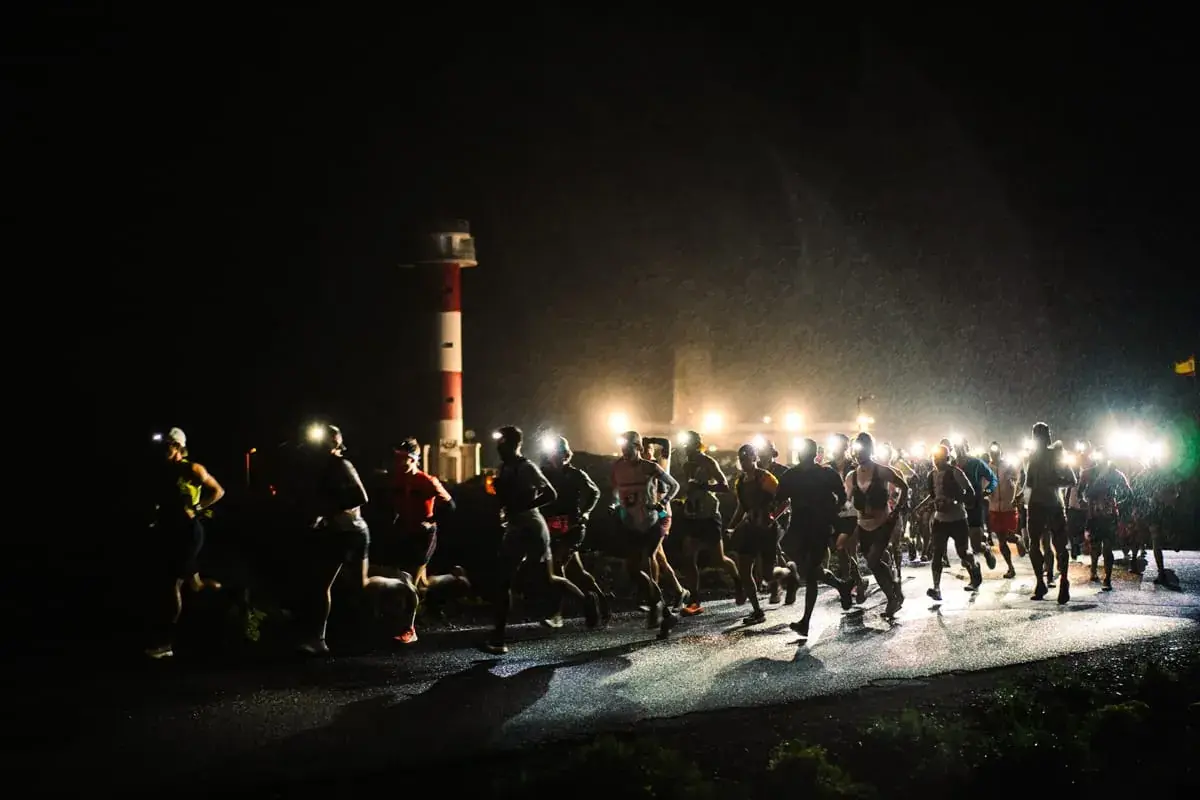
Transvulcania
73K, 43K, 25K, and VK crossing La Palma along the Ruta del Bastón
Read more →
Ultra Pirineu
100K, 54K, and 30K along the Cadí Range in the Catalan Pyrenees
Read more →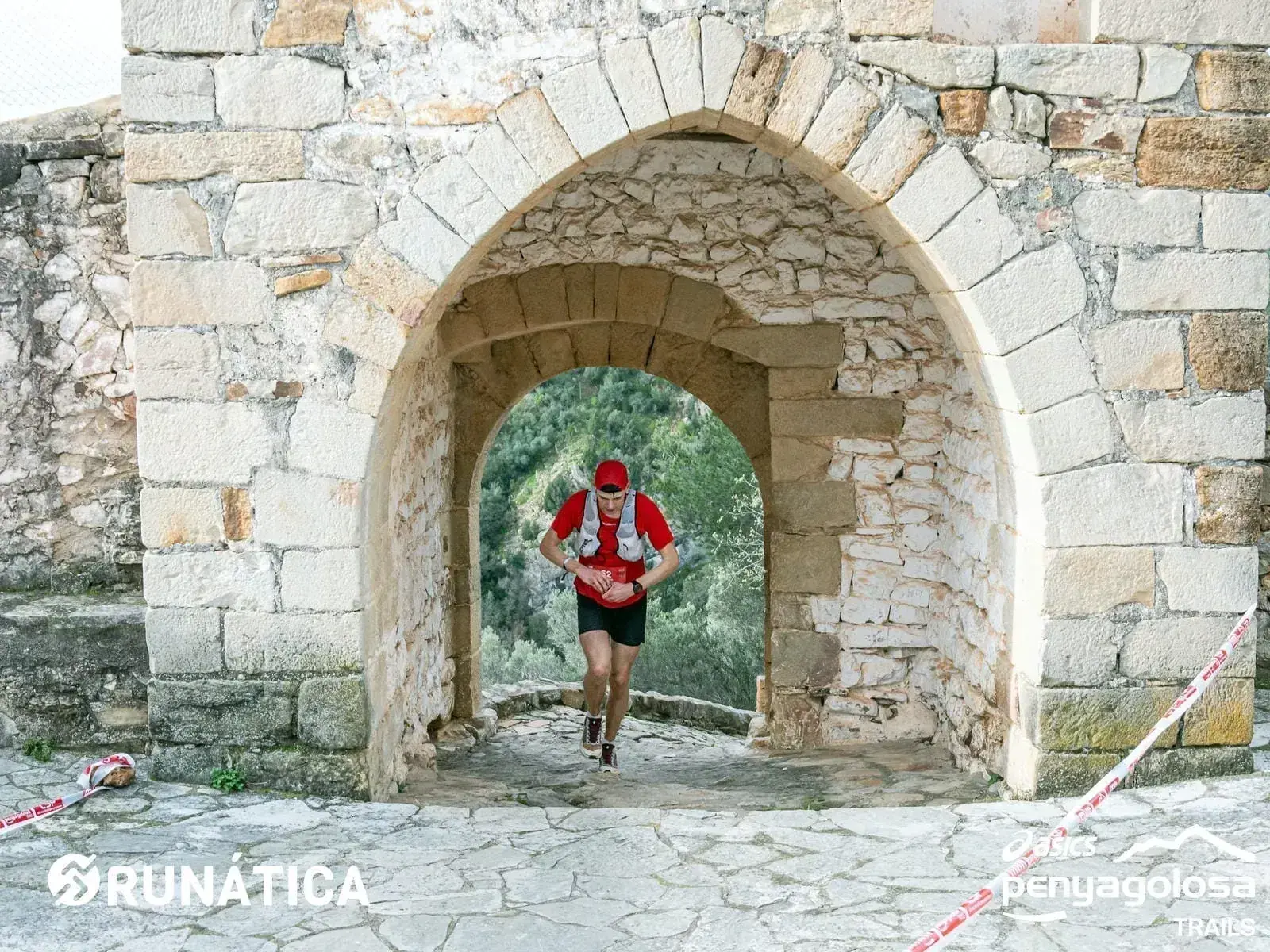
Penyagolosa Trails
106K and 60K from Castellón to the Penyagolosa summit via the GR-33
Read more →