How to Care for and Repair Your Trail Running Gear (Practical Guide)
 (se abre en una pestaña nueva)
 (se abre en una pestaña nueva)
 (se abre en una pestaña nueva)
 (se abre en una pestaña nueva)
How we choose
We compare every model on verified technical specs (weight, materials, price), user reviews and our own experience running and testing gear in races from 21K to 100K+. We update this guide when prices change or new models launch. Some links are affiliate links: if you buy through them, TrailRunTemple earns a commission at no extra cost to you and with no influence on the selection.
Our picks by use case
- #1Best for Rewaterproofing Jackets: Nikwax Nikwax TX.Direct Impermeabilizante TransparenteView on Amazon →(se abre en una pestaña nueva)
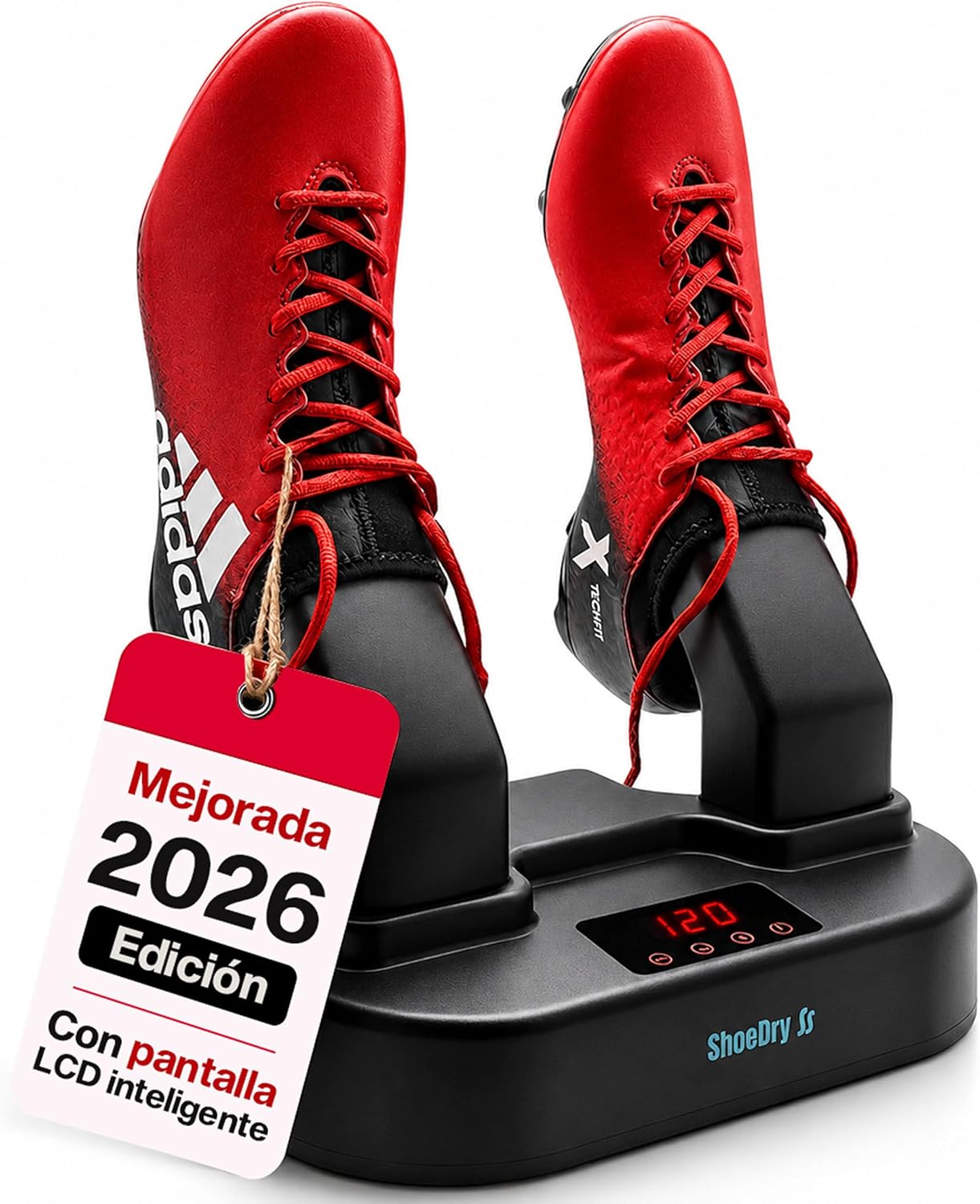
- #2Best for Drying Shoes After Mud: ShoeDry ShoeDry Ozone Secador y Ambientador de ZapatosView on Amazon →(se abre en una pestaña nueva)
- #3Best for Repairing Pack Straps and Buckles: BTIYMU BTIYMU Hebillas de Plástico y Cinta Mochila Nylon 6mView on Amazon →(se abre en una pestaña nueva)
- #4Best for Cleaning Technical Shoes: MG ARTESANOS MG ARTESANOS Kit Limpiador + Impermeabilizante + CepilloView on Amazon →(se abre en una pestaña nueva)
All products in this guide
Nikwax
Nikwax TX.Direct Impermeabilizante Transparente
Wash-in waterproofing that restores water repellency to breathable Gore-Tex-style jackets and pants without heat or spray. Added to the washing machine drawer together with Nikwax Tech Wash detergent, it renews the DWR coating without affecting the membrane's breathability.
ShoeDry
ShoeDry Ozone Secador y Ambientador de Zapatos
Electric shoe dryer with ozone deodorizing function. Dries footwear from the inside with gentle heat that won't warp the foam or lining, useful after a muddy race or river crossings when air-drying isn't enough before the next session.
BTIYMU
BTIYMU Hebillas de Plástico y Cinta Mochila Nylon 6m
6-meter nylon webbing kit with adjustable, side-release plastic buckles, for replacing a broken hydration pack strap or buckle without buying a new pack. Repairs shoulder straps, hip belt and compression straps.
MG ARTESANOS
MG ARTESANOS Kit Limpiador + Impermeabilizante + Cepillo
Kit made in Spain with cleaning foam, waterproofing spray and brush, specifically for suede, nubuck, sneakers and boots. Removes mud and embedded dirt from mesh and suede before storing footwear, and restores water protection after each wash.
Buying good technical gear is only half the job: if you don’t take care of it, a Gore-Tex jacket stops repelling water within a couple of seasons, shoes stored damp after every muddy race lose cushioning early, and a broken pack buckle can leave you unable to close it properly mid-race. None of this maintenance requires a repair shop — with four products and ten minutes after each outing, your gear lasts more seasons and performs like new.
Comparison
| Product | What it’s for | When to use it | Buy |
|---|---|---|---|
| Nikwax TX.Direct Clear | Rewaterproofing Gore-Tex jackets and pants | When water no longer beads and instead soaks into the outer fabric | Amazon → |
| ShoeDry Ozone Shoe Dryer | Drying the inside of your shoes and deodorizing | After mud or river crossings, before the next session | Amazon → |
| BTIYMU Buckles and 6m Nylon Webbing | Replacing broken pack straps and buckles | When a buckle breaks or a strap frays | Amazon → |
| MG ARTESANOS Cleaner + Waterproofer + Brush Kit | Cleaning and rewaterproofing shoes and boots | Before storing your technical footwear, especially suede or nubuck | Amazon → |
Prices are indicative and subject to change on Amazon.
1. Rewaterproofing Your Gore-Tex Jacket
The sign is obvious: if water no longer beads up on the outer fabric and instead soaks it (even if the inner membrane still keeps you dry), the DWR — the outer water-repellent treatment — has worn off. That’s normal after a season or two of use, washing and rubbing against a pack.
Nikwax TX.Direct is applied directly to the clean, dry garment, with no washing machine or heat needed to activate it, and it doesn’t affect the membrane’s breathability. This restores surface water repellency, which is what stops the fabric from saturating and losing breathability in heavy rain.
2. Properly Drying Your Shoes After Mud
Leaving damp shoes in your gym bag until the next session is the fastest way to lose midsole cushioning early and end up with bad odors. The right approach is to pull out the insole, brush off dried mud, and let them air-dry at room temperature away from a radiator (direct heat cracks the glue and warps the foam).
If you’re running several days in a row and don’t have time for them to air-dry, an electric dryer like the ShoeDry Ozone dries the inside with gentle heat and also deodorizes with ozone, without the risk of leaving them stuck to a radiator. It’s especially useful after races with river crossings or mud, where soaked shoes need to be dry for the next day’s session.
3. Fixing a Broken Buckle or Frayed Strap on Your Pack
A cracked buckle on the hip belt or a frayed shoulder strap doesn’t mean your hydration pack is done for. The BTIYMU nylon webbing and plastic buckle kit includes 6 meters of webbing and adjustable side-release buckles to replace the broken part without sewing — it works for the hip belt, shoulder straps or compression straps alike. It’s a repair that’s worth far more than replacing the whole pack over one broken strap.
4. Cleaning and Rewaterproofing Technical Footwear
Dried mud stuck to the mesh upper or embedded in suede doesn’t come off well by hand, and running it straight through the washing machine while still wet can clog the filter and unbalance the drum. The MG ARTESANOS kit, made in Spain, includes cleaning foam, a brush and a waterproofing spray: the brush removes dried mud from mesh and suede before a gentle machine wash, the foam cleans what’s embedded, and the spray restores the water protection lost with every wash — especially important on shoes or boots with suede or nubuck panels.
FAQ
Can I put trail shoes in the washing machine?
Yes, generally they handle a gentle wash (30°C, no aggressive spin, no dryer) once you’ve brushed off the dried mud first. Check the manufacturer’s label if they have a waterproof membrane, since some models recommend hand-washing only.
How often should I rewaterproof a Gore-Tex jacket?
There’s no fixed number — it depends on use and washing. The sign is visual: when water stops beading on the outer fabric. For someone who regularly runs races in the rain wearing the jacket, it’s usually once a season.
Is it worth repairing a broken buckle, or better to buy a new pack?
Almost always worth repairing. A buckle or strap costs a fraction of a full hydration pack, and with a webbing and buckle kit the repair takes just a few minutes at home.
Final Verdict
- If your jacket no longer repels water: Nikwax TX.Direct
- If you need to dry shoes fast between races: ShoeDry Ozone Shoe Dryer
- If you have a broken buckle or strap on your pack: BTIYMU Buckles and Nylon Webbing
- If you’re cleaning and rewaterproofing your shoes: MG ARTESANOS Cleaner + Waterproofer Kit
Taking care of your gear isn’t just about making it last longer: a jacket that still repels water and shoes with intact cushioning perform better on race day than the same neglected gear. If you don’t have the base gear yet, check out our technical apparel guide, trail shoes guide, or hydration vest guide.