Best soft flasks and collapsible bottles for trail running 2026
How we choose
We compare every model on verified technical specs (weight, materials, price), user reviews and our own experience running and testing gear in races from 21K to 100K+. We update this guide when prices change or new models launch. Some links are affiliate links: if you buy through them, TrailRunTemple earns a commission at no extra cost to you and with no influence on the selection.
Our picks by use case
- #1Best for Your Vest: Salomon Salomon Soft Flask 250 mlView on Amazon →(se abre en una pestaña nueva)
- #2Best Value: MARLOAR MARLOAR Soft Flask 500 ml (pack de 2)View on Amazon →(se abre en una pestaña nueva)
- #3Best for Homemade Gel: FANTÉ FANTÉ Gel Flask 300 mlView on Amazon →(se abre en una pestaña nueva)
All products in this guide
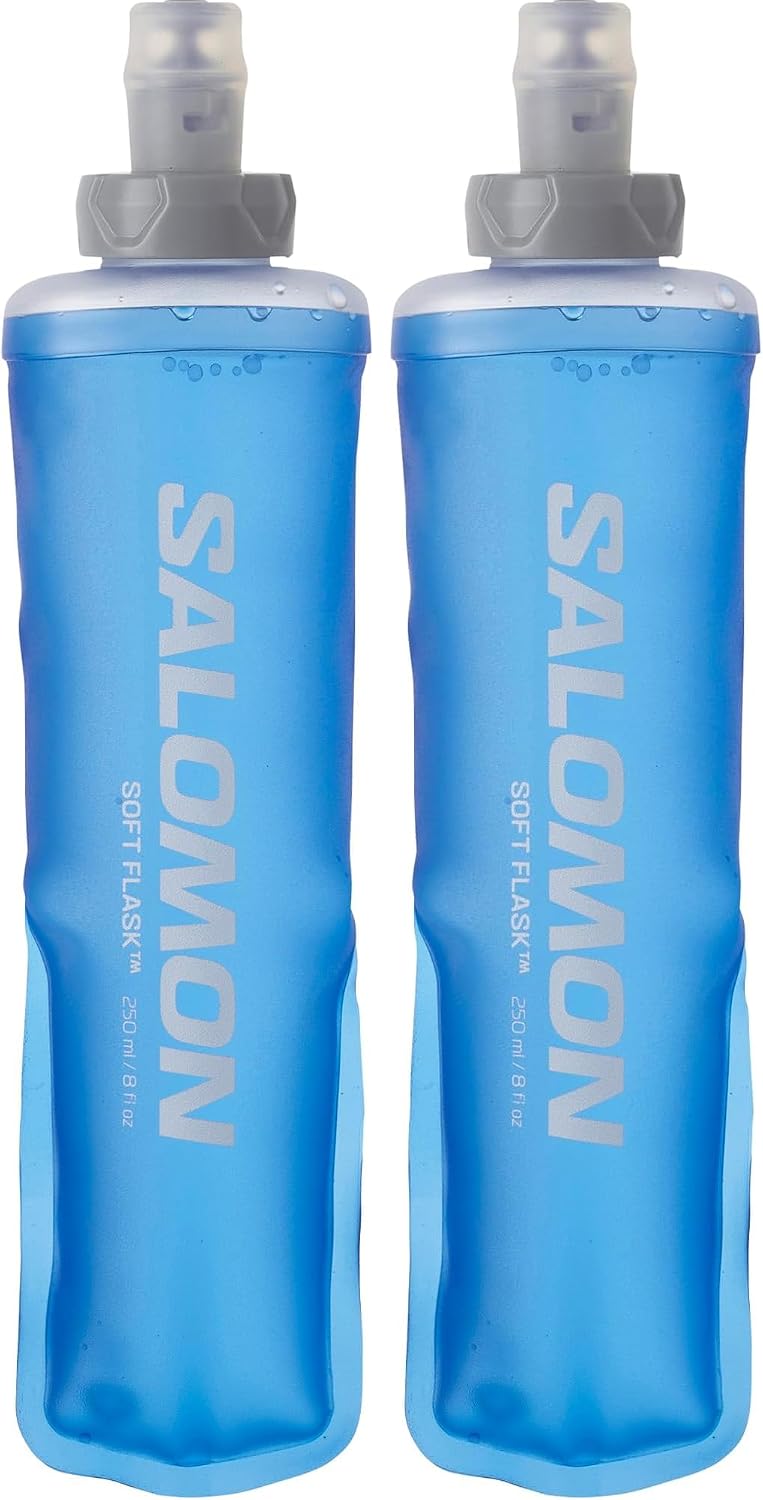
Salomon
Salomon Soft Flask 250 ml
Collapsible 250 ml soft flask with a high-flow valve and a wide 42 mm mouth for fast refills at aid stations. It shrinks as you drink, fits the front pocket of any vest and weighs just a few grams empty.
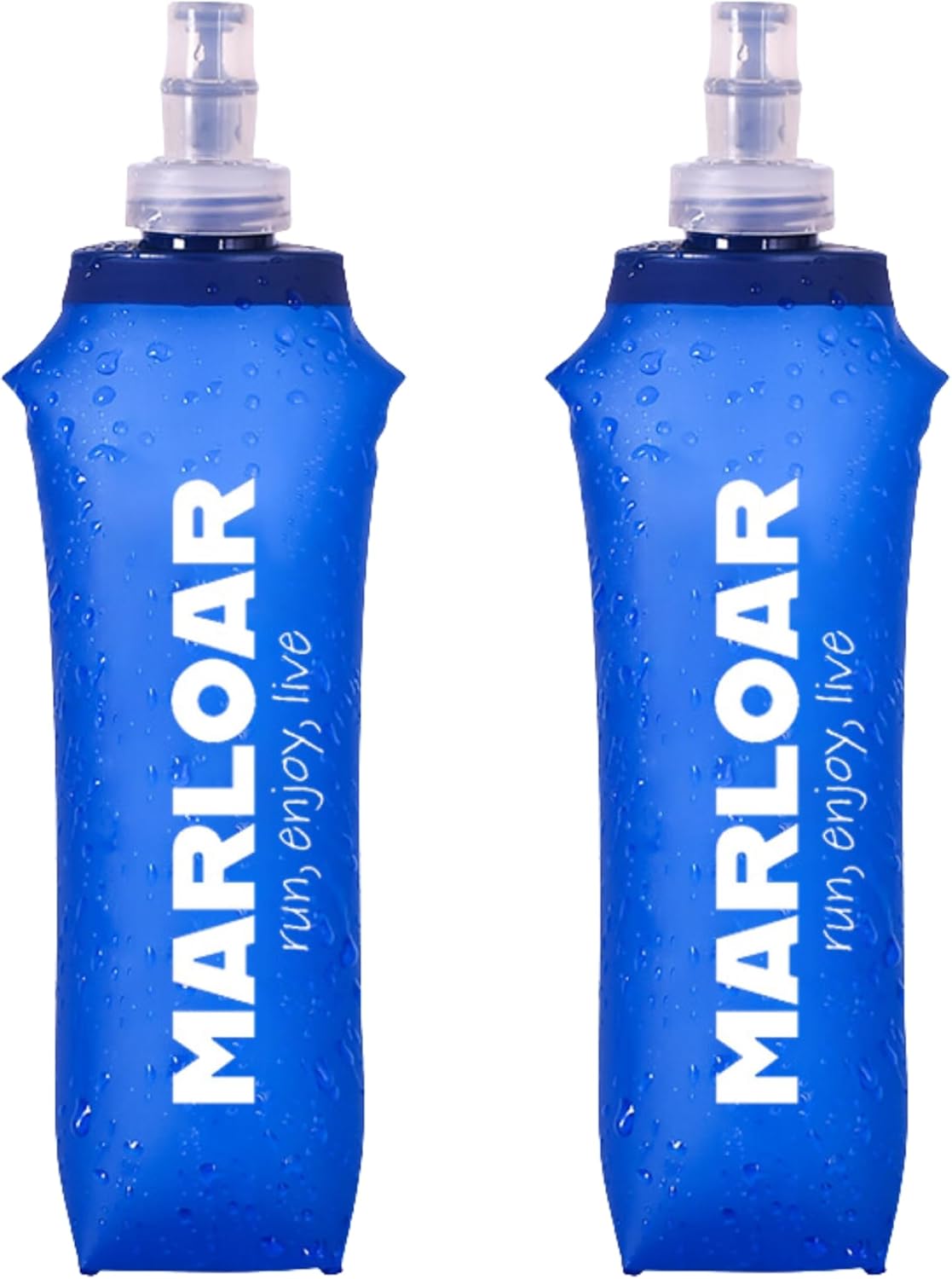
MARLOAR
MARLOAR Soft Flask 500 ml (pack de 2)
Two-pack of 500 ml BPA-free silicone soft flasks for running, trail, cycling and hiking. Wide mouth for fast refills, they collapse as you drink, and the per-bottle price is a fraction of the branded ones, so you can rotate and replace them without a second thought.
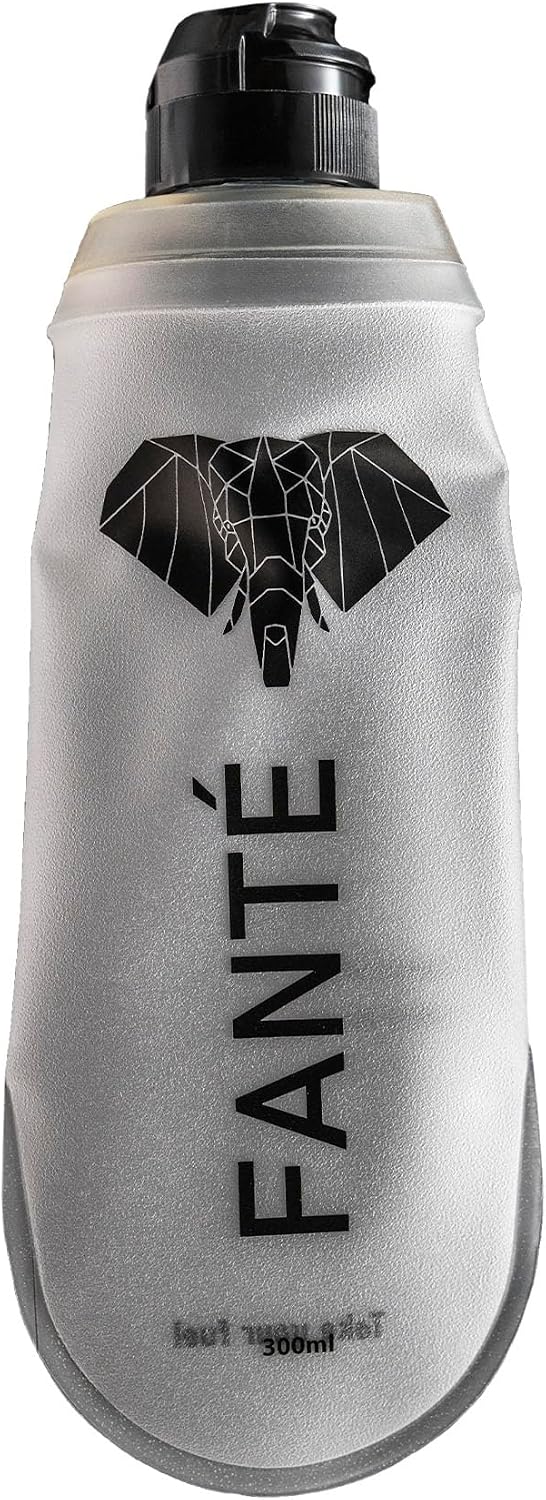
FANTÉ
FANTÉ Gel Flask 300 ml
Reusable 300 ml flexible flask weighing 28 g, BPA-free, made for homemade gel. Prepare your own carbohydrate mix (blended fruit, honey, dates) at home and dose it on the run like a commercial gel, with no single-use wrappers to carry out.
Soft flasks are the forgotten consumable of trail running: you buy them once with the vest and keep using them two years later, yellowed and tasting of plastic, until one bursts halfway through a race. They are cheap, they degrade with use, and they are best treated as what they are: spare gear. This comparison covers which collapsible bottle to choose for what you actually want it for — the vest bottle, the long training litre, or the homemade gel — and how to make them last and taste of nothing.
Summary comparison table
| Product | Capacity | Material | Main use | Buy |
|---|---|---|---|---|
| Salomon Soft Flask 250 ml | 250 ml | TPU | Front vest bottle | Amazon → |
| MARLOAR Soft Flask 500 ml (two-pack) | 500 ml x2 | BPA-free silicone | Long runs, spares, volume | Amazon → |
| FANTÉ Gel Flask 300 ml | 300 ml | BPA-free flexible plastic | Homemade gel, no wrappers | Amazon → |
All available on Amazon with fast delivery. The links go to the live, up-to-date price.
Which capacity you need
Capacity isn’t chosen by thirst, but by your vest and by the distance between aid stations.
- 150 ml: aid stations only. It’s a collapsible cup you carry empty and fill at each post to avoid single-use ones. Not for running with it full.
- 250 ml: the standard bottle for the front pocket of most vests. Two of these (500 ml total) cover 45-60 minute stretches in moderate heat.
- 500 ml: for long unsupported training runs, vests with big pockets, or races with widely spaced aid stations. You fill up to 1 litre split across two bottles and depend on no one.
- Over 500 ml: past this point a soft flask loses its appeal (it’s heavy, it sloshes, it’s hard to drink from). If you need more than a litre without refilling, consider a pack reservoir.
A practical note: the vest rules. Before buying 500 ml bottles, check they fit the front pockets of your model. Many race vests are sewn to fit a brand’s own 500 ml bottle and won’t take a thicker silicone one.
Valve, mouth and material: what to look at
The valve decides whether you drink or fight. High-flow valves (Salomon, Hydrapak) release a lot of liquid per bite, so you drink in three seconds and carry on. Generic ones usually have lower flow: on a climb, breathing hard, it’s a struggle to get the water out. If you’re going to drink on the move and uphill, the valve is the first thing to check.
A wide mouth (40-42 mm) pays off at every aid station. You fill from a jug without spilling, add ice in summer, and drop in a salt tablet without it jamming. Narrow mouths save a few grams and little else.
TPU vs silicone. The TPU (polyurethane) of branded bottles is thinner, lighter and tastes less. The silicone of generic ones is thicker, handles knocks and the dishwasher better, but weighs more and passes on some taste in the first weeks. Neither is “better”: it’s lightness and neutral taste versus toughness and price.
Individual review of the top 3
1. Salomon Soft Flask 250 ml — Best for your vest
The Salomon Soft Flask 250 ml is the bottle that fits, no argument, in the front pocket of almost any vest, starting with Salomon’s own. High-flow valve for quick drinking without hard biting, 42 mm mouth for filling from a jug or adding ice, and a fold that leaves it at nothing when empty. It’s thin TPU: it weighs a few grams and barely passes on any taste.
Best for: the main use of a soft flask, carrying 250-500 ml up front in racing and training. If you’re only buying one collapsible bottle, make it this one.
See the Salomon Soft Flask 250 ml on Amazon →2. MARLOAR Soft Flask 500 ml (two-pack) — Best value
The two-pack of 500 ml MARLOAR bottles solves the real problem with soft flasks: they wear out. For the price of a single branded bottle you get two half-litre ones, so you can rotate them, keep one set drying while you use the other, and replace them painlessly when one goes ugly. BPA-free silicone, dishwasher safe, wide mouth. The downside is the valve flow, lower than a Salomon or a Hydrapak, plus a bit more weight and taste in the first weeks.
Best for: long unsupported runs, anyone who loses or breaks bottles often, and keeping spares in the drawer without spending 20 euros a unit.
See the MARLOAR two-pack on Amazon →3. FANTÉ Gel Flask 300 ml — Best for homemade gel
The FANTÉ Gel Flask is not for water: it’s for carrying your own carbohydrate mix. 300 ml and 28 g, BPA-free, with a wide mouth for filling with homemade gel (blended fruit, honey, dates, maltodextrin) and dosing it on the run just like a commercial gel, by squeezing. Zero wrappers to keep and manage, and the cost per serving drops a lot compared to branded gels.
Best for: ultra runners who already make their nutrition at home and want a light, reusable format to carry it. Don’t use it for hydration: 300 ml of gel is heavy and that’s a different job.
See the FANTÉ Gel Flask 300 ml on Amazon →Head to head: Salomon 250 ml vs MARLOAR 500 ml
Thin branded bottle versus large generic pack:
Salomon wins on fit and on drinking. It fits the pocket your vest is sewn for, and the valve releases water effortlessly. Uphill and on the move, you notice it.
MARLOAR wins on euros and volume. Two 500 ml bottles for less than one Salomon. If you do long unsupported runs or tend to break bottles, the maths is clear.
Salomon wins on weight and taste. Thin TPU, few grams, neutral taste from the first use.
MARLOAR wins on toughness. Thick silicone takes drops, sand and the dishwasher without complaint.
Head-to-head verdict: for the fixed vest bottle you use every week, the Salomon Soft Flask 250 ml. For volume, spares and long runs without overspending, the MARLOAR two-pack. Many people end up with both: the Salomon up front and a MARLOAR in the back pocket for the middle hours.
5 common mistakes with soft flasks
-
Using them until they burst. TPU and silicone fatigue: micro-cracks in the seams, a dripping valve, yellow plastic. A weekly-use soft flask lasts one or two seasons, not five.
-
Storing them wet and closed. That’s the recipe for mould and a stale smell. Dry them upside down, open, and — if they held anything other than water — with a brush.
-
Buying 500 ml without measuring the vest. Many front pockets are cut for a specific bottle. A thicker bottle won’t fit or will slosh.
-
Putting sugary drink in and not washing it thoroughly. Sugar ferments in the seams and the valve. If you use sports drink or gel, rinse immediately and brush-clean the same day.
-
Debuting a bottle on race day. Generic ones taste of plastic in the first weeks and some valves drip out of the box. Test them in training before trusting them in a race.
How to get rid of the plastic taste
Almost every new soft flask tastes of something. To speed it up:
- Fill it with warm water and a tablespoon of baking soda and leave it overnight.
- Rinse and repeat with water and a few drops of lemon juice.
- Use it with water only for the first week, drying it well between runs.
After three or four cycles the taste disappears in silicone ones. Branded TPU ones usually need only a couple of rinses.
Frequently asked questions
How long does a soft flask last?
With weekly use, one to two seasons. The signs it’s time to replace are a valve that drips with the bottle closed, seams that weep when you squeeze, and plastic that turns stiff or yellow. It’s a consumable, not a buy-it-for-life purchase.
250 or 500 ml?
250 ml if it’s the bottle for your vest’s front pocket and there are aid stations every hour. 500 ml for long unsupported training or races with widely spaced posts. The most versatile setup is to combine: two 250 ml up front and one 500 ml at the back for the middle hours.
Can they go in the dishwasher?
Silicone ones, yes, on the top rack. Branded TPU ones tolerate hot water but are better washed by hand, with a brush, to avoid straining the seams or the valve.
Why does my bottle taste of plastic?
It’s normal in new ones, especially silicone. A couple of cycles with baking soda and lemon remove it. If the taste appears in an old bottle, it’s usually mould in the seams: time to replace it.
Can I put sports drink or gel in any soft flask?
Yes, but any liquid other than water means a thorough wash the same day. For homemade gel a dedicated format like the FANTÉ Gel Flask is more convenient, with its wide mouth and a design meant to be emptied by squeezing.
Are the generic Amazon ones good enough for racing?
For training and as spares, yes. For racing, the difference is in valve flow and vest fit: if your race means drinking on technical climbs, a branded bottle with a high-flow valve makes it easier.
Final verdict: our pick
- If you’re only buying one collapsible bottle: Salomon Soft Flask 250 ml
- If you want volume, spares and not to overspend: MARLOAR Soft Flask 500 ml (two-pack)
- If you make your own nutrition and want to carry it without wrappers: FANTÉ Gel Flask 300 ml
Treat soft flasks as consumables: buy branded ones for the fixed vest use, keep a generic pack as spares in the drawer, and replace them as soon as the valve starts to drip. They’re cheap and they save you the scare of running dry halfway through a race.
Other guides you might find useful
Races where you'll need this gear
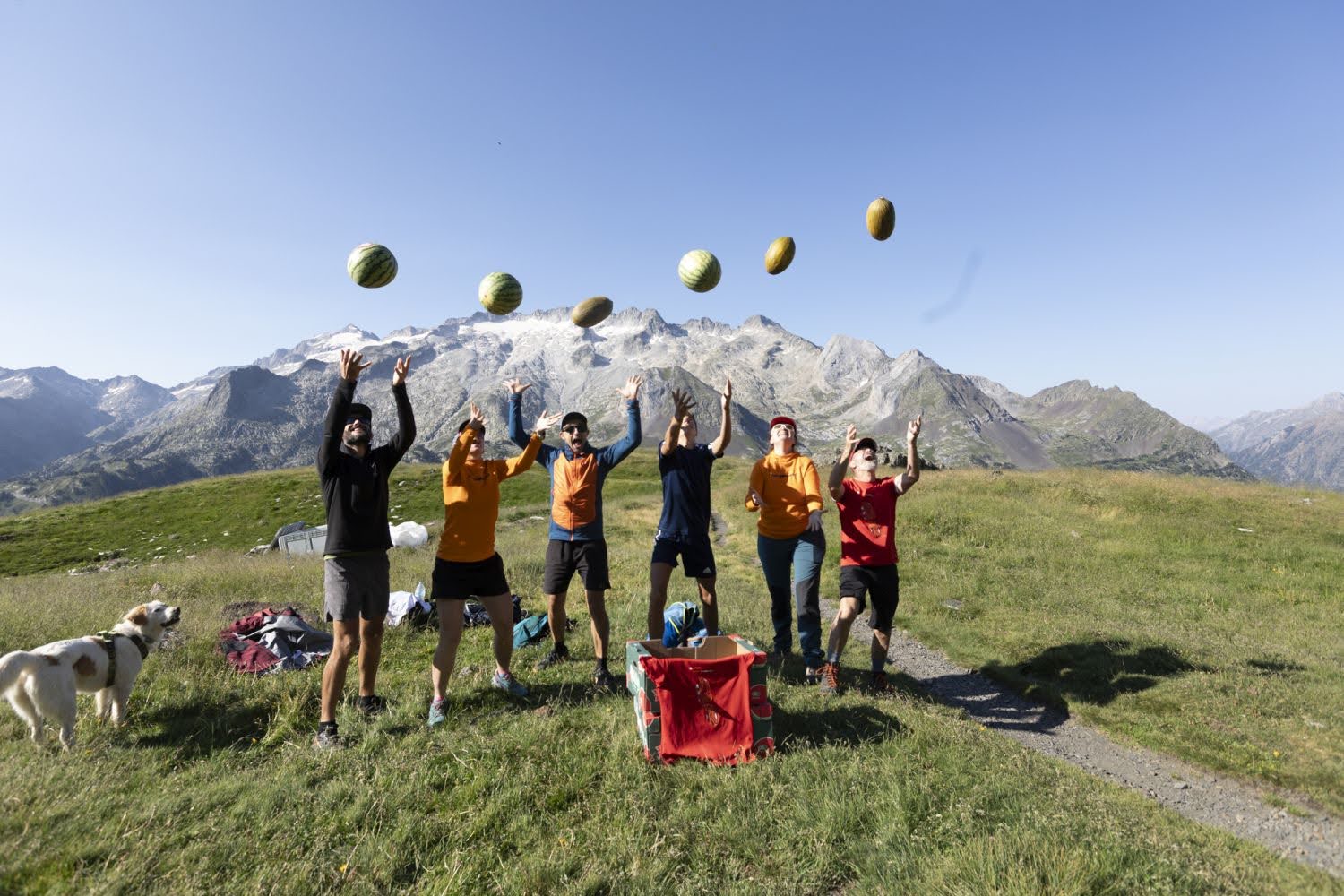
Gran Trail Trangoworld Aneto-Posets
From 5K to 105K between the Pyrenean rooftops: Aneto and Posets from the Benasque Valley
Read more →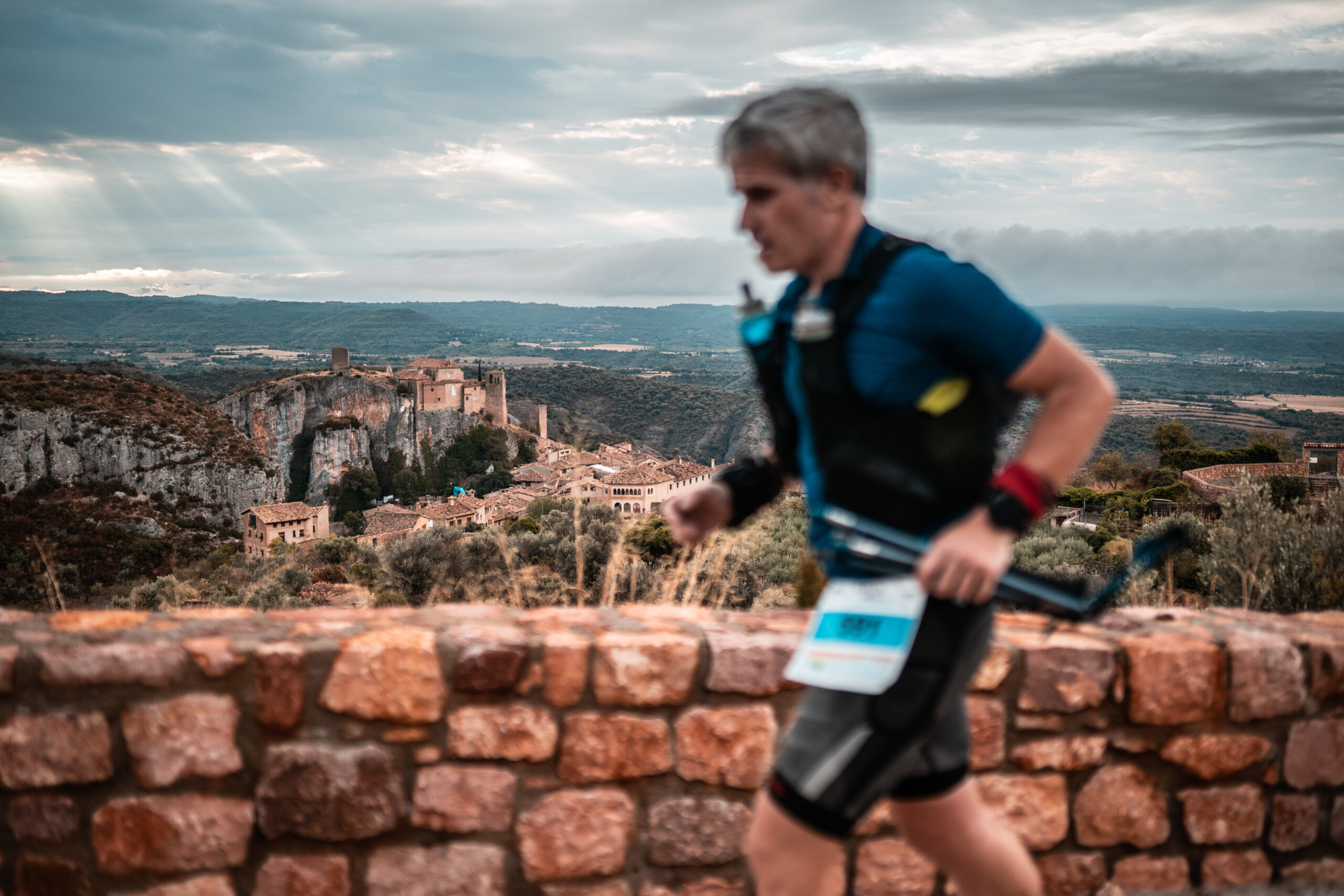
Ultra-Trail Guara Somontano
From 17K to an 82K with 4,700 m of climbing through the canyons of the Sierra de Guara, starting in Alquézar
Read more →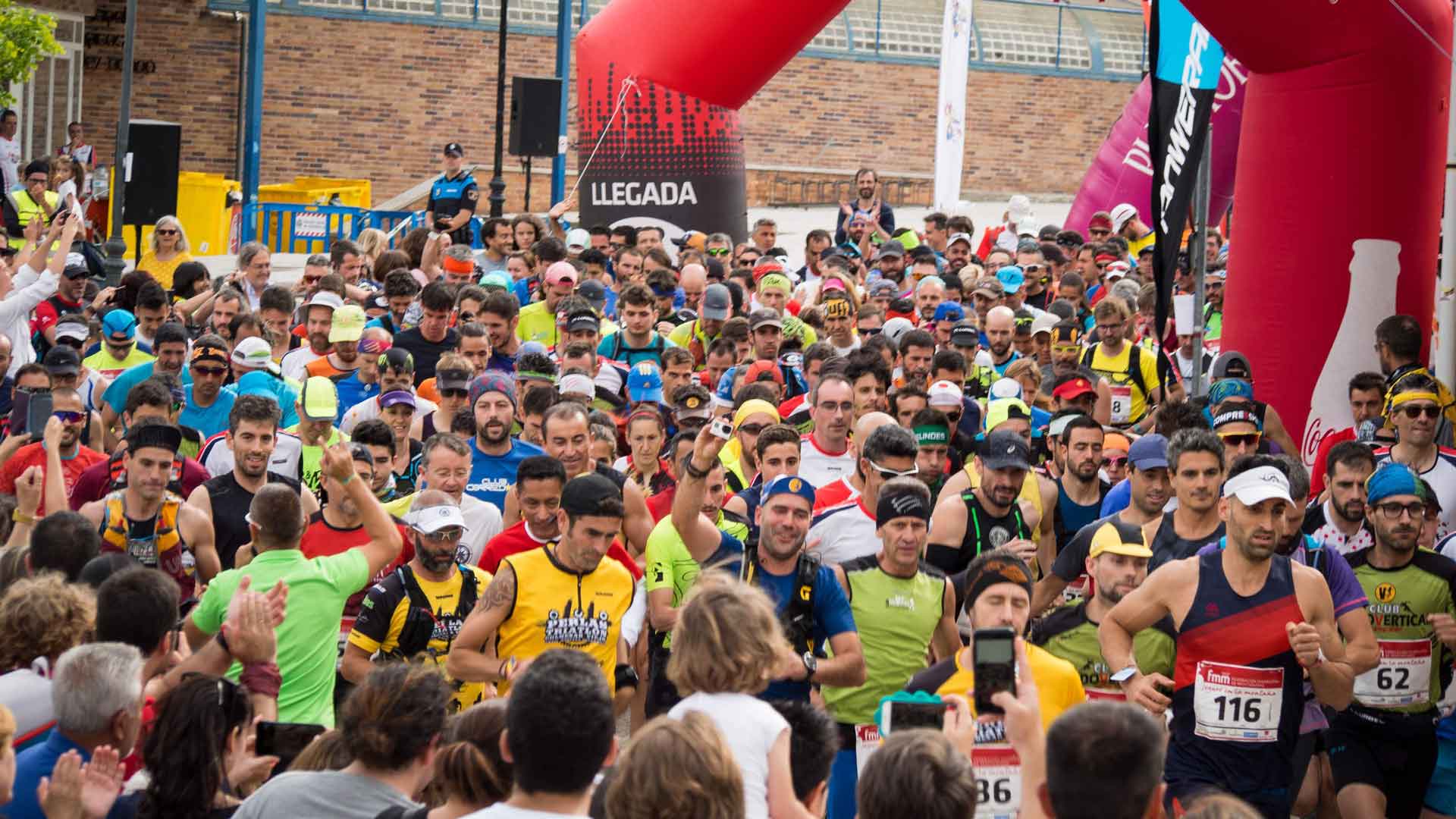
Madrid Alpine Marathon
44 km high-mountain race through Sierra de Guadarrama from Cercedilla, via Siete Picos, Bola del Mundo, and Peñalara
Read more →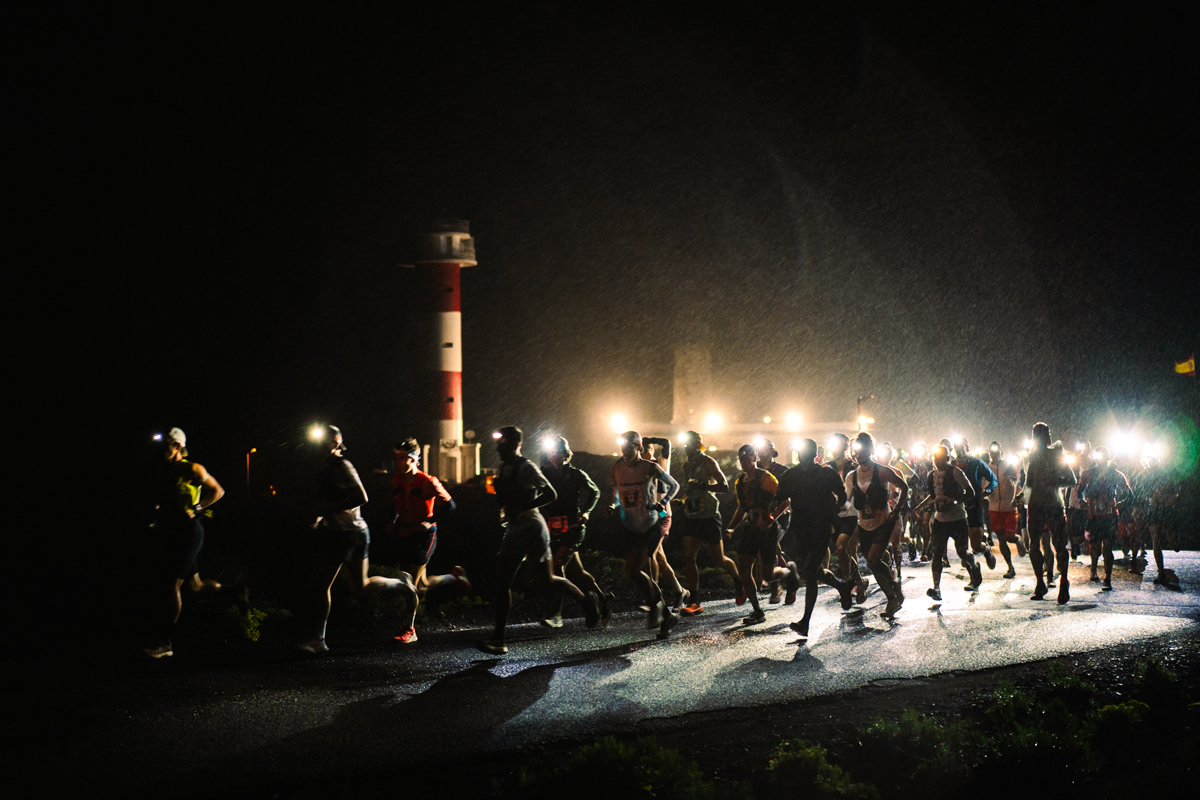
Transvulcania
73K, 43K, 25K, and VK crossing La Palma along the Ruta del Bastón
Read more →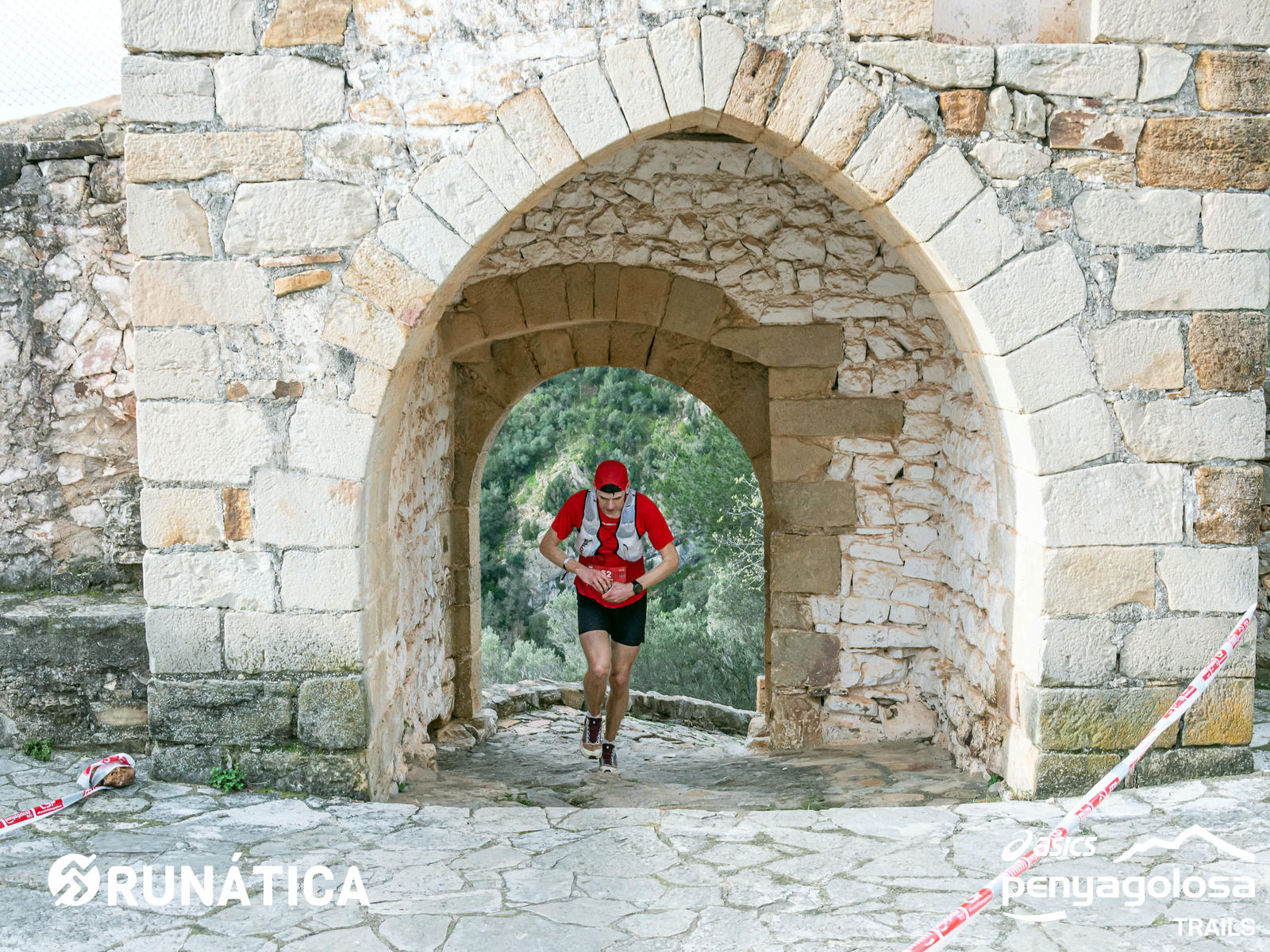
Penyagolosa Trails
106K and 60K from Castellón to the Penyagolosa summit via the GR-33
Read more →