What to Wear for Snow and High-Mountain Trail Running 2026: The Complete Kit
Our picks by use case
Affiliate links: if you buy through them we earn a commission at no extra cost to you. It does not affect the ranking.
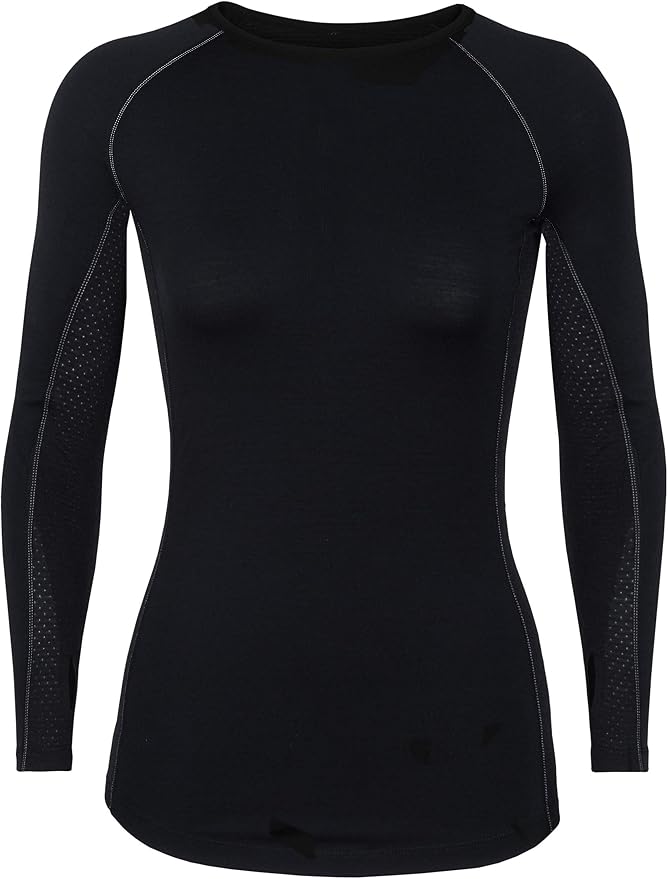 Our top pick#1 · Best base layer for coldIcebreaker Icebreaker Merino 200 Oasis LS CreweView on Amazon (opens in a new tab)
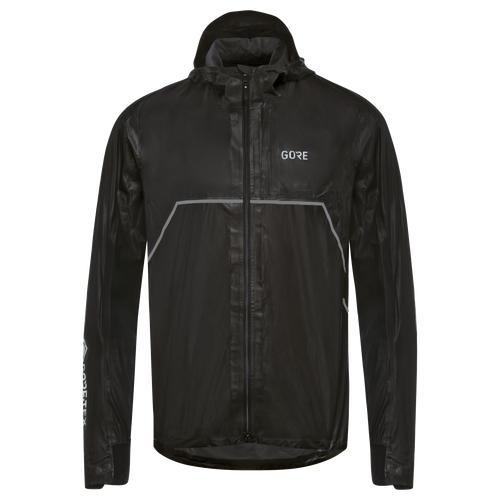 #2 · Best outer shellGore Wear Gore Wear R7 GTX ShakedryView on Amazon (opens in a new tab)
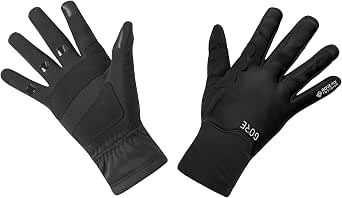 #3 · Best gloves for snowGore Wear Gore Wear M GORE-TEX Thermo GloveView on Amazon (opens in a new tab)
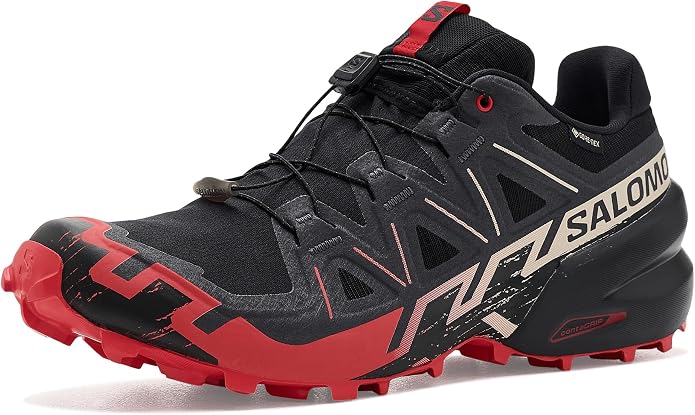 #4 · Best grippy waterproof shoeSalomon Salomon Speedcross 6 GTXView on Amazon (opens in a new tab)
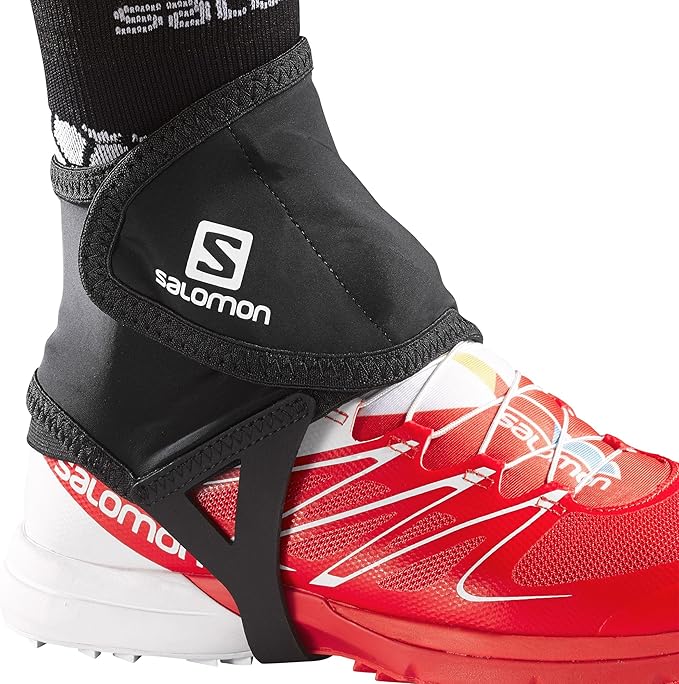 #5 · Best gaiters for snowSalomon Salomon Trail Gaiters HighView on Amazon (opens in a new tab)
How we choose
We compare every model on verified technical specs (weight, materials, price), user reviews and our own experience running and testing gear in races from 21K to 100K+. We update this guide when prices change or new models launch. Some links are affiliate links: if you buy through them, TrailRunTemple earns a commission at no extra cost to you and with no influence on the selection.
All products in this guide
Icebreaker
Icebreaker Merino 200 Oasis LS Crewe
Long-sleeve thermal top in 100% merino wool (200g). Natural temperature regulation, genuine multi-day odor resistance and a soft, non-itch handfeel from the fine merino yarn.
Gore Wear
Gore Wear R7 GTX Shakedry
Chubasquero Gore-Tex Shakedry ultraligero (110 g). Impermeabilidad total sin membrana interior, altamente transpirable. El referente para corredores de montaña.
Gore Wear
Gore Wear M GORE-TEX Thermo Glove
Warmer variant of the Gore Wear C5 GORE-TEX: the same fully waterproof, windproof membrane, with extra thermal lining for intense cold on top of snow or rain. The pick when the problem isn't just water, but water AND hard cold at once.
Salomon
Salomon Speedcross 6 GTX
The Speedcross 6 with a GORE-TEX membrane: the same aggressive 5 mm lugs for mud and soft ground, now waterproof for winter, rain and snow.
Salomon
Salomon Trail Gaiters High
High trail running gaiters covering ankle to mid-calf. Physical barrier against stones, mud, sand and processionary caterpillar urticating hairs. Durable, breathable fabric with adjustable closure compatible with any shoe.
Just meeting the race rules? If all you need is the thermal blanket, whistle and first aid kit, see the mandatory emergency gear guide. This guide is the complete kit for when there is real snow, wind and altitude.
Quick answer: the minimum kit for snow and high-mountain running is a merino base layer like the Icebreaker Merino 200 Oasis(opens in a new tab), a light rain shell like the Gore Wear R7 Shakedry(opens in a new tab), waterproof lined gloves like the Gore Wear M GORE-TEX Thermo(opens in a new tab), grippy shoes with a membrane like the Salomon Speedcross 6 GTX(opens in a new tab) and Salomon Trail Gaiters High(opens in a new tab) to keep snow out. On top of that, your mandatory mountain gear and a thermal neck gaiter like the Buff Thermonet(opens in a new tab). Below you have the full kit, how it changes between a short race and an ultra, and which piece not to skip.
A trail race in snow is not “a normal race with more clothes”. Three things change at once: temperature drops with altitude, wind makes the felt temperature plummet on ridges, and the ground turns into soft snow, ice or frozen mud. On top of that, the sun bounces off the snow and burns your face and eyes even when it is cold. That is why you don’t buy the kit piece by piece: you buy it as a system, with one answer for each problem (cold, wind, water, grip, sun and emergency) and no duplicates.
Snow and high-mountain kit comparison
Tap a column to sortSwipe to see more


The layered kit: what each piece solves
| Problem | Kit piece | Our pick | Buy |
|---|---|---|---|
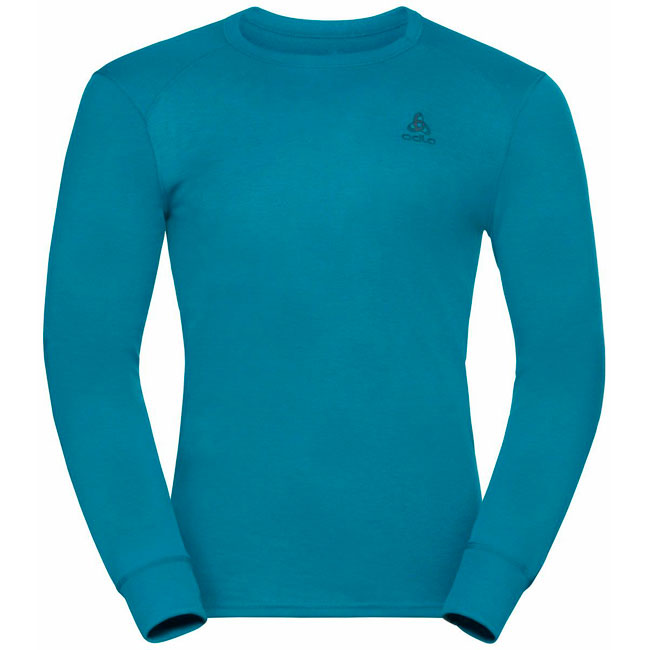
| Cold and sweat against the skin | Base layer | Icebreaker Merino 200 Oasis (synthetic alternative: Odlo Active Warm) | See Icebreaker(opens in a new tab) |
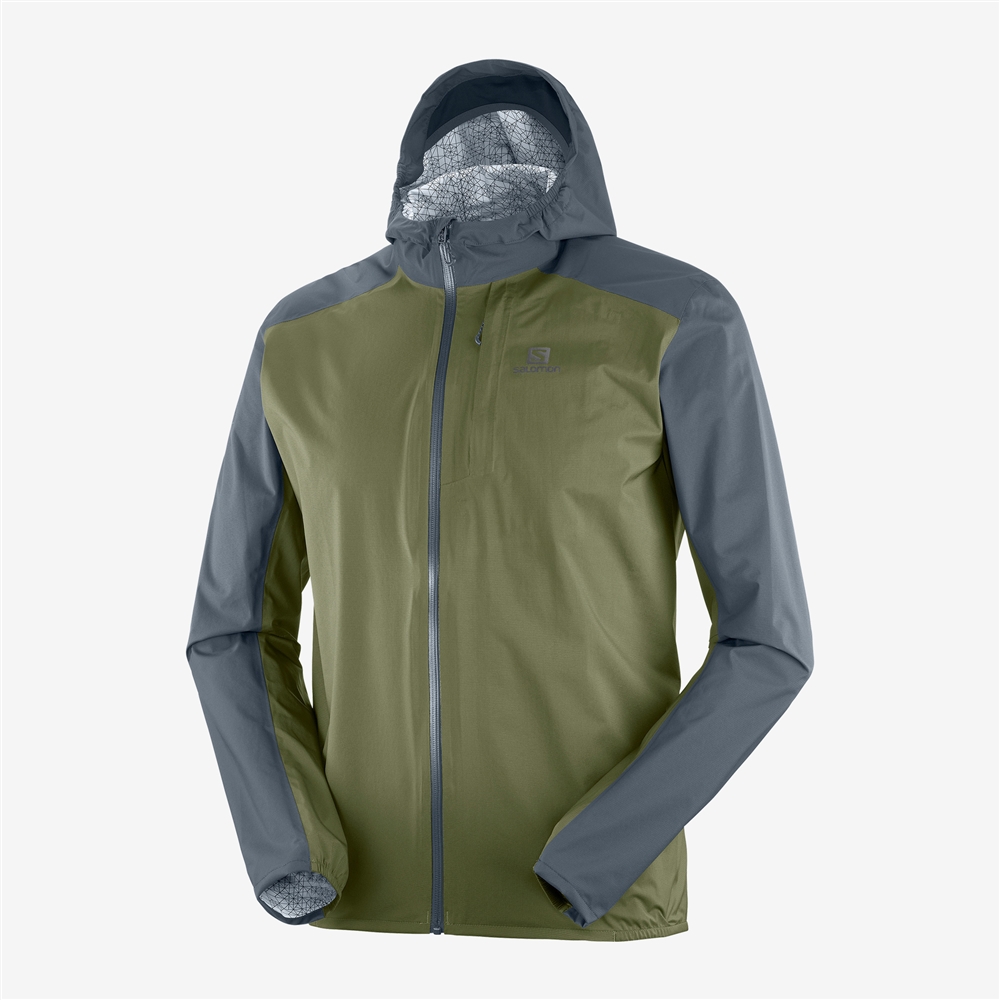
| Rain, wet snow and wind | Outer layer | Gore Wear R7 Shakedry (alternative: Salomon Bonatti WP) | See Gore Wear R7(opens in a new tab) |
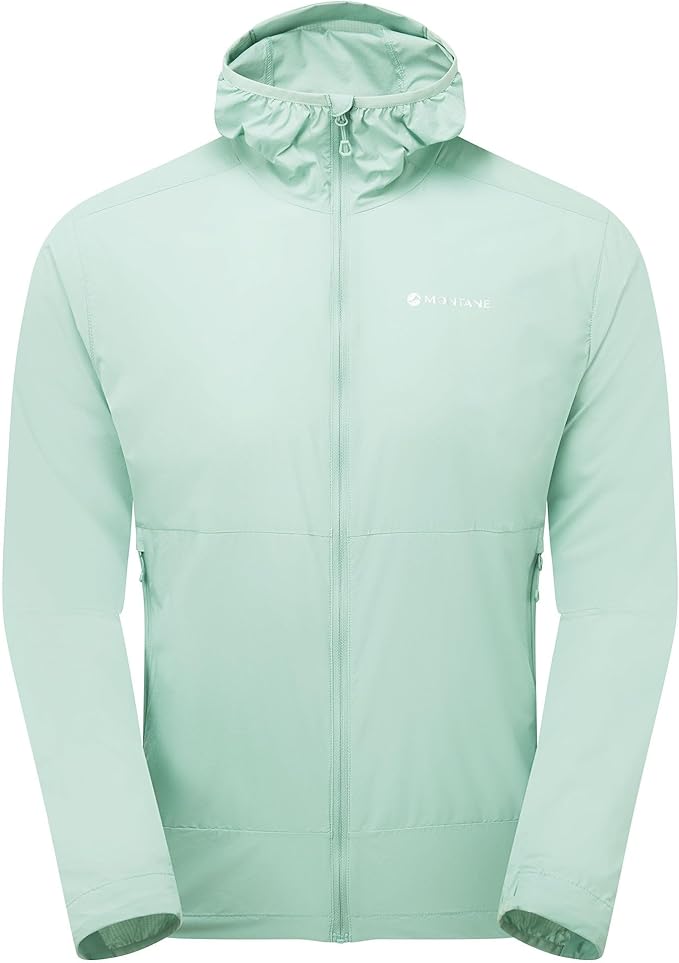
| Ridge wind without rain | Emergency wind shell | Montane Featherlite Hooded | See Montane Featherlite(opens in a new tab) |
| Numb hands | Waterproof lined gloves | Gore Wear M GORE-TEX Thermo | See Gore Wear Thermo(opens in a new tab) |
| Neck, ears and face | Thermal neck gaiter or balaclava | Buff Thermonet | See Buff Thermonet(opens in a new tab) |
| Snow inside the shoe | High gaiters | Salomon Trail Gaiters High | See Salomon gaiters(opens in a new tab) |
| Wet feet and poor grip | Shoe with membrane and lugs | Salomon Speedcross 6 GTX | See Speedcross 6 GTX(opens in a new tab) |
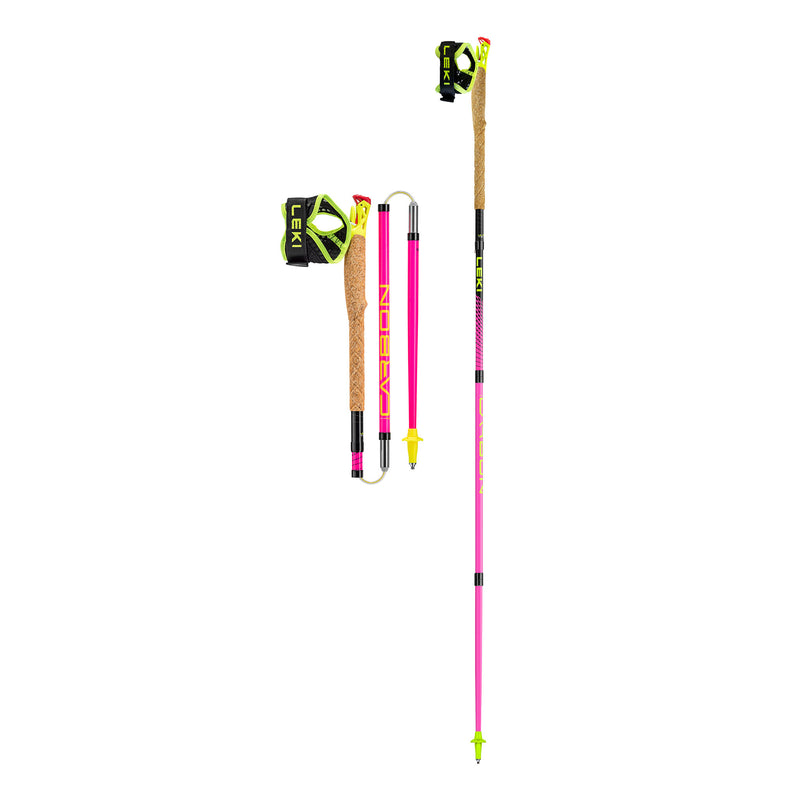
| Icy climbs and descents | Folding poles | Leki Ultratrail FX.One | See Leki FX.One(opens in a new tab) |
| Sun glare off the snow | Photochromic glasses and sun stick | Julbo Aerospeed + Heliocare 360 Sport | See Julbo Aerospeed(opens in a new tab) |
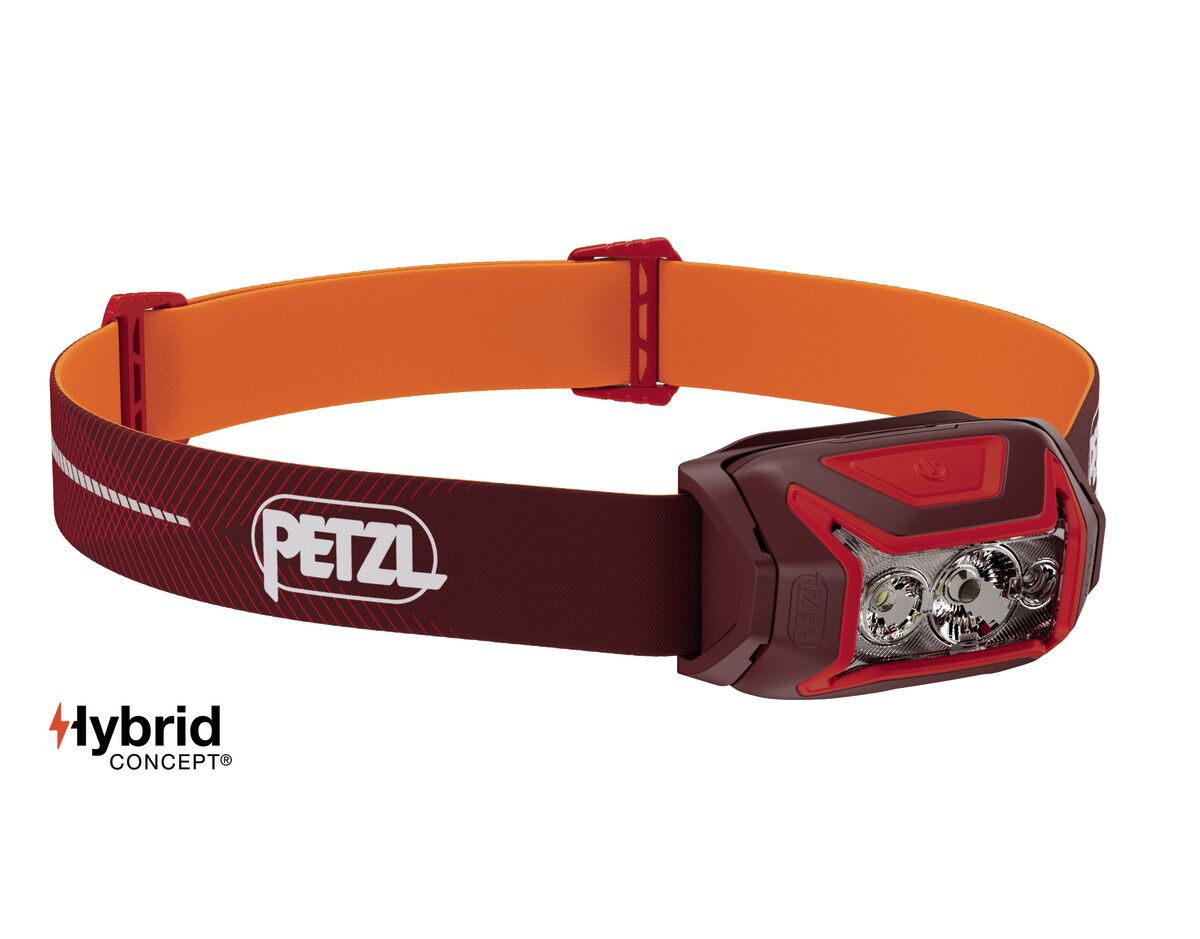
| Night or thick fog | Rechargeable headlamp | Petzl Actik Core | See Petzl Actik Core(opens in a new tab) |
Short-race kit (under 30 km) vs ultra kit (over 50 km)
The base is the same, but what grows with distance is your safety margin: in a short race you move fast and meet plenty of people, in an ultra you can spend hours standing still or descending at a pace that doesn’t keep you warm.
Short race with snow (vertical, skyrace, mountain half marathon):
- A merino or synthetic base layer and a light wind shell like the Montane Featherlite Hooded(opens in a new tab) (120 g), which makes more sense than a rain shell if it isn’t going to rain.
- Thin winter gloves like the Salomon Fast Wing Winter(opens in a new tab), a neck gaiter and gaiters if the terrain is soft snow.
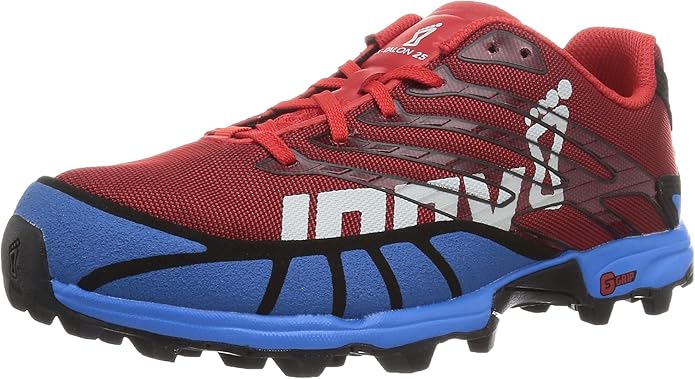
- A shoe with big lugs. If the day is dry and mud is the main feature, consider the Inov-8 Mudclaw G 260(opens in a new tab) before a membrane shoe.
Ultra with snow and altitude (over 50 km or with night sections):
- A merino base layer, a membrane rain shell (R7 Shakedry or Bonatti WP) and a second warm layer in your vest.
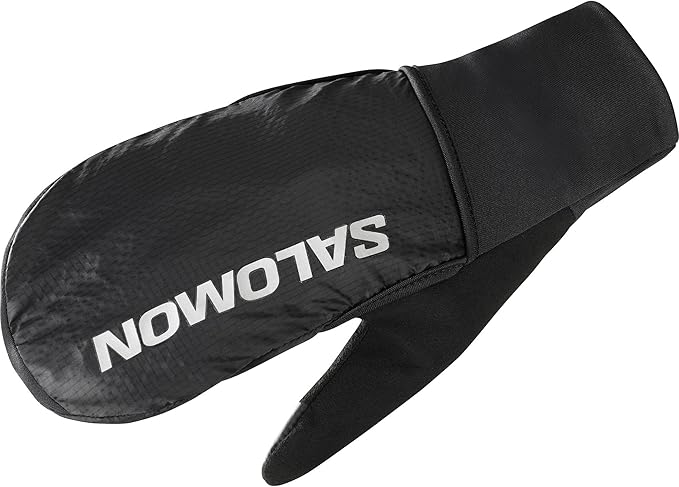
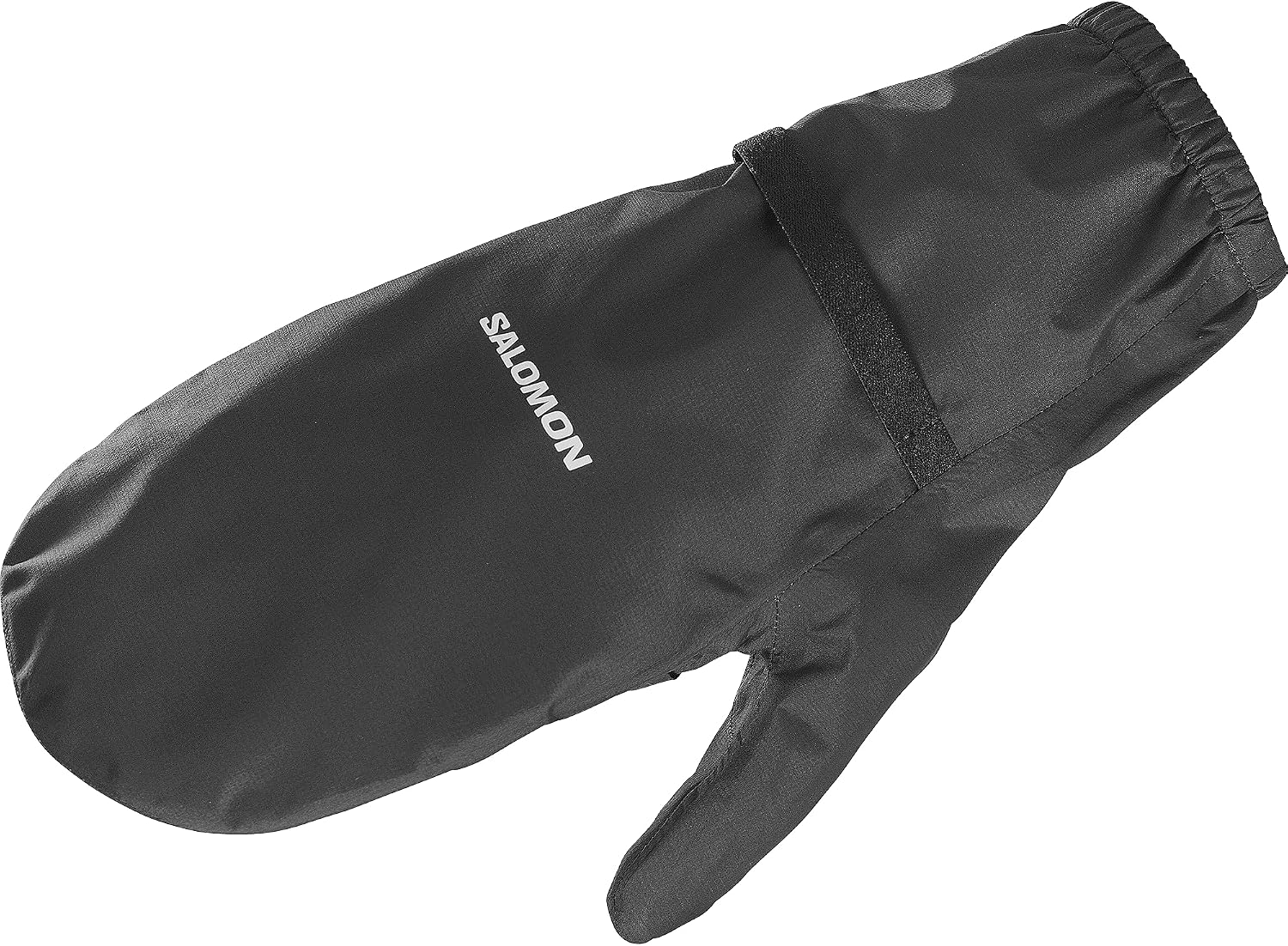
- Two pairs of gloves: a thin one for running and a waterproof lined one, like the Gore Wear M GORE-TEX Thermo(opens in a new tab) or the lighter Salomon Bonatti Pro Waterproof(opens in a new tab), for when it rains or you stop.
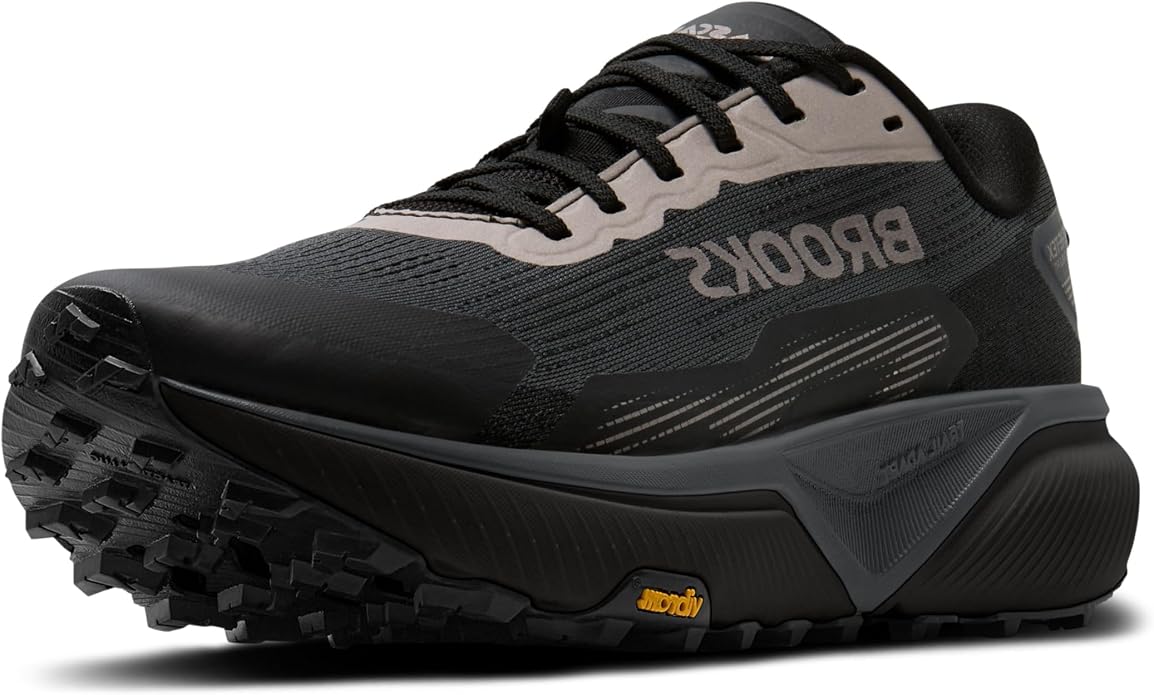
- A shoe with membrane and high gaiters. On rocky, technical terrain the Brooks Cascadia 20 GTX(opens in a new tab) gives more stability than the Speedcross.
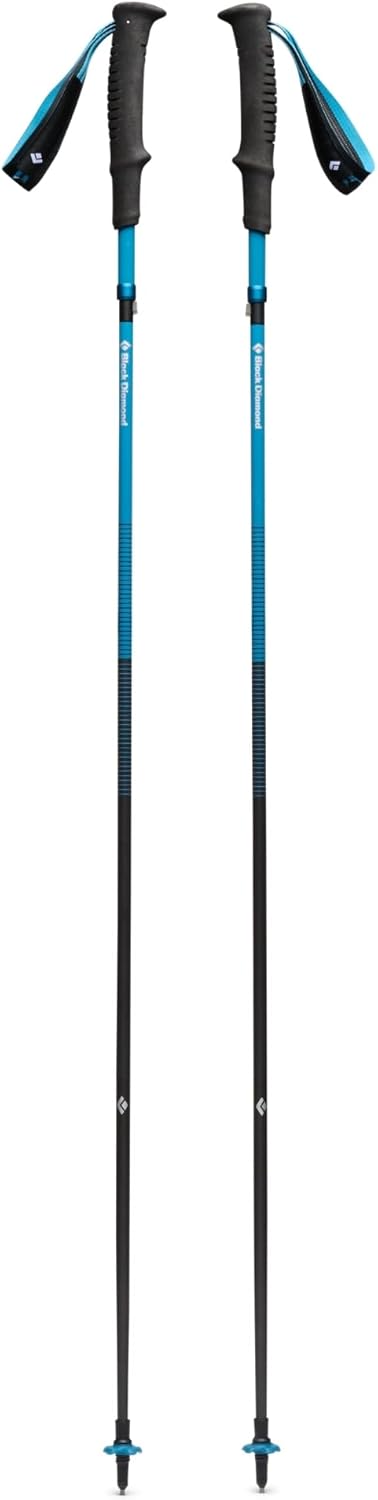
- Folding poles (Leki Ultratrail FX.One(opens in a new tab) or Black Diamond Distance Carbon Z(opens in a new tab)) and a headlamp.
- The complete mandatory gear and a spare neck gaiter, because the first one will end up damp.
5 criteria for choosing each piece
- Layers, not thickness. Several thin layers you can take off and put on regulate better than one thick one. The best base layer is the one that still keeps you warm when damp: that is why merino works so well, and the synthetic alternative (Odlo Active Warm Eco(opens in a new tab)) dries faster. More options in our thermal base layer guide.
- Waterproof and breathable at once. A jacket that doesn’t let sweat out soaks you from the inside. The Gore Wear R7 Shakedry(opens in a new tab) (110 g) delivers full waterproofing with no inner membrane and high breathability; for something simpler, the Salomon Bonatti WP(opens in a new tab) (135 g) is light and folds into its own pocket.
- Hands first. Hands get cold before anything else, and with numb fingers you can’t open a gel or adjust a pole. Prioritise gloves that handle water and hard cold, with enough dexterity to use your hands. Full comparison in the trail running gloves guide.
- Grip and dry feet. Deep lugs and a membrane change a lot in soft snow and frozen mud; the flip side is that a membrane breathes less on mild days. We cover it in the guides to waterproof shoes and mud shoes.
- It all has to fit in your vest. If the kit doesn’t fold and doesn’t fit in your vest, you’ll end up leaving it at home. See the hydration vest guide and make sure your vest takes a shell, a second layer, a blanket and a first aid kit.
Head to head: Gore Wear R7 Shakedry vs Salomon Bonatti WP vs Montane Featherlite
| Gore Wear R7 Shakedry | Salomon Bonatti WP | Montane Featherlite Hooded | |
|---|---|---|---|
| Weight | 110 g | 135 g | 120 g (size M) |
| Protection | Fully waterproof, no inner membrane | Waterproof with sealed seams | Wind only, sheds very light rain |
| Breathability | Very high | Good, with rear venting | Excellent on climbs |
| Best for | Ultra with bad weather expected | Race with likely rain or wet snow | Windy ridges with a dry forecast |
| Buy | See Gore Wear R7(opens in a new tab) | See Salomon Bonatti(opens in a new tab) | See Montane Featherlite(opens in a new tab) |
How to decide: if the forecast brings rain or wet snow, go for a membrane shell (R7 or Bonatti). If the day is dry but windy, the Featherlite weighs and packs smaller and breathes better. And if your race requires it in the rules, check that the garment meets the waterproofing requirement before you buy it. You’ll find more options and the complete layering system in the technical trail running apparel guide.
Gloves for snow: Gore Wear Thermo vs Salomon Fast Wing vs Bonatti Pro
- Gore Wear M GORE-TEX Thermo(opens in a new tab) — waterproof membrane, fully windproof and an extra thermal lining. It’s the pick when the problem isn’t just water but water and hard cold together: snow, blizzards and a lot of altitude.
- Salomon Fast Wing Winter(opens in a new tab) — windproof outer layer and warm lining, designed for long outings in intense cold with some moisture. The most comfortable for running with poles and no deep snow.
- Salomon Bonatti Pro Waterproof(opens in a new tab) — lighter and more dextrous than a thick membrane glove. For sustained rain without giving up handling gels or poles.
Rule of thumb: hard cold and snow, Gore Thermo; cold with wind and dexterity, Fast Wing; cold rain and dexterity, Bonatti Pro. And always carry a spare pair on long races.
Head, neck and face: thermal neck gaiter or balaclava
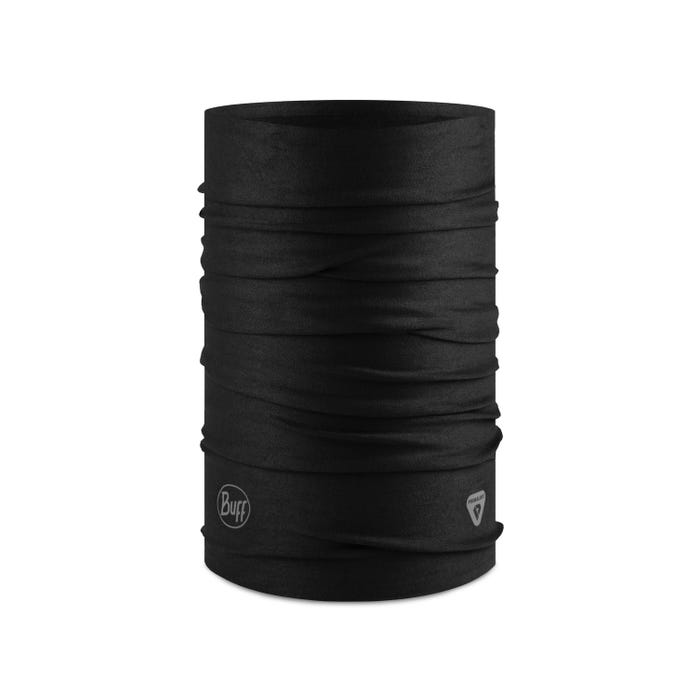
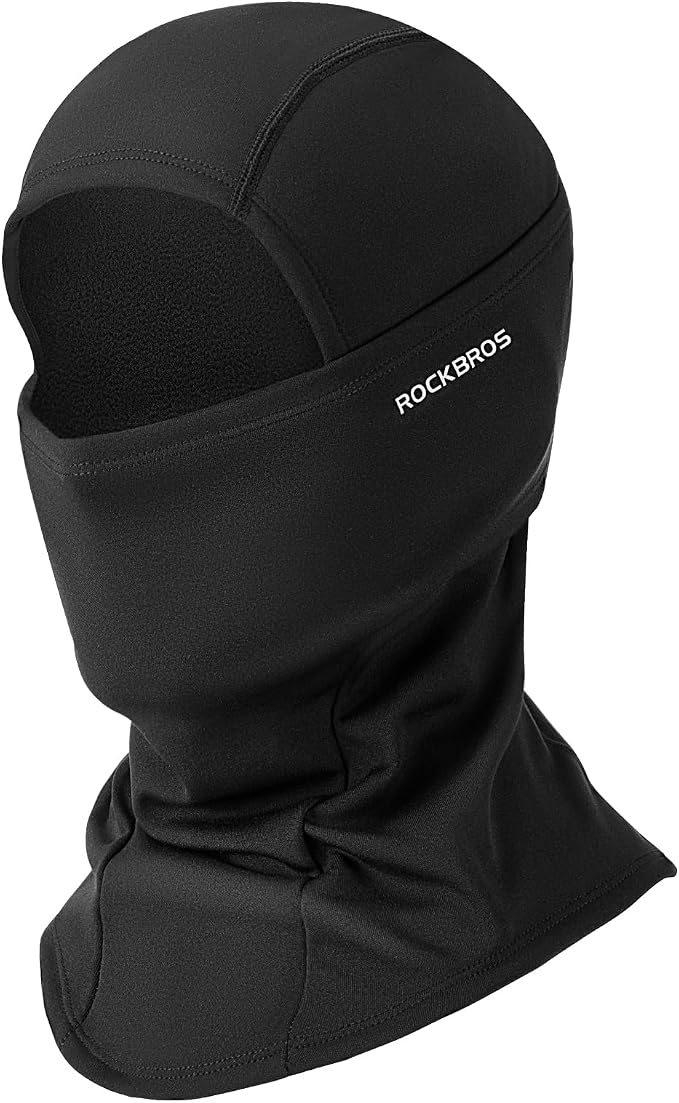
You lose a lot of heat through your head and neck, and on ridges the wind on your face is what wears you down most. The Buff Thermonet(opens in a new tab) is tubular, thermal and light, and works as a hat, neck gaiter or ear band as needed. If you expect frost and strong wind, the ROCKBROS thermal windproof balaclava(opens in a new tab) covers head, ears, cheeks and neck; it is designed for cycling and motorbiking, but works just as well for trail in wind and frost. More options in the neck gaiter and buff guide.
Sun protection on snow: glasses and stick
In high mountains with snow, the sun reaches you twice: direct and reflected. Your face burns from below and your eyes get irritated even when it’s cold. The Julbo Aerospeed(opens in a new tab) have photochromic lenses (category 1 to 3) that adapt to the light change between forest, snow and fog. For your skin, the Heliocare 360º Sport Stick SPF 50+(opens in a new tab) goes on in seconds and can be reapplied at an aid station without sticky hands. Choose glasses and sunscreen in more detail in the sunglasses and sunscreen guides.
Mandatory mountain gear: the non-negotiables
With snow and altitude, mandatory emergency gear stops being paperwork. A fall or a wait on a windy ridge can lead to hypothermia within minutes. The minimum that almost every high-mountain rulebook asks for:
- Thermal blanket: the Lifesystems Thermal Blanket(opens in a new tab) retains body heat if you stop injured.
- Whistle: the Fox 40 Classic(opens in a new tab) works just the same wet, muddy or below zero.
- First aid kit: the Tatonka First Aid Basic(opens in a new tab) handles first aid without adding weight.
- Headlamp: the Petzl Actik Core(opens in a new tab) (600 lumens, rechargeable, with red mode) helps if night or fog catches you.
Always check your race’s list, because each organisation asks for different things. We detail it in the mandatory emergency gear guide and, for the headlamp, in the trail running headlamp guide.
Our recommendations by profile
- Best base layer for cold — Icebreaker Merino 200 Oasis. It keeps you warm even when damp and lasts several outings without smelling.
- Best outer shell — Gore Wear R7 Shakedry. The reference rain shell for mountain runners: 110 g and very breathable.
- Best gloves for snow — Gore Wear M GORE-TEX Thermo. Waterproof, windproof and lined for hard cold.
- Best grippy waterproof shoe — Salomon Speedcross 6 GTX. 5 mm lugs and GORE-TEX for winter, rain and snow.
- Best gaiters for snow — Salomon Trail Gaiters High. A barrier against snow, stones and mud from the ankle to mid-calf.
- If your first snow race is a short vertical: Montane Featherlite wind shell, Salomon Fast Wing gloves and Speedcross if the terrain is soft.
- If you’re heading to a high-mountain ultra: the full kit, with two pairs of gloves, poles and mandatory gear. Complete it with a mountain GPS watch with maps so you don’t get lost in fog.
5 common mistakes when preparing a snow race
- Dressing for the start, not the ridge. It’s cold on the start line, but at 2,000 m with wind the felt temperature drops much further. Carry the layer for the high section.
- One pair of gloves only. If they get soaked, dexterity is gone. Put a second dry pair in your vest.
- Running without gaiters in soft snow. Snow gets in at the ankle, melts and your foot gets wet even if the shoe has a membrane.
- Forgetting the glasses. Sun reflected off snow irritates your eyes and cuts visibility on descents.
- Trusting the valley forecast. The weather at the start isn’t the weather at the summit. Check the forecast by altitude, not for the town.
Frequently asked questions
What should I wear to run in snow?
Three layers: a merino or synthetic base layer that wicks sweat, a light warm layer if it’s very cold and an outer windproof or waterproof layer. Add gloves, a neck gaiter or hat and gaiters. The key is being able to take layers off and put them on without stopping for long.
Do I need shoes with a membrane to run in snow?
Not essential, but they help if the snow is wet or melting. In dry cold and powder snow, a breathable shoe with deep lugs can be more comfortable. A membrane retains more heat and keeps your foot dry, at the cost of breathing less.
Gaiters or not?
Yes in soft snow or heavy mud: they stop snow and stones getting in at the ankle. On hard snow or packed terrain they aren’t essential. There’s a comparison in the trail gaiters guide.
Which gloves are best for running in snow?
For snow and hard cold, waterproof gloves with a thermal lining (the Gore Wear Thermo). For cold with wind and lots of dexterity, winter gloves with a windproof layer (Salomon Fast Wing). And always carry a spare dry pair on long races.
Are poles necessary in snow?
On long climbs and icy descents they give stability and share the effort. Choose folding ones so you can stow them in your vest when you don’t use them. Comparison in the trail running poles guide.
What’s the difference between a short-race kit and an ultra kit?
The base clothing is the same; in an ultra the safety margin goes up: a second warm layer, a second pair of gloves, a headlamp, poles and the complete mandatory gear. A short race asks for less, but you can’t skip the wind shell or the gloves.
When should I start buying winter kit?
Before the first cold race arrives. Test gloves, layers and shoes in cold training runs rather than debuting them on race day. If you’re looking for gift ideas, see the trail runner gift guide.
Final verdict: the kit that doesn’t fail
If you can only take five things to a snow race, make them a merino base layer, a light rain shell, waterproof lined gloves, grippy shoes and gaiters, plus the mandatory gear. That covers cold, water, wind, grip and snow inside the shoe. It’s the same principle as the Pack 360: one answer for each problem, with no duplicates and nothing forgotten.
Looking for the kit for another situation? See the skyrunning shoes guide, the socks guide and the trail running tights guide.
Other guides you might find useful
Races where you'll need this gear
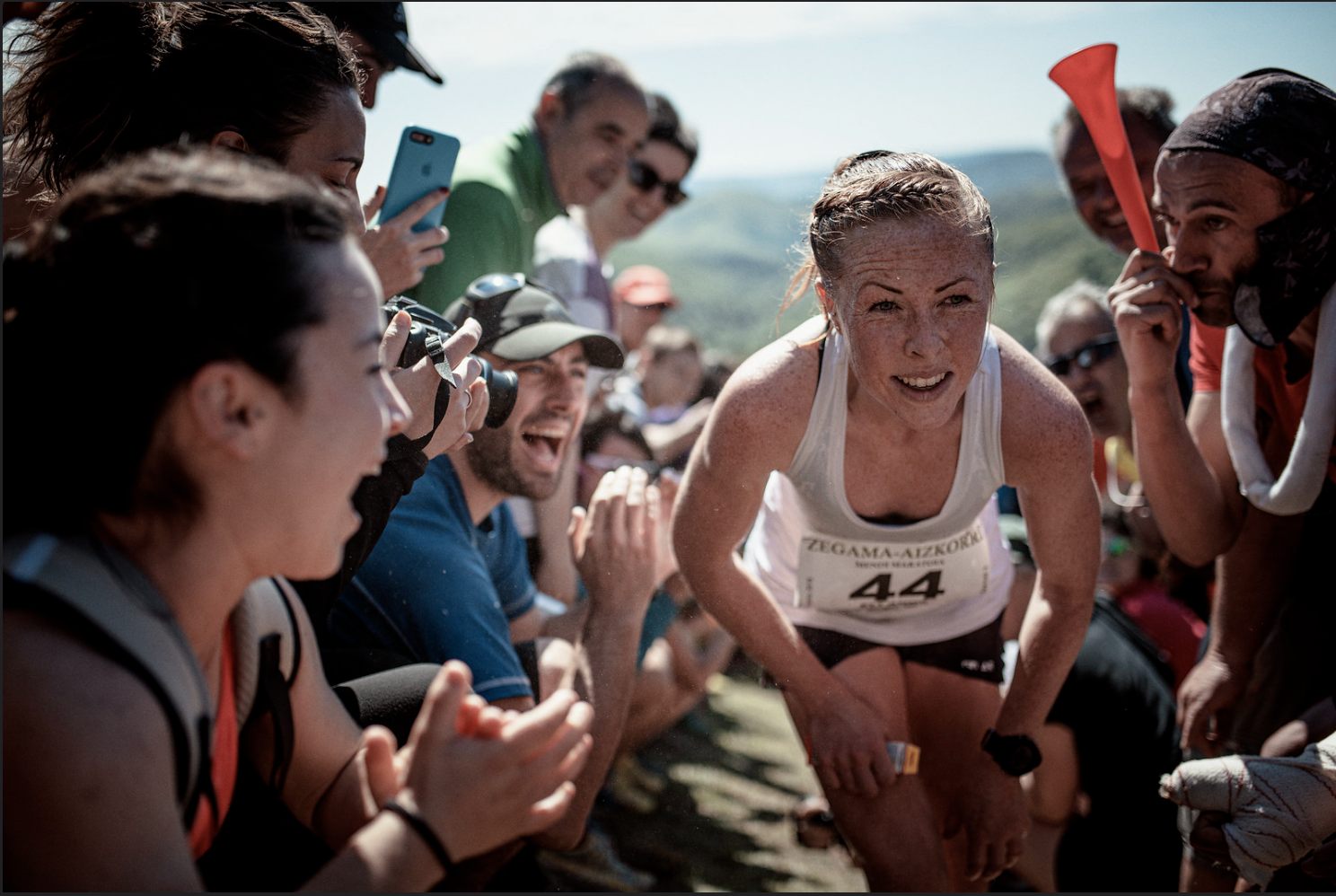
Zegama-Aizkorri
42K and VK through the Aizkorri range — the most legendary skyrunning race in Spain
Read more →
Ultra Sierra Nevada
100K, 42K and 21K across the rooftop of the Iberian Peninsula
Read more →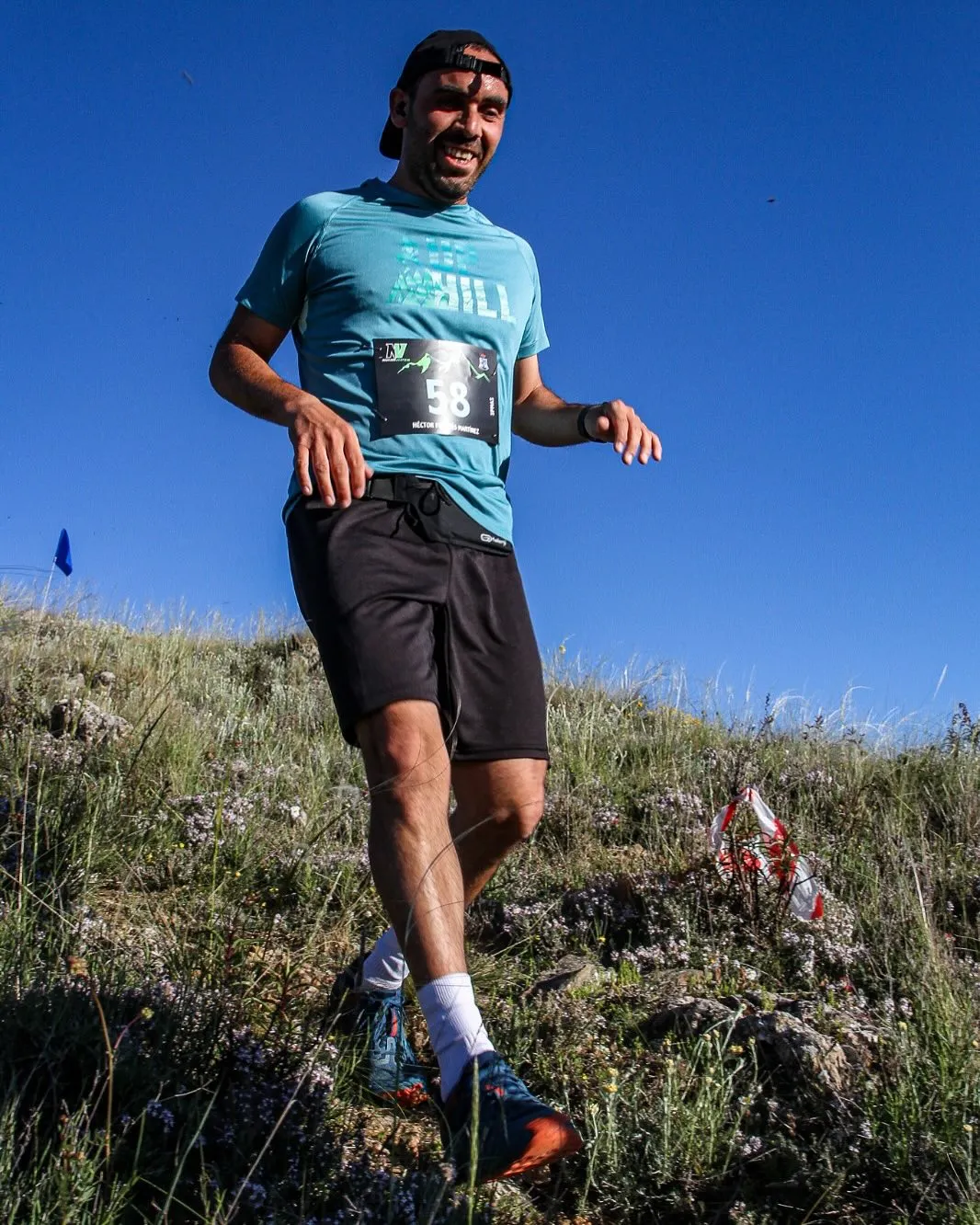
Neveros Vertical
Neveros Vertical — 5K with 1,000m D+ on Moncayo, Soria
Read more →
Gran Trail de Peñalara
The full loop around the Sierra de Guadarrama: 104 km and 5,100 m D+ from Navacerrada
Read more →
Ultra Trail Torla-Ordesa
From 2.9K to 50K in Ordesa National Park: trail running at the foot of Monte Perdido
Read more →
Gran Trail Trangoworld Aneto-Posets
From 5K to 105K between the Pyrenean rooftops: Aneto and Posets from the Benasque Valley
Read more →