Best Sunscreen for Runners 2026: 7 Sweat-Proof SPF 50 Picks
 (se abre en una pestaña nueva)
 (se abre en una pestaña nueva)
 (se abre en una pestaña nueva)
 (se abre en una pestaña nueva)
How we choose
We compare every model on verified technical specs (weight, materials, price), user reviews and our own experience running and testing gear in races from 21K to 100K+. We update this guide when prices change or new models launch. Some links are affiliate links: if you buy through them, TrailRunTemple earns a commission at no extra cost to you and with no influence on the selection.
Our picks by use case
- #1Best Overall: ISDIN ISDIN Fotoprotector Fusion Water SPF 50+View on Amazon →(se abre en una pestaña nueva)
- #2Best for High Altitude: Piz Buin Piz Buin Mountain SPF 50+View on Amazon →(se abre en una pestaña nueva)
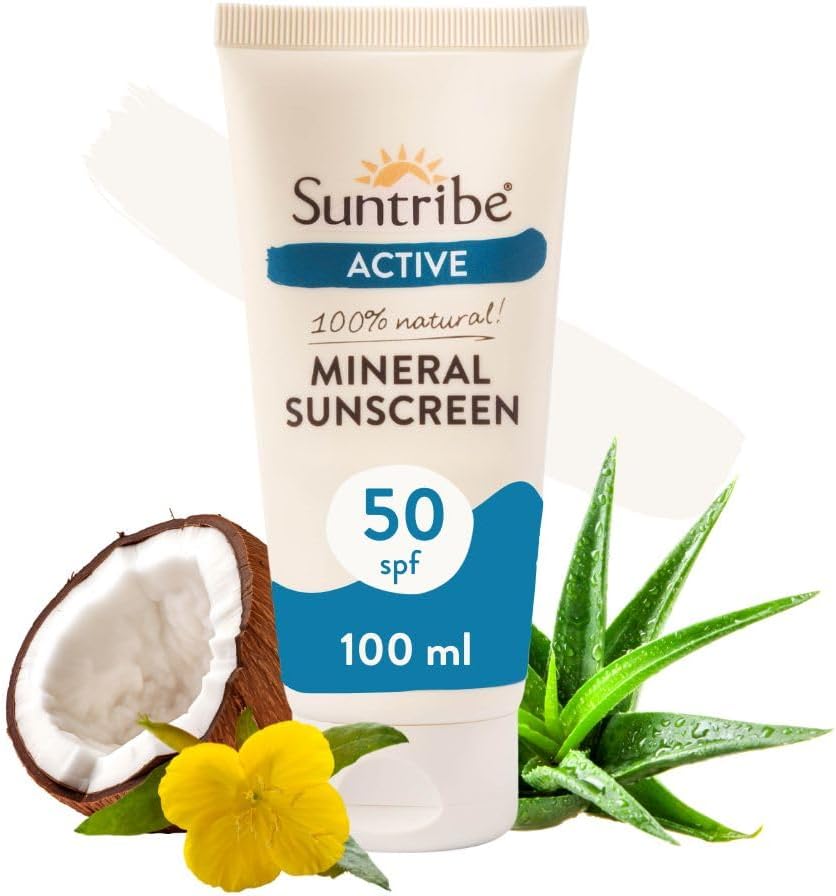
- #3Best Mineral: Suntribe Suntribe Crema Solar Natural Mineral Deporte SPF 50View on Amazon →(se abre en una pestaña nueva)
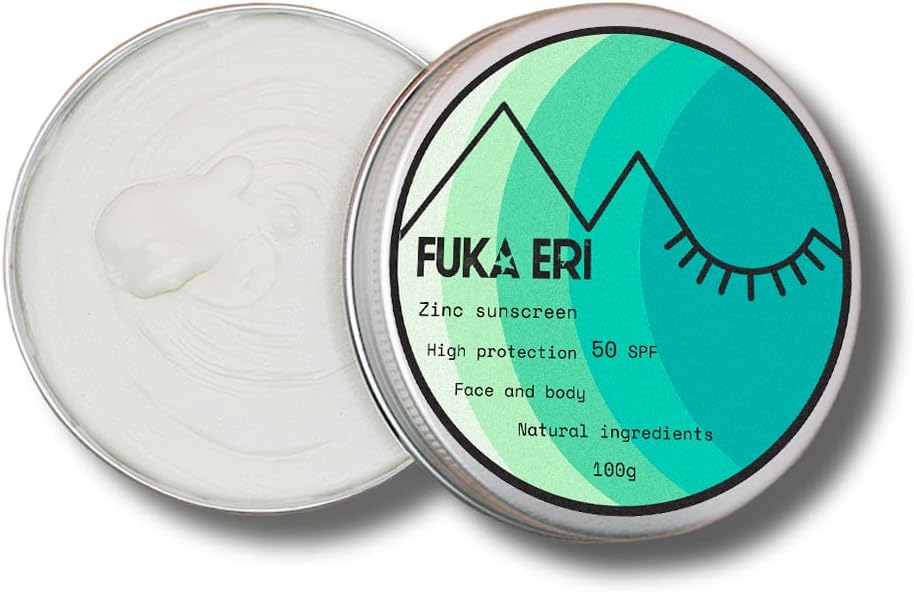
- #4Best Value Mineral: FUKA ERI FUKA ERI Protector Solar Mineral con Zinc SPF 50View on Amazon →(se abre en una pestaña nueva)
- #5Best Stick Format: Cantabria Labs Heliocare 360º Sport Transparent Stick SPF 50+View on Amazon →(se abre en una pestaña nueva)
- #6Lightest, Cheapest Stick: d'Alba d'Alba Air Fit Fresh Stick SPF 50+ PA++++View on Amazon →(se abre en una pestaña nueva)
- #7Best Lip Protection: Sun Bum Sun Bum Sunscreen Lip Balm SPF 30View on Amazon →(se abre en una pestaña nueva)
All products in this guide
ISDIN
ISDIN Fotoprotector Fusion Water SPF 50+
Ultralight water-phase facial sunscreen with SPF 50+. Fluid texture that absorbs instantly with no greasy residue, ideal for applying during a race. Water and sweat resistant.
Piz Buin
Piz Buin Mountain SPF 50+
Mountain sunscreen with SPF 50+ formulated for extreme altitude conditions. Extra protection against intensified UV radiation and cold wind. Rich texture that protects skin from dehydration.
Suntribe
Suntribe Crema Solar Natural Mineral Deporte SPF 50
Natural mineral sport sunscreen with SPF 50 designed for sports. Eco-friendly, 100% natural and reef-safe. Non-nano mineral UV filters. Very water and sweat resistant. 100 ml format.
FUKA ERI
FUKA ERI Protector Solar Mineral con Zinc SPF 50
Mineral zinc sunscreen with non-nano SPF 50. 100% natural ingredients, vegan and waterproof. Suitable for face and body. Plastic-free packaging, easy to spread. 100 g format.

Cantabria Labs
Heliocare 360º Sport Transparent Stick SPF 50+
Transparent SPF 50+ sun stick, 25 g, with 360º protection (UVA, UVB, visible light and infrared). Goes on dry in seconds over face, ears, neck and bald scalp with no sticky hands and no white cast: the format built for reapplying at an aid station. High water and sweat resistance, from a Spanish pharmacy brand.

d'Alba
d'Alba Air Fit Fresh Stick SPF 50+ PA++++
Facial SPF 50+ PA++++ sun stick, 19 g, Korean skincare, vegan and fragrance-free. Dry, powdery finish, not sticky, doesn't sting the eyes when you sweat: comfortable for daily training and shorter races. The lightest and cheapest option in the comparison.

Sun Bum
Sun Bum Sunscreen Lip Balm SPF 30
Lip balm with SPF 30 sun protection in stick format. Moisturises and protects lips from sunburn, a spot many runners forget. Coconut flavour, paraben-free.
Sunscreen is the piece of gear people think about least and pay for most dearly when it fails: a burn on your shoulders at hour 3 of an ultra won’t pull you out of the race, but it’ll make the rest of it a lot longer. Unlike shoes or a watch, the mistake here isn’t “buying the wrong one” — it’s “not reapplying it” — and that comes down to choosing a format you’ll actually want to use again at an aid station with sweaty hands. This comparison breaks down the 7 best sun protection products for trail running: four creams for body and face, two transparent sticks you can reapply in seconds without stopping, plus one specifically for lips, the spot almost everyone forgets.
Comparison table
| Product | SPF | Type | Format | Resistance | Buy |
|---|---|---|---|---|---|
| ISDIN Fusion Water | 50+ | Chemical, water-phase | 50 ml | Sweat & water | Amazon → |
| Piz Buin Mountain | 50+ | Chemical, mountain | 20 ml compact | Sweat, water, cold | Amazon → |
| Suntribe Mineral Sport | 50 | Mineral, reef-safe | 100 ml | Very high sweat/water | Amazon → |
| FUKA ERI Zinc | 50 | Mineral, non-nano zinc | 100 g | High, waterproof | Amazon → |
| Heliocare 360º Sport Stick | 50+ | Chemical, transparent stick | 25 g stick | Sweat & water, very high | Amazon → |
| d’Alba Air Fit Fresh Stick | 50+ PA++++ | Chemical, powdery stick | 19 g stick | Sweat resistant | Amazon → |
| Sun Bum Lip Balm | 30 | Lip stick | Sweat resistant | Amazon → |
All available on Amazon with fast shipping. Links take you to the current live price.
How to choose sun protection for trail running: 5 deciding factors
1. Minimum SPF: 50
At sea level, SPF 30 might be enough for a short run. Not in the mountains: UV radiation increases by 10-12% for every 1,000 meters of altitude, and snow, water, and bright rock reflect part of that radiation back onto your skin. For trail running, SPF 50 is the reasonable minimum, especially for races with sections above 2,000 m.
2. Sweat and water resistance
A sunscreen that can’t handle sweat washes off within the first hour of racing — exactly when you need it most. Always look for an explicit “sweat resistant” or “water resistant” label on the packaging. That’s not the same as the “water resistant” claim on a beach sunscreen, which is built for immersion, not for hours of constant sweat over a six-hour effort.
3. Texture and ease of reapplication
This is what actually decides whether you’ll reapply or not. A thick cream that takes ages to absorb is a cream you won’t bother putting back on at an aid station where you only stop for 90 seconds. Fluid textures or sticks win here by a mile: they go on in five seconds with dirty hands and no need to stop.
4. Mineral (physical) vs chemical
Mineral filters (zinc, titanium) sit on top of the skin as a physical barrier: they don’t irritate, they’re suitable for sensitive skin, and many are safe for protected natural areas — relevant because a good chunk of trail races run through nature reserves with restrictions on chemical products near watercourses. The downside is a visible white residue. Chemical filters absorb into the skin and are invisible, but some compounds (oxybenzone, octinoxate) are banned in certain natural areas and marine reserves due to their environmental impact. If your race passes through a national park or reserve, check local regulations before heading out.
5. Don’t forget your lips
It’s the spot 90% of runners ignore, and the first one to burn and crack after hours of wind and sun. A dedicated SPF lip balm fits in any pocket — there’s no excuse not to carry one.
Individual breakdown of the 7 picks
1. ISDIN Fusion Water — Best Overall
The ISDIN Fotoprotector Fusion Water SPF 50+ is the reference choice for anyone who wants serious protection without feeling it on their skin. Its water-phase texture absorbs instantly and skips that typical greasy feel that makes you want to wipe it off mid-race. With a 4.7 rating, it’s the highest-rated product in this comparison.
Best for: races of any distance where you want to apply it and forget about it, especially if you’ll be wearing sunglasses or a headlamp in contact with your skin — the ultralight texture doesn’t get in the way. The 50 ml format runs a little short for a very long ultra with multiple reapplications; pair it with the compact-format Piz Buin for aid-station top-ups.
View ISDIN Fusion Water on Amazon →2. Piz Buin Mountain — Best for High Altitude
The Piz Buin Mountain SPF 50+ is the only product on this list specifically formulated for altitude conditions: intensified radiation, cold wind, and skin dehydration. Its texture is richer than the ISDIN’s, taking a bit longer to absorb but holding up better in extreme cold and altitude.
Best for: high-mountain races with sections above 2,500-3,000 m, where wind and cold dry out the skin while the sun hits harder. The 20 ml compact format is perfect for a vest pocket without adding weight.
View Piz Buin Mountain on Amazon →3. Suntribe Mineral Sport — Best Mineral
The Suntribe Natural Mineral Sport Sunscreen SPF 50 is the pick for runners who prioritize mineral filters and environmental footprint over texture. It’s eco-friendly, reef-safe, and built with non-nano UV filters specifically for intense sport, with very high resistance to water and sweat. Its 100 ml format is the most generous in this comparison.
Best for: runners with sensitive skin or chemical-filter allergies, and for races through protected natural areas or coastal zones where a reef-safe filter is a responsible choice, not just a marketing label. It leaves a visible white sheen when applied — if that bothers you for everyday use, save it for race day rather than daily wear.
View Suntribe on Amazon →4. FUKA ERI Zinc — Best Value Mineral
The FUKA ERI Mineral Zinc Sunscreen SPF 50 targets the same audience as the Suntribe — mineral filters, 100% natural ingredients, vegan, and plastic-free packaging — but costs about three euros less and comes in the same generous 100 g format, suitable for both face and body.
Best for: runners who want the Suntribe’s mineral/natural philosophy but need to stretch their budget without giving up non-nano zinc protection. Its texture is a bit thicker, so it takes slightly more effort to spread, but the protection level is equivalent.
View FUKA ERI Zinc on Amazon →5. Heliocare 360º Sport Stick — Best Stick Format
The Heliocare 360º Sport Transparent Stick SPF 50+ solves the real-world problem the creams don’t: reapplying mid-race. You twist it up and swipe it across your face, ears, neck and bald spot in five seconds, with dirty hands, without stopping — and because it’s transparent it goes over sweaty skin with no white cast. The “360º” means it also filters visible light and infrared, not just UV, and it holds up to water and sweat as well as any pharmacy sports cream.
Best for: anyone who admits they never reapply. Keep it in an easy-reach vest pocket and top up your face at every aid station. The 25 g stick covers face and neck comfortably but won’t stretch to arms and legs on a long ultra — pair it with a cream for the first full-body application.
View Heliocare 360º Sport Stick on Amazon →6. d’Alba Air Fit Fresh Stick — Lightest, Cheapest Stick
The d’Alba Air Fit Fresh Stick SPF 50+ PA++++ is the budget entry to the stick format: 19 g, vegan, fragrance-free, with a dry powdery finish that leaves no shine and doesn’t sting your eyes when it mixes with sweat. PA++++ is the highest UVA rating on the Asian scale.
Best for: daily training and shorter races where you want the convenience of a stick without the pharmacy price. It’s built as a skincare cosmetic rather than an extreme-sport sunscreen, so for a hot all-day ultra step up to the Heliocare.
View d’Alba Air Fit Fresh Stick on Amazon →7. Sun Bum Lip Balm — Best Lip Protection
The Sun Bum Sunscreen Lip Balm SPF 30 solves the one thing almost every gear list forgets: your lips. Stick format, coconut flavor, paraben and PABA-free — it moisturizes and protects at the same time.
Best for: keeping permanently in your vest or shorts pocket — no excuse on weight or space. Its SPF 30 falls short of the SPF 50 the rest of this list offers in extreme altitude, and it melts if left in direct sun in the car before a race — keep it in your pack, not the glovebox.
View Sun Bum Lip Balm on Amazon →Best sunscreen for your face
Your face takes the most direct, uninterrupted sun exposure of any body part during a race, and it’s also the one place where texture matters most — nobody wants a thick, greasy cream running into their eyes at hour 3. Two picks from this list solve it from opposite angles:
For full coverage that lasts the whole race: the ISDIN Fusion Water (our overall winner) is a water-phase formula built for the face — it absorbs in seconds, leaves zero white cast, and doesn’t sting when it mixes with sweat around your eyes. It’s the safest first choice if you only want to apply once and forget about it.
For reapplying on the move without touching your hands: the Heliocare 360º Sport Stick is the better tool. Twist, swipe across forehead, nose, ears and neck in five seconds, transparent, no mirror needed — ideal for topping up your face specifically at an aid station while the rest of your body relies on an earlier cream application.
View ISDIN Fusion Water on Amazon →Is there a truly waterproof sunscreen for running?
Strictly speaking, no sunscreen is “waterproof” — regulators only allow brands to claim “water resistant,” meaning it holds up to a set amount of sweat or water exposure before you need to reapply. For a sweaty long run, the two most resistant options in this comparison are the Suntribe Mineral Sport (rated “very high” sweat/water resistance, mineral filter) and the Heliocare 360º Sport Stick (chemical, also rated for water and sweat). If you’re chasing the closest thing to waterproof for a multi-hour effort, mineral filters like Suntribe’s tend to hold up slightly longer because they sit as a physical layer rather than absorbing in.
Head-to-head: ISDIN Fusion Water vs Suntribe Mineral Sport
The two opposing philosophies in this comparison, side by side:
ISDIN wins on texture and absorption. Its water-phase formula feels invisible from the first second. Suntribe, being mineral, leaves a noticeable white sheen.
Suntribe wins on philosophy and format. Reef-safe, free of questionable chemical filters, and at 100 ml versus the ISDIN’s 50 ml — it lasts longer across multiple races or one ultra with several reapplications.
ISDIN wins on rating and brand trust. At 4.7 versus Suntribe’s 4.1, and it’s a reference dermatological brand in Spain with strong pharmacy presence.
Suntribe wins for sensitive skin. If chemical filters irritate you, or you want to avoid oxybenzone/octinoxate near watercourses in protected natural areas, the mineral filter is the clear choice.
Head-to-head verdict: if you race through protected natural areas, get irritated by chemical filters, or prioritize environmental impact, go with Suntribe Mineral Sport. If you want the most comfortable texture and a trusted pharmacy-grade product, go with ISDIN Fusion Water.
5 common sunscreen mistakes in trail running
-
Not reapplying during long races. Sunscreen degrades with sweat and clothing friction. On ultras over 4-5 hours, reapply at every meaningful aid station, not just at the start.
-
Applying only to your face and forgetting neck, ears, and lips. These are the areas that burn the most because they get direct sun for hours and almost nobody covers them.
-
Assuming a cloudy day doesn’t need protection. Up to 80% of UV radiation passes through clouds. The cooler feel is deceptive — it doesn’t burn as hot, but the radiation is still there.
-
Carrying the wrong format for the distance. A 100 ml bottle makes sense for a full-day ultra; for a short 2-hour race, a stick or compact format weighs less and takes up less pocket space.
-
Not testing it before race day. Some chemical filters sting when they mix with sweat in your eyes. Test it on a long training run before trusting it on race day.
FAQ
What SPF do I need for trail running?
SPF 50 at minimum for mountain races, especially above 1,500-2,000 m. UV radiation increases with altitude, and snow or bright rock reflects part of it back onto your skin.
Mineral or chemical sunscreen for running?
It depends on your skin and where you’re racing. Go mineral (zinc, titanium) if you have sensitive skin or you’re crossing protected natural areas with chemical-filter restrictions. Go chemical if you prioritize an invisible, fast-absorbing texture and your skin tolerates it well.
How often should I reapply sunscreen during a long race?
As a general rule, every 2 hours or after heavy sweating or crossing water. On a 10+ hour ultra, reapply at every major aid station.
Do I need sunscreen for races that start at night or before dawn?
If the race lasts several hours and you’ll be running in daylight at some point, yes — apply it before sunrise so it’s already active when you need it, not once you already feel the burn.
Why does sunscreen sting when it mixes with sweat in your eyes?
It’s common with certain chemical filters. If this happens to you, try a mineral sunscreen like Suntribe or FUKA ERI, which tend to irritate the eyes much less when mixed with sweat.
Final verdict: our pick of the 7 picks
- If you want the best without overthinking it: ISDIN Fusion Water
- If you race a lot in high mountains: Piz Buin Mountain
- If you prioritize mineral filters and environmental footprint: Suntribe Mineral Sport
- If you want the same thing for less: FUKA ERI Zinc
- If you never reapply and want to fix that: Heliocare 360º Sport Stick — swipe it on your face in five seconds at every aid station
- If you want a stick for daily training on a budget: d’Alba Air Fit Fresh Stick
- So you don’t forget your lips: Sun Bum Lip Balm
Sun protection is the cheapest piece of gear in your whole kit, and the only one that, if it fails, leaves a mark for weeks. You don’t need the most expensive one — you need the one you’ll actually reapply at hour 4 with sweaty hands.
Cream doesn’t cover everything: pair it with a good head accessory and UV400 sunglasses. Check out our caps, visors and bandanas comparison to cover your scalp, neck and ears, and our trail running sunglasses comparison to protect your eyes without relying only on reapplying cream.
Other guides you might find useful
Races where you'll need this gear

Transgrancanaria
128K, 83K, 44K, and 30K crossing Gran Canaria from north to south
Read more →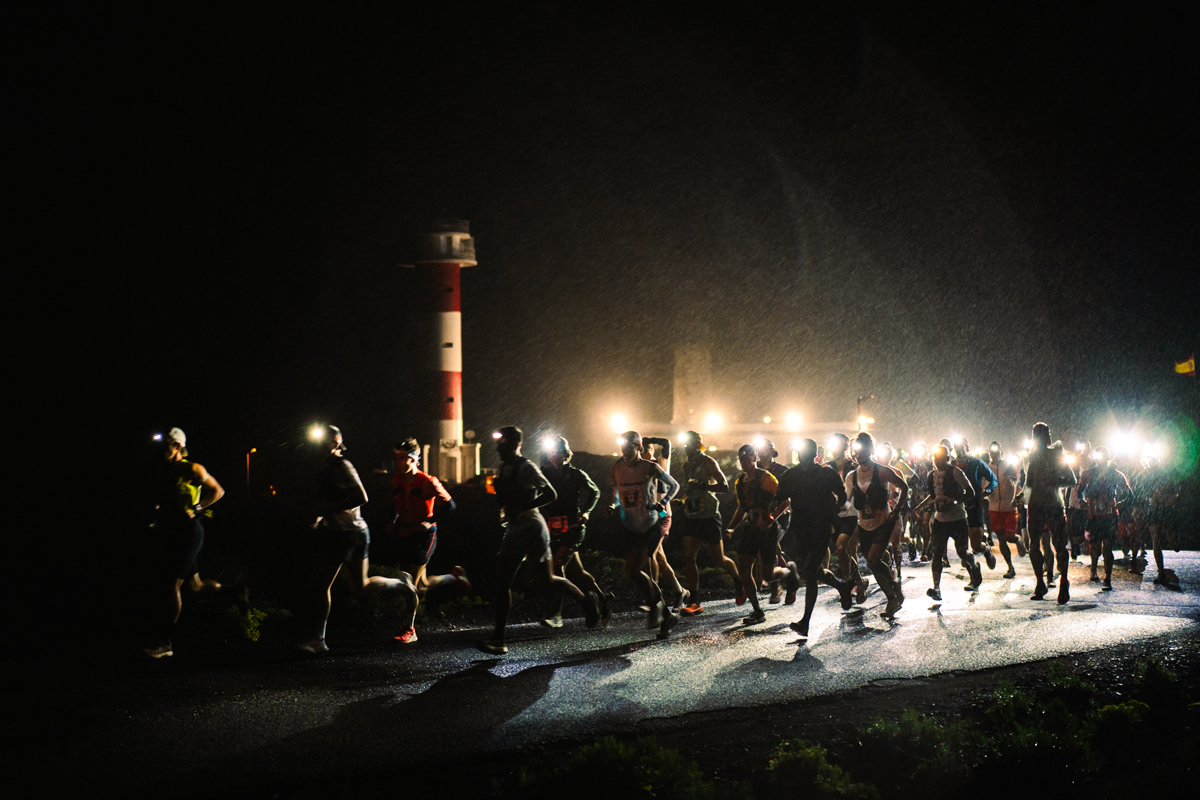
Transvulcania
73K, 43K, 25K, and VK crossing La Palma along the Ruta del Bastón
Read more →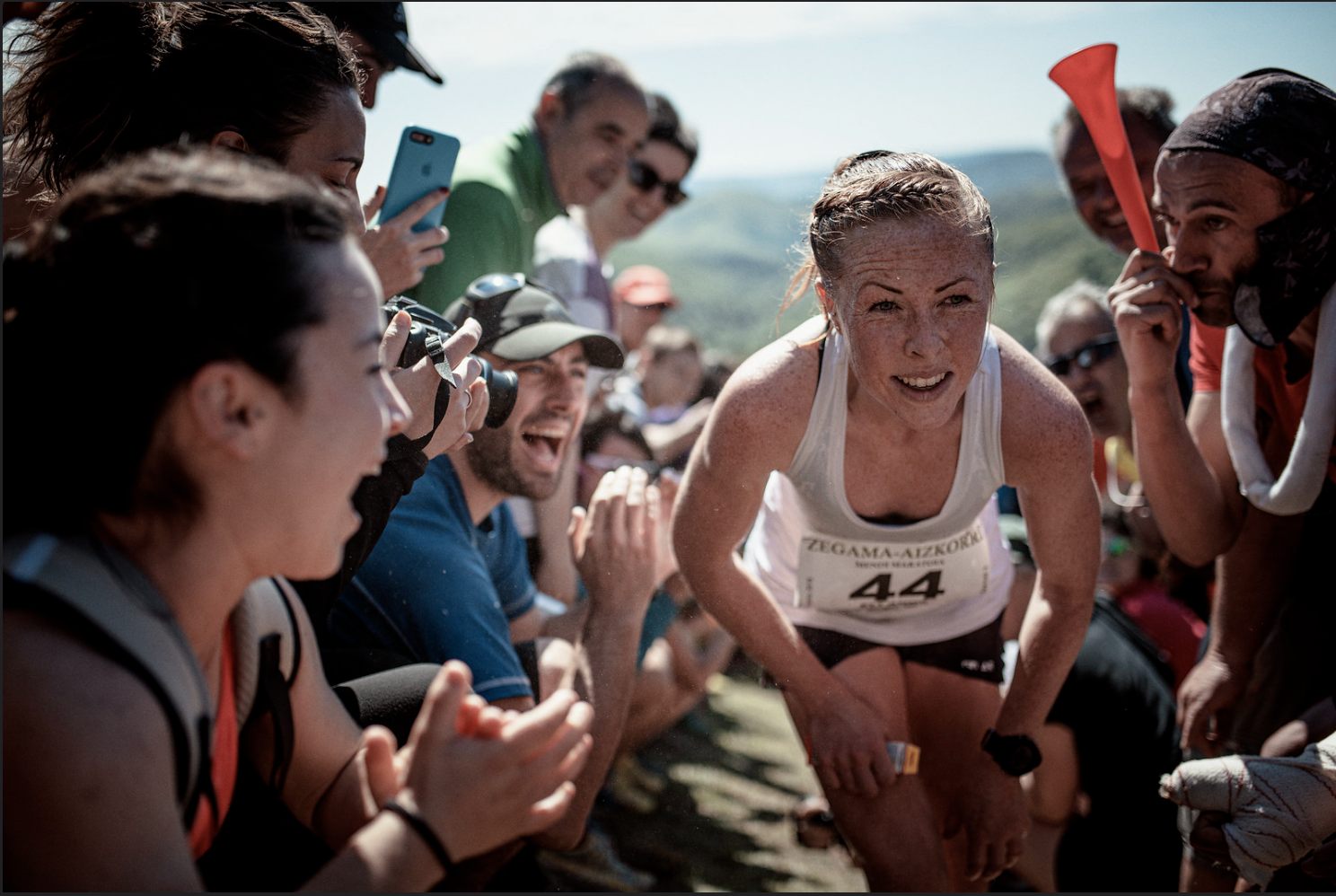
Zegama-Aizkorri
42K and VK through the Aizkorri range — the most legendary skyrunning race in Spain
Read more →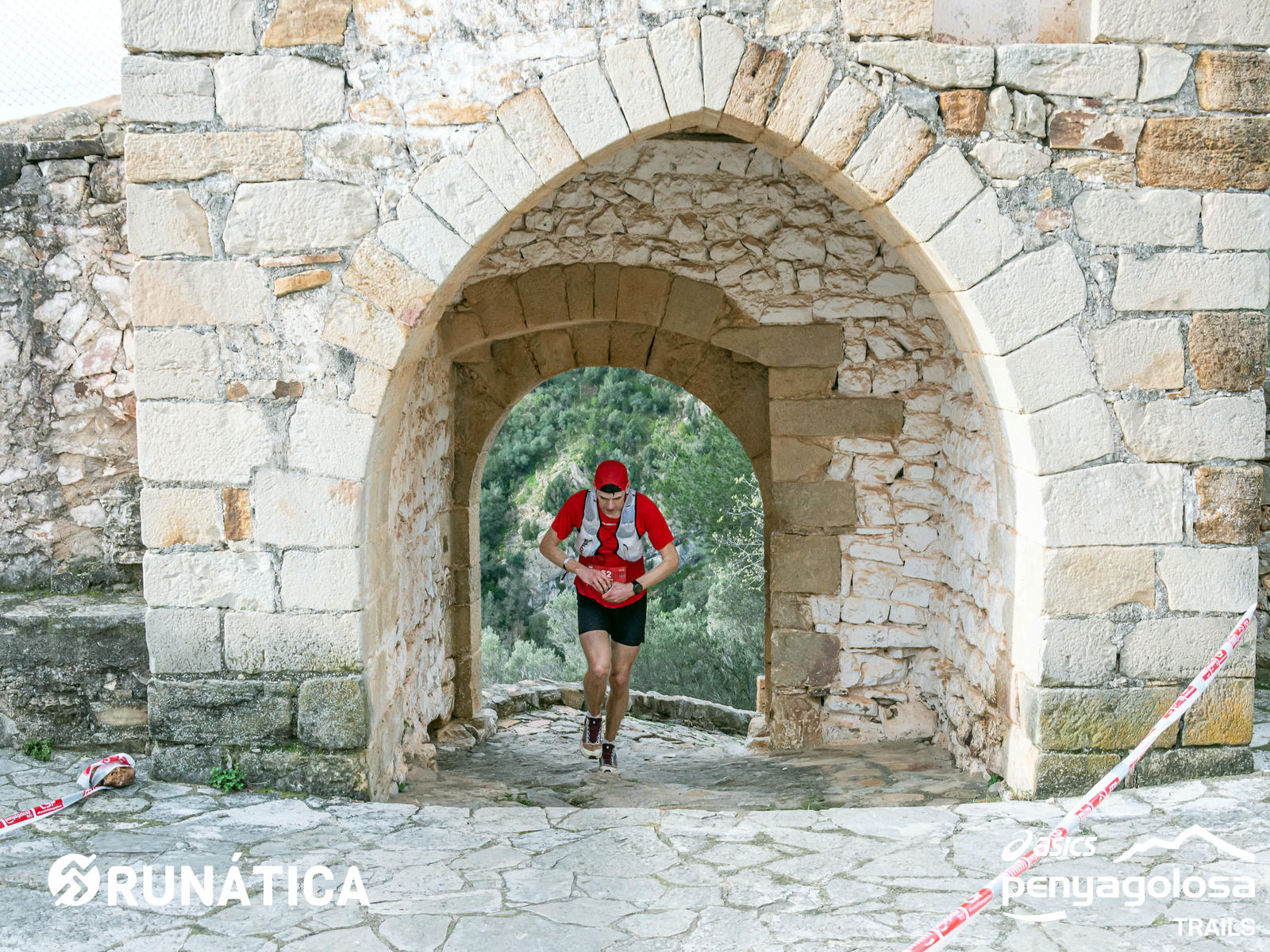
Penyagolosa Trails
106K and 60K from Castellón to the Penyagolosa summit via the GR-33
Read more →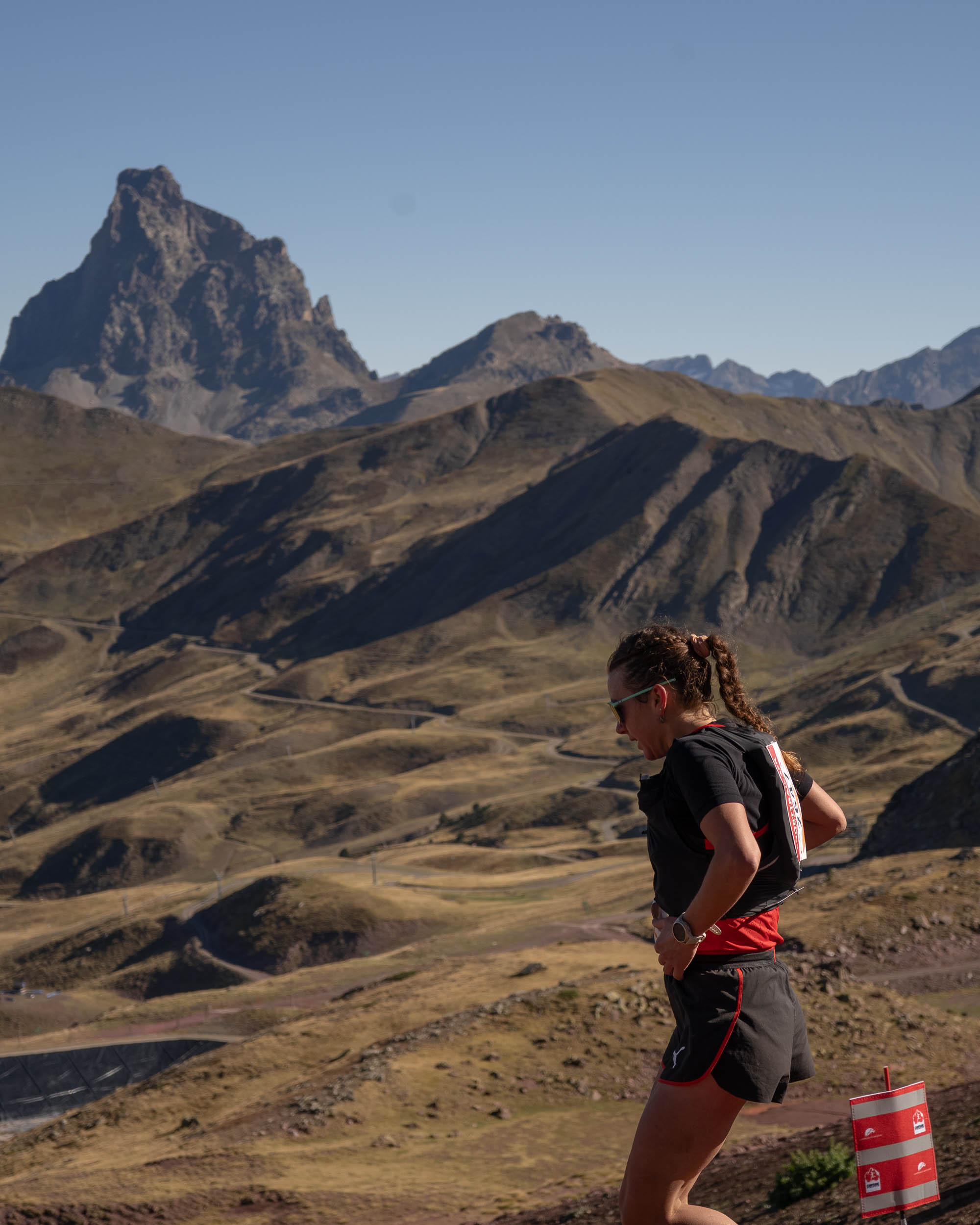
Canfranc-Canfranc
From 6K to 100K through the central Pyrenees from the iconic Canfranc International Station
Read more →