Best Mountain GPS Watches 2026: Comparison for Trail, Alpinism and Hiking
Our picks by use case
Affiliate links: if you buy through them we earn a commission at no extra cost to you. It does not affect the ranking.
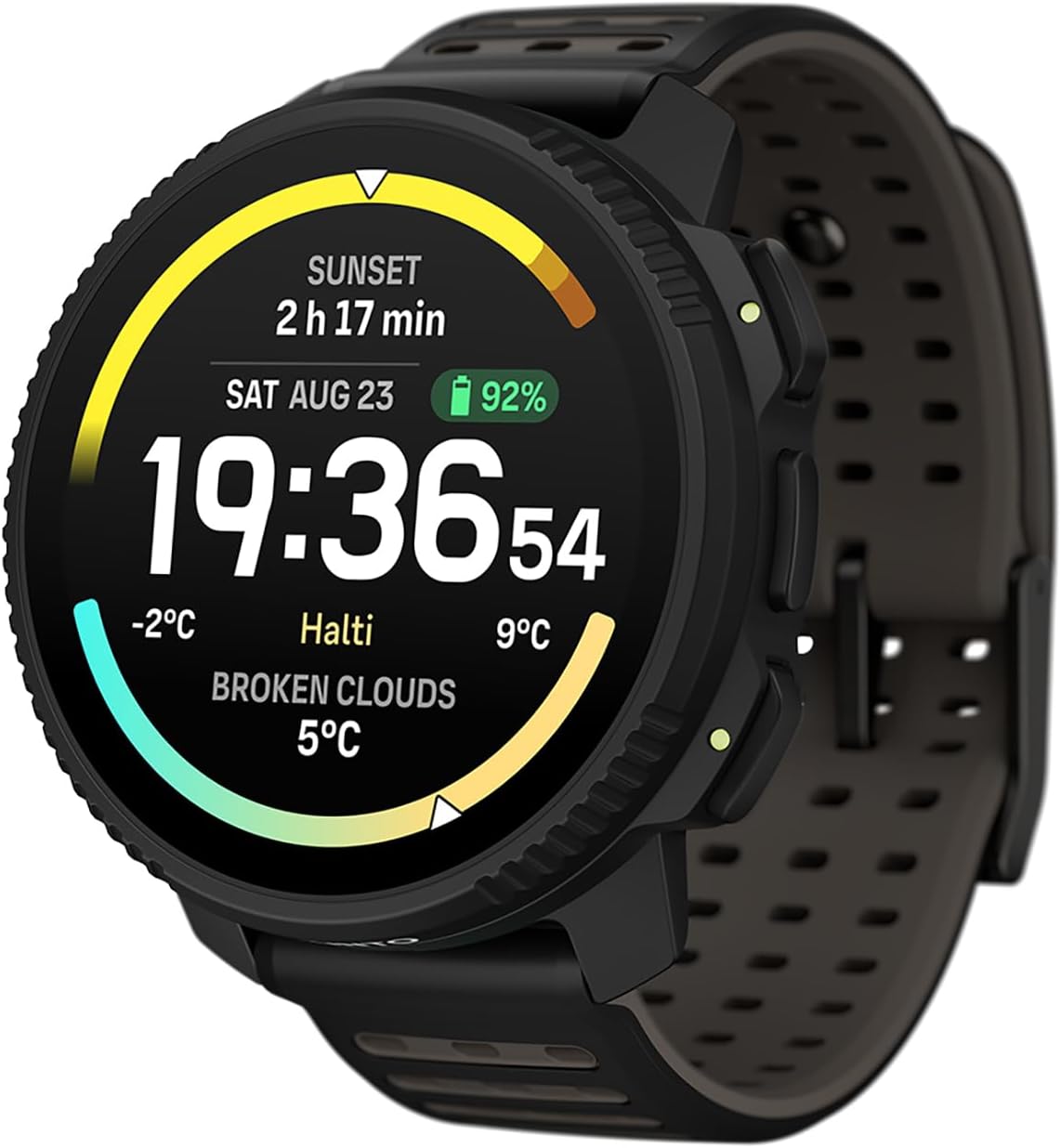 Our top pick#1 · Best Mountain WatchSuunto Suunto Vertical 2View on Amazon (se abre en una pestaña nueva)
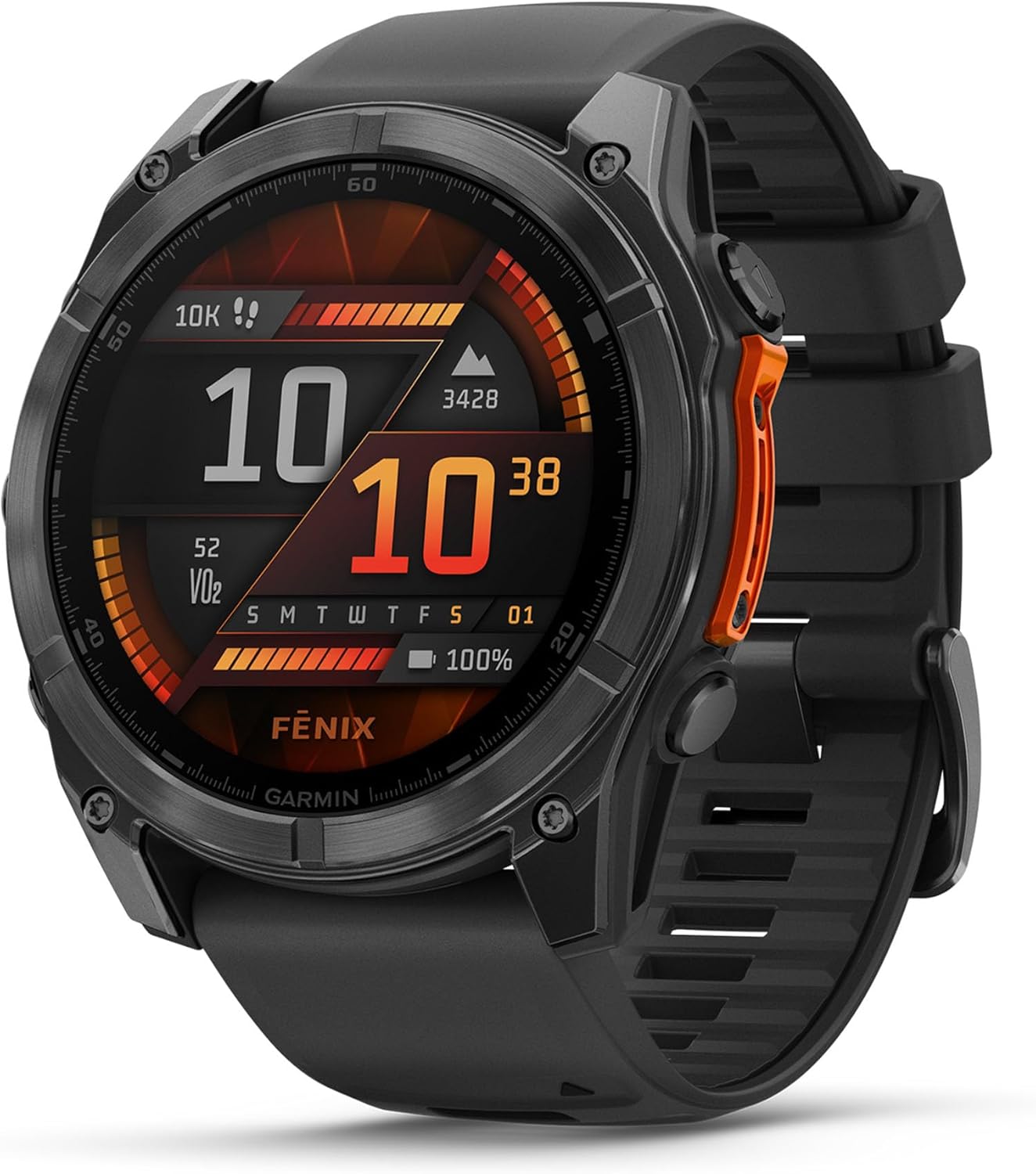 #2 · Best Premium GarminGarmin Garmin Fénix 8 AMOLED 47 mmView on Amazon (se abre en una pestaña nueva)
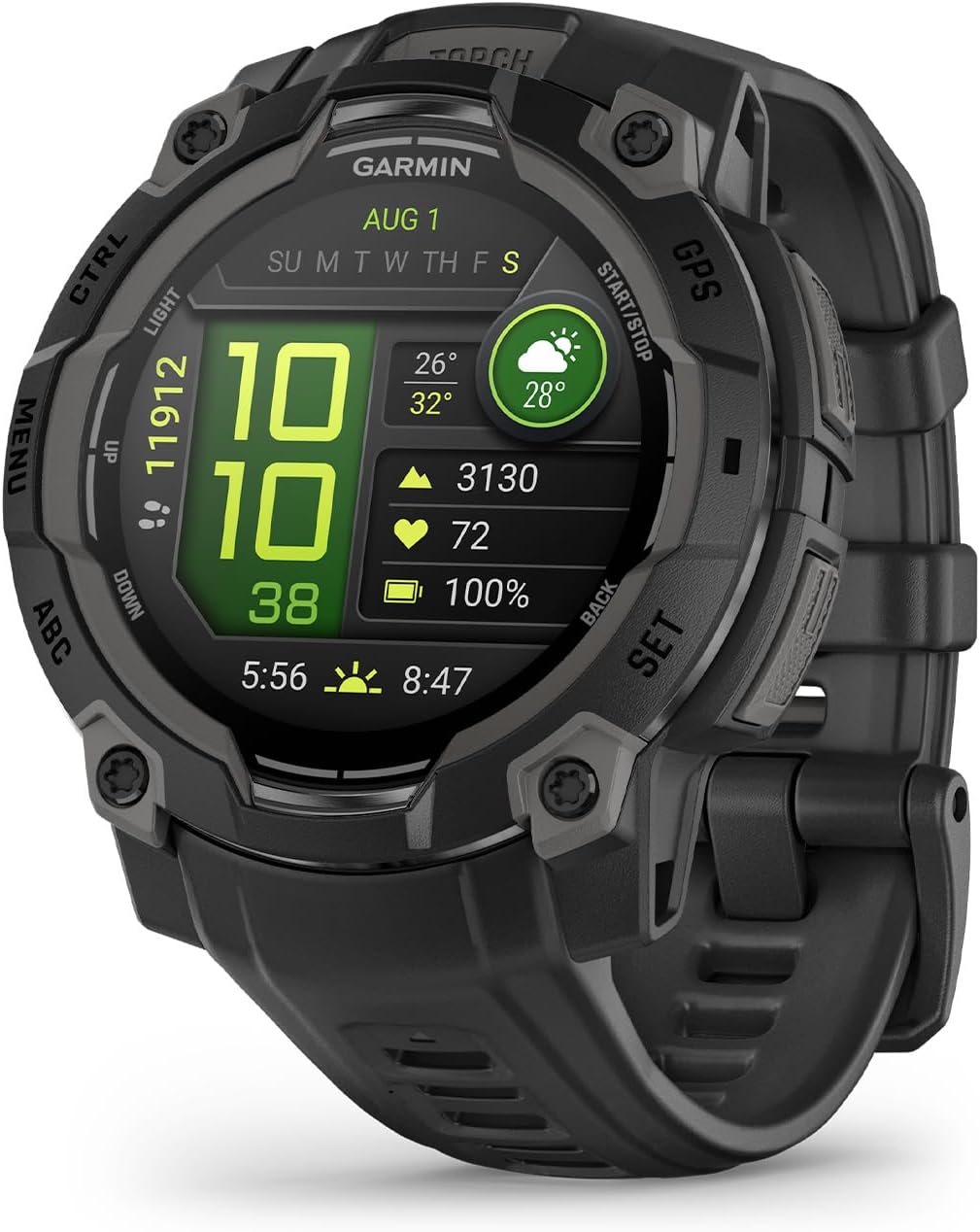 #3 · Best Value with MapsGarmin Garmin Instinct 3 AMOLED 45 mmView on Amazon (se abre en una pestaña nueva)
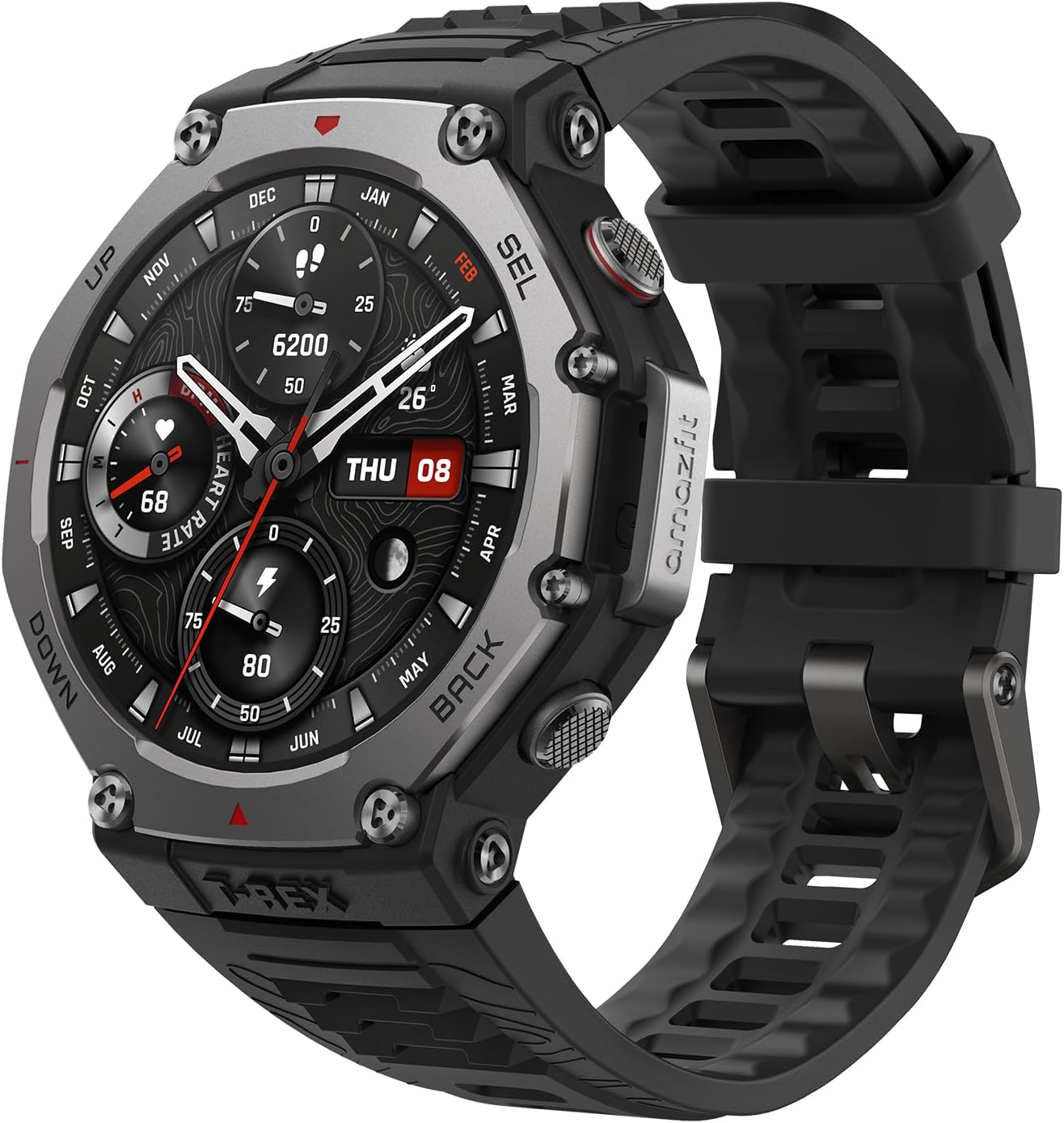 #4 · Best Budget Mountain WatchAmazfit Amazfit T-Rex 3View on Amazon (se abre en una pestaña nueva)
How we choose
We compare every model on verified technical specs (weight, materials, price), user reviews and our own experience running and testing gear in races from 21K to 100K+. We update this guide when prices change or new models launch. Some links are affiliate links: if you buy through them, TrailRunTemple earns a commission at no extra cost to you and with no influence on the selection.
All products in this guide
Suunto
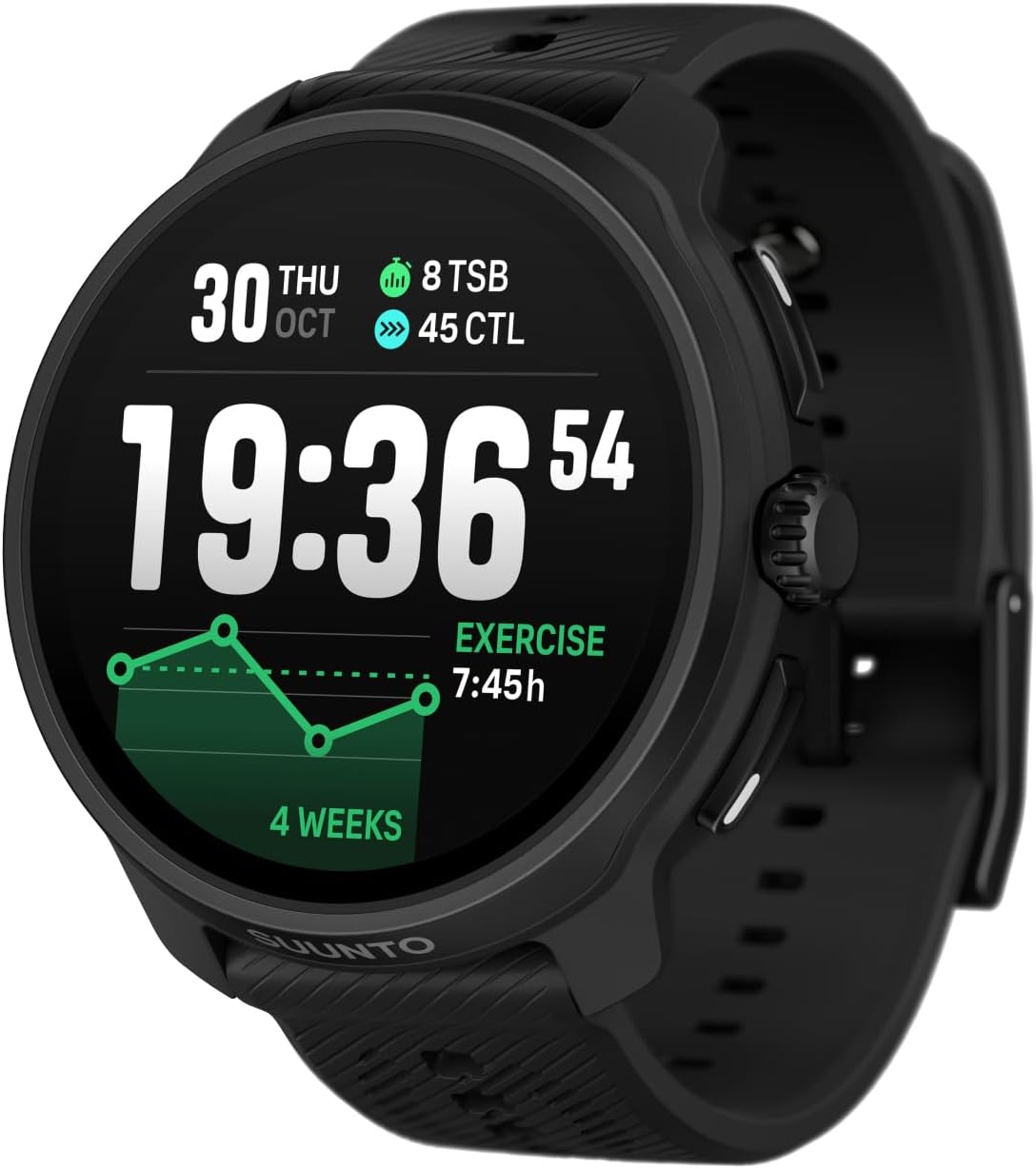
Suunto Vertical 2
Adventure watch with a 1.5" 2,000-nit AMOLED display, a bezel-integrated LED flashlight (white and red, with SOS mode) and free offline topo maps. Up to 65 h of dual-band GPS and 20 days of daily use. Built for long ultras, mountain traverses and night sections.
Garmin
Garmin Fénix 8 AMOLED 47 mm
Garmin's flagship multisport watch: AMOLED display, topo maps, multi-band GPS, LED flashlight, speaker and microphone. 47 h in GPS mode (35 h multi-band) and 16 days in smartwatch mode. Rugged case with sapphire glass for mountain ultras and multi-day adventures.
Garmin
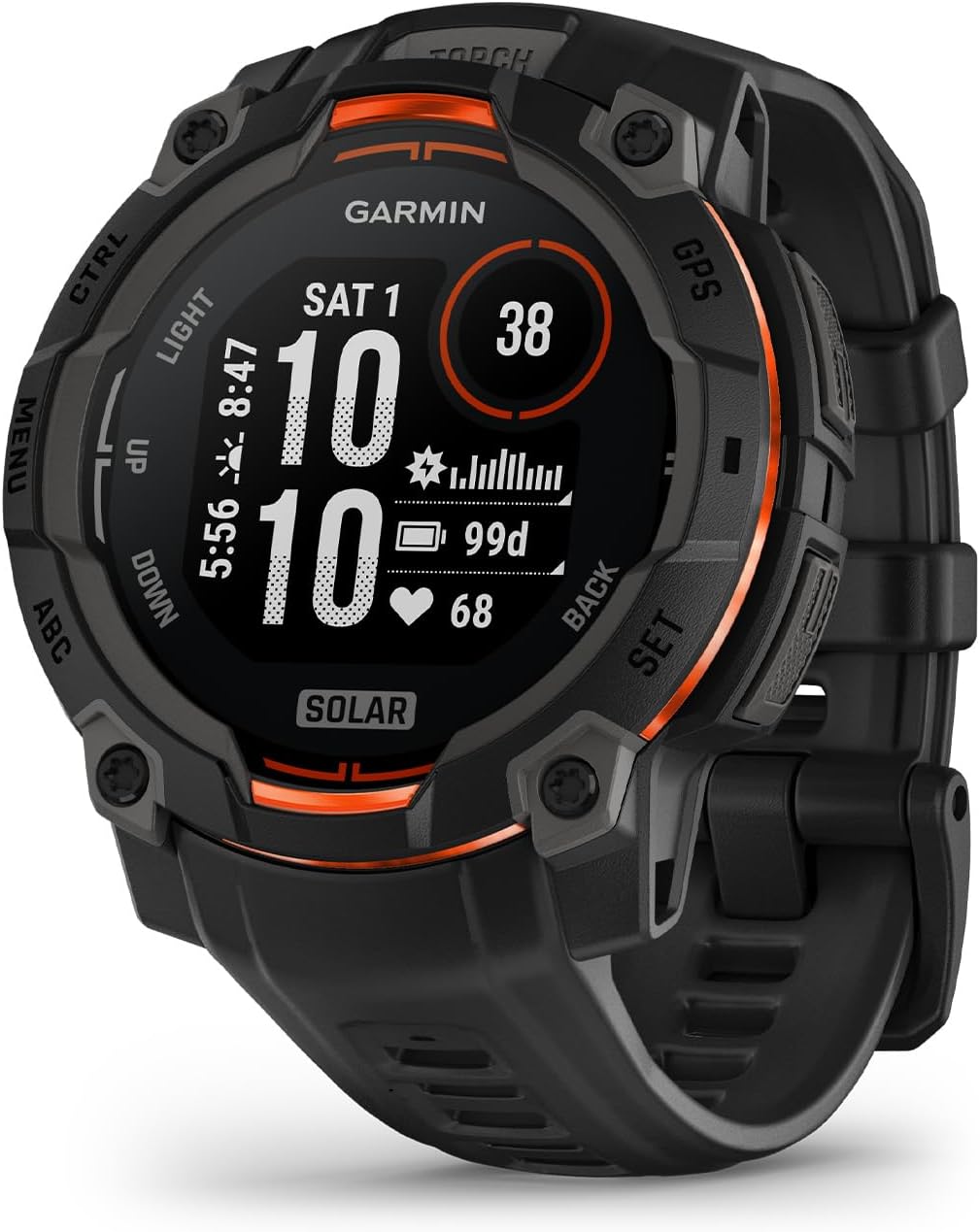
Garmin Instinct 3 AMOLED 45 mm
Rugged mountain watch (MIL-STD-810) with AMOLED display, multi-band GPS and onboard topo maps. 13 h in GPS mode with maps on (up to 30 h in standard GPS) and 8 days in smartwatch mode, at 53 g. The AMOLED version fills the gap left by the Instinct 3 Solar, which has no maps.
Amazfit
Amazfit T-Rex 3
Ultra-rugged outdoor watch with dual-band GPS, offline maps and a 2,000-nit AMOLED display, at a mid-range price. 42 h in maximum-accuracy mode and up to 27 days in daily use. Military standard, 100 m water resistance and onboard music. Garmin Instinct-style toughness for far less.
Quick answer: the best mountain GPS watch in 2026 is the Suunto Vertical 2. It has full-colour offline maps, 65 h of dual-band GPS, a 1.5” AMOLED display and a built-in LED flashlight with SOS mode. If you live in the Garmin ecosystem, the Fenix 8 is the top of the range. The Instinct 3 AMOLED is the most sensible option with maps for the money, and the Amazfit T-Rex 3 is the cheap mountain watch that is actually worth buying.
A mountain watch is not a running watch with a chunky strap. In the mountains what matters is not getting lost, not running out of battery and knowing what weather is coming. This guide compares the models that do those three things best, for trail running as well as alpinism and hiking.
Battery & specs comparison
Tap a column to sort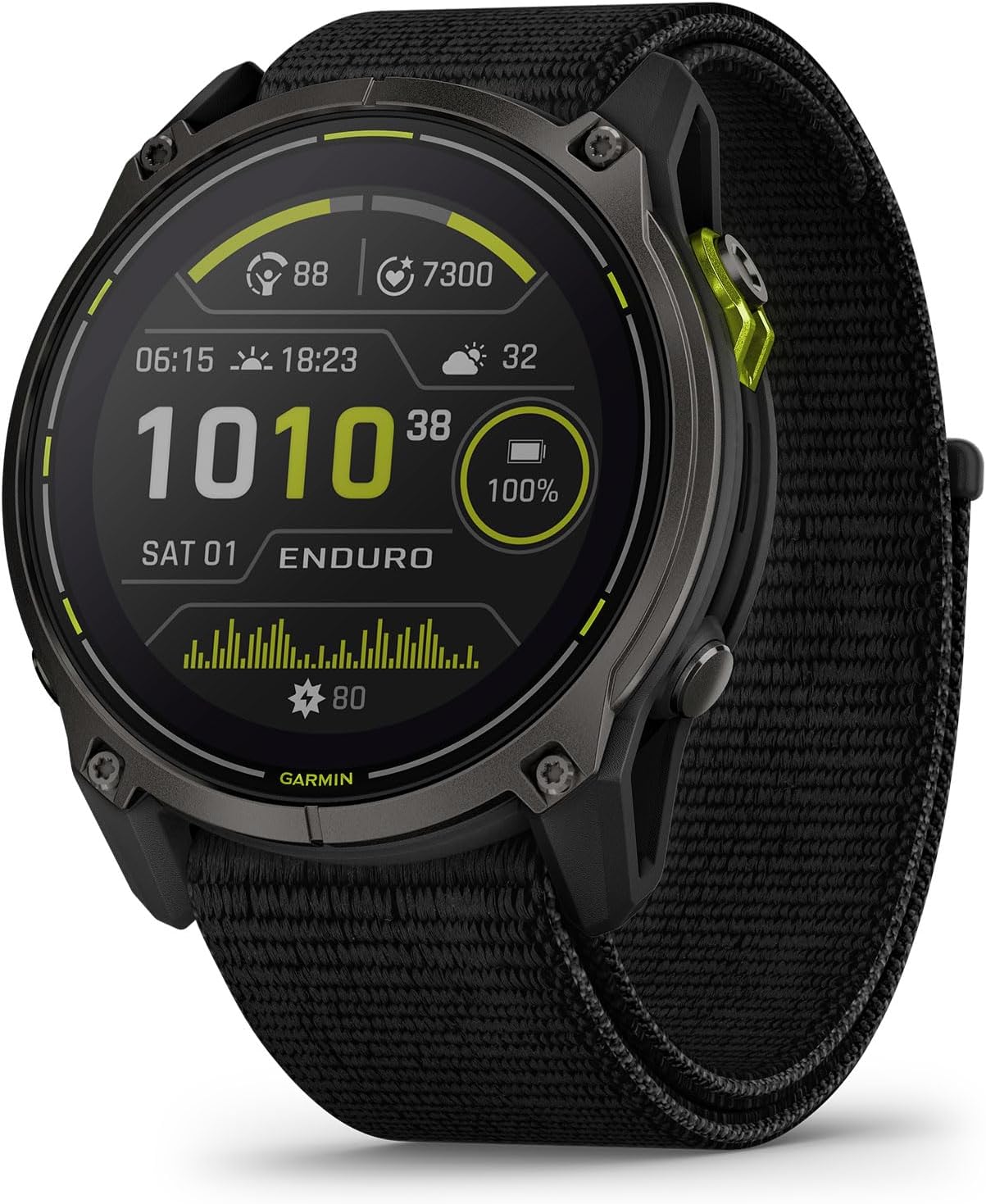
GPS battery = each manufacturer's standard GPS mode; multi-band = dual-frequency (maximum accuracy). On Suunto, Polar Grit and Amazfit T-Rex the GPS figure already corresponds to dual-band mode. Figures verified against the manufacturer.
Head-to-head comparisons
- Suunto Vertical 2 vs Garmin Fénix 8 AMOLED 47 mm
- Suunto Vertical 2 vs Polar Grit X2 Pro
- Suunto Vertical 2 vs Suunto Race 2
- Garmin Fénix 8 AMOLED 47 mm vs Garmin Enduro 3
- Garmin Fénix 8 AMOLED 47 mm vs Polar Grit X2 Pro
- Garmin Fénix 8 AMOLED 47 mm vs Garmin Instinct 3 Solar 50 mm
- Garmin Fénix 8 AMOLED 47 mm vs Coros Apex 2 Pro
- Polar Grit X2 Pro vs Garmin Instinct 3 Solar 50 mm
- Polar Grit X2 Pro vs Suunto Race 2
- Garmin Instinct 3 AMOLED 45 mm vs Garmin Instinct 3 Solar 50 mm
What a good mountain watch needs
1. Barometer and barometric altimeter
A barometric altimeter measures altitude from air pressure, far more accurate than GPS for elevation. The barometer also warns you of sudden pressure drops, the classic sign of an incoming storm. In the mountains that is safety, not a gimmick. Every watch in the table has one.
2. Offline maps (not just breadcrumbs)
Breadcrumbs draw a line; topographic maps show you terrain, trails and junctions. In fog or when you leave the track, that difference is what gets you back. The Vertical 2, Fenix 8, Enduro 3, Grit X2 Pro, Instinct 3 AMOLED, Apex 2 Pro, Race 2 and T-Rex 3 all have maps. The Instinct 3 Solar does not (track navigation only), in exchange for huge battery life.
If navigation with maps is your main reason to buy, see our guide to GPS watches with offline maps.
3. Battery for a long day (and the way back)
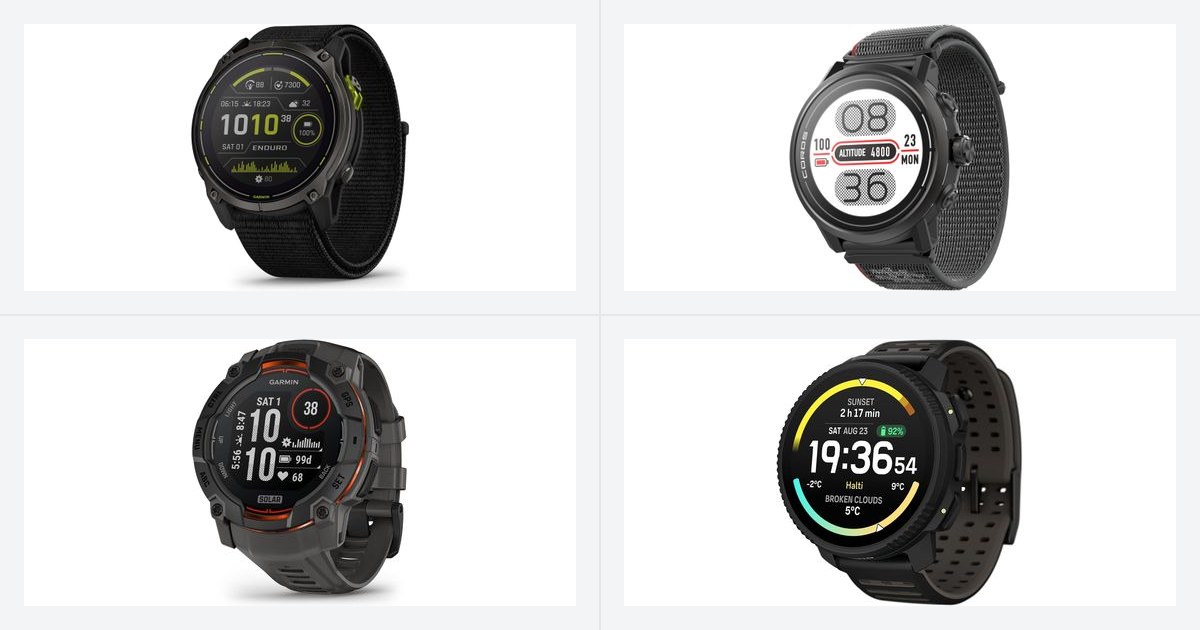
A 10-12 h mountain day with dual-band GPS rules out urban running watches. Look for 30 h or more of GPS for day trips and 60 h or more for traverses or ultras. The Vertical 2 (65 h dual-band) and the Enduro 3 (up to 120 h GPS) lead here.
4. Multi-band GPS
In deep valleys, dense forest or under rock walls, dual-frequency GPS keeps your track from going haywire. It matters more in real mountains than in town.
5. Built-in flashlight
It sounds minor until you need to find something in your pack at night or your headlamp dies on the descent. The Suunto Vertical 2, Garmin Fenix 8 and Enduro 3 (depending on version) have one. It does not replace a headlamp, but it gets you out of trouble.
6. Toughness
Steel or titanium bezel, sapphire or reinforced glass and at least 10 ATM water resistance. The Instinct 3 and T-Rex 3 are also tested to MIL-STD-810.
The best mountain watches reviewed
Suunto Vertical 2: the best mountain watch
The Vertical 2 brings together everything you need in the mountains: free full-colour offline maps, 65 h of dual-band GPS, a 1.5” 2,000-nit AMOLED display readable in full sun, and an LED flashlight with red light and SOS. It weighs 87 g in steel and 74 g in titanium, which you feel on the wrist but not on the mountain.
For whom: mountaineers, long-distance trail runners and anyone who wants one watch for everything off the tarmac.
Garmin Fenix 8: the top of the range
The Fenix 8 is the most complete watch on the market: TopoActive maps, flashlight, speaker and microphone, payments and the Garmin Connect ecosystem with all its training metrics. On battery (47 h of GPS in the 47 mm AMOLED version) it falls short of the Vertical 2.
For whom: existing Garmin users who train with structure and also want a full smartwatch day to day.
Garmin Enduro 3: endless battery
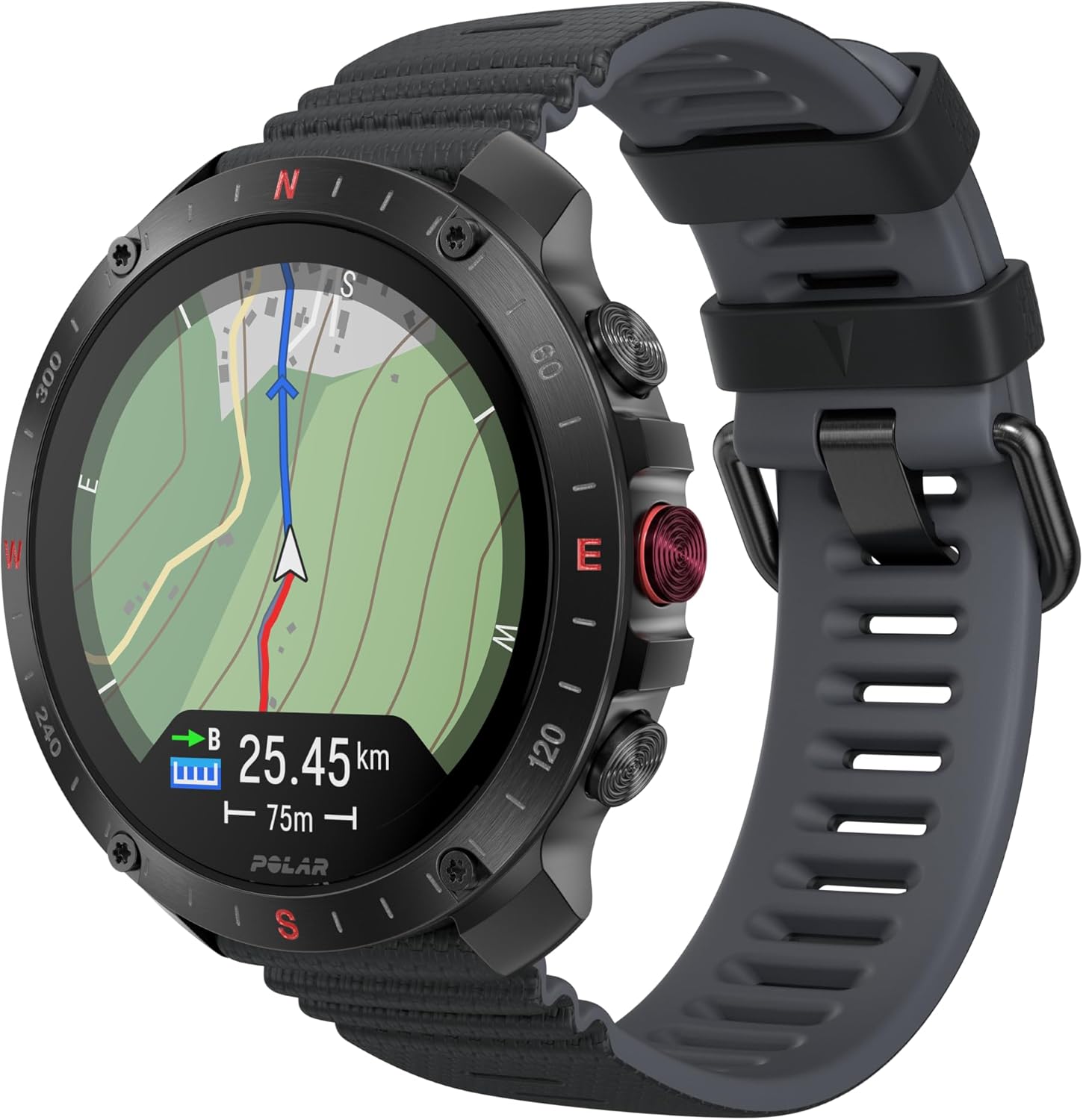
Up to 120 h of GPS plus solar charging. The watch for multi-day traverses without a plug and for 100-mile ultras. The MIP screen is less flashy but perfectly readable in sun. If that is you, also see the guide to multi-day and expedition watches.
Polar Grit X2 Pro: tough and with maps
Sapphire, steel, offline maps, AMOLED and Polar’s training and recovery analysis. A serious alternative to Garmin and Suunto for anyone who values health metrics.
Garmin Instinct 3 AMOLED: maps at a sensible price
Military-grade build, maps and an AMOLED display for well under a Fenix. The best value mountain watch if you want maps and the Garmin ecosystem.
Garmin Instinct 3 Solar: battery without maps
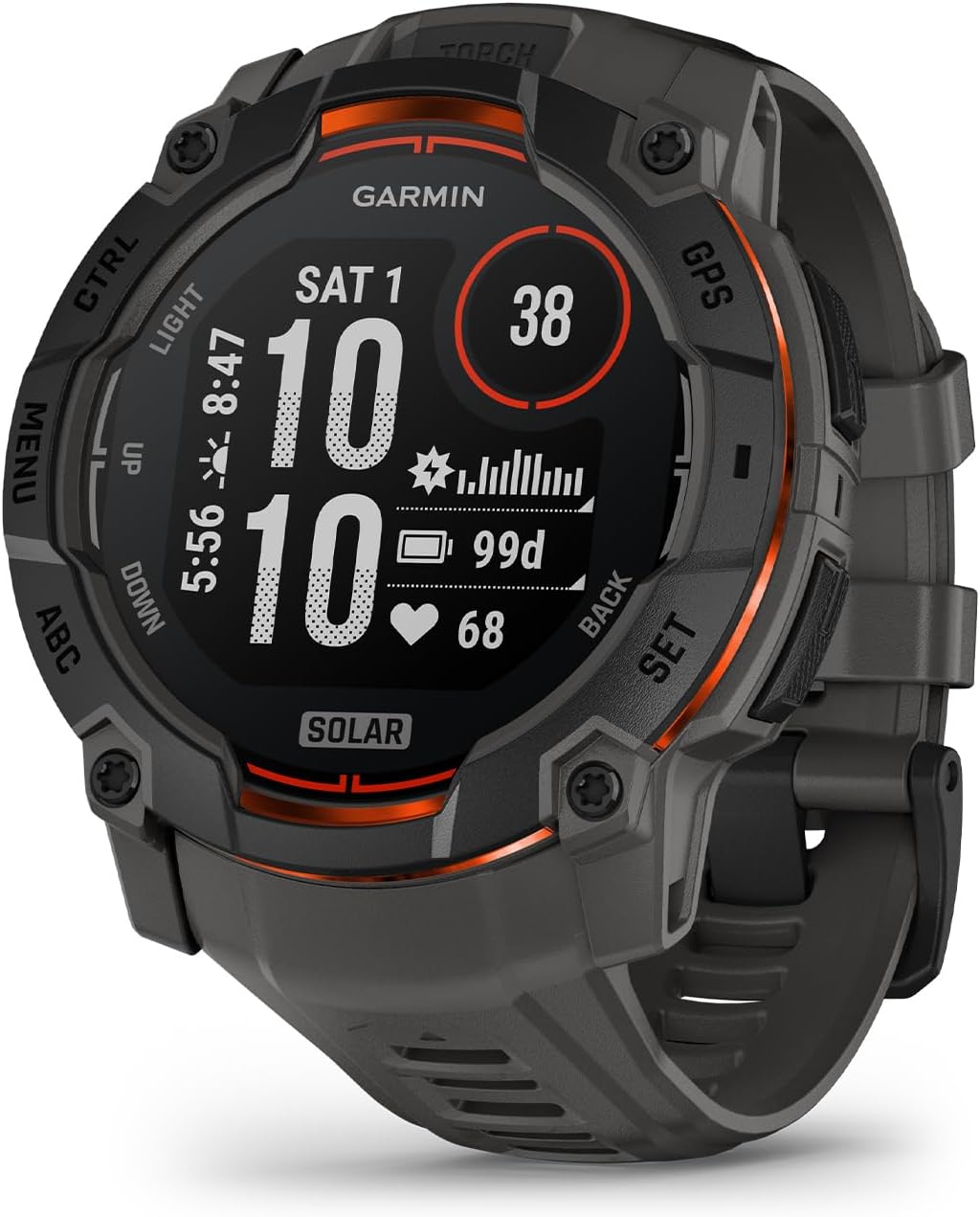
60 h of GPS and solar charging at a mid price, but no topographic maps. Perfect if you follow marked tracks or know your area; skip it if you will navigate unknown terrain.
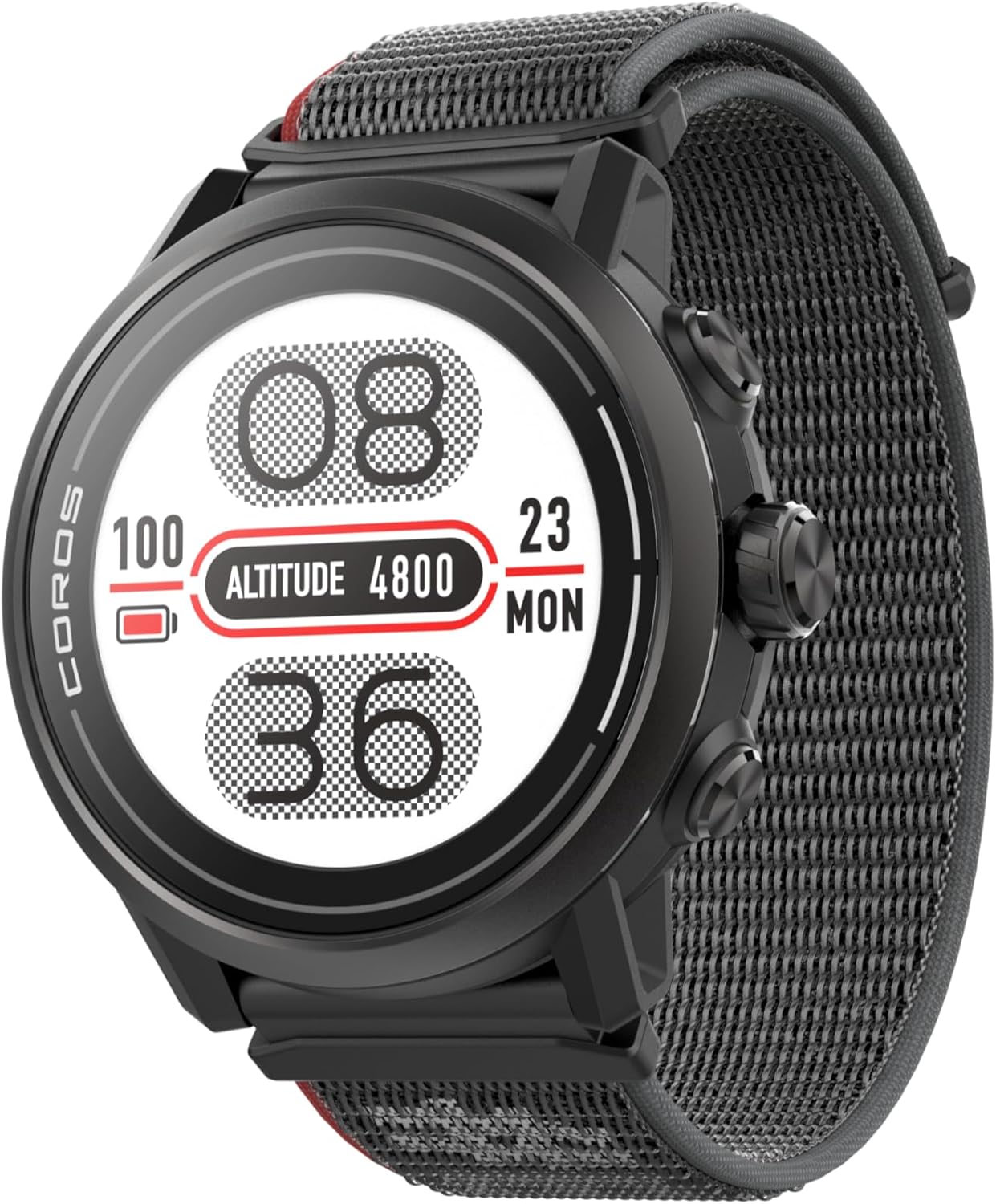
Coros Apex 2 Pro: light, with 66 h of GPS
53 g, offline maps and 66 h of GPS. The lightest option with maps and big battery life. The MIP screen is less striking.
Suunto Race 2: AMOLED and maps for less
AMOLED screen, free maps and 55 h of GPS at a mid price. More running-oriented than the Vertical 2, but more than capable in the mountains.
Amazfit T-Rex 3: the budget pick that delivers
Offline maps, dual-band, AMOLED and military-grade testing at the lowest price in the table. The Zepp software trails Garmin, but on hardware per euro nothing beats it.
Which mountain watch for your profile?
| Profile | Recommended watch | Why |
|---|---|---|
| Trail and mountains, all in one | Suunto Vertical 2 | Maps, 65 h dual-band and flashlight |
| Garmin ecosystem, no budget limit | Garmin Fenix 8 | The most complete |
| Multi-day traverses / 100-mile ultras | Garmin Enduro 3 | Up to 120 h of GPS |
| Maps on a mid budget | Garmin Instinct 3 AMOLED | Maps and toughness at a good price |
| Hiking and day trips | Amazfit T-Rex 3 or Suunto Race 2 | Maps for little money |
| As light as possible | Coros Apex 2 Pro | 53 g with maps and 66 h |
Frequently asked questions
What is the best GPS watch for the mountains?
For most people, the Suunto Vertical 2: offline maps, 65 h dual-band, AMOLED and flashlight. If you already use Garmin, the Fenix 8. If budget rules, the Instinct 3 AMOLED or the Amazfit T-Rex 3.
Which watch is best for hiking?
For day hikes, any watch with offline maps and a barometer will do: the Amazfit T-Rex 3 and Suunto Race 2 are the cheapest options with maps. For multi-day treks battery comes first: Enduro 3 or Vertical 2.
Do I need a watch with maps for the mountains?
Not essential on marked trails you know, but highly recommended in new terrain, in fog or when self-sufficient. Breadcrumbs tell you that you left the track; a map tells you how to get back to it.
Does the watch replace a handheld GPS or phone?
For running and most outings, yes. On expeditions or in high mountains always carry a backup (phone with downloaded maps or a handheld GPS) and use the watch as your main at-a-glance tool.
Suunto or Garmin for the mountains?
Suunto offers free maps and more battery per euro (the Vertical 2 is the best example). Garmin wins on ecosystem, metrics and smartwatch features. If you will only use it outdoors, Suunto; if you also want training plans and a daily smartwatch, Garmin.
Other guides you might find useful
Races where you'll need this gear

Zegama-Aizkorri
42K and VK through the Aizkorri range — the most legendary skyrunning race in Spain
Read more →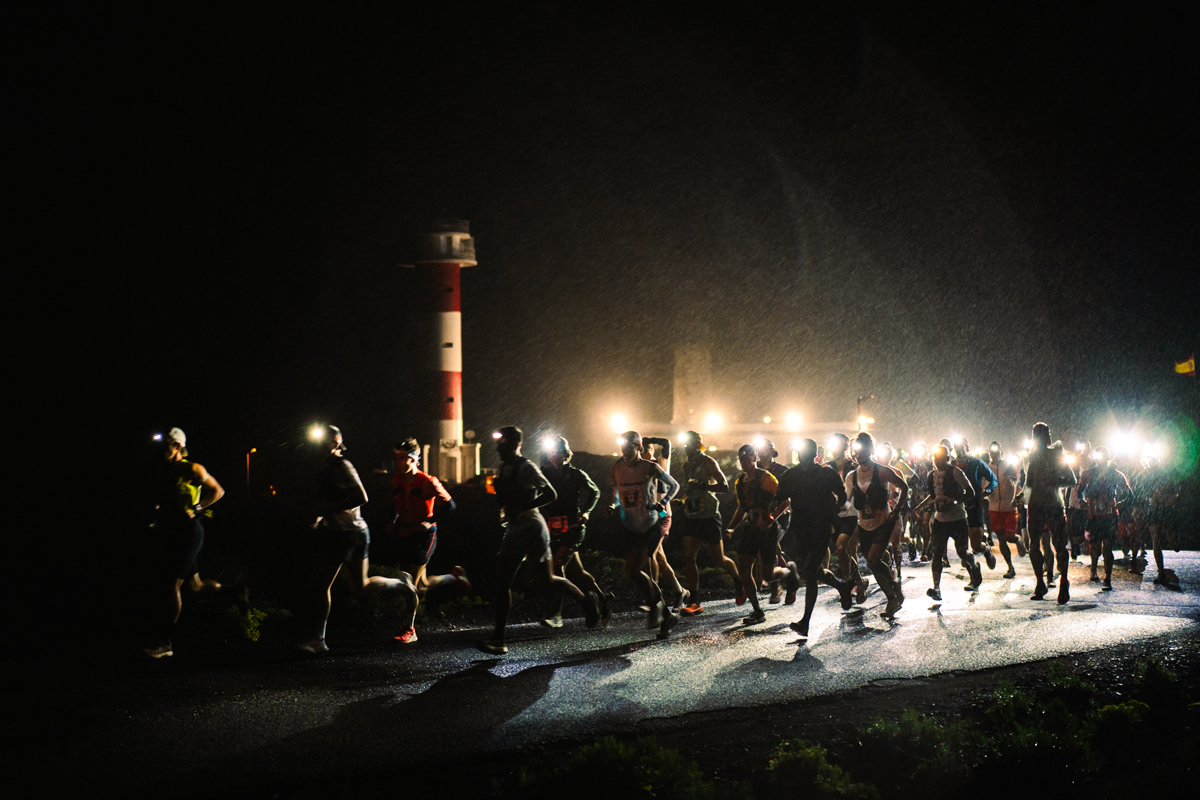
Transvulcania
73K, 43K, 25K, and VK crossing La Palma along the Ruta del Bastón
Read more →
Ultra Pirineu
100K, 54K, and 30K along the Cadí Range in the Catalan Pyrenees
Read more →
HOKA Val d'Aran by UTMB
163K, 110K, 75K, 55K, 32K and more through the Pyrenees of Val d'Aran — European Major UTMB World Series
Read more →