Best Trail Running Poles 2026: Comparison and Buying Guide
 (se abre en una pestaña nueva)
 (se abre en una pestaña nueva)
 (se abre en una pestaña nueva)
 (se abre en una pestaña nueva)
How we choose
We compare every model on verified technical specs (weight, materials, price), user reviews and our own experience running and testing gear in races from 21K to 100K+. We update this guide when prices change or new models launch. Some links are affiliate links: if you buy through them, TrailRunTemple earns a commission at no extra cost to you and with no influence on the selection.
Our picks by use case
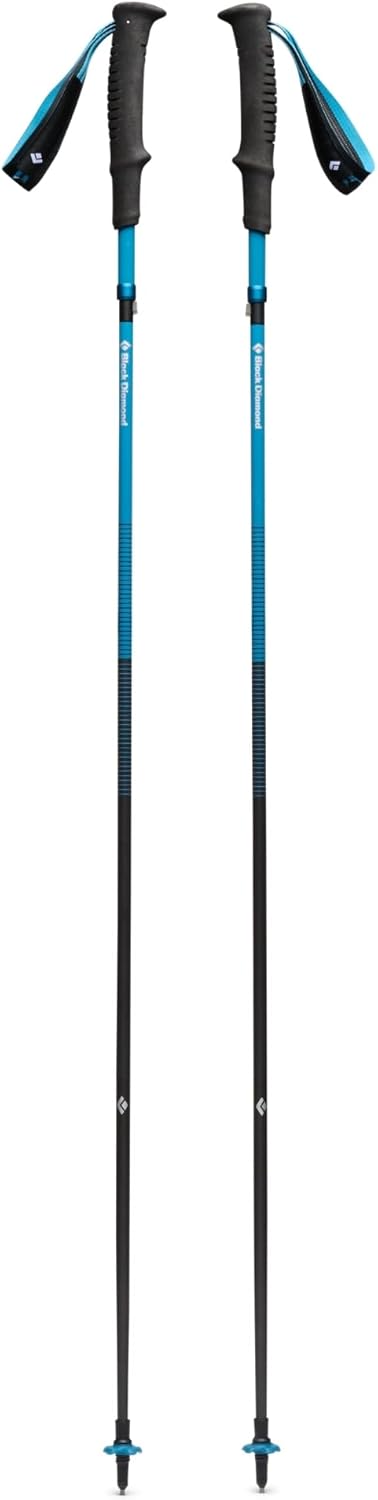
- #1Best Overall: Black Diamond Black Diamond Distance Carbon ZView on Amazon →(se abre en una pestaña nueva)
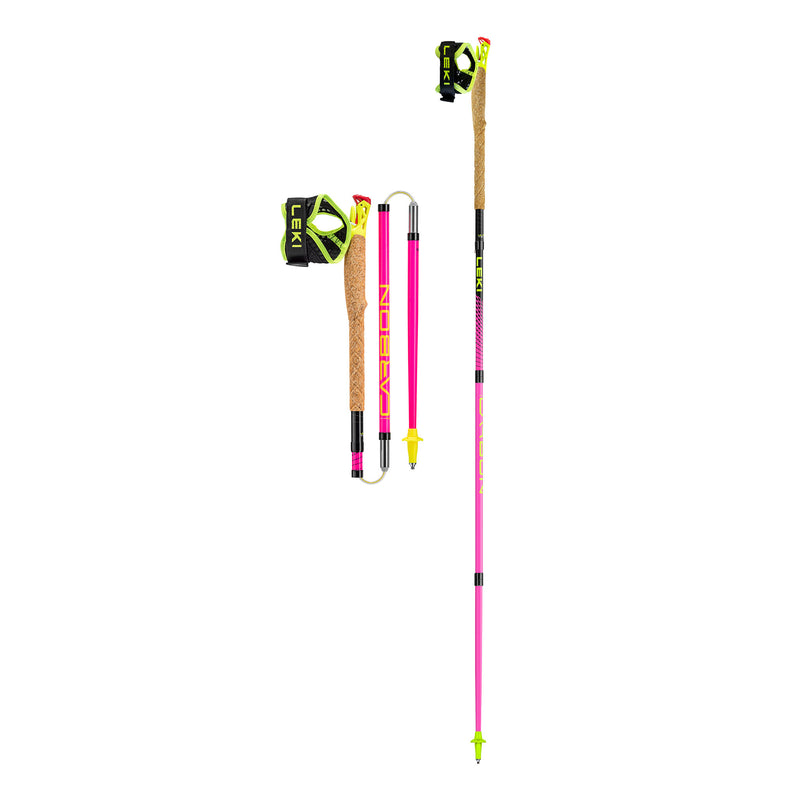
- #2Best for Ultra Trail: Leki Leki Ultratrail FX.OneView on Amazon →(se abre en una pestaña nueva)
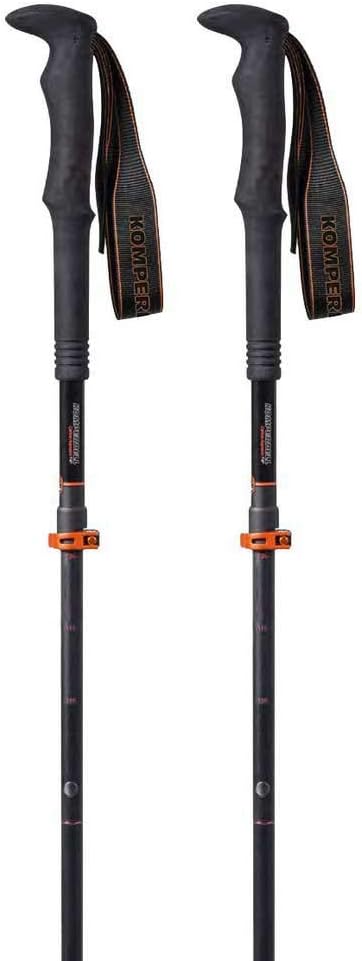
- #3Best Value Carbon: Komperdell Komperdell Carbon FXP TrailView on Amazon →(se abre en una pestaña nueva)
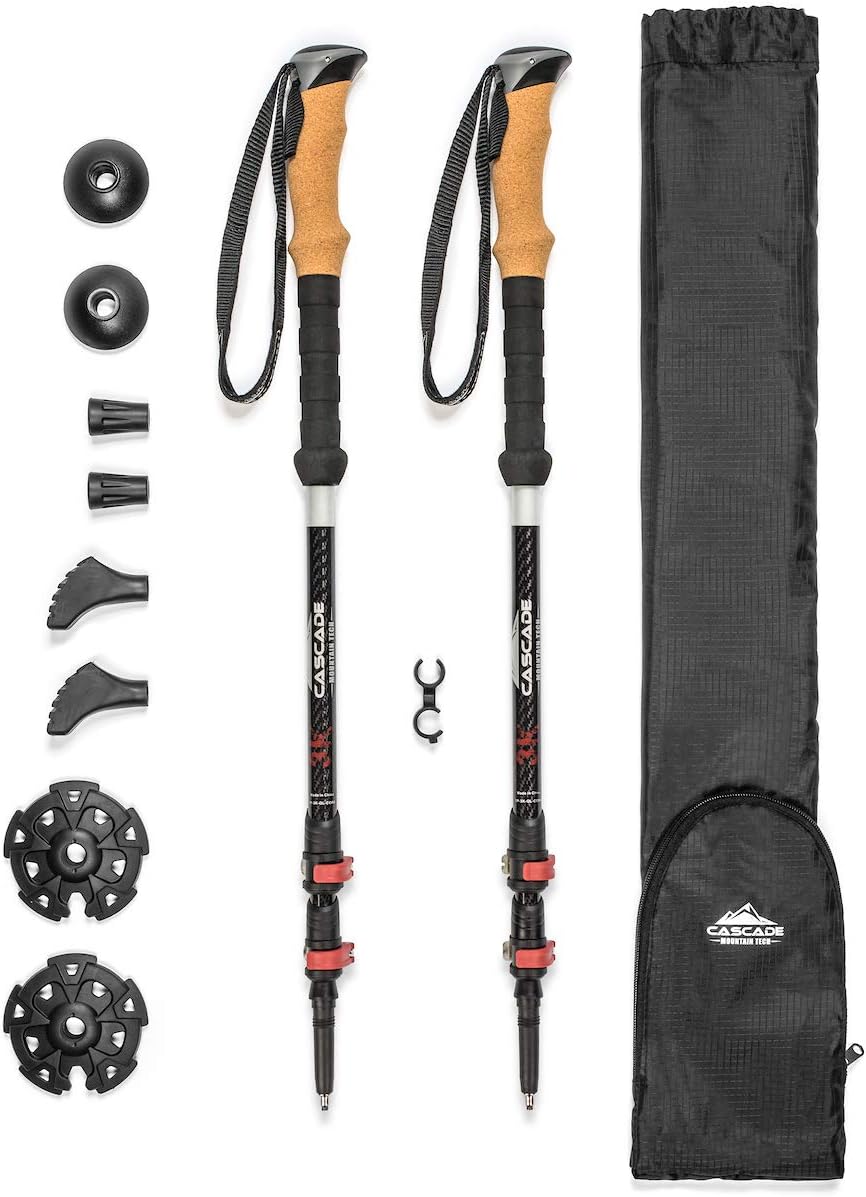
- #4Best Budget: Cascade Mountain Tech Cascade Mountain Tech Folding CarbonView on Amazon →(se abre en una pestaña nueva)
- #5Best Adjustable Carbon: Black Diamond Black Diamond Distance Carbon FLZView on Amazon →(se abre en una pestaña nueva)
- #6Lightest: Leki Leki Ultratrail FX.One SuperliteView on Amazon →(se abre en una pestaña nueva)
- #7Cheapest: Cascade Mountain Tech Cascade Mountain Tech Aluminio Quick LockView on Amazon →(se abre en una pestaña nueva)
All products in this guide
Black Diamond
Black Diamond Distance Carbon Z
Ultralight carbon Z-pole foldable trekking poles. 137 g per pole in 110 cm length, 33 cm folded. EVA grip and adjustable strap. The trail running reference.
Leki
Leki Ultratrail FX.One
Foldable trail running poles in 3 sections (110-130 cm). Ultralight carbon (175 g per pole), compact 38 cm folded. Speed Lock 2 locking system.
Komperdell
Komperdell Carbon FXP Trail
Austrian-made telescopic carbon poles. 3-section adjustable 105-125 cm with FXP fast-lock lever system. Real carbon, comfortable grip and premium European build below the price of top-tier Z-pole models.
Cascade Mountain Tech
Cascade Mountain Tech Folding Carbon
Carbon fiber foldable trekking poles with unbeatable price-performance. 220 g per pole, 40 cm folded. Adjustable 100-135 cm with lever lock system. Mud and snow baskets included.

Black Diamond
Black Diamond Distance Carbon FLZ
Foldable carbon Z-pole with FlickLock length adjustment. Combines the compact fold of a Z-pole with telescopic adjustability: adjustable size (95-110, 110-125 or 125-140 cm depending on model), around 150 g per pole and roughly 40 cm folded. EVA grip with extension and breathable strap.

Leki
Leki Ultratrail FX.One Superlite
The lightest version of the Ultratrail FX.One: 100% carbon foldable pole, fixed length, with a short Aerogon grip (no extension) and a Shark mesh strap. Around 130 g per pole, one of the lightest race poles on the market. Built for vertical kilometre races and short mountain races.

Cascade Mountain Tech
Cascade Mountain Tech Aluminio Quick Lock
Telescopic 7075 aluminium poles with lever locks (Quick Lock), wide length adjustment range (approx. 66-140 cm), cork grip and mud and snow baskets included. Around 280 g per pole. The cheapest way to start with poles or for mixed trail-hiking use, with a lifetime warranty.
Trail running poles go from “optional accessory” to “essential gear” the moment you sign up for a race with serious vertical. They save energy on climbs, take pressure off knees on descents, and on ultras over 100 km they’re the difference between finishing strong and finishing wrecked. But the market is full of confusing options: telescopic vs Z-pole, carbon vs aluminum, fixed vs adjustable, with strap vs without… This comparison analyses the best trail poles on the market right now (foldable and telescopic) using real technical criteria, not brand slogans, and explains how to use them and what size to buy.
Do you need poles? Decide in 30 seconds
- Under 1,500 m of positive elevation gain: usually not worth it. The weight and hassle of stowing them outweigh the energy saved.
- Between 1,500 and 2,000 m+: grey zone. If you tend to trash your quads on descents or you’re going “all in”, take them.
- Over 2,000 m+ or any ultra: always take them. In races like Zegama Aizkorri or Ultra Pirineu they’re practically mandatory.
- Race rules: some events require poles as mandatory gear or ban them on specific sections. Always check the regulations first.
Comparison Table
| Pole | Weight/pair | Folded | Material | System | Grip | Buy |
|---|---|---|---|---|---|---|
| Black Diamond Distance Carbon Z | 274 g | 33 cm | 100% Carbon | Fixed Z-pole | EVA | Amazon → |
| Leki Ultratrail FX.One | 350 g | 38 cm | 100% Carbon | Fixed Z-pole | Extended EVA | Amazon → |
| Komperdell Carbon FXP Trail | 500 g | 65 cm | 100% Carbon | FXP Telescopic | Cork/EVA | Amazon → |
| Cascade Mountain Tech Folding Carbon | 440 g | 40 cm | Carbon | Z-pole + lever | Synthetic cork | Amazon → |
| Black Diamond Distance Carbon FLZ | ~300 g | 40 cm | 100% Carbon | Z-pole + adjustable FlickLock | EVA with extension | Amazon → |
| Leki Ultratrail FX.One Superlite | ~260 g | 37 cm | 100% Carbon | Fixed Z-pole | Short Aerogon | Amazon → |
| Cascade Mountain Tech Aluminium Quick Lock | ~560 g | 66 cm | 7075 Aluminium | Telescopic + lever | Cork | Amazon → |
Weight is the full pair, in each model’s most popular size. Weights marked ”~” are approximate and vary by length. Amazon links go to live current pricing.
How to choose trail running poles: 5 decisive criteria
Before picking a model, understand what actually matters and what’s marketing fluff. Master these 5 criteria and choosing the right pole becomes trivial.
1. Weight per pair
Weight is the first factor. Rule of thumb: under 350 g per pair is competitive territory; over 450 g you’ll feel the drag on every stride. A modern carbon Z-pole sits at 270-350 g per pair. If you race or do long ultras, cut grams ruthlessly. For recreational use, 400 g per pair is perfectly fine.
2. Folded length
Trail poles need to fit in your pack when you’re not using them. Premium models (Black Diamond Distance Carbon Z) collapse to 33 cm, while more affordable options sit at 38-40 cm. 5 cm less folded length is the difference between fitting in your pack’s quick-stow holders or having to lash them externally where they snag on branches.
3. Folding system: Z-pole vs telescopic
For trail running, Z-pole every time if minimal collapsed length is your priority. Telescopic (3 sections that twist or clamp) are more versatile for hiking and adjustable in length, but they weigh more and deploy slower. A Z-pole opens in 2 seconds: pull the sections, hear the click, done. In a race you don’t want to spend 15 seconds setting up poles at every climb.
4. Grip and strap
The standard trail running grip is EVA or cork. EVA (Black Diamond, Leki) is light, grips well with sweat, and lasts. Synthetic cork (Komperdell, other premium telescopic poles) is more comfortable on long days but slips a bit when you’re sweating hard. Avoid hard plastic grips: they wreck your hands on technical descents.
The strap (the band around your wrist) is optional for trail. Some runners prefer no strap to release the pole instantly in falls. Black Diamond Distance Carbon Z ships strap-free by default. Leki Ultratrail FX.One includes the Trigger Shark system, a clip strap that releases instantly.
5. Pack compatibility
If you carry a hydration pack with Salomon Quick Stow or equivalent pole holders, check your pole’s collapsed length before buying. Most standard packs accept up to 38-40 cm. Above that, you’ll struggle to stow them properly. If you don’t have a vest yet, our trail running hydration vest guide covers which models have a good pole-stow system.
Technique: how to use poles in trail running
Buying good poles and using them badly is throwing money away. The essentials:
- Steep climbs: synchronised double pole. Plant both poles at once ahead of your body and push with triceps and lats while taking two strides. It’s the pattern that saves the most energy on ramps of 15% or more.
- Gentle climbs and fire roads: alternating. Right pole with left foot and vice versa, just like fast walking. Less power but far less arm fatigue.
- Technical descents: poles ahead as a third and fourth point of contact. Shorten your grip (or the pole if it’s adjustable) and use them to brake and stabilise, not to propel. They take a huge load off your quads and knees.
- Flat and gentle descents: stow them. Running on the flat with poles in hand is inefficient. That’s why a fast stow system (quick-stow on the pack) matters so much: if you lose 30 seconds stowing them every few kilometres, you throw away minutes over a long race.
- Working length: your elbow should sit at about 90° with the tip planted on the ground next to your foot. If you’re facing lots of rolling terrain, consider an extended grip so you can choke down without stopping to readjust.
Train the movement on long runs before taking poles into an important race. Double-pole coordination doesn’t come naturally, and blisters from a badly adjusted strap are the classic rookie mistake.
Individual analysis of the 7 poles
1. Black Diamond Distance Carbon Z — Best Overall
The Black Diamond Distance Carbon Z is the most widely used trail running pole among elite and ultra runners. You see them at the start of UTMB, Transgrancanaria or Zegama for a reason: minimal weight (137 g per pole in 110 cm), 33 cm collapsed length, and a clean Z-pole system that snaps into place in one motion.
Key specs: 100% carbon, fixed sizes from 100 to 130 cm in 5 cm increments, extended EVA grip without strap (the brand chooses freedom over wrist support). Tungsten carbide tip, replaceable when worn, and standard mud basket included.
Pros: market reference, elite-level competitive weight, most compact collapsed length in the lineup, replacement parts available globally.
Cons: fixed sizes (no length adjustment), no strap (you have to buy one separately if you want it), bare carbon scratches cosmetically with use.
Best for: runners who already know their size and want the definitive balance of weight, folded length and reliability. If you’re tackling an ultra like Transgrancanaria or Val d’Aran by UTMB and want poles you forget you’re carrying, this is it.
See Black Diamond Distance Carbon Z on Amazon →2. Leki Ultratrail FX.One — Best for Ultra Trail
The Leki Ultratrail FX.One is the direct rival to the Black Diamond Distance Carbon Z, with two key differences that make it king of long ultras: the extended EVA grip (you can choke down without stopping to shorten the pole) and the Trigger Shark system, a clip strap you release in milliseconds.
Key specs: 100% carbon, three folding sections, 110-130 cm size range (varies by model), 175 g per pole, 38 cm folded. Speed Lock 2 between sections. Carbide tip and replaceable basket.
Pros: Trigger Shark is the most comfortable system on the market for fast pole stow/deploy, extended grip is clutch on rolling terrain, excellent German build quality.
Cons: heavier than Black Diamond (350 g pair vs 274 g), the Trigger Shark system requires compatible Trigger gloves to fully exploit.
Best for: ultra trail runners (UTMB, Transgrancanaria, Ultra Pirineu, Val d’Aran by UTMB) who deploy and stow poles dozens of times during a race. If you’re running 100 km or more with poles, the Trigger Shark earns its keep.
See Leki Ultratrail FX.One on Amazon →3. Komperdell Carbon FXP Trail — Best Value Carbon
Komperdell is the Austrian benchmark in trekking poles (long-time supplier to the Austrian national ski team) and the Carbon FXP Trail is your pick if you want real carbon, adjustable length and a serious lock system without paying Black Diamond or Leki money.
Specs: 3-section telescopic 100% carbon, adjustable 105-125 cm, FXP (Fast eXPand) lever lock, cork/EVA grip, adjustable strap, interchangeable baskets included. Around 65 cm collapsed.
Pros: real carbon manufactured in Austria with European quality control, FXP lock far more reliable than a generic lever lock, adjustable 105-125 cm (share the pole with your partner, shorten on the climb without stopping), grip stays comfortable on long days.
Cons: telescopic = 65 cm collapsed (won’t tuck into shorts waistband like a 33-40 cm Z-pole), heavier per pole (~250 g), the FXP system needs occasional cleaning to maintain grip strength.
Best for: runners who prioritise adjustability and build quality over minimal collapsed length. If you carry a larger pack (20 L+) on ultras and the difference between 65 cm and 38 cm doesn’t matter, Komperdell is the best value pick of the lineup. Also perfect if you share poles with someone of a different height.
See Komperdell Carbon FXP Trail on Amazon →4. Cascade Mountain Tech Folding Carbon — Best Budget
Cascade Mountain Tech has proven on Amazon that quality carbon poles can be made without the premium price tag. The Folding Carbon combines something rare: adjustable length (100-135 cm) in Z-pole format.
Specs: carbon, 220 g per pole, 40 cm folded, lever system for length adjustment, synthetic cork grip, mud and snow baskets included. Lifetime manufacturer warranty.
Pros: best price-to-performance ratio of the lineup in real carbon, adjustable length (you can lend them to other runners), lifetime warranty, varied baskets included.
Cons: 220 g per pole is clearly heavier than elite options, lever adjustment is less refined than Leki’s SpeedLock 2, synthetic cork grip slips more with sweat than EVA.
Best for: recreational runners or weekend warriors who want quality carbon poles without a mortgage. Also perfect if you share poles in the family or with a partner because of the adjustable length. For Zegama Aizkorri or Penyagolosa Trails they’re more than enough.
See Cascade Mountain Tech on Amazon →5. Black Diamond Distance Carbon FLZ — Best Adjustable Carbon
The Black Diamond Distance Carbon FLZ is the Distance Carbon Z with length adjustment added. Same three-section Z-pole fold, but with a FlickLock clamp on the top section that lets you dial in the length within a range (95-110, 110-125 or 125-140 cm depending on which model you buy).
Key specs: 100% carbon, around 40 cm folded, roughly 150 g per pole, EVA grip with an extension to choke down, breathable strap. Interchangeable tip and baskets.
Pros: premium carbon with adjustable length (rare in a foldable format), shorten it for the descent or share the pole with someone else, still folds compact despite the mechanism.
Cons: pricier and slightly heavier than the fixed-length Distance Carbon Z, the FlickLock is one more thing to clean and check.
Best for: runners unsure of their size, sharing a pole with a partner, or wanting to shorten it on long descents without giving up carbon or pack-friendly folding.
See Black Diamond Distance Carbon FLZ on Amazon →6. Leki Ultratrail FX.One Superlite — Lightest
The Leki Ultratrail FX.One Superlite is the stripped-down version of the FX.One: same carbon base and Z-pole system, but with a short Aerogon grip (no lower extension) and a Shark mesh strap. The result is around 130 g per pole, about as light as a race pole gets.
Key specs: 100% carbon, fixed length, around 37 cm folded, quick-release Shark strap. Carbide tip and interchangeable basket.
Pros: genuinely minimal weight, a benchmark for vertical kilometres and short mountain races, Leki quality, folds down small enough for a tiny vest.
Cons: the short grip is worse on rolling terrain (you can’t choke down without shortening the pole), fixed length with no adjustment, pricey for how little versatility it offers outside racing.
Best for: runners racing verticals, timed climbs or races under 30 km where every gram counts and you won’t be stowing and deploying poles a hundred times.
See Leki Ultratrail FX.One Superlite on Amazon →7. Cascade Mountain Tech Aluminium Quick Lock — Cheapest
If what you want is to test whether you like poles without spending much, the Cascade Mountain Tech aluminium with Quick Lock levers is the entry point. 7075 aluminium, three-section telescopic with lever locks, length adjustable across a huge range (roughly 66-140 cm) and mud and snow baskets included.
Specs: 7075 aluminium, around 280 g per pole, cork grip, external lever locks, lifetime manufacturer warranty.
Pros: very low price, aluminium survives impacts and twists that snap carbon, adjustment range that works for trail and hiking alike, baskets included.
Cons: 280 g per pole is noticeable when running, long folded length (won’t fit a waistband or small vests), the lever locks need periodic tightening and are less refined than a SpeedLock or FlickLock.
Best for: someone starting out and unsure they’ll really use poles, mixed trail-hiking use, or the occasional mid-mountain race where weight isn’t critical.
See Cascade Mountain Tech Aluminium on Amazon →Head-to-head: Black Diamond Distance Carbon Z vs Leki Ultratrail FX.One
The two premium benchmarks of the market compare like this:
Black Diamond wins on weight and folded size. Distance Carbon Z weighs 274 g per pair (110 cm) vs 350 g for the Leki FX.One. Folded, 33 cm vs 38 cm. For tight quick-stow pack holders, the Black Diamond fits better.
Leki wins on strap system. The Trigger Shark is a paradigm shift for long ultras: clip in and out in milliseconds without breaking stride. The Black Diamond ships with no strap (a brand philosophy choice).
Black Diamond wins on size variety. Distance Carbon Z comes in 5 fixed sizes from 100 to 130 cm in 5 cm increments. Leki FX.One has adjustable sections but the range is tighter.
Leki wins on extended grip comfort. The FX.One’s extended EVA lets you choke down on rolling terrain without stopping. Black Diamond’s grip is shorter and forces you to stop to shorten the pole.
Verdict: if you run long ultras with lots of stow/deploys (UTMB, Transgrancanaria 100K, Ultra Pirineu) and the Trigger Shark interests you, Leki FX.One. If you want minimum weight and the most compact folded length for small packs or technical races (Zegama, vertical kilometres), Black Diamond Distance Carbon Z.
5 common mistakes when buying trail poles
-
Buying telescopic poles thinking they work for competitive running. For racing in a small pack, always Z-pole. Telescopic makes sense if you value adjustability and don’t mind the bulkier folded length.
-
Choosing the wrong size. Classic formula: your height × 0.68 = pole length in cm. For someone who’s 1.75 m, that’s 119 cm, round to 120. If you’re between sizes, go shorter (you can always grip higher up).
-
Buying poles without checking they fit your pack. Measure your pack’s pole holder before ordering. If your pack is a Salomon Adv Skin 12 and your pole folds to 40 cm, it’ll be tight.
-
Paying premium when you don’t need to. If you do 1-2 races a year on moderate terrain, Cascade or Komperdell will serve you fine. Elite carbon makes sense when you’re racking up 10+ ultras a year.
-
Not testing the strap before race day. Whether Trigger Shark or classic strap, test the system on long training runs before racing with poles. Strap blisters are the classic rookie mistake.
Frequently asked questions
Carbon or aluminum for trail running?
For running, always carbon if budget allows. It’s 30-40% lighter than aluminum and the stiffness is perfect for the propulsion movement. Aluminum survives more hard impacts but weighs more and vibrates messier. If you want a specific aluminium option, the Cascade Mountain Tech aluminium with Quick Lock levers (analysed above) is the cheapest and toughest way to start. Aluminum-carbon hybrid models are a good compromise if you value durability.
Do I need poles for a 25 km mountain race?
Depends on the elevation. Below 1,500 m of climbing they don’t pay off: the weight/hassle outweighs energy savings. Above 2,000 m of climbing, yes. For Zegama Aizkorri (42 km / 2,736 m+) they’re nearly mandatory.
Can I run with poles the entire time, or only on climbs?
The efficient approach is climbs and technical descents. On flats and gentle descents, stow them. That’s why a fast quick-stow system is critical: if you lose 30 seconds putting poles away every 5 km, you’re throwing away 10 minutes in a long race.
Poles with or without strap?
Personal preference. Without strap (Black Diamond) you put less load on the pole but control it with an open hand—more freedom. With strap (Leki Trigger Shark, classic systems) you transfer weight to the wrist and climb with less forearm effort. If you’re doing 100 km+ ultras, a well-designed strap saves your forearms.
What baskets do I need?
For trail running, the standard mud basket works 95% of the time. Large snow baskets only if you’re racing in deep winter snow. Make sure baskets are interchangeable before buying (all 4 in this lineup are).
How much do trail running poles cost?
A high-end carbon Z-pole (Black Diamond, Leki) runs about 130-180 € a pair. Value-brand carbon poles like Cascade Mountain Tech or Komperdell sit between 70 and 110 €. Below 50 € you’re into generic aluminium: fine to start with, but heavier and usually with a worse folding system.
Can I use poles if the race requires them as mandatory gear?
Yes, and it’s actually worth having foldable ones so you can stow them on the sections where you don’t use them. Go through the full kit list in our mandatory gear for ultra trail guide: in many events poles are optional, but once you take them out of your pack you have to carry them to the finish.
Can poles go in the cabin or checked luggage on a flight?
Folded to 33-40 cm they fit in almost any carry-on, but the carbide tips are usually treated as a sharp object: to fly, put them in checked luggage. That’s another reason to pick a compact fold if you travel to races.
Final verdict: our pick of the 7 poles
- If you want the best, no thinking required: Black Diamond Distance Carbon Z
- If you do long ultras with frequent stow/deploys: Leki Ultratrail FX.One
- If you want the best value for money: Komperdell Carbon FXP Trail
- If you want the cheapest foldable carbon option: Cascade Mountain Tech Folding Carbon
- If you’re unsure of your size or share a pole: Black Diamond Distance Carbon FLZ
- If you race verticals or short races and want minimum weight: Leki Ultratrail FX.One Superlite
- If it’s your first pair or you want tough, cheap aluminium: Cascade Mountain Tech Aluminium Quick Lock
Trekking poles are one of those items that, once you try them, you wonder how you ran without them. Any of the 4 models analysed is an honest purchase within its segment. The key isn’t to spend more, but to pick the one that fits your real use: distance, frequency, pack size, and experience level.
And the rest of your gear needs upkeep too: in how to care for and repair your trail running gear we cover how to extend the life of jackets, shoes and packs.
Other guides you might find useful
Races where you'll need this gear

Transgrancanaria
128K, 83K, 44K, and 30K crossing Gran Canaria from north to south
Read more →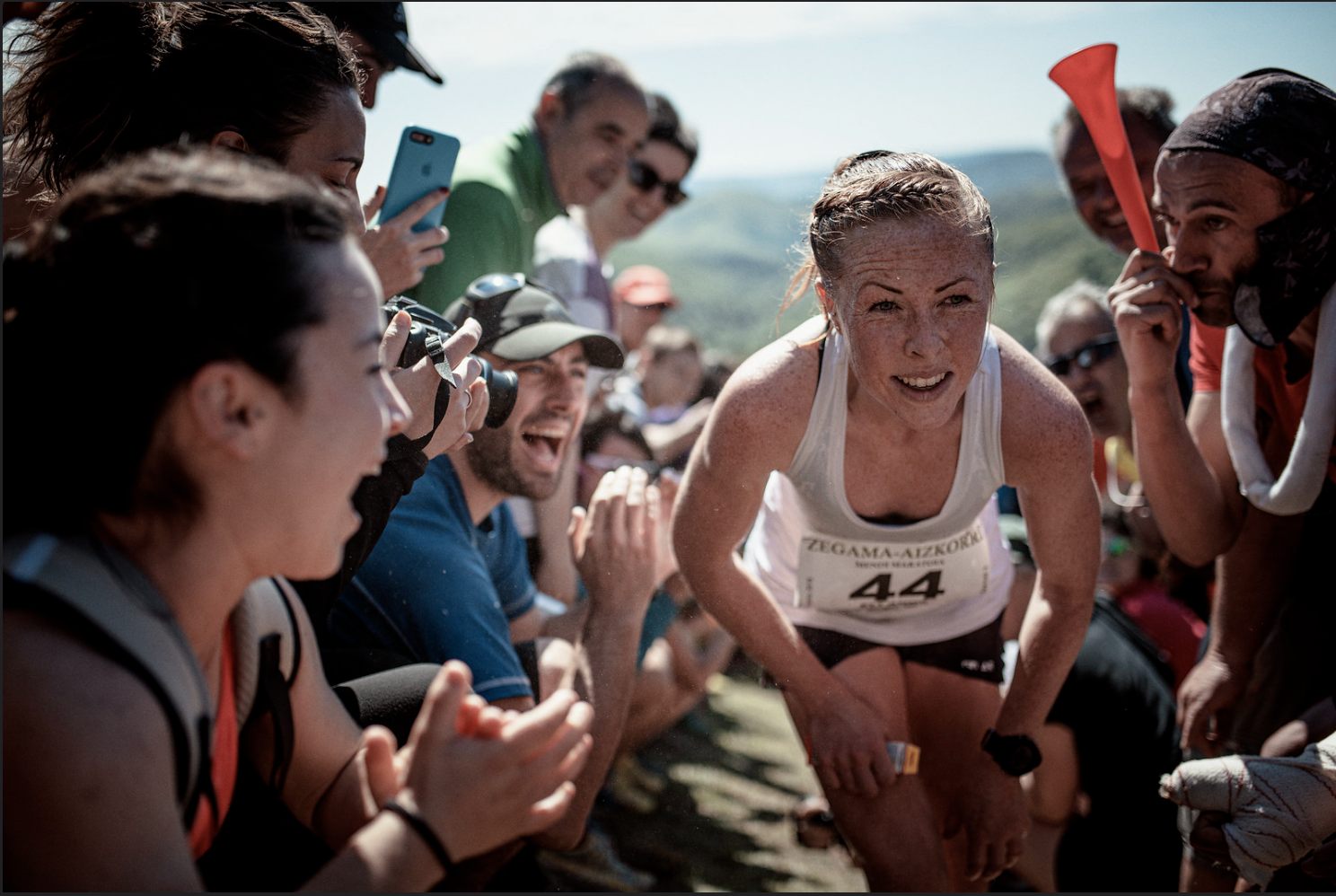
Zegama-Aizkorri
42K and VK through the Aizkorri range — the most legendary skyrunning race in Spain
Read more →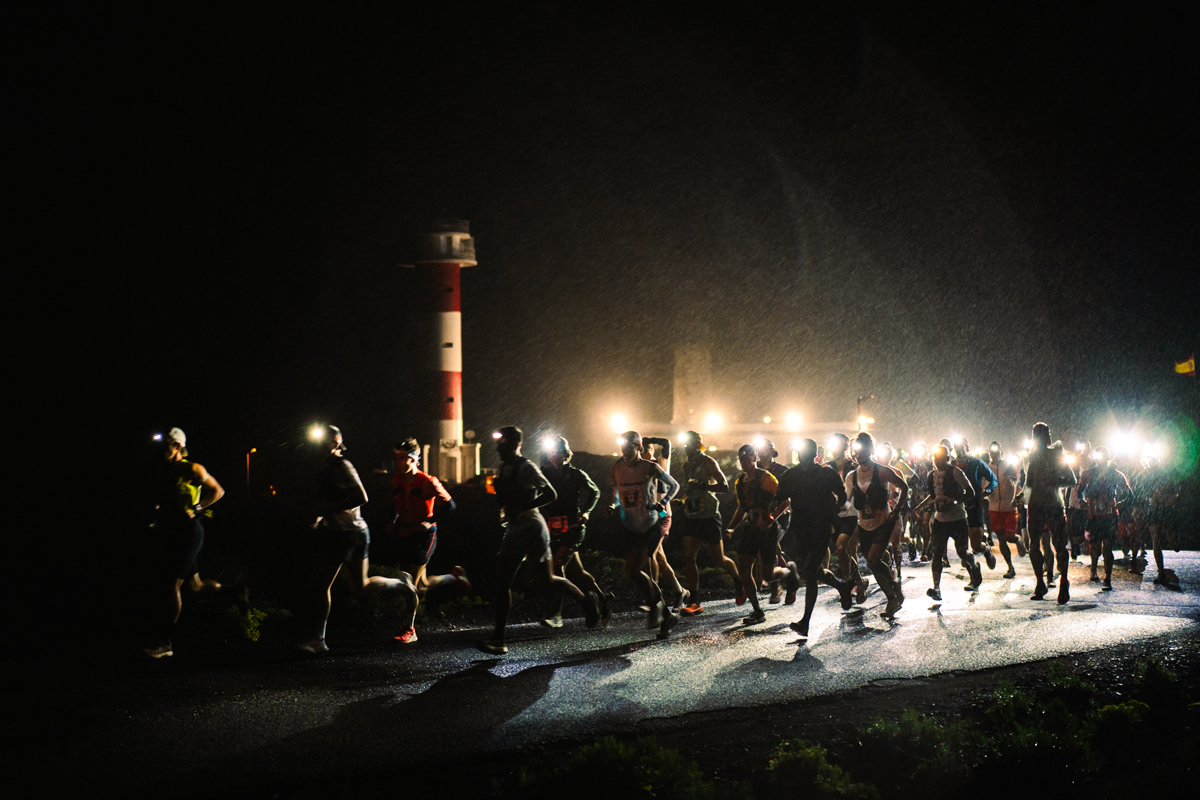
Transvulcania
73K, 43K, 25K, and VK crossing La Palma along the Ruta del Bastón
Read more →
Ultra Pirineu
100K, 54K, and 30K along the Cadí Range in the Catalan Pyrenees
Read more →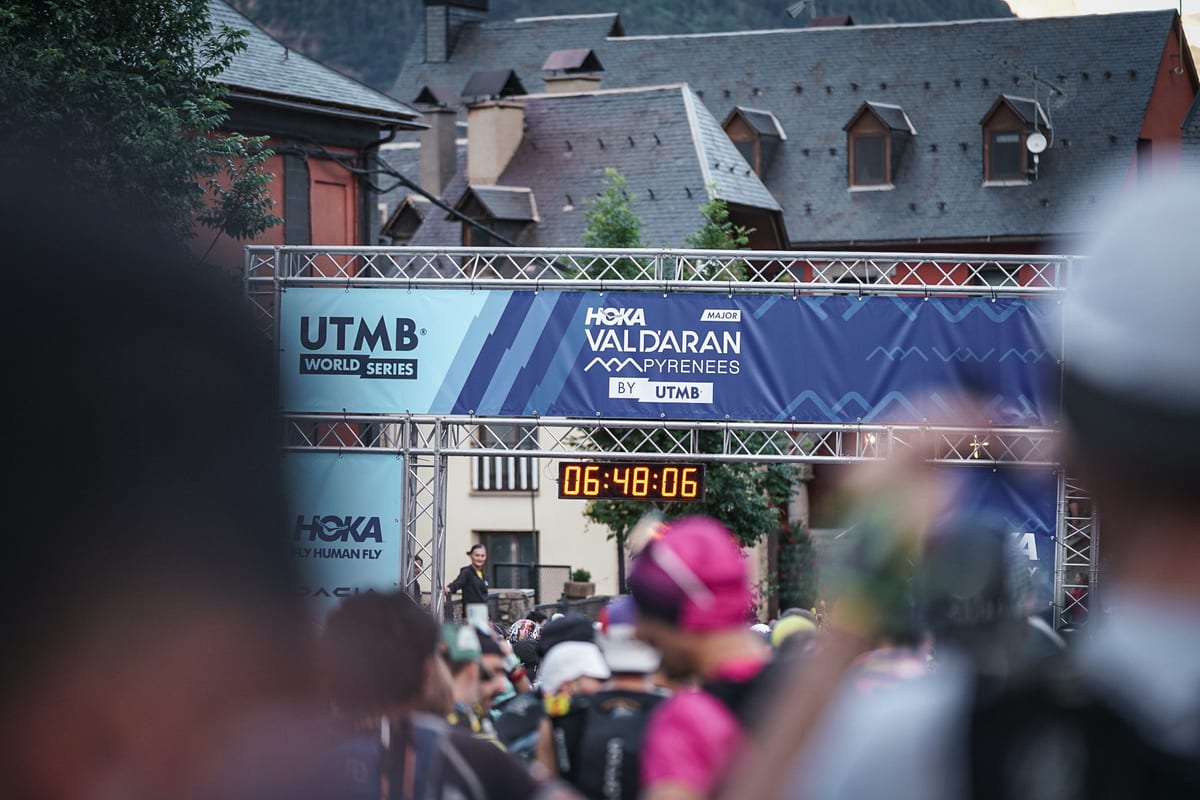
HOKA Val d'Aran by UTMB
163K, 110K, 75K, 55K, 32K and more through the Pyrenees of Val d'Aran — European Major UTMB World Series
Read more →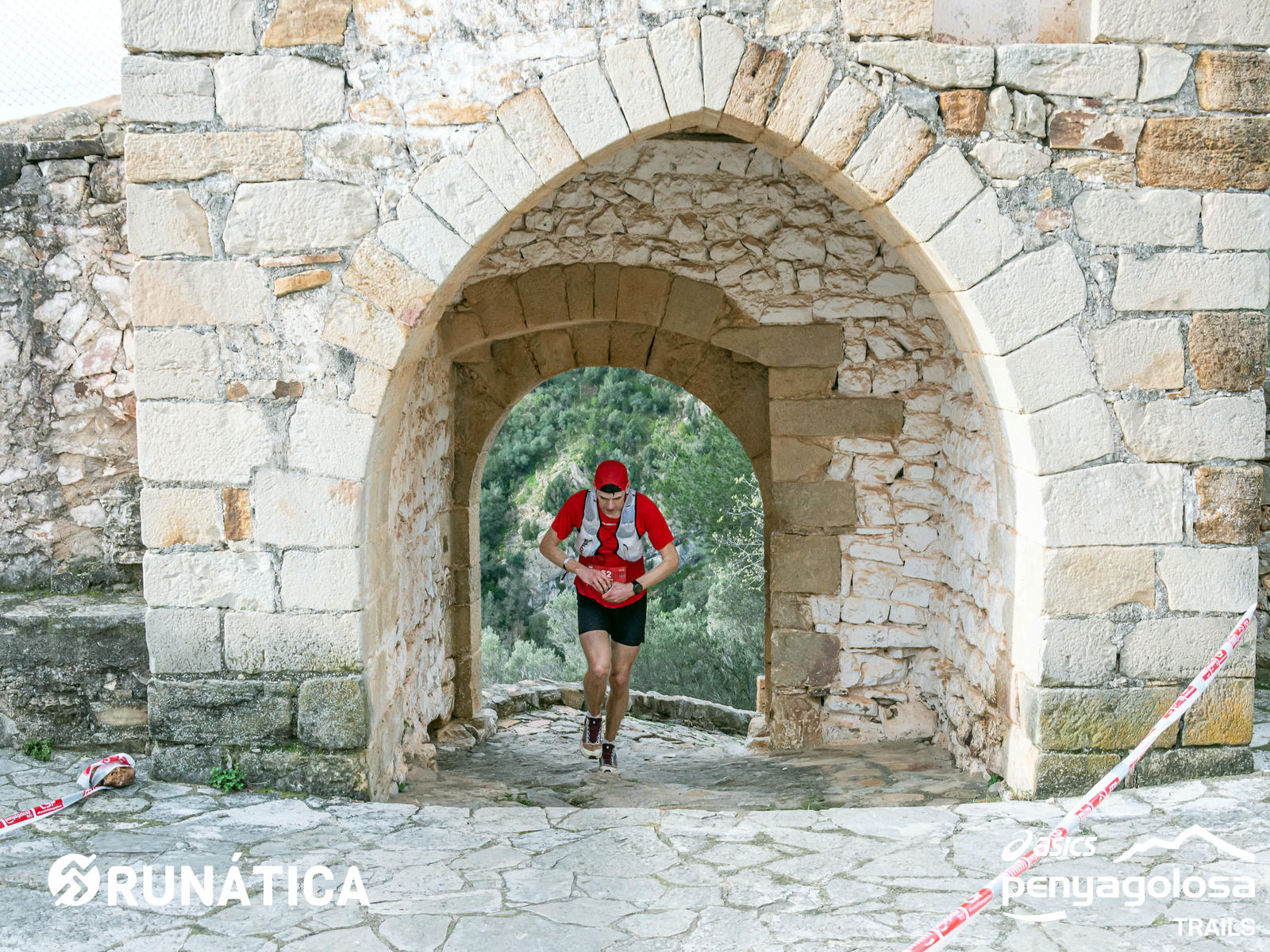
Penyagolosa Trails
106K and 60K from Castellón to the Penyagolosa summit via the GR-33
Read more →