Best Trail Running Headlamps 2026: Comparison & Buying Guide
 (se abre en una pestaña nueva)
 (se abre en una pestaña nueva)
 (se abre en una pestaña nueva)
 (se abre en una pestaña nueva)
How we choose
We compare every model on verified technical specs (weight, materials, price), user reviews and our own experience running and testing gear in races from 21K to 100K+. We update this guide when prices change or new models launch. Some links are affiliate links: if you buy through them, TrailRunTemple earns a commission at no extra cost to you and with no influence on the selection.
Our picks by use case
- #1Best Overall: Petzl Petzl Iko CoreView on Amazon →(se abre en una pestaña nueva)
- #2Best Budget: Nitecore Nitecore NU25View on Amazon →(se abre en una pestaña nueva)
- #3Best Power-to-Battery Balance: Petzl Petzl Actik CoreView on Amazon →(se abre en una pestaña nueva)
- #4Best Adjustable Beam: Ledlenser Ledlenser iH5RView on Amazon →(se abre en una pestaña nueva)
All products in this guide
Petzl
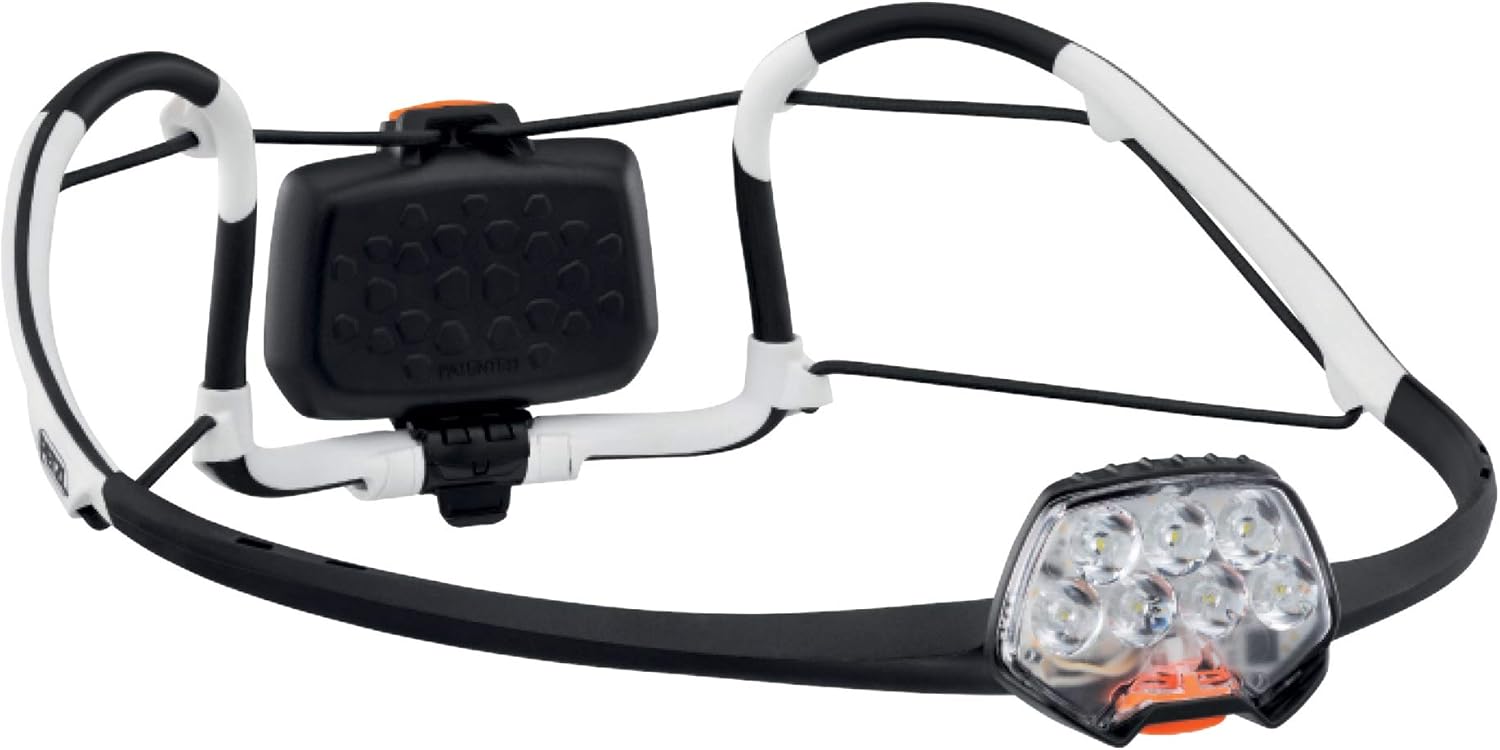
Petzl Iko Core
Frontal ultraligero de 79 g con diadema AIRFIT y batería trasera para repartir el peso. 500 lúmenes con batería Core recargable (2h30 a máxima potencia, 9h a 100 lúmenes, 100h en modo reserva). Compatible con pilas AAA. Ideal para ultras nocturnas donde el peso en la cabeza importa.
Nitecore
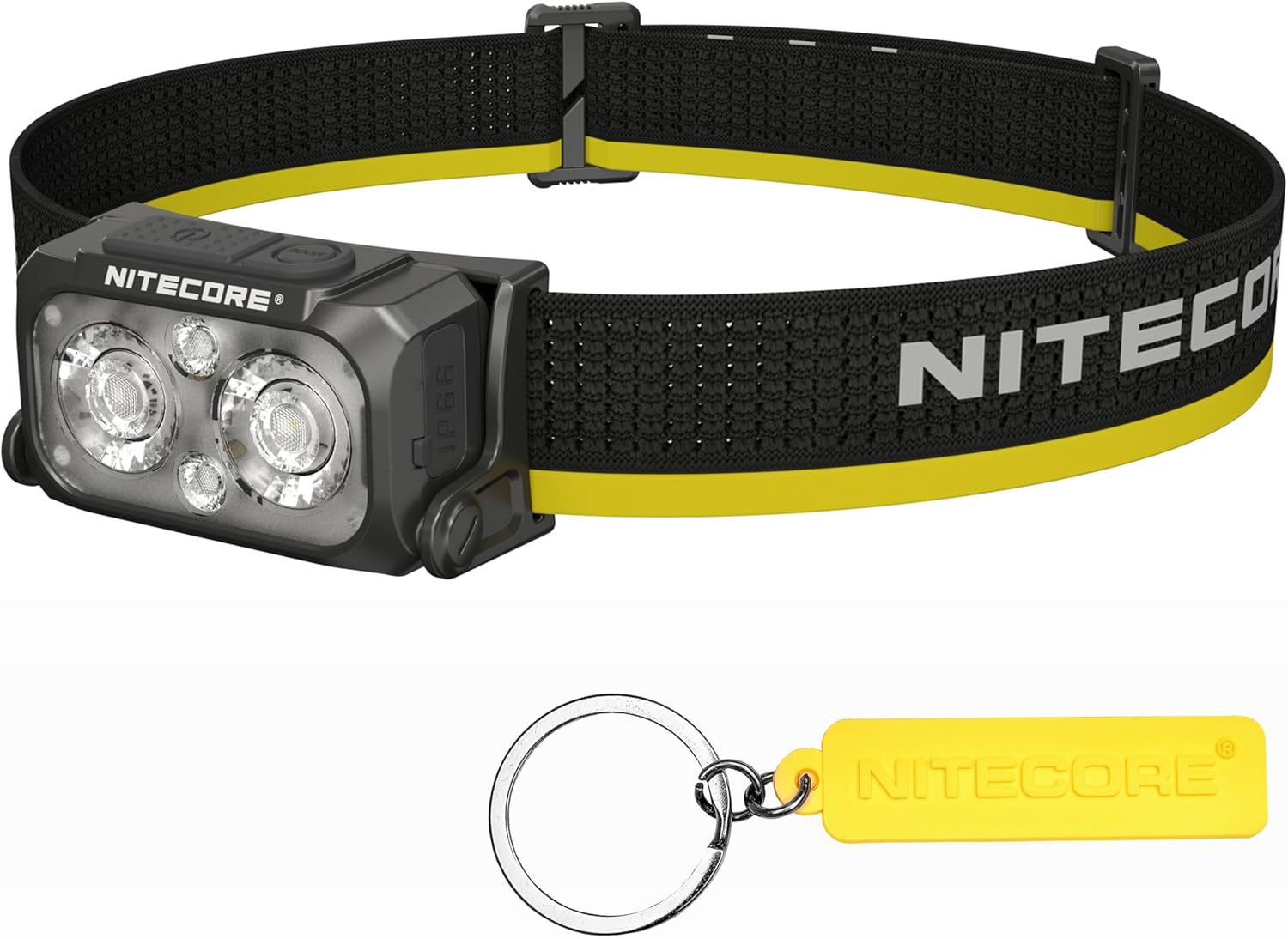
Nitecore NU25
Frontal ultraligero de 56 g con 400 lúmenes y hasta 45 horas de autonomía en modo bajo. Recarga USB-C, doble haz (ancho y foco) y luz roja auxiliar para no deslumbrar en carrera. Opción de entrada muy competitiva en peso para quien no necesita máxima potencia.
Petzl
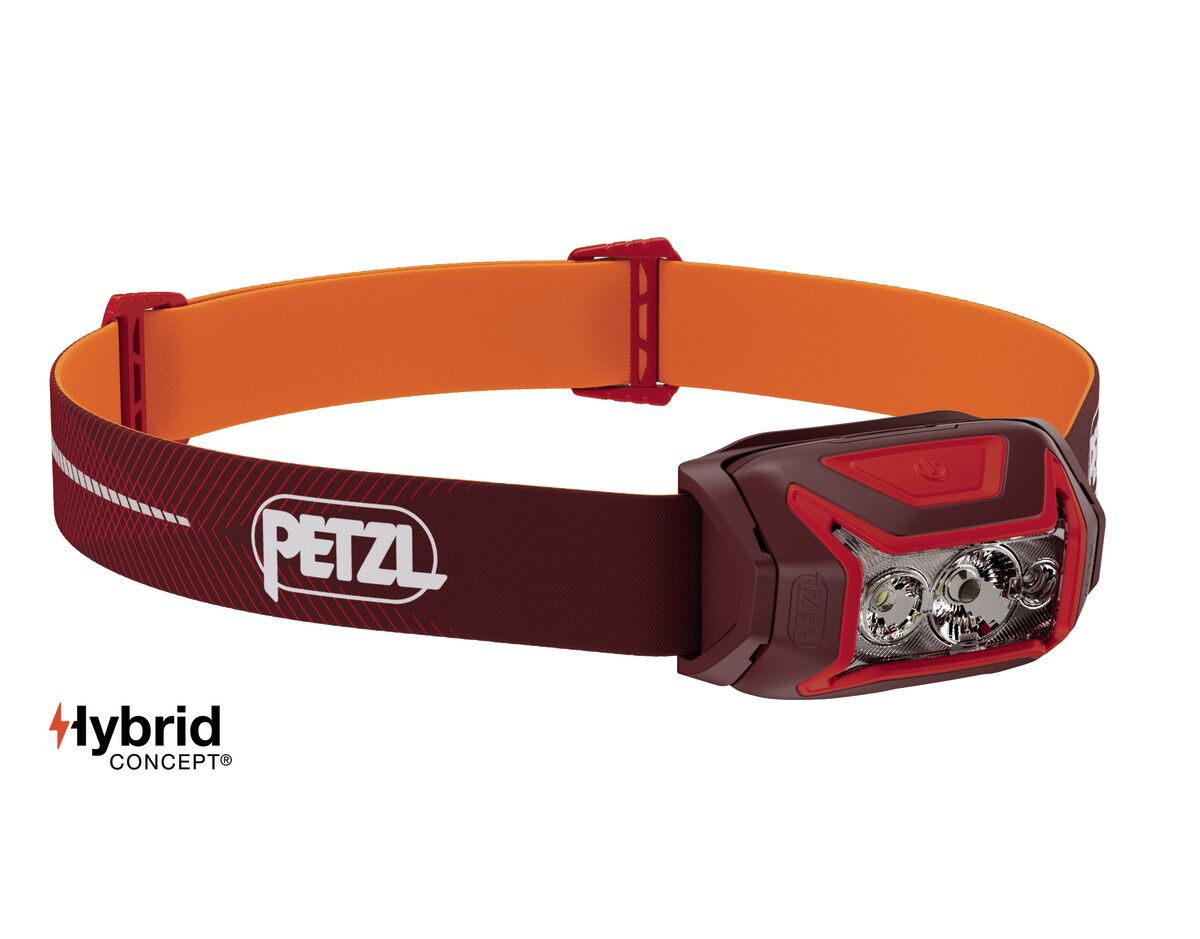
Petzl Actik Core
Frontal recargable de 600 lúmenes con batería Core incluida. Compatible con pilas AAA. Modo rojo para preservar la visión nocturna. Ideal para ultras con tramos nocturnos.
Ledlenser
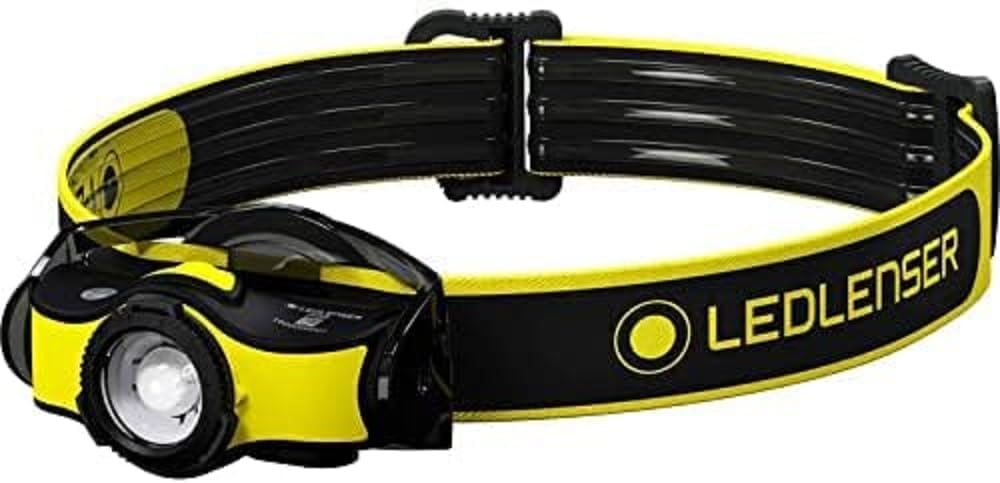
Ledlenser iH5R
Frontal recargable de 400 lúmenes y 79 g con sistema Advanced Focus (haz ancho o foco de largo alcance ajustable) y hasta 35 horas de autonomía. Batería recargable con opción de pilas AA de emergencia, certificación IP54. Pensado para uso profesional pero válido para carreras nocturnas por su versatilidad de haz.
Every mountain race longer than 6-8 hours has a night section, and many ultra trail rulebooks require a headlamp with a spare battery as mandatory gear. The difference between a good headlamp and a mediocre one doesn’t show up in your living room — it shows up at 3am on a technical trail when the light starts to fade. This comparison covers 4 models spanning ultralight builds to maximum runtime, so you can choose based on the actual length of your race, not on which one lists the most lumens on the box.
Comparison Table
| Headlamp | Max Lumens | Battery Life | Weight | Buy |
|---|---|---|---|---|
| Petzl Iko Core | 500 lm | 2h30 (max) / 100h (reserve) | 79 g | Amazon → |
| Nitecore NU25 | 400 lm | Up to 45 h | 56 g | Amazon → |
| Petzl Actik Core | 600 lm | Varies by mode | ~90 g | Amazon → |
| Ledlenser iH5R | 400 lm | Up to 35 h | 79 g | Amazon → |
Amazon links go to the live, up-to-date price.
How to Choose a Trail Running Headlamp: 5 Key Criteria
1. Battery life for your race duration
This is the criterion that matters most. A headlamp with 500 max lumens is useless if it dies halfway through the night. For a mountain marathon with 2-3 hours of darkness, the Iko Core’s max output is more than enough. For a 100-mile ultra with 10-15 accumulated hours of night running, you need a model that holds a medium mode for that entire stretch, or one that lets you swap batteries or cells on the move.
2. Weight on your head
In long races, grams on your head matter far more than grams in your pack. Ultralight headlamps like the Nitecore NU25 (56 g) barely register after hours of running, while heavier, more powerful models can cause neck fatigue and forehead discomfort past a certain point.
3. Real-world lumens vs. box lumens
Max lumens are almost never what you run on for most of the race — they’re a short burst in the first minutes or a boost mode for a technical section. What matters for most of your race is the mid setting (100-200 lumens), which is where real-world battery life is decided.
4. Charging system and backup batteries
All four models here are USB-rechargeable, but they differ in whether they accept AAA/AA backup batteries. For long ultras where recharging mid-race isn’t an option, being able to carry spare cells in your pocket (as with the Actik Core or the iH5R) is a safety net a USB-only model can’t offer.
5. Beam type: fixed, focusable or dual-beam
A wide beam lights up open terrain well but loses reach on technical sections with roots and rocks. A focusable beam like the Ledlenser iH5R’s lets you switch between close-range visibility and long-range reach depending on the terrain, while dual fixed-beam models like the NU25 split that job between two separate LEDs.
Individual Reviews of the 4 Headlamps
1. Petzl Iko Core — Best Overall
The Petzl Iko Core reinvents the classic headlamp format: instead of concentrating all the weight on the forehead, it spreads the battery to the back of the AIRFIT headband, leaving only a few grams up front. The result is 79 g total that barely register over hours of running, with a 500-lumen peak and up to 100 hours of battery life in reserve mode.
Pros: the most comfortable to wear over long races thanks to the weight distribution, a very wide battery life range (2h30 at max output up to 100h on the lowest setting), easy to adjust over a buff or beanie.
Cons: premium price, the Core battery isn’t as quick to swap as loose cells.
Best for: ultras of any distance where head comfort over many hours matters more than squeezing out the absolute maximum brightness.
See Petzl Iko Core on Amazon →2. Nitecore NU25 — Best Budget
The Nitecore NU25 is the entry point into technical headlamps without paying premium prices. At 56 g it’s the lightest in this comparison, includes a dual beam (wide and spot) plus an auxiliary red light so you don’t blind other runners at an aid station, and its up-to-45-hour battery life on the low setting makes it usable even in very long races if you manage output carefully.
Pros: the lightest of the 4, priced well below the reference brands, surprising battery life on the low setting for the price.
Cons: no backup battery option (USB-C charging only), build quality a step below Petzl or Ledlenser.
Best for: runners starting out with night running who want a reliable headlamp without the premium-model investment.
See Nitecore NU25 on Amazon →3. Petzl Actik Core — Best Power-to-Battery Balance
The Petzl Actik Core is the most classic and versatile model in this comparison: 600 max lumens, a rechargeable Core battery included, and compatibility with loose AAA batteries as a backup if the battery runs out mid-ultra. Red mode preserves night vision for sections where you barely need white light anymore.
Pros: compatible with backup AAA batteries (a real safety net on long ultras), higher max output than the other models, a reference brand with easy-to-find spares and accessories.
Cons: heavier than the Iko Core or the NU25, weight concentrated on the forehead rather than distributed.
Best for: runners who want a single reliable headlamp for every type of race and value being able to carry backup batteries as a plan B.
See Petzl Actik Core on Amazon →4. Ledlenser iH5R — Best Adjustable Beam
The Ledlenser iH5R comes from the professional/industrial world, but its Advanced Focus system (a twist between a wide beam and a long-range spot) makes it genuinely useful for trail running: open up the beam through dense forest sections and narrow it to a long spot on open tracks or fast descents. Up to 35 hours of battery life and AA battery compatibility as a backup.
Pros: the only adjustable beam in this comparison, accepts backup AA batteries, IP54 rating against rain and sweat.
Cons: styling and design geared more toward professional use than running, lacks the ultralight build of trail-specific models.
Best for: runners who value adapting the beam to the terrain (dense forest vs. open track) over having the lightest possible headlamp.
See Ledlenser iH5R on Amazon →Head-to-Head: Petzl Iko Core vs. Petzl Actik Core
The two Petzl models in this comparison represent two different philosophies within the same brand:
Iko Core wins on comfort and weight distribution. The rear battery and 79 g total weight are far less noticeable over many hours of running than a headlamp with all its weight concentrated on the forehead.
Actik Core wins on max output and backup plan. 600 peak lumens vs. 500, plus the option to load loose AAA batteries if the battery dies mid-ultra with no access to an outlet.
Iko Core wins on reserve-mode battery life. 100 hours on the lowest setting vs. the Actik Core’s variable runtime, though in practice few races need that much margin on the low end.
Verdict: if head comfort over many hours is your priority and you don’t mind paying a bit more, go with the Petzl Iko Core. If you’d rather have the safety of loading backup batteries on a very long ultra with no access to a charger, go with the Petzl Actik Core.
5 Common Mistakes When Buying a Trail Running Headlamp
-
Focusing only on max lumens. A 600-lumen peak for 10 minutes is worthless if the headlamp dies on high mode after 3 hours. Always check battery life on the mode you’ll actually use for most of the race.
-
Not testing the headlamp on a night training run before race day. Headband fit, how the weight feels after several hours, and handling the buttons with gloves or cold hands are things you discover training at night, not on the start line.
-
Forgetting a spare battery or cells on long ultras. If your race has more than 6-8 accumulated hours of darkness, always carry a power bank or spare batteries in your mandatory gear, even if the rulebook doesn’t explicitly require it.
-
Buying the heaviest headlamp assuming “more power is always better.” Grams on your head add up just like grams in your pack. For very long races, the comfort of weight distribution (as with the Iko Core) can outweigh a 100-lumen difference.
-
Not checking the race’s mandatory gear rules. Some ultras require a headlamp with a spare battery (not just cells), or a guaranteed minimum lumen output. Check the rulebook before deciding which model fits.
FAQ
How many lumens do I need for night running in the mountains?
For trails or wide paths, 200-300 lumens on a mid setting is usually enough. For technical sections with rocks, roots, or fast descents, you’ll want the option to bump up to 400-500 lumens when needed. No runner spends the whole race at max output — what matters is having headroom for the tough sections.
Rechargeable or battery-powered headlamp for a long ultra?
The ideal is a rechargeable model that also accepts loose batteries, like the Petzl Actik Core or the Ledlenser iH5R. Charge the battery before the start and carry spare AAA/AA cells in your pack in case the race runs longer than expected.
Is the lightest headlamp always the best choice?
Not necessarily. The Nitecore NU25 is the lightest (56 g) but doesn’t accept backup batteries. For short or medium races, lightness wins. For very long ultras with no access to a charger, the safety of a backup battery system can outweigh the extra grams.
Do I have to carry a second headlamp or spare battery by rule?
It depends on each race’s rulebook. Many 100 km+ ultras explicitly require it as part of mandatory gear. Even when it isn’t required, it’s strongly recommended for any race with an estimated 4-5+ hours of darkness.
Can I use the same headlamp for trail running and hiking or camping?
Yes, all 4 models in this comparison work equally well for hiking, camping, or outdoor use in general. The difference from a generic hardware-store headlamp lies in the weight, the in-motion headband fit, and the battery management, all built specifically for running.
Final Verdict: Our Pick of the 4 Headlamps
- If you want the best without overthinking it: Petzl Iko Core
- If you want the lightest, most affordable option: Nitecore NU25
- If you want max output and a battery backup plan: Petzl Actik Core
- If you value a beam that adapts to the terrain: Ledlenser iH5R
A headlamp is mandatory gear that gets forgotten until it fails halfway through the night. Of the 4 models reviewed, none is a bad buy within its category — the key is matching battery life to the real hours of darkness in your race, and deciding whether you value lightness, max output, or the safety of carrying backup cells. And for longer races, check where you’ll actually carry it: the best trail running hydration vests guide covers vests with pockets built for night gear.
Other guides you might find useful
Races where you'll need this gear

Transgrancanaria
128K, 83K, 44K, and 30K crossing Gran Canaria from north to south
Read more →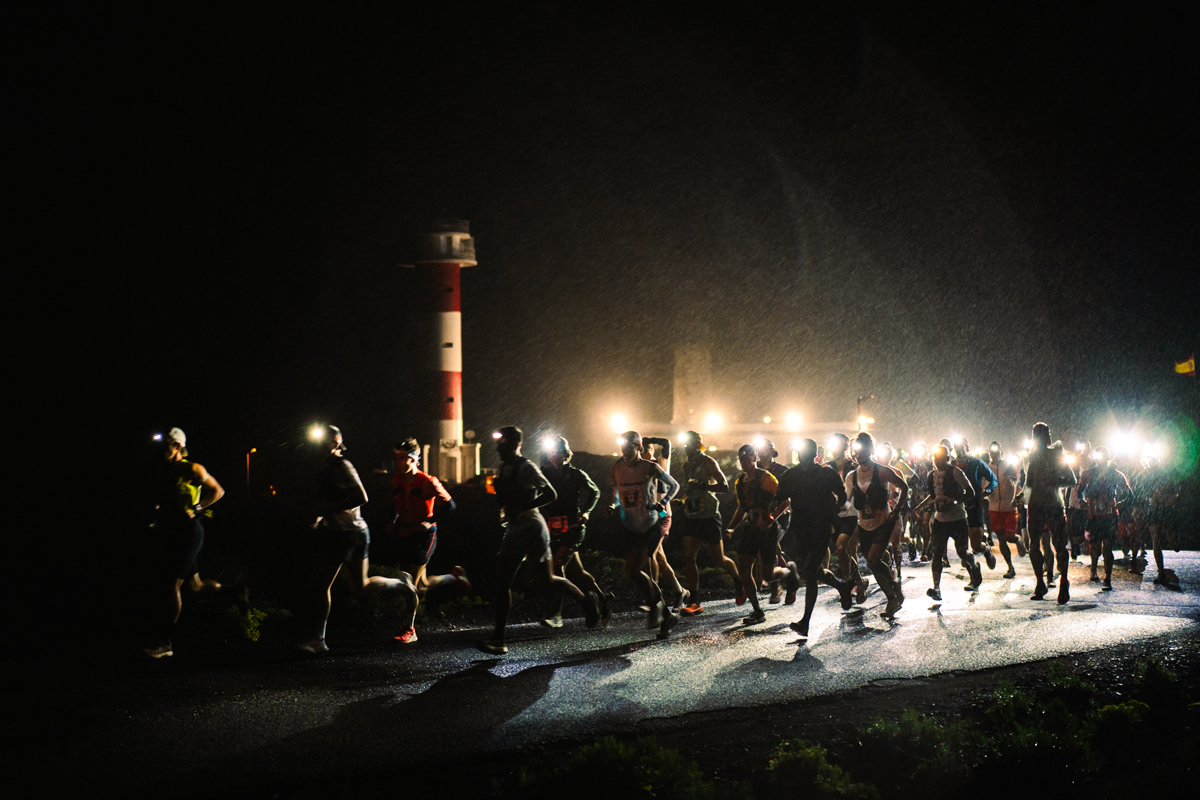
Transvulcania
73K, 43K, 25K, and VK crossing La Palma along the Ruta del Bastón
Read more →
Ultra Pirineu
100K, 54K, and 30K along the Cadí Range in the Catalan Pyrenees
Read more →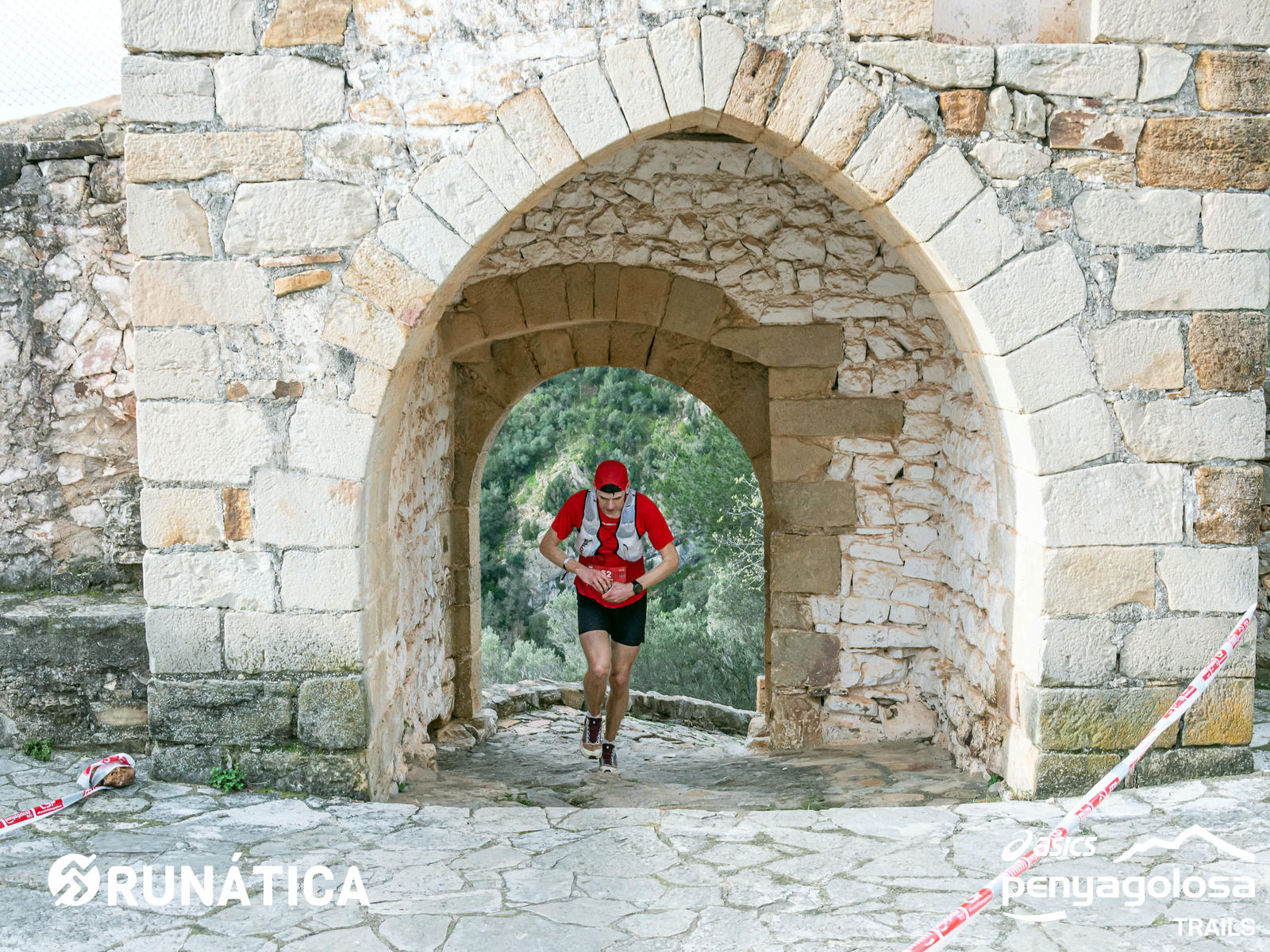
Penyagolosa Trails
106K and 60K from Castellón to the Penyagolosa summit via the GR-33
Read more →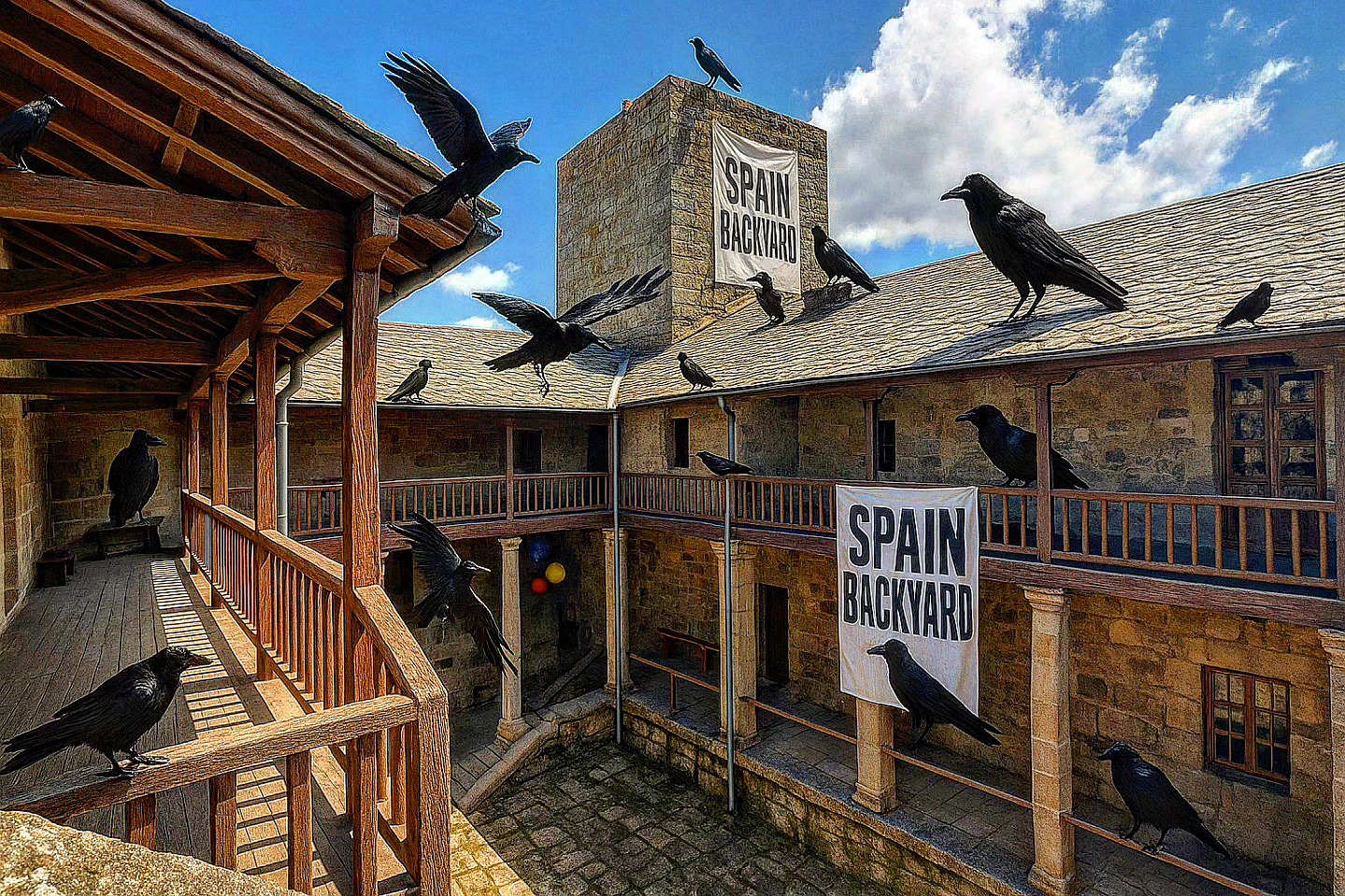
Spain Backyard Ultra
Spain's official backyard ultra — 6.7 km loops with 240 m D+ in Castro Caldelas, Ribeira Sacra
Read more →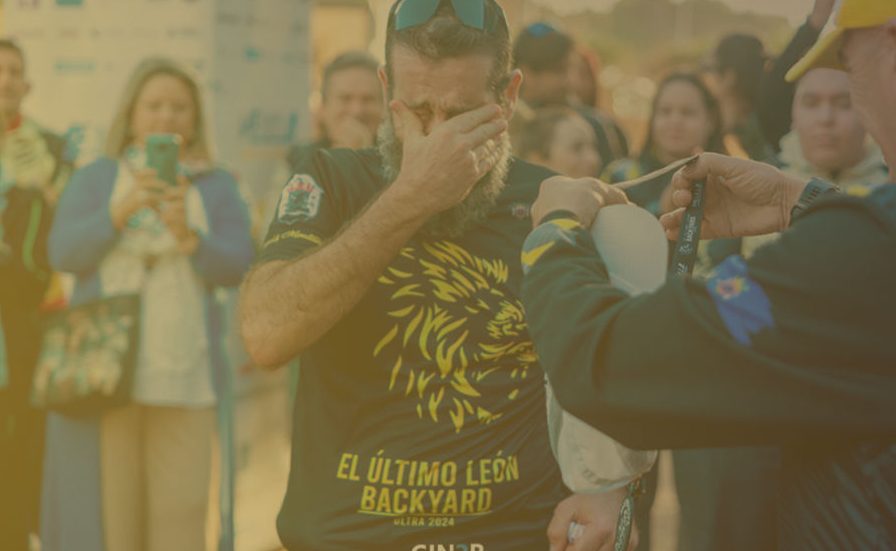
El Último León
Backyard ultra in Melilla — 6.7 km loops through Fuerte de Rostrogordo pine forests, Silver Ticket
Read more →