What to Wear for Cold-Weather Trail Running 2026: The Complete Layering Kit
Our picks by use case
Affiliate links: if you buy through them we earn a commission at no extra cost to you. It does not affect the ranking.
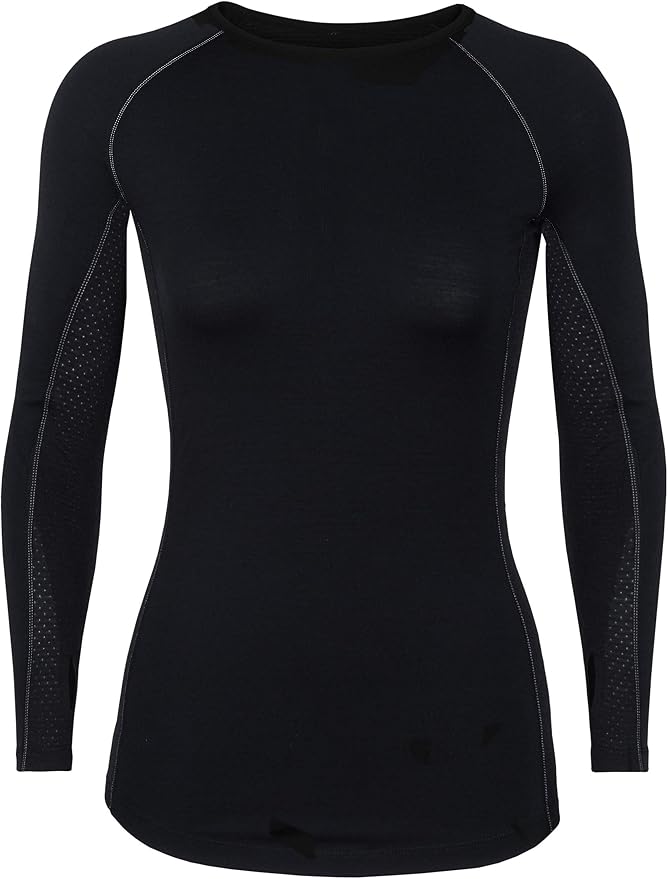 Our top pick#1 · Best base layerIcebreaker Icebreaker Merino 200 Oasis LS CreweView on Amazon (opens in a new tab)
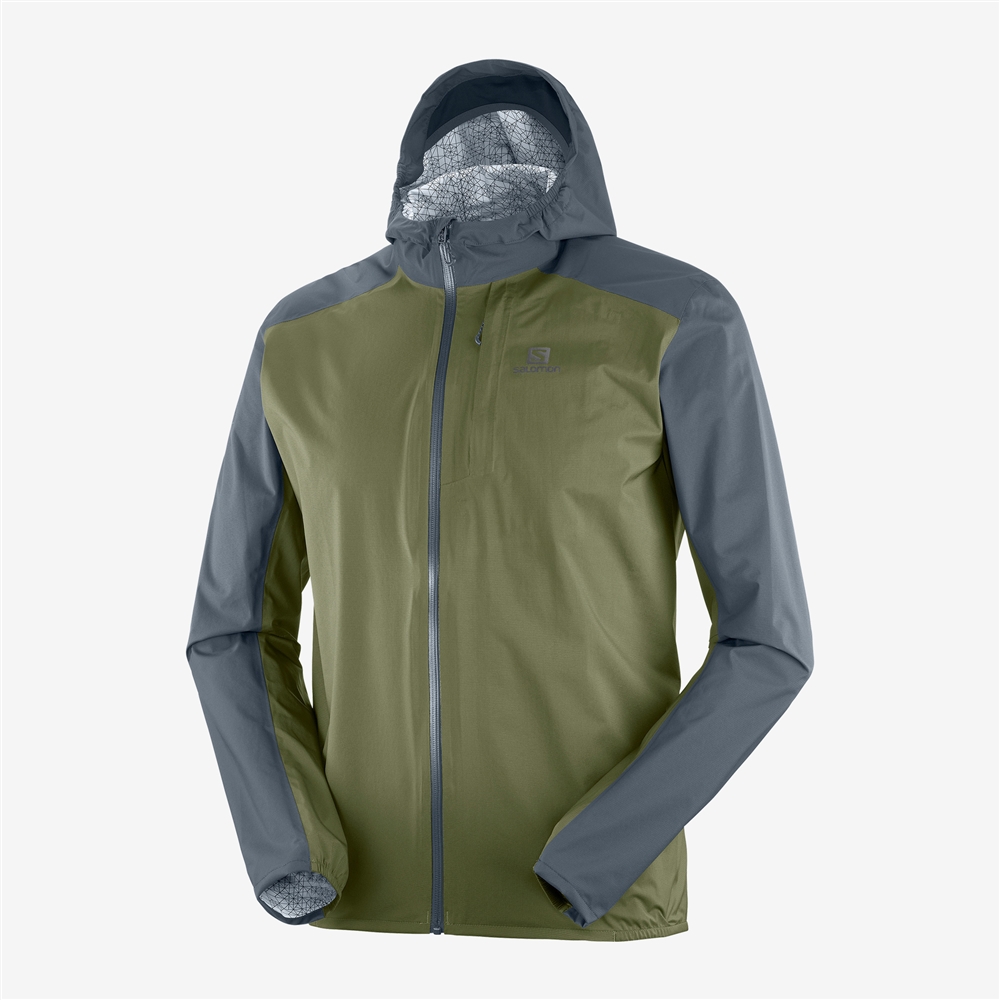 #2 · Best rain and wind jacketSalomon Salomon Bonatti WPView on Amazon (opens in a new tab)
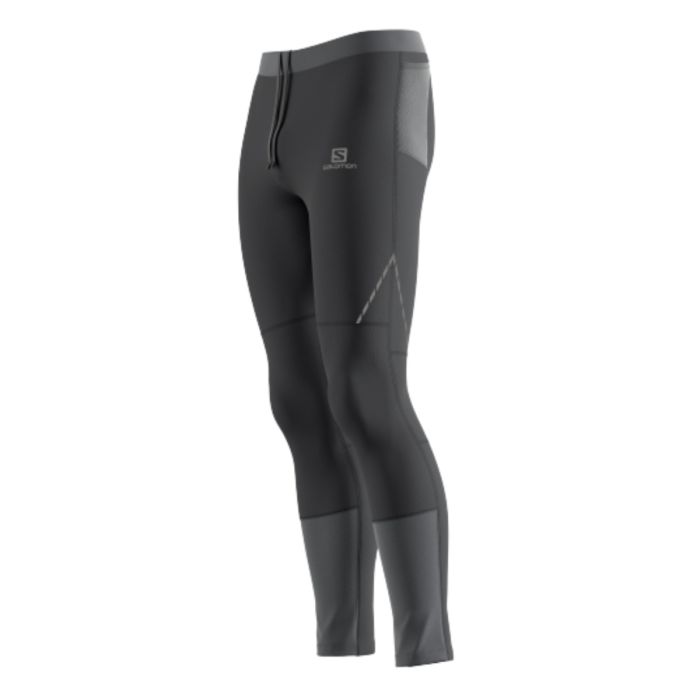 #3 · Best long tightsSalomon Salomon Cross Run TightView on Amazon (opens in a new tab)
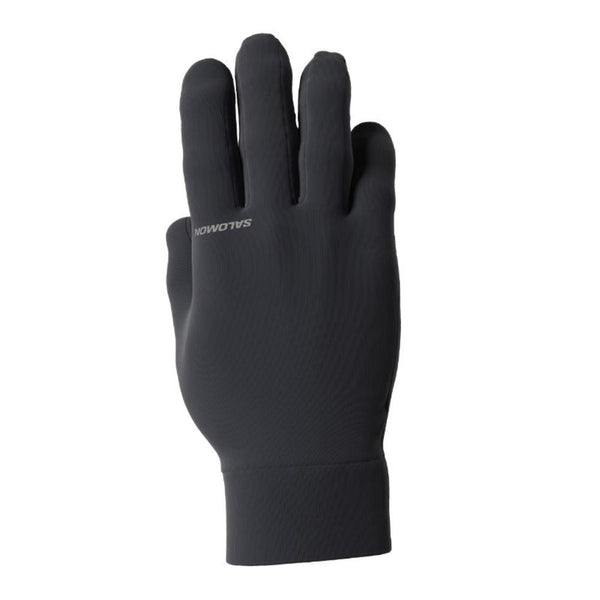 #4 · Best glovesSalomon Salomon Cross Warm GloveView on Amazon (opens in a new tab)
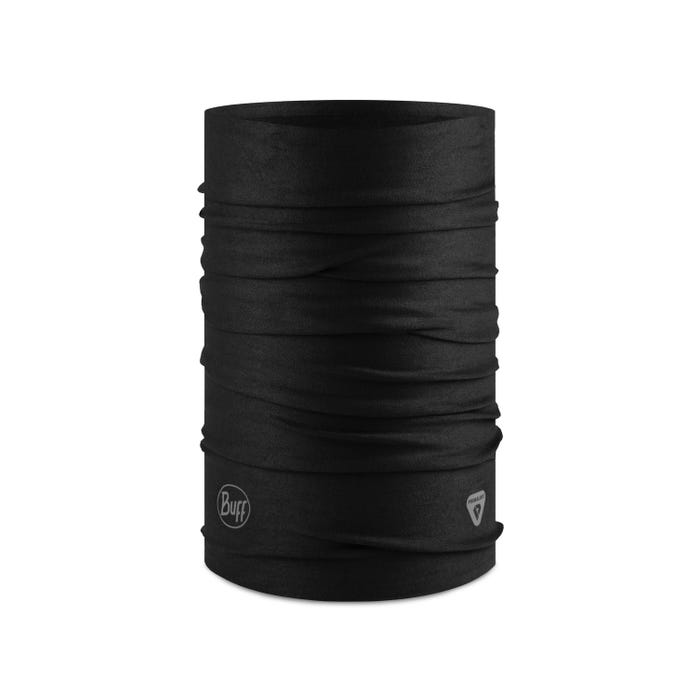 #5 · Best thermal buffBuff Buff ThermonetView on Amazon (opens in a new tab)
How we choose
We compare every model on verified technical specs (weight, materials, price), user reviews and our own experience running and testing gear in races from 21K to 100K+. We update this guide when prices change or new models launch. Some links are affiliate links: if you buy through them, TrailRunTemple earns a commission at no extra cost to you and with no influence on the selection.
All products in this guide
Icebreaker
Icebreaker Merino 200 Oasis LS Crewe
Long-sleeve thermal top in 100% merino wool (200g). Natural temperature regulation, genuine multi-day odor resistance and a soft, non-itch handfeel from the fine merino yarn.
Salomon
Salomon Bonatti WP
Chaqueta cortavientos impermeable ultraligera (135 g). Costuras selladas, capucha ajustable y ventilación trasera. Se pliega en su propio bolsillo.
Salomon
Salomon Cross Run Tight
Mallas largas de trail con tejido elástico y transpirable. Cintura ajustable, bolsillo trasero con cremallera. Protección contra el frío y la vegetación.
Salomon
Salomon Cross Warm Glove
Guantes térmicos de running con palma antideslizante y puntas táctiles. Ligeros, cálidos y compatibles con bastones.
Buff
Buff Thermonet
Buff tubular térmico con tecnología Primaloft. Retiene el calor corporal, ultraligero y polivalente: gorro, braga, cinta. Ideal para alta montaña.
Quick answer: for a cold-weather trail race you need five pieces that work together: a base layer like the Icebreaker Merino 200 Oasis(opens in a new tab), a wind and rain jacket like the Salomon Bonatti WP(opens in a new tab), long tights like the Salomon Cross Run Tight(opens in a new tab), gloves like the Salomon Cross Warm Glove(opens in a new tab), and a Buff Thermonet(opens in a new tab) for neck and head. Below you’ll find the layer-by-layer kit, the short-race version and the ultra version.
You don’t beat the cold with one thick garment. You beat it with thin layers you can add and remove while running. This guide pulls into a single kit what we’ve already compared piece by piece, and tells you what to carry depending on the race: a short event under 30 km and an ultra over 50 km don’t need the same gear, even at the same temperature.
Winter trail kit: comparison of the key pieces
Tap a column to sortSwipe to see more

The layering system: what goes on each part of the body
| Zone | What it has to do | Our pick |
|---|---|---|
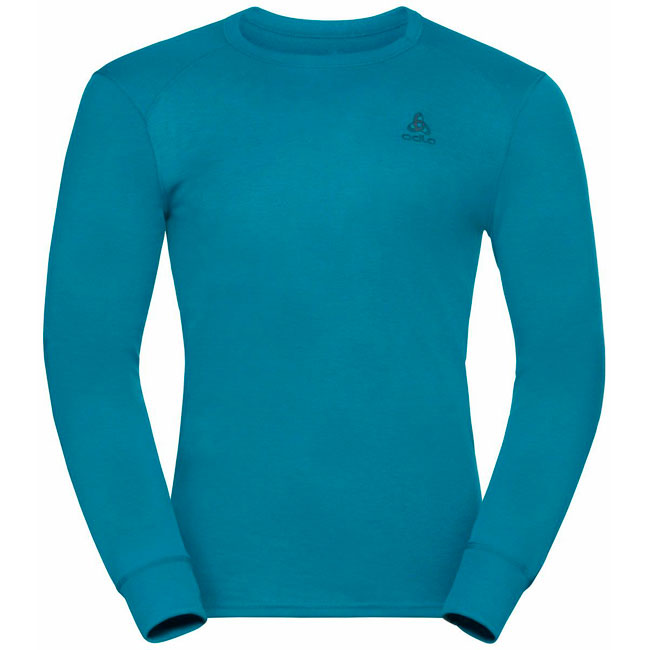
| Base layer | Move sweat away and keep heat without getting soaked | Icebreaker Merino 200 Oasis(opens in a new tab) (merino) or Odlo Active Warm Eco(opens in a new tab) (synthetic) |
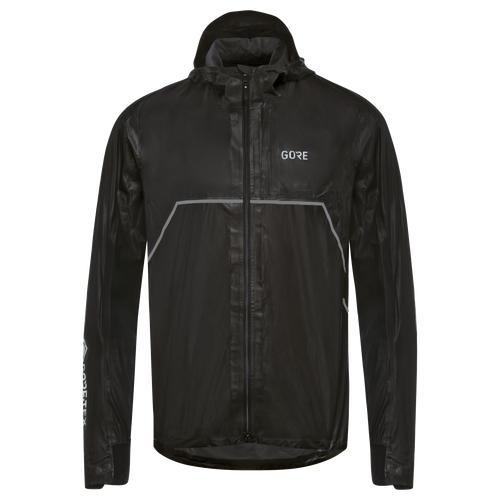
| Outer layer | Block wind and rain, pack into a pocket | Salomon Bonatti WP(opens in a new tab) or Gore Wear R7 Shakedry(opens in a new tab) |
| Legs | Protect from cold and wet vegetation | Salomon Cross Run Tight(opens in a new tab) |
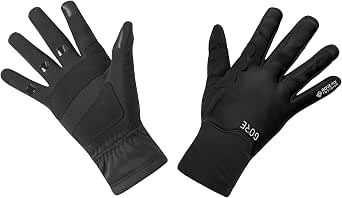
| Hands | Warmth with grip for poles | Salomon Cross Warm Glove(opens in a new tab); for snow and rain, Gore Wear M GORE-TEX Thermo(opens in a new tab) |
| Neck and head | Lots of warmth for little weight: hat, gaiter or headband | Buff Thermonet(opens in a new tab) or HANKER thermal neck gaiter(opens in a new tab) |
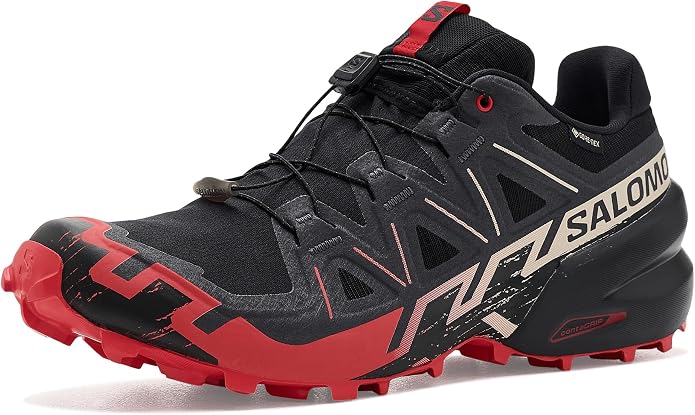
| Feet | Grip in mud, protection in water and snow | Salomon Speedcross 6 GTX(opens in a new tab) |
Each piece has its own comparison guide if you want more options: thermal base layers, tights, gloves, neck gaiters and buffs and technical apparel in general.
Short-race kit (under 30 km) vs ultra kit (over 50 km)
The rule is simple: in a short race you move fast, generate heat and spend little time exposed; in an ultra you chill at aid stations, slow down at night and depend on what you carry.
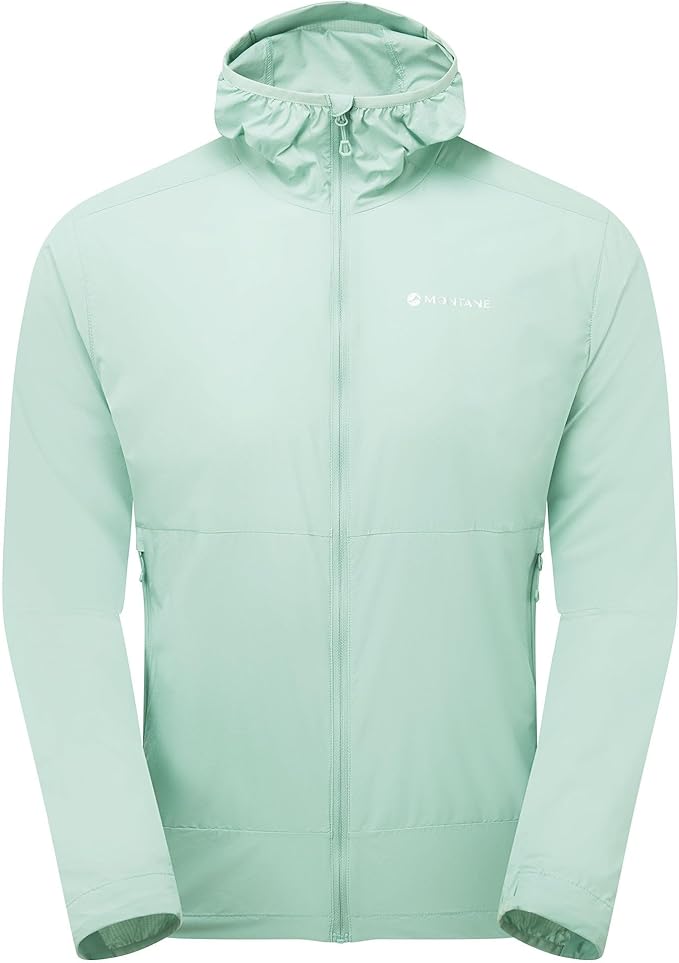
- Short kit: base layer, tights, gloves, buff and a light wind jacket like the Montane Featherlite Hooded(opens in a new tab) in a pocket. No big pack needed: a small vest is plenty.
- Ultra kit: everything above plus a spare base layer, a second pair of gloves (wet gloves don’t warm you), a proper waterproof jacket, a headlamp and a thermal blanket. You need a vest with capacity, like the Salomon ADV Skin 12 Set(opens in a new tab); we cover more in the hydration vest guide.
- If there’s a night section: a headlamp with spare battery like the Petzl Actik Core(opens in a new tab), and the Lifesystems thermal blanket(opens in a new tab). More in the headlamp guide and the mandatory and emergency gear guide.
How to choose each piece
Base layer: merino or synthetic
Merino regulates temperature and lasts several runs without smelling, which is why the Icebreaker(opens in a new tab) is our favorite for sustained cold and ultras. Synthetic like the Odlo Active Warm Eco(opens in a new tab) dries faster and handles vest chafing better. What matters: never cotton, because once soaked it chills you.
Jacket: wind shell or waterproof
They’re not the same. A wind shell blocks air but won’t handle sustained rain; a waterproof does, but overheats if you run hard. Our three picks cover the three scenarios: the Montane for wind and fast races, the Bonatti WP for rain and wind at a steady pace, and the R7 Shakedry for real rain and maximum breathability. The details are in the technical apparel guide.
Hands and head
Hands are the first thing to freeze. Thin thermal gloves work for most races; when snow and cold rain arrive together, step up to a lined waterproof glove. A thermal buff works as a hat, gaiter or headband, weighs almost nothing and gives you the most warmth per gram.
Shoes: grip and membrane
With mud and frozen ground, grip matters more than cushioning. The Speedcross 6 GTX(opens in a new tab) pair aggressive lugs with a GORE-TEX membrane. If you’re torn about membrane or not, read the waterproof shoe guide and the mud shoe guide.
Head to head: Bonatti WP, R7 Shakedry and Featherlite
| Montane Featherlite | Salomon Bonatti WP | Gore Wear R7 Shakedry | |
|---|---|---|---|
| Protection | Wind (not waterproof) | Wind and rain, sealed seams | Fully waterproof, no inner membrane |
| Approximate weight | 120 g | 135 g | 110 g |
| Breathability | Very high | Medium | Very high |
| Best for | Short, cold and dry races | Wet winter at a moderate pace | Ultras and sustained rain |
If you only buy one: Bonatti WP for most winter races; R7 Shakedry if you run ultras or head out in the rain often.
Our recommendations by profile
- First winter race: synthetic base layer, tights, gloves and buff. With a light wind jacket you’re covered.
- Mountain ultra with a night section: merino, waterproof jacket, spare gloves, headlamp and thermal blanket in a 12-liter vest.
- Snow and extreme cold: lined waterproof gloves, thermal buff and membrane shoes.
- On a budget: start with the base layer, gloves and buff. They change the experience most for the least money.
Races where this kit fits
Races from November to March make up most of the calendar: Cross de los 3 Refugios, Villablino Trail or Kangas Mountain in Spain, and night ultras like SaintéLyon in France or the Brocken Challenge in Germany. Check each race page’s mandatory gear before you buy.
Frequently asked questions
How many layers do I need for cold-weather running?
Three as a base: a base layer, a mid layer if it’s very cold, and an outer jacket against wind or rain. In short races you can skip the mid layer; in ultras, always carry an extra layer in your pack.
Merino or synthetic for winter running?
Merino wins in sustained cold and ultras because it regulates temperature and doesn’t smell. Synthetic dries faster and lasts longer. Both work; cotton doesn’t.
Do I need a waterproof jacket or is a wind shell enough?
If the forecast is dry, a wind shell is enough. With rain or wet snow you need a waterproof. In races with mandatory gear, the rules often require a waterproof jacket, so check them.
How do I keep my hands from freezing?
Thin gloves with a good fit for moderate cold and lined waterproof gloves for snow or rain. Always carry a spare pair in ultras: wet gloves don’t warm you.
What do I carry for a winter ultra?
A spare base layer, spare gloves, a waterproof jacket, a buff, a headlamp with extra battery and a thermal blanket, plus food and hydration. The exact list depends on the race rules.
Do I need special shoes for winter?
Not always. Aggressive lugs help in soft mud and frozen ground; a GORE-TEX membrane helps in water and snow. For dry terrain, your usual shoes may be fine.
Other guides you might find useful
- What to Wear for Snow and High-Mountain Trail Running 2026: The Complete Kit
- Best Technical Trail Running Apparel 2026: Waterproof Jackets, Wind Shells, Tights and Gaiters
- Best Neck Gaiter (Buff) for Trail Running 2026: Comparison & Buying Guide
- Best Thermal Base Layer for Trail Running 2026: Comparison & Buying Guide
Races where you'll need this gear
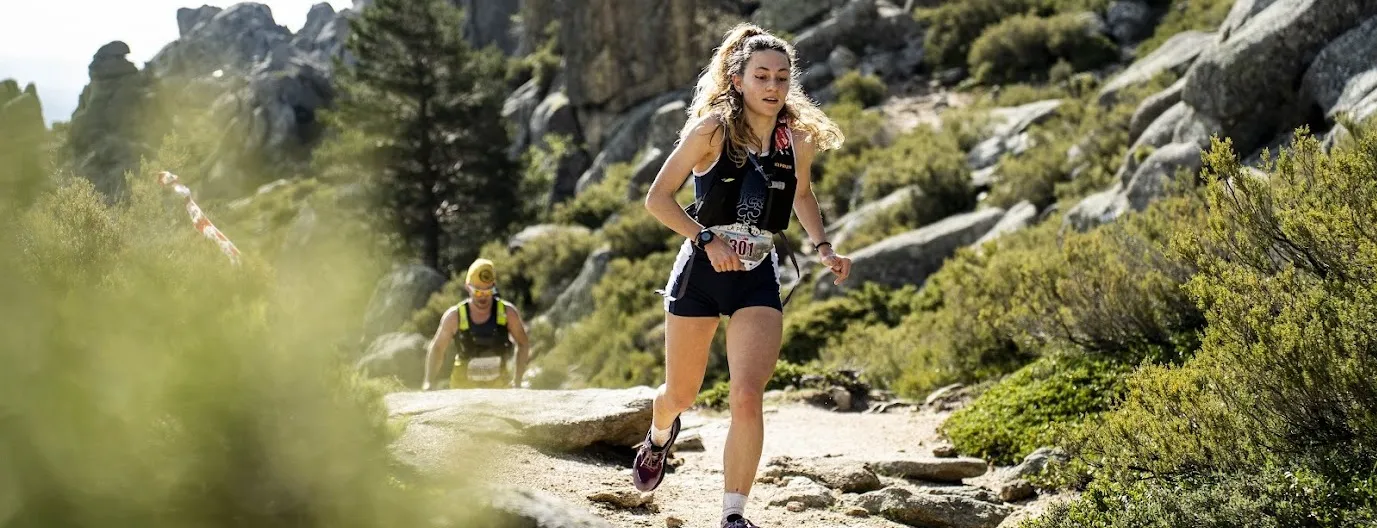
Cross de los 3 Refugios
Legendary Sierra de Guadarrama traverse: 24 km and 1,700 m D+ from Manzanares el Real to Puerto de Navacerrada through La Pedriza and La Maliciosa
Read more →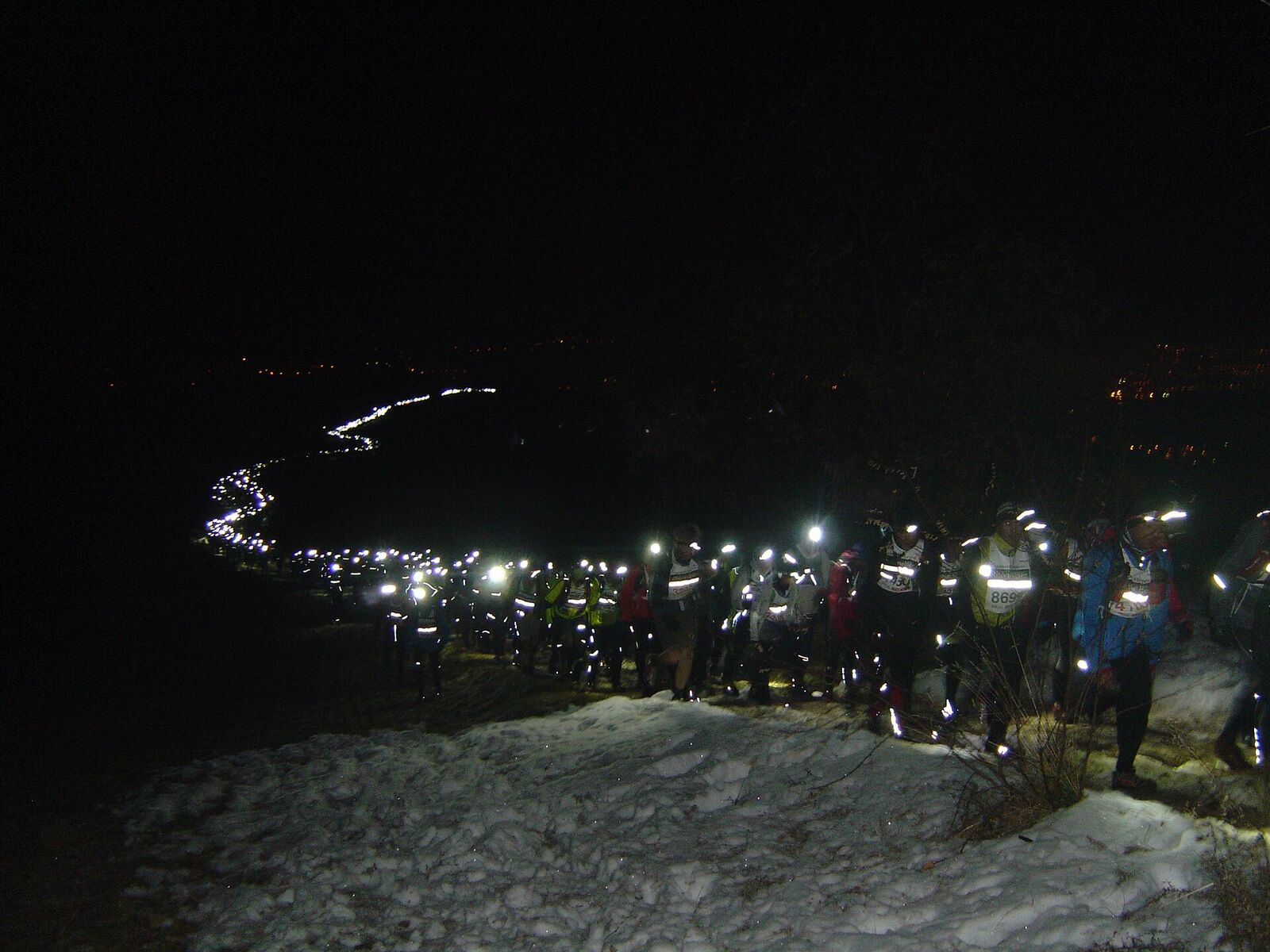
SaintéLyon
France's great night race: 80 km from Saint-Étienne to Lyon in November, starting at midnight. Headlamp, thermal layers and plenty of mud.
Read more →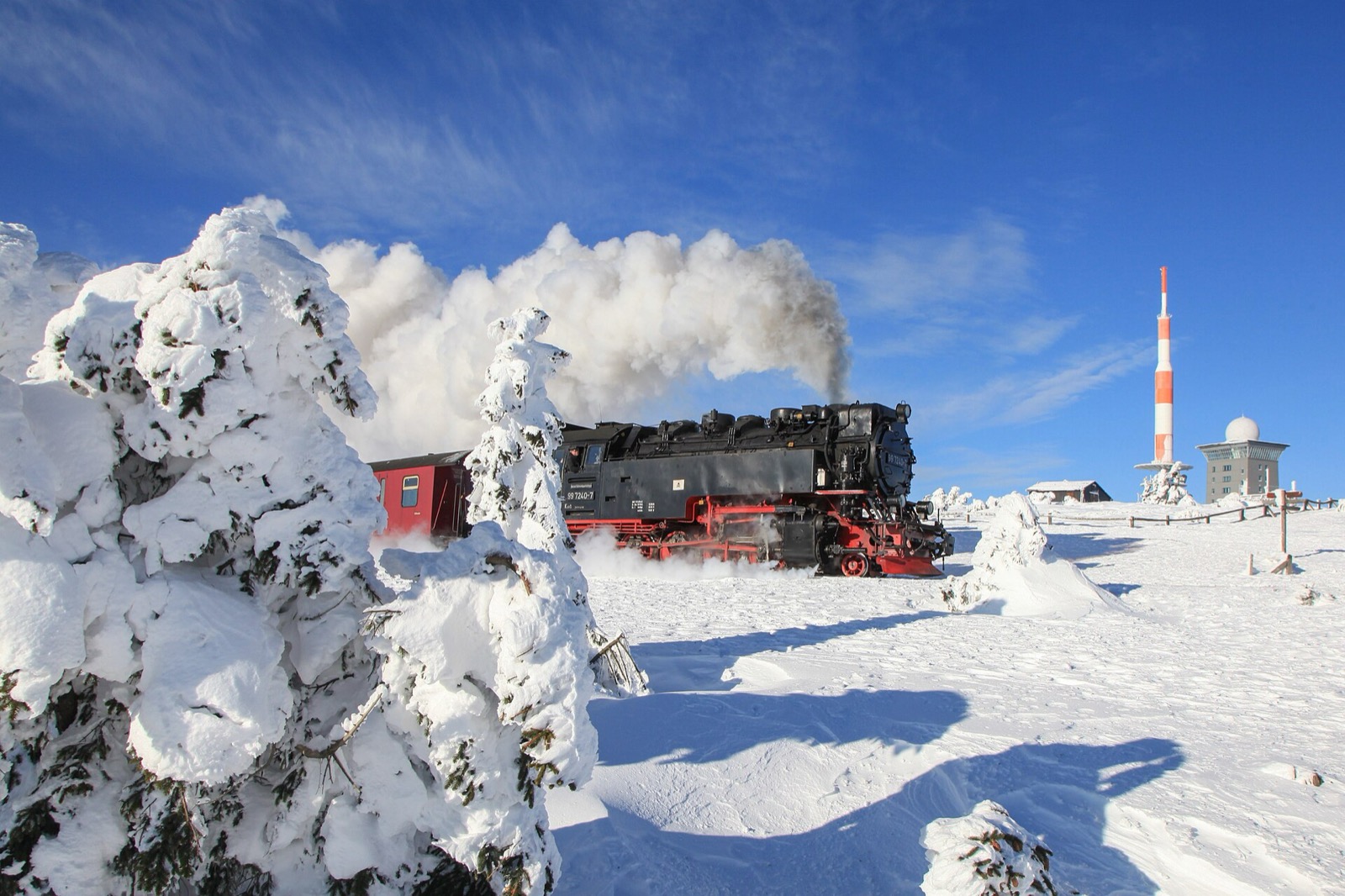
Brocken-Challenge
13 February 2027: 80 km and +1,900 m from Göttingen to the snowy Brocken summit. Places by application, 1-7 November.
Read more →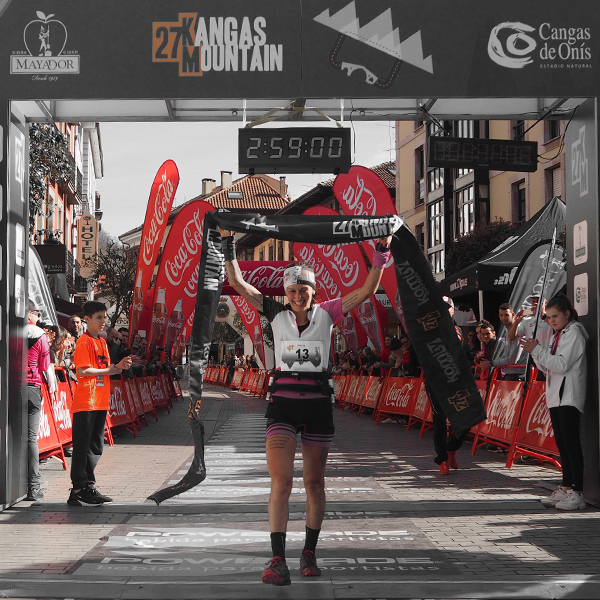
Kangas Mountain
58K, 33K, 21K and 12K through the mountains of Cangas de Onís with the Picos de Europa as backdrop
Read more →
X Villablino Trail
10K trail with about 550m D+ in Laciana (León), on 1 November 2026
Read more →