Best sunglasses for trail running 2026: photochromic, polarized and budget picks
Our picks by use case
Affiliate links: if you buy through them we earn a commission at no extra cost to you. It does not affect the ranking.
- #1Our top pick#1 · Best PhotochromicJulbo Julbo AeroView on Amazon (opens in a new tab)
 #2 · Best ValueUvex Uvex Sportstyle 233 PView on Amazon (opens in a new tab)
 #3 · Best VersatilityKAPVOE KAPVOE Gafas Polarizadas 5 Lentes IntercambiablesView on Amazon (opens in a new tab)
 #4 · Best BudgetROCKBROS ROCKBROS Gafas Fotocromáticas UV400View on Amazon (opens in a new tab)
How we choose
We compare every model on verified technical specs (weight, materials, price), user reviews and our own experience running and testing gear in races from 21K to 100K+. We update this guide when prices change or new models launch. Some links are affiliate links: if you buy through them, TrailRunTemple earns a commission at no extra cost to you and with no influence on the selection.
All products in this guide
Julbo
Julbo Aero
Sports sunglasses with a Reactiv photochromic lens that automatically adapts to changing light, an ultralight panoramic frame and the Air Link temple system for a secure, pressure-free fit. Built for high-mountain trail running, where light shifts constantly between forest, rock and open summits.
Uvex
Uvex Sportstyle 233 P
Sports sunglasses with a Polavision polarized lens that eliminates glare and reflections on surfaces like water, wet rock or snow. Flexible frame with soft temple tips and full UV protection, a solid balance between price and technical performance.
KAPVOE
KAPVOE Gafas Polarizadas 5 Lentes Intercambiables
TR90-frame sports sunglasses with 5 interchangeable lenses (polarized, smoke, clear, low-light yellow and mirrored), designed to adapt protection to any race condition without buying multiple pairs. Lightweight with a secure grip for extended wear.
ROCKBROS
ROCKBROS Gafas Fotocromáticas UV400
Sports sunglasses with a photochromic lens that darkens with UV radiation, a curved TR90 frame for an anatomical fit, an adjustable nose pad and anti-fog vents. The most affordable entry-level option in the catalog for trail beginners who want real UV400 protection without paying for a premium tier.
Your eyes take as much solar radiation as your skin, and in trail running the risk multiplies: direct sun glare, light reflected off rock, snow or water, and hours of exposure with no roof or tree canopy for shade. Poorly chosen sunglasses don’t just let UV radiation through — they also strain your eyes and hurt your read of technical terrain. This comparison covers the 4 best options for trail running in 2026: mountain photochromic, budget-friendly polarized, interchangeable-lens, and an affordable entry-level pick.
Comparison table
| Product | Lens type | Weight | Best for | Buy |
|---|---|---|---|---|
| Julbo Aero | Photochromic Reactiv | Ultralight | High mountain, changing light | Amazon →(opens in a new tab) |
| Uvex Sportstyle 233 P | Polarized Polavision | Lightweight | Best value | Amazon →(opens in a new tab) |
| KAPVOE 5 Lenses | Polarized + interchangeable | Lightweight | Multi-condition versatility | Amazon →(opens in a new tab) |
| ROCKBROS Photochromic | Photochromic UV400 | Ultralight | Beginners, tight budget | Amazon →(opens in a new tab) |
All available on Amazon with fast shipping. Links go to the current live price.
How to choose sunglasses for trail running: 4 deciding factors
1. Real UV400 protection
A dark lens isn’t enough on its own: look for the explicit UV400 label, which blocks 100% of UVA and UVB rays. Cheap sunglasses without real filtering can be worse than wearing nothing, because the shade dilates your pupil and lets in more radiation than it blocks.
2. Photochromic vs polarized vs interchangeable lenses
These are three different answers to the same problem — changing light on race day. A photochromic lens adapts on its own as you move in and out of shade or cloud, ideal for courses that alternate forest and open summits. A polarized lens cuts glare on reflective surfaces like water, snow or wet rock, but it doesn’t lighten in shade. Interchangeable lenses give you manual control at the cost of having to stop to swap them.
3. Weight and grip
On multi-hour races, a few extra grams add up, and a frame that slides with sweat means constantly readjusting it. Prioritize lightweight frames (TR90 or similar) with non-slip nose pads and temples with a good grip.
4. Compatibility with a cap or visor
Just like with a pack, oversized sunglasses can clash with a cap’s visor or a headlamp’s straps. Test the full combo on a long training run before race day.
Individual breakdown of the 4 options
1. Julbo Aero — Best Photochromic
The Julbo Aero with its Reactiv lens adapts automatically to light intensity, especially useful on mountain races that alternate dense forest and open summits within minutes. Its ultralight frame and the Air Link temple system keep it in place without pressure marks over hours.
Best for: high-mountain ultras with highly variable light stretches, runners who don’t want to carry two pairs or stop to swap lenses.
View Julbo Aero on Amazon →(opens in a new tab)2. Uvex Sportstyle 233 P — Best Value
The Uvex Sportstyle 233 P brings Polavision technology, cutting glare and reflections on surfaces like water or wet rock, at a noticeably lower price than premium mountain brands. Its flexible frame with soft temple tips makes it comfortable for long sessions.
Best for: runners who want quality polarized protection without paying the premium of specialist trail brands, races with stretches along rivers, reservoirs or snow.
View Uvex Sportstyle 233 P on Amazon →(opens in a new tab)3. KAPVOE 5-Lens Polarized — Best Versatility
The KAPVOE with 5 interchangeable lenses covers a range of situations no single pair can solve alone: a polarized lens for strong sun, smoke for overcast days, clear for night training and mirrored for maximum brightness. It’s the most flexible option in the comparison.
Best for: runners who train in very different conditions across the week (sun, night, overcast) and would rather invest in one interchangeable-lens kit than several pairs. Not the best pick for race day, where stopping to swap lenses isn’t practical.
View KAPVOE 5 Lenses on Amazon →(opens in a new tab)4. ROCKBROS Photochromic UV400 — Best Budget
The ROCKBROS Photochromic offers real UV400 protection and a photochromic lens for a fraction of the price of premium options. Its curved TR90 frame and adjustable nose pad give a solid fit for runners starting out in trail who aren’t ready to invest in a higher tier yet.
Best for: runners just starting out in trail running who want real UV protection without paying premium prices, or a backup pair to avoid risking a good pair on technical, muddy races.
View ROCKBROS Photochromic on Amazon →(opens in a new tab)Head-to-head: Julbo Aero vs ROCKBROS Photochromic
The two price extremes of the comparison, head to head:
The Julbo Aero wins on photochromic range. It adapts to more light levels, and more precisely, than the ROCKBROS.
The Julbo Aero wins on grip. The Air Link system keeps the frame in place on technical sections without pressure marks on the nose.
The ROCKBROS wins on price. It costs a fraction of the Julbo while still offering real UV400 protection.
The ROCKBROS wins as a backup pair. If you already own a good pair, it’s a sensible option to avoid risking it on very technical or muddy races.
Head-to-head verdict: if you run high-mountain ultras with heavy exposure and changing light, go with the Julbo Aero. If you’re just starting out or want a backup pair, go with the ROCKBROS Photochromic.
4 common mistakes when choosing sunglasses for trail
-
Buying dark sunglasses with no UV400 filter. A dark lens dilates the pupil, and without real filtering it lets in more radiation than it blocks.
-
Choosing only polarized for a heavily forested course. Polarized lenses don’t lighten in shade; on courses that alternate forest sections, a photochromic lens adapts better.
-
Not testing the grip with sweat before race day. A frame that slides forces constant readjustment on technical sections, exactly when you need the most focus.
-
Ignoring compatibility with a cap or headlamp. Test the full combo on a long training run, not on race day.
FAQ
Do I need photochromic sunglasses or will regular ones work?
It depends on the course. If the race alternates shaded areas (forest) and direct sun (summits), photochromic lenses save you from constantly taking your glasses on and off. If the course is mostly open and sunny, regular polarized lenses are enough.
Do polarized lenses affect how you read technical terrain?
Generally not, and on reflective surfaces (water, wet rock) they actually improve vision by cutting glare. Some people notice changes in depth perception on digital screens, but it doesn’t affect running on natural terrain.
Is it worth spending on premium sunglasses like Julbo?
If you run many hours in the high mountains with highly variable light, yes: the photochromic range and grip make a difference on long races. For training and shorter races, a value option like the Uvex is enough.
Can I use the same sunglasses for trail running and cycling?
Yes, most UV400 sports sunglasses work for both. Just check the frame doesn’t interfere with a helmet or cap depending on how you’ll use them.
Final verdict: our pick of the 4 options
- If you want the best without overthinking it: Julbo Aero(opens in a new tab)
- If you’re after the best value: Uvex Sportstyle 233 P(opens in a new tab)
- If you want versatility across conditions: KAPVOE 5 Lenses(opens in a new tab)
- If you’re starting out on a tight budget: ROCKBROS Photochromic(opens in a new tab)
Sunglasses are the piece of sun-protection gear that gets overlooked most often, but spending hours with your eyes exposed to UV radiation and glare catches up with you sooner than it seems. Pair them with sunscreen and a good head accessory and your face and eyes will stay covered for the whole race.
For the rest of your sun-protection kit, check our trail running sunscreen comparison and our caps, visors and bandanas comparison.
Other guides you might find useful
Races where you'll need this gear

Ultra Sierra Nevada
100K, 42K and 21K across the rooftop of the Iberian Peninsula
Read more →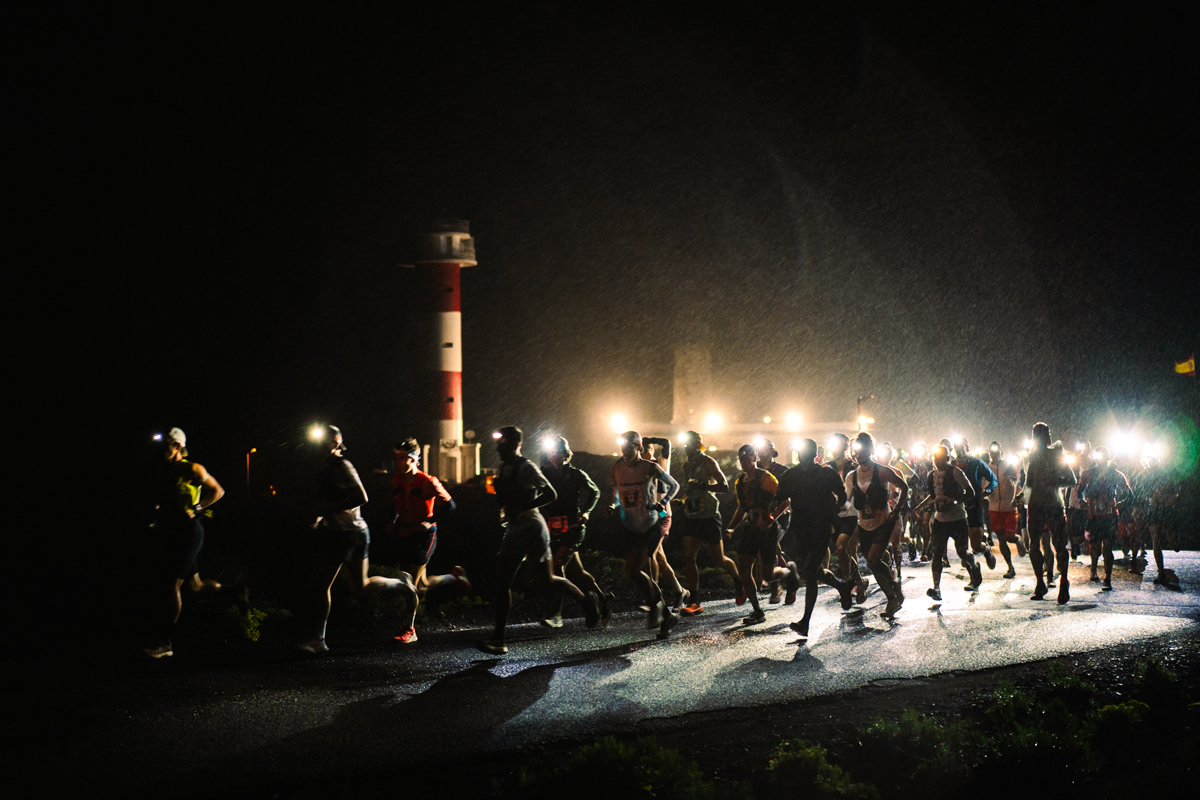
Transvulcania
73K, 43K, 25K, and VK crossing La Palma along the Ruta del Bastón
Read more →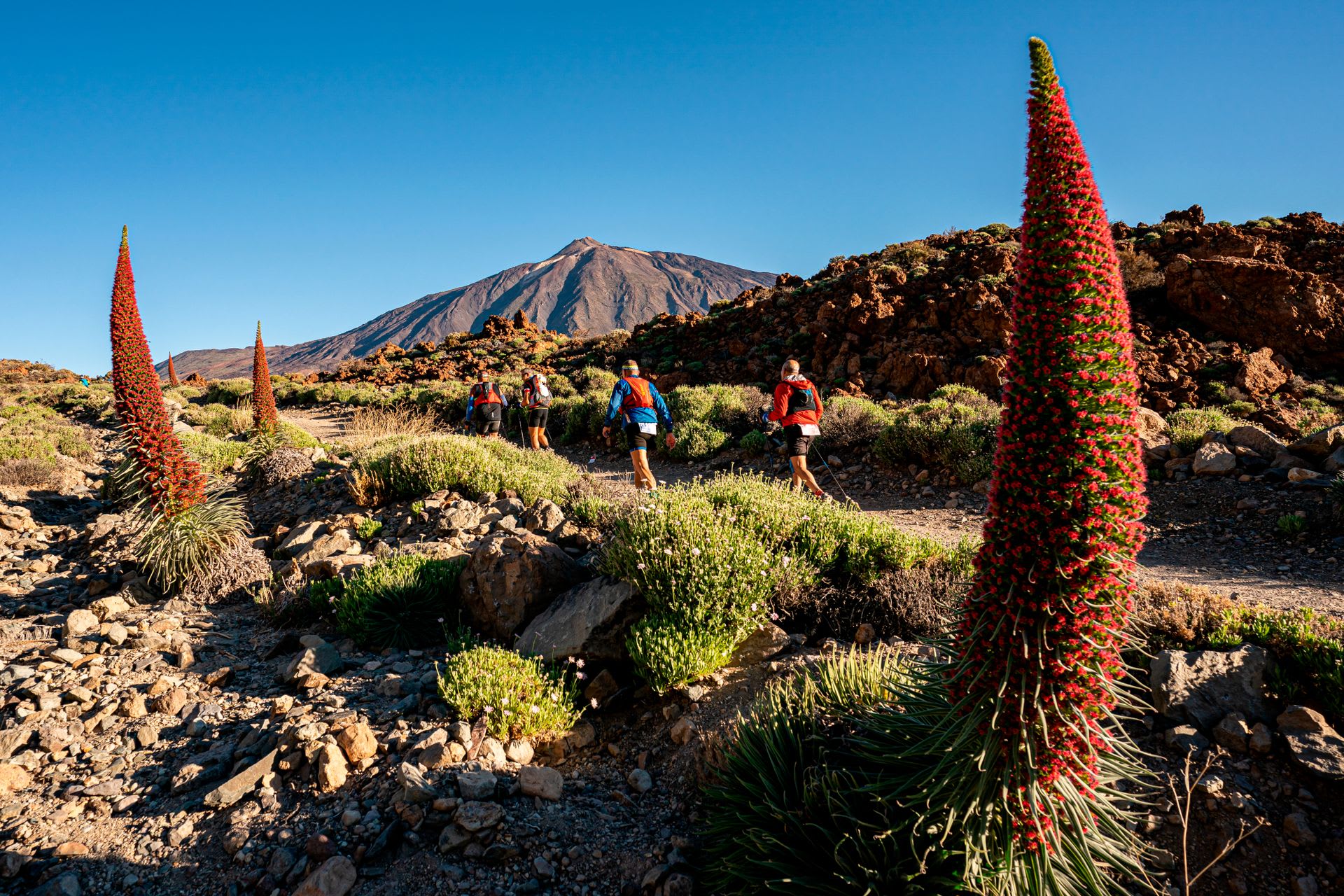
Tenerife by UTMB
110K, 82K, 68K, 47K and 24K crossing Tenerife from south to north via Mount Teide (8-10 April 2027)
Read more →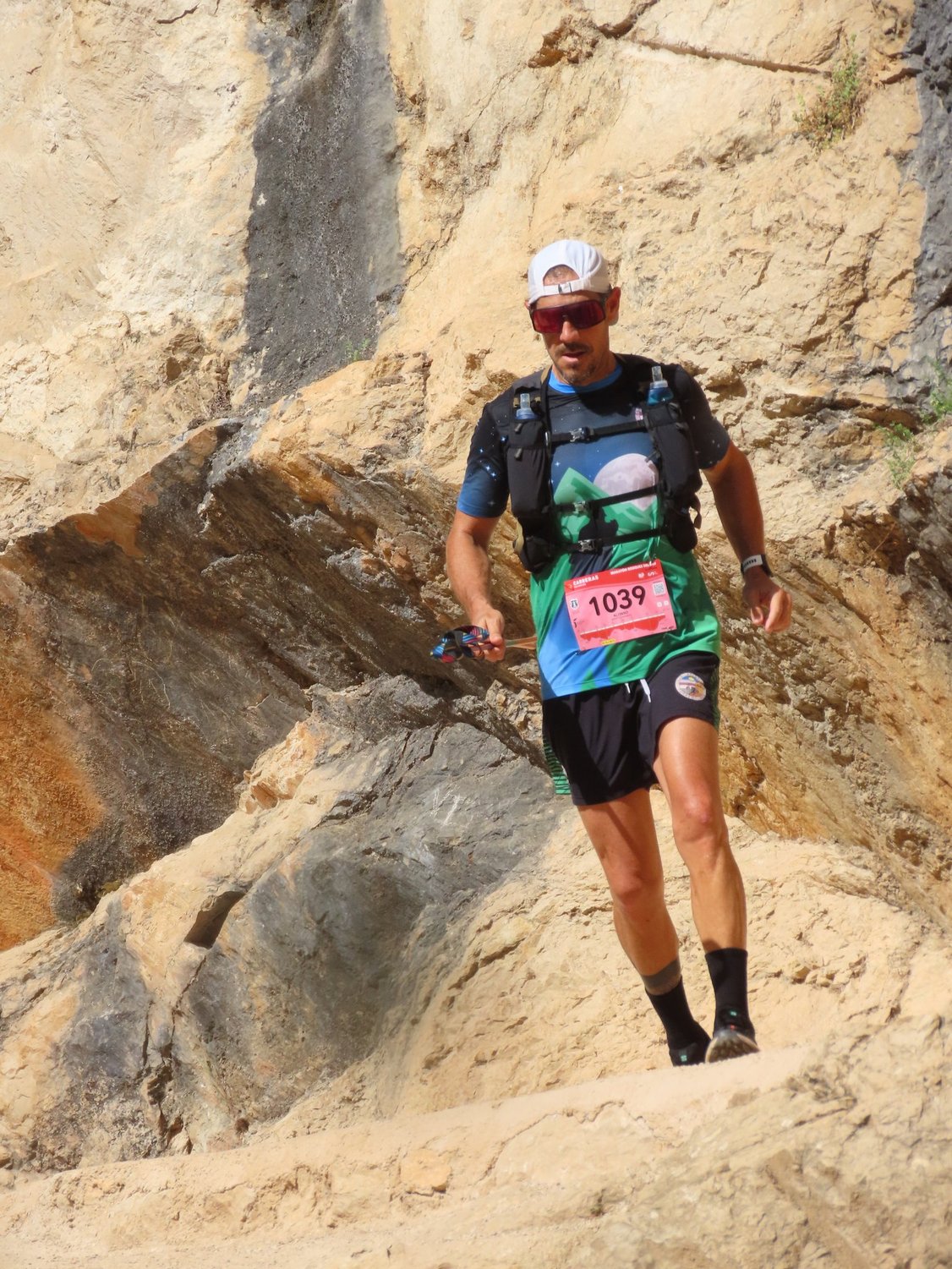
Ultra Trail Bosques del Sur
70K, 42K, 21K, 10K and 4K through the Cazorla, Segura y las Villas Natural Park
Read more →