Vertical Kilometer Races in Spain 2026
The Vertical Kilometer (VK) is the purest climbing test in trail running: 1,000 metres of elevation gain packed into the shortest horizontal distance possible, typically between 3 and 5 km. It is a short but brutal race where aerobic capacity, leg strength and lactate tolerance are pushed to the limit. The best runners complete a VK in under 30 minutes, but for most it is a 40- to 60-minute fight against gravity. Spain offers spectacular VKs taking advantage of its orography: from Pyrenean slopes to the volcanic ramps of the Canary Islands. It is an ideal format as a complementary event within larger races, or as specific uphill strength training. If you want to improve your mountain performance, adding a VK to your calendar is one of the best decisions you can make.
For cold and dark miles
Headlamp, thermal layer and a good watch: what matters when daylight runs short.
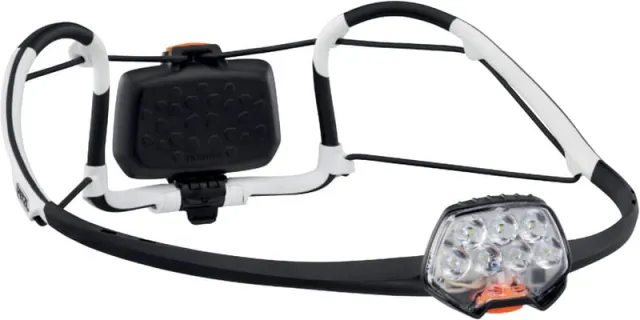 #1 · Best OverallPetzl Iko CoreView on Amazon →(opens in a new tab)
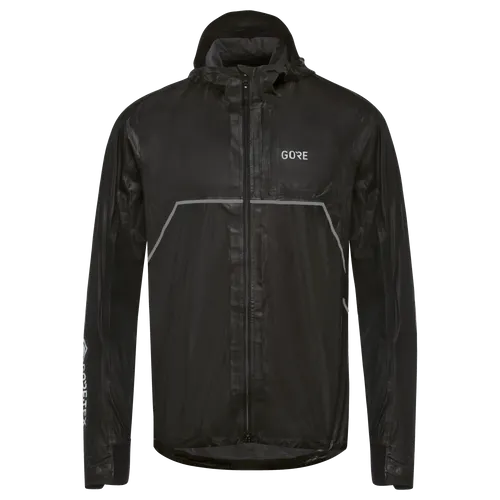 #2 · Best Rain JacketGore Wear R7 GTX ShakedryView on Amazon →(opens in a new tab)
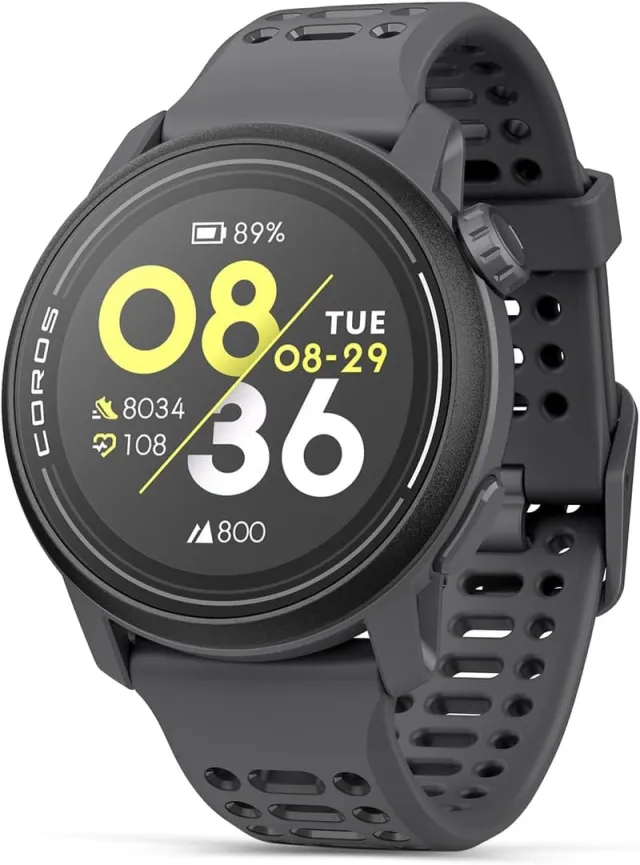 #3 · Best OverallCoros Pace 3View on Amazon →(opens in a new tab)
Some links are affiliate links. If you buy through them, we earn a commission at no extra cost to you.
7
Races
1.6 – 7.3 km
Distance range
400 – 1,092 D+
Elevation range
Mar – Nov
Race months
Difficulty
Tips
Warm up properly before the start: a VK is a maximum effort from the first metre, there is no time to warm up during the race.
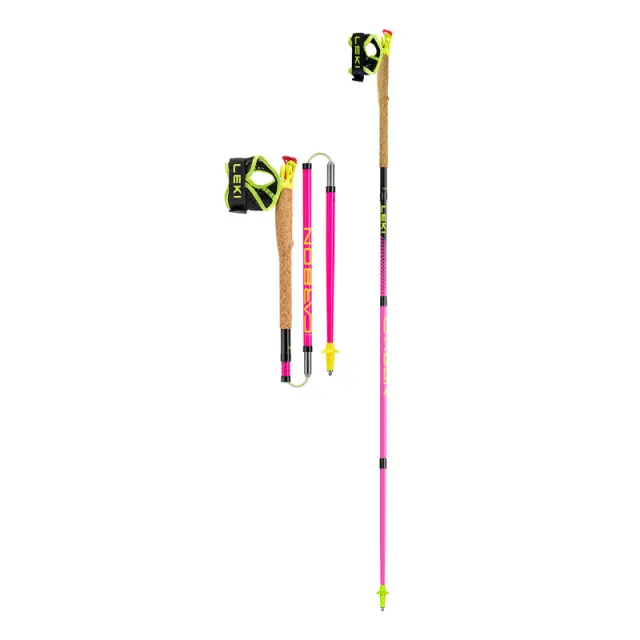
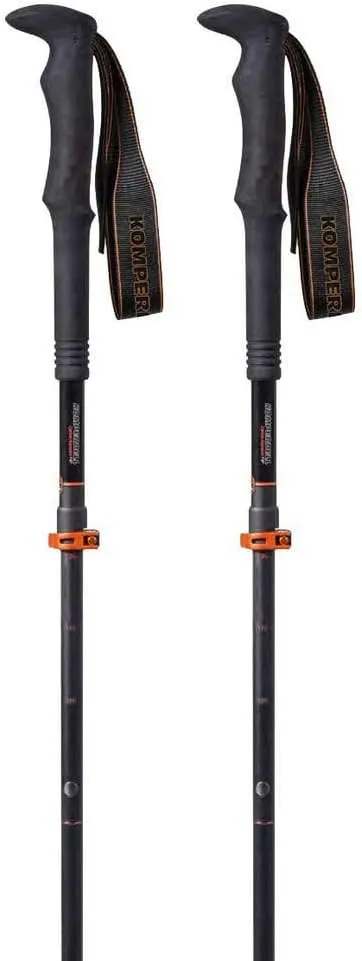
Poles are almost mandatory in VK — look for ultralight carbon ones with an ergonomic grip.
Train hill intervals: 8-10 repetitions of 3-5 minutes at threshold pace, recovering on the descent.
Hydrate before the start but carry minimal water: extra weight penalises in such a short race.
Race map
Click a marker to see race details
Race calendar
No races match these filters.
For your vertical km
Poles, grippy shoes and a light vest for a 1,000 m climb.
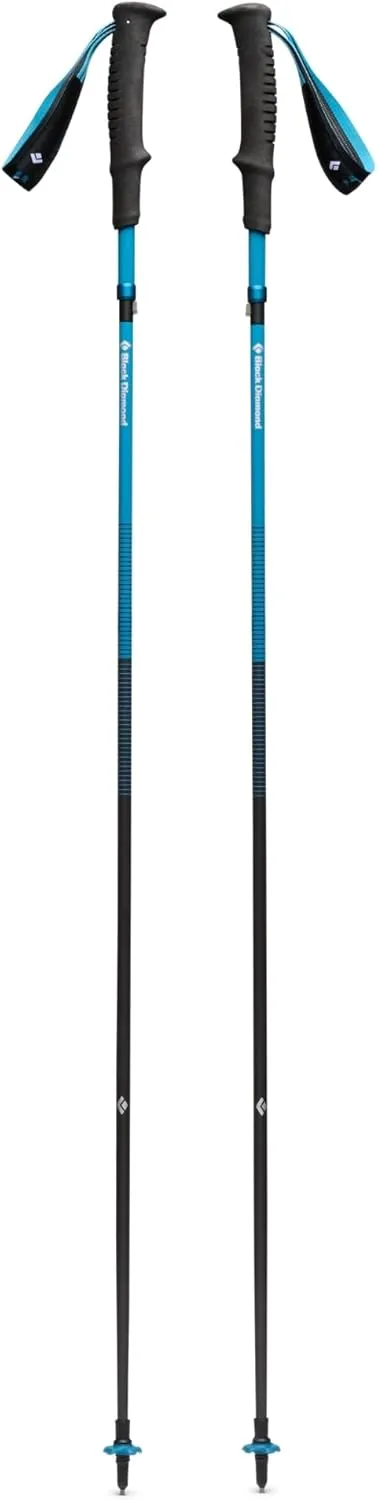 #1 · Best OverallBlack Diamond Distance Carbon ZView on Amazon →(opens in a new tab)
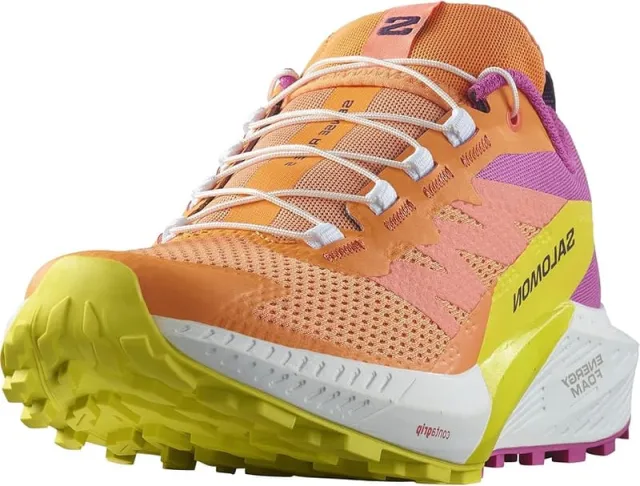 #2 · Best OverallSalomon Sense Ride 5View on Amazon →(opens in a new tab)
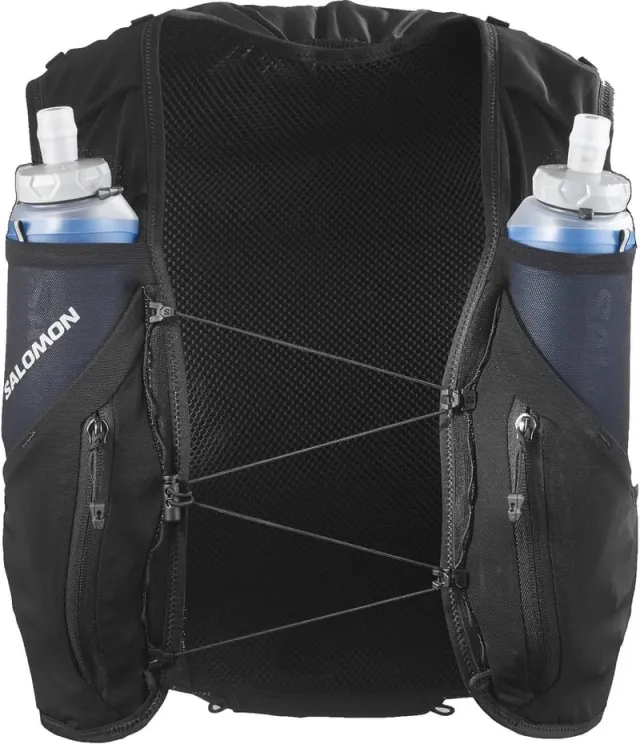 #3 · Best OverallSalomon ADV Skin 12 SetView on Amazon →(opens in a new tab)
Some links are affiliate links. If you buy through them, we earn a commission at no extra cost to you.
For a short race
Shoes, socks and sun protection: just what you need to run fast.
- #1 · Best OverallSalomon Sense Ride 5View on Amazon →(opens in a new tab)
 #2 · Best OverallCompressport Pro Racing Socks V3.0 TrailView on Amazon →(opens in a new tab)
 #3 · Best OverallISDIN Fusion Water Sunscreen SPF 50+View on Amazon →(opens in a new tab)
Some links are affiliate links. If you buy through them, we earn a commission at no extra cost to you.
For a mid-distance race
Shoes, vest and hydration for 21-42 km without suffering.
- #1 · Best OverallSalomon Sense Ride 5View on Amazon →(opens in a new tab)
- #2 · Best OverallSalomon ADV Skin 12 SetView on Amazon →(opens in a new tab)
 #3 · Best Gel OverallMaurten Gel 100View on Amazon →(opens in a new tab)
Some links are affiliate links. If you buy through them, we earn a commission at no extra cost to you.
For a long race
Vest, headlamp and nutrition for all those hours in the mountains.
- #1 · Best OverallSalomon ADV Skin 12 SetView on Amazon →(opens in a new tab)
- #2 · Best OverallPetzl Iko CoreView on Amazon →(opens in a new tab)
- #3 · Best Gel OverallMaurten Gel 100View on Amazon →(opens in a new tab)
Some links are affiliate links. If you buy through them, we earn a commission at no extra cost to you.
For your ultra
A watch with battery to spare, a powerful headlamp and poles: the gear that can't fail.
- #1 · Best OverallCoros Pace 3View on Amazon →(opens in a new tab)
- #2 · Best OverallPetzl Iko CoreView on Amazon →(opens in a new tab)
- #3 · Best OverallBlack Diamond Distance Carbon ZView on Amazon →(opens in a new tab)
Some links are affiliate links. If you buy through them, we earn a commission at no extra cost to you.
Who would you run them with? Send them this list.
Share this view(opens in a new tab)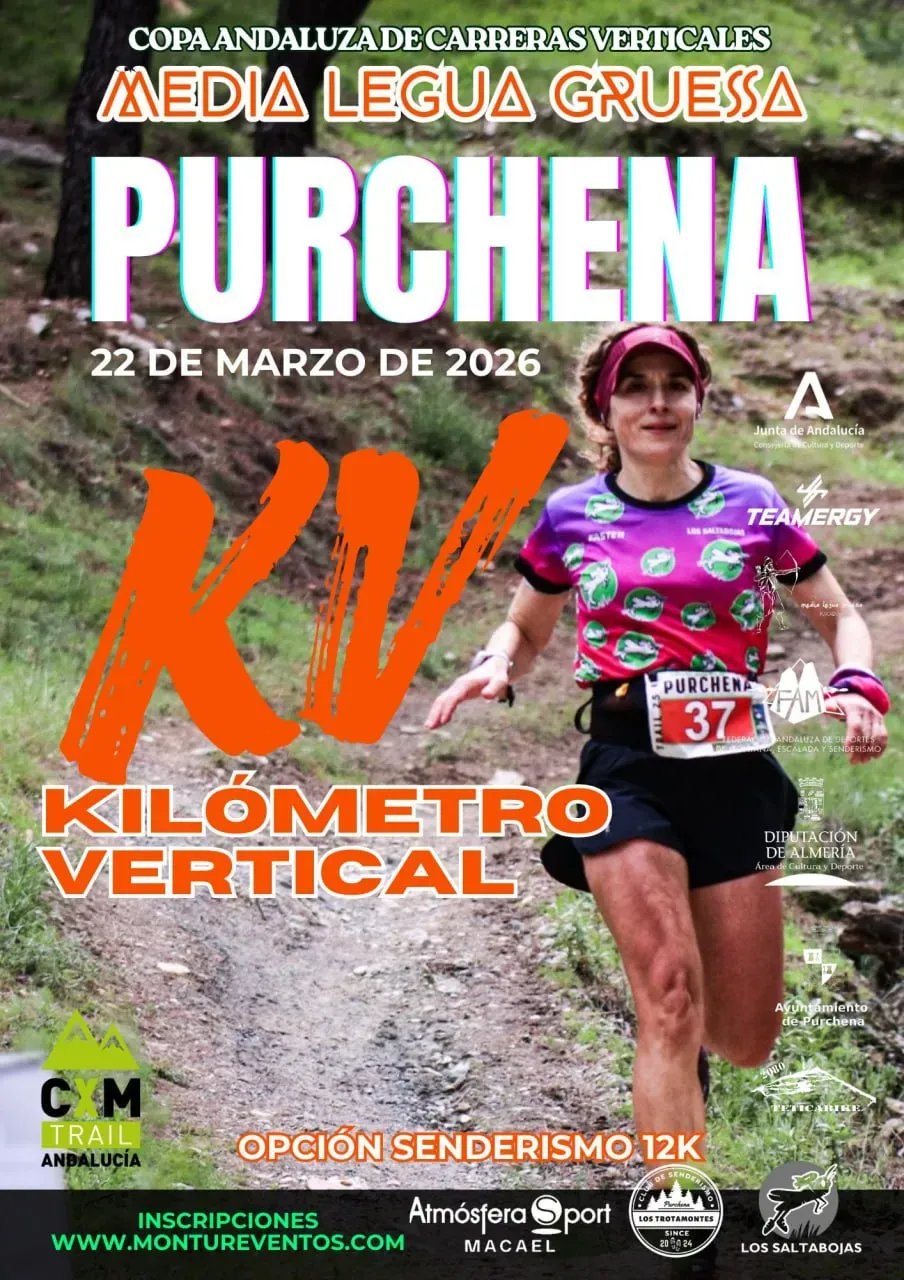
June2026
1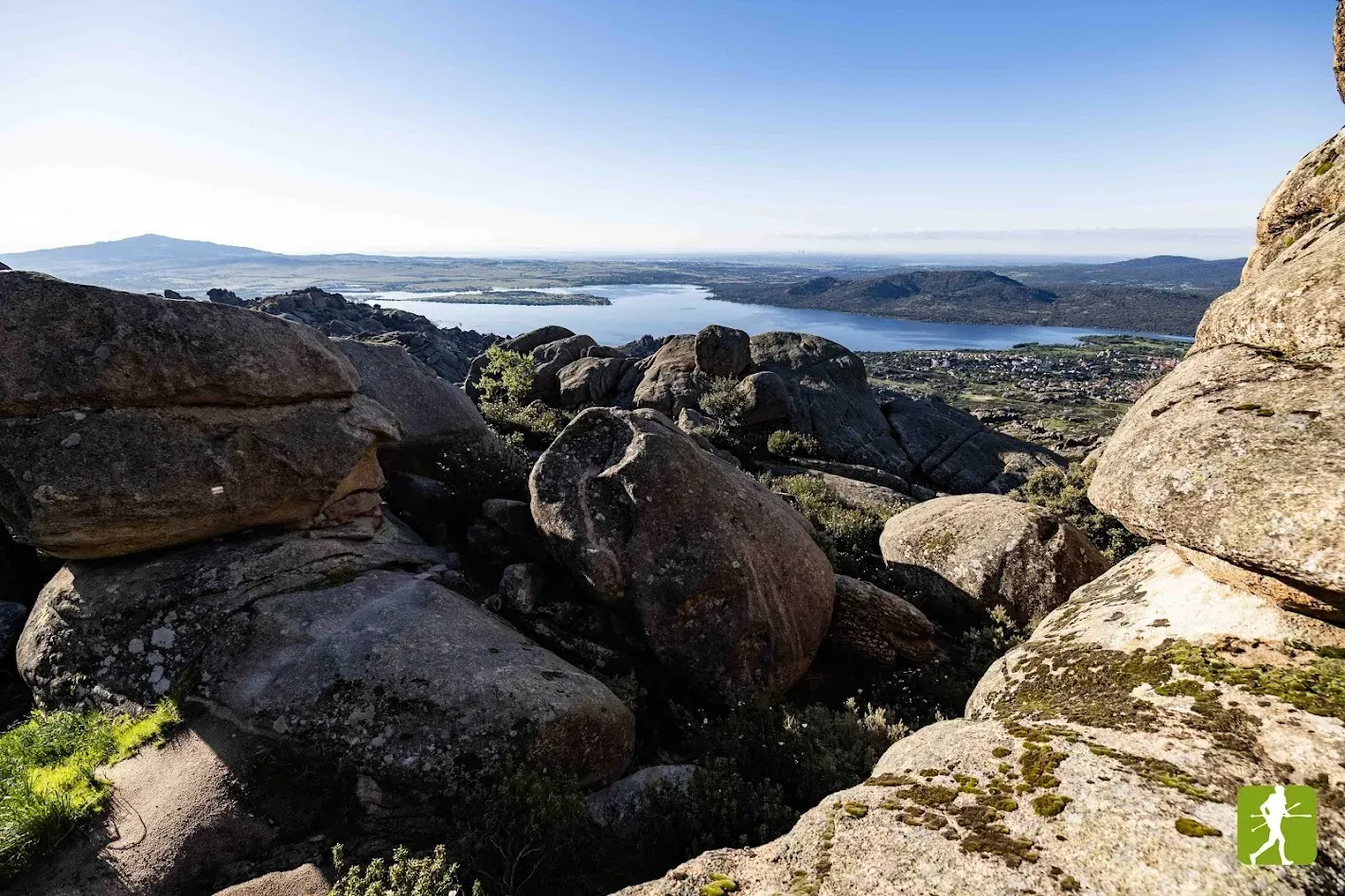
October2026
2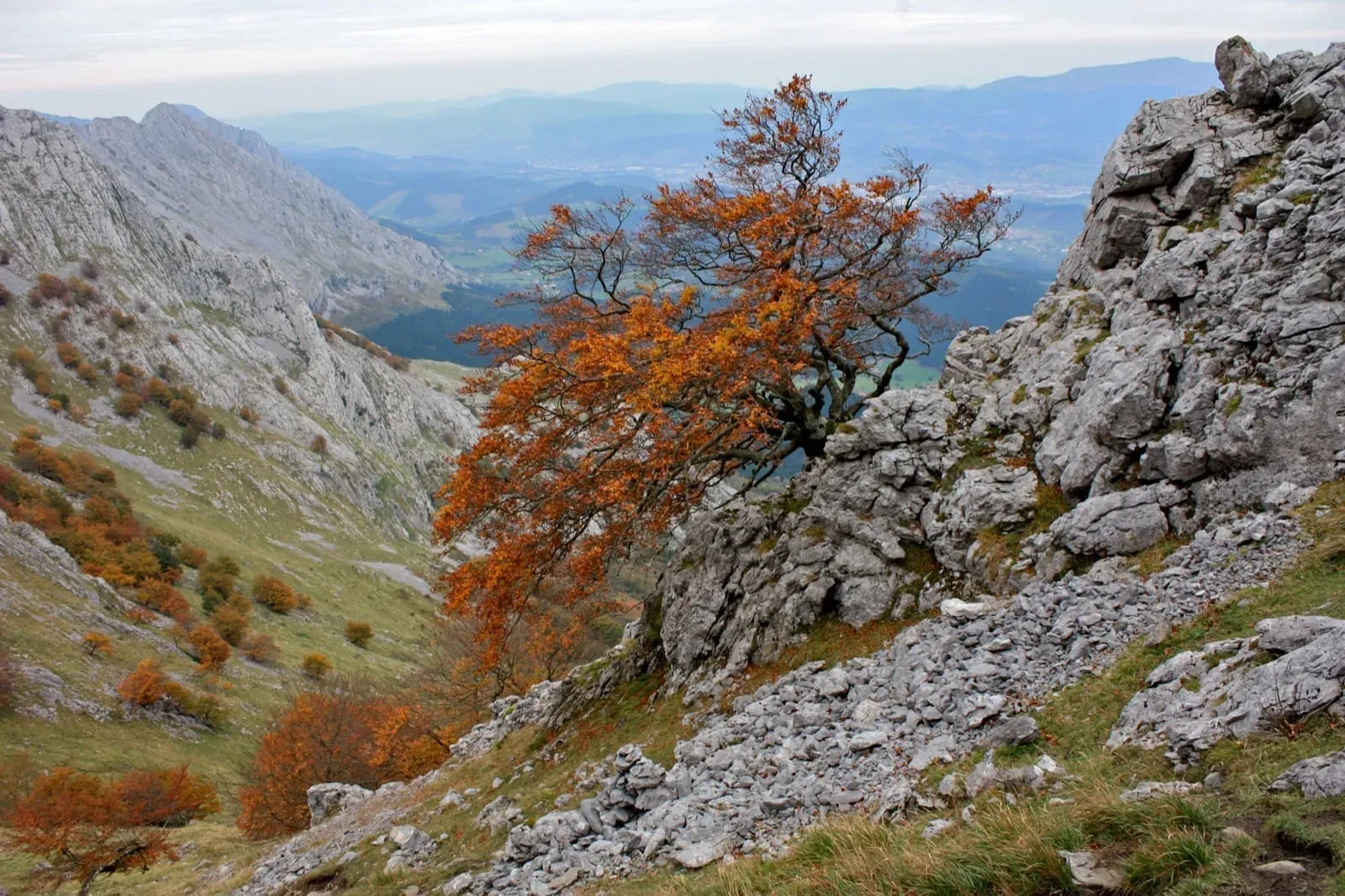
7 races
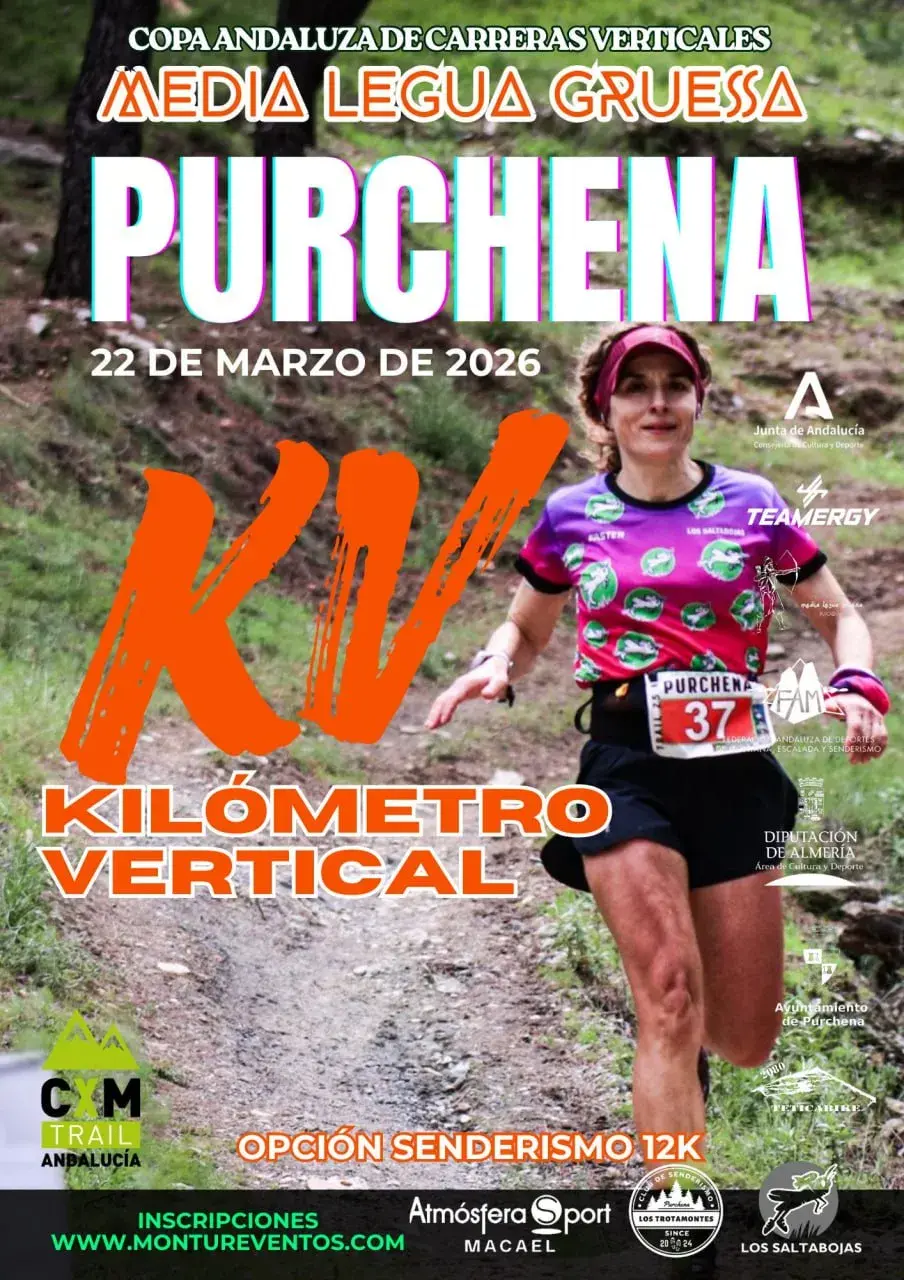
Kilómetro Vertical Media Legua Gruesa
Purchena
5 km and 900m elevation gain through Barranco de Geva in Purchena (Almería)
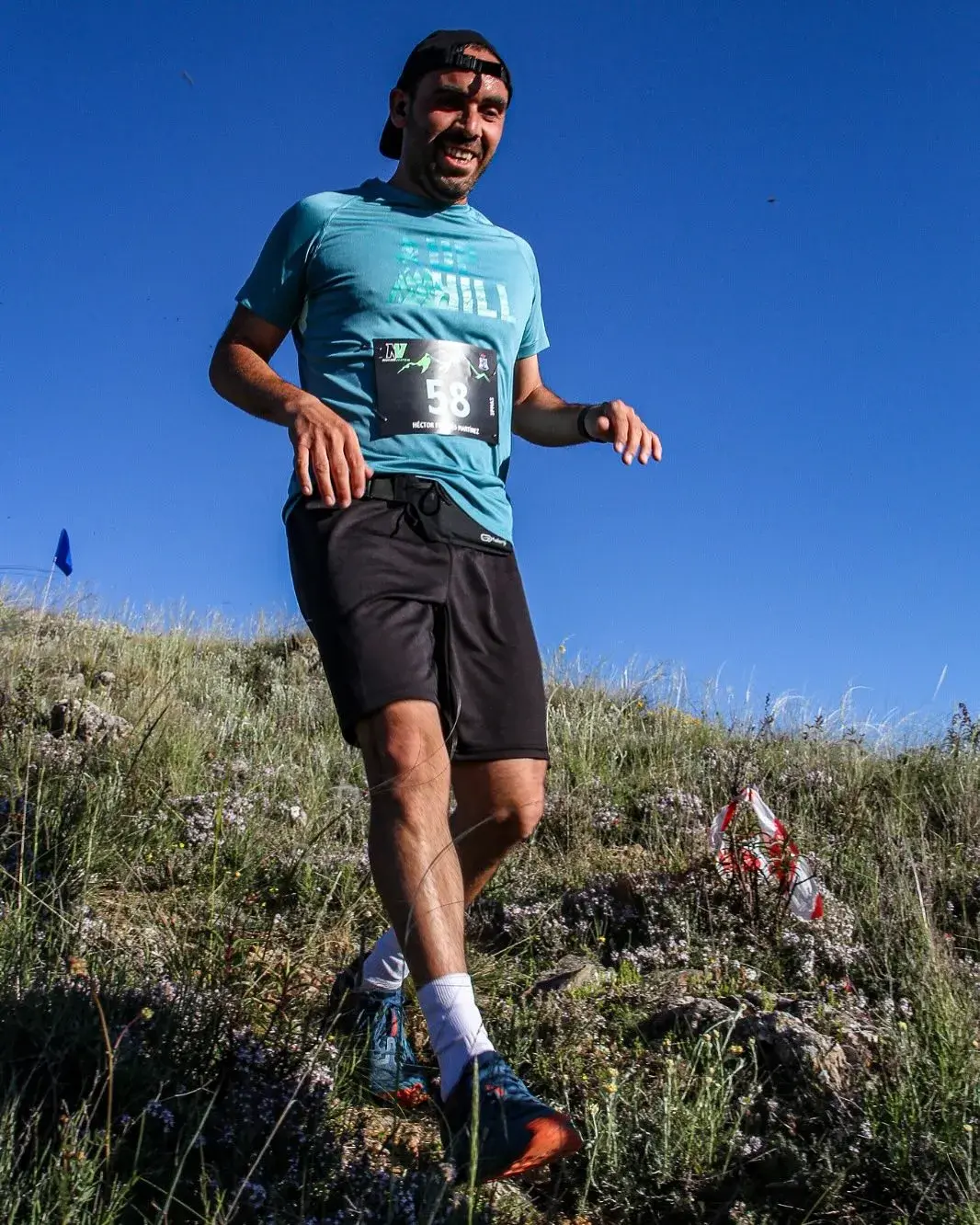
Neveros Vertical
Ágreda, Soria
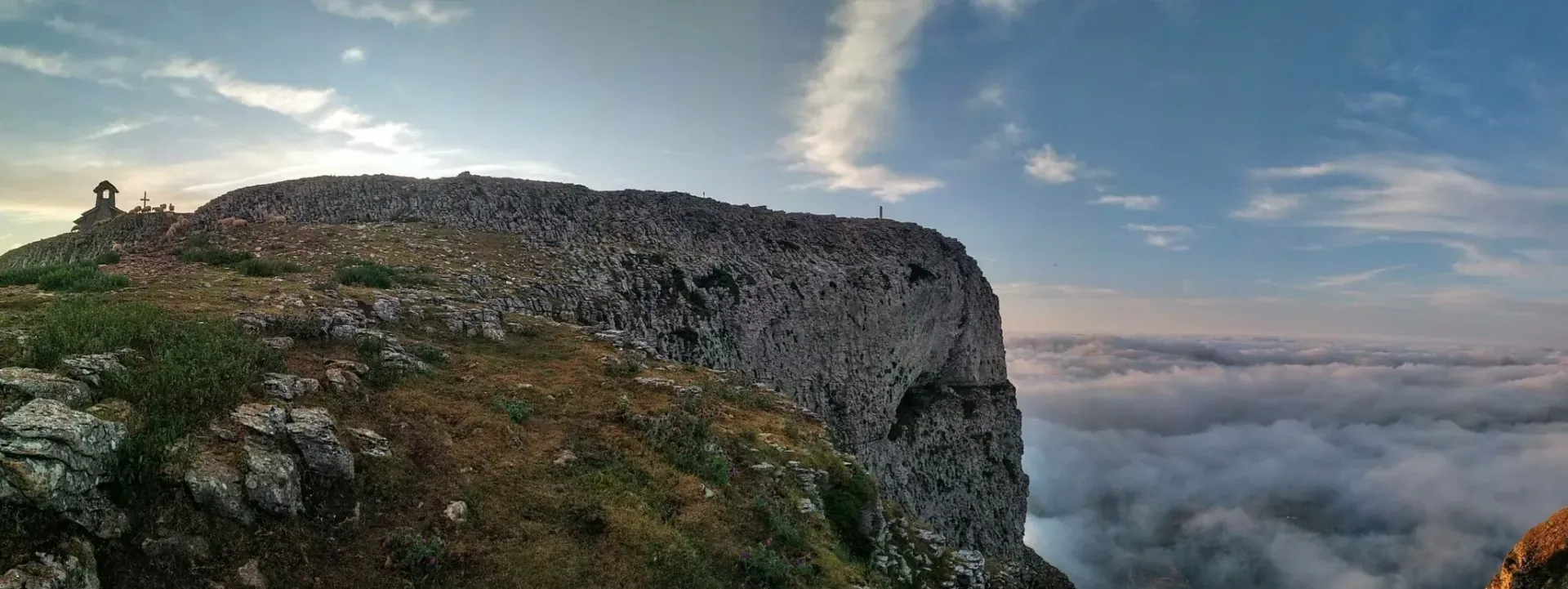
Neveros Vertical — 5K with 1,000m D+ on Moncayo, Soria
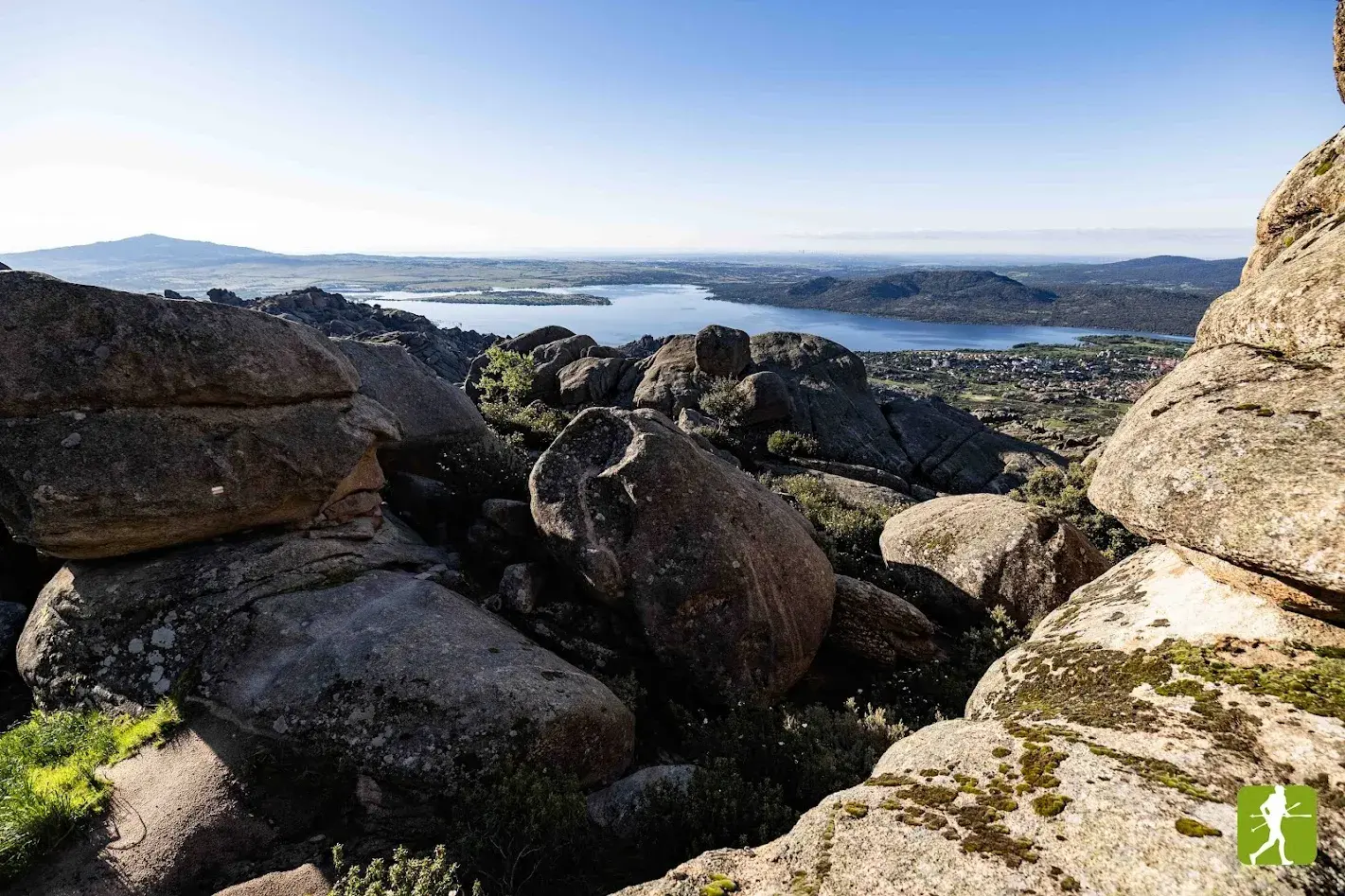
Kilómetro Vertical de la Barranca
Navacerrada
Classic Madrid vertical race: 7.3 km and 1,010 m D+ from the Barranca Valley to the Bola del Mundo summit (2,267 m)
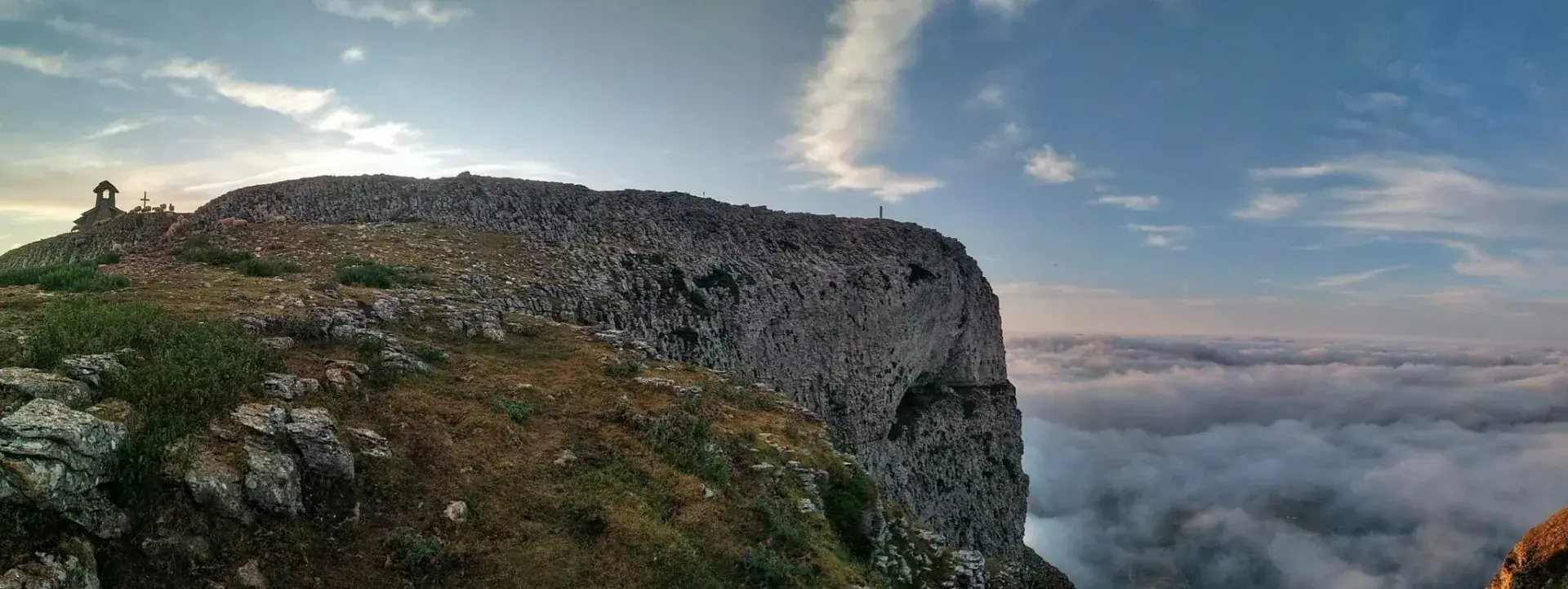
Uharte-Arakil Beriain Km Bertikala
Uharte-Arakil
16th edition of the Uharte-Arakil to Beriain vertical kilometer: 5 km and 1,023 m of elevation gain in Navarra, Spain
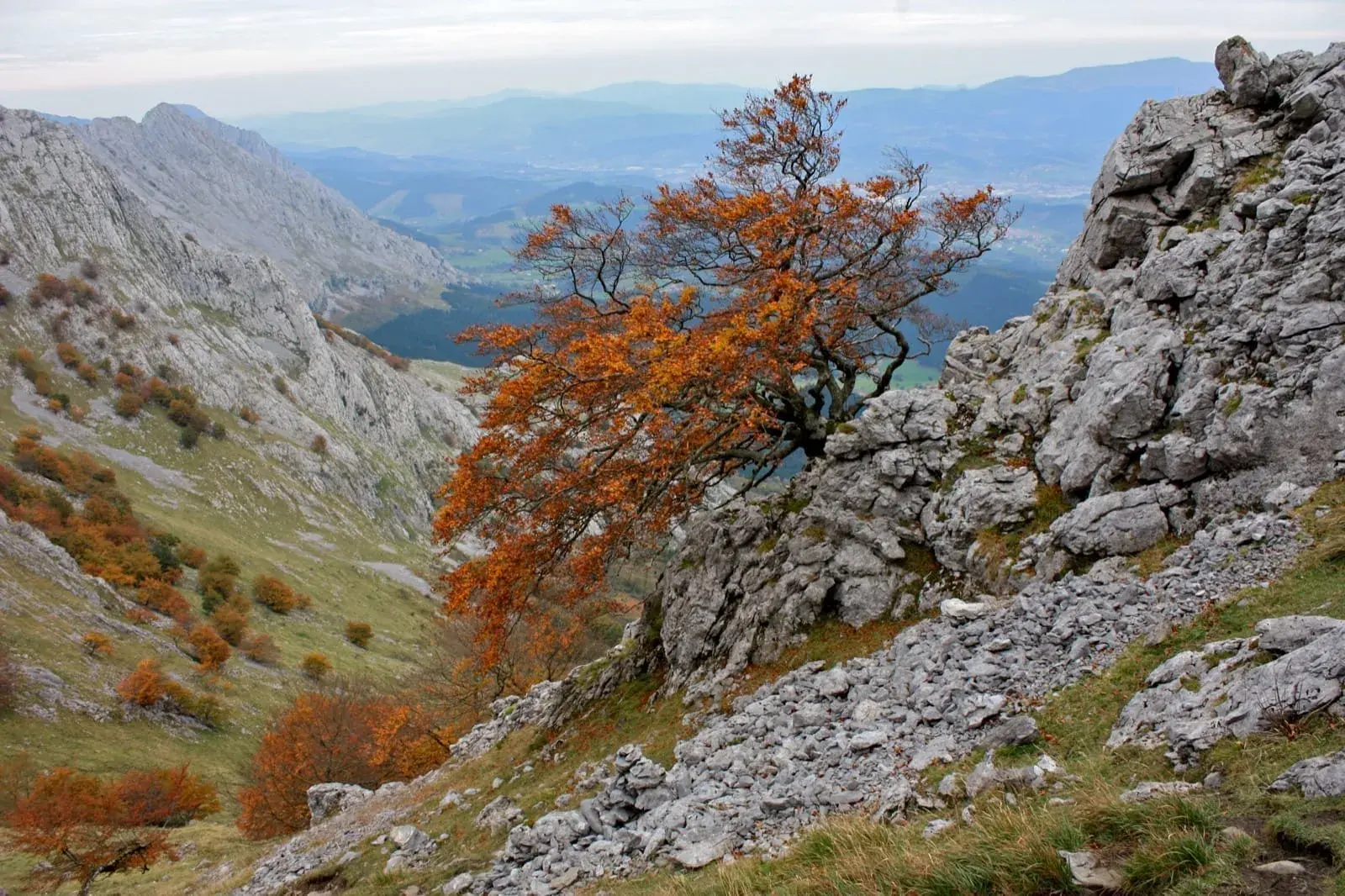 Photo: iñaki (Wikimedia Commons, CC BY 2.0)
Anboto KB
Atxondo
Anboto KB — a 1,092 m D+ vertical kilometre to the summit of Anboto
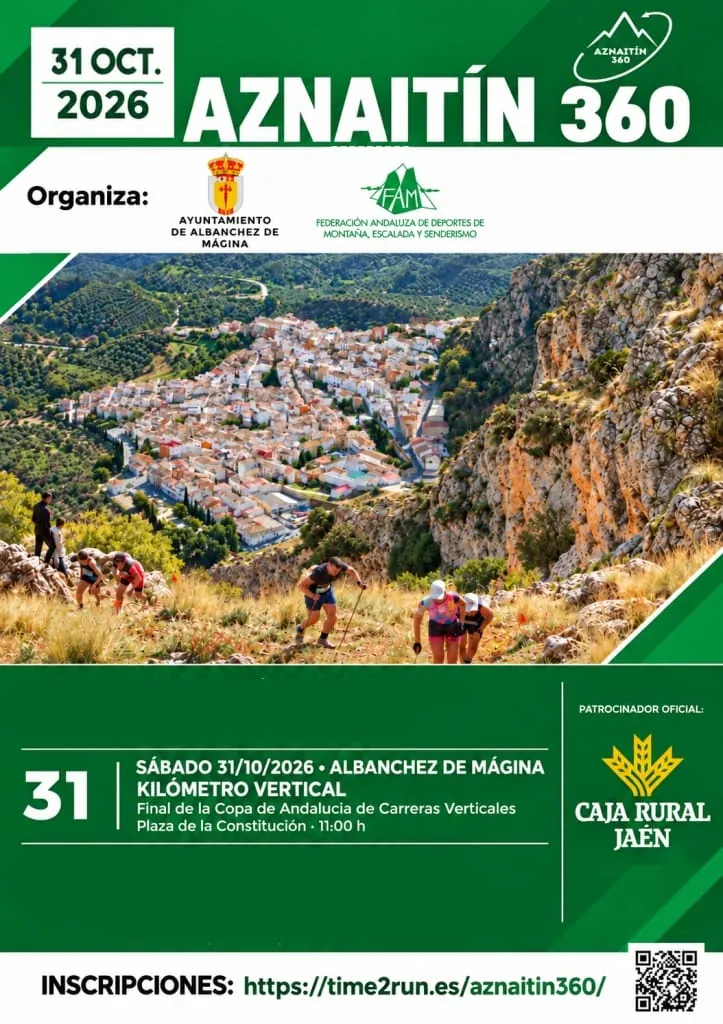 Photo: Aznaitín 360 organisation
Kilómetro Vertical Aznaitín 360
Albanchez de Mágina
Under 3 km and about 940 m of climb to Pico Aznaitín, the final round of the Andalusian Vertical Cup
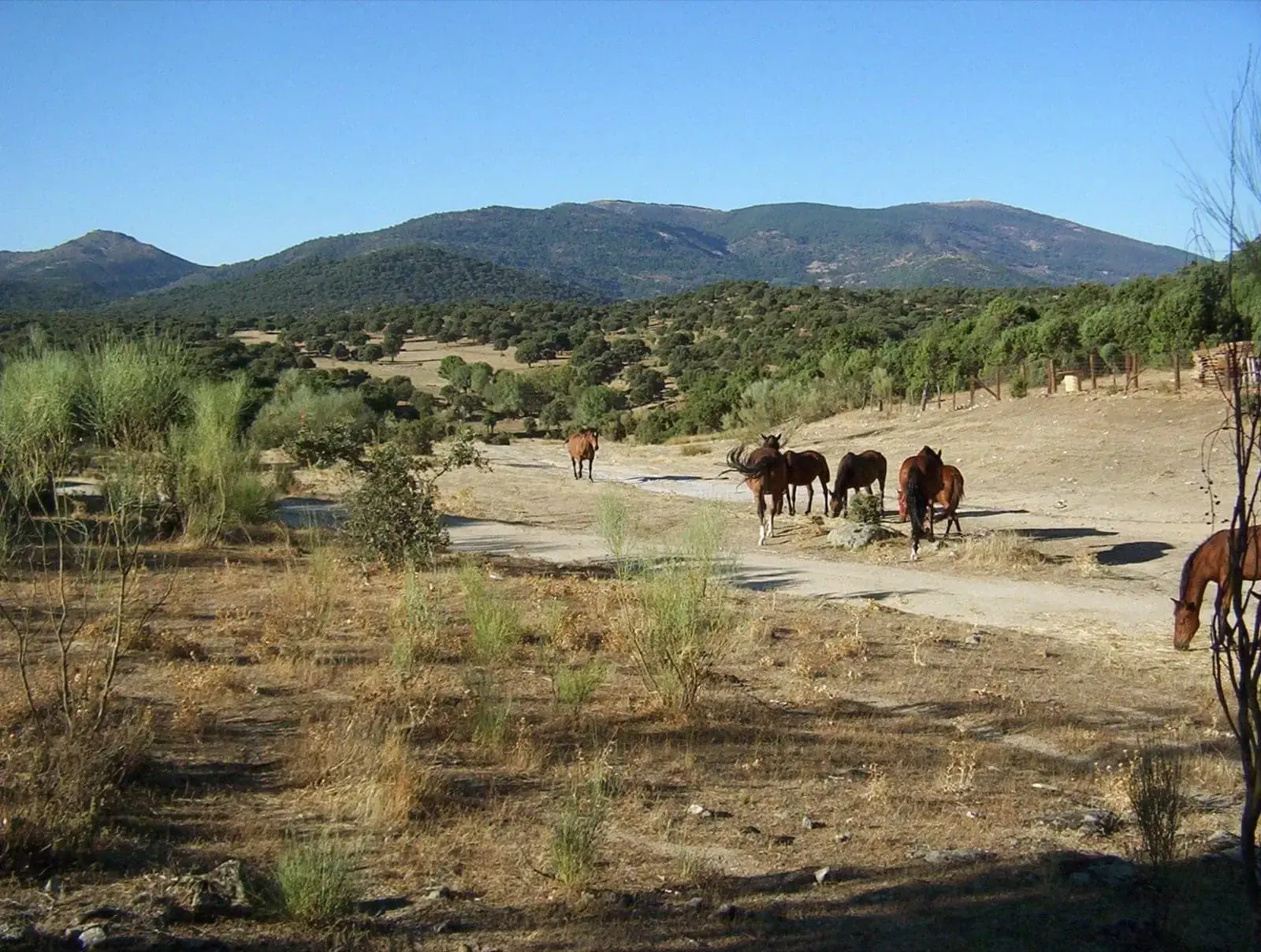 Photo: Ricar (Wikimedia Commons, CC BY-SA 3.0)
Subida a las Antenas
Navamorcuende
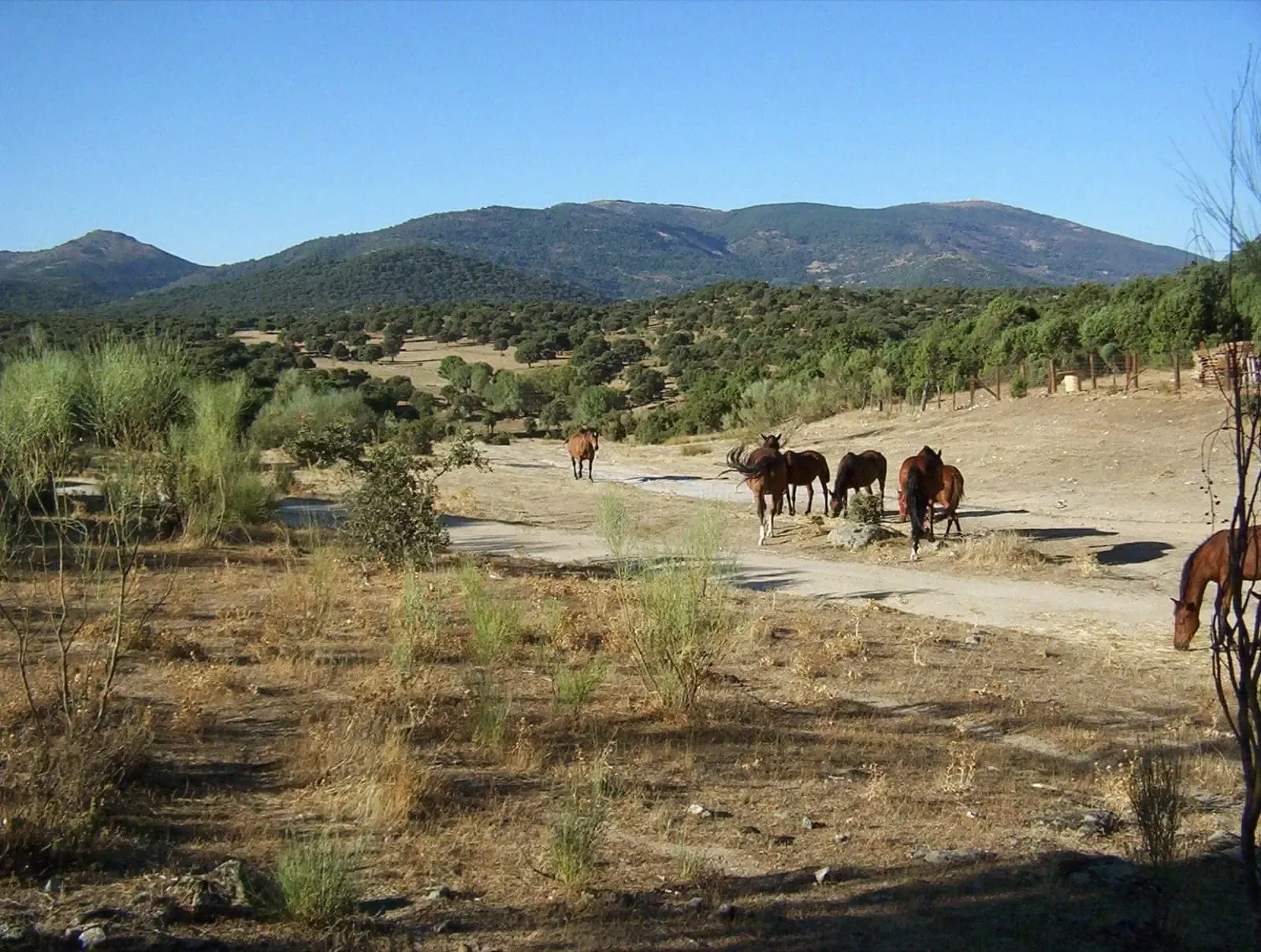
Subida a las Antenas — 5K and 700 m D+ of relentless climbing to the Piélago antennas, Sierra de San Vicente
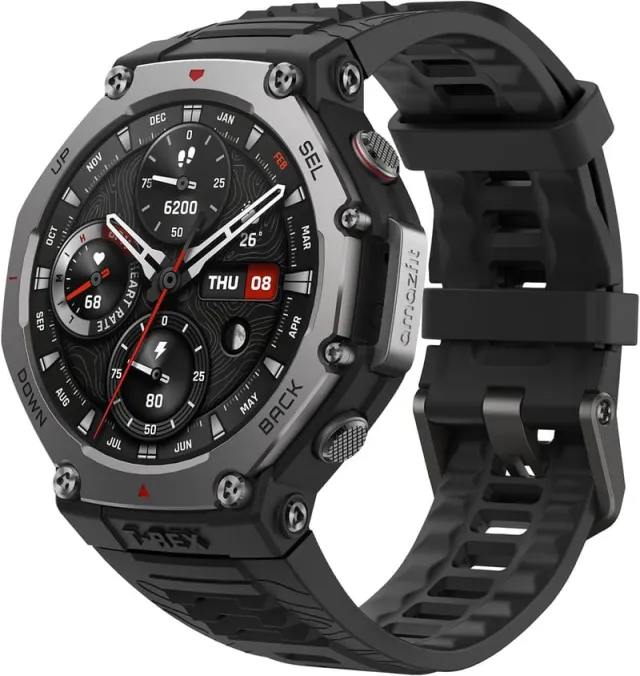
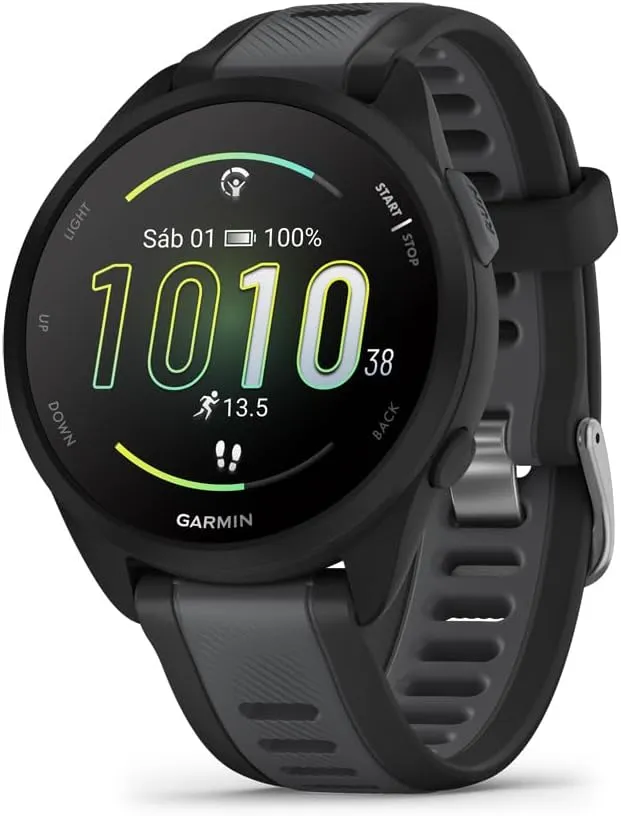
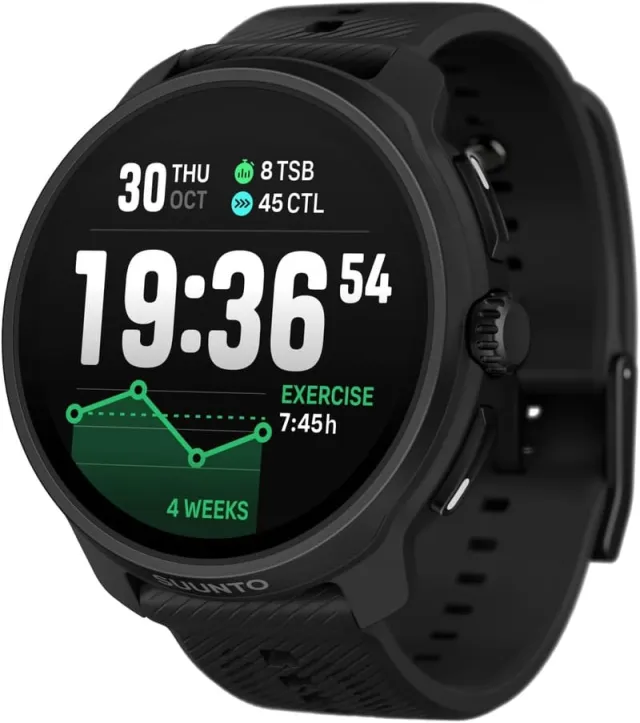
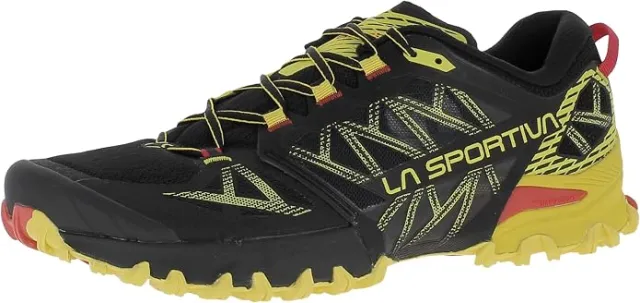
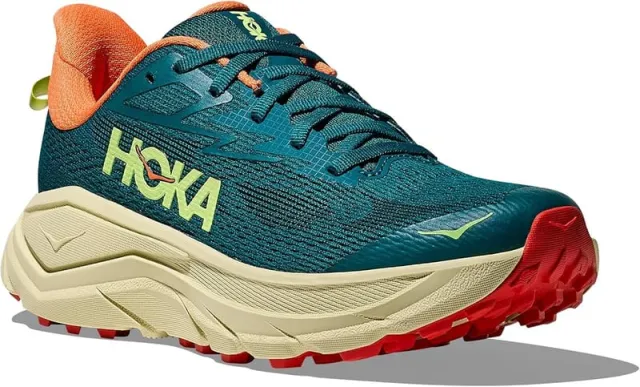
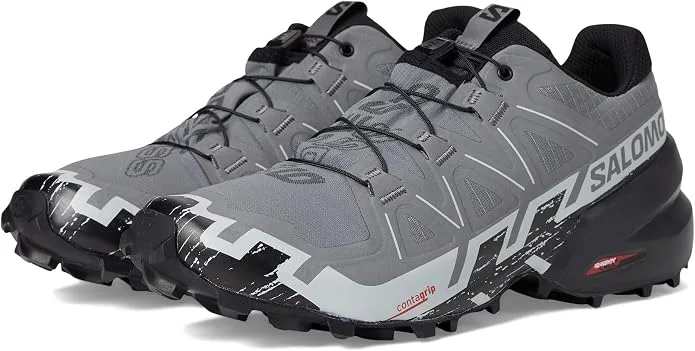
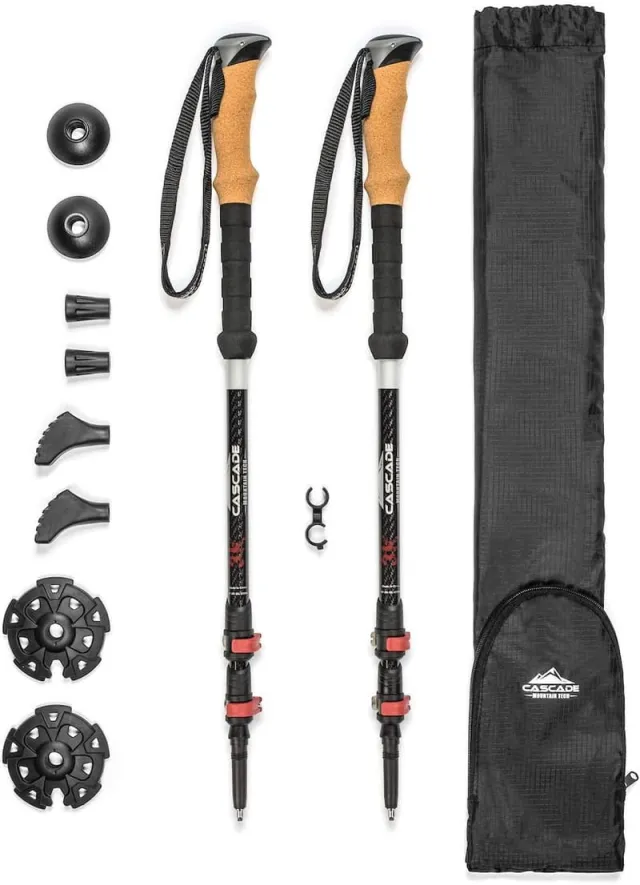
Gear up for the mountains
The right gear makes the difference on race day. Our comparison guides to choose well.
Swipe to see all 4 categories
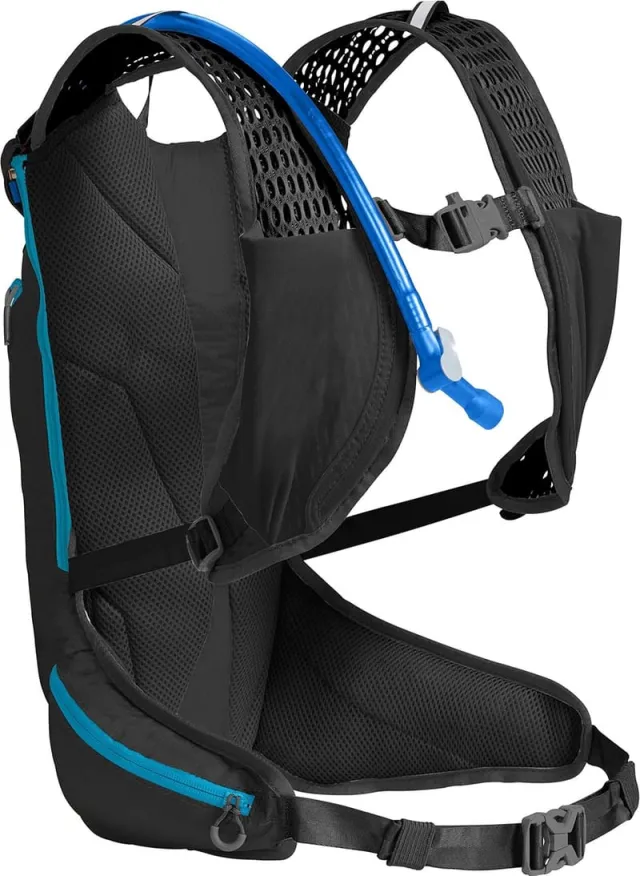
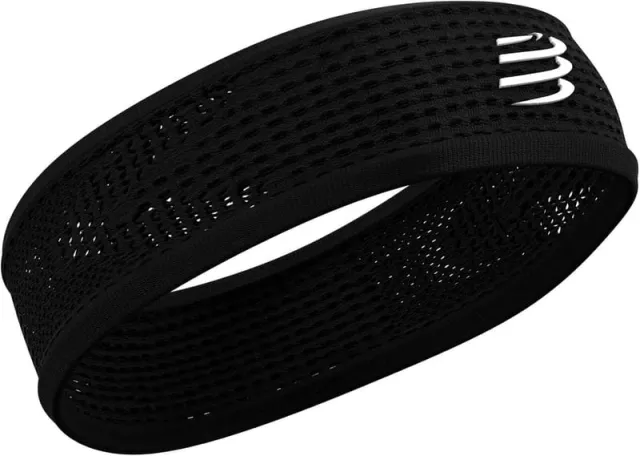
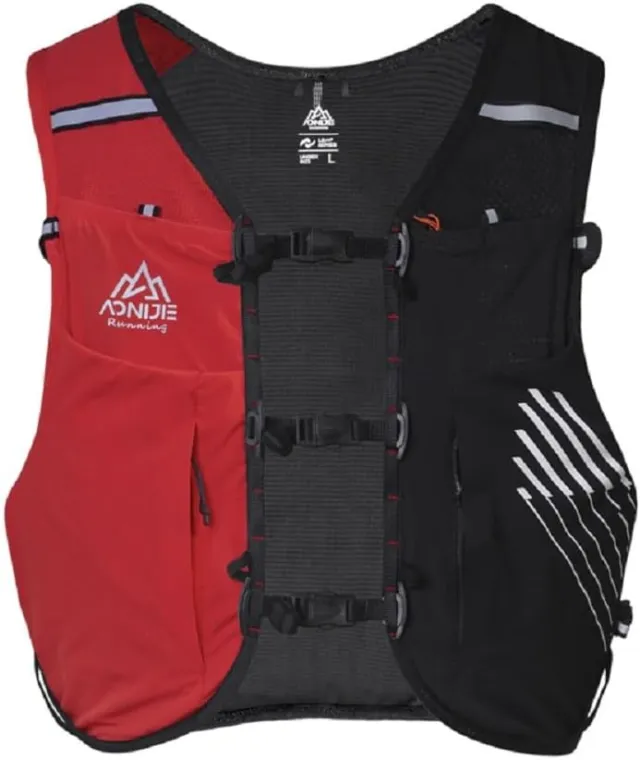
Some links are affiliate links. If you buy through them, we earn a commission at no extra cost to you.