Best Value Trail and Mountain GPS Watches 2026: Comparison and Buying Guide
Our picks by use case
Affiliate links: if you buy through them we earn a commission at no extra cost to you. It does not affect the ranking.
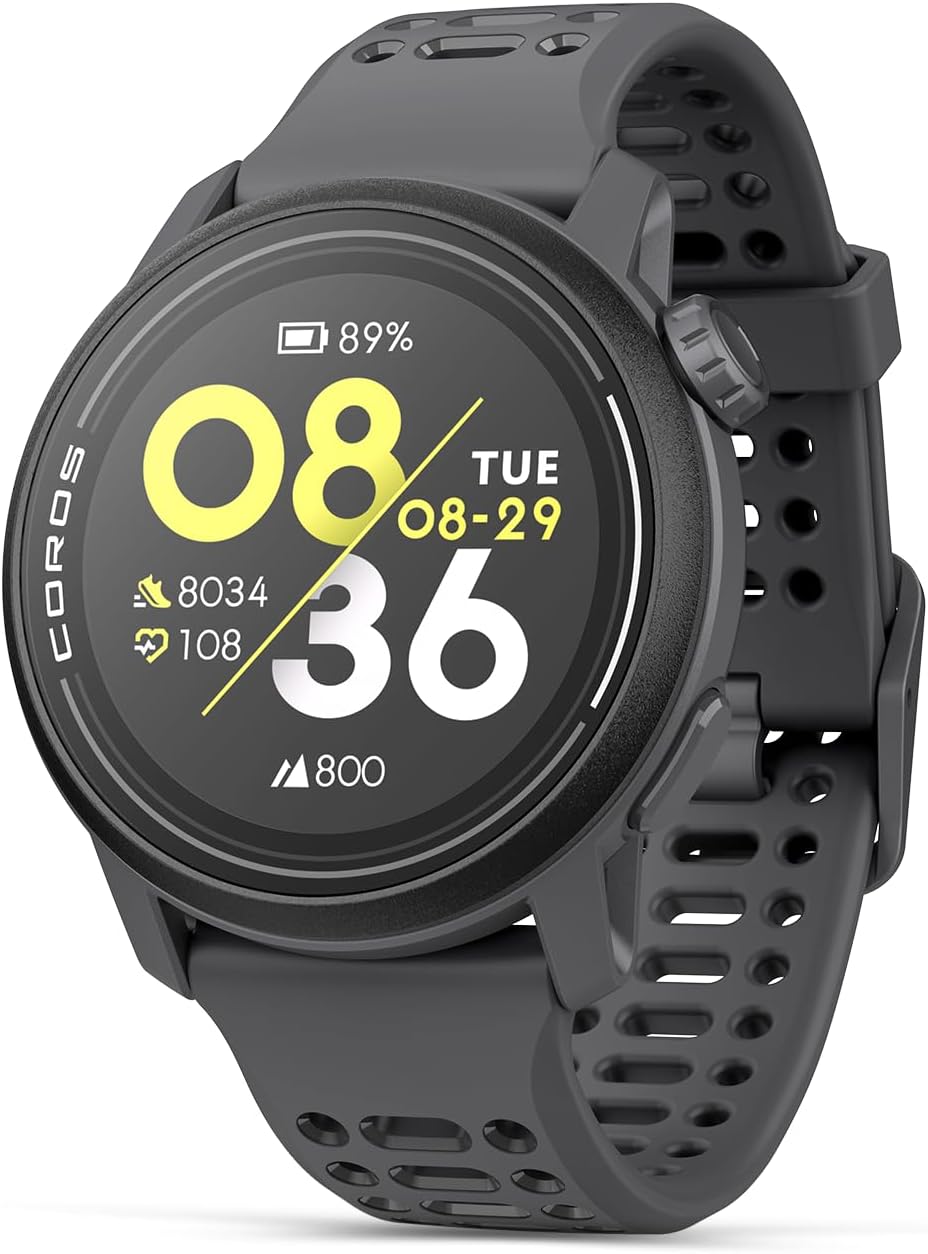 Our top pick#1 · Best OverallCoros Coros Pace 3View on Amazon (opens in a new tab)
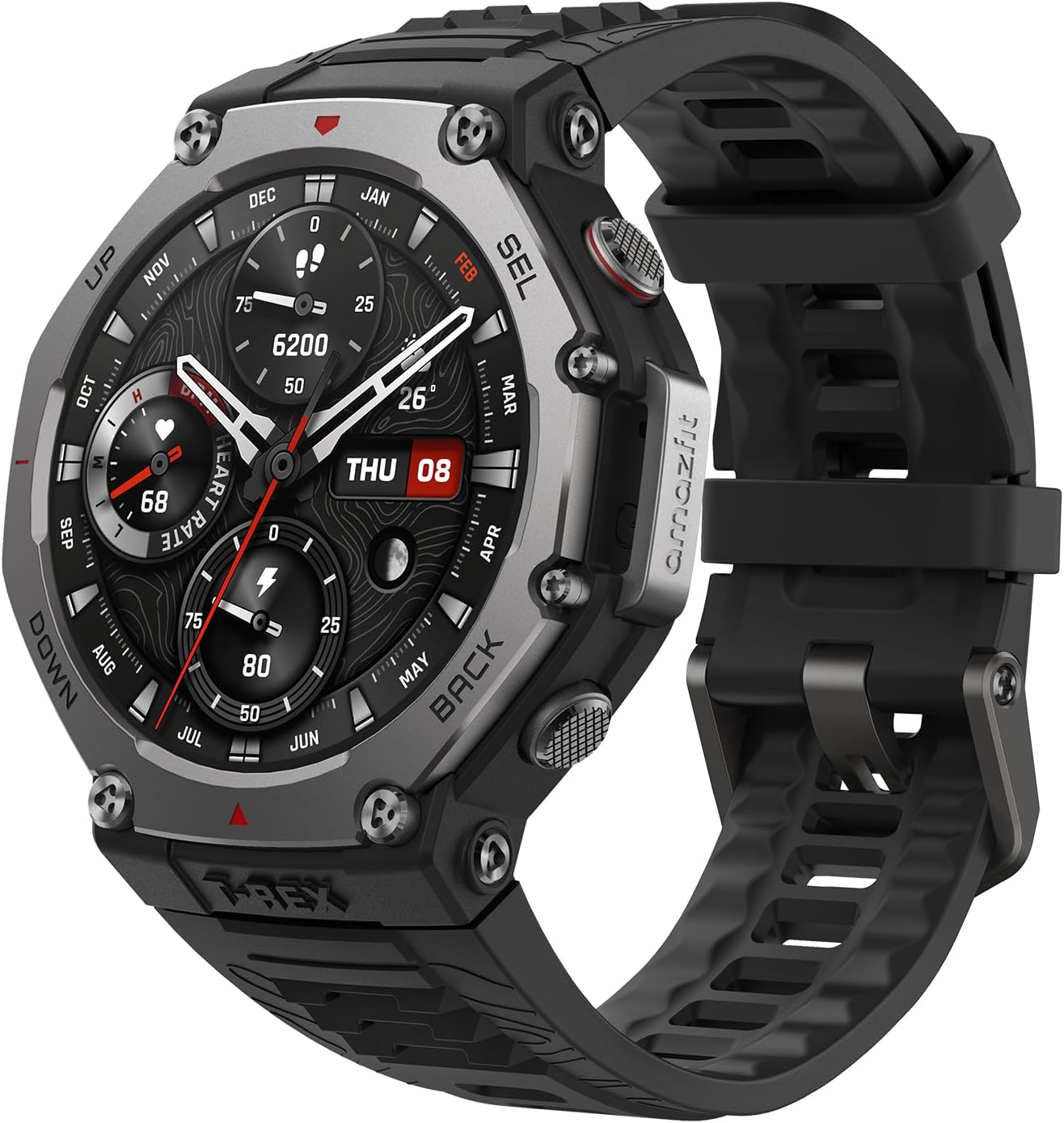 #2 · Best cheap with mapsAmazfit Amazfit T-Rex 3View on Amazon (opens in a new tab)
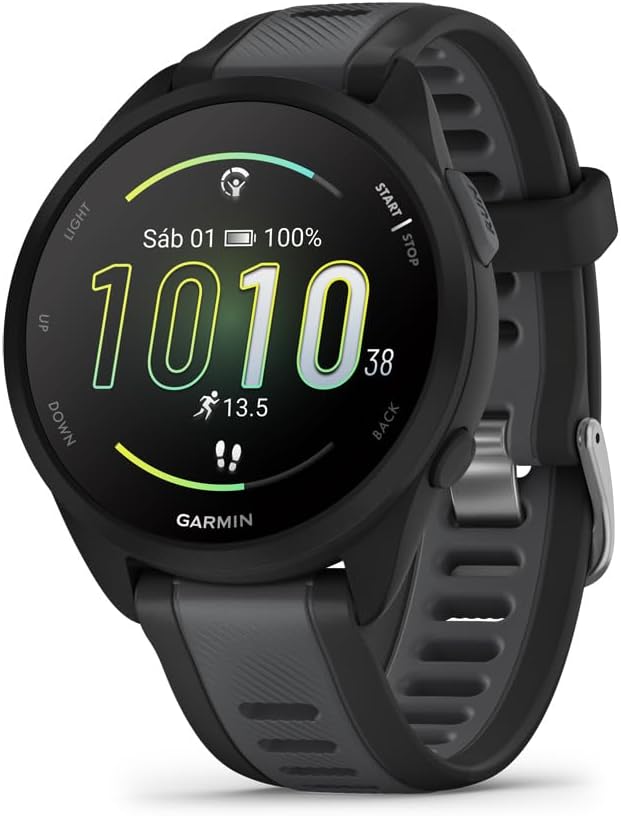 #3 · Best budget GarminGarmin Garmin Forerunner 165View on Amazon (opens in a new tab)
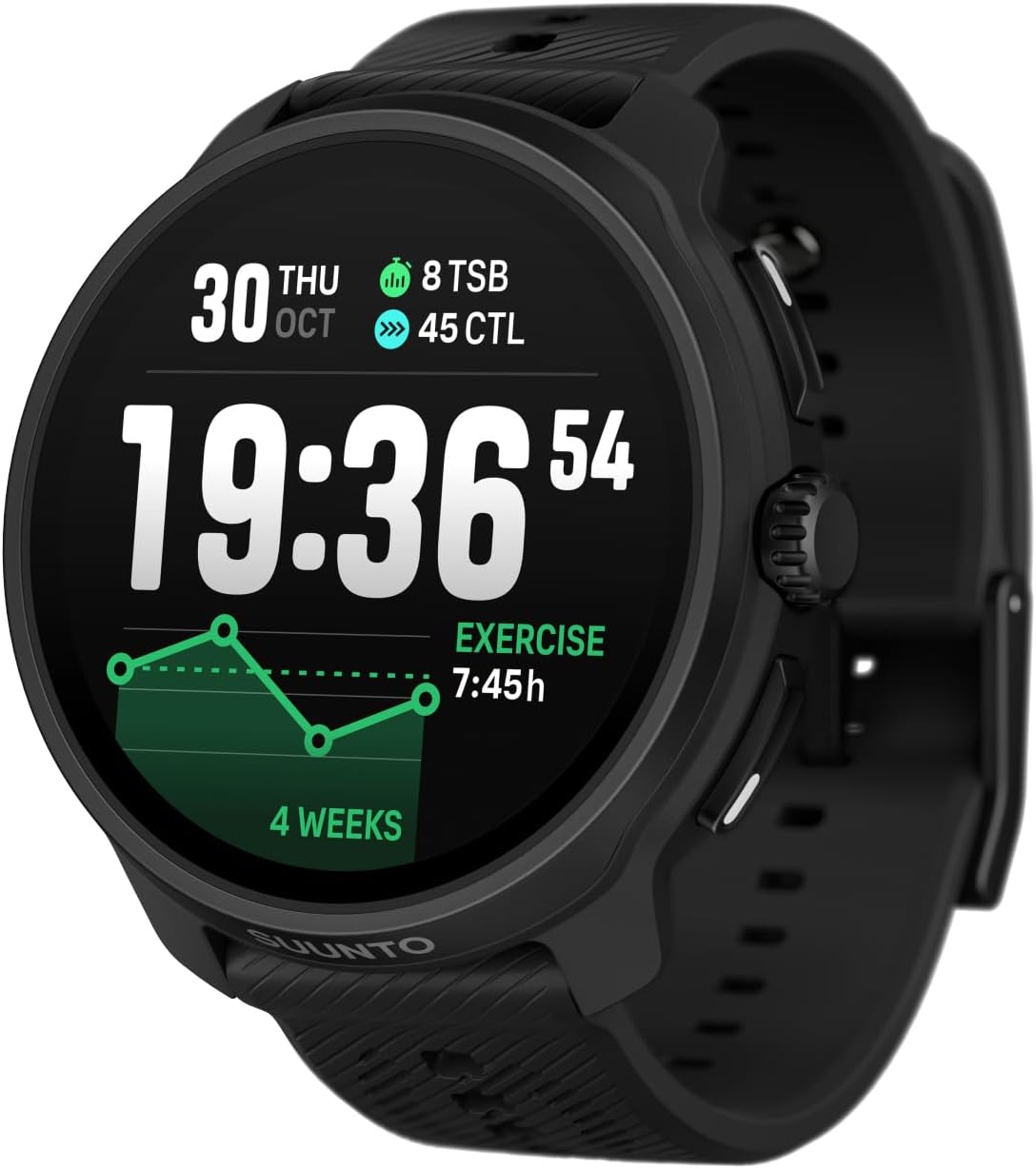 #4 · Best AMOLED with mapsSuunto Suunto Race 2View on Amazon (opens in a new tab)
How we choose
We compare every model on verified technical specs (weight, materials, price), user reviews and our own experience running and testing gear in races from 21K to 100K+. We update this guide when prices change or new models launch. Some links are affiliate links: if you buy through them, TrailRunTemple earns a commission at no extra cost to you and with no influence on the selection.
All products in this guide
Coros
Coros Pace 3
Trail running GPS watch with track navigation, barometric altimeter and up to 38 h battery life in GPS mode. Lightweight (39 g), accurate and with offline maps. Best value for mountain navigation.
Amazfit
Amazfit T-Rex 3
Ultra-rugged outdoor watch with dual-band GPS, offline maps and a 2,000-nit AMOLED display, at a mid-range price. 42 h in maximum-accuracy mode and up to 27 days in daily use. Military standard, 100 m water resistance and onboard music. Garmin Instinct-style toughness for far less.
Garmin
Garmin Forerunner 165
Entry-level running watch with a 1.2" AMOLED display, 19 h GPS battery and just 39 g. Training metrics, adaptive plans and accurate multi-GNSS GPS for training and racing marathons. Garmin's gateway watch for runners who don't need maps or multi-band.
Suunto
Suunto Race 2
Racing watch with a 1.5" 2,000-nit AMOLED display, dual-band GPS and free offline maps. Up to 55 h in the most accurate mode and 18 days in smartwatch mode. Rotating crown, 115+ sport modes and 32 GB of storage for maps. A lot of watch for the money versus Garmin.
Buying a watch this Black Friday? Pick your model now and keep it in your cart: see the best trail running watches for Black Friday.
You don’t need to spend €900 to own a great trail and mountain watch. In 2026, brands like Coros, Amazfit and Garmin’s entry range offer offline maps, multi-band GPS and battery life that until recently were exclusive to the high end. This guide looks for the opposite of the others: the most features for every euro, for anyone who wants to navigate and train without emptying their account. Below you’ll find the spec comparison and then how much each range costs, whether an Amazfit performs like a Garmin and which model to pick for your budget.
Battery & specs comparison
Tap a column to sort| Watch | 🔋 GPS battery ▾ | Multi-band | Smartwatch | Weight | Maps | Display | Actions |
|---|---|---|---|---|---|---|---|
CorosCoros Pace 3 (opens in a new tab) | 38 h | 15 h | 24 days | 39 g | ✓ | mip | View on Amazon(opens in a new tab) |
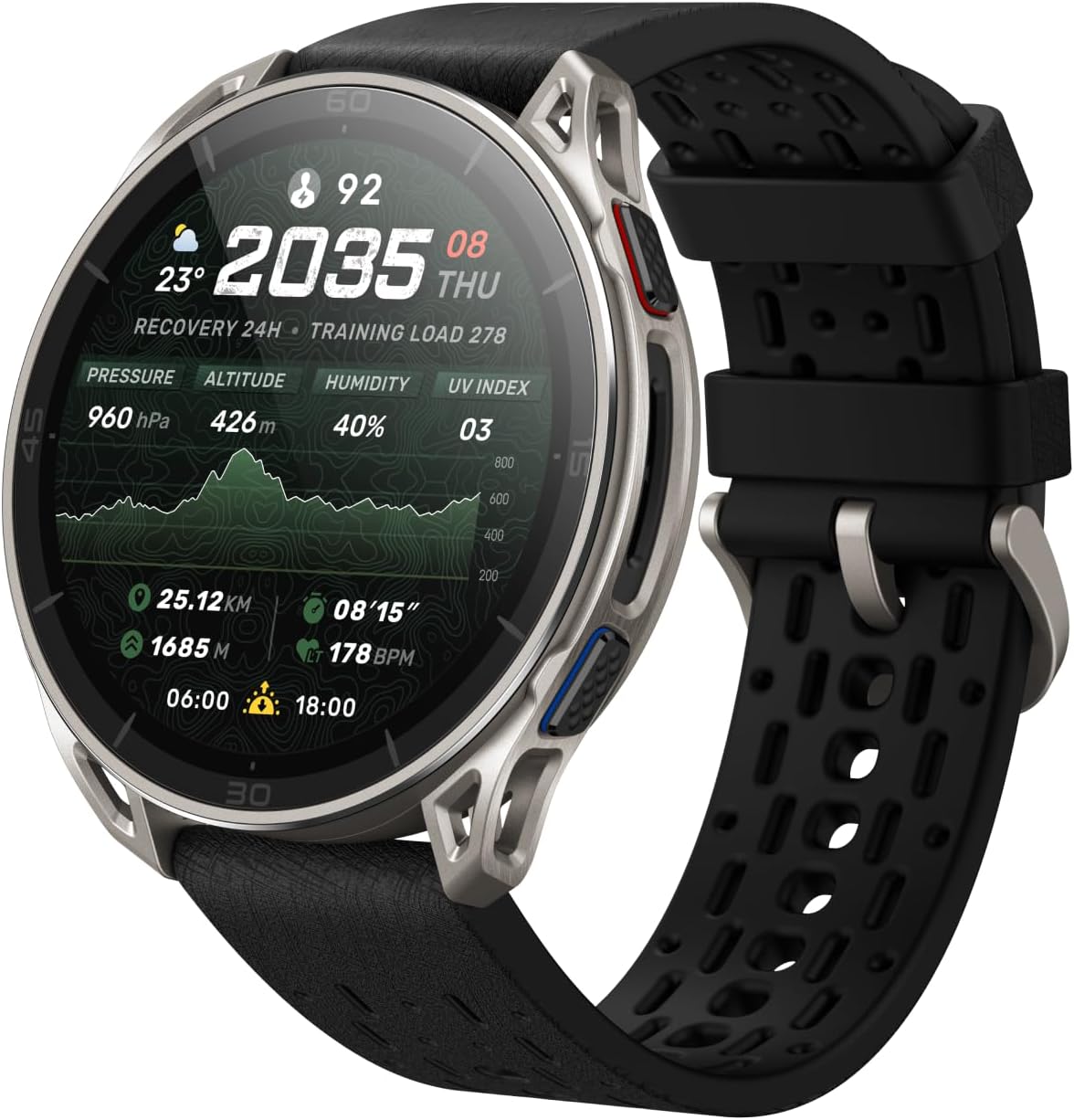 AmazfitAmazfit Cheetah Pro (opens in a new tab) | 44 h | 26 h | 14 days | 43 g | ✓ | amoled | View on Amazon(opens in a new tab) |
AmazfitAmazfit T-Rex 3 (opens in a new tab) | 42 h | Yes | 27 days | 68 g | ✓ | amoled | View on Amazon(opens in a new tab) |
GarminGarmin Forerunner 165 (opens in a new tab) | 19 h | – | 11 days | 39 g | – | amoled | View on Amazon(opens in a new tab) |
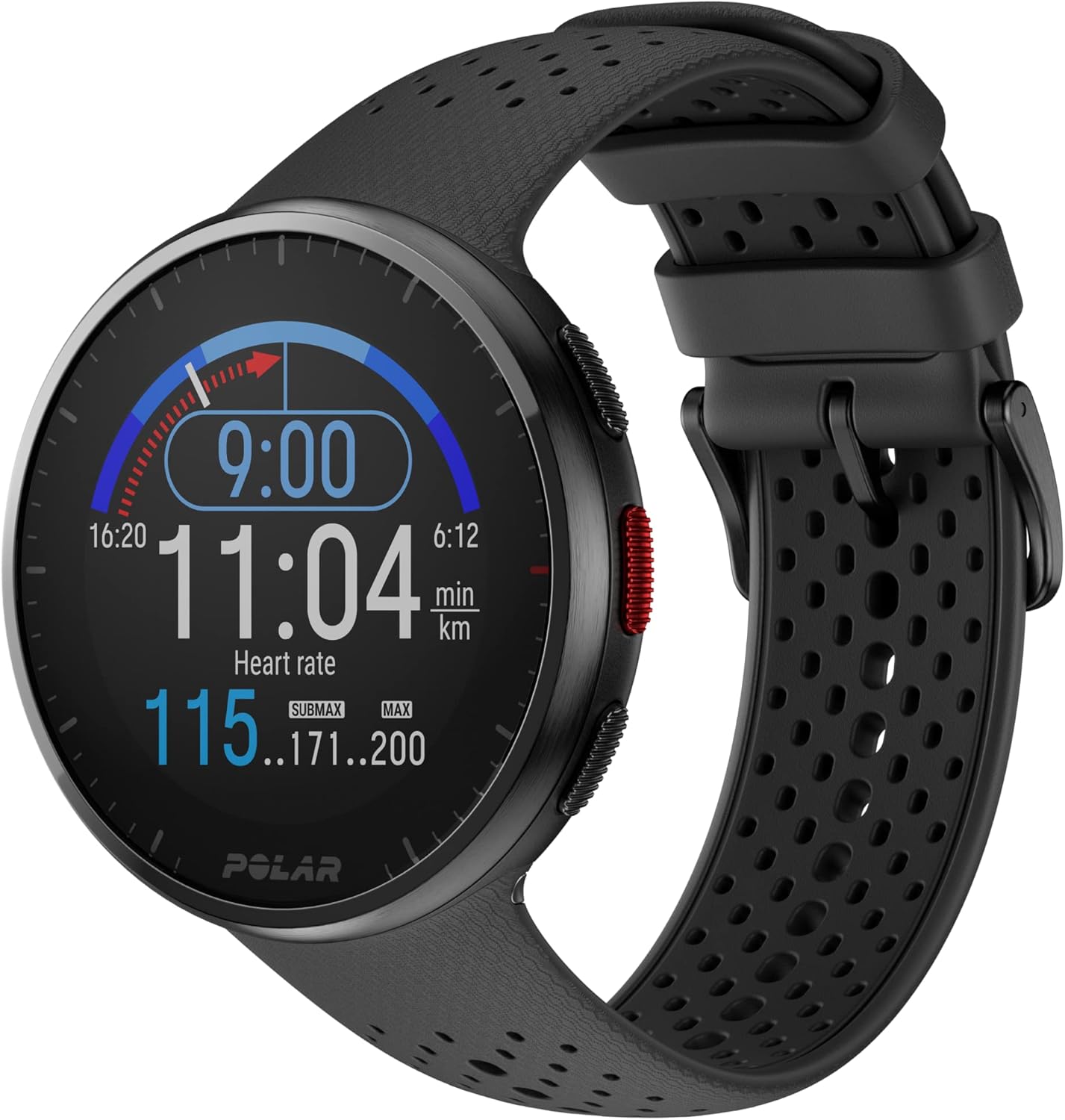 PolarPolar Pacer Pro (opens in a new tab) | 35 h | – | 7 days | 41 g | – | mip | View on Amazon(opens in a new tab) |
SuuntoSuunto Race 2 (opens in a new tab) | 55 h | Yes | 18 days | 65 g | ✓ | amoled | View on Amazon(opens in a new tab) |
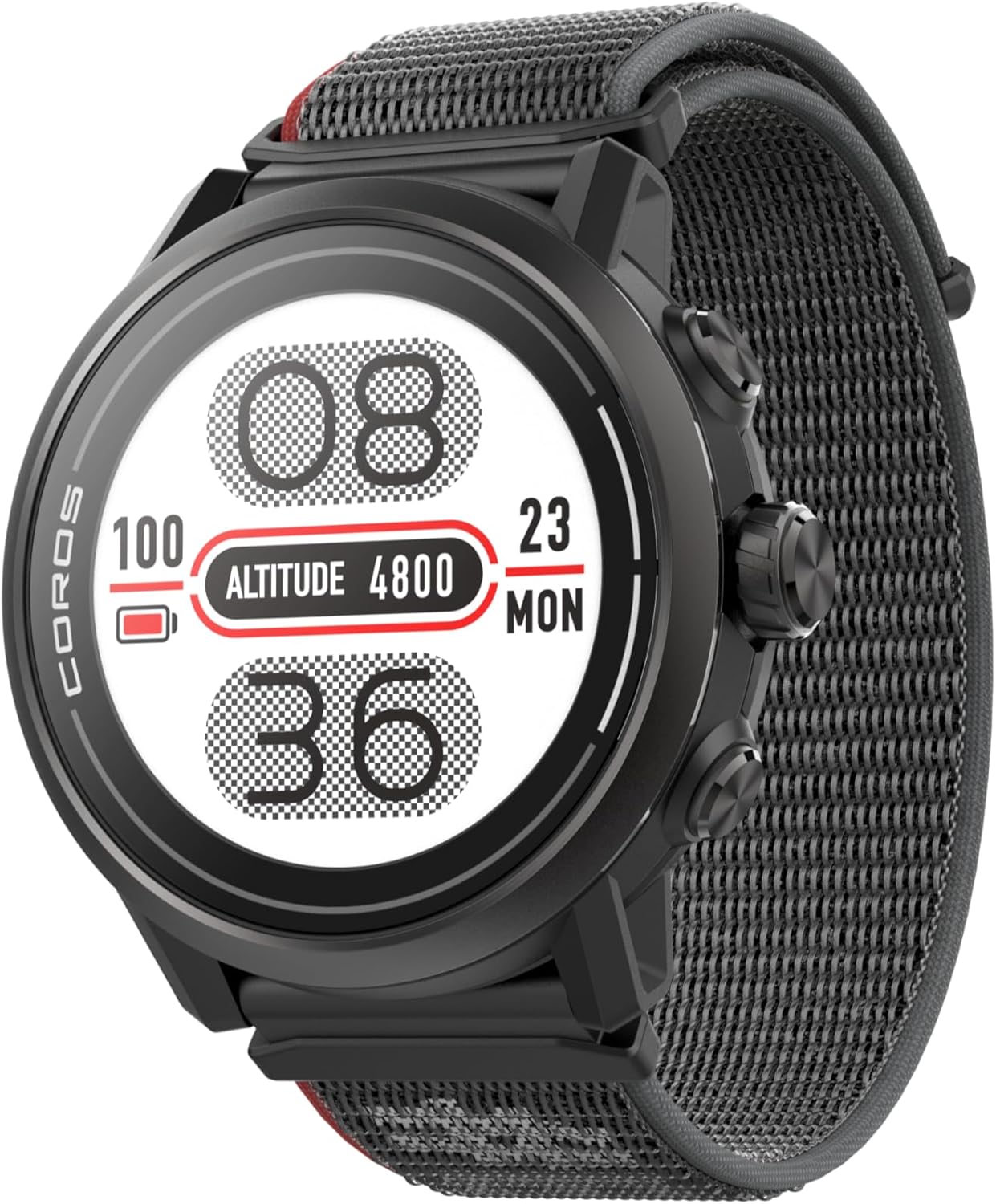 CorosCoros Apex 2 Pro (opens in a new tab) | 66 h | 26 h | 21 days | 53 g | ✓ | mip | View on Amazon(opens in a new tab) |
GPS battery = each manufacturer's standard GPS mode; multi-band = dual-frequency (maximum accuracy). On Suunto, Polar Grit and Amazfit T-Rex the GPS figure already corresponds to dual-band mode. Figures verified against the manufacturer.
Head-to-head comparisons
- Coros Pace 3 vs Amazfit Cheetah ProSee the head-to-head
- Coros Pace 3 vs Garmin Forerunner 165See the head-to-head
- Coros Pace 3 vs Polar Pacer ProSee the head-to-head
- Coros Pace 3 vs Coros Apex 2 ProSee the head-to-head
- Amazfit Cheetah Pro vs Amazfit T-Rex 3See the head-to-head
- Garmin Forerunner 165 vs Polar Pacer ProSee the head-to-head
How Much Does a Good Trail Watch Cost? Price Ranges
Prices for mountain GPS watches move a lot with sales, but the tiers are fairly stable:
| Range | Ballpark price | What you get | Examples |
|---|---|---|---|
| Entry | €120-180 | Reliable GPS, optical HR, breadcrumb (no maps), 20-30 h battery | Garmin Forerunner 165, Coros Pace 3, Polar Pacer Pro |
| Value | €200-320 | Offline maps, multi-band GPS, AMOLED, 30-70 h battery | Amazfit T-Rex 3, Amazfit Cheetah Pro, Suunto Race 2, Coros Apex 2 Pro |
| High end | €450 and up | LED flashlight, premium materials, extreme battery, full ecosystem | Garmin Fénix 8, Enduro 3, Forerunner 965 |
The practical takeaway: below €100 there is no trail watch worth buying (you’ll be short on GPS accuracy or real battery life). The sweet spot is between €150 and €300, and that’s where Coros and Amazfit beat Garmin.
How to Measure a Watch’s Value
How much watch do you get for your money?
The high-end trap is paying a lot for the last 10% of features. A Coros Pace 3 gives you multi-band, maps and 38 h of battery at an entry price: 90% of a €600 watch for a fraction. That’s the essence of value.
Offline maps without overpaying
What used to make a watch expensive —onboard topographic maps— is now in the lower-mid range. Mind the difference:
- Breadcrumb navigation: the watch draws the track line and your position on it. Enough for a marked race. Almost every watch has it, even entry-level ones.
- Real offline maps: you see the terrain, the trails and place names, not just a line. Essential in open mountain, fog or self-supported routes.
The Amazfit T-Rex 3 and Cheetah Pro carry offline maps for less than any Garmin that has them. The Suunto Race 2 adds them with an AMOLED screen. If navigation is your priority and budget rules, look towards Amazfit, Suunto and Coros before Garmin.
We compare every model with maps in the guide to GPS watches with offline maps, and mountain-specific picks in the best mountain GPS watches guide.
Multi-band GPS: when it matters
Dual-frequency GPS improves accuracy in canyons, dense forest and between buildings. In open terrain the difference from normal GPS is minimal, and multi-band uses more battery. For open mountain trail it isn’t decisive; for closed forest or urban races it does help. Every watch in the table except the Forerunner 165 and the Pacer Pro has it.
When it’s worth stepping up
Value isn’t buying the cheapest thing, but the one that lasts you longest. If you’re going to train seriously for years, a Suunto Race 2 (AMOLED + maps) or a Forerunner 165 (Garmin ecosystem, better training metrics) are investments that age very well. And if your goal is a long ultra, battery beats price: we cover it in the ultra trail watches guide.
Amazfit, Coros or Garmin? Which Brand Gives You More for Your Money
- Amazfit packs the most specs per euro: maps, a bright AMOLED and military standard at prices Garmin doesn’t touch. In exchange, its analytics platform (Zepp) and third-party training-platform support lag behind. If you want the most complete, cheapest hardware and you don’t live inside Strava/TrainingPeaks, it’s unbeatable.
- Coros is the balance: very solid hardware, excellent battery, free offline maps and an app that takes training analysis seriously. The Pace 3 is the watch we recommend blind to most people.
- Garmin at the entry level (Forerunner 165) doesn’t compete on specs, it competes on ecosystem: Garmin Connect, heat maps, full sensor and platform compatibility, and a huge community. You pay for the software and the “everything just works,” not the hardware.
Quick rule: most hardware for little money → Amazfit; the sensible buy that never disappoints → Coros Pace 3; if you already live in the Garmin ecosystem → Forerunner 165.
Our Recommendations by Profile
- Best Overall — Coros Pace 3. The absolute value king: multi-band, maps and 24 days of battery for less than almost anyone.
- Best cheap with maps — Amazfit T-Rex 3. Offline maps, dual-band and a 2,000-nit AMOLED with military standard at the most aggressive price.
- Best budget Garmin — Garmin Forerunner 165. If you want the Garmin ecosystem without paying high-end, this is your gateway. More options in the Garmin trail watches guide.
- Best AMOLED with maps — Suunto Race 2. A lot of racing watch for the money: a spectacular display and free offline maps.
- If it’s your first running watch — Garmin Forerunner 165 or Coros Pace 3. Both work to start on the road and move to the trail; we expand on it in the beginner running watches guide.
If you can only take one and want a sure thing, the Coros Pace 3. It’s the smartest buy in the whole range.
Frequently Asked Questions
How much does a good trail watch with maps cost?
Models with real offline maps start around €200-250 (Amazfit T-Rex 3, Suunto Race 2). Below €180 you get reliable GPS and breadcrumb navigation (Coros Pace 3, Forerunner 165), but no topographic maps. Below €100 there is no option worth recommending for the mountains.
Is a cheap watch enough for an ultra?
For single-day ultras (up to 12-15 h), a Coros Pace 3 (38 h in GPS) or an Amazfit T-Rex 3 cover the race with room to spare. For 100 km or 100 miles you need 60 h or more of battery, and there you do have to step up: we cover it in the ultra trail watches guide.
Is an Amazfit as reliable as a Garmin?
On hardware (GPS, battery, screen, durability) current Amazfit watches are on par. Where Garmin is still ahead is software: training analysis, load metrics, sensor and third-party platform compatibility, and long-term updates. If you just want to log the activity and navigate, an Amazfit does the job; if you train with structure and plans, Garmin or Coros give you more.
Offline maps or is breadcrumb enough?
For a marked race, breadcrumb navigation (the track line) is enough. For training in open mountain, running in fog or doing self-supported routes, offline maps with terrain are real safety and justify the extra cost.
Is multi-band GPS worth it on a cheap watch?
Only if you regularly run in very dense forest, canyons or between buildings. In open terrain the improvement is marginal and it drains more battery. Don’t overpay just for multi-band if your terrain is open mountain.
GPS watch or my phone with an app?
For trail, a watch. A phone drains battery at a rate that won’t survive a long outing, isn’t readable in the rain or with gloves, and checking the map forces you to stop. A GPS watch gives you the data at a glance and the battery for the whole day.
Other guides you might find useful
Races where you'll need this gear

Transvulcania
73K, 43K, 25K, and VK crossing La Palma along the Ruta del Bastón
Read more →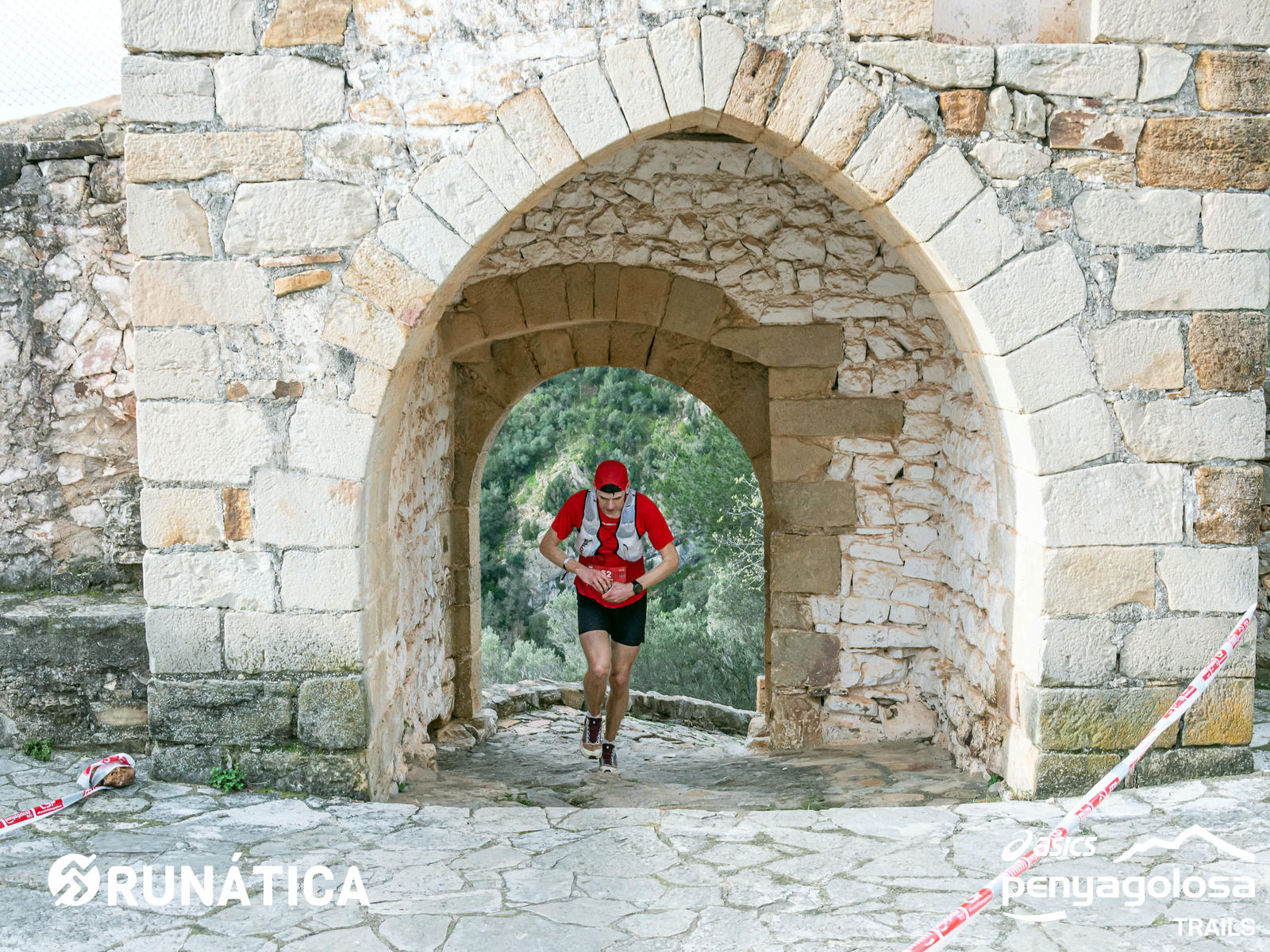
Penyagolosa Trails
106K and 60K from Castellón to the Penyagolosa summit via the GR-33
Read more →
El Valle Trail
26K and 18K through El Valle and Carrascoy Regional Park, at the gates of Murcia
Read more →
Ibiza Trail Maratón Festival
48K, 28K, and 11K through the trails and beaches of Ibiza — the premier trail festival in the Balearics
Read more →
Zegama-Aizkorri
42K and VK through the Aizkorri range — the most legendary skyrunning race in Spain
Read more →