Best Trail Running Shoes 2026: the 6 That Are Genuinely Worth It
 (se abre en una pestaña nueva)
 (se abre en una pestaña nueva)
 (se abre en una pestaña nueva)
 (se abre en una pestaña nueva)
How we choose
We compare every model on verified technical specs (weight, materials, price), user reviews and our own experience running and testing gear in races from 21K to 100K+. We update this guide when prices change or new models launch. Some links are affiliate links: if you buy through them, TrailRunTemple earns a commission at no extra cost to you and with no influence on the selection.
Our picks by use case
- #1Best Overall: Salomon Salomon Sense Ride 5View on Amazon →(se abre en una pestaña nueva)
- #2Best for Technical Mountain: La Sportiva La Sportiva Bushido IIIView on Amazon →(se abre en una pestaña nueva)
- #3Best Cushioning / Long Distance: Hoka Hoka Challenger 8View on Amazon →(se abre en una pestaña nueva)
- #4Best Grip in Mud: Salomon Salomon Speedcross 6View on Amazon →(se abre en una pestaña nueva)
- #5Best Value: Merrell Merrell Agility Peak 5View on Amazon →(se abre en una pestaña nueva)
- #6Best for Extreme Rock and High-Performance Skyrunning: NNormal NNormal KjeragView on Amazon →(se abre en una pestaña nueva)
All products in this guide
Salomon
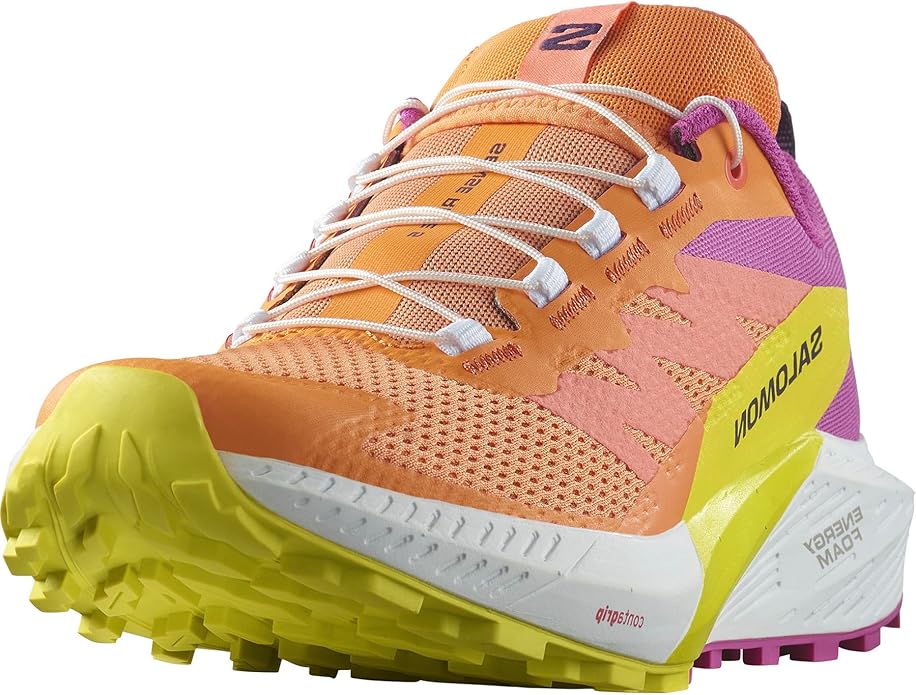
Salomon Sense Ride 5
Salomon's do-it-all trail shoe: a balance of cushioning and grip for any terrain. All Terrain Contagrip outsole and Quicklace system, ideal for training and racing on mixed trail.
La Sportiva
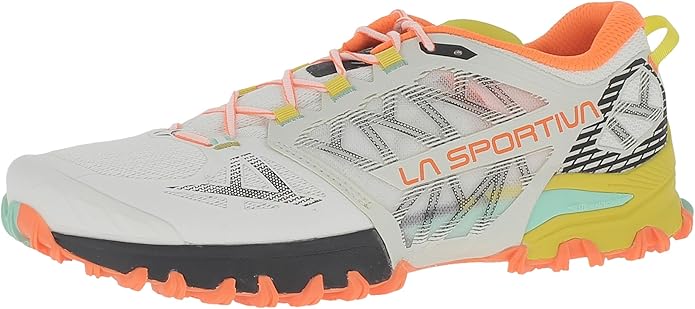
La Sportiva Bushido III
The quintessential skyrunning shoe, built in Italy for the most demanding terrain. FriXion White outsole with Impact Brake System delivering extraordinary grip on dry and wet rock. Low profile and maximum sensitivity for precise footing on every step. Weight: 285 g. Drop: 6 mm.
Hoka
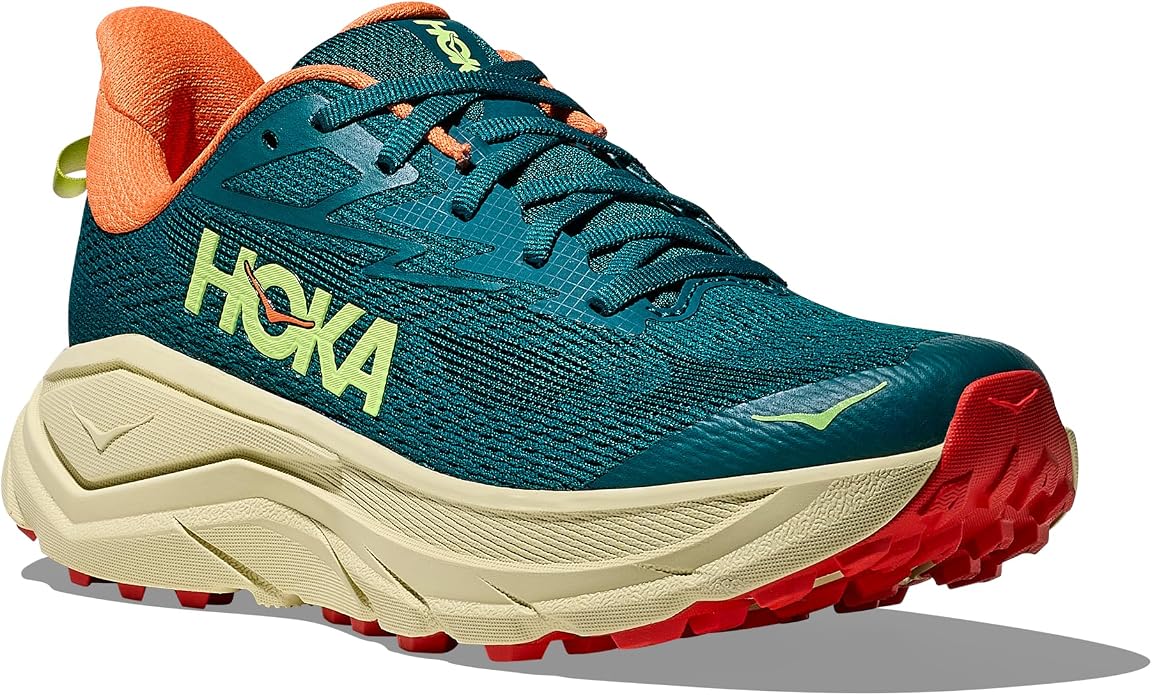
Hoka Challenger 8
Road-to-trail with Hoka's signature max cushioning and 4 mm lugs: comfortable from the first kilometre and perfect for beginners or long runs on easy, mixed terrain.
Salomon
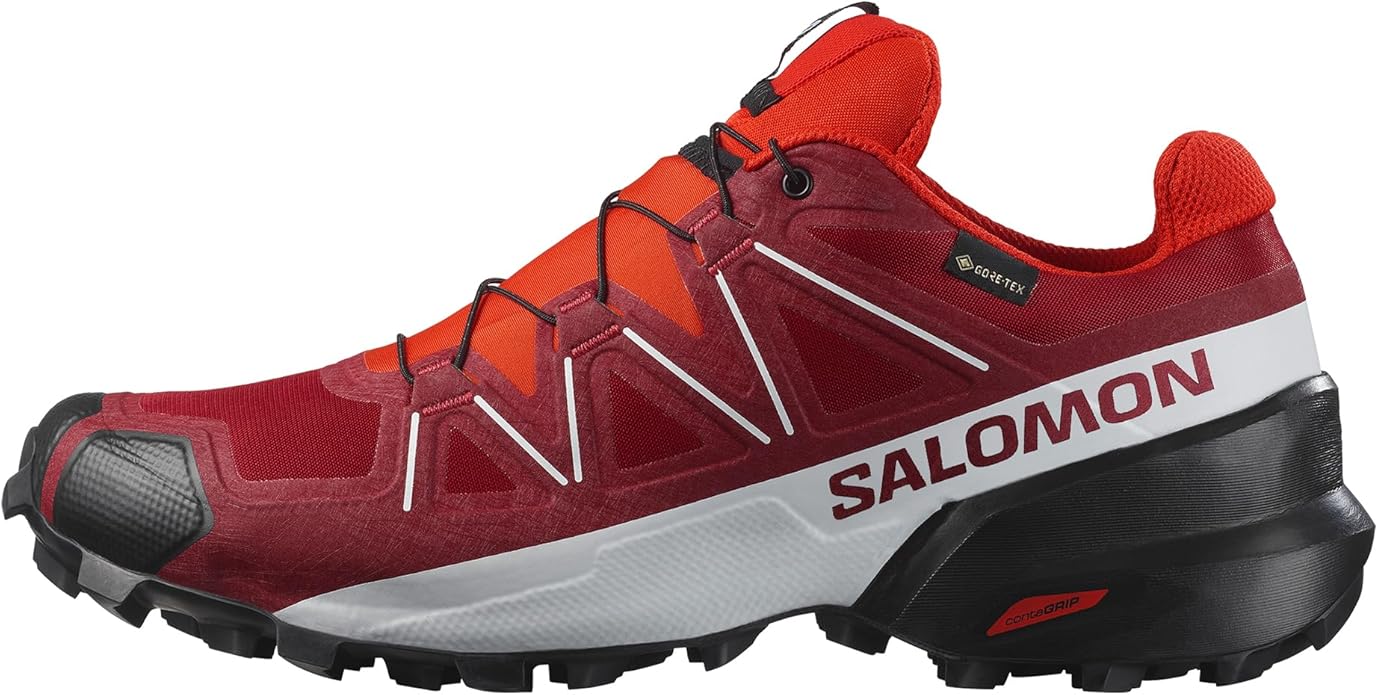
Salomon Speedcross 6
Salomon's most versatile trail shoe, ideal for technical terrain and mud. Exceptional grip with Contagrip sole and EnergyCell+ cushioning.
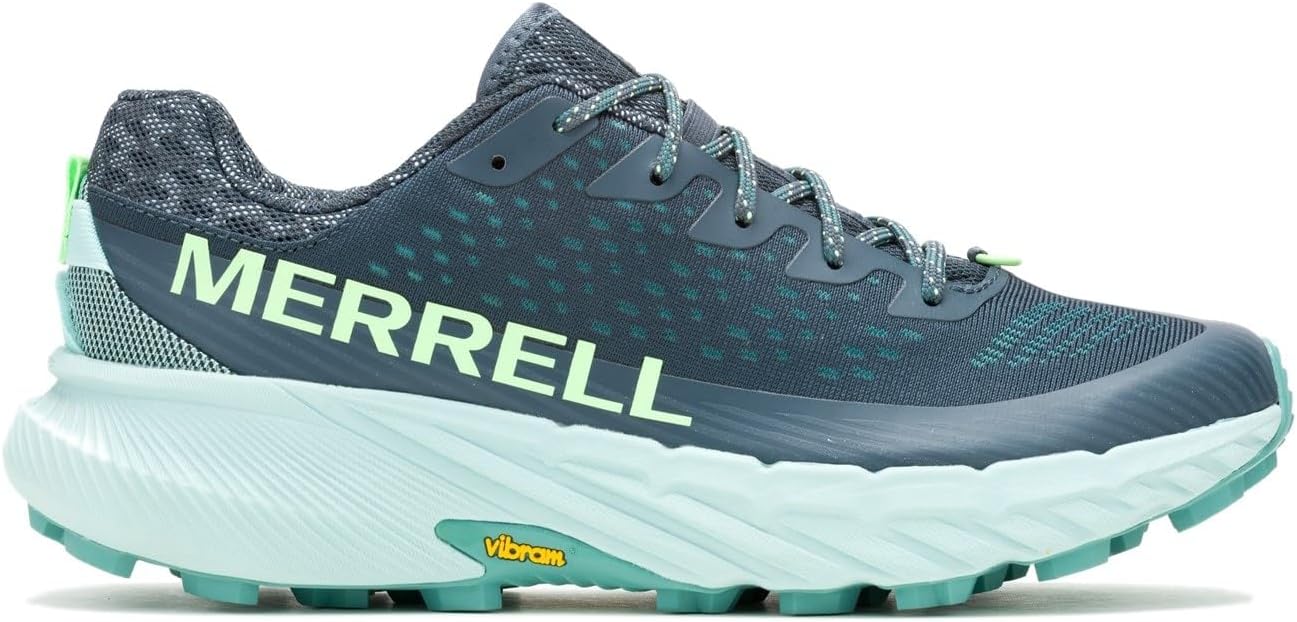
Merrell
Merrell Agility Peak 5
The best value for getting started in trail running. An honest, functional shoe, comfortable from the first kilometre thanks to FloatPro foam, with a Vibram TC5+ outsole offering good all-round grip on mixed terrain. A versatile option without overspending. Weight: 295 g. Drop: 6 mm.
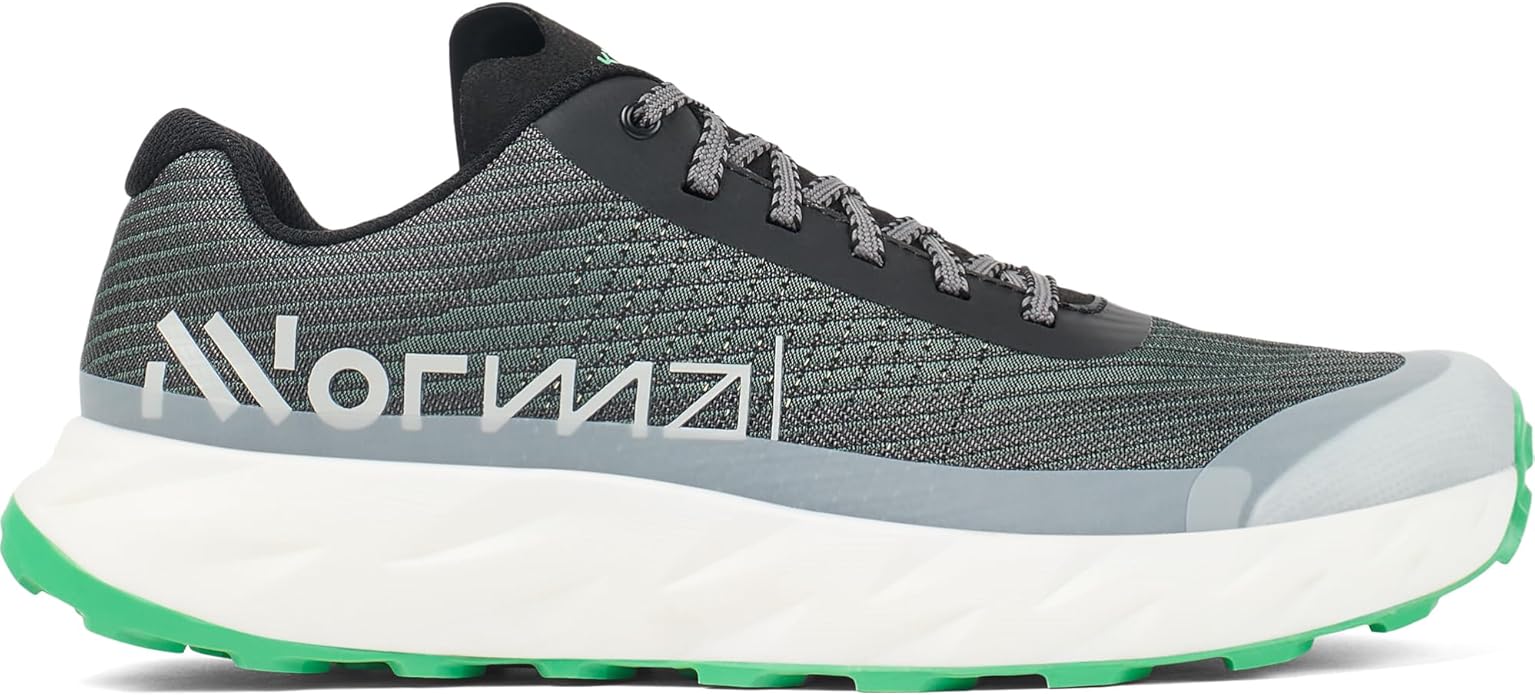
NNormal
NNormal Kjerag
The technical shoe from the brand co-founded by Kilian Jornet, built for skyrunning and high-mountain trail. Vibram Megagrip LiteBase outsole with 4 mm lugs optimised for rock and technical terrain, very low weight, and direct ground feel. For demanding runners who prioritise precision over cushioning.
Trail running shoes are, without question, the most important purchase you’ll make as a mountain runner. They’re the only thing between you and the ground: they decide your grip on a wet descent, your protection against a rock at 25 km/h, and whether you finish the race intact or with destroyed feet. The problem is the market is flooded with models that look identical but aren’t: high vs low drop, max cushioning vs sensitivity, 5 mm lugs for mud vs 3 mm for rolling terrain… This comparison analyses the 6 best trail shoes out right now with real technical criteria and, above all, tells you which terrain each one is for, which is what actually matters.
Comparison Table
| Shoe | Weight | Drop | Lugs | Ideal terrain | Buy |
|---|---|---|---|---|---|
| Salomon Sense Ride 5 | ~280 g | 8 mm | 3.5 mm | Mixed / all-round | Amazon → |
| La Sportiva Bushido III | 285 g | 6 mm | 3.5 mm | Rock / technical skyrunning | Amazon → |
| Hoka Challenger 8 | ~265 g | 5 mm | 4 mm | Rolling / long distance | Amazon → |
| Salomon Speedcross 6 | ~300 g | 10 mm | 5 mm | Mud / soft ground | Amazon → |
| Merrell Agility Peak 5 | 295 g | 6 mm | 5 mm | Mixed / beginner | Amazon → |
| NNormal Kjerag | Very low | — | 4 mm Vibram Megagrip | Rock / technical high mountain | Amazon → |
Weight in men’s UK 8-8.5 (varies with size). Amazon links go to the live, up-to-date price.
How to Choose Trail Shoes: the 5 Decisive Criteria
Before you look at colours or brand, understand what actually matters. Master these 5 criteria and picking a model becomes trivial.
1. The terrain you run on (the number-one factor)
This trumps everything else. There’s no “best trail shoe” — there’s the best one for YOUR terrain. If you run on the mud and wet grass of the north, you need 5 mm lugs that bite (Speedcross). If you run on dry rock and technical mid-mountain, you want a grippy outsole and a low profile (Bushido). If you do fire roads and rolling tracks, cushioning rules (Challenger). Define your usual terrain first and 70% of the decision is already made.
2. Lug depth and pattern
The lugs are the “teeth” of the outsole. Rule of thumb: 5 mm or more = mud and soft ground (they bite but feel awkward on rock and asphalt); 3-4 mm = mixed and dry technical terrain (versatile); under 3 mm = road-to-trail and tracks. Deep lugs on hard ground actually cost you traction (you stand on the lug tips) and wear fast. Don’t buy “the most aggressive” by default — buy what matches your ground.
3. Cushioning and drop
Drop (heel-to-toe height difference) ranges from 0 mm (minimalist) to 10-12 mm (max). The lower it is, the more you feel the terrain and the harder your calf works; the higher it is, the more comfortable for someone coming from road. For trail, 6-8 mm is the versatile range. Cushioning is about distance: for ultras and long runs, more foam protects (Hoka); for skyrunning and short technical races, less cushioning = more precision and reactivity (Bushido). If zero drop and minimalism appeal to you, we have a separate guide on barefoot and minimalist shoes.
4. Fit and width
The number-one cause of blisters and black toenails is the wrong last (fit). Salomon and La Sportiva run narrow (Egyptian foot, low instep). Merrell, Hoka and Altra are wider and friendlier for wide feet or feet that swell during ultras. Leave a finger of space at the toe: on descents the foot slides forward and, without margin, you lose toenails. If in doubt between two sizes, go half a size up. If you have wide feet or need a women’s last, we have a dedicated women’s and wide-fit guide.
5. Protection and durability
A good trail shoe has a reinforced toe cap (rock strikes), lateral overlays and a rock plate or density that stops bruising in scree. This adds weight, but on technical mountain it’s non-negotiable. Average trail-shoe lifespan is around 600-800 km; ultralight racing models last less. If you train a lot, keep a sturdy daily pair and save the light ones for race day.
Individual Analysis of the 6 Shoes
1. Salomon Sense Ride 5 — Best Overall
The Salomon Sense Ride 5 is the answer to “I don’t know what terrain I’ll hit, I want one shoe that does everything”. It’s the all-rounder par excellence: balanced cushioning (neither minimal nor tank-like), an All Terrain Contagrip outsole that grips reasonably well on dry, mixed and rock, and Salomon’s Quicklace closure you cinch in one pull and forget.
Key specs: ~280 g, 8 mm drop, lugs around 3.5 mm, EnergyCell+ midsole, breathable upper with overlays. Typical medium-narrow Salomon fit.
Pros: performs well on almost any terrain, comfortable cushioning for long distances without being heavy, fast and secure Quicklace closure, great versatility-for-money.
Cons: grip is just adequate in deep mud (that’s what the Speedcross is for), medium fit that doesn’t suit very wide feet.
Best for: the runner who wants ONE shoe to train and race on varied terrain without overthinking it. If you run races like Penyagolosa Trails or train on mixed terrain most of the year, this is your default buy.
View Salomon Sense Ride 5 on Amazon →2. La Sportiva Bushido III — Best for Technical Mountain
The La Sportiva Bushido III is the queen of skyrunning and technical terrain. Built in Italy, its FriXion White outsole with Impact Brake System delivers vertigo-inducing grip on dry and wet rock: the lugs are oriented to brake on descents and drive on climbs. Low profile, sensitive, precise. It’s the shoe you see at Zegama and on any serious vertical kilometre.
Key specs: 285 g, 6 mm drop, ~3.5 mm multidirectional lugs, robust Italian construction, narrow wrap-around fit.
Pros: exceptional grip on rock, low and sensitive profile for maximum precision on technical terrain, durable build, contained weight for the protection it offers.
Cons: low cushioning (gets uncomfortable over very long distances or rolling terrain), narrow fit not suited to wide feet, not a shoe for beginners or tracks.
Best for: technical mountain runners, skyrunning and vertical kilometres (Zegama Aizkorri, Transvulcania, Ultra Pirineu). If your terrain is rock, roots and steep gradients, there’s no debate.
View La Sportiva Bushido III on Amazon →3. Hoka Challenger 8 — Best Cushioning / Long Distance
The Hoka Challenger 8 is the definitive road-to-trail: Hoka’s signature max cushioning with 4 mm lugs that take on trails and tracks without giving up running on asphalt from your door. It’s the most comfortable shoe in the lineup from the first kilometre, which makes it perfect for beginners and for very long runs where your legs appreciate the cushion.
Key specs: ~265 g, 5 mm drop, 4 mm lugs, generous foam midsole, comfortable fit slightly wider than Salomon.
Pros: generous, very comfortable cushioning, versatile between asphalt and easy trails, excellent for getting into trail and for rolling ultras, welcoming fit.
Cons: low lugs insufficient in deep mud and technical rock, limited stability on very uneven terrain (the midsole height penalises the technical stuff).
Best for: beginners, runners coming from road, and rolling-terrain ultra runners (long fire roads, forest tracks). If your target race is long without extreme technicality, the Challenger’s cushion is a blessing from hour 4 onwards. For more max-cushion options (including carbon-plate shoes), see the cushioned ultra trail shoe guide.
View Hoka Challenger 8 on Amazon →4. Salomon Speedcross 6 — Best Grip in Mud
The Salomon Speedcross 6 is the most recognisable trail shoe in the world, and for good reason: in mud, wet grass and soft ground nothing matches it at its price. Its deep, widely-spaced 5 mm lugs bite where others slip, the drainage clears water fast and the reinforced toe cap takes the punishment. It’s the specific tool for the wet north and autumn-winter.
Key specs: ~300 g, 10 mm drop, very aggressive 5 mm Contagrip lugs, EnergyCell+ midsole, Quicklace closure, good drainage.
Pros: exceptional grip in mud and soft technical terrain, reinforced toe protection, comfortable and fast Quicklace, efficient drainage.
Cons: average durability if used a lot on asphalt (the lugs aren’t for that), 10 mm drop is high for purists, slightly narrow fit.
Best for: runners on soft ground, mud and wet weather (northern Spain, autumn-winter, races with lots of grass and dirt). For dry rocky terrain it’s too much shoe; for mud it’s the benchmark. More grip options in the mud & technical terrain shoe guide.
View Salomon Speedcross 6 on Amazon →5. Merrell Agility Peak 5 — Best Value
The Merrell Agility Peak 5 is the best entry point into trail running without overspending. It’s an honest shoe: FloatPro foam that’s comfortable from the first kilometre, a Vibram TC5+ outsole with good all-round grip on mixed terrain, and a price (around €120) that leaves margin against the premium models. It’s not the most specialised at anything, but it does everything well.
Key specs: 295 g, 6 mm drop, 5 mm Vibram TC5+ lugs, FloatPro midsole, comfortable slightly wider fit.
Pros: best value in the lineup, comfortable from minute one thanks to FloatPro, Vibram TC5+ with good versatile grip, ideal for getting started.
Cons: lower performance than a racing model, not the pick for very technical terrain or skyrunning, decent cushioning but no plate or racing tech.
Best for: anyone getting into trail or wanting a solid mixed-terrain shoe without paying premium. If you do 1-3 races a year on mid-mountain, the Agility Peak 5 is more than enough. More alternatives in the value shoe guide.
View Merrell Agility Peak 5 on Amazon →6. NNormal Kjerag — Best for Extreme Rock and High-Performance Skyrunning
The NNormal Kjerag is the shoe from the brand co-founded by Kilian Jornet, built specifically for skyrunning and high-mountain trail where precision matters more than cushioning. Its Vibram Megagrip LiteBase outsole with 4 mm lugs is optimised for rock and technical terrain, and the input from Kilian Jornet’s team shows in the direct ground feel it delivers.
Key specs: Vibram Megagrip LiteBase outsole, 4 mm lugs oriented for rock and technical terrain, very low weight for the level of protection it offers.
Pros: exceptional grip on rock and technical terrain thanks to the Vibram Megagrip LiteBase, very low weight for such a protective shoe, designed and developed with input from Kilian Jornet’s team, direct ground feel ideal for skyrunning.
Cons: high price compared to other technical options in the lineup, limited cushioning for very long ultras on rolling terrain, more limited size availability as a niche brand.
Best for: demanding skyrunning and technical high-mountain runners who prioritise precision and rock grip above everything else, even above what the Bushido III already offers. If you race vertical kilometres or high-mountain races with a lot of rock and want the most direct ground feel in the lineup, this is the benchmark option, at a higher price.
View NNormal Kjerag on Amazon →Head-to-Head: Salomon Speedcross 6 vs Sense Ride 5
The two Salomons in the lineup confuse a lot of people. Here’s the clear difference:
Speedcross wins in mud and soft ground. Its deep 5 mm lugs bite into wet grass, dirt and mud where the Sense Ride (3.5 mm) slips. If your terrain is wet, it’s no contest.
Sense Ride wins on versatility and hard ground. On rock, tracks and dry mixed terrain, the Speedcross’s deep lugs feel awkward (you stand on the tips) and wear down; the Sense Ride rolls better and grips enough.
Sense Ride wins on distance. With an 8 mm drop and balanced cushioning it’s more comfortable on long runs. The Speedcross, with its 10 mm drop and aggressive focus, is more of a specific-race shoe than a daily do-it-all.
Verdict: if you mostly run in mud and wet weather, Speedcross 6. If you want a single all-round shoe for varied terrain most of the year, Sense Ride 5.
5 Common Mistakes When Buying Trail Shoes
-
Buying the most aggressive shoe “just in case”. 5 mm lugs on dry, rocky terrain are counterproductive: less contact, less real grip and fast wear. Buy for your usual terrain, not the extreme you touch once a year.
-
Picking your road-shoe size. In trail you need half a size more: on descents the foot slides forward and, without toe margin, you lose toenails. Leave a finger of space.
-
Ignoring the fit. Salomon and La Sportiva run narrow; Merrell, Hoka and Altra wider. Buying a narrow last with a wide foot guarantees blisters. Try them on or check the width first.
-
Using racing shoes for daily training. Light shoes last 300-400 km. Use them for everything and you’ll wear them out in a month. Keep a sturdy training pair and save the light ones for the key day.
-
Not rotating or retiring the shoe in time. Past 600-800 km the midsole loses cushioning and the outsole loses grip. Running on dead shoes is the fast lane to injury.
Frequently Asked Questions
Can I use road shoes for trail?
For the occasional track and easy path, yes. For real mountain, no: you lack grip, toe protection and lateral stability, and the risk of ankle rolls and slips shoots up. The moment you hit mud or rock, a trail shoe makes the difference.
What drop is best for trail running?
There’s no universal “best”. The versatile range is 6-8 mm: comfortable for most and without penalising the terrain. Low drops (0-4 mm) demand a conditioned calf and technique; high drops (10-12 mm) help those coming from road. Change drop gradually to avoid overload.
How many kilometres does a trail shoe last?
Between 600 and 800 km on average. Ultralight racing models, less (300-500 km). Retirement signs: sunken midsole, rounded lugs, new pain in knees or shins. The outsole usually outlasts the cushioning.
Do I need Gore-Tex (waterproof)?
Only if you regularly run in cold and water. Gore-Tex keeps the foot dry in light rain and snow, but breathes worse and, if water gets in from the top, takes ages to dry. For summer and dry climates, a normal breathable upper that clears fast is better. We cover it in the waterproof shoe guide.
One shoe for everything or several?
If you’re starting, an all-rounder (Sense Ride 5 or Agility Peak 5) covers 90% of cases. As you rack up races, the logical move is two: a mud/grip pair (Speedcross) and a technical or long-distance pair depending on your calendar.
Final Verdict: Our Pick of the 6 Shoes
- If you want a single shoe for everything: Salomon Sense Ride 5
- If your terrain is rock and technical mountain: La Sportiva Bushido III
- If you prioritise cushioning and long distance: Hoka Challenger 8
- If you run in mud and wet weather: Salomon Speedcross 6
- If you want the best value: Merrell Agility Peak 5
- If you race extreme rock and skyrunning without watching the price: NNormal Kjerag
There’s no perfect shoe for everyone: there’s the perfect one for your terrain, your foot and your distance. Define where you run most of the time first and the choice becomes obvious. Any of these six is an honest buy within its segment.
Other guides you might find useful
Races where you'll need this gear
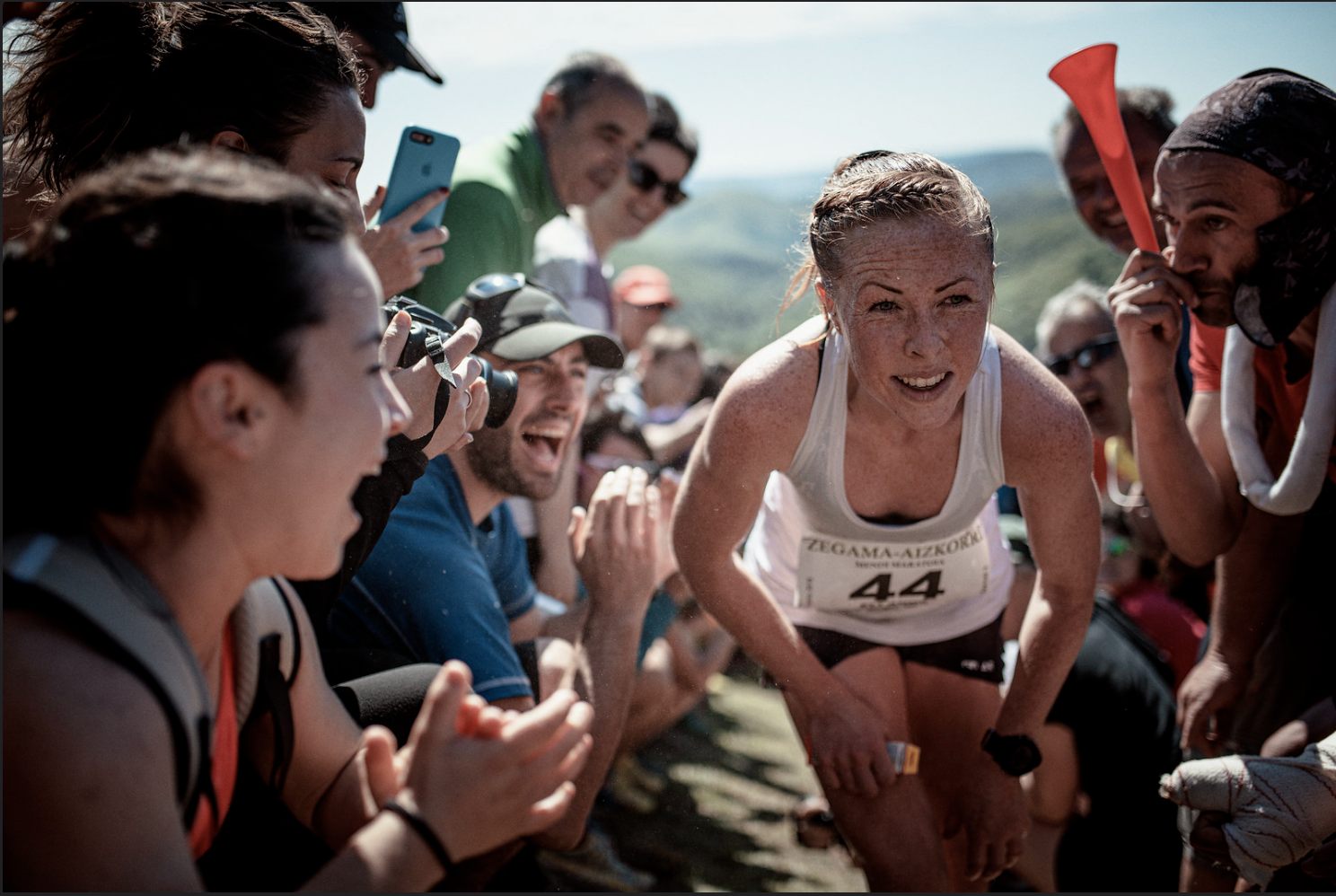
Zegama-Aizkorri
42K and VK through the Aizkorri range — the most legendary skyrunning race in Spain
Read more →
Transgrancanaria
128K, 83K, 44K, and 30K crossing Gran Canaria from north to south
Read more →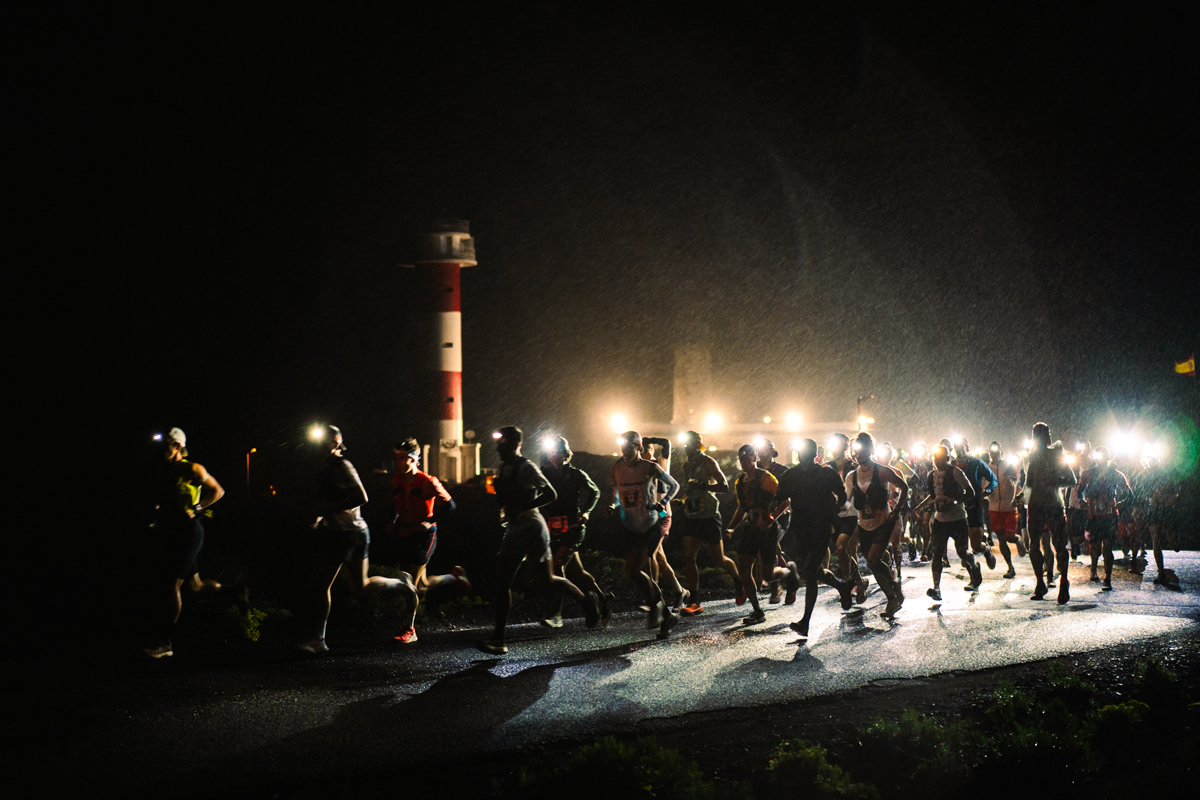
Transvulcania
73K, 43K, 25K, and VK crossing La Palma along the Ruta del Bastón
Read more →
Ultra Pirineu
100K, 54K, and 30K along the Cadí Range in the Catalan Pyrenees
Read more →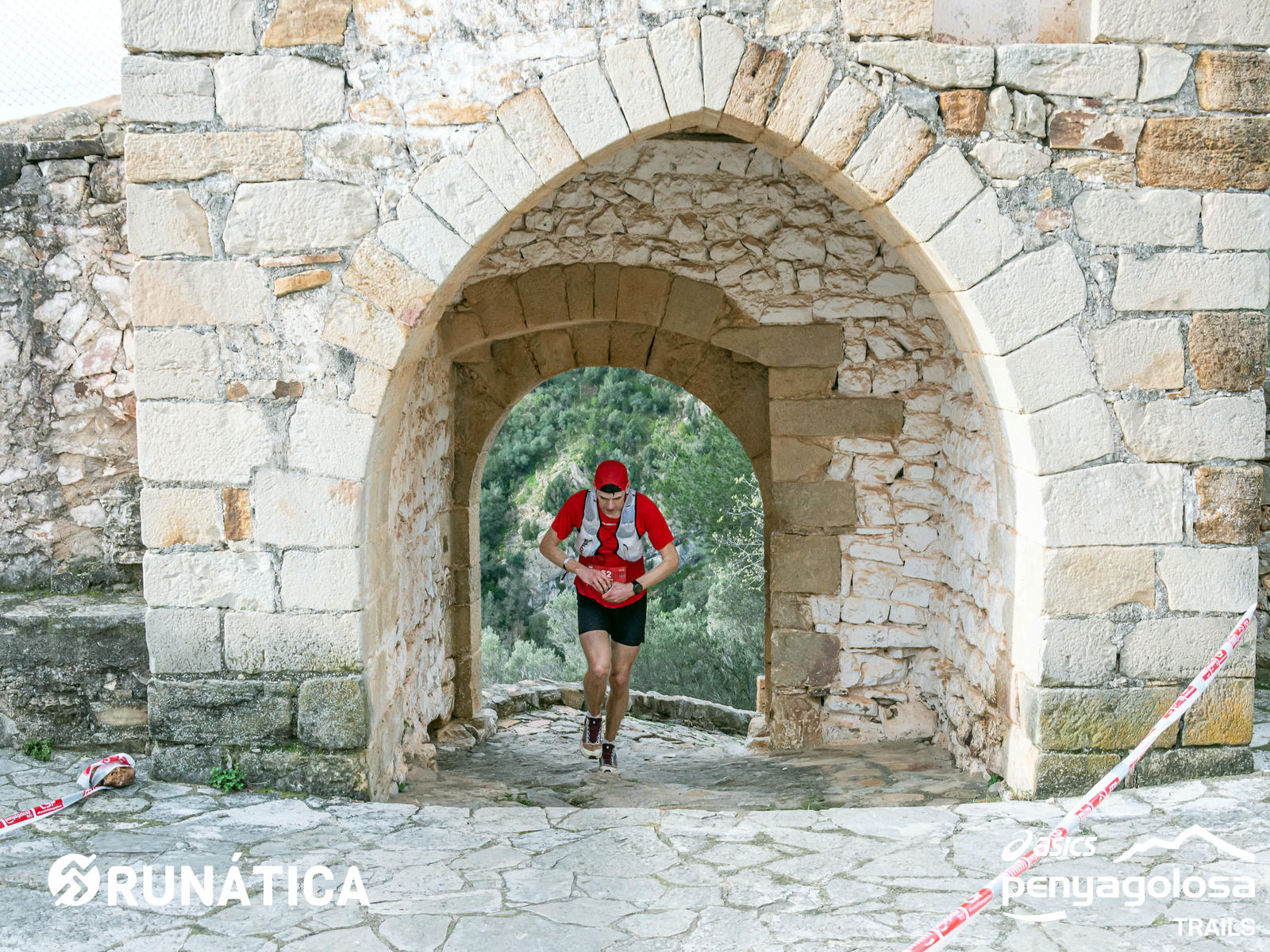
Penyagolosa Trails
106K and 60K from Castellón to the Penyagolosa summit via the GR-33
Read more →
Ultra Sierra Nevada
100K, 42K and 21K across the rooftop of the Iberian Peninsula
Read more →