Die ITRA (International Trail Running Association) bewertet den Schwierigkeitsgrad von Trailrennen und vergibt Punkte nach deinen Ergebnissen — viele Rennen verlangen eine Mindestpunktzahl für die Anmeldung.
ITRA-Punkte-Rechner
Prüfe, wie viele ITRA-Punkte du hast: Schätze deinen ITRA-Leistungsindex (PI) anhand deiner Ergebnisse. Gib Distanz, positive Höhenmeter und Zielzeit ein, um deine geschätzte Punktzahl zu sehen.
Schnellreferenz
Niveau nach Punktzahl
- 900+ — Weltklasse
- 800–899 — Elite
- 700–799 — Hoch erfahren
- 600–699 — Erfahren
- 500–599 — Hoch fortgeschritten
- 400–499 — Fortgeschritten
- 300–399 — Fortgeschrittener Anfänger
- < 300 — Anfänger
Rennkategorie (Aufwand-km)
- XXS: < 25 km-Aufwand
- XS: 25–44
- S: 45–74
- M: 75–114
- L: 115–154
- XL: 155–209
- XXL: ≥ 210
Punktzahl eines Rennens
Gib die Daten deines Rennens und deine Zielzeit ein, um deine Einzelpunktzahl zu schätzen.
Mehrrennen-Leistungsindex
Gib bis zu 5 Rennergebnisse ein, um deinen globalen ITRA-Leistungsindex zu schätzen. Aktuellere Ergebnisse werden stärker gewichtet.
Geschätzter Leistungsindex
Schätzung auf Basis öffentlicher Daten. Dein offizieller Index: itra.run
Die Uhr, um im Gebirge ITRA-Punkte zu sammeln
Barometrischer Höhenmesser, Offline-Karten und Ultra-taugliche Akkulaufzeit: was du für Rennen mit Punktewertung brauchst. Wir zeigen nie den Preis: prüf ihn bei Amazon.
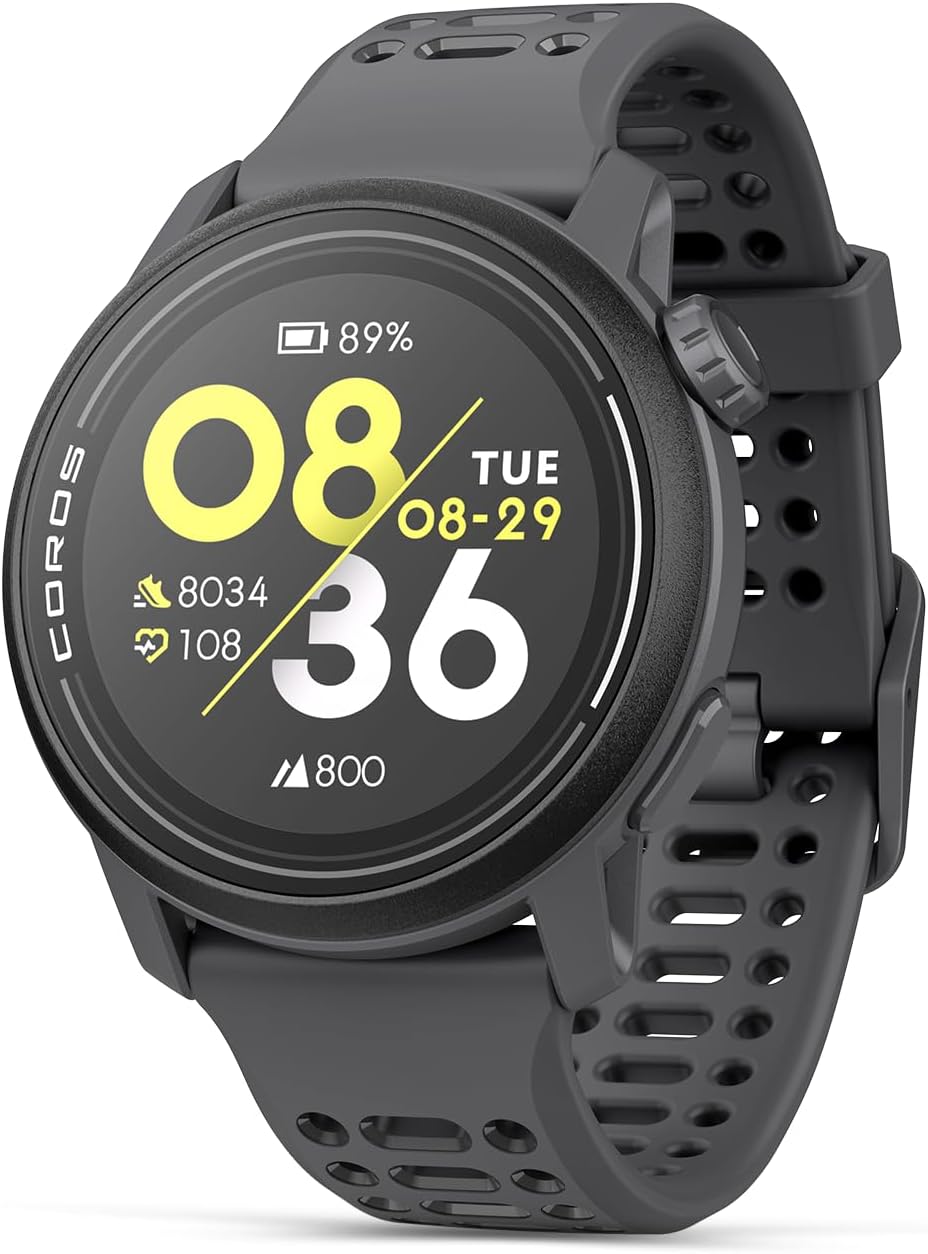
Unsere Empfehlung
Coros Pace 3
GPS-Trailrunning-Uhr mit Track-Navigation, barometrischem Höhenmesser und bis zu 38 h Akkulaufzeit im GPS-Modus
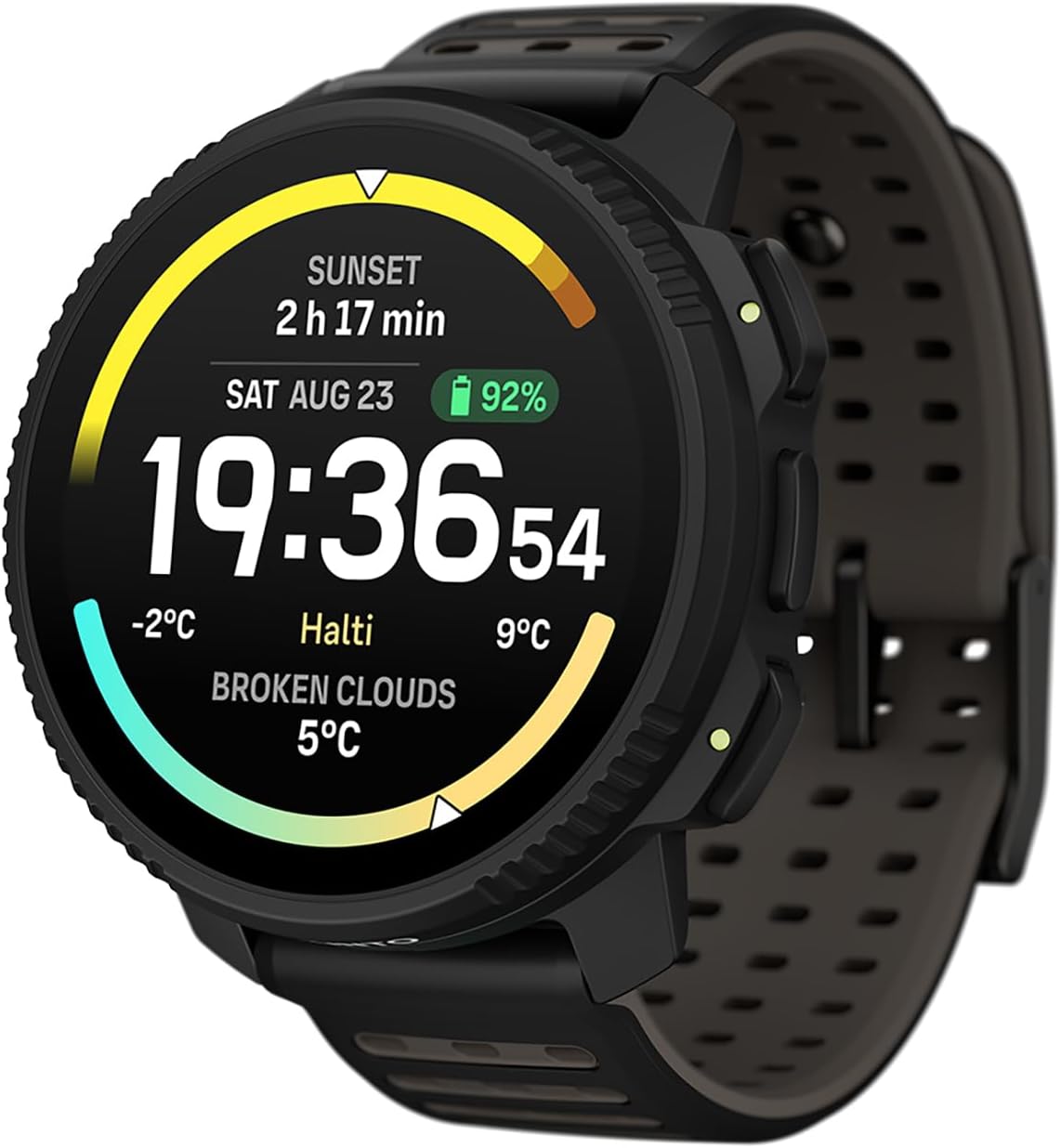
Alternative
Suunto Vertical
Abenteueruhr mit kostenlosen topografischen Offline-Karten und gewaltiger Akkulaufzeit: 60 h im Dualband und bis zu 60 Tage im Alltag, mit Tour-Modus von 500 h
Einige Links sind Affiliate-Links. Wenn du darüber kaufst, erhalten wir eine Provision ohne Mehrkosten für dich.
Renndetails
Aufwand-km
ITRA-Kategorie
Geschwindigkeit
Punktzahl
Ausrüstung, um deine Leistung zu verbessern
Die Ausrüstung der Läufer mit dem besten ITRA-Index
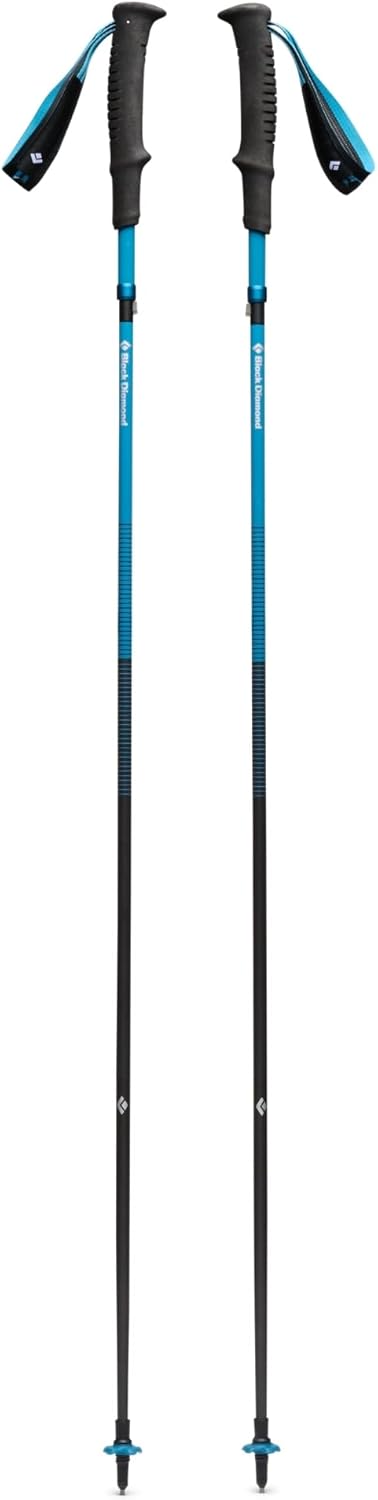
Black Diamond
Black Diamond Distance Carbon Z
Ultralight carbon Z-pole foldable trekking poles. 137 g per pole in 110 cm length, 33 cm folded. EVA grip and adjustable strap. The trail running reference.
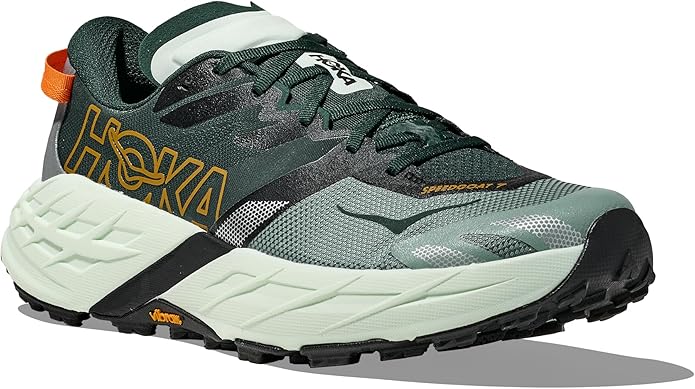
Hoka
Hoka Speedgoat 7
The best-selling trail shoe in the US and an absolute ultra-trail classic. Max Hoka cushioning, a Vibram Megagrip outsole with 5 mm lugs for grip in mud and technical terrain, and a snug Matryx upper. Built to eat up kilometres without punishing your legs in long races.
Altra
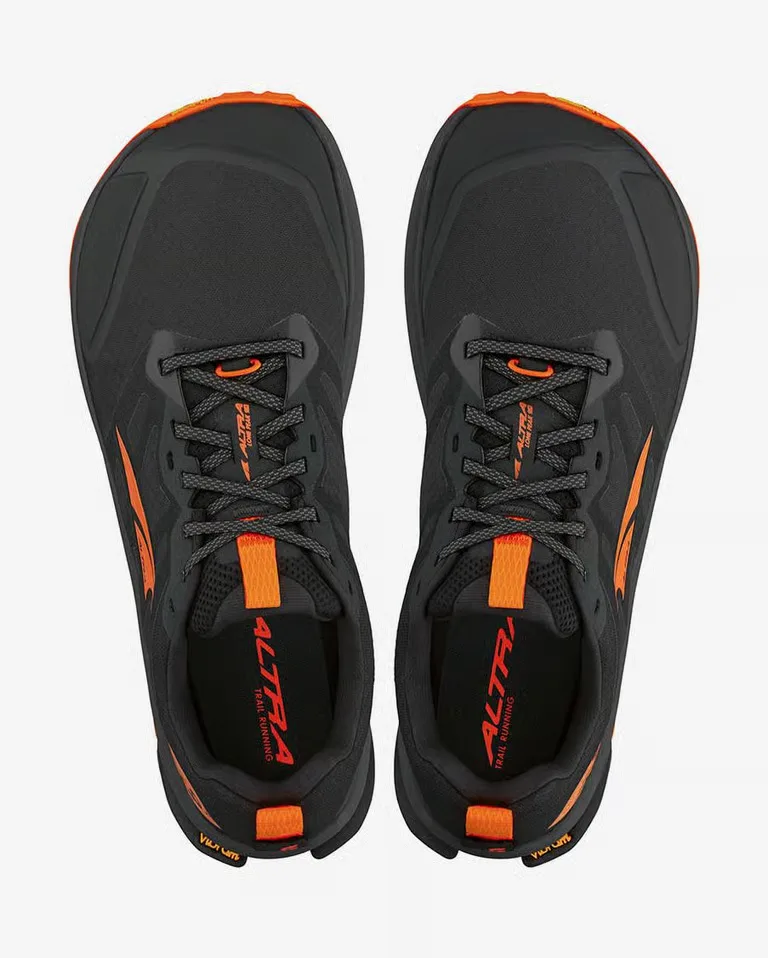
Altra Lone Peak 9
Trail running shoe with zero drop and wide FootShape toe box that allows natural toe splay. 25 mm stack with EGO foam for balanced cushioning without losing ground contact. MaxTrac outsole with 3.5 mm lugs, ideal for non-technical trails, forest tracks and long-distance paths.

New Balance
New Balance Fresh Foam X Hierro v9
The model breaking into Spain's best-seller charts. Fresh Foam X midsole with a solid balance between cushioning and ground feel, a Vibram Megagrip outsole, and a comfortable last suited to wide feet. A reliable all-rounder for training runs and mountain races of any distance.
Einige Links sind Affiliate-Links. Wenn du darüber kaufst, erhalten wir eine Provision ohne Mehrkosten für dich.
Aufschlüsselung nach Rennen
| # | Aufw.-km | Zeit | Punktzahl | Alter | Gewichtung |
|---|
Häufige Fragen
What is the ITRA Performance Index?
The ITRA Performance Index (PI) is a 0-1000 score that measures your level as a trail runner. It's calculated from your results in ITRA-certified races. The higher your PI, the better your relative performance. A recreational runner typically scores 300-500, while a world-class elite exceeds 850.
How is the ITRA Performance Index calculated?
ITRA takes your best results from certified races in the last 36 months. It calculates an individual score for each race based on your speed in effort-km per hour. It then applies weightings for result age and number of completed races to get your final PI.
What are effort kilometers (km-effort)?
Effort kilometers convert race difficulty to an equivalent flat distance. The formula is: km-effort = distance (km) + elevation gain (m) / 100. A 42 km race with 3000 m D+ equals 72 km-effort. This is the basis of ITRA's race categorization system (XXS to XXL).
How many races do I need for an ITRA index?
ITRA needs at least 1 result to calculate a PI, but accuracy improves with more races. With 1-2 results the PI is provisional and can vary a lot. From 3-5 results the score stabilizes. The official system considers up to 5 of your best results.
How long does it take for my ITRA index to update?
Results appear on ITRA when the organizer uploads them, usually 1-4 weeks after the race. Your PI is automatically recalculated with each new result. Results older than 36 months gradually lose weight.
What's the difference between ITRA points and UTMB Index?
ITRA points (1-6) measure race difficulty by effort-km. The ITRA Performance Index (PI, 0-1000) measures your level as a runner. The UTMB Index is a proprietary system that categorizes races (20K, 50K, 100K, 100M) and assigns its own performance index for accessing UTMB races. This calculator approximates the ITRA PI.
Can I use this index to register for UTMB races?
This calculator provides an estimate of the ITRA Performance Index. To register for UTMB races you need your official PI calculated by ITRA from verified results. Your official PI can be checked at itra.run by creating a free account.
How do I improve my performance index?
To improve your PI: (1) run longer races with more elevation gain, as they offer higher individual scores, (2) improve your finish time to increase your effort-km/hour speed, (3) run more ITRA-certified races so the system has more data, and (4) keep results recent, as older ones lose weight.
Wie der ITRA-Rechner funktioniert
Dieser Rechner schätzt deinen ITRA-Leistungsindex mit der Aufwand-km-Methodik — derselben Metrik, die die ITRA zur Einstufung der Rennschwierigkeit verwendet:
- Aufwand-km: wandelt das Rennprofil in eine äquivalente Flachdistanz um. Formel: Aufwand-km = Distanz (km) + positive Höhenmeter (m) / 100.
- Geschwindigkeit: deine Geschwindigkeit in Aufwand-km pro Stunde (Aufwand-km geteilt durch deine Zeit in Stunden).
- Punktzahl: deine Geschwindigkeit wird mit 100 multipliziert, um eine Punktzahl auf der Skala 0–1000 zu erhalten. Eine Geschwindigkeit von 5 Aufwand-km/h entspricht etwa 500 Punkten.
Im Mehrrennen-Modus nimmt der Rechner deine 5 besten Punktzahlen und wendet eine zeitliche Gewichtung an: aktuelle Ergebnisse (letzte 12 Monate) zählen zu 100 %, ältere verlieren nach und nach an Gewicht. Das spiegelt die offizielle ITRA-Methodik wider.
Es handelt sich um eine Näherung. Das offizielle ITRA-System nutzt zusätzliche Faktoren wie rennspezifische Koeffizienten und die vollständige Ergebnisverteilung. Prüfe deinen offiziellen PI auf itra.run.