L'ITRA (International Trail Running Association) valuta ogni gara di trail per difficoltà e assegna punti in base ai tuoi risultati: molte gare richiedono un punteggio minimo per iscriversi.
Calcolatore dell'indice di prestazione ITRA
Stima il tuo indice di prestazione ITRA (PI) dai risultati di gara. Inserisci distanza, dislivello positivo e tempo di arrivo per vedere il punteggio stimato.
Riferimento rapido
Livello di punteggio
- 900+ — Livello mondiale
- 800–899 — Elite
- 700–799 — Avanzato+
- 600–699 — Avanzato
- 500–599 — Intermedio+
- 400–499 — Intermedio
- 300–399 — Principiante avanzato
- < 300 — Principiante
Categoria di gara (km-sforzo)
- XXS: < 25 km-sforzo
- XS: 25–44
- S: 45–74
- M: 75–114
- L: 115–154
- XL: 155–209
- XXL: ≥ 210
Punteggio di singola gara
Inserisci i dati della gara e il tempo di arrivo per stimare il tuo punteggio individuale.
Indice di prestazione multi-gara
Inserisci fino a 5 risultati di gara per stimare il tuo indice di prestazione ITRA complessivo. I risultati più recenti pesano di più.
Indice di prestazione stimato
Stima basata su dati pubblici. Il tuo indice ufficiale: itra.run
L'orologio per guadagnare punti ITRA in montagna
Altimetro barometrico, mappe offline e batteria da ultra: ciò che serve per le gare che assegnano punti. Non mostriamo mai un prezzo: controllalo su Amazon.
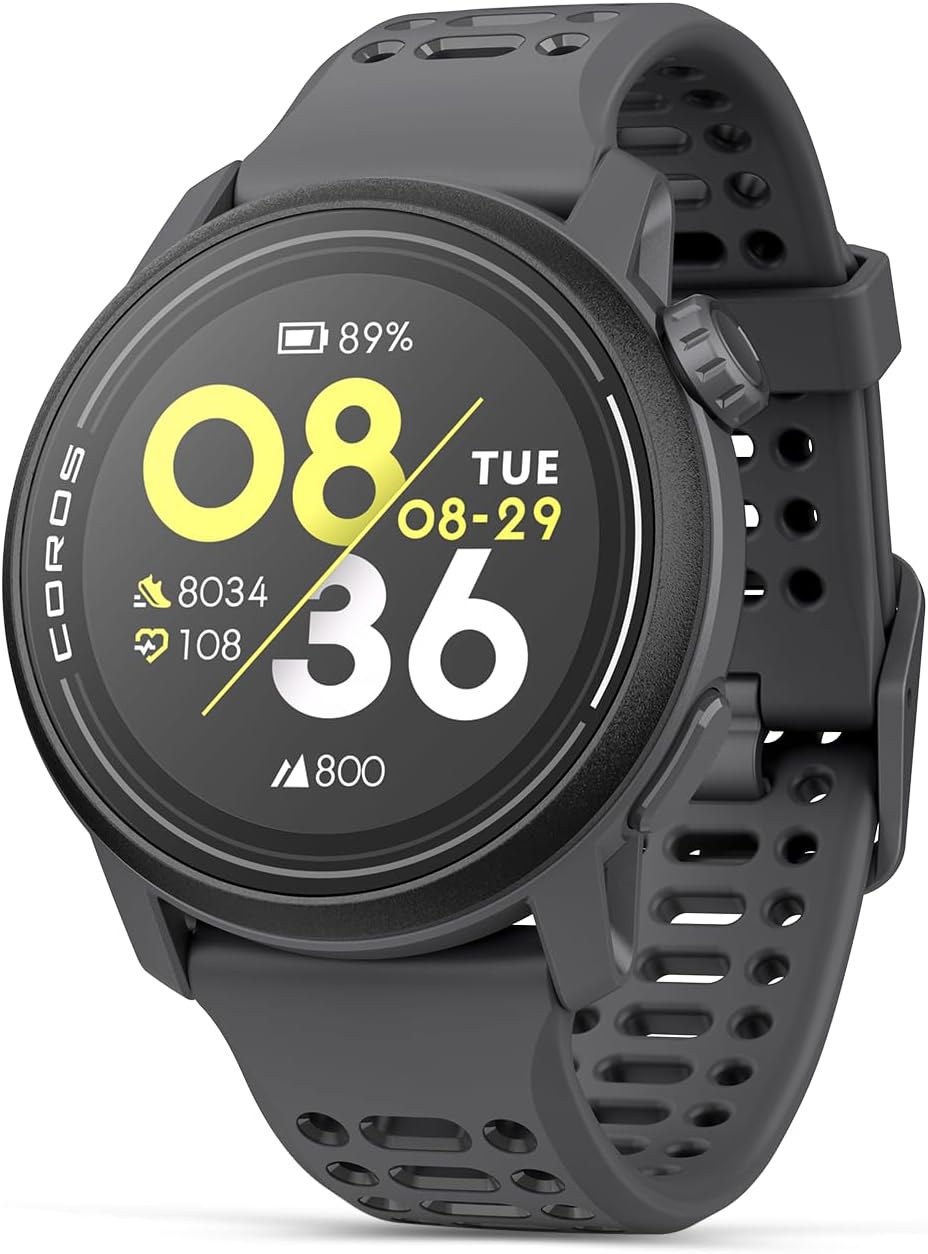
La nostra scelta
Coros Pace 3
Trail running GPS watch with track navigation, barometric altimeter and up to 38 h battery life in GPS mode
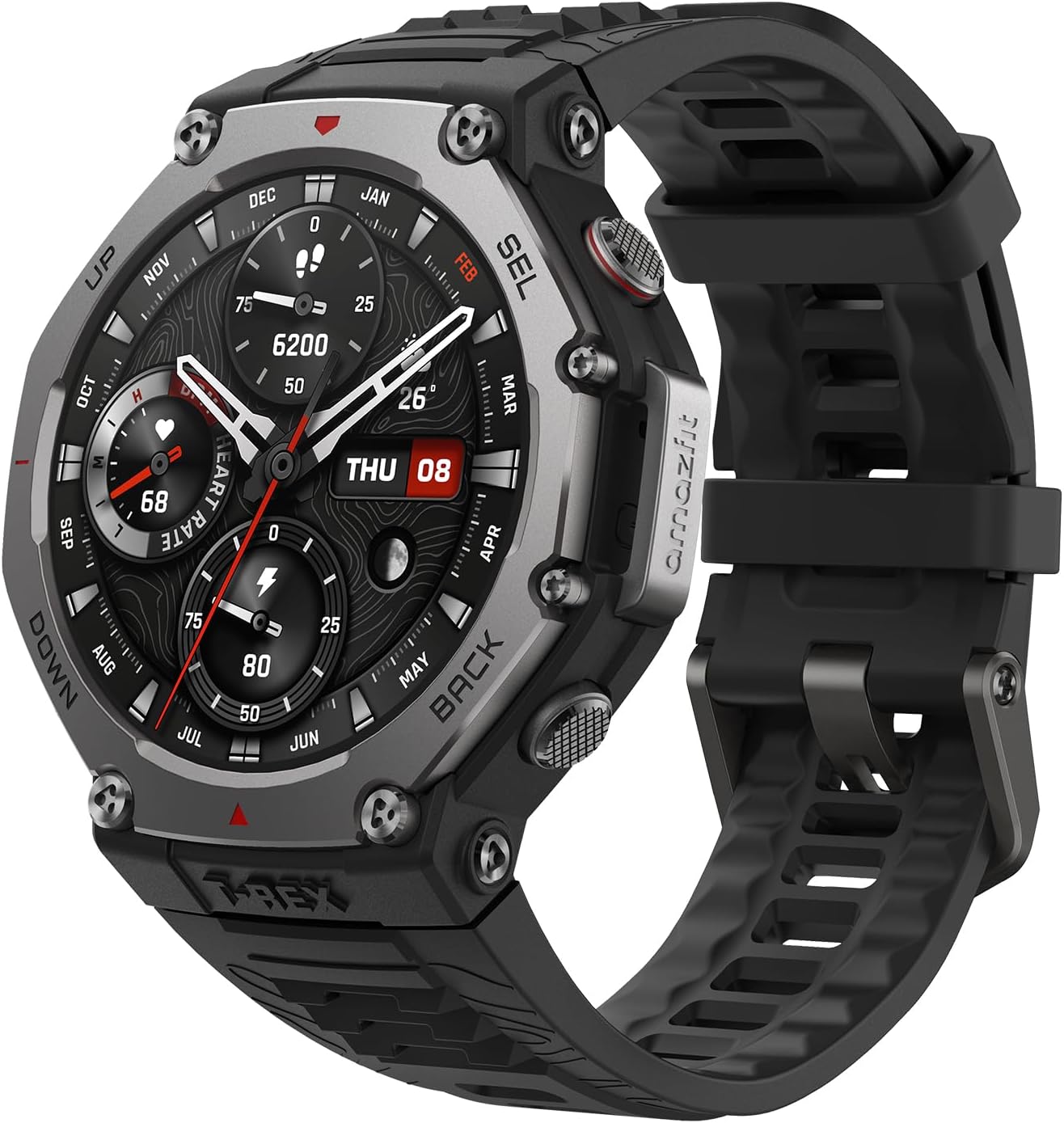
Alternativa
Amazfit T-Rex 3
Ultra-rugged outdoor watch with dual-band GPS, offline maps and a 2,000-nit AMOLED display, at a mid-range price
Alcuni link sono di affiliazione. Se acquisti tramite questi, guadagniamo una commissione senza costi aggiuntivi per te.
Dettagli della gara
Km-sforzo
Categoria ITRA
Velocità
Punteggio
Attrezzatura per migliorare le tue prestazioni
L'attrezzatura usata dai corridori con i migliori indici ITRA
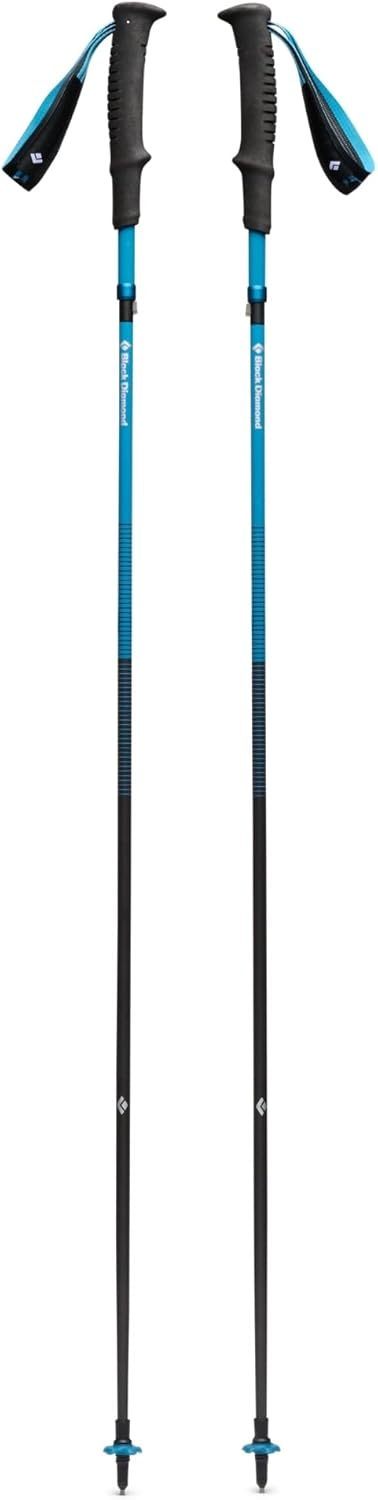
Black Diamond
Black Diamond Distance Carbon Z
Ultralight carbon Z-pole foldable trekking poles. 137 g per pole in 110 cm length, 33 cm folded. EVA grip and adjustable strap. The trail running reference.
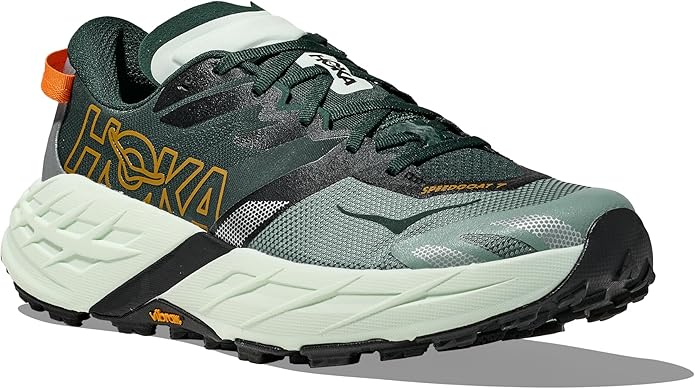
Hoka
Hoka Speedgoat 7
The best-selling trail shoe in the US and an absolute ultra-trail classic. Max Hoka cushioning, a Vibram Megagrip outsole with 5 mm lugs for grip in mud and technical terrain, and a snug Matryx upper. Built to eat up kilometres without punishing your legs in long races.
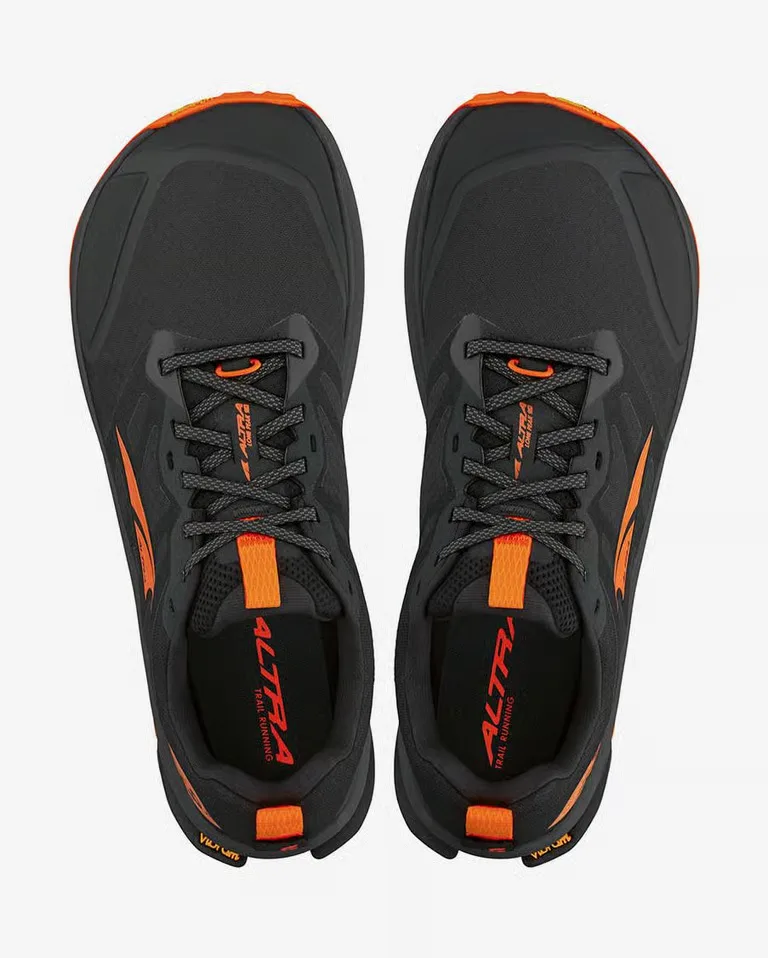
Altra
Altra Lone Peak 9
Trail running shoe with zero drop and wide FootShape toe box that allows natural toe splay. 25 mm stack with EGO foam for balanced cushioning without losing ground contact. MaxTrac outsole with 3.5 mm lugs, ideal for non-technical trails, forest tracks and long-distance paths.

New Balance
New Balance Fresh Foam X Hierro v9
The model breaking into Spain's best-seller charts. Fresh Foam X midsole with a solid balance between cushioning and ground feel, a Vibram Megagrip outsole, and a comfortable last suited to wide feet. A reliable all-rounder for training runs and mountain races of any distance.
Alcuni link sono di affiliazione. Se acquisti tramite questi, guadagniamo una commissione senza costi aggiuntivi per te.
Dettaglio gara per gara
| # | Km-sforzo | Tempo | Punteggio | Età | Peso |
|---|
Domande frequenti
What is the ITRA Performance Index?
The ITRA Performance Index (PI) is a 0-1000 score that measures your level as a trail runner. It's calculated from your results in ITRA-certified races. The higher your PI, the better your relative performance. A recreational runner typically scores 300-500, while a world-class elite exceeds 850.
How is the ITRA Performance Index calculated?
ITRA takes your best results from certified races in the last 36 months. It calculates an individual score for each race based on your speed in effort-km per hour. It then applies weightings for result age and number of completed races to get your final PI.
What are effort kilometers (km-effort)?
Effort kilometers convert race difficulty to an equivalent flat distance. The formula is: km-effort = distance (km) + elevation gain (m) / 100. A 42 km race with 3000 m D+ equals 72 km-effort. This is the basis of ITRA's race categorization system (XXS to XXL).
How many races do I need for an ITRA index?
ITRA needs at least 1 result to calculate a PI, but accuracy improves with more races. With 1-2 results the PI is provisional and can vary a lot. From 3-5 results the score stabilizes. The official system considers up to 5 of your best results.
How long does it take for my ITRA index to update?
Results appear on ITRA when the organizer uploads them, usually 1-4 weeks after the race. Your PI is automatically recalculated with each new result. Results older than 36 months gradually lose weight.
What's the difference between ITRA points and UTMB Index?
ITRA points (1-6) measure race difficulty by effort-km. The ITRA Performance Index (PI, 0-1000) measures your level as a runner. The UTMB Index is a proprietary system that categorizes races (20K, 50K, 100K, 100M) and assigns its own performance index for accessing UTMB races. This calculator approximates the ITRA PI.
Can I use this index to register for UTMB races?
This calculator provides an estimate of the ITRA Performance Index. To register for UTMB races you need your official PI calculated by ITRA from verified results. Your official PI can be checked at itra.run by creating a free account.
How do I improve my performance index?
To improve your PI: (1) run longer races with more elevation gain, as they offer higher individual scores, (2) improve your finish time to increase your effort-km/hour speed, (3) run more ITRA-certified races so the system has more data, and (4) keep results recent, as older ones lose weight.
Come funziona il calcolatore ITRA
Questo calcolatore stima il tuo indice di prestazione ITRA con la metodologia dei km-sforzo, la stessa metrica che l'ITRA usa per classificare la difficoltà delle gare:
- Km-sforzo: converte il profilo della gara in una distanza equivalente in piano. Formula: km-sforzo = distanza (km) + dislivello positivo (m) / 100.
- Velocità: la tua velocità in km-sforzo all'ora (km-sforzo divisi per il tuo tempo di arrivo in ore).
- Punteggio: la tua velocità viene moltiplicata per 100 per ottenere un punteggio sulla scala 0-1000. Una velocità di 5 km-sforzo/h equivale a circa 500 punti.
Nella modalità multi-gara, il calcolatore prende i tuoi 5 punteggi migliori e applica un decadimento temporale: i risultati recenti (ultimi 12 mesi) contano al massimo, mentre quelli più vecchi perdono peso gradualmente. Rispecchia la metodologia ufficiale ITRA.
Questa è un'approssimazione. Il sistema ufficiale ITRA usa fattori aggiuntivi, come coefficienti specifici per gara e la distribuzione completa dei risultati. Controlla il tuo PI ufficiale su itra.run.