Night Trail Running Kit: What to Carry in Autumn and Winter Races With Short Daylight
Our picks by use case
Affiliate links: if you buy through them we earn a commission at no extra cost to you. It does not affect the ranking.
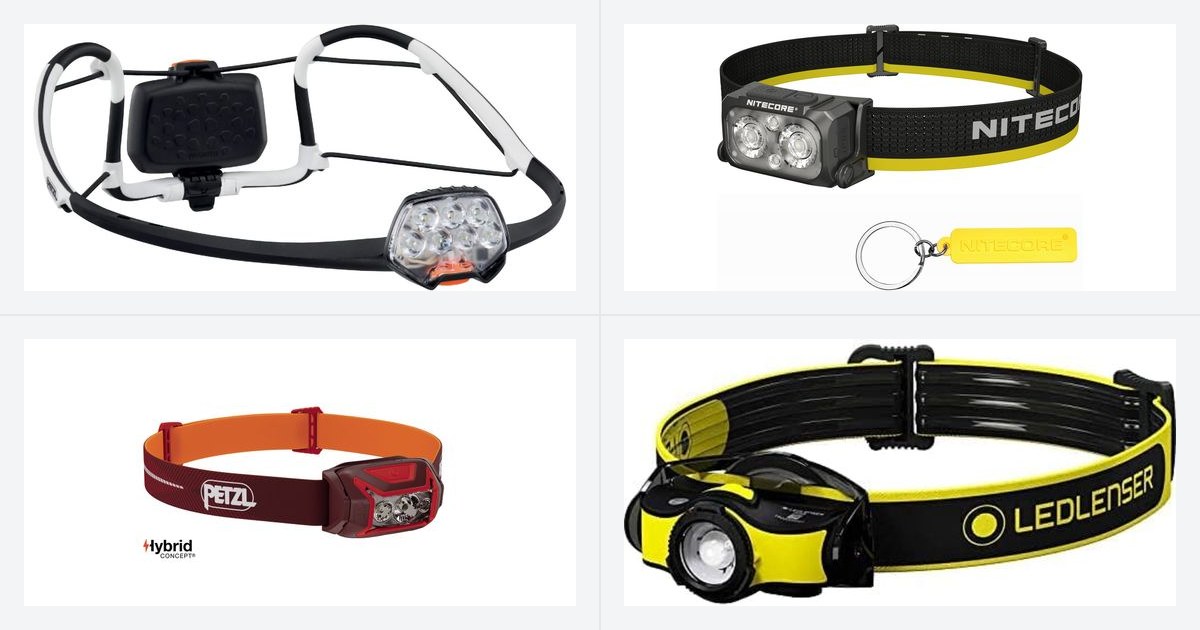
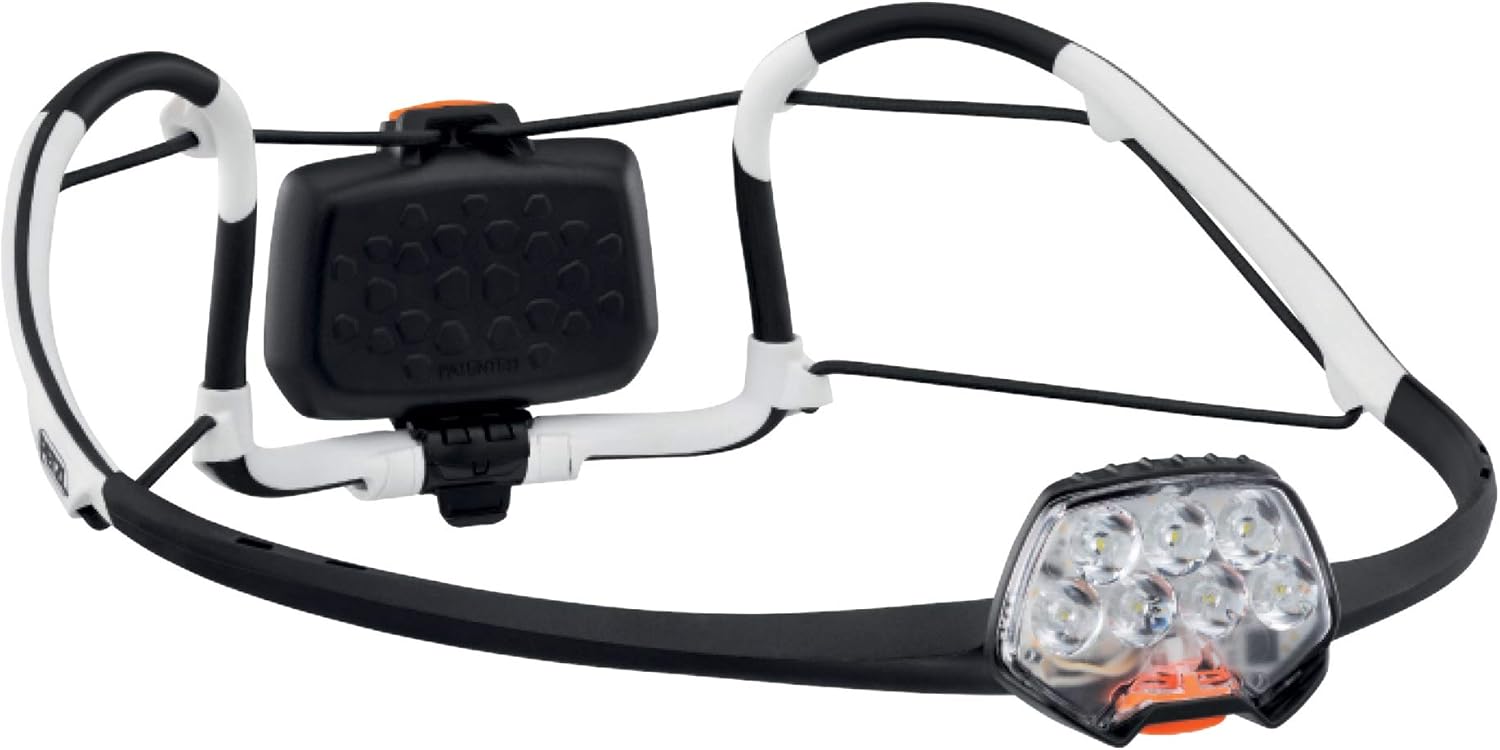 Our top pick#1 · Lightweight main headlampPetzl Petzl Iko CoreView on Amazon (opens in a new tab)
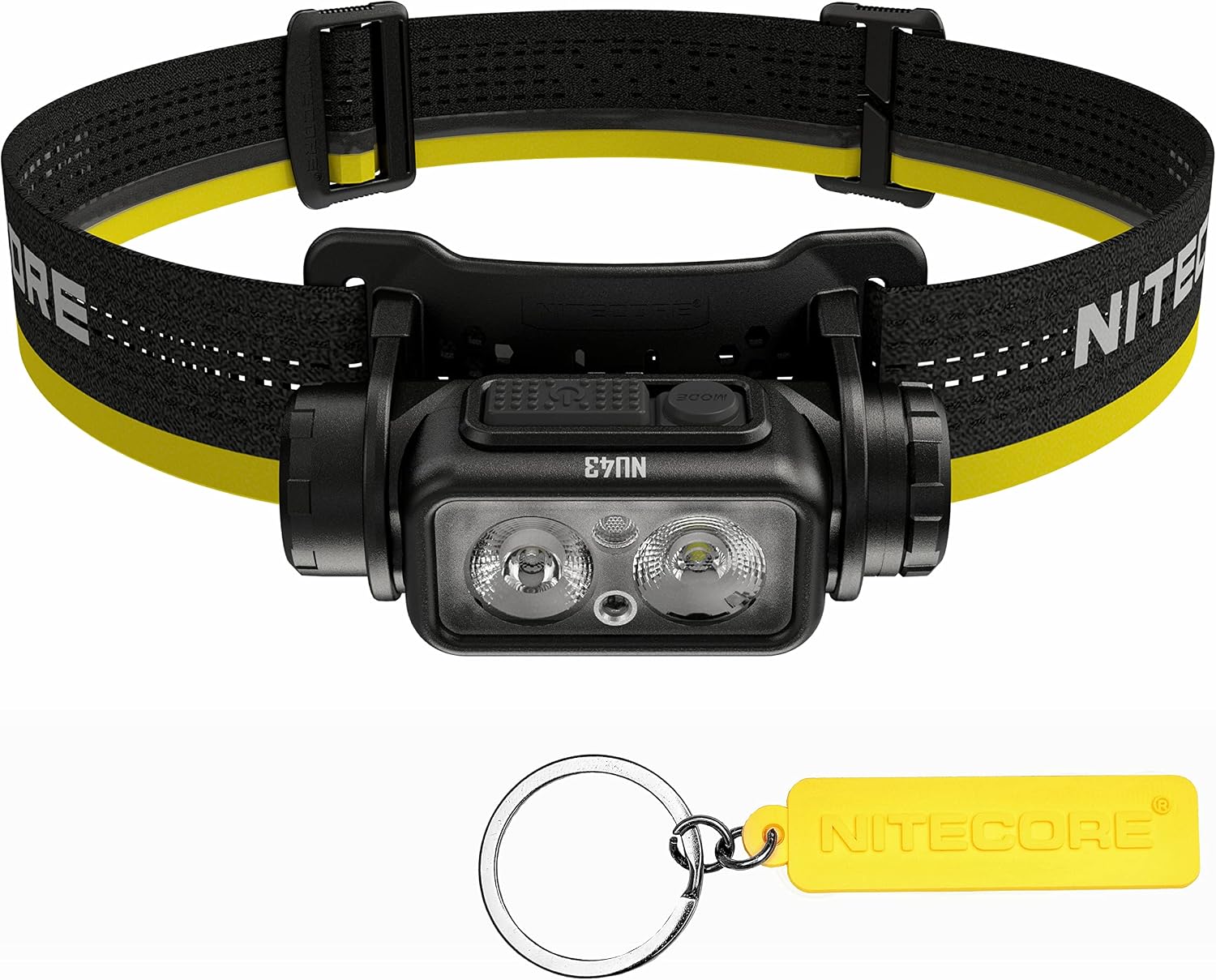 #2 · Most light and runtime per euroNitecore Nitecore NU43View on Amazon (opens in a new tab)
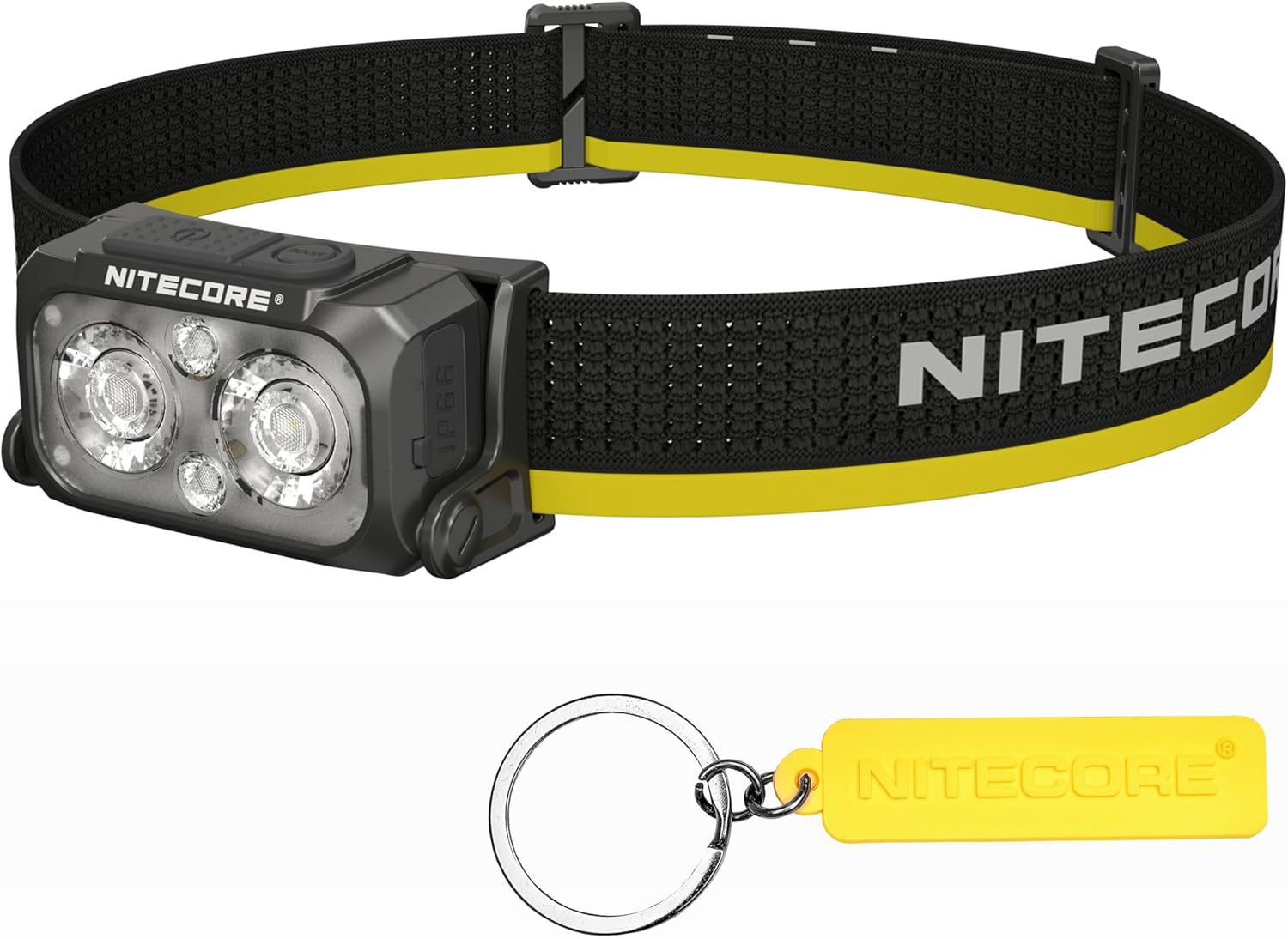 #3 · Backup headlamp (56 g)Nitecore Nitecore NU25View on Amazon (opens in a new tab)
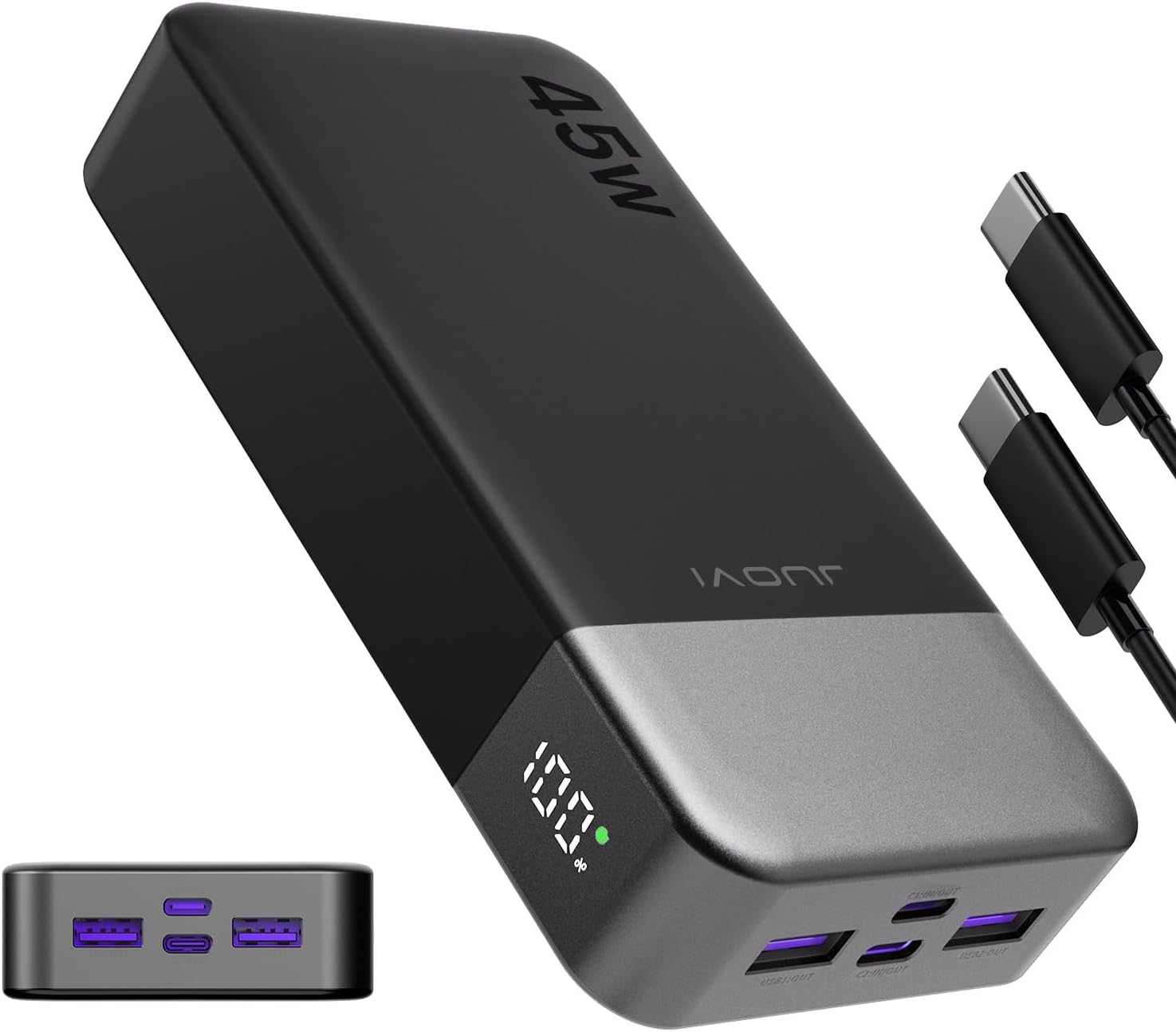 #4 · Power for the whole nightJUOVI JUOVI Power Bank 20000mAh 45WView on Amazon (opens in a new tab)
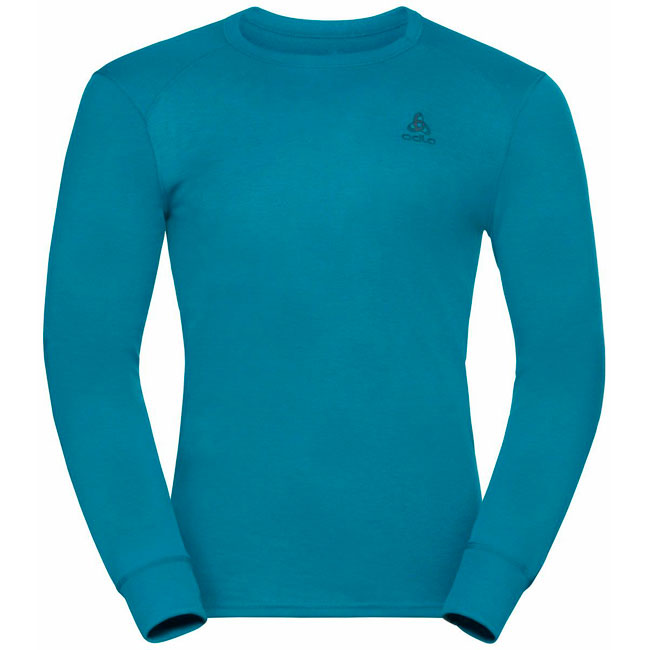 #5 · Thermal layer for the small hoursOdlo Odlo Active Warm EcoView on Amazon (opens in a new tab)
How we choose
We compare every model on verified technical specs (weight, materials, price), user reviews and our own experience running and testing gear in races from 21K to 100K+. We update this guide when prices change or new models launch. Some links are affiliate links: if you buy through them, TrailRunTemple earns a commission at no extra cost to you and with no influence on the selection.
All products in this guide
Petzl
Petzl Iko Core
Frontal ultraligero de 79 g con diadema AIRFIT y batería trasera para repartir el peso. 500 lúmenes con batería Core recargable (2h30 a máxima potencia, 9h a 100 lúmenes, 100h en modo reserva). Compatible con pilas AAA. Ideal para ultras nocturnas donde el peso en la cabeza importa.
Nitecore
Nitecore NU43
1400-lumen headlamp at a modest price, with a large built-in USB-C rechargeable battery, auxiliary red light and combined spot/flood beam. Lots of power and runtime per euro: the best-value pick for ultras and races with many hours of darkness.
Nitecore
Nitecore NU25
Frontal ultraligero de 56 g con 400 lúmenes y hasta 45 horas de autonomía en modo bajo. Recarga USB-C, doble haz (ancho y foco) y luz roja auxiliar para no deslumbrar en carrera. Opción de entrada muy competitiva en peso para quien no necesita máxima potencia.
JUOVI
JUOVI Power Bank 20000mAh 45W
20,000 mAh power bank with 45W fast charging and an LED percentage display. USB-C output compatible with phone, GPS watch and rechargeable headlamp. Handy for multi-day ultras without access to a plug and as a backup charge on the trip to the start line.
Odlo
Odlo Active Warm Eco
Camiseta térmica de manga larga con tejido reciclado y tratamiento antiolor. Regulación térmica activa, ideal como capa base en montaña.
Quick answer: for a race that runs into the dark, carry a main headlamp of 500-1,400 lumens (Petzl Iko Core(opens in a new tab) if you want it light, Nitecore NU43(opens in a new tab) if you want more light and battery for your money), a second backup headlamp such as the Nitecore NU25(opens in a new tab) (56 g), extra energy from a JUOVI 20,000 mAh power bank(opens in a new tab) and a thermal layer for the small hours like the Odlo Active Warm Eco(opens in a new tab). The full kit is below, split into what to carry in a short race and in an ultra.
On the last Sunday of October (this year, the 25th in Spain and most of Europe) the clocks change and the evenings shorten overnight: the sun sets before 19:00 and by December, around 18:00. That is exactly when the race calendar peaks: in our database, more than half of the races are run between September and December. A winter ultra can give you around 14 hours of darkness, and a 30 km race that starts at midday can finish with your headlamp on.
This guide is the race kit: what goes in your pack when the night is part of the course. For the detail, see our comparison of the best trail running headlamps and the night running safety and visibility kit.
The night kit at a glance
| Item | What it does | Short race (<30 km) | Ultra (>50 km) | Buy |
|---|---|---|---|---|
| Main headlamp | See the trail and course markings | 400-600 lumens | 500-1,400 lumens with long runtime | Petzl Iko Core →(opens in a new tab) |
| Higher-output, bigger-battery headlamp | Technical sections and long nights | Optional | Highly recommended | Nitecore NU43 →(opens in a new tab) |
| Backup headlamp | Plan B if the main one fails | Optional (or spare batteries) | Mandatory in many races | Nitecore NU25 →(opens in a new tab) |
| Spare Core battery | Swap the battery without stopping | Not needed | If your headlamp is a Petzl Core | Petzl Core battery →(opens in a new tab) |
| Power bank | Recharge headlamp, watch and phone | Not needed | Long and multi-day ultras | JUOVI 20,000 mAh →(opens in a new tab) |
| Thermal layer | Stay warm between 3 and 6 a.m. | Depends on temperature | Essential | Odlo Active Warm Eco →(opens in a new tab) |
| Rear red light | Be seen on roads and when overtaking | Recommended | Recommended | Red LED lights (2-pack) →(opens in a new tab) |
How to choose a headlamp for a night race
Lumens versus runtime
The maximum lumens on the box are the number that matters least. You will spend most of the night on medium or low mode and use full power only on technical descents. What decides whether you reach the finish with light is the runtime at the power you will actually use. The Petzl Iko Core, for example, peaks at 500 lumens, but with the Core battery it gives 2 h 30 min on full power, 9 hours at 100 lumens and 100 hours in reserve mode. Do the maths: if your race has 12-14 hours of darkness, you need a spare battery, a second headlamp or a model with more capacity.
Battery: built-in, swappable or AAA
- Built-in rechargeable battery (Nitecore NU43, NU25): convenient and high capacity, but you can’t swap it mid-race. Offset it with a power bank and, above all, a second headlamp.
- Swappable battery (Petzl Core): change the battery at an aid station and carry on. It is the lightest system for a long night.
- AAA-compatible (Petzl Iko Core and Actik Core): if the battery dies, a pair of spare AAAs gets you out of trouble.
Mixed beam, red light and weight
A combined spot + flood beam lets you see the next marker far ahead without losing what is at your feet. The red light lets you check the map or your watch without dazzling other runners. As for weight, every gram counts after 10 hours with a headlamp on: the gap between 56 g (NU25) and a larger-capacity model is felt on your forehead and neck.
Petzl Iko Core vs Nitecore NU43: head to head
| Petzl Iko Core | Nitecore NU43 | |
|---|---|---|
| Focus | Lightness and comfort (79 g, rear battery) | Power and runtime |
| Max output | 500 lumens | 1,400 lumens |
| Battery | Rechargeable Core, swappable and AAA-compatible | Large built-in battery, USB-C |
| Saving mode | Reserve mode up to 100 h | Auxiliary red light |
| Best for | 30-60 km races and ultras with a spare battery | Ultras, technical trail and very long nights |
How to decide: if you value comfort and can swap the battery, the Iko Core. If you want more light and runtime without paying top-tier money, the NU43. Either way, carry a second backup headlamp.
Layers for the small hours
The coldest hours of a night race are not at the start but in the last third of the night: when you have been moving for hours, you have sweated and the temperature drops. A simple layering system solves almost everything:
- Thermal base layer: Odlo Active Warm Eco(opens in a new tab), which regulates temperature and doesn’t chill when you sweat. More options in our guide to the best thermal base layers.
- Head and neck: the Buff Thermonet(opens in a new tab) works as a beanie, neck gaiter or headband and weighs almost nothing. See the neck gaiter guide.
- Hands: the Salomon Cross Warm gloves(opens in a new tab) are warm, touchscreen-friendly and pole-compatible. Compared in the trail running gloves guide.
- Outer layer: the Salomon Bonatti WP(opens in a new tab) (135 g) blocks wind and rain and folds into its own pocket.
The full layering system is in the technical trail running apparel guide.
Mandatory gear at night
Many night races require, besides warm clothing, a headlamp with spare battery, a rear red light, a survival blanket and a whistle. Check your race rules and carry what they ask for:
- Lifesystems thermal blanket(opens in a new tab) (60 g): keeps body heat in if you have to stop.
- Fox 40 Classic whistle(opens in a new tab): works wet and muddy.
- Pack of 2 red LED lights(opens in a new tab): clip onto your pack or belt.
The full list, with what each type of race requires, is in the mandatory and emergency gear guide.
Fuel for the night
In the small hours the body wants less and eating gets harder. So schedule your food instead of waiting for hunger: an easy gel or solid every 30-45 minutes, and salts if you sweat a lot.
- Easy-to-digest gels: GU Energy Gel Original(opens in a new tab) or Maurten Gel 100(opens in a new tab) when your stomach is delicate.
- Caffeine-free gel: the Santa Madre Unusual Gel 45CHO Off Caf(opens in a new tab) has no caffeine, handy so you don’t over-stimulate yourself.
- Salts: the 226ERS Salts Electrolytes capsules(opens in a new tab) complement gels and drinks that already contain sodium.
On caffeine: it is usually saved for the second half of the night, when sleepiness bites. What matters is to test it on long training runs, never debut it in a race, and read each gel’s label. More products and strategies in the ultra trail gels and nutrition guide and the salt tablets guide.
Foot care in cold and damp
The night brings damp and dew, and your feet suffer. Three things make the difference:
- Socks: the five-toe Injinji Trail Midweight Crew(opens in a new tab) reduce rubbing between toes. Compared in the trail running socks guide.
- Anti-chafe: BodyGlide Original(opens in a new tab) builds a friction barrier on the groin, underarms and feet. More in the anti-chafe guide.
- Blisters: Compeed blister plasters(opens in a new tab) in your pack weigh nothing and can save your race.
What to carry by race type
Short race (<30 km) that ends after dark
- Main headlamp of 400-600 lumens, battery at 100%.
- Rear red light if there are road sections.
- Light thermal layer and gloves if you start in low temperatures.
- Spare batteries or a mini backup headlamp if the rules ask for it.
Ultra (>50 km) that runs through the night
- High-runtime main headlamp and a second backup headlamp.
- Spare Core battery or a power bank to recharge at an aid station.
- Complete layering system: thermal base, windproof, gloves, buff.
- Blanket, whistle, rear red light and first-aid kit.
- Fuel and salts plan for the whole night.
- Foot protection: spare socks, anti-chafe and plasters.
Five typical mistakes
- Buying on maximum lumens instead of runtime at real power.
- Not testing the headlamp on a night training run with the strap adjusted.
- No plan B for light: a headlamp that fails at 3 a.m. can end your race.
- Dressing for the start instead of the last third of the night.
- Waiting for hunger before eating: in the small hours it arrives too late.
Frequently asked questions
How many lumens do I need for a night trail race?
For a marked trail, 400-600 lumens are enough. For technical terrain, descents or long nights, 1,000 lumens or more help, as long as the runtime at medium power covers the night.
Is a backup headlamp mandatory?
It depends on the race rules. Many races require a second light source or spare battery. Even if they don’t, in an ultra that runs through the night it is the item that stops you dropping out.
Can a power bank recharge my headlamp?
If the headlamp charges by USB-C (like the Nitecore NU43 or NU25), yes. With swappable-battery headlamps, carrying a spare battery is lighter.
What do I wear over the thermal top if it rains?
A light waterproof windbreaker, like the Salomon Bonatti WP. It folds into its own pocket.
When do I start needing a headlamp in autumn?
After the late-October clock change, around 18:00-19:00. In December, around 18:00. If your race finishes in the afternoon, carry it anyway.
Which races run at night?
Long ultras like Ultra Pirineu, Costa Blanca Trails, Ultra Penedès, Transgrancanaria or SaintéLyon usually include night sections, depending on each edition’s start time. You’ll find them in the related races at the end of this guide.
Other guides you might find useful
Races where you'll need this gear

Ultra Pirineu
100K, 54K, and 30K along the Cadí Range in the Catalan Pyrenees
Read more →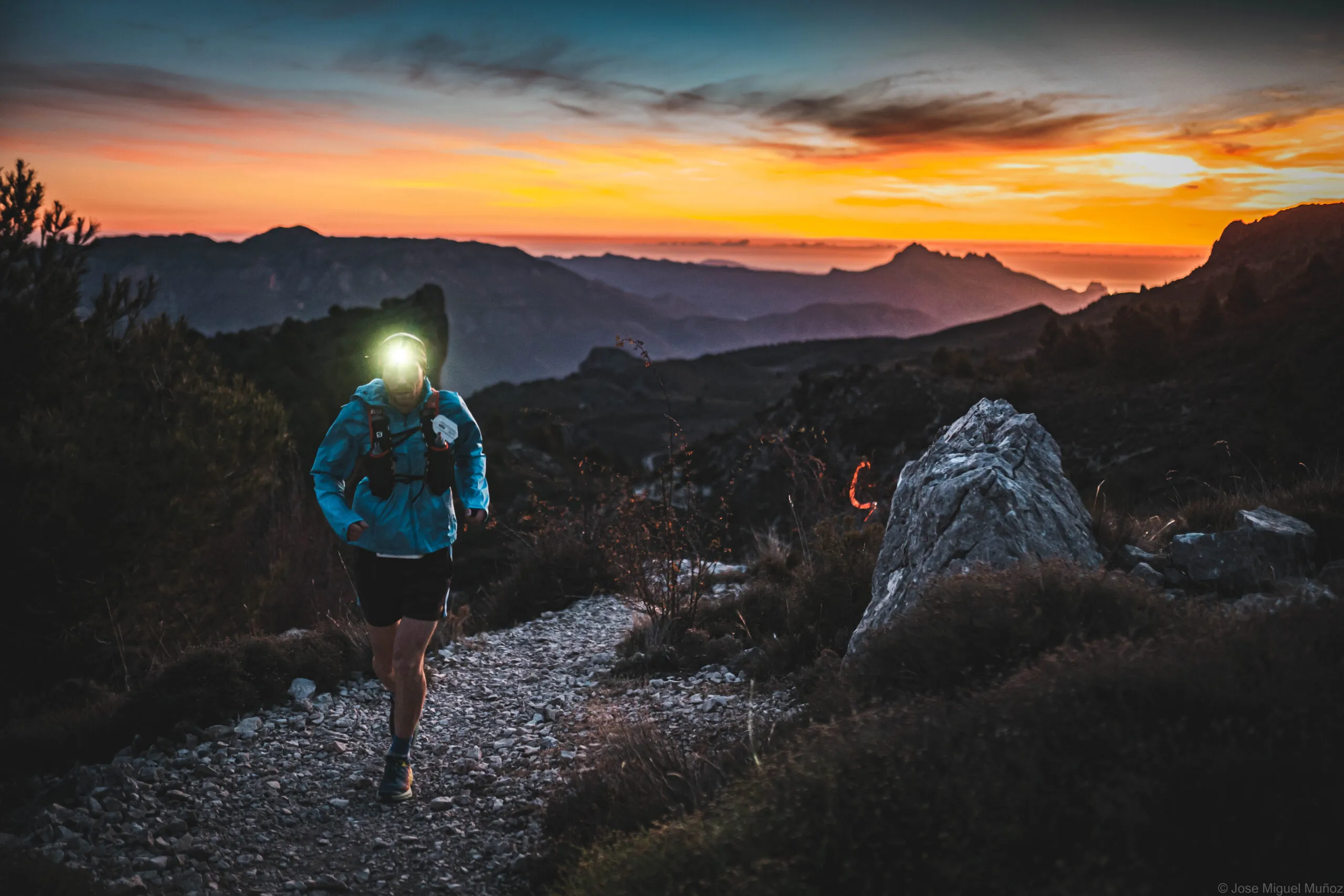
Costa Blanca Trails
102K / 66K / 41K / 20K / 17K through the Aitana, Puig Campana and La Serrella ranges from Finestrat
Read more →
Montanejos Trail
Montanejos Trail — a 52K, 2,434 m D+ ultra through the Mijares canyon and hot springs
Read more →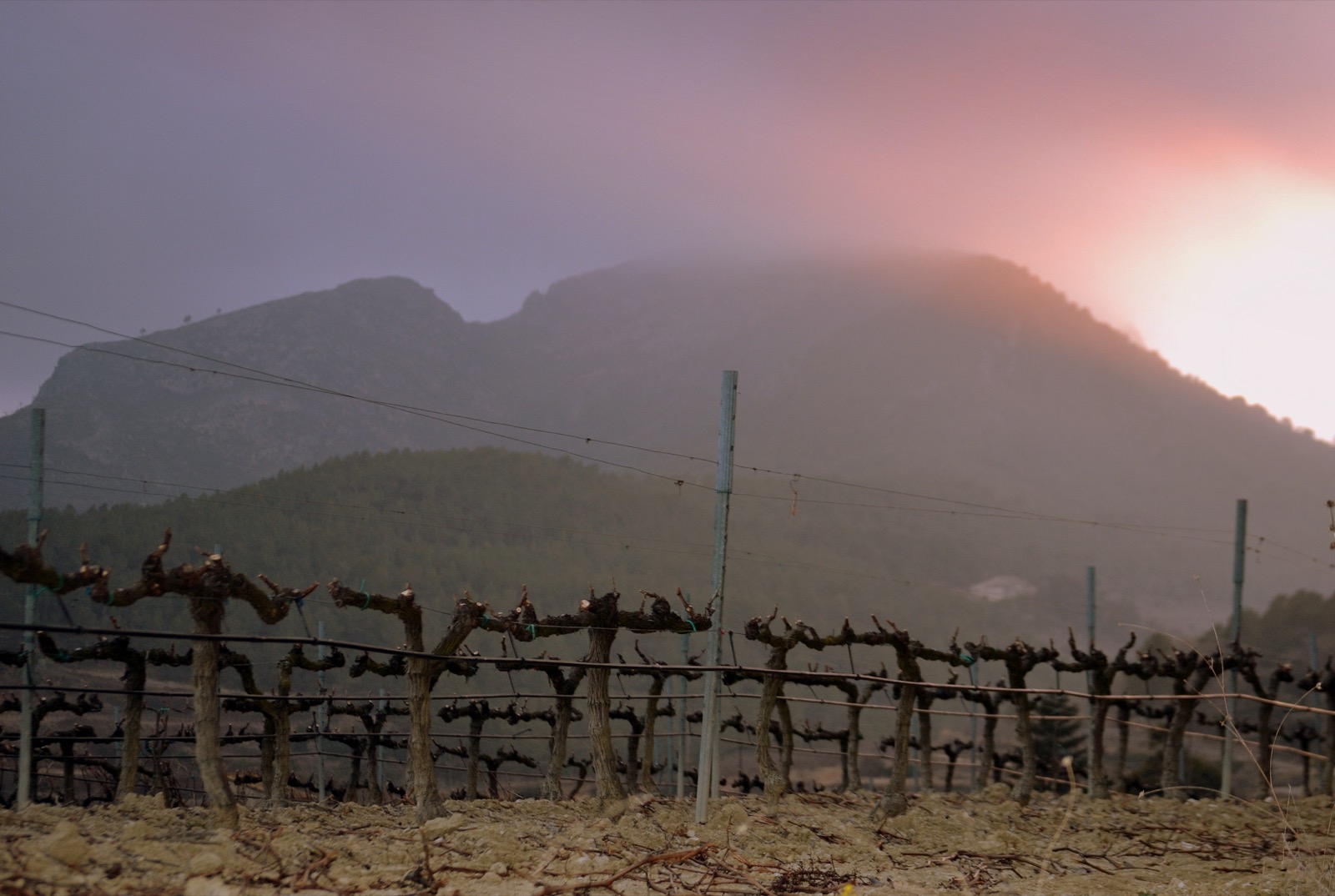
Ultra Penedès
Mountain ultra among Penedès vineyards: 55K with 2,500 m D+, 32K and 20K, plus a 12.5 km walk
Read more →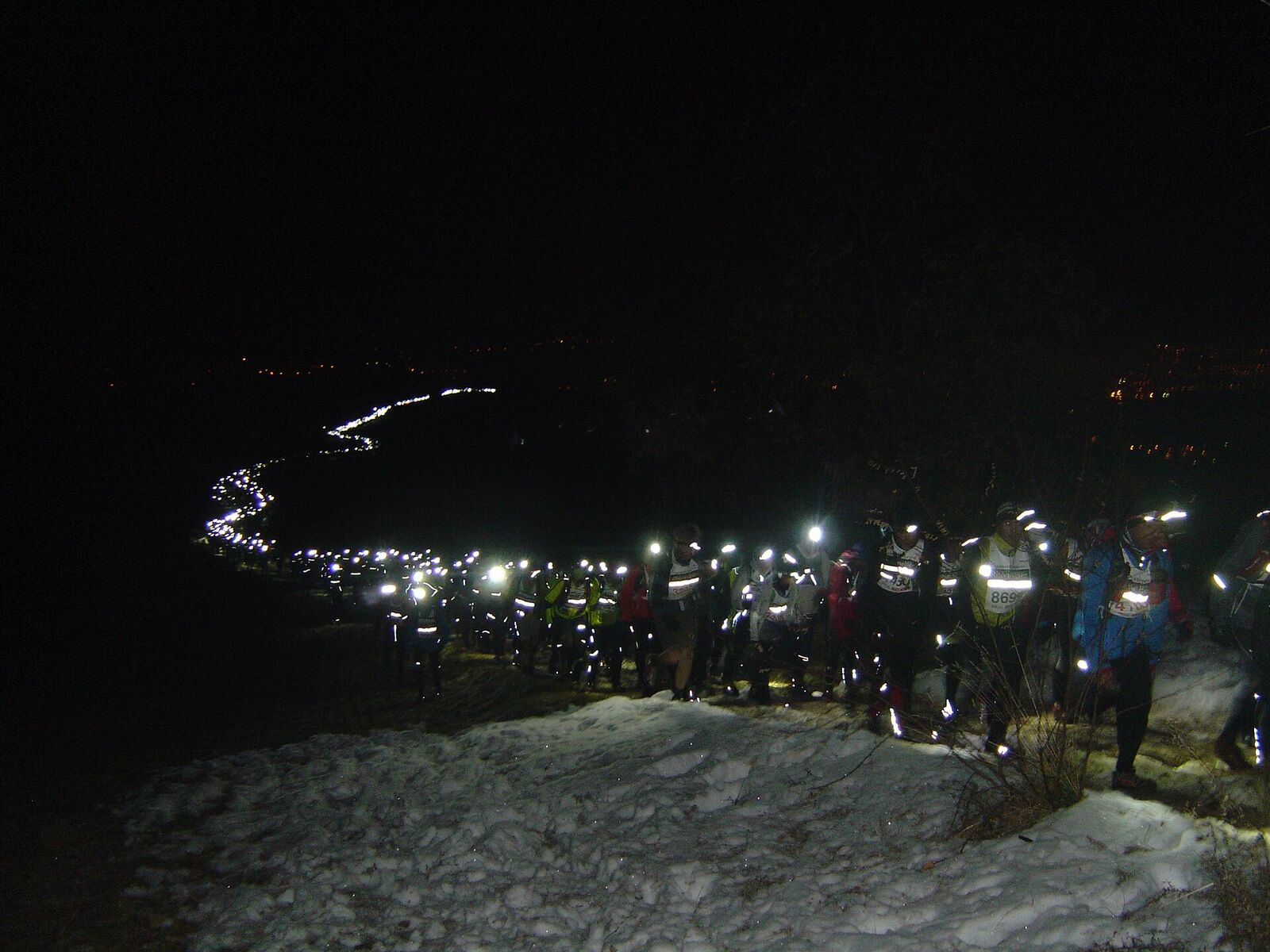
SaintéLyon
France's great night race: 80 km from Saint-Étienne to Lyon in November, starting at midnight. Headlamp, thermal layers and plenty of mud.
Read more →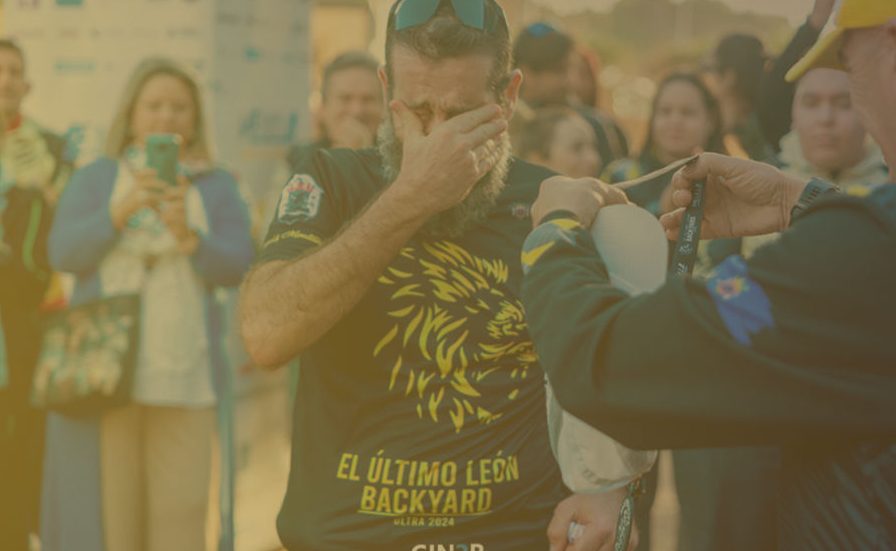
El Último León
Backyard ultra in Melilla — 6.7 km loops through Fuerte de Rostrogordo pine forests, Silver Ticket
Read more →
UltraMediterrània
162K / 90K / 55K / 25K / 16K / VRT 4K across the Mariola and Aitana mountain ranges from Alcoy
Read more →
Transgrancanaria
128K, 83K, 44K, and 30K crossing Gran Canaria from north to south
Read more →