Night Running Safety Kit: What to Wear Besides a Headlamp
Our picks by use case
Affiliate links: if you buy through them we earn a commission at no extra cost to you. It does not affect the ranking.
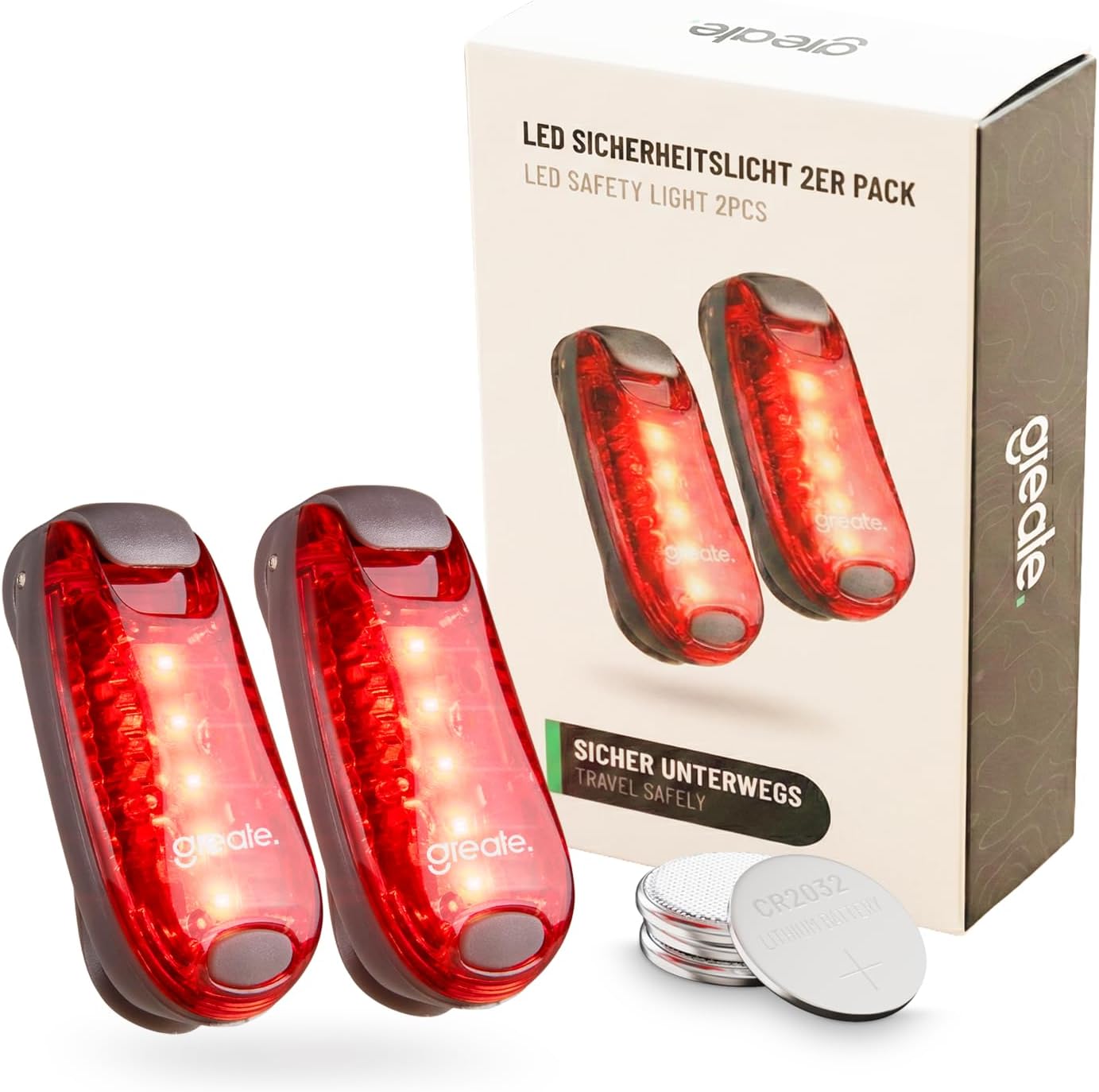 Our top pick#1 · Essential: rear visibilitygreate greate Luz Trasera Running con ClipView on Amazon (opens in a new tab)
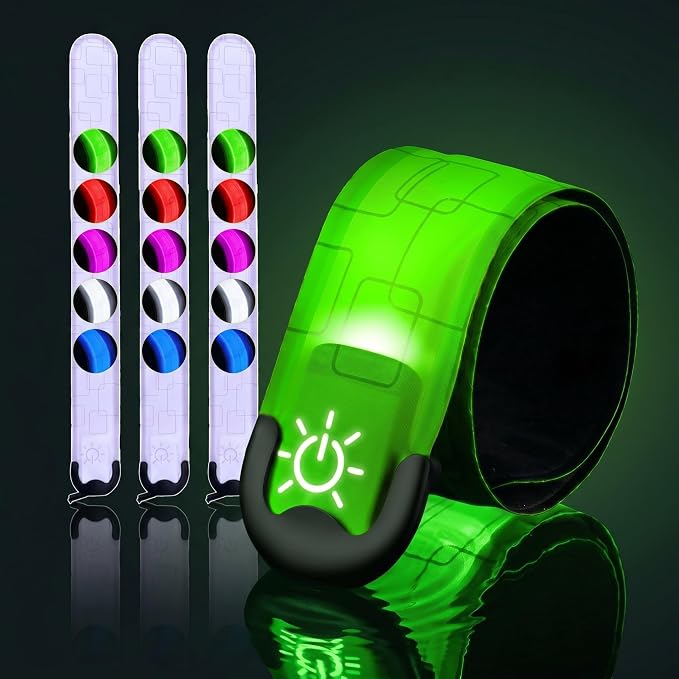 #2 · Best 360° visibilityEWIG EWIG Brazalete Reflectante LED (3 piezas)View on Amazon (opens in a new tab)
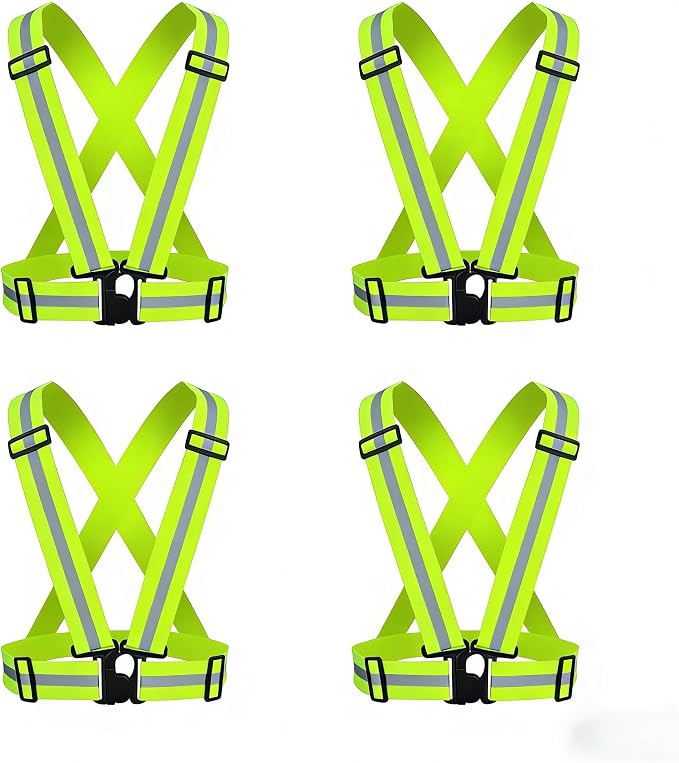 #3 · Essential for road sectionsGenérico Chaleco Reflectante de Seguridad Alta Visibilidad AjustableView on Amazon (opens in a new tab)
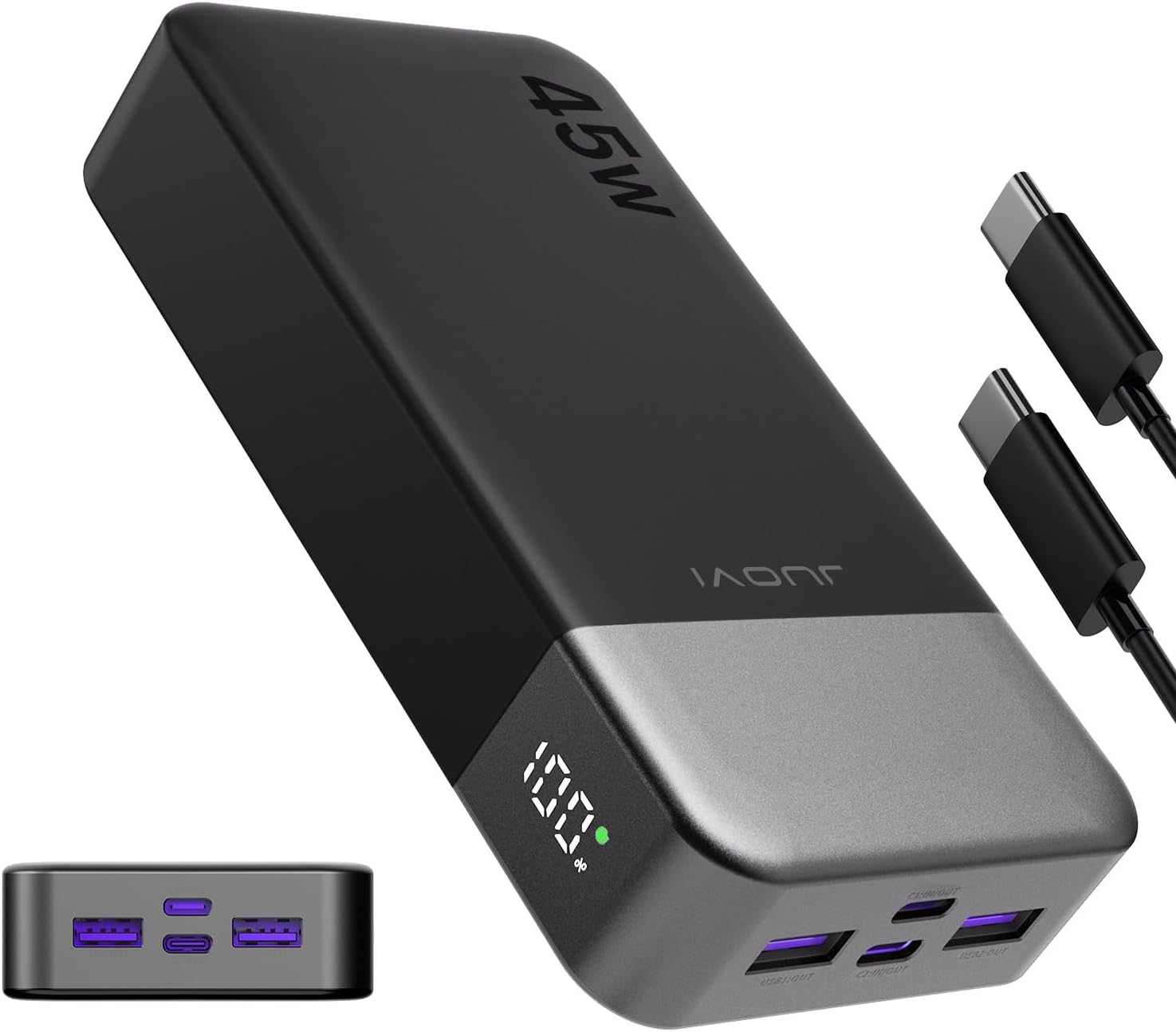 #4 · Battery life for long ultrasJUOVI JUOVI Power Bank 20000mAh 45WView on Amazon (opens in a new tab)
How we choose
We compare every model on verified technical specs (weight, materials, price), user reviews and our own experience running and testing gear in races from 21K to 100K+. We update this guide when prices change or new models launch. Some links are affiliate links: if you buy through them, TrailRunTemple earns a commission at no extra cost to you and with no influence on the selection.
All products in this guide
greate
greate Luz Trasera Running con Clip
Small, lightweight red LED rear light with clip and velcro strap to attach to a pack, belt or clothing. Boosts visibility during low-light training or on road sections shared with traffic during night races.
EWIG
EWIG Brazalete Reflectante LED (3 piezas)
Pack of 3 USB-rechargeable LED reflective armbands with 5 colors and 3 lighting modes. Fit around the arm, wrist or ankle and add 360° visibility during low-light training and race sections, complementing a headlamp and rear light.
Genérico
Chaleco Reflectante de Seguridad Alta Visibilidad Ajustable
Lightweight, adjustable high-visibility reflective vest/strap set designed for road sections or tracks shared with traffic during night training and races. One-size adjustable fit, worn over any layer of clothing or a pack.
JUOVI
JUOVI Power Bank 20000mAh 45W
20,000 mAh power bank with 45W fast charging and an LED percentage display. USB-C output compatible with phone, GPS watch and rechargeable headlamp. Handy for multi-day ultras without access to a plug and as a backup charge on the trip to the start line.
When people think about “running at night,” the first instinct is to buy a good headlamp, and for good reason: it’s what lets you see the trail. But a headlamp only solves half the problem. The other half is making sure others can see you: fellow runners during a nighttime overtake, vehicles on a shared road section, or race staff spotting you at a dimly lit crossing. This guide covers the 4 pieces that complete a night safety kit beyond the headlamp: rear light, reflective armband, high-visibility vest, and a power bank so you don’t run out of battery mid-night.
Looking for a headlamp comparison? We have a dedicated guide: best trail running headlamps.
Kit summary table
| Piece | What it’s for | When it’s essential | Buy |
|---|---|---|---|
| LED rear light | Rear visibility for other runners and vehicles | Anytime you run in low light, training or racing | Amazon →(opens in a new tab) |
| Reflective LED armband | 360° visibility from the sides, not just front/back | Technical trail with crossings, frequent overtaking | Amazon →(opens in a new tab) |
| Reflective vest | High-visibility passive reflectivity, no battery | Road sections or tracks shared with traffic | Amazon →(opens in a new tab) |
| 20,000 mAh power bank | Recharge headlamp, GPS watch or phone with no plug access | Ultras with 6-8h+ of darkness or multi-day stages | Amazon →(opens in a new tab) |
Amazon links go to the real-time updated price.
Why a headlamp alone isn’t enough
However powerful it is, a headlamp points forward. It does nothing for your side or rear visibility, which is exactly where a runner overtaking you, a car crossing on an asphalt section, or a checkpoint volunteer in the distance will actually see you from. More and more ultra trail regulations already treat “front light” and “rear-visible reflective/luminous item” as two separate mandatory gear items, precisely because they cover different risks. Building the full kit isn’t redundancy — it’s covering all 360°.
The 4 pieces of the kit, one by one
1. LED rear light — the piece almost nobody carries and every regulation is starting to require
A small red rear light with a clip and velcro strap that attaches to a pack, belt or clothing. It doesn’t replace a headlamp — it complements it, covering the blind angle a headlamp leaves. It’s cheap, barely adds any weight, and has become a common mandatory gear item on races with nighttime road sections.
Best for: any nighttime outing, training or racing, no exceptions. It’s the lowest-cost, highest safety-per-euro piece of the whole kit.
See rear light on Amazon →(opens in a new tab)2. Reflective LED armband — visibility from the sides
A headlamp lights up what’s ahead and a rear light warns from behind, but neither makes you visible from the side — the exact angle a runner overtaking you on a narrow trail or a vehicle turning at a crossing sees you from. Worn on the arm or ankle, the LED armband adds that missing angle. The 3-pack lets you split between arm, ankle, or keep a spare.
Best for: technical trails with crossings, sections with frequent overtaking between runners, or as a cheap add-on once you already carry a headlamp and rear light and want full 360° coverage.
See LED armband on Amazon →(opens in a new tab)3. High-visibility reflective vest — essential on road sections
Unlike LED lights, the vest carries no battery: it works through passive reflectivity, bouncing back light from a car’s headlights or another external source. It’s the piece that actually matters on the open road or shared-traffic track sections many mountain races have in their first and last kilometers, where the risk isn’t getting lost but not being seen by a vehicle.
Best for: races with asphalt or open-traffic track sections, pre-dawn road starts before entering the mountain, training runs on secondary roads with no shoulder.
See reflective vest on Amazon →(opens in a new tab)4. 20,000 mAh power bank — the piece that saves the kit when the battery dies
The best rechargeable headlamp is useless if it dies 4 hours into a 15-hour night on an ultra. The JUOVI 20,000 mAh with 45W fast charging can recharge a headlamp, GPS watch and phone all from the same device, with no plug needed. At nearly 400 g it’s better suited to drop bags and overnight stops between stages than to carrying on you during the race itself.
Best for: ultras with 6-8+ hours of accumulated darkness, multi-stage races where you recharge overnight, and as a backup charge during travel to the start line.
See power bank on Amazon →(opens in a new tab)How to build your kit based on your race
Night training or short race (under 4h of darkness): headlamp + rear light. That’s the minimum baseline and covers most training situations.
Mountain ultra with road sections: add the reflective vest for the asphalt or open-track kilometers, especially at the start and finish, which tend to see the most traffic.
Long ultra (100 km+, 8h+ of night): add the LED armband for 360° visibility during overtakes, plus the power bank so you don’t run out of light mid-race.
Multi-stage race like UTMB or TDS: the full kit, with the power bank as the centerpiece for recharging all your electronics every night at camp.
3 common mistakes with night safety
-
Assuming a headlamp already covers all your visibility. A headlamp lights the path you see, it doesn’t make you visible to others from behind or the side. Those are different problems that need different solutions.
-
Not checking the mandatory gear rules before deciding what to carry. More races now require a reflective or luminous rear item as a separate item from the headlamp. Checking beforehand avoids surprises at the start checkpoint.
-
Charging all your electronics the night before and carrying no backup. On long ultras, a headlamp, GPS watch and phone drain at different rates. A small power bank in the pack is the difference between managing that with margin and being left in the dark.
Frequently asked questions
Is a rear light mandatory in trail running races?
It depends on each race’s regulations. More and more ultras require it as a separate item from the headlamp, especially if the course includes road or shared-traffic track sections. Always check the mandatory gear list before the start.
Does the LED armband replace the rear light?
Not entirely: the rear light is specifically designed for the rear angle (what someone coming from behind sees), while the armband adds side visibility. On long races, it’s best to carry both, since each covers a different angle.
Do I need a power bank if my race is under 6 hours?
For most modern headlamps and GPS watches, no — the battery usually lasts fine. A power bank becomes relevant from around 8-10 hour ultras with long night sections onward, or on multi-stage races where you recharge every night.
Final verdict
- The minimum piece nobody should skip: LED rear light(opens in a new tab)
- If your race has road sections: Reflective vest(opens in a new tab)
- If you want 360° visibility on technical trail: LED armband(opens in a new tab)
- If your ultra has 8+ hours of night: 20,000 mAh power bank(opens in a new tab)
None of these 4 pieces replaces a headlamp, and none is mandatory gear in every race. But together they cover what a headlamp alone can’t: being seen from any angle, and never running out of light when you need it most.
Other guides you might find useful
Races where you'll need this gear

Transgrancanaria
128K, 83K, 44K, and 30K crossing Gran Canaria from north to south
Read more →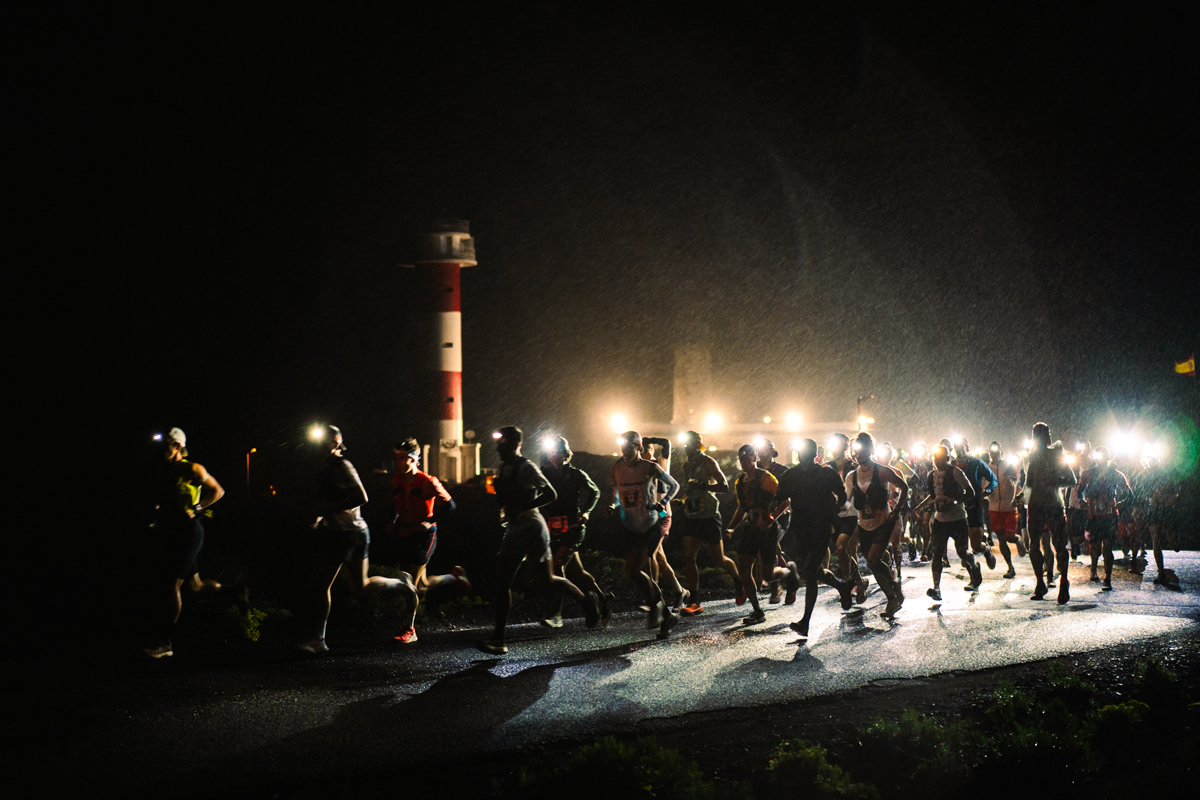
Transvulcania
73K, 43K, 25K, and VK crossing La Palma along the Ruta del Bastón
Read more →
Ultra Pirineu
100K, 54K, and 30K along the Cadí Range in the Catalan Pyrenees
Read more →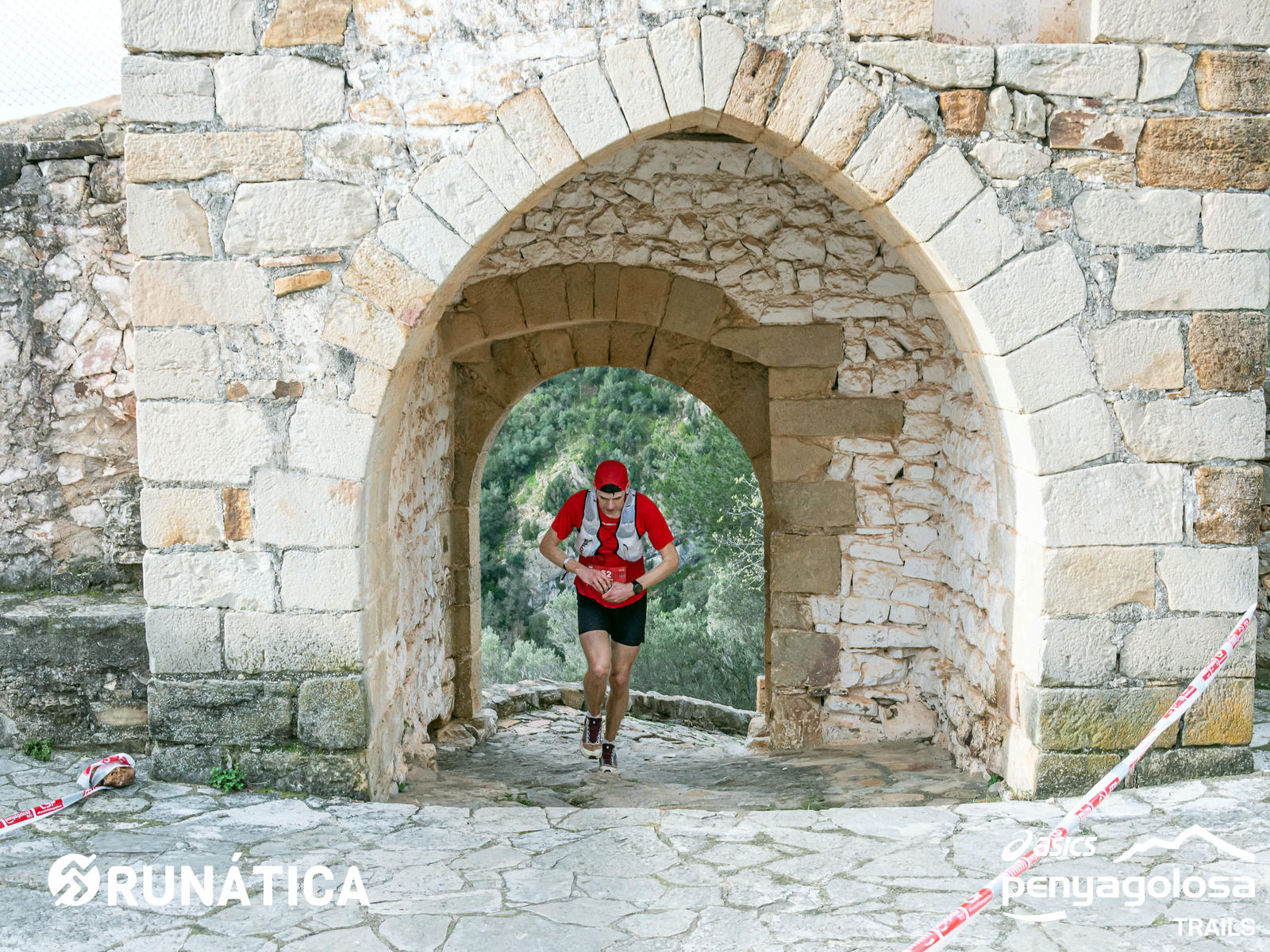
Penyagolosa Trails
106K and 60K from Castellón to the Penyagolosa summit via the GR-33
Read more →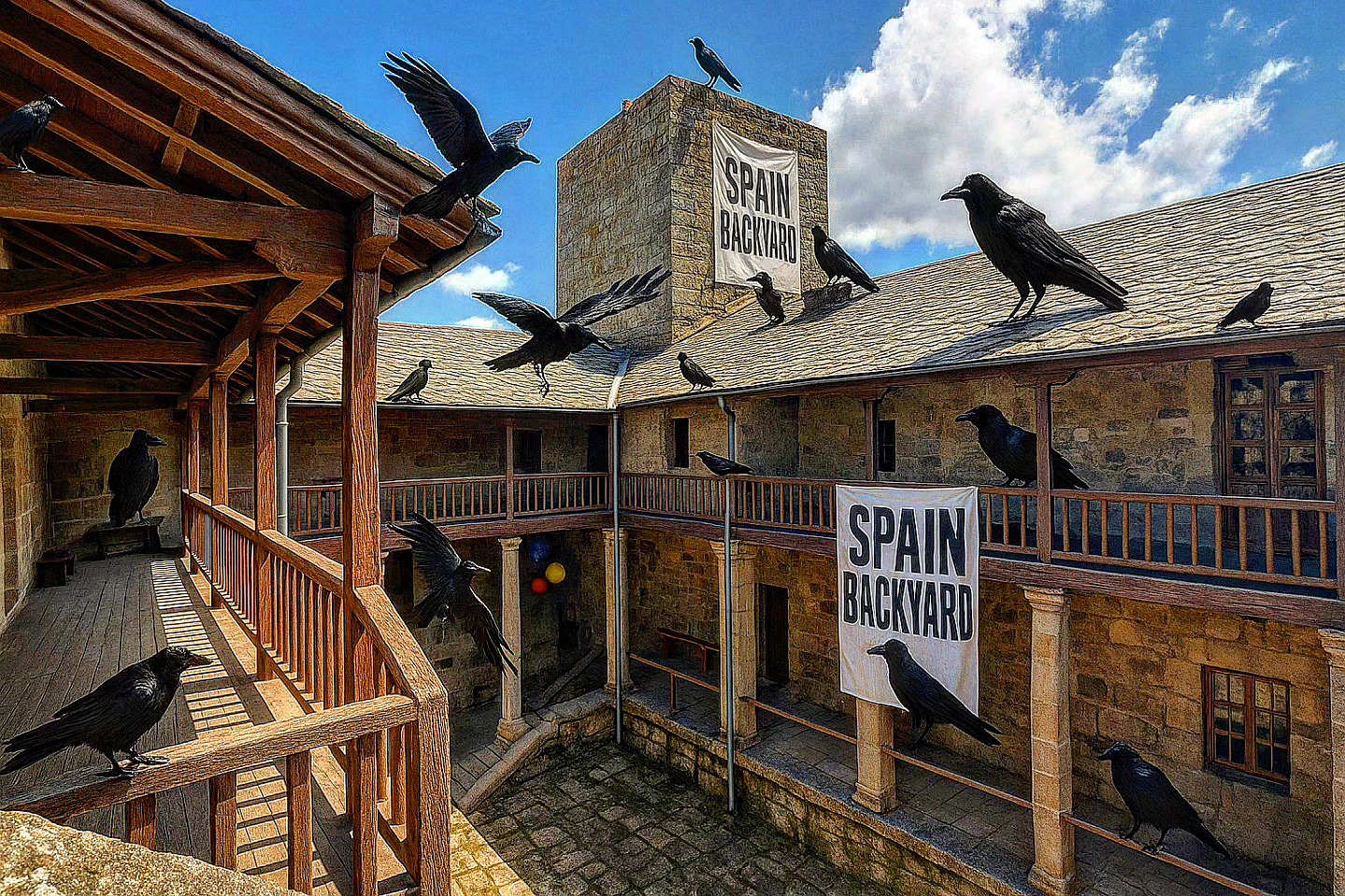
Spain Backyard Ultra
Spain's official backyard ultra — 6.7 km loops with 240 m D+ in Castro Caldelas, Ribeira Sacra
Read more →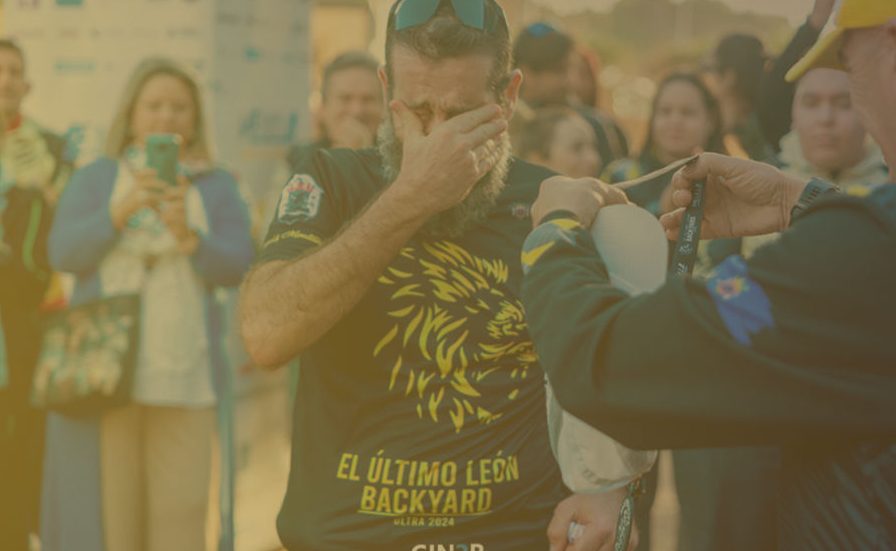
El Último León
Backyard ultra in Melilla — 6.7 km loops through Fuerte de Rostrogordo pine forests, Silver Ticket
Read more →