Best ultra trail gels and nutrition 2026
 (se abre en una pestaña nueva)
 (se abre en una pestaña nueva)
 (se abre en una pestaña nueva)
 (se abre en una pestaña nueva)
How we choose
We compare every model on verified technical specs (weight, materials, price), user reviews and our own experience running and testing gear in races from 21K to 100K+. We update this guide when prices change or new models launch. Some links are affiliate links: if you buy through them, TrailRunTemple earns a commission at no extra cost to you and with no influence on the selection.
Our picks by use case
- #1Best Gel Overall: Maurten Maurten Gel 100View on Amazon →(se abre en una pestaña nueva)
- #2Best Value Gel: GU GU Energy Gel OriginalView on Amazon →(se abre en una pestaña nueva)
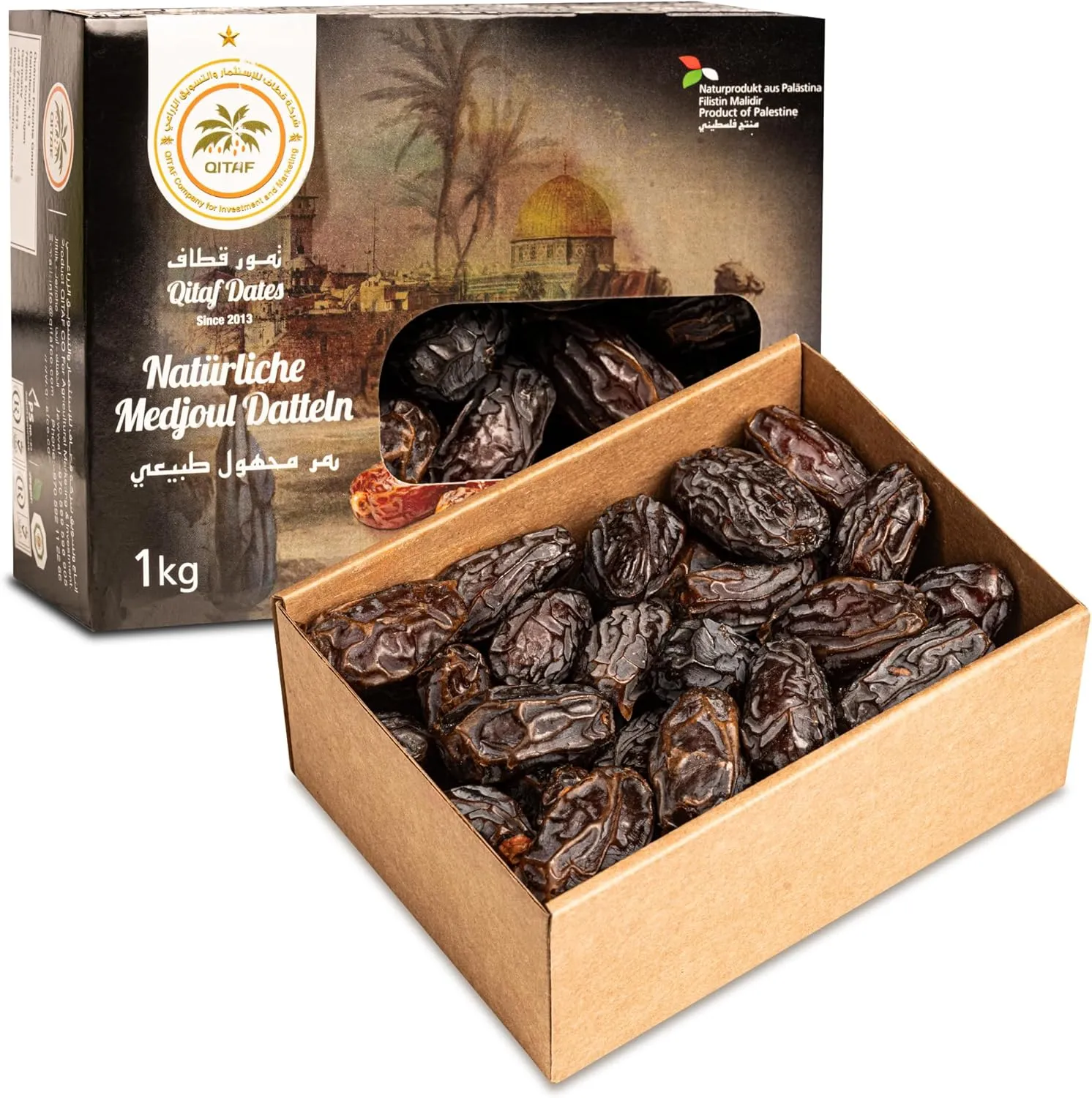
- #3Best Natural Alternative: Dorimed Dátiles Medjool DorimedView on Amazon →(se abre en una pestaña nueva)
- #4Best Electrolytes: 226ERS 226ERS Sub9 Salts ElectrolytesView on Amazon →(se abre en una pestaña nueva)
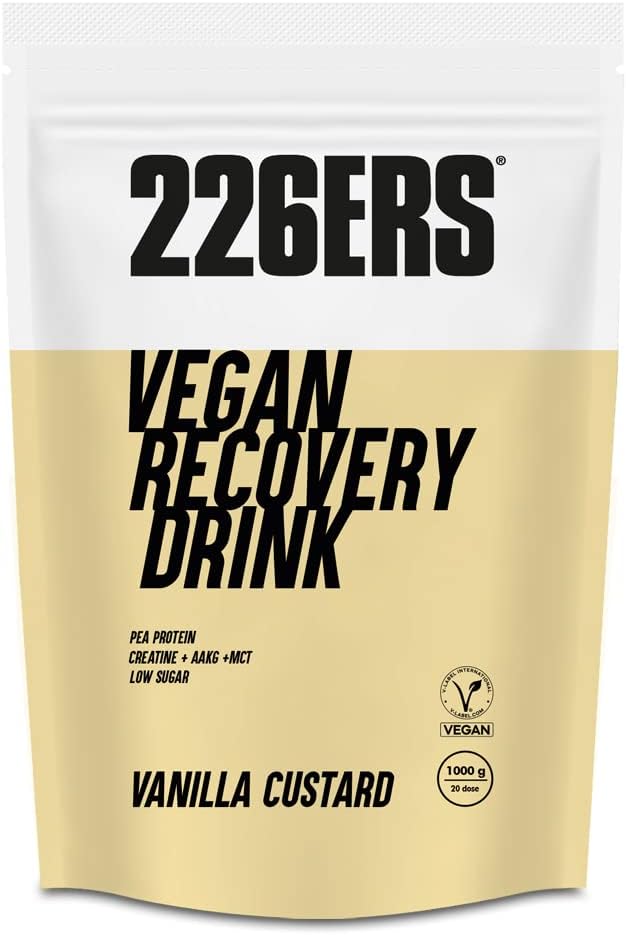
- #5Best Recovery: 226ERS 226ERS Recovery DrinkView on Amazon →(se abre en una pestaña nueva)
- #6Best Bar: Clif Bar Clif Bar Original Energy BarView on Amazon →(se abre en una pestaña nueva)
All products in this guide
Maurten
Maurten Gel 100
Gel de hidrogel con 25g de carbohidratos. La tecnología de hidrogel encapsula los carbohidratos para una absorción sin molestias gástricas. Sabor neutro, sin edulcorantes artificiales. Usado por corredores de élite en maratón y ultra.
GU
GU Energy Gel Original
Gel energético con 100 calorías y 21g de carbohidratos por sobre. Mezcla de maltodextrina y fructosa para absorción óptima. Incluye aminoácidos y electrolitos. El gel más usado en ultratrails de todo el mundo.
Dorimed
Dátiles Medjool Dorimed
Palestinian Medjool dates, large and juicy. Each one delivers around 18 g of carbohydrates in a very compact format. Soft texture, easy to chew and with extremely high caloric density. The classic choice among runners looking for natural alternatives to gels.
226ERS
226ERS Sub9 Salts Electrolytes
Mineral salt capsules with 250 mg of sodium each, plus potassium, magnesium and ginger extract for better digestive tolerance. The highest sodium per capsule from Spain's benchmark endurance brand. Zero calories: you replace salts without touching your gel plan.
226ERS
226ERS Recovery Drink
Muscle recovery shake from Spanish brand 226ERS. Formula with whey protein, amylopectin, amino acids (including glutamine and BCAAs) and minerals. Carb-to-protein ratio optimised for the post-exercise window. Good taste and digestive tolerance.

Clif Bar
Clif Bar Original Energy Bar
Barrita energética con 40g de carbohidratos y 10g de proteína. Ingredientes orgánicos y sabores naturales. Textura densa, ideal para avituallamientos o secciones tranquilas. Una de las barritas más populares en trail running.
In an ultra trail, nutrition decides races just as much as training does: a stomach failure or a bonk from lack of carbohydrates will take you out of competition long before a tired ankle will. The good news is that today there are options for any stomach and any strategy: fast-absorbing gels, hydrogels that don’t upset you even at hour 15, real food so you don’t get sick of sweetness, and electrolytes for when the heat kicks in. This comparison covers the best in each category and explains how to build your race-day plan, not just which product to buy.
Summary comparison table
| Product | Type | Carbs / serving | Sodium | Format | Buy |
|---|---|---|---|---|---|
| Maurten Gel 100 | Hydrogel gel | 25 g | — | Individual sachet | Amazon → |
| GU Energy Gel Original | Gel | 21 g | With electrolytes | Individual sachet | Amazon → |
| SiS GO Isotonic Gel | Isotonic gel | 22 g | — | Individual sachet | Amazon → |
| Clif Bar Original | Bar | 40 g + 10 g protein | — | 68 g bar | Amazon → |
| PowerBar Energize | Bar | 45 g | — | 55 g bar | Amazon → |
| Medjool Dates Dorimed | Real food | ~18 g/piece | — | Bulk (1 kg) | Amazon → |
| 226ERS Sub9 Salts | Electrolytes | 0 g | 250 mg/capsule | Capsule | Amazon → |
| Precision Hydration PH1500 | Electrolytes | 0 g | 1,500 mg/L | Effervescent tablet | Amazon → |
| 226ERS Isotonic Drink | Isotonic drink | Carbs + electrolytes | Yes | Powder (500 g) | Amazon → |
| 226ERS Recovery Drink | Recovery | Protein + carbs | Yes | Powder (1 kg) | Amazon → |
| Magnesium Bisglycinate Natural Elements | Supplement | 0 g | — (155 mg Mg/capsule) | Capsule | Amazon → |
All available on Amazon with fast shipping. The links take you to the real-time updated price.
How much you need: the 60-90 g carbs-per-hour rule
Before choosing a product, decide the amount. Endurance sports science places the target at 60-90 g of carbohydrates per hour for efforts longer than 2-3 hours, as long as your gut is trained to absorb them.
- 6-10 h ultra: aim for 60-70 g/h. A gel every 30-40 minutes (Maurten, GU or SiS) covers the range without straining your stomach.
- 100 km / 100 miles (10-24 h): this is where alternating formats matters. The sweetness of a gel gets tiring by hour 8-10; mixing in real food (dates, savoury bars, quince paste) and some solid salt prevents rejection.
- Multi-day or self-supported: intensity drops but variety needs to go up. You need more real food and less pure gel so you don’t end up unable to stomach anything sweet.
The key isn’t the most expensive product, it’s training your gut with the same doses and pace you’ll use in the race. Never try a new product on race day.
Gel vs real food: which should you choose?
Gels (Maurten, GU, SiS) win on caloric density and convenience: straight from the pocket, taken in seconds. But past 6-8 hours, almost every ultrarunner describes the same problem — rejection of sweetness. That’s where real food comes in:
- Medjool dates: the classic. Extremely high caloric density, soft texture, good potassium and magnesium content.
- Artisan quince paste and dried banana chips: solid, compact formats that resist heat without melting or sticking together, ideal for prepping individual bags before the race.
- Guava bar and dried apricots: alternatives with a less cloying flavour than a gel, good vitamin C (guava) or potassium (apricot) content to help prevent cramps.
- Propol-mel honey sticks: the hybrid — taken like a liquid gel but 100% natural, with no artificial sweeteners.
The strategy that works best in long ultras combines both worlds: gels on fast or technical sections where you only have one free hand, and real food on climbs or at aid stations where you can chew calmly.
Electrolytes: the variable everyone forgets until the cramp hits
Carbohydrates provide energy, but sodium is what you lose through sweat and what causes cramps and crashes when it runs low. 226ERS Sub9 Salts (250 mg of sodium per capsule, plus potassium, magnesium and ginger) is the benchmark in solid form: zero calories, so it adds to any gel strategy without interfering. Precision Hydration PH1500 tackles the same problem through your water bottle, with 1,500 mg of sodium per litre for runners who sweat heavily or race in extreme heat. If you’d rather solve hydration and energy with one product, 226ERS Isotonic Drink combines carbohydrates and electrolytes in powder form to refill your cup at aid stations. If you only want to compare the salt capsules themselves, we break them down in our guide to the best salt tablets and sodium capsules for running.
After the finish line, Magnesium Bisglycinate from Natural Elements helps with muscle relaxation and sleep quality during recovery — not for race day, but for the days after.
Individual review of the top 6
1. Maurten Gel 100 — Best Gel Overall
Maurten Gel 100 uses hydrogel technology: it encapsulates its 25 g of carbohydrates so your stomach processes them without the typical discomfort of other gels. Neutral flavour, no artificial sweeteners, and it’s the go-to gel among elite marathon and ultra runners.
Ideal for: anyone who’s had digestive issues with conventional gels and wants the best gastric tolerance on the market, regardless of paying a bit more per sachet.
View Maurten Gel 100 on Amazon →2. GU Energy Gel Original — Best Value Gel
GU Energy Gel Original is the most widely used gel in ultras worldwide for a reason: it blends maltodextrin and fructose for optimal absorption, includes amino acids and electrolytes, and its 24-pack box works out cheaper per dose than most premium alternatives.
Ideal for: anyone looking for the balance of price, availability (found at almost any major race’s aid stations) and flavour variety, without needing Maurten’s hydrogel technology.
View GU Energy Gel on Amazon →3. Medjool Dates Dorimed — Best Natural Alternative
Medjool Dates Dorimed are the classic choice for runners looking to escape a gel’s artificial sweetness. Each one delivers around 18 g of carbohydrates in a very compact format, with a soft, easy-to-chew texture and extremely high caloric density thanks to their Palestinian origin.
Ideal for: long ultras where you need to break away from gel flavour past hour 6-8, and for anyone who prioritises 100% natural ingredients over lab formulas.
View Medjool Dates on Amazon →4. 226ERS Sub9 Salts — Best Electrolytes
226ERS Sub9 Salts delivers 250 mg of sodium per capsule — the highest in the comparison in solid form — plus potassium, magnesium and ginger extract to improve digestive tolerance on long efforts. Zero calories or carbs, so it doesn’t interfere with your gel strategy: it only replaces salts.
Ideal for: hot races, heavy sweaters, or anyone who notices cramps past a certain number of hours of effort. Adjustable dosage: 1-2 capsules per hour depending on temperature.
View 226ERS Sub9 Salts on Amazon →5. 226ERS Recovery Drink — Best Recovery
226ERS Recovery Drink is a recovery shake with whey protein, amylopectin, amino acids (glutamine and BCAAs) and minerals, with a carb-to-protein ratio designed for the post-exercise window. A leading Spanish brand in endurance sports.
Ideal for: drinking right after finishing a long run or a race, when the body best uses the replenishment of glycogen and muscle repair.
View 226ERS Recovery Drink on Amazon →6. Clif Bar Original — Best Bar
Clif Bar Original delivers 40 g of carbohydrates and 10 g of protein with organic ingredients and natural flavours. Its dense texture makes it more filling than a gel, perfect for the calmer sections where you can chew without rushing.
Ideal for: aid stations or climbing sections in long ultras, when you need something that really fills you up, not just a quick sugar hit.
View Clif Bar Original on Amazon →Head-to-head: Maurten Gel 100 vs GU Energy Gel Original
The two most popular gels in the comparison, side by side:
Maurten wins on digestive tolerance. Its hydrogel technology avoids the typical gastric discomfort of conventional gels, even when taking several in a row during long races.
GU wins on price and availability. Its 24-pack box costs considerably less per dose, and it’s the gel most likely to be handed out at major race aid stations if you run out of your own supply.
Maurten wins on carbs per sachet. 25 g versus GU’s 21 g, with a more neutral flavour and no artificial sweeteners.
GU wins on included electrolytes. It already comes with amino acids and salts in the formula, while with Maurten you need to add some 226ERS Sub9 or similar separately.
Head-to-head verdict: if your priority is not risking your stomach in a 100-miler, Maurten Gel 100. If you’re after the most affordable and easiest-to-find option on course, GU Energy Gel Original.
5 common nutrition mistakes in ultra trail
-
Trying a new product on race day. Everything you plan to eat on race day should be tested in at least two or three long training runs first.
-
Not training your gut to absorb 60-90 g/h. Carbohydrate absorption capacity trains just like your legs: start low and build the dose up in your long training runs.
-
Relying only on gels in ultras longer than 8 hours. Sweetness rejection is real. Combine with real food (dates, bars, quince paste) from the start, not once you already can’t stand the smell of a gel.
-
Forgetting sodium until the cramp shows up. By then it’s too late. Start replacing electrolytes from the first hours, especially in the heat.
-
Miscalculating the amount for the whole race. Count your estimated hours and add a margin: running out of food halfway through an ultra is one of the worst feelings you can have on course.
Frequently asked questions
How many carbohydrates do I need per hour in an ultra trail?
Between 60 and 90 g/h for efforts longer than 2-3 hours, as long as your gut is trained to absorb them. Start with 60 g/h if you haven’t trained this before.
Gel or real food in an ultra trail?
Both. Gels are practical and calorie-dense for fast sections; real food (dates, bars, quince paste) prevents the sweetness rejection that shows up after 6-8 hours of racing.
How much sodium do I need during a race?
It depends on how much you sweat and the temperature, but as a general reference, between 500 and 1,000 mg of sodium per hour in hot conditions. The 226ERS Sub9 Salts or Precision Hydration PH1500 are practical ways to adjust the dose.
What should I take right after finishing an ultra?
A recovery drink with carbs and protein, like 226ERS Recovery Drink, within the first 30-60 minutes after crossing the finish line, when the body best replenishes glycogen and repairs muscle.
Why does a gel upset my stomach mid-race when it was fine earlier?
It’s common: the stomach slows down with hours of effort and dehydration. If it happens to you, try a hydrogel like Maurten, dilute the concentration with more water, or alternate with real food that’s easier to digest.
Final verdict: our pick of the top 6
- If you want the gel with the best digestive tolerance: Maurten Gel 100
- If you want the gel with the best value for money: GU Energy Gel Original
- If you want to break away from artificial sweetness: Medjool Dates Dorimed
- If you sweat a lot or race in the heat: 226ERS Sub9 Salts
- If you want to recover better after the finish line: 226ERS Recovery Drink
- If you need something filling for calm climbs: Clif Bar Original
Ultra nutrition isn’t improvised — it’s trained. Start with your 60-90 g/h target, combine gels with real food from the beginning, and don’t leave sodium for when you’re already feeling the cramp.
Other guides you might find useful
Races where you'll need this gear

Transgrancanaria
128K, 83K, 44K, and 30K crossing Gran Canaria from north to south
Read more →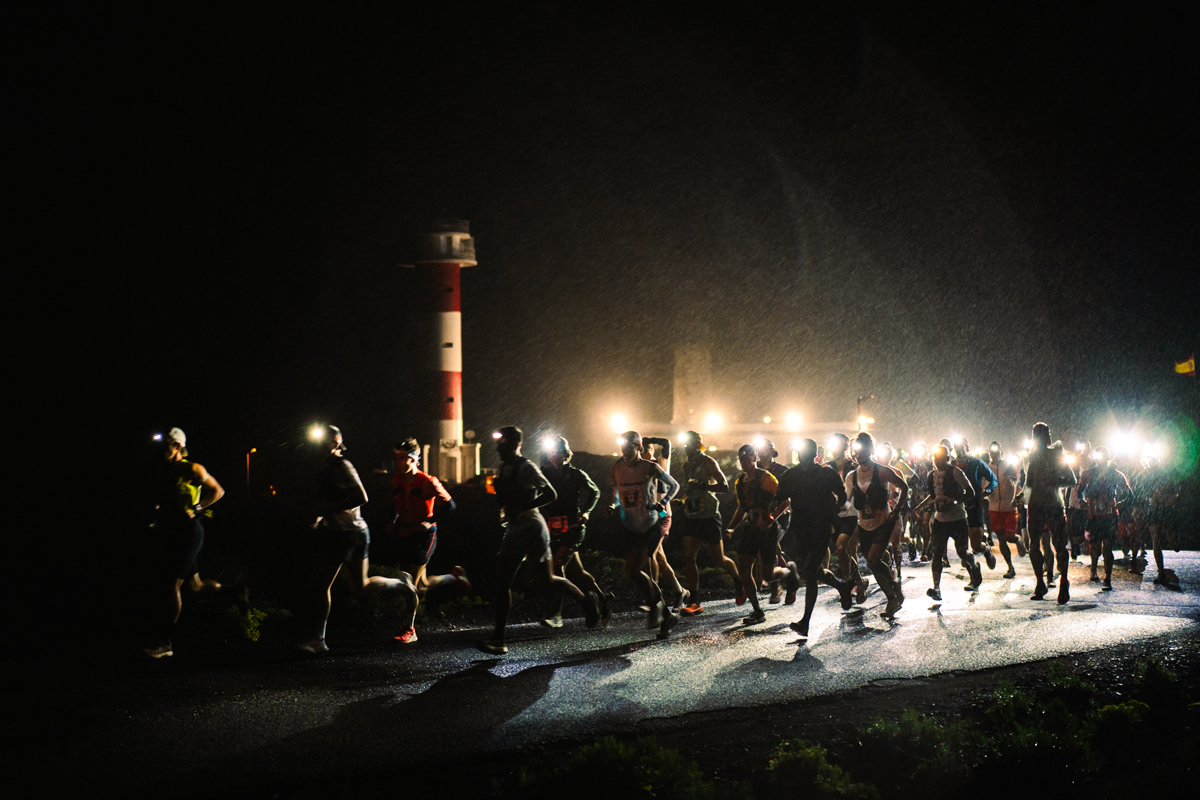
Transvulcania
73K, 43K, 25K, and VK crossing La Palma along the Ruta del Bastón
Read more →
Ultra Pirineu
100K, 54K, and 30K along the Cadí Range in the Catalan Pyrenees
Read more →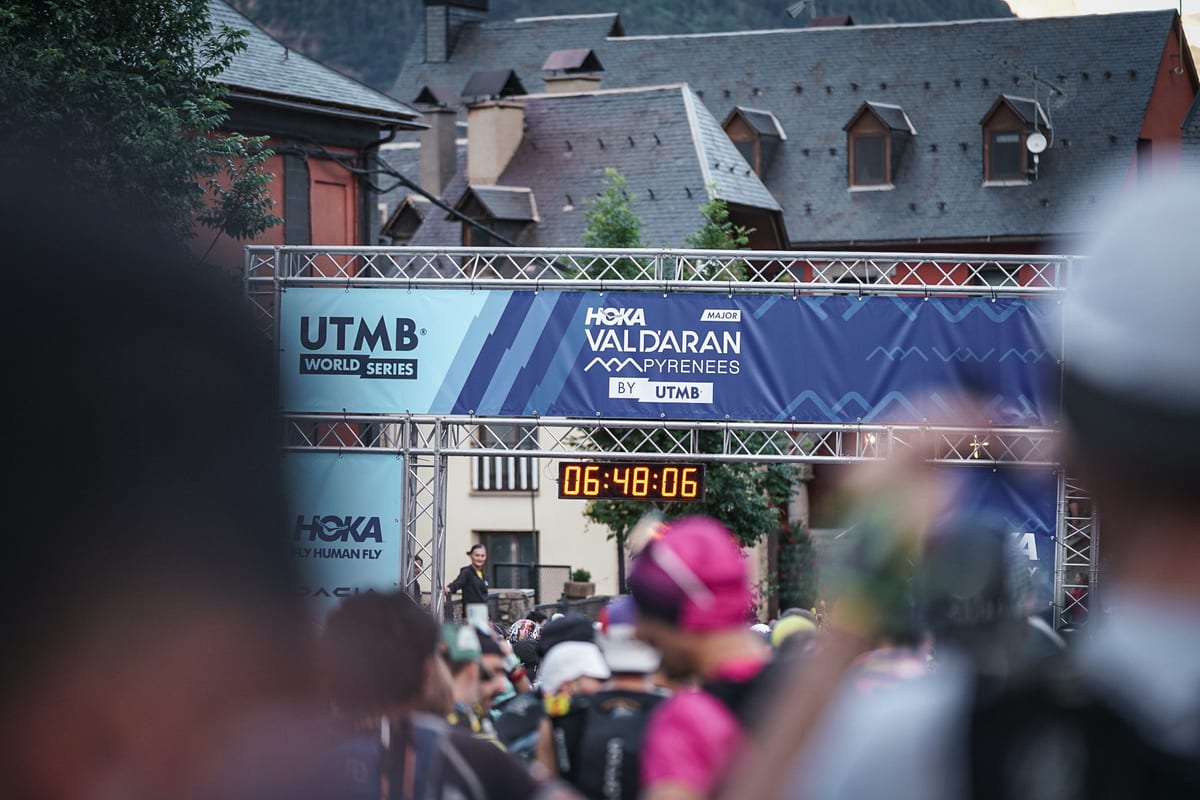
HOKA Val d'Aran by UTMB
163K, 110K, 75K, 55K, 32K and more through the Pyrenees of Val d'Aran — European Major UTMB World Series
Read more →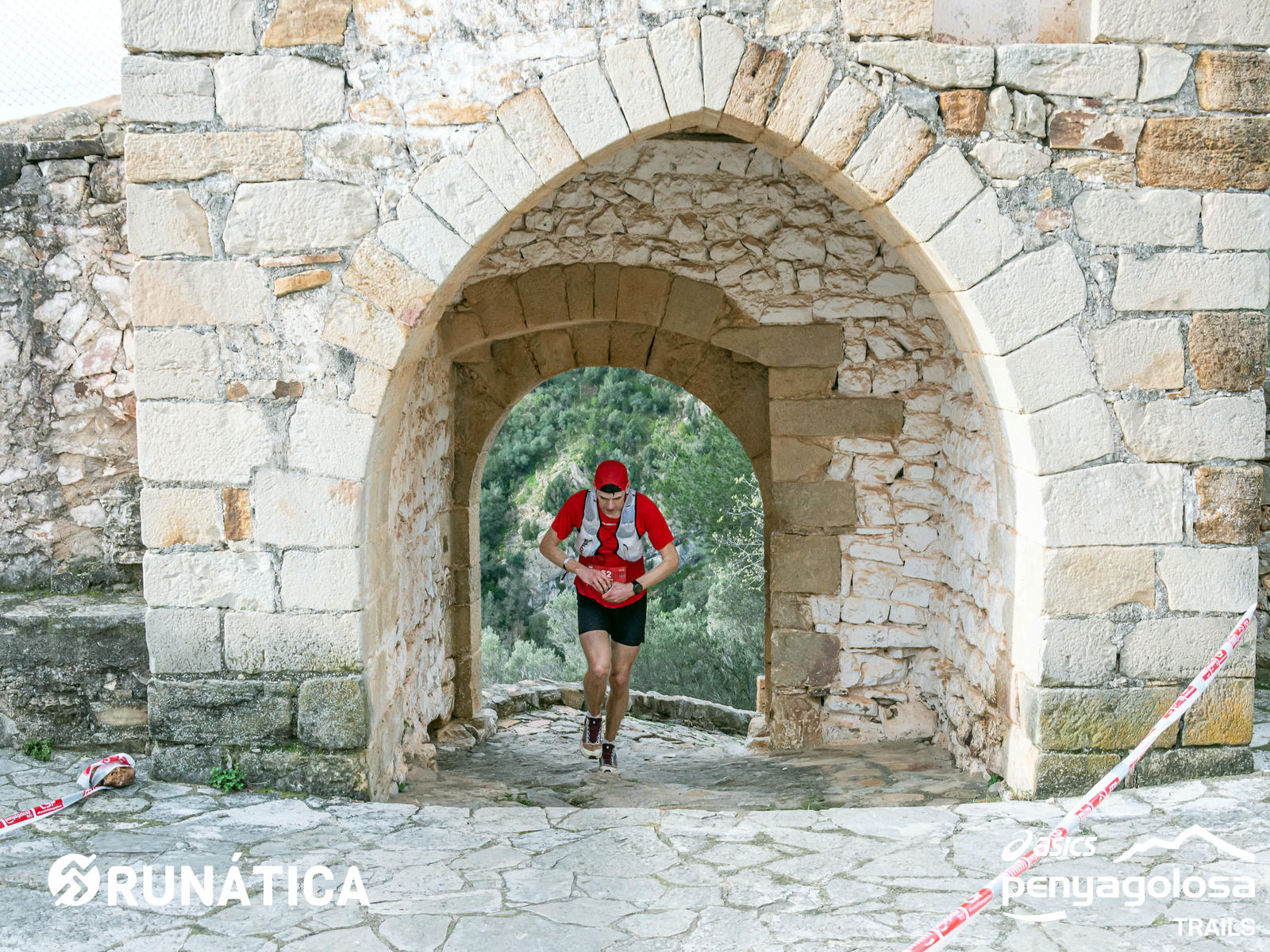
Penyagolosa Trails
106K and 60K from Castellón to the Penyagolosa summit via the GR-33
Read more →