Best Value & Budget Trail Running Shoes 2026
 (se abre en una pestaña nueva)
 (se abre en una pestaña nueva)
 (se abre en una pestaña nueva)
 (se abre en una pestaña nueva)
How we choose
We compare every model on verified technical specs (weight, materials, price), user reviews and our own experience running and testing gear in races from 21K to 100K+. We update this guide when prices change or new models launch. Some links are affiliate links: if you buy through them, TrailRunTemple earns a commission at no extra cost to you and with no influence on the selection.
Our picks by use case
- #1Best Value Overall: Merrell Merrell Agility Peak 5View on Amazon →(se abre en una pestaña nueva)
- #2Best Value Waterproof: Asics Asics Gel-Trabuco 14 GTXView on Amazon →(se abre en una pestaña nueva)
- #3Best Budget: Saguaro Saguaro Zapatillas BarefootView on Amazon →(se abre en una pestaña nueva)
- #4Best Value Cushion: Hoka Hoka Challenger 8View on Amazon →(se abre en una pestaña nueva)
All products in this guide
Merrell
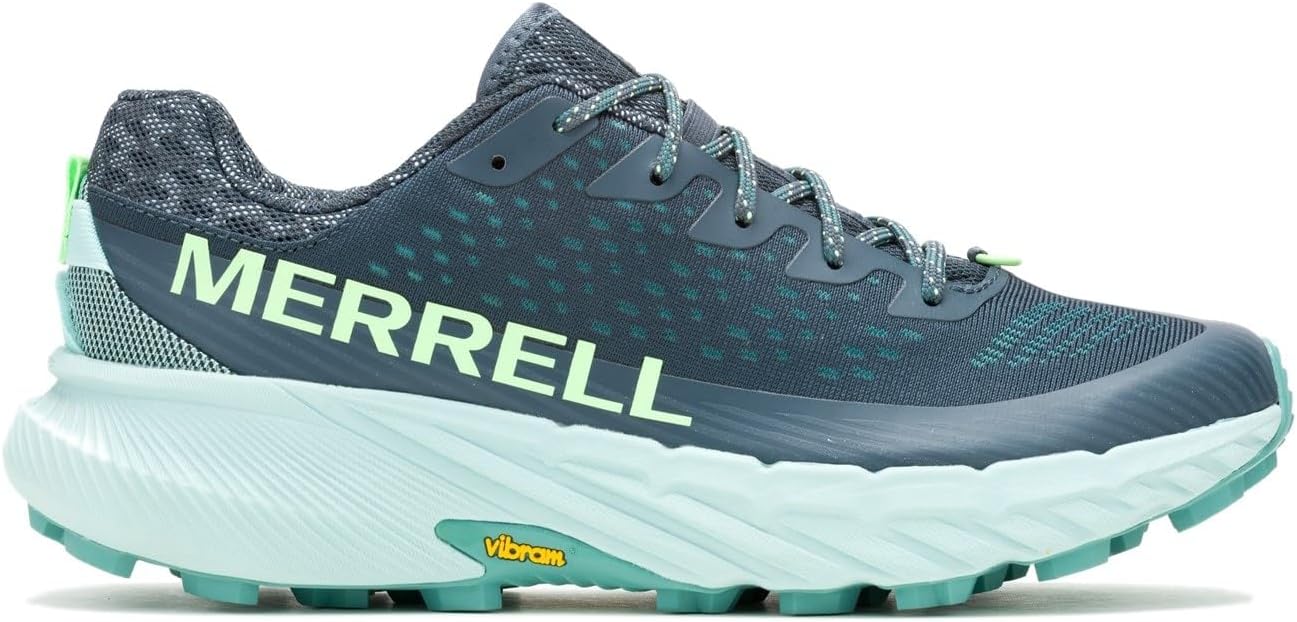
Merrell Agility Peak 5
The best value for getting started in trail running. An honest, functional shoe, comfortable from the first kilometre thanks to FloatPro foam, with a Vibram TC5+ outsole offering good all-round grip on mixed terrain. A versatile option without overspending. Weight: 295 g. Drop: 6 mm.
Asics
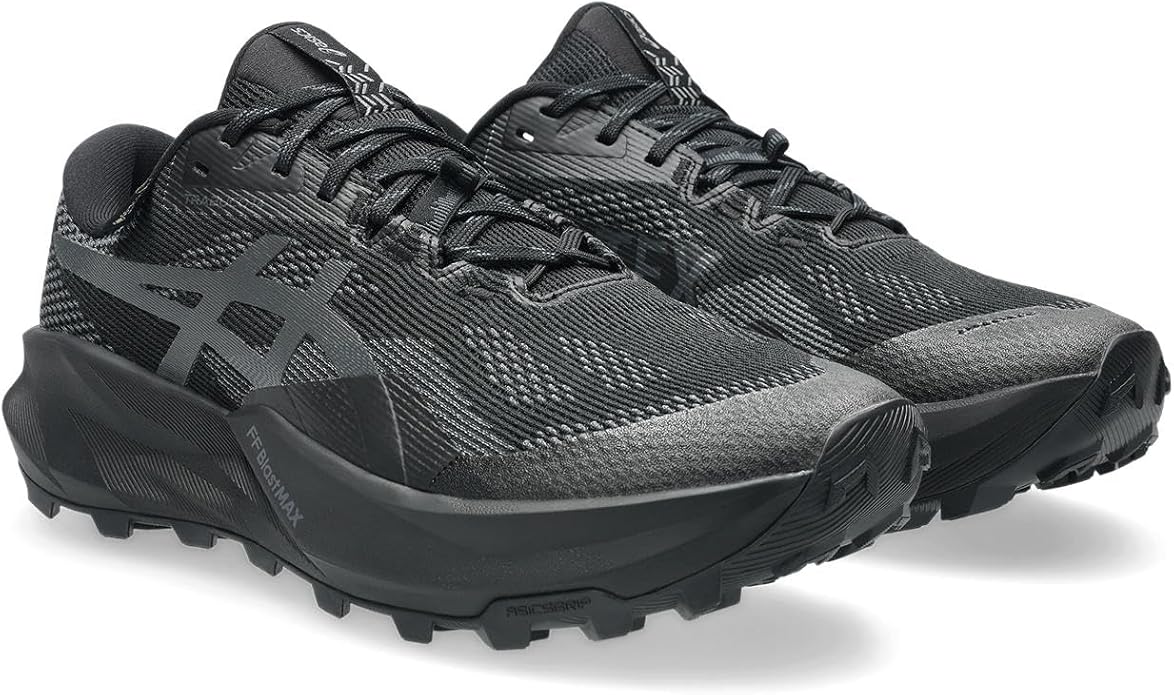
Asics Gel-Trabuco 14 GTX
A best-selling beginner trail shoe: GEL cushioning, good stability and a waterproof GORE-TEX membrane. Versatile and reliable for training on mixed terrain in any weather.
Saguaro
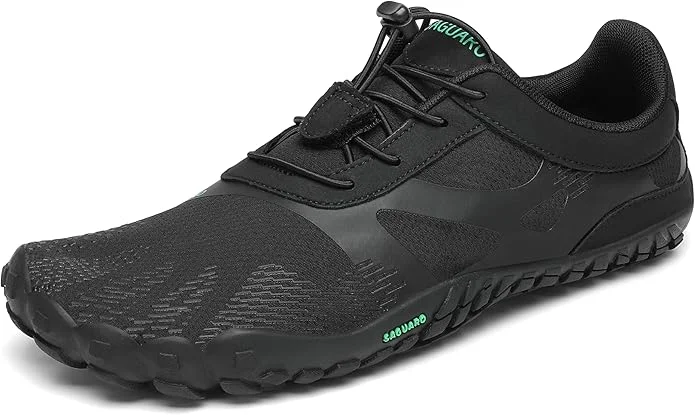
Saguaro Zapatillas Barefoot
Entry-level barefoot shoe with zero drop, ultra-thin sole and wide toe box. Designed as an affordable first step towards minimalist footwear: ideal for home use, walking and short easy runs before investing in a premium barefoot shoe. Bestseller on Amazon Spain within natural footwear thanks to its excellent value for money.
Hoka
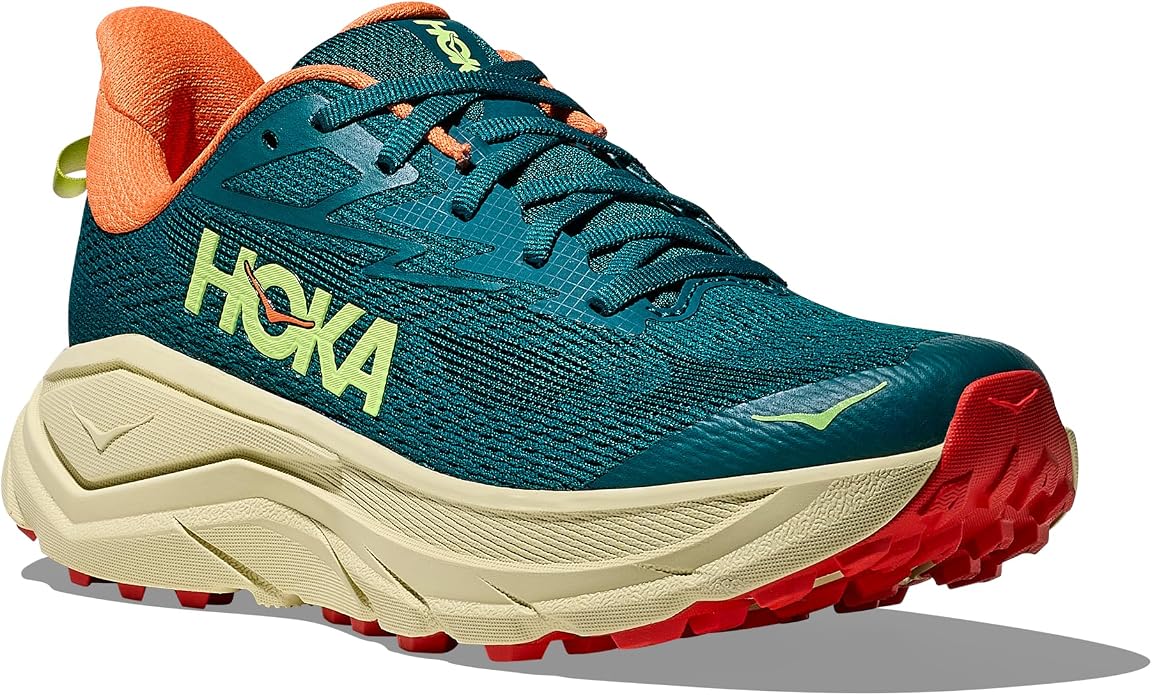
Hoka Challenger 8
Road-to-trail with Hoka's signature max cushioning and 4 mm lugs: comfortable from the first kilometre and perfect for beginners or long runs on easy, mixed terrain.
You don’t need to spend €180 to get a good trail shoe. The premium market is full of carbon plates and racing foams that make sense if you compete, but that a runner doing 1-3 races a year on mid-mountain simply won’t notice — except in their bank balance. This guide analyses the 4 best value trail shoes of 2026, from €45, and, more importantly, tells you what NOT to sacrifice when saving: there are smart cuts and cuts that injure you. If you want to see every option, first check the general trail shoe guide.
Comparison Table
| Shoe | Approx. price | Strength | Best for | Buy |
|---|---|---|---|---|
| Merrell Agility Peak 5 | ~€120 | Vibram versatility | Value overall | Amazon → |
| Asics Gel-Trabuco 14 GTX | ~€130 | GORE-TEX at a good price | Value with waterproof | Amazon → |
| Saguaro Barefoot | ~€45 | Unbeatable price | Trying / transition | Amazon → |
| Hoka Challenger 8 | ~€145 | Hoka cushioning | Value cushion | Amazon → |
Indicative prices; Amazon links go to the live, up-to-date price.
What You CAN and CAN’T Sacrifice When Saving
Saving well is knowing where to cut. Here’s what you can give up without trouble and what you never should:
- You can sacrifice: carbon plate (only matters if you race), premium PEBA/ZoomX foams (a good EVA does plenty), ultralight weight (a few grams won’t change your popular race), and the trendy brand.
- NEVER sacrifice: enough grip (a bad outsole puts you on the floor), toe protection (a rock strike with no protection really hurts) and correct fit (the wrong cheap size/width still causes blisters and black toenails). A cheap shoe with a good outsole and fit is a better buy than an expensive one that doesn’t suit you.
The good news: the 4 in this guide keep the non-negotiables. They’re not dangerous cuts, they’re real value.
How to Choose Budget Trail Shoes Without Going Wrong
1. A recognised-brand outsole
The biggest differentiator in the mid-range is the outsole. Vibram (Merrell, present on many good budget shoes) or Asics/Hoka’s own compounds give reliable grip. Be wary of very cheap shoes with a no-name generic outsole: that’s where saving turns dangerous.
2. Honest cushioning (even if not premium)
You don’t need ZoomX, but you do need foam that won’t pack out at the first sign of use. Brand EVAs (Merrell’s FloatPro, Asics’ GEL, Hoka’s foam) cushion plenty for popular races and training. It’s one of the best examples of “good for less”.
3. Versatility
In the value range, a versatile shoe gives more for your money than a specialist: since you’ll have one or two, make it work on mixed terrain. The Merrell Agility Peak is the perfect example: it does everything well without excelling at an extreme.
4. Where you buy (returns)
Buying on platforms with easy returns (Amazon, Decathlon) is key in the budget range: if the size or fit doesn’t work, you swap them without drama. In cheap shoes with variable sizing, this is worth as much as the price itself.
Individual Analysis
1. Merrell Agility Peak 5 — Best Value Overall
The Merrell Agility Peak 5 is the best entry point into trail without overspending. FloatPro foam that’s comfortable from the first kilometre, a Vibram TC5+ outsole with good all-round grip on mixed terrain and a price (around €120) that leaves margin against the premium. It’s not the most specialised at anything, but it does everything well: the definition of value.
Pros: best value in the lineup, comfortable from minute one with FloatPro, Vibram TC5+ with good versatile grip, ideal for getting started.
Cons: lower performance than a racing model, not the pick for very technical terrain or skyrunning, decent cushioning but no plate.
Best for: anyone getting started or wanting a solid mixed-terrain shoe without paying premium. The smart default buy.
View Merrell Agility Peak 5 on Amazon →2. Asics Gel-Trabuco 14 GTX — Best Value Waterproof
The Asics Gel-Trabuco 14 GTX proves you can have a waterproof membrane without paying premium. A best-selling beginner shoe with comfortable GEL cushioning, good stability and GORE-TEX, it’s the reliable option for training year-round in any weather. Having brand waterproofing at this price is hard-to-match value.
Pros: comfortable GEL cushioning, waterproof GORE-TEX membrane, very good value for money.
Cons: moderate lugs, just adequate in deep mud; the membrane reduces breathability in the heat.
Best for: anyone wanting a solid waterproof shoe for year-round use without overspending. The best value if you run in wet weather.
View Asics Gel-Trabuco 14 GTX on Amazon →3. Saguaro Barefoot — Best Budget
The Saguaro is the cheapest way to start: around €45. Zero drop, an ultra-thin sole and a wide toe box; the principles of natural footwear at a price that has made it an Amazon Spain bestseller. It’s not the most durable or technical, but as a shoe for trying barefoot, home use or easy runs, it more than does the job and saves you buying a premium model blind.
Pros: unbeatable price, zero drop and wide toe box (the fundamentals), flexible and lightweight sole, bestseller with many reviews.
Cons: lower durability than specialised brands, not designed for technical trail (better on smooth paths or transition), variable sizing (check reviews).
Best for: anyone wanting to spend the minimum to try, or the barefoot-curious. If minimalism interests you, also see the barefoot shoe guide.
View Saguaro Barefoot on Amazon →4. Hoka Challenger 8 — Best Value Cushion
The Hoka Challenger 8 puts Hoka’s signature cushioning at a price (~€145) well below its carbon models. No plate or racing foams, but a generous cushion that’s comfortable from the first kilometre, it’s the shoe for easy kilometres: base training and long runs where you want comfort, not the clock. A lot of cushion for little money.
Pros: generous, very comfortable cushioning, versatile between asphalt and easy trails, excellent for long runs, great cushion-for-money.
Cons: low lugs insufficient in mud and technical rock, limited stability on very uneven terrain, no plate or reactive foam.
Best for: the runner racking up base kilometres who wants plenty of cushioning without paying the carbon premium. The sensible buy if your priority is comfort.
View Hoka Challenger 8 on Amazon →5 Common Mistakes When Buying Budget Shoes
-
Buying the cheapest without checking the outsole. The dangerous saving is in generic outsoles with no grip. A Vibram or brand compound at a mid price is a better buy than a no-name at half the price.
-
Sacrificing fit for price. A cheap shoe that doesn’t suit you still causes blisters and black toenails. Prioritise correct size and width over saving €20.
-
Overpaying for marketing. You don’t need a carbon plate or the trendy foam for popular races. That’s spend, not performance, if you don’t compete.
-
Not using returns. In the budget range with variable sizing, buying where you can swap at no cost saves you ending up with a shoe you don’t use.
-
Forgetting that cheap isn’t disposable. A good mid-range shoe lasts 600-700 km just like an expensive one. Look after it (clean it, dry it well) and you amortise the buy.
Frequently Asked Questions
Is a cheap trail shoe worth it?
Yes, if it keeps the non-negotiables: brand grip, toe protection and correct fit. For 1-3 races a year on mid-mountain, a €100-130 shoe performs practically the same as a €180 one. The premium difference only shows when racing.
What’s the difference between a €120 shoe and a €180 one?
Mainly carbon plate, premium foams (PEBA/ZoomX) and ultralight materials. They improve race performance, but a recreational runner barely notices. You get the basic outsole, protection and comfort just the same in the mid-range.
Do cheap shoes last less?
Not necessarily. Durability depends more on the outsole and use than on price. A mid-range shoe with a good outsole easily handles 600-700 km. The ones that last least are usually the ultralight racing models, which are also expensive.
Where do I start if I’ve never done trail?
With a versatile mid-range shoe like the Merrell Agility Peak 5: it covers mixed terrain, forgives mistakes and won’t break the bank. Once you know what terrain you run most, you can invest in something specialised.
Final Verdict
- Best value overall: Merrell Agility Peak 5
- Best value with GORE-TEX: Asics Gel-Trabuco 14 GTX
- Best budget for trying: Saguaro Barefoot
- Best value cushion: Hoka Challenger 8
Saving well on trail shoes isn’t buying the cheapest, it’s buying what keeps what matters — grip, protection and fit — and drops what you won’t notice. Any of these four gives you real performance without paying premium.
Other guides you might find useful
Races where you'll need this gear
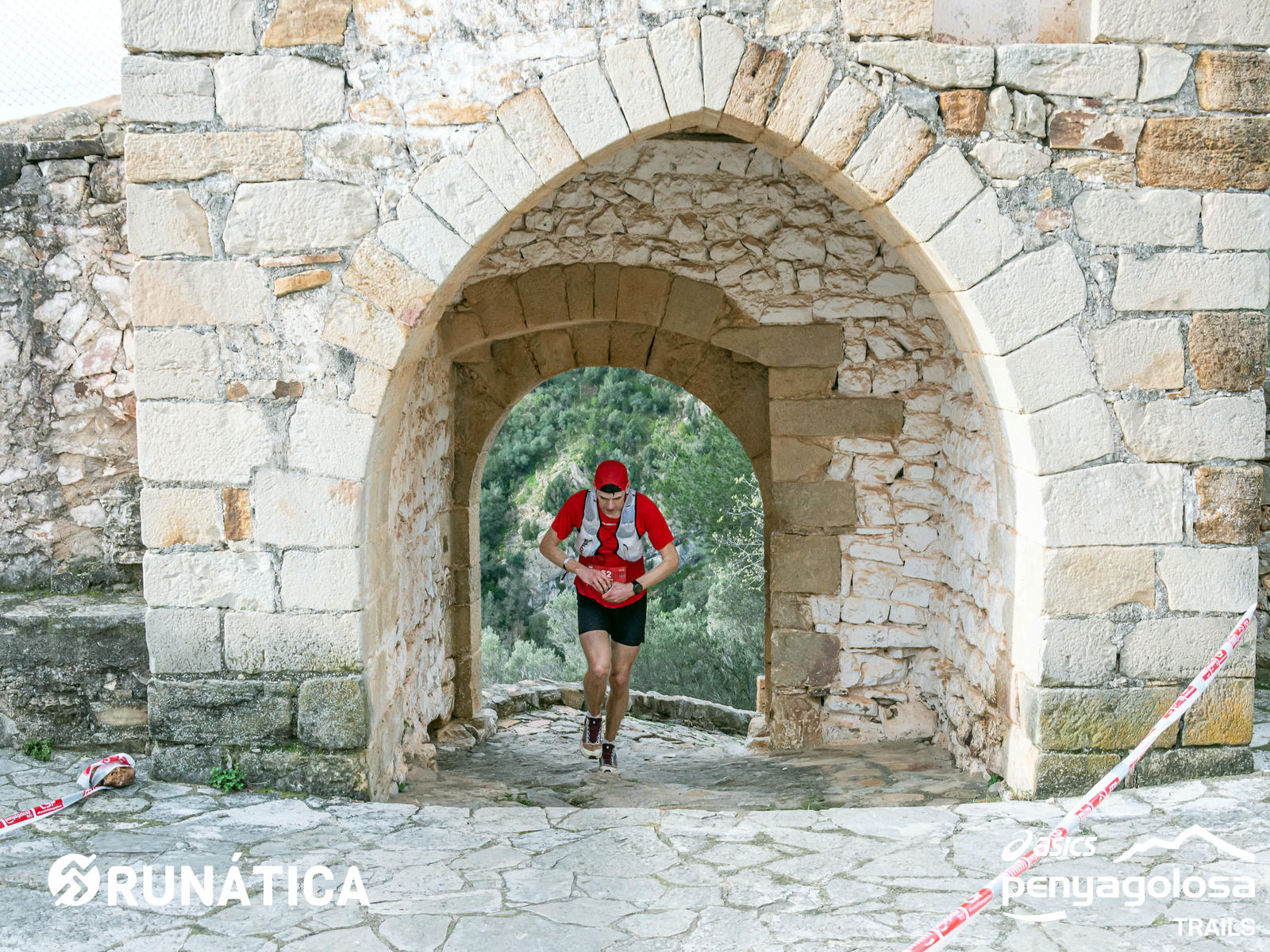
Penyagolosa Trails
106K and 60K from Castellón to the Penyagolosa summit via the GR-33
Read more →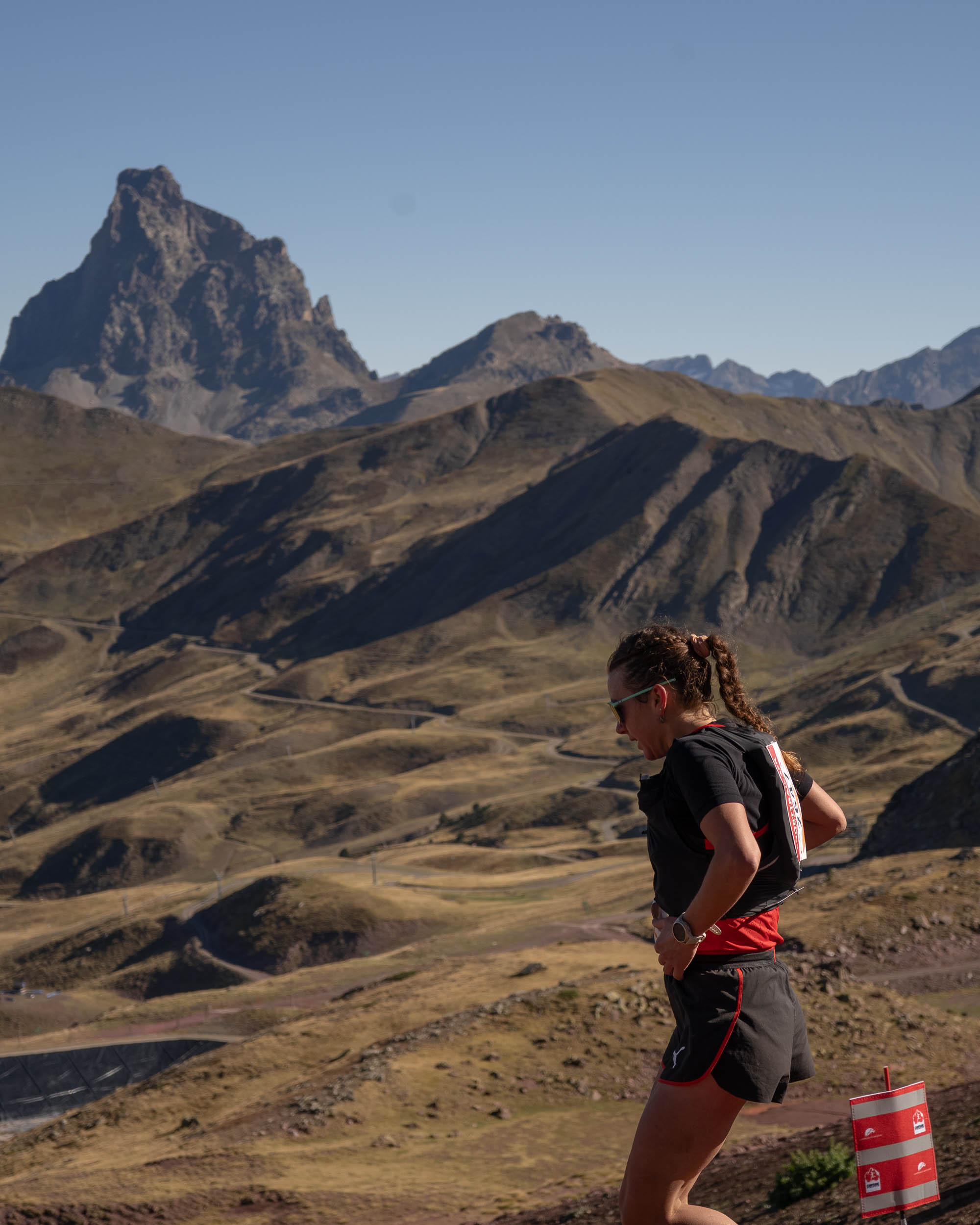
Canfranc-Canfranc
From 6K to 100K through the central Pyrenees from the iconic Canfranc International Station
Read more →
Transgrancanaria
128K, 83K, 44K, and 30K crossing Gran Canaria from north to south
Read more →