Women's and Wide-Fit Trail Running Shoes: A 2026 Fit Guide
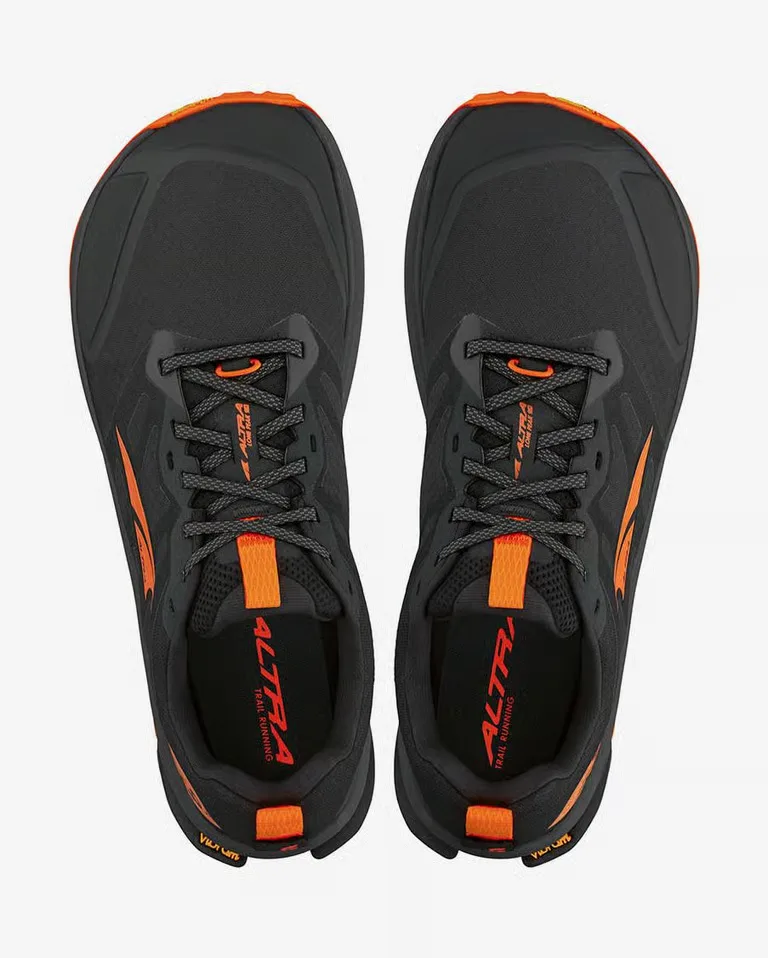 (se abre en una pestaña nueva)
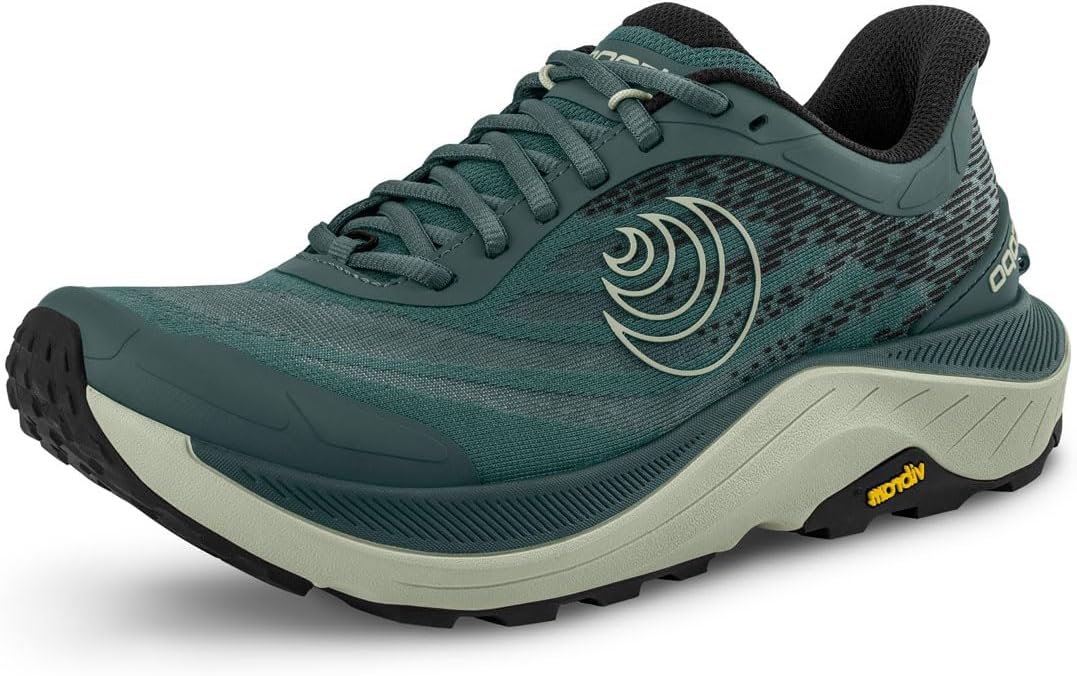 (se abre en una pestaña nueva)
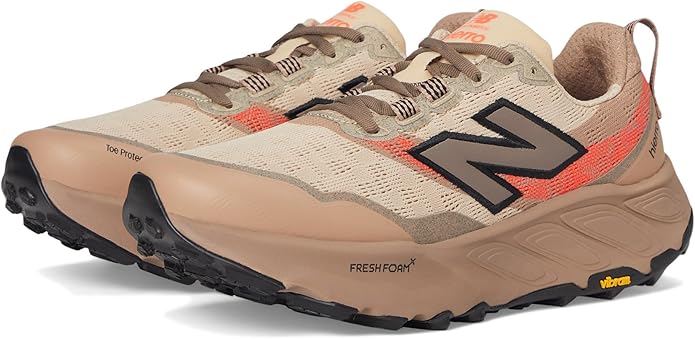 (se abre en una pestaña nueva)
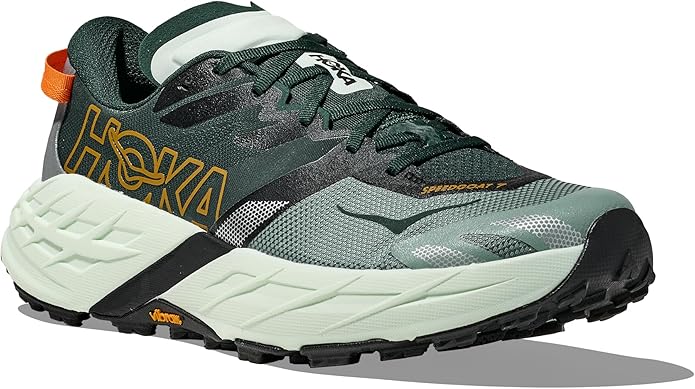 (se abre en una pestaña nueva)
How we choose
We compare every model on verified technical specs (weight, materials, price), user reviews and our own experience running and testing gear in races from 21K to 100K+. We update this guide when prices change or new models launch. Some links are affiliate links: if you buy through them, TrailRunTemple earns a commission at no extra cost to you and with no influence on the selection.
Our picks by use case
- #1Best Wide Zero-Drop Fit: Altra Altra Lone Peak 9View on Amazon →(se abre en una pestaña nueva)
- #2Best Wide Fit with Cushion and Conventional Drop: Topo Athletic Topo Athletic Ultraventure 4View on Amazon →(se abre en una pestaña nueva)
- #3Best Versatile Wide Fit: New Balance New Balance Fresh Foam X Hierro v9View on Amazon →(se abre en una pestaña nueva)
- #4Best Women's Last for Technical Mountain: Hoka Hoka Speedgoat 7View on Amazon →(se abre en una pestaña nueva)
- #5Best Women's-Only Design: Merrell Merrell Antora 4View on Amazon →(se abre en una pestaña nueva)
- #6Best for a Narrow Woman's Foot: Salomon Salomon Sense Ride 5View on Amazon →(se abre en una pestaña nueva)
All products in this guide
Altra
Altra Lone Peak 9
Trail running shoe with zero drop and wide FootShape toe box that allows natural toe splay. 25 mm stack with EGO foam for balanced cushioning without losing ground contact. MaxTrac outsole with 3.5 mm lugs, ideal for non-technical trails, forest tracks and long-distance paths.
Topo Athletic
Topo Athletic Ultraventure 4
Max-cushion trail shoe with a roomy anatomical toe box and a conventional 5 mm drop: the wide-foot option for runners who don't want to switch to zero drop. 35/30 mm ZipFoam stack, a versatile Vibram XS Trek EVO trail-to-road outsole, and a snug midfoot and heel that lock the foot in despite the forefoot room. Ideal for rolling ultras, long training runs and road-to-trail.
New Balance
New Balance Fresh Foam X Hierro v9
The model breaking into Spain's best-seller charts. Fresh Foam X midsole with a solid balance between cushioning and ground feel, a Vibram Megagrip outsole, and a comfortable last suited to wide feet. A reliable all-rounder for training runs and mountain races of any distance.
Hoka
Hoka Speedgoat 7
The best-selling trail shoe in the US and an absolute ultra-trail classic. Max Hoka cushioning, a Vibram Megagrip outsole with 5 mm lugs for grip in mud and technical terrain, and a snug Matryx upper. Built to eat up kilometres without punishing your legs in long races.
Merrell
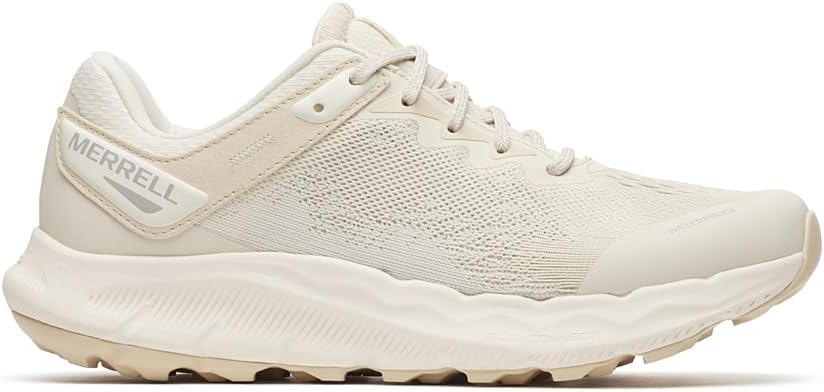
Merrell Antora 4
A trail shoe designed specifically for women, not a rescaled unisex model: a women's last with a narrower heel, a locked-in midfoot and forefoot room for toe splay. FloatPro foam, 8 mm drop, 29/21 mm stack and a Vibram outsole with 3 mm lugs. Built for moderate terrain and distances up to 50K: training runs and non-technical mountain races. Weight: 220 g (US 7).
Salomon
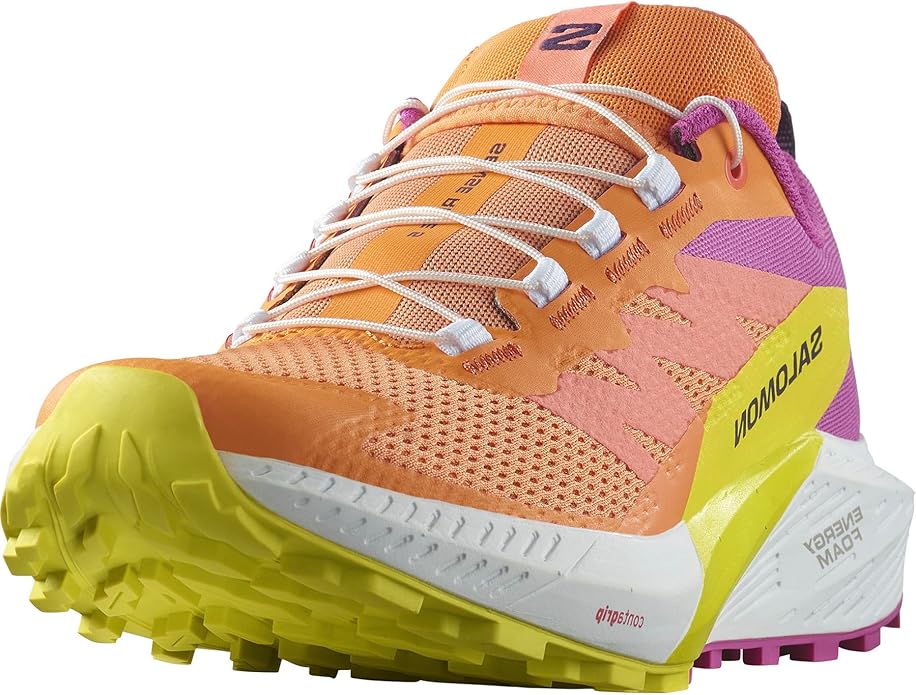
Salomon Sense Ride 5
Salomon's do-it-all trail shoe: a balance of cushioning and grip for any terrain. All Terrain Contagrip outsole and Quicklace system, ideal for training and racing on mixed trail.
Most trail shoe roundups ignore the single factor that causes the most blisters, black toenails and DNFs: the last doesn’t fit your foot. And there are two heavily searched, poorly answered cases. First, wide feet: you need real room for your toes to splay with every stride, not half a size up in a narrow shoe. Second, women: for years “women’s” meant “the same shoe in pink, scaled up a size”, when the average woman’s foot has a narrower heel relative to the forefoot and needs a dedicated last so it doesn’t swim on the descents.
This guide separates the two. Three models with a genuinely wide toe box, and three built on a real women’s last. If you’re after a general shoe, check the trail shoe guide first.
Comparison Table
| Shoe | Profile | Drop | Stack | Lugs | Best for | Buy |
|---|---|---|---|---|---|---|
| Altra Lone Peak 9 | Wide feet | 0 mm | 25 mm | 3.5 mm | Wide zero-drop fit | Amazon → |
| Topo Ultraventure 4 | Wide feet | 5 mm | 35/30 mm | ~4 mm | Wide feet + cushion | Amazon → |
| New Balance Hierro v9 | Wide feet | 8 mm | ~30 mm | 4 mm | Versatile wide fit | Amazon → |
| Hoka Speedgoat 7 | Women’s | 4 mm | 40/36 mm | 5 mm | Women’s last on technical mountain | Amazon → |
| Merrell Antora 4 | Women’s | 8 mm | 29/21 mm | 3 mm | Women’s-only design | Amazon → |
| Salomon Sense Ride 5 | Women’s | 8 mm | ~34 mm | 3.5 mm | Narrow woman’s foot | Amazon → |
Weights and heights vary with size. Amazon links go to the live, up-to-date price.
Before you choose: actually measure your foot
Almost nobody knows the last they need. Five minutes at home saves you a season of blisters.
1. Measure late in the day, standing up
Your foot spreads and lengthens over the day and under load. Stand on a sheet of paper with your weight evenly spread, trace the outline with the pen held vertical, and measure length (heel to longest toe) and width (across the ball of the foot). Do both feet: there’s almost always a bigger one, and it wins.
2. Read the width, not just the length
As a rough reference for a EU 39-40 street size: a ball-of-foot width under ~9.5 cm is a narrow-to-medium foot; over ~10 cm you’ll appreciate a wide last; over ~10.5 cm you need an anatomical toe box (Altra, Topo) or a wide (2E) version. If your little toe touches the wall or you feel pressure on the bunion area, that last isn’t yours no matter how far you size up.
3. On trail, leave a thumb’s width
On descents your foot slides forward, and over long races it swells half to a full size. Leave a thumb’s width (~1 cm) between your longest toe and the front of the shoe. That’s the margin that prevents black toenails.
4. Wide feet ≠ a shoe that’s wide at the heel
The classic mistake: buying a shoe that’s “wide” everywhere and ending up with a loose heel. What a wide foot needs is room in the toe area (toe box), not in the heel or midfoot. Good wide-foot models widen only up front and keep the rearfoot snug.
Wide feet: why the toe box changes everything
A wide foot crammed into a narrow toe box can’t do its job: instead of spreading and stabilising the landing, the toes are jammed against each other. The result: less balance on technical ground, more rubbing between toes, neuromas, and that “dead foot” feeling on long outings.
There are two schools of thought:
- Anatomical toe box (Altra, Topo): the last is foot-shaped, at its widest at the tips of the toes. Altra pairs it with zero drop; Topo offers it with a conventional drop for runners who don’t want to change their mechanics.
- Wide (2E) versions: brands like New Balance, Brooks (Cascadia) and Saucony (Peregrine) build the same model on a wider mould. The geometry doesn’t change, only the volume. A good option if a “normal” wide already works for you and you don’t want a niche brand.
Women: what a women’s last actually changes
A shoe coming “in a women’s version” can mean two very different things:
- Same mould, scaled sizing and different colours. The most common case. Fine if your foot fits the unisex last.
- A dedicated women’s last. The brand starts from a different mould: a proportionally narrower heel (so it doesn’t swim on descents or blister your Achilles), often a proportionally slightly wider forefoot, a lower instep, and cushioning tuned for a lower average weight, which changes how the foam behaves.
Merrell’s Antora line is one of the few women’s-only trail ranges. Hoka re-engineered the Speedgoat 7 for women with a snugger heel collar. Salomon builds its “W” models on a narrower last that suits the average woman’s foot out of the box. It’s not marketing: it’s the difference between braking confidently on scree and worrying that your foot will slip out.
Note: a narrow heel is the average, not a rule. Some women have wide feet (the block above is for them) and some men have narrow heels and do well in “W” models. Your measurement wins, not the label.
The 6 models in detail
Wide feet
1. Altra Lone Peak 9 — Best wide zero-drop fit
The Altra Lone Peak 9 is the world reference for a wide trail fit. Its FootShape mould lets the toes spread fully, and the zero drop puts the foot in a natural posture with no heel lift. A 25 mm stack gives enough cushioning without isolating you from the terrain. MaxTrac outsole with 3.5 mm lugs, ideal for non-technical trails, tracks and long-distance paths.
Key specs: 315 g (men’s) / 263 g (women’s), 0 mm drop, 25 mm stack, 3.5 mm MaxTrac lugs.
Pros: the widest, most proven toe box on the market; zero drop for a natural posture; seamless mesh upper; light for what it offers.
Cons: 3.5 mm lugs are short for deep mud or wet rock; zero drop needs a weeks-long adaptation if you’re coming from a high drop; not for skyrunning or very technical terrain.
Ideal for: a runner with wide feet who wants maximum toe room and is willing to adapt to zero drop. For trails, forest tracks and non-technical ultras.
See the Altra Lone Peak 9 on Amazon →2. Topo Ultraventure 4 — Best wide fit with cushion and a conventional drop
The Topo Ultraventure 4 solves the problem for runners with wide feet who don’t want to switch to zero drop. It offers Topo’s anatomical toe box — foot-shaped, real room for the toes — with a 5 mm drop and a tall 35/30 mm stack of ZipFoam: plenty of cushioning for rolling ultras and long runs. The midfoot and heel are snug, so the foot doesn’t move despite the forefoot room. Versatile Vibram XS Trek EVO trail-to-road outsole.
Key specs: ~286 g (men’s) / ~235 g (women’s), 5 mm drop, 35/30 mm stack, Vibram XS Trek EVO outsole.
Pros: anatomical toe room with a moderate drop, no change of mechanics; max cushioning for long distance; well-held rearfoot; good for road-to-trail.
Cons: shallow lugs, not for mud or technical wet rock; tall stack = less ground feel and stability on the very technical stuff; availability and sizing more limited than the big brands.
Ideal for: wide feet putting in the miles on tracks and rolling trails, wanting ample cushioning and preferring a conventional drop. The best way into a wide toe box without giving up your usual mechanics.
See the Topo Ultraventure 4 on Amazon →3. New Balance Fresh Foam X Hierro v9 — Best versatile wide fit
The New Balance Fresh Foam X Hierro v9 is the option for a “normal” wide foot that doesn’t want to go to a niche brand. A comfortable, roomy last out of the box — and also available in a 2E version — with a well-judged balance between Fresh Foam X cushioning and ground feel. Vibram Megagrip outsole with solid traction on any surface. A reliable all-rounder for daily training and racing at any distance.
Key specs: 8 mm drop, ~30 mm stack, Vibram Megagrip outsole, comfortable last (also in 2E).
Pros: comfortable last for wide feet without changing brand or mechanics; Vibram Megagrip that does grip on technical and wet ground; very versatile (training + racing); a best-seller in Spain.
Cons: less cushioning than a pure maximalist like the Speedgoat; size availability more limited than other brands; not an anatomical toe box, a conventional wide last.
Ideal for: a medium-wide foot that wants a single versatile shoe, with good grip and a standard drop, no experiments. The safest pick in the wide-feet block.
See the New Balance Hierro v9 on Amazon →Women
4. Hoka Speedgoat 7 — Best women’s last for technical mountain
The Hoka Speedgoat 7 is an absolute ultra-trail classic, and its women’s version isn’t a simple scale-up: Hoka re-engineered the heel collar to be narrower and snugger, which you notice exactly where it matters — on the technical, rocky descents where a loose heel costs you confidence. Max Hoka cushioning and a Vibram Megagrip outsole with 5 mm lugs that grip in mud and rock.
Key specs: 4 mm drop, 40/36 mm stack, Vibram Megagrip outsole with 5 mm lugs, snug Matryx upper.
Pros: narrower women’s heel for confident descending; max cushioning that protects over long distances; reliable Vibram Megagrip in mud and rock; the most proven model in world ultra trail.
Cons: slightly narrow toe box (if you have wide feet, see the block above); tall stack, less stable for those wanting ground feel; high price.
Ideal for: a runner with a medium-to-narrow foot doing technical mountain and ultra, who wants a shoe that descends safely and lasts the hours. If your terrain is Zegama, Penyagolosa or Transgrancanaria, this is the pick.
See the Hoka Speedgoat 7 on Amazon →5. Merrell Antora 4 — Best women’s-only design
The Merrell Antora 4 is one of the few trail shoes built from scratch for women only: there is no men’s version. That means a real women’s last — narrower heel, locked-in midfoot, room up front for the toes — and FloatPro cushioning tuned for a lower average weight. Light (220 g), comfortable from the first kilometre and reasonably priced. Vibram outsole with 3 mm lugs.
Key specs: 220 g (US 7), 8 mm drop, 29/21 mm stack, Vibram outsole with 3 mm lugs.
Pros: women’s-only design, a genuine women’s last; very light and comfortable straight away; keen price for a branded shoe; perfect for moderate terrain and up to 50K.
Cons: 3 mm lugs and moderate cushioning, not for technical high mountain or deep mud; sensible ceiling around 50K; no plate or propulsion tech; the version most easily found on Amazon.es is the Antora 4 WP (waterproof), less breathable than the mesh one.
Ideal for: a runner training and racing on dry, moderate trails, distances from 10K to a mountain marathon, who wants a shoe genuinely designed for her foot without overpaying.
See the Merrell Antora 4 on Amazon →6. Salomon Sense Ride 5 — Best for a narrow woman’s foot
The Salomon Sense Ride 5 in its “W” version is built on a narrow-to-medium last that suits a woman’s foot with a fine heel and low instep out of the box. It’s Salomon’s do-it-all shoe: a balance of cushioning and grip for any terrain, with an All Terrain Contagrip outsole and a fast, secure Quicklace closure. The option for anyone who “swims” inside shoes from other brands.
Key specs: 8 mm drop, ~34 mm stack, All Terrain Contagrip outsole, Quicklace closure.
Pros: narrow last that holds a fine women’s foot without pinching; versatile on almost any terrain; comfortable cushioning for long distances; fast, secure Quicklace.
Cons: grip is just adequate in deep mud; medium last, not suited to wide feet at all; if you have wide feet this is exactly the one to avoid.
Ideal for: a narrow-footed runner who finds her foot swims in Hoka or New Balance, and wants a shoe that holds her well across all terrain and distances.
See the Salomon Sense Ride 5 on Amazon →FAQ
Is “women’s” just marketing? It depends on the model. Many “women’s” versions are the same mould scaled up with different colours. But models like the Merrell Antora (women’s-only), the Hoka Speedgoat 7 W (re-engineered heel) or Salomon’s “W” models (narrower last) do start from a different geometry designed for the average woman’s foot: narrower heel, lower instep, cushioning tuned for less weight.
I have wide feet and I’m a woman. What do I look at? The wide-feet block. Width beats the gender label: an Altra Lone Peak or a Topo Ultraventure will serve you better than a narrow-lasted “women’s” shoe. Many wide-toe-box brands make women’s sizing.
Can I fix a narrow shoe by sizing up? No. Sizing up lengthens the shoe but barely widens it, and then the heel is loose and the foot slides on descents. If the last isn’t yours, no size fixes it.
What is an anatomical toe box? A last shaped like a real foot: the widest point is at the tips of the toes, not across the ball of the foot as on a conventional shoe. It lets the toes spread (toe splay) and stabilise the landing. Altra and Topo are the references.
Is zero drop mandatory for wide feet? No. Zero drop (Altra) and a wide toe box usually go together as a brand philosophy, but they’re separate things. Topo offers a wide toe box with a 5 mm drop, and New Balance with an 8 mm drop. You can have toe room without changing your mechanics.
Other guides you might find useful
Races where you'll need this gear

Transgrancanaria
128K, 83K, 44K, and 30K crossing Gran Canaria from north to south
Read more →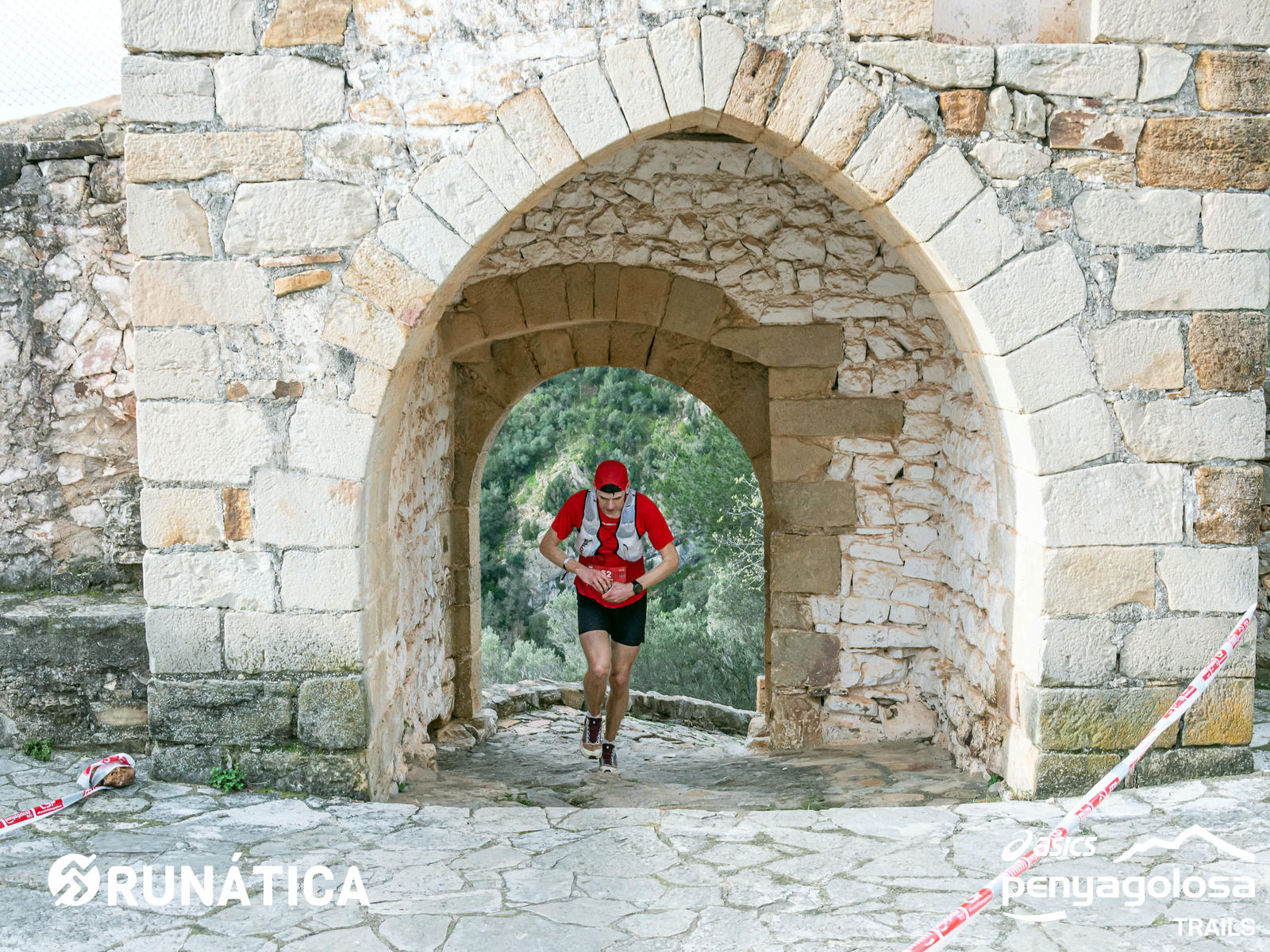
Penyagolosa Trails
106K and 60K from Castellón to the Penyagolosa summit via the GR-33
Read more →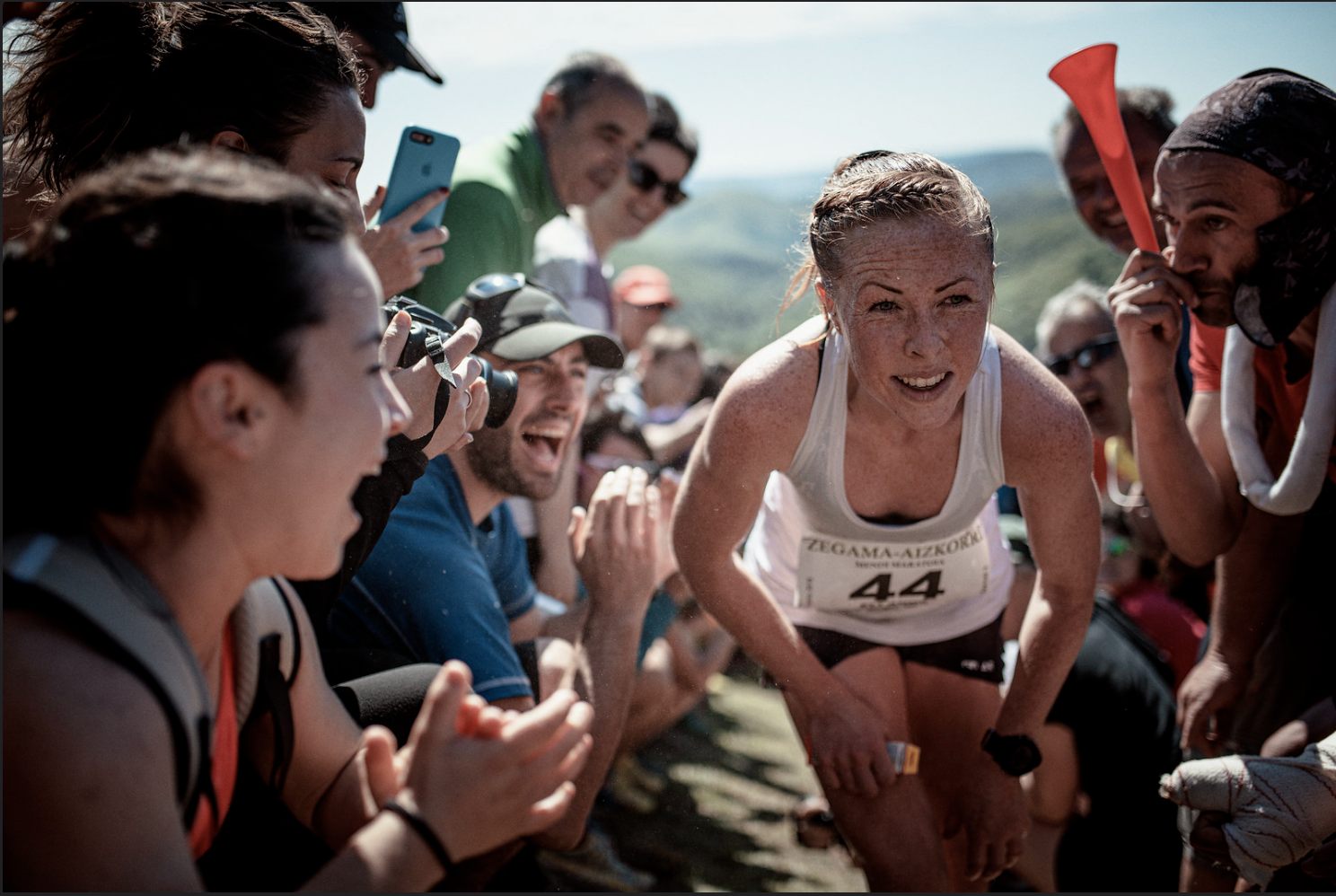
Zegama-Aizkorri
42K and VK through the Aizkorri range — the most legendary skyrunning race in Spain
Read more →
Ultra Sierra Nevada
100K, 42K and 21K across the rooftop of the Iberian Peninsula
Read more →