Best Cushioned Trail Running Shoes for Ultras 2026
 (se abre en una pestaña nueva)
 (se abre en una pestaña nueva)
 (se abre en una pestaña nueva)
 (se abre en una pestaña nueva)
How we choose
We compare every model on verified technical specs (weight, materials, price), user reviews and our own experience running and testing gear in races from 21K to 100K+. We update this guide when prices change or new models launch. Some links are affiliate links: if you buy through them, TrailRunTemple earns a commission at no extra cost to you and with no influence on the selection.
Our picks by use case
- #1Best Ultra Racer: Hoka Hoka Tecton X3View on Amazon →(se abre en una pestaña nueva)
- #2Best Cushion-Grip Balance: Hoka Hoka Speedgoat 7View on Amazon →(se abre en una pestaña nueva)
- #3Best Stability & Durability: Brooks Brooks Cascadia 18View on Amazon →(se abre en una pestaña nueva)
- #4Best Energy Return: Nike Nike UltraflyView on Amazon →(se abre en una pestaña nueva)
- #5Best Value Cushion: Hoka Hoka Challenger 8View on Amazon →(se abre en una pestaña nueva)
- #6Max Protection for 100-Milers: Hoka Hoka Mafate 5View on Amazon →(se abre en una pestaña nueva)
All products in this guide
Hoka
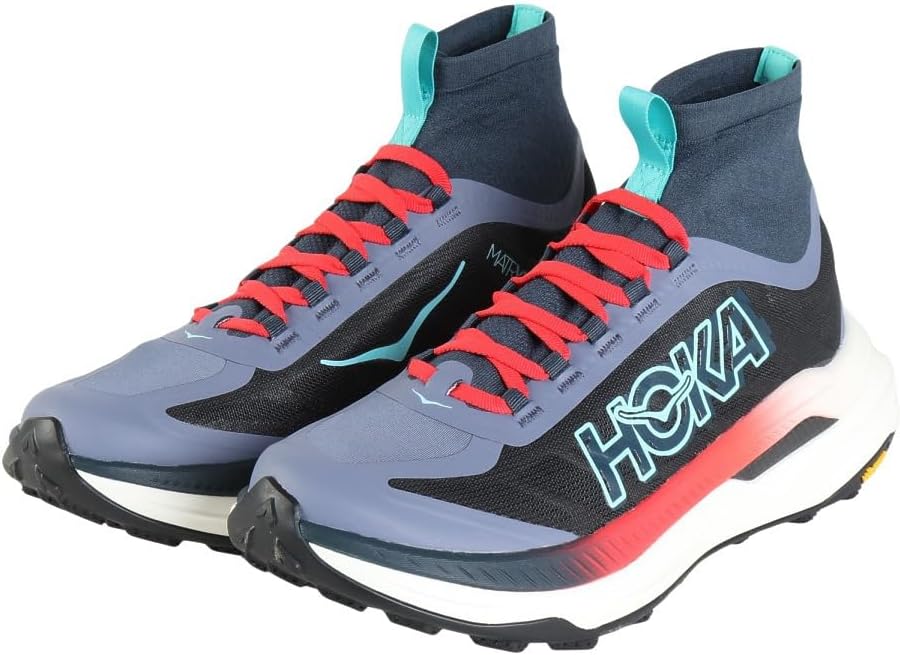
Hoka Tecton X3
Racing trail shoe designed for ultra distance. Dual parallel carbon fibre plates for maximum energy efficiency and ultralight PEBA foam that absorbs impact mile after mile. Vibram Megagrip outsole with 5 mm lugs for reliable grip on mixed terrain. Weight: 290 g. Drop: 5 mm.
Hoka
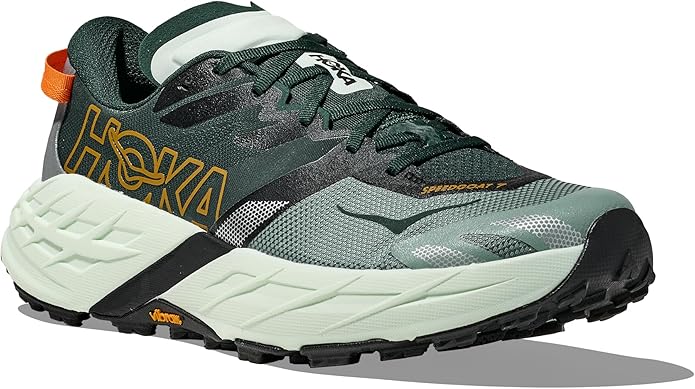
Hoka Speedgoat 7
The best-selling trail shoe in the US and an absolute ultra-trail classic. Max Hoka cushioning, a Vibram Megagrip outsole with 5 mm lugs for grip in mud and technical terrain, and a snug Matryx upper. Built to eat up kilometres without punishing your legs in long races.
Brooks
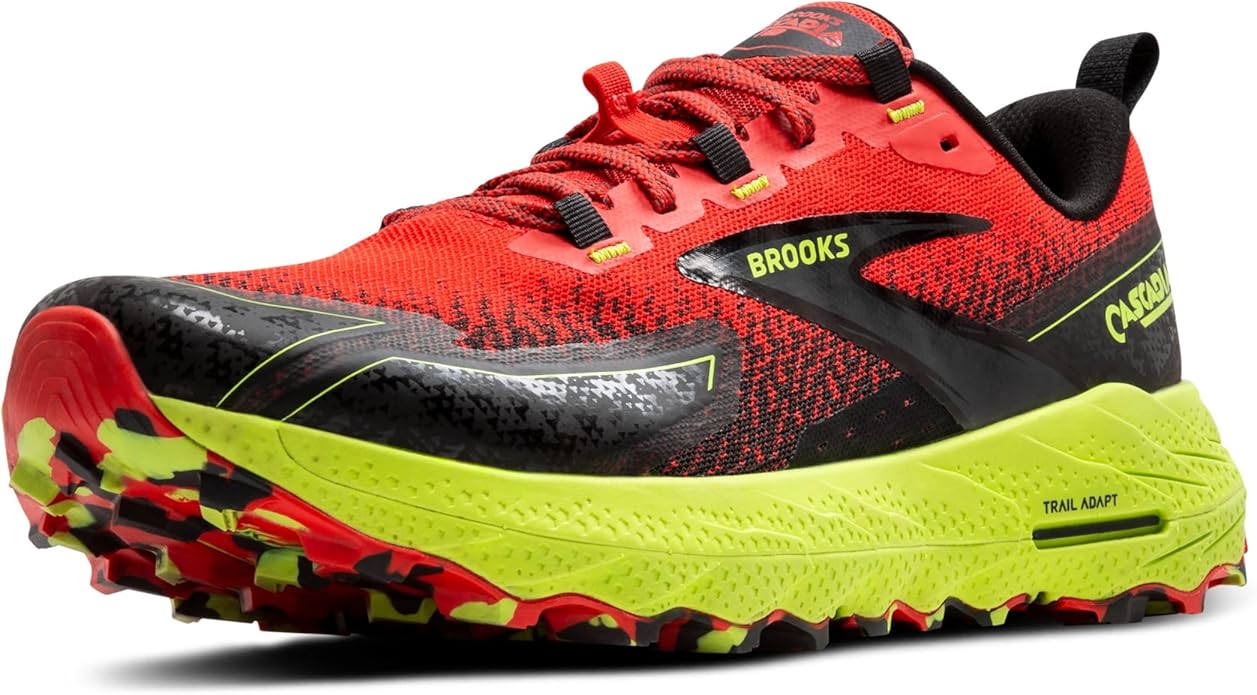
Brooks Cascadia 18
An all-terrain trail classic: stable, protective and reliable on any ground thanks to its pivot system that adapts the foot to the terrain. Balanced cushioning for medium and long distances.
Nike
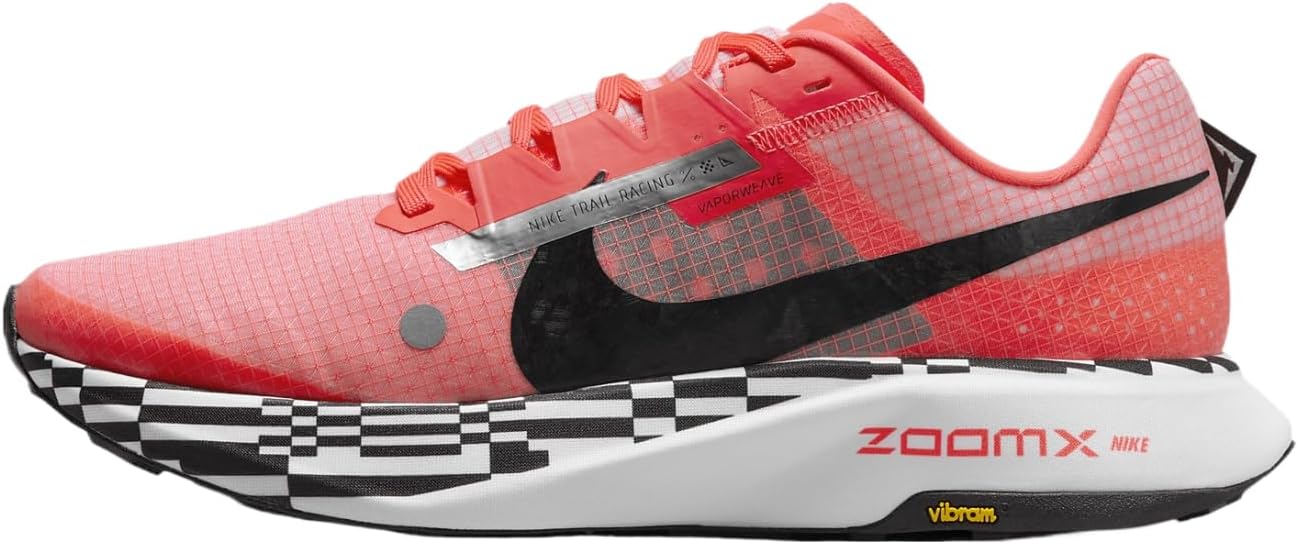
Nike Ultrafly
Nike's most versatile trail shoe, suited to almost any terrain. ZoomX foam (the same as the road Vaporfly) for exceptional energy return and a Vibram Megagrip outsole providing the traction missing in earlier models. Good cushioning for medium and long distances. Weight: 305 g. Drop: 8 mm.
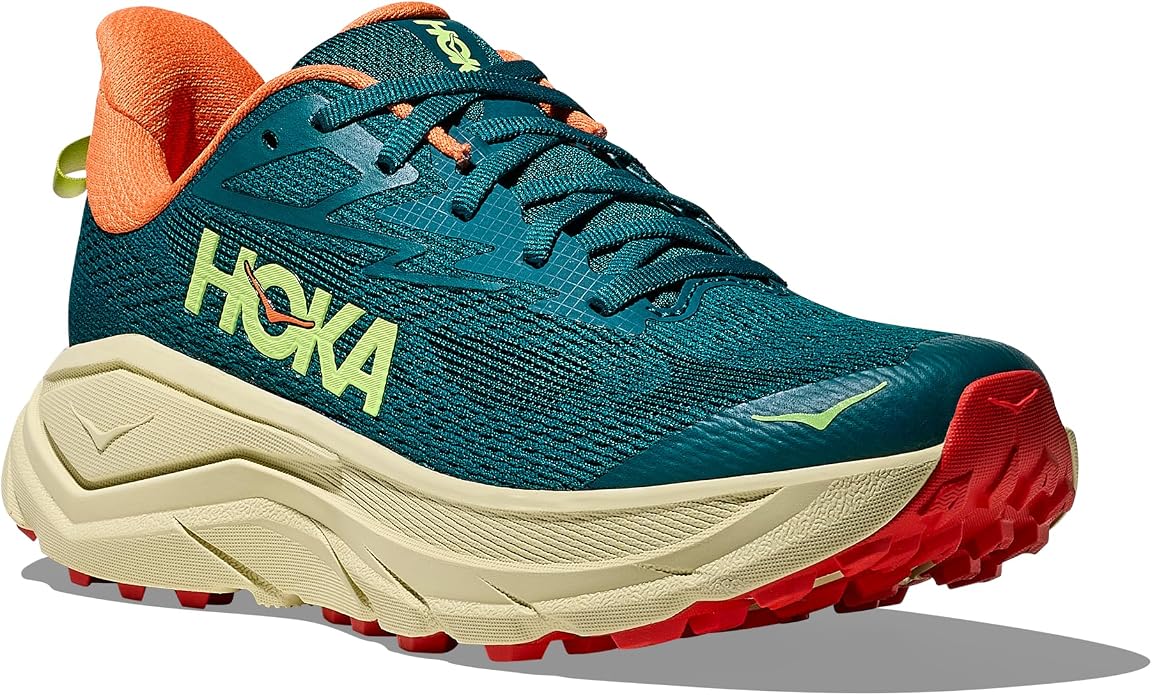
Hoka
Hoka Challenger 8
Road-to-trail with Hoka's signature max cushioning and 4 mm lugs: comfortable from the first kilometre and perfect for beginners or long runs on easy, mixed terrain.
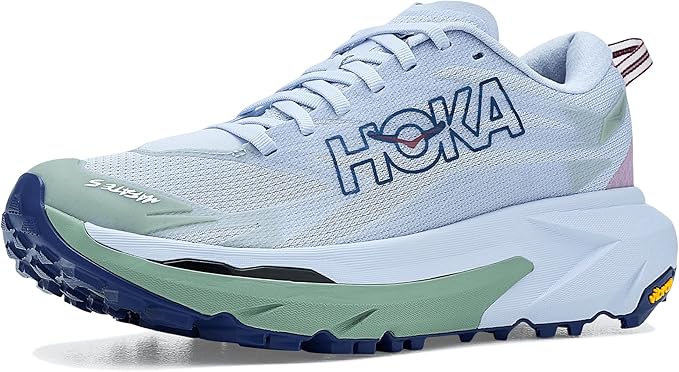
Hoka
Hoka Mafate 5
Hoka's ultra-trail flagship: the maximum cushioning and protection possible in a trail running shoe. Integrated stability plate, Vibram Megagrip outsole with aggressive 5 mm lugs, and reinforced construction built for the final kilometres of a 100-miler, when your legs have nothing left to forgive.
When a race goes past the 4-5 hour mark, the conversation changes: it’s no longer about how much grip you have, but how much you can take. Over ultra distance, cushioning stops being comfort and becomes survival: every impact your shoe absorbs is an impact that doesn’t destroy your quads by hour 8. Max-cushion trail shoes — many now with a carbon plate inherited from road racing — are the specific tool for ultras, very long runs and runners who prioritise finishing intact over flying on the technical stuff. This guide analyses the 6 best of 2026 and tells you which kind of ultra each one is for. If you’re after a more general shoe, first check the trail shoe guide.
Comparison Table
| Shoe | Weight | Drop | Lugs | Plate | Best for | Buy |
|---|---|---|---|---|---|---|
| Hoka Tecton X3 | 290 g | 5 mm | 5 mm | Dual carbon | Ultra racing | Amazon → |
| Hoka Speedgoat 7 | ~296 g | 4 mm | 5 mm | No | Cushion-grip balance | Amazon → |
| Brooks Cascadia 18 | ~300 g | 8 mm | 3.5 mm | No | Stability / durability | Amazon → |
| Nike Ultrafly | 305 g | 8 mm | 4.5 mm | Carbon (Flyplate) | Energy return | Amazon → |
| Hoka Challenger 8 | ~265 g | 5 mm | 4 mm | No | Value cushion | Amazon → |
| Hoka Mafate 5 | ~320 g | 4 mm | 5 mm | Stability plate | Max protection 100-milers | Amazon → |
Weight in men’s UK 8-8.5 (varies with size). Amazon links go to the live, up-to-date price.
How to Choose Ultra Trail Shoes: the 5 Decisive Criteria
Over long distances the criteria change versus a short-race shoe. Here’s what actually matters when you’ll be on your feet for hours.
1. Cushioning (stack) and the type of foam
The longer the distance, the more stack (midsole thickness) protects your legs. But not all foam is equal: PEBA (Hoka Tecton) and ZoomX (Nike) are ultralight and return energy; traditional EVA (Cascadia) is firmer and more durable but less reactive. For a 100 km ultra, a foam that keeps its cushioning mile after mile is worth gold: cheap ones “pack out” and by hour 6 you’re running on a plank.
2. Carbon plate: yes or no?
The carbon plate came from road to trail to add propulsion and efficiency: on rolling terrain, a dual plate (Tecton X3) or a Flyplate (Ultrafly) save energy with every stride. But beware: a stiff plate penalises on technical, slow terrain, where you need the foot to adapt to the ground. Rule of thumb: plate for rolling, fast ultras; no plate for technical mountain ultras where stability and feel rule.
3. Stability on tired legs
By hour 8, your ankle doesn’t respond like at km 5. A very tall, soft shoe can become unstable just when your coordination is worst. That’s why models like the Cascadia add pivot systems and wide bases: they trade some reactivity for not rolling your ankle when you’re cooked. In mountain ultras, stability outweighs propulsion.
4. Fit and room for the swollen foot
In an ultra the foot swells: half a size to a full size in the final hours. A snug fit that’s perfect at km 10 becomes a black-toenail-and-blister press by km 80. For long distance, go half a size up and prioritise models with good toe-box width. It’s the mistake that ruins the most finishes.
5. Durability and enough grip
An ultra shoe racks up a lot of kilometres: durability matters (Cascadia is the benchmark for longevity). And although these shoes prioritise cushioning over lugs, you need enough grip not to slip when tired: the ones with Vibram Megagrip (Tecton, Ultrafly) give peace of mind in dry and wet. For deep mud, none of these is the tool: there you need a different shoe.
Individual Analysis of the 6 Shoes
1. Hoka Tecton X3 — Best Ultra Racer
The Hoka Tecton X3 is Hoka’s ultra racing shoe, and it goes all in: dual parallel carbon fibre plates for maximum efficiency and ultralight PEBA foam that keeps its cushioning mile after mile. Vibram Megagrip outsole with 5 mm lugs gives reliable grip on mixed terrain. It’s the one you see on the feet of elites in fast, rolling ultras.
Key specs: 290 g, 5 mm drop, dual carbon plate, PEBA foam, Vibram Megagrip outsole with 5 mm lugs.
Pros: dual carbon plate with exceptional energy efficiency over long distances, PEBA foam that cushions hard at very low weight, reliable Vibram Megagrip in dry and wet, designed specifically for ultras and racing.
Cons: high price (around €180), 5 mm lugs insufficient for deep mud, stiff plate not ideal for very technical, slow terrain.
Best for: the runner who races rolling, fast ultras (Val d’Aran by UTMB, Transgrancanaria on tracks, the rolling sections of Canfranc-Canfranc) and wants to squeeze every watt. If your goal is the clock over long distance, this is the tool.
View Hoka Tecton X3 on Amazon →2. Hoka Speedgoat 7 — Best Cushion-Grip Balance
The Hoka Speedgoat 7 is the best-selling trail shoe in the US and an absolute ultra-trail classic for a simple reason: it does almost everything well. Max Hoka cushioning without needing a plate, but with a 5 mm Vibram Megagrip outsole that gives it grip in mud and rock the Challenger 8 or Ultrafly don’t have. It’s the sweet spot between “maximum comfort” and “I can hit technical terrain without slipping.”
Key specs: ~296 g, 4 mm drop, Vibram Megagrip outsole with 5 mm lugs, snug Matryx upper, no plate.
Pros: max Hoka cushioning that protects over long distances, Vibram Megagrip outsole with 5 mm lugs that actually grips in mud and rock (unlike the Challenger or Ultrafly), lightweight snug Matryx fit, the most battle-tested model in ultra trail running worldwide.
Cons: no carbon plate, so it gives up efficiency versus the Tecton X3 on fast rolling sections; toe box a bit narrow for very wide feet.
Best for: the ultra runner who wants one shoe that can handle both rolling tracks and technical mud or rock sections, without choosing between comfort and grip. If your ultra mixes varied terrain (Transgrancanaria, Ultra Sierra Nevada), the Speedgoat is the safest bet in the lineup.
View Hoka Speedgoat 7 on Amazon →3. Brooks Cascadia 18 — Best Stability & Durability
The Brooks Cascadia 18 is an all-terrain classic that has been a byword for reliability for generations. Its pivot system adapts the foot to the ground and the stable base keeps it secure precisely when your coordination is worst, in the final hours of an ultra. It’s not the most reactive or the softest, but it’s the one that won’t let you down: it takes the kilometres, protects in scree and keeps your ankle where it should be.
Key specs: ~300 g, 8 mm drop, ~3.5 mm lugs, robust build with pivot system, balanced EVA cushioning.
Pros: excellent stability and protection on uneven terrain, robust and very durable build, versatile for medium and long distances, secure on tired legs.
Cons: slightly heavy versus more dynamic models, firm ride and less cushioned than PEBA or ZoomX rivals, no plate (it’s not chasing propulsion).
Best for: the technical mountain ultra runner who prioritises finishing intact and trouble-free over the clock (Ultra Pirineu, Ultra Sierra Nevada, Penyagolosa). If you want a shoe that lasts a thousand kilometres and gives you security when you’re cooked, the Cascadia is the safe bet.
View Brooks Cascadia 18 on Amazon →4. Nike Ultrafly — Best Energy Return
The Nike Ultrafly brings the ZoomX foam of the road Vaporfly to trail, with a carbon Flyplate that delivers an energy return that surprises over long distance. What used to be Nike’s Achilles heel on trail — grip — is solved with a Vibram Megagrip outsole. The result is a very versatile, cushioned shoe with a “bounce” you appreciate when your legs start to feel heavy.
Key specs: 305 g, 8 mm drop, ZoomX foam, carbon Flyplate, Vibram Megagrip outsole with ~4.5 mm lugs.
Pros: ZoomX foam with exceptional energy return inherited from the Vaporfly, Vibram Megagrip with solid grip on all terrain, very versatile for mixed terrain and long distance, good cushioning for medium and long distances.
Cons: high price (around €190), high drop (8 mm) versus more technical trail shoes, less grip in deep mud than aggressive-lug models.
Best for: the runner who wants the carbon bounce sensation in mixed-rolling ultras without giving up versatility. If you come from road and want that energy return you know, the Ultrafly is the perfect bridge to long trail.
View Nike Ultrafly on Amazon →5. Hoka Challenger 8 — Best Value Cushion
The Hoka Challenger 8 is the most accessible way to get Hoka’s signature cushioning for your long runs. No plate or racing foams, but a generous cushion that’s very comfortable from the first kilometre, it’s the shoe for easy kilometres: base training, popular ultras on easy, rolling terrain where you’re not chasing the clock but finishing while enjoying it. And at a price well below the carbon shoes.
Key specs: ~265 g, 5 mm drop, 4 mm lugs, Hoka max cushioning, comfortable slightly wide fit.
Pros: generous, very comfortable cushioning, versatile between asphalt and easy trails, excellent for long runs and popular ultras, great cushion-for-money.
Cons: low lugs insufficient in mud and technical rock, limited stability on very uneven terrain, no plate or reactive foam (not chasing racing performance).
Best for: the runner racking up base kilometres who wants plenty of cushioning without paying the carbon premium, and for popular rolling-terrain ultras. The sensible buy if your priority is comfort over long distance.
View Hoka Challenger 8 on Amazon →6. Hoka Mafate 5 — Max Protection for 100-Milers
The Hoka Mafate 5 is Hoka’s ultra-trail flagship: the maximum cushioning and protection possible in a trail running shoe. It packs a stability plate that cuts fatigue when your legs stop responding, plus a Vibram Megagrip outsole with aggressive 5 mm lugs on a heavily reinforced build. It’s the shoe built for the final kilometres of a 100-miler, when none of the other shoes on this list offer enough cushion left.
Key specs: ~320 g, 4 mm drop, stability plate, Vibram Megagrip outsole with 5 mm lugs, heavily reinforced build.
Pros: maximum cushioning and protection in the entire Hoka lineup, stability plate that cuts fatigue in the final hours of an ultra, Vibram Megagrip outsole with 5 mm lugs for reliable grip, reinforced build made for 100-milers and extreme distances.
Cons: the highest price in this comparison (around €230), heavier than the Speedgoat or Challenger, overkill for short runs or speed training.
Best for: the 100-mile and extreme ultra runner who needs the maximum level of protection possible once every other shoe on this list has already fallen short. If your target is an ultra of 24+ hours, the Mafate 5 is the last line of defence for your legs.
View Hoka Mafate 5 on Amazon →Head-to-Head: Hoka Tecton X3 vs Nike Ultrafly
The two carbon-plate shoes in the lineup go head to head like this:
Tecton X3 wins on weight and efficiency. At 290 g with dual parallel plates, it’s lighter and more efficient on fast rolling terrain. The Ultrafly weighs 305 g and uses a single Flyplate.
Ultrafly wins on bounce feel. ZoomX foam gives a more playful “pop” inherited from the Vaporfly; Hoka’s PEBA is somewhat more contained and stable.
Tecton wins on low drop. Its 5 mm drop is more natural for trail; the Ultrafly’s 8 mm betrays its road origin.
Ultrafly wins on versatility. It’s more all-terrain and more forgiving on varied ground; the Tecton is sharper towards pure racing.
Verdict: if you race and want maximum efficiency on rolling terrain, Tecton X3. If you want a versatile carbon plate with the ZoomX feel for mixed ultras, Nike Ultrafly.
5 Common Mistakes When Buying Ultra Shoes
-
Buying a carbon plate for technical mountain. The stiff plate penalises where the terrain demands the foot adapt. For technical ultras (Ultra Pirineu, Penyagolosa), prioritise stability (Cascadia) over propulsion.
-
Picking your everyday size. In an ultra the foot swells half a size to a full size. Go up half a size or you’ll pay with black toenails and blisters in the final hours.
-
Trusting “showroom” cushioning. Cheap foams pack out over the kilometres: by hour 6 you’re running on a plank. For ultra, invest in PEBA/ZoomX or a durable, firm base like the Cascadia.
-
Ignoring stability on tired legs. A super-tall, soft shoe is great at km 5 and an ankle-roll risk at km 80. The longer the race and the more technical the terrain, the more stability you need.
-
Debuting the shoe on race day. Never, ever debut in an ultra. A new plate or last with no break-in is a guaranteed blister. Put at least 100 km of training in before the key day.
Frequently Asked Questions
Is a carbon plate worth it on trail?
On rolling, fast ultras, yes: it saves energy and improves efficiency on runnable terrain. On very technical, slow mountain, it’s not worth it: the stiff plate cuts adaptability and feel. Decide based on your target race’s profile, not the trend.
How much cushioning do I need for an ultra?
The longer the distance and the more rolling impact, the more stack you’ll appreciate. For 80-170 km ultras, a max-cushion shoe protects the quads in the final hours. In very technical, slow ultras, stability and feel matter more than pure cushion.
Which foam lasts longer, PEBA/ZoomX or EVA?
Traditional EVA (Cascadia) is more durable and keeps its performance over more kilometres, though it cushions less. PEBA and ZoomX cushion and return more energy but degrade sooner. If you do huge base mileage, a firm EVA lasts longer; for racing, premium foams perform better.
Can I use ultra shoes for daily training?
The Cascadia and Challenger, yes: they’re robust and comfortable for volume. The carbon shoes (Tecton, Ultrafly) are better saved for long runs and racing: they’re expensive and their foam wears sooner. The ideal is to rotate: a robust trainer and a fast one for the key day.
Do these shoes work in mud?
Not their terrain. They prioritise cushioning and propulsion over aggressive lugs. For deep mud you need a different tool with 5 mm lugs that bite, like a Salomon Speedcross (see the general shoe guide).
Final Verdict: Our Pick of the 6 Shoes
- If you race ultras and want efficiency: Hoka Tecton X3
- If you want one shoe for varied terrain: Hoka Speedgoat 7
- If you prioritise stability and durability: Brooks Cascadia 18
- If you want the carbon bounce sensation: Nike Ultrafly
- If you want cushioning at the best price: Hoka Challenger 8
- If you run 100-milers and need max protection: Hoka Mafate 5
Over ultra distance, the right shoe isn’t the fastest or the most cushioned in the abstract: it’s the one that fits your race profile (rolling vs technical), your goal (clock vs finishing) and your swollen foot at hour 8. Define that first and the choice becomes clear. Any of these six is an honest buy within its segment.
Other guides you might find useful
Races where you'll need this gear

Ultra Pirineu
100K, 54K, and 30K along the Cadí Range in the Catalan Pyrenees
Read more →
Transgrancanaria
128K, 83K, 44K, and 30K crossing Gran Canaria from north to south
Read more →
HOKA Val d'Aran by UTMB
163K, 110K, 75K, 55K, 32K and more through the Pyrenees of Val d'Aran — European Major UTMB World Series
Read more →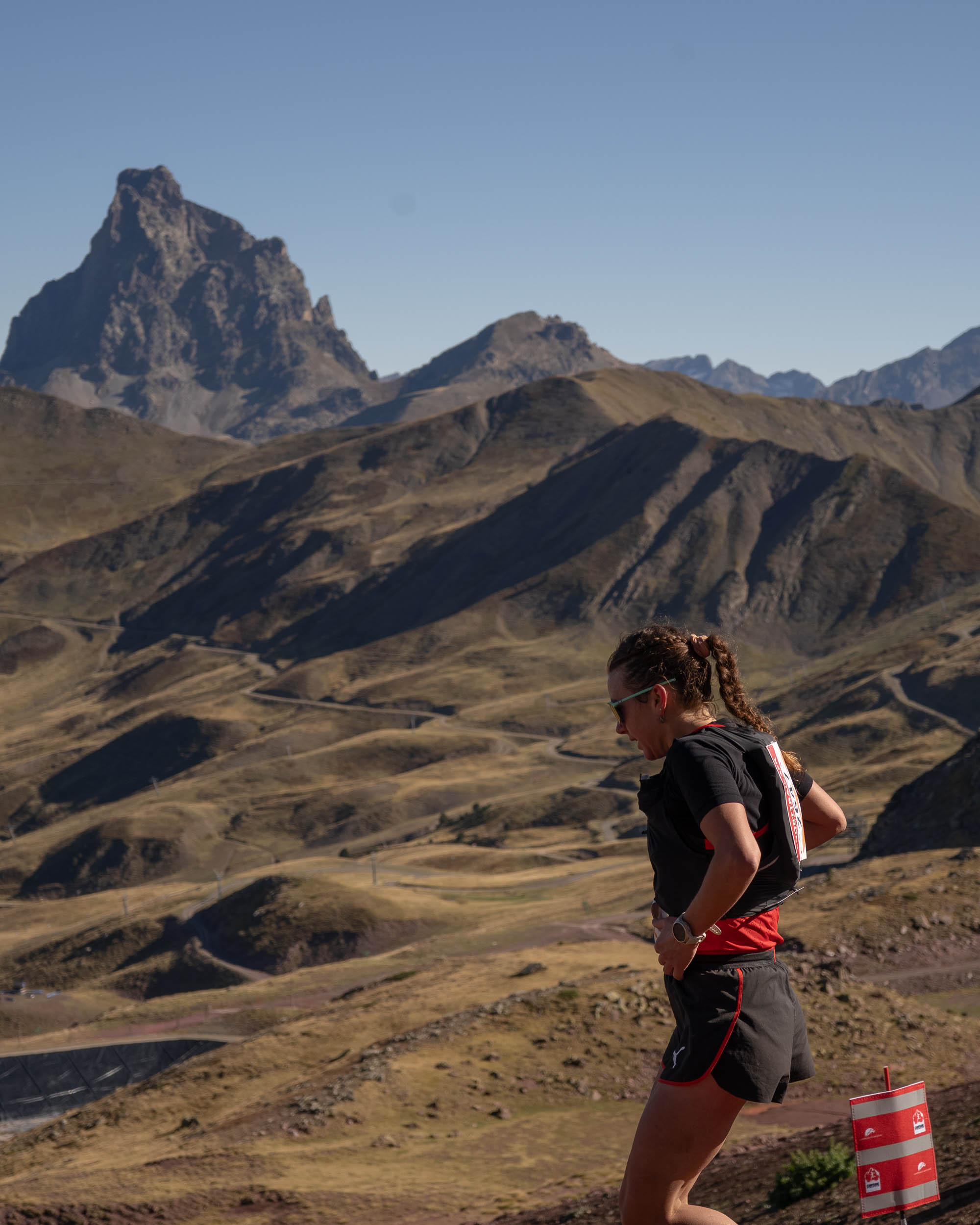
Canfranc-Canfranc
From 6K to 100K through the central Pyrenees from the iconic Canfranc International Station
Read more →
Ultra Sierra Nevada
100K, 42K and 21K across the rooftop of the Iberian Peninsula
Read more →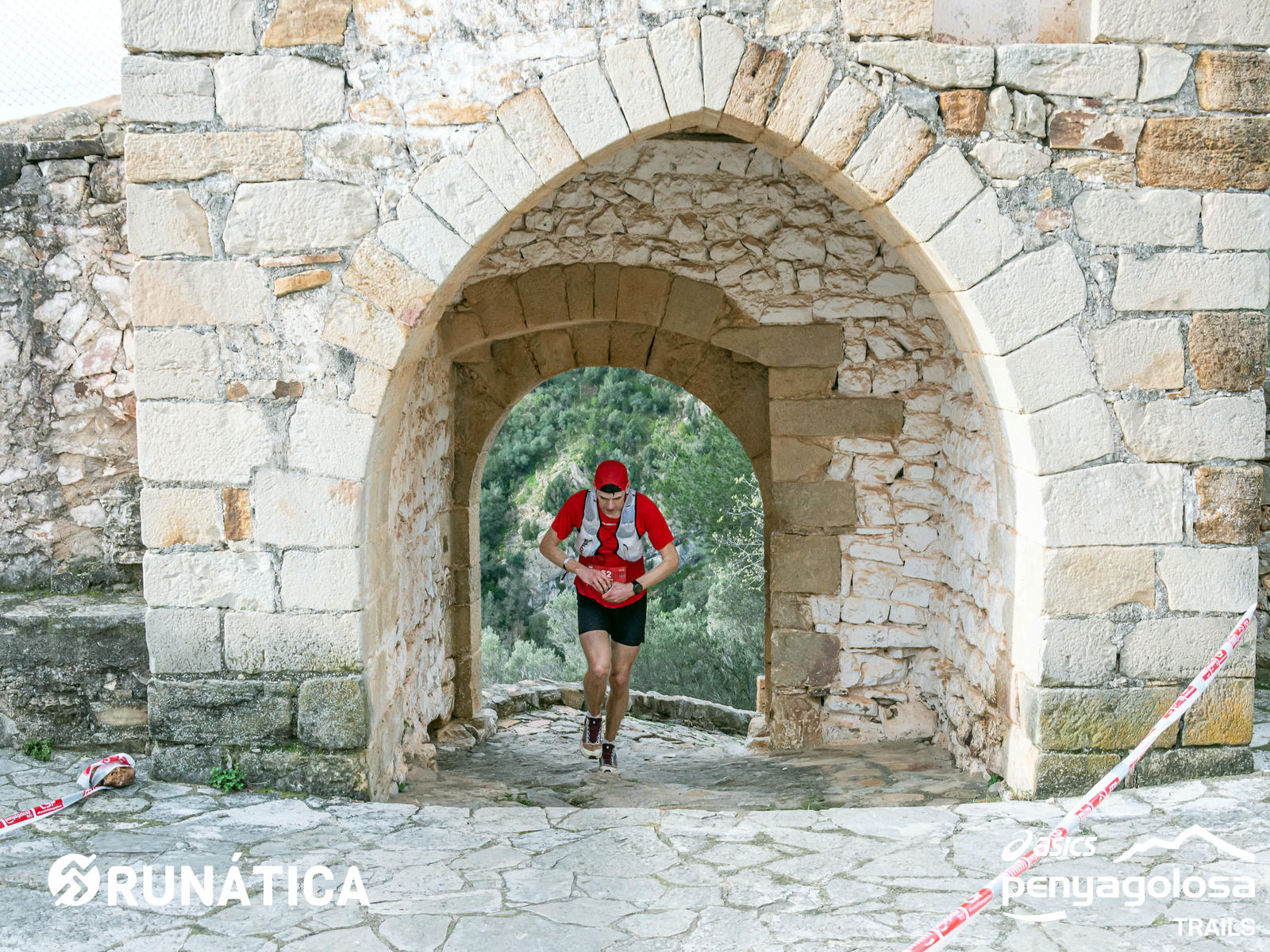
Penyagolosa Trails
106K and 60K from Castellón to the Penyagolosa summit via the GR-33
Read more →