Best Barefoot & Minimalist Trail Running Shoes 2026
 (se abre en una pestaña nueva)
 (se abre en una pestaña nueva)
 (se abre en una pestaña nueva)
 (se abre en una pestaña nueva)
How we choose
We compare every model on verified technical specs (weight, materials, price), user reviews and our own experience running and testing gear in races from 21K to 100K+. We update this guide when prices change or new models launch. Some links are affiliate links: if you buy through them, TrailRunTemple earns a commission at no extra cost to you and with no influence on the selection.
Our picks by use case
- #1Best Overall Barefoot: Vivobarefoot Vivobarefoot Primus Trail III All Weather FGView on Amazon →(se abre en una pestaña nueva)
- #2Best for Transition (Cushioned Zero-Drop): Altra Altra Lone Peak 9View on Amazon →(se abre en una pestaña nueva)
- #3Best Pure Barefoot: Freet Freet Feldom 3View on Amazon →(se abre en una pestaña nueva)
- #4Most Minimal: Vibram Vibram FiveFingers V-Trail 2.0View on Amazon →(se abre en una pestaña nueva)
- #5Best Budget: Saguaro Saguaro Zapatillas BarefootView on Amazon →(se abre en una pestaña nueva)
All products in this guide
Vivobarefoot
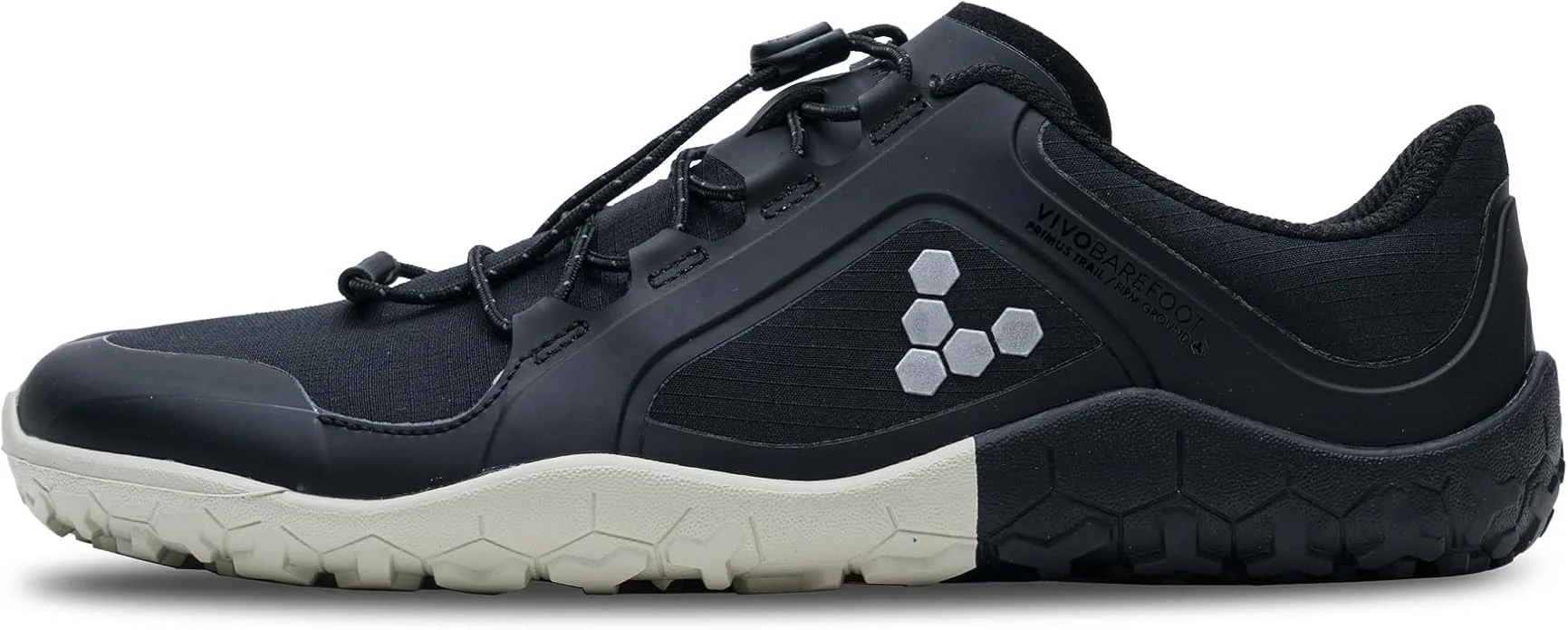
Vivobarefoot Primus Trail III All Weather FG
Benchmark barefoot trail running shoe. Zero drop, ultra-thin 4 mm sole and anatomical last that allows full toe splay. All Weather version with rain-resistant upper and FG (Firm Ground) sole with pronounced lugs for dirt and grass. One of the most complete 100% barefoot options available on Amazon.
Altra
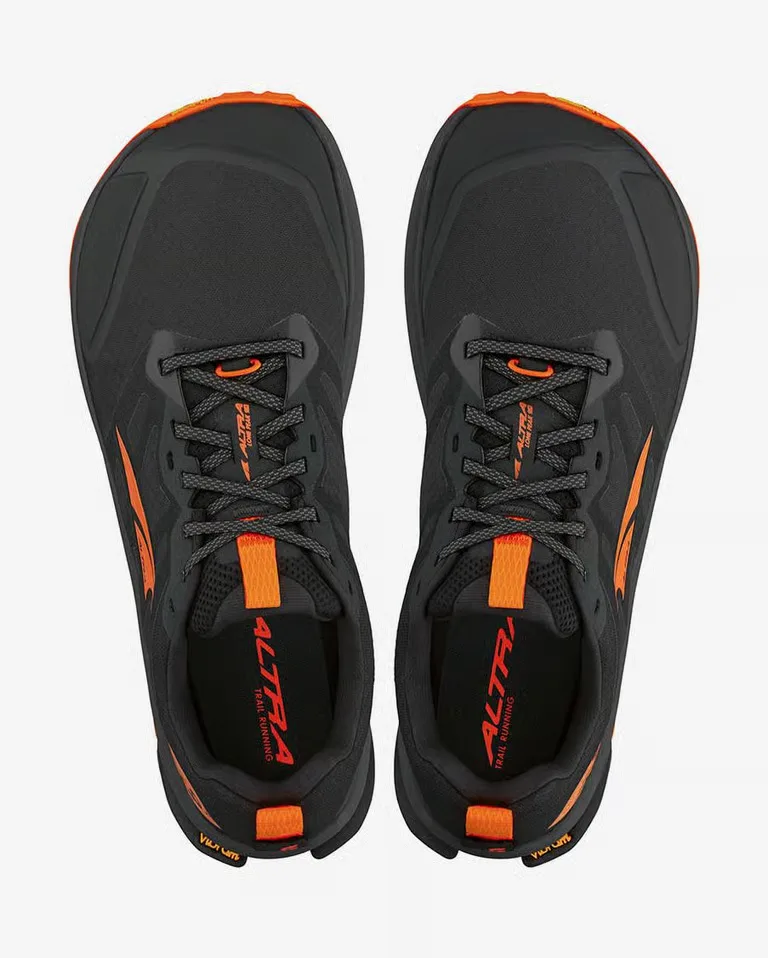
Altra Lone Peak 9
Trail running shoe with zero drop and wide FootShape toe box that allows natural toe splay. 25 mm stack with EGO foam for balanced cushioning without losing ground contact. MaxTrac outsole with 3.5 mm lugs, ideal for non-technical trails, forest tracks and long-distance paths.
Freet
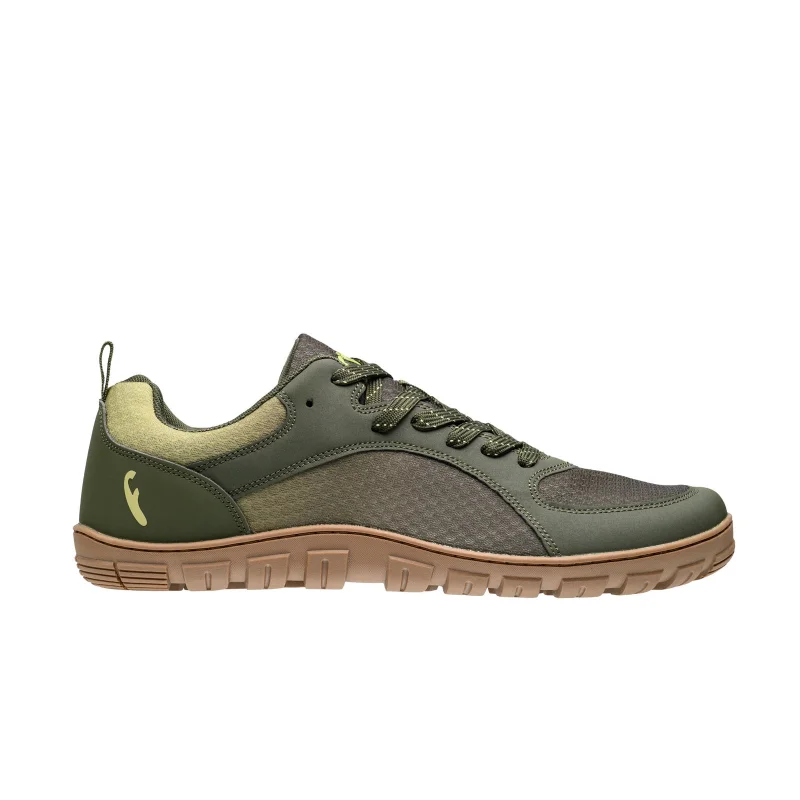
Freet Feldom 3
100% barefoot trail shoe with zero drop, minimal stack (6 mm sole) and anatomical last that respects the natural width of the foot. No midsole cushioning: maximum proprioception and ground feedback. Multi-directional lugs for dirt trails and paths. Designed for runners already adapted to minimalist footwear or those transitioning gradually from cushioned natural footwear.
Vibram
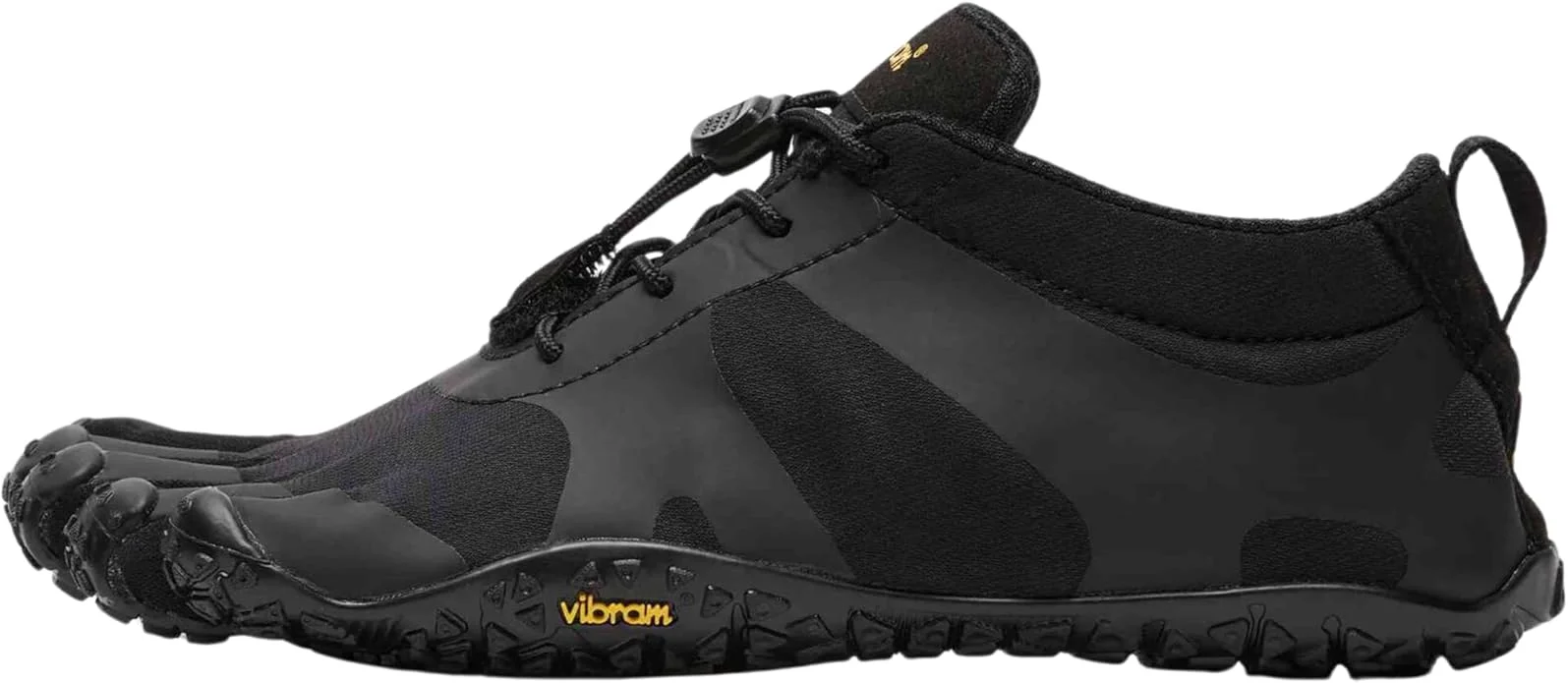
Vibram FiveFingers V-Trail 2.0
The iconic barefoot shoe with individual pockets for each toe. Zero drop, ultra-thin Megagrip outsole with 3 mm lugs for trail traction and minimal weight (~180 g). Each toe works independently for maximum proprioception and toe grip. The most extreme and recognisable option within 100% barefoot footwear, available on Amazon Spain.
Saguaro
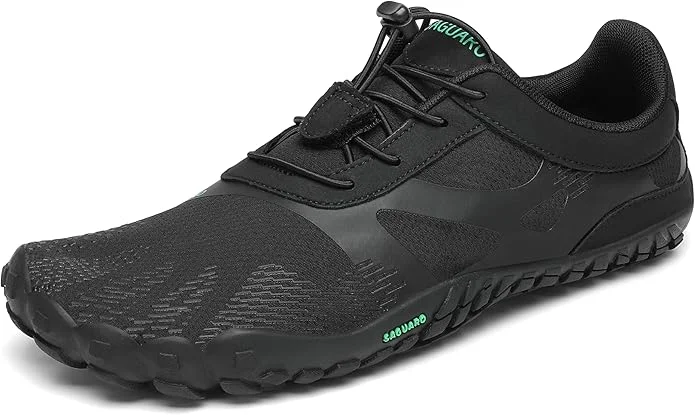
Saguaro Zapatillas Barefoot
Entry-level barefoot shoe with zero drop, ultra-thin sole and wide toe box. Designed as an affordable first step towards minimalist footwear: ideal for home use, walking and short easy runs before investing in a premium barefoot shoe. Bestseller on Amazon Spain within natural footwear thanks to its excellent value for money.
Barefoot trail shoes (or minimalist shoes) are a world apart within mountain footwear, with their own rules and, above all, their own adaptation curve. The promise is real: zero drop, a wide toe box that lets your toes splay like a natural spring, and a ground proprioception that cushioned shoes simply can’t give. But getting there without injuring your soleus or metatarsals takes patience and picking the right model for your level of adaptation. This guide analyses the 5 best barefoot and minimalist trail shoes in 2026 and, most importantly, tells you which one to start with depending on where you’re coming from. If you’re still not sure whether barefoot is for you, first check the general trail shoe guide.
Comparison Table
| Shoe | Drop | Stack (sole) | Weight | Profile | Buy |
|---|---|---|---|---|---|
| Vivobarefoot Primus Trail III | 0 mm | 4 mm | ~250 g | Full barefoot | Amazon → |
| Altra Lone Peak 9 | 0 mm | 25 mm | 315 g | Cushioned zero-drop | Amazon → |
| Freet Feldom 3 | 0 mm | 6 mm | ~220 g | Pure barefoot, wide last | Freet → |
| Vibram FiveFingers V-Trail 2.0 | 0 mm | ~3 mm | ~180 g | Extreme five-finger | Amazon → |
| Saguaro Barefoot | 0 mm | ~5 mm | ~230 g | Budget entry | Amazon → |
Weight in men’s UK 8-8.5 (varies with size). Links go to the live, up-to-date price.
Barefoot vs Zero-Drop: Not the Same Thing (and the Difference Matters)
Before buying anything, be clear on this distinction because almost everyone confuses it:
- Zero-drop only means the heel and toe are at the same height (0 mm differential). A shoe can be zero-drop and have 25 mm of cushioning underneath, like the Altra Lone Peak 9.
- Barefoot / minimalist goes much further: zero drop + minimal stack (3-6 mm sole) + an ultra-flexible sole + a wide anatomical last. Here you feel the ground almost as if barefoot (Vivobarefoot, Freet, Vibram).
Why does it matter? Because the transition is radically different. Going from a normal shoe to an Altra (zero-drop but cushioned) is a gentle change. Going straight to a Vibram FiveFingers is asking your calves, soleus and foot for work they’re not ready for: that’s where injuries happen. The golden rule: the less stack, the slower you must go.
How to Choose (and Start with) Barefoot Trail Shoes
1. Where you’re coming from: your adaptation level
If you run in 8-10 mm drop cushioned shoes, don’t start with a Vibram. Begin with a cushioned zero-drop (Altra Lone Peak) for weeks, then drop down to a barefoot shoe with some stack (Saguaro, Freet), and save the Vibram or Vivobarefoot for when your foot is strong. Skipping rungs is the number-one cause of plantar fasciitis and soleus overload.
2. Stack (sole thickness) and protection
Less stack = more proprioception but more exposure to sharp stones. For technical trail or scree, 4-6 mm (Vivobarefoot, Freet) offers some protection; the Vibram’s 3 mm lets you feel every edge. For dirt, grass and smooth tracks any of them works; for aggressive rock, no barefoot shoe is ideal.
3. Fit and toe space
The heart of the barefoot concept is the wide anatomical last: the toes must be able to splay with every stride, which improves stability and push-off. All shoes in this guide respect it, but Vivobarefoot and Freet are especially wide. If you’re coming from narrow shoes, this freedom is the first thing you’ll notice.
4. Lugs and terrain
Barefoot shines on dirt, grass and non-technical paths. For soft terrain, look for pronounced lugs (Vivobarefoot FG, Freet). For dry rock, the flexible sole grips through adhesion and sensitivity more than through lugs. None of these shoes is for serious deep mud: for that you need a different tool (see the general shoe guide).
5. Progression: kilometres, not weeks
Adaptation is measured in months, not in one trial season. Start with short runs (2-3 km) alternating with your usual footwear, and build volume very gradually. If your soleus or metatarsal hurts, you’ve gone too fast: back off. Barefoot done right strengthens the foot; done wrong, it injures you.
Individual Analysis of the 5 Shoes
1. Vivobarefoot Primus Trail III — Best Overall Barefoot
The Vivobarefoot Primus Trail III All Weather FG is the benchmark for complete barefoot trail. An ultra-thin 4 mm sole delivers very high proprioception without leaving you defenceless against every stone, a very wide last allows full toe splay and, in this All Weather version, a rain- and light-mud-resistant upper with aggressive FG (Firm Ground) lugs for soft terrain. It’s the brand with the longest pedigree in minimalist footwear and it shows in the finish.
Key specs: 0 mm drop, 4 mm stack, ~250 g, FG sole with pronounced lugs, all-weather upper.
Pros: very high proprioception without losing stone protection, very wide last for full toe freedom, rain- and light-mud-resistant version, aggressive lugs for soft terrain, brand pedigree.
Cons: high price within the segment, requires prior transition (not suitable if coming from 8-10 mm drop), thin sole exposes more to sharp stone.
Best for: the runner already adapted to minimalism who wants the most complete barefoot trail shoe for dirt, grass and changing weather. If barefoot is already your world, this is the benchmark buy.
View Vivobarefoot Primus Trail III on Amazon →2. Altra Lone Peak 9 — Best for Transition
The Altra Lone Peak 9 is the perfect gateway into the zero-drop world without giving up cushioning. It’s zero-drop (0 mm differential, natural foot posture) but carries 25 mm of EGO foam underneath: it protects like a normal shoe while re-educating your stride towards neutrality. Its wide FootShape toe box lets the toes splay freely. It’s the shoe thousands of runners use to start the transition without getting injured.
Key specs: 0 mm drop, 25 mm stack, 315 g (men’s), MaxTrac outsole with 3.5 mm lugs, seamless breathable mesh upper.
Pros: zero-drop with enough cushioning (safe transition), wide FootShape last for free toe splay, 25 mm of protection without isolating you from the terrain, comfortable seamless upper, reasonable weight for the protection.
Cons: 3.5 mm lugs insufficient for deep mud or wet rock, not suitable for very technical terrain or skyrunning, still requires adaptation if coming from high drop.
Best for: anyone wanting to switch to zero-drop without the shock of pure barefoot, and for rolling-terrain ultras where the wide last prevents black toenails and the foot appreciates the room. The best first zero-drop shoe out there.
View Altra Lone Peak 9 on Amazon →3. Freet Feldom 3 — Best Pure Barefoot
The Freet Feldom 3 is 100% barefoot: zero drop, a minimal 6 mm stack and an ultra-flexible sole that folds like a sock. Its very wide anatomical last lets the toes work like a natural spring and its minimal weight (~220 g) gives that almost-barefoot sensation, but with a touch more protection than a Vibram. It’s the ideal pick for anyone wanting pure barefoot with a slightly friendlier transition than the five-finger.
Key specs: 0 mm drop, 6 mm stack, ~220 g, multi-directional sole for dirt/grass/tracks, very wide anatomical last.
Pros: 100% barefoot with ultra-flexible sole, very wide last for maximum toe splay, very lightweight, excellent ground feedback, lugs valid for dirt, grass and tracks.
Cons: no cushioning (requires adapted calves and soleus), overloads the soleus if you build kilometres too soon, risk of metatarsal blistering if you don’t modulate your strike, not suitable for technical rock.
Best for: the runner in advanced transition or already minimalist who wants pure barefoot with a wide last for paths and non-technical trails. Note: bought on Freet’s official site (ships to Spain).
View Freet Feldom 3 on Freet →4. Vibram FiveFingers V-Trail 2.0 — Most Minimal
The Vibram FiveFingers V-Trail 2.0 is the most extreme and recognisable barefoot option: individual pockets for each toe, an ultra-thin Megagrip outsole with 3 mm lugs and minimal weight (~180 g). Each toe works independently, engaging the intrinsic foot musculature like no other shoe. The sensation is the closest thing to running barefoot that exists while keeping some protection and real grip.
Key specs: 0 mm drop, ~3 mm stack, ~180 g, Vibram Megagrip outsole with 3 mm lugs, per-toe fit.
Pros: maximum possible proprioception (each toe independent), Megagrip outsole with the best grip in the barefoot segment, minimal weight, engages foot musculature like nothing else.
Cons: very steep learning curve (months of transition), complex sizing (you must measure each toe), injury risk if you push kilometres too soon, very distinctive look, not suitable for sharp rock.
Best for: the runner already well adapted to minimalism who wants the purest barefoot experience and to work the foot to the max. It’s not a starter shoe: it’s the destination, not the starting point.
View Vibram FiveFingers V-Trail 2.0 on Amazon →5. Saguaro Barefoot — Best Budget
The Saguaro is the cheapest way to find out whether barefoot is for you without dropping €150. Zero drop, an ultra-thin sole and a wide toe box: the core principles of natural footwear at a price (~€45) that has made it an Amazon Spain bestseller. It’s not the most durable or the most technical, but as a transition shoe — for use at home, walking and easy runs — it more than does the job and saves you buying a premium model blind.
Key specs: 0 mm drop, ~5 mm stack, ~230 g, flexible sole, wide toe box.
Pros: unbeatable price to try barefoot, zero drop and wide toe box (the fundamentals), flexible and lightweight sole, bestseller with many verified reviews.
Cons: lower durability than Vivobarefoot or Freet, not designed for technical trail (better on smooth paths or as a transition shoe), variable sizing (check reviews).
Best for: the barefoot-curious who wants to check how their foot responds before investing in a premium pair. As an affordable first step, it’s perfect.
View Saguaro Barefoot on Amazon →The Recommended Transition Route
If you’re coming from conventional shoes, this is the safe path to avoid injury:
- Start with the Altra Lone Peak 9 (zero-drop with 25 mm of cushioning). Re-educates the stride without shock. Weeks/months.
- Drop down to a barefoot shoe with some stack (Saguaro to try cheaply, or Freet Feldom 3 if you’re already sure). Short runs alternated with your usual footwear.
- When the foot is strong, move up to the Vivobarefoot Primus Trail III for real trail with reasonable protection.
- The final destination, if you want it, is the Vibram FiveFingers. Only when calves, soleus and foot handle volume without complaint.
Skipping steps doesn’t speed anything up: it just brings the injury forward.
5 Common Mistakes When Switching to Barefoot
-
Starting with the most extreme shoe. Buying a Vibram FiveFingers coming from 10 mm drop is the classic recipe for plantar fasciitis. Go from more stack to less.
-
Building kilometres like with your usual shoes. The foot and soleus need months to adapt. Start with 2-3 km and increase 10% per week at most.
-
Confusing zero-drop with barefoot. An Altra is zero-drop but cushioned; a Vivobarefoot is real barefoot. The body experiences them very differently.
-
Using barefoot on terrain it’s not made for. Sharp rock and deep mud ruin the experience and expose the foot. Barefoot shines on dirt, grass and paths.
-
Ignoring pain signals. Discomfort in the soleus, metatarsal or fascia = you’ve gone too fast. Back off; it’s not “it’ll pass”.
Frequently Asked Questions
Is barefoot better for running?
It’s not universally “better”: it’s different. Well-adapted, it strengthens the foot, improves technique and reduces certain impact injuries. Poorly adapted or forced, it causes others (soleus, fascia, metatarsals). It depends on your foot, your technique and your patience during the transition.
How long does the barefoot transition take?
Months, not weeks. As a reference, 3 to 6 months to go from conventional footwear to pure barefoot with volume, progressing gradually. Those who do it in “a two-week trial” usually end up injured.
Can I run an ultra in barefoot shoes?
With cushioned zero-drop (Altra Lone Peak), yes — it’s actually popular in rolling ultras thanks to the wide last that prevents black toenails. With pure barefoot (Vibram, Freet), only if you’ve been adapted for years; for most people it’s too much exposure over very long distances.
Do barefoot shoes work on technical terrain and rock?
Only to a point. The thin sole lets you feel every edge and offers little protection against sharp stone. For skyrunning and rock, a technical shoe with protection is better; see the general trail shoe guide.
What size should I buy in barefoot?
They usually fit differently from your normal shoe: the last is wider and you need some space up front for toe splay without pinching. Measure your foot and check each brand’s size guide; with Vibram, you also need to measure your toe length.
Final Verdict: Our Pick
- Best overall barefoot trail shoe: Vivobarefoot Primus Trail III
- Best to start (safe transition): Altra Lone Peak 9
- Best pure barefoot, wide last: Freet Feldom 3
- Most minimal (for the already adapted): Vibram FiveFingers V-Trail 2.0
- To try without spending: Saguaro Barefoot
Barefoot isn’t a fad or a religion: it’s a tool that, used well, strengthens your foot and improves your technique. The key isn’t to buy the most extreme one, but the one that fits your level of adaptation today, and to progress without rushing. Start where you should and let the foot set the pace.