Best Trail Running Shoes for Beginners 2026: Your First Pair
Our picks by use case
Affiliate links: if you buy through them we earn a commission at no extra cost to you. It does not affect the ranking.
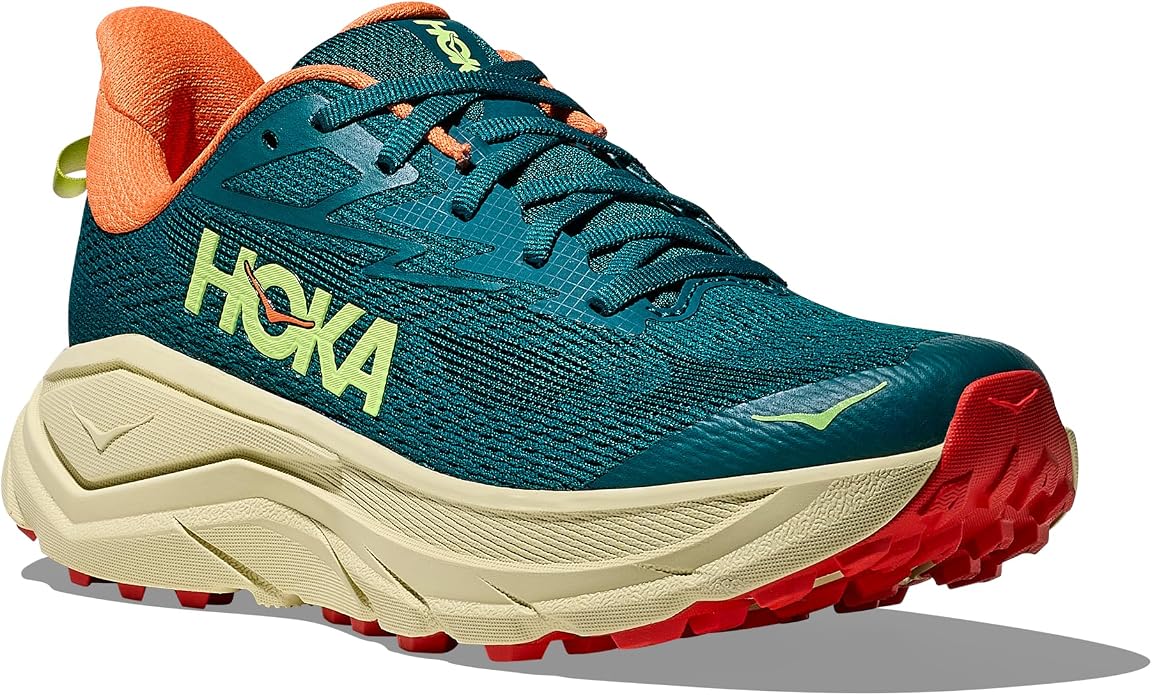 Our top pick#1 · Best Overall to Start WithHoka Hoka Challenger 8View on Amazon (opens in a new tab)
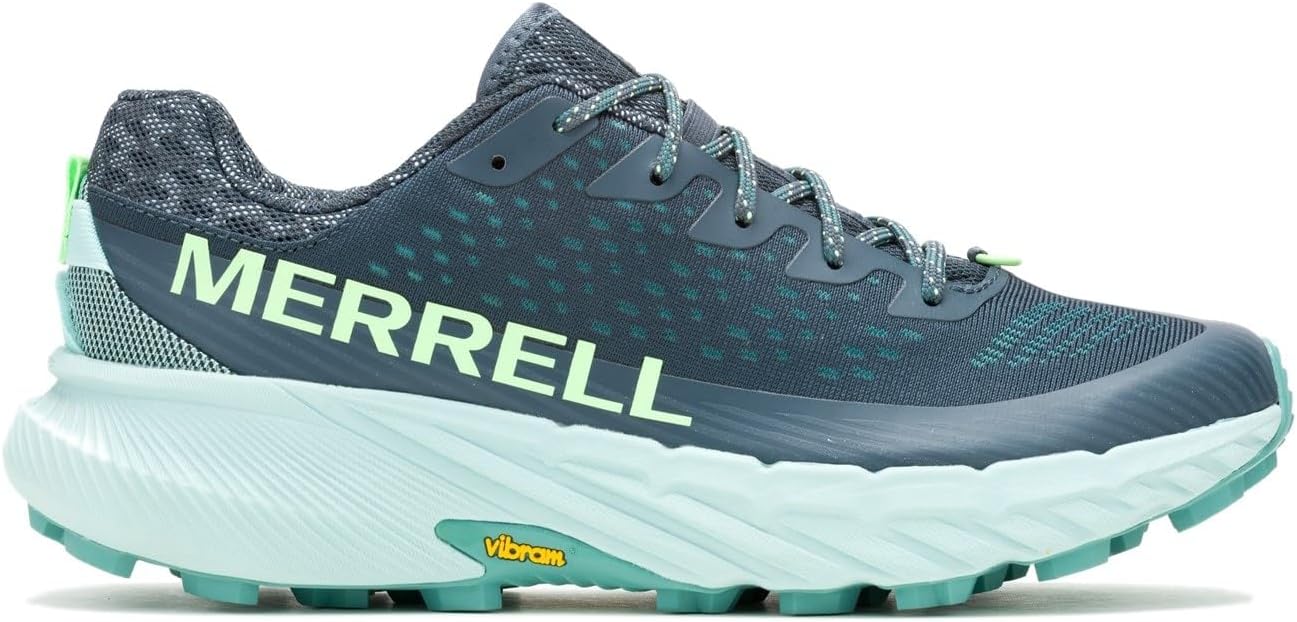 #2 · Best ValueMerrell Merrell Agility Peak 5View on Amazon (opens in a new tab)
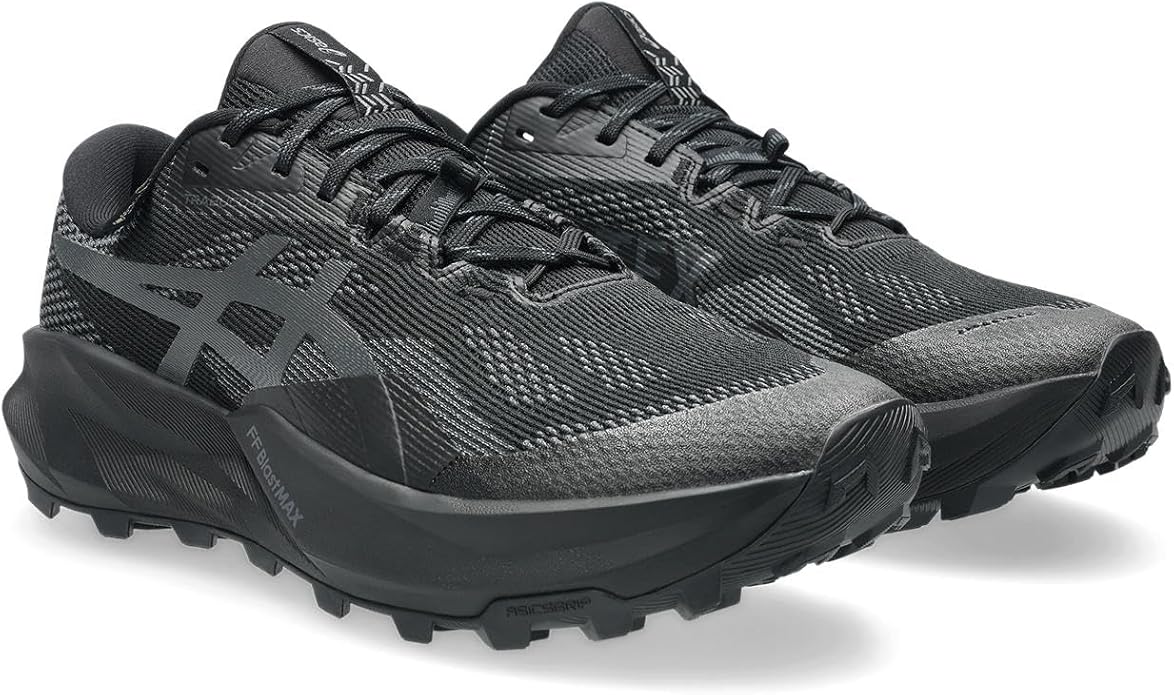 #3 · Best for Rainy TrainingAsics Asics Gel-Trabuco 14 GTXView on Amazon (opens in a new tab)
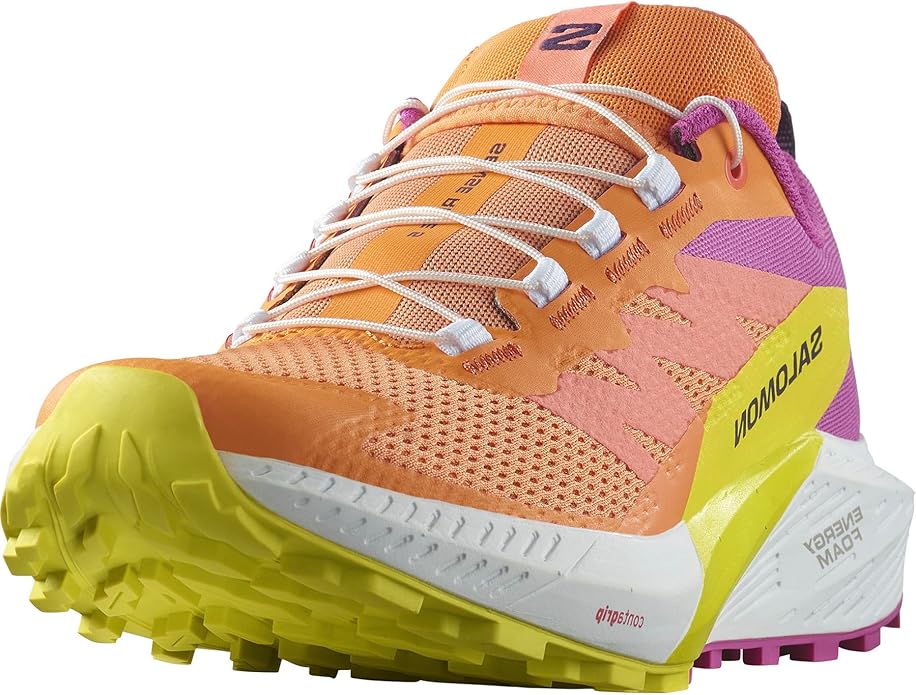 #4 · Best All-Rounder for Serious TrainingSalomon Salomon Sense Ride 5View on Amazon (opens in a new tab)
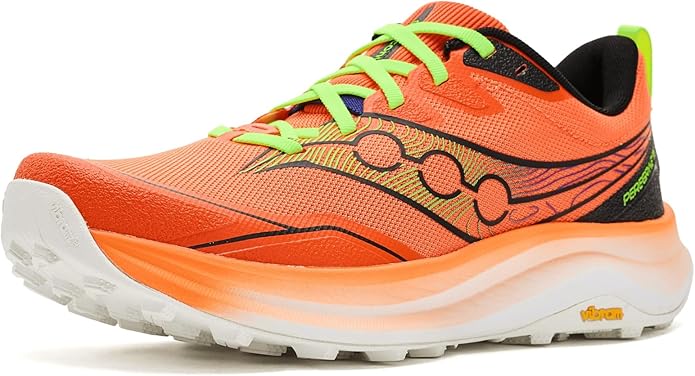 #5 · Best for Stepping Up to Technical TerrainSaucony Saucony Peregrine 16View on Amazon (opens in a new tab)
How we choose
We compare every model on verified technical specs (weight, materials, price), user reviews and our own experience running and testing gear in races from 21K to 100K+. We update this guide when prices change or new models launch. Some links are affiliate links: if you buy through them, TrailRunTemple earns a commission at no extra cost to you and with no influence on the selection.
All products in this guide
Hoka
Hoka Challenger 8
Road-to-trail with Hoka's signature max cushioning and 4 mm lugs: comfortable from the first kilometre and perfect for beginners or long runs on easy, mixed terrain.
Merrell
Merrell Agility Peak 5
The best value for getting started in trail running. An honest, functional shoe, comfortable from the first kilometre thanks to FloatPro foam, with a Vibram TC5+ outsole offering good all-round grip on mixed terrain. A versatile option without overspending. Weight: 295 g. Drop: 6 mm.
Asics
Asics Gel-Trabuco 14 GTX
A best-selling beginner trail shoe: GEL cushioning, good stability and a waterproof GORE-TEX membrane. Versatile and reliable for training on mixed terrain in any weather.
Salomon
Salomon Sense Ride 5
Salomon's do-it-all trail shoe: a balance of cushioning and grip for any terrain. All Terrain Contagrip outsole and Quicklace system, ideal for training and racing on mixed trail.
Saucony
Saucony Peregrine 16
The all-round trail shoe par excellence, with excellent reviews across every type of runner. PWRTRAC outsole with 5 mm lugs for grip on mixed and technical terrain, balanced PWRRUN cushioning, and rock-plate protection depending on the version. The perfect middle ground between responsiveness and protection.
Your first trail shoe does not have to be the most expensive; it has to be the one that lets you head out and come back without pain. To get started you need three things: comfort from the first kilometre, reasonable grip on mixed terrain and an outsole that will not wear out in a month. This guide compares the 5 best trail running shoes for beginners of 2026 using real weight, drop and lug data. If you have been at it a while and want the best on the market, head to the best trail running shoes guide.
Summary table: trail shoes to start with
| Shoe | Weight | Drop | Lugs | Best for | Buy |
|---|---|---|---|---|---|
| Hoka Challenger 8 | 275 g | 8 mm | 3,7 mm | First runs and easy tracks | Amazon →(opens in a new tab) |
| Merrell Agility Peak 5 | 300 g | 6 mm | 4,5 mm | Mixed training without overspending | Amazon →(opens in a new tab) |
| Asics Gel-Trabuco 14 GTX | 281 g | 8 mm | 3,7 mm | Any weather | Amazon →(opens in a new tab) |
| Salomon Sense Ride 5 | 291 g | 8,3 mm | 3,5 mm | Mixed trail and first races | Amazon →(opens in a new tab) |
| Saucony Peregrine 16 | 271 g | 4 mm | 3,5 mm | Mixed and technical paths | Amazon →(opens in a new tab) |
Amazon links lead to the live, up-to-date price.
How is a trail shoe different from a road shoe?
A trail shoe adds three things: lugs on the outsole to grip dirt, protection at the toe and sides against rocks and roots, and a more stable structure for uneven ground. To start, you do not need aggressive lugs: 3 to 4.5 mm will take you across tracks, paths and trails without trouble.
How to choose your first trail shoe
1. Comfortable cushioning
When you start, your body is not yet used to elevation change. Generous cushioning (33 to 42 mm stack) is more forgiving.
2. Moderate lugs
3.5 to 4.5 mm is the most versatile range to start: it grips dirt and does not wear out quickly if you run the odd stretch of asphalt.
3. Conventional drop
If you come from road shoes, 6 to 8 mm of drop feels familiar. Changing drop and terrain at the same time is a lot to take in at once.
4. Membrane or mesh
If you often run in the rain, the GORE-TEX version makes sense; otherwise mesh breathes better. More options in the waterproof shoes guide.
5. Budget
You do not need a race shoe. If you want to save, see the best value trail shoes guide.
Individual reviews
1. Hoka Challenger 8 — Best Overall to Start With
The Hoka Challenger 8 is the most comfortable option to start: 42/34 mm stack, 275 g and 3.7 mm lugs. It works equally on asphalt and tracks, so it does not force you to change your habits.
Pros: generous, very comfortable cushioning, versatile between asphalt and easy trails, excellent for beginners and long runs.
Cons: low lugs: insufficient in mud and technical rock; limited stability on very uneven terrain.
Best for: runners coming from road who want their first dirt kilometres with maximum comfort.
View Hoka Challenger 8 on Amazon →(opens in a new tab)2. Merrell Agility Peak 5 — Best Value
The Merrell Agility Peak 5 is an honest, functional shoe: FloatPro foam, Vibram TC5+ outsole with 4.5 mm lugs, 6 mm drop and 39 mm stack. It is comfortable from the first kilometre with good general grip on mixed terrain.
Pros: comfortable FloatPro foam, Vibram TC5+ outsole with good grip on mixed terrain, versatile and reasonably priced.
Cons: less performance than race models; not the best for very technical terrain.
Best for: runners wanting a quality mountain shoe to start without overspending.
View Merrell Agility Peak 5 on Amazon →(opens in a new tab)3. Asics Gel-Trabuco 14 GTX — Best for Rainy Training
The Asics Gel-Trabuco 14 GTX is a best-selling beginner shoe: GEL cushioning, 36 mm stack, 8 mm drop, wide fit and a waterproof GORE-TEX membrane.
Pros: comfortable GEL cushioning, GORE-TEX membrane, good stability and value.
Cons: moderate lugs, marginal in deep mud; the membrane reduces breathability in the heat.
Best for: runners who train year-round in any weather.
View Asics Gel-Trabuco 14 GTX on Amazon →(opens in a new tab)4. Salomon Sense Ride 5 — Best All-Rounder for Serious Training
The Salomon Sense Ride 5 is Salomon’s all-rounder: All Terrain Contagrip outsole, quick Quicklace closure, 291 g and 8.3 mm drop. It balances cushioning and grip for almost any terrain.
Pros: versatile, balanced cushioning for long distances, quick and secure Quicklace closure.
Cons: marginal grip in deep mud; medium fit, not ideal for wide feet.
Best for: runners preparing their first mountain races with a shoe that performs on almost any terrain.
View Salomon Sense Ride 5 on Amazon →(opens in a new tab)5. Saucony Peregrine 16 — Best for Stepping Up to Technical Terrain
The Saucony Peregrine 16 is the all-rounder with the best community reviews: 271 g, 4 mm drop, PWRTRAC outsole and balanced PWRRUN cushioning. It is the natural next step when you want more grip and response.
Pros: very versatile, PWRTRAC outsole with reliable grip on technical terrain and mud, balanced cushioning.
Cons: not a specialist in anything; average outsole durability on very abrasive rock.
Best for: runners a few months into trail who want more grip and response.
View Saucony Peregrine 16 on Amazon →(opens in a new tab)Common mistakes when buying your first trail shoe
-
Buying the most technical one. Lugs of 6 to 8 mm and little cushioning are for specialists; for your first shoe, comfort comes first.
-
Choosing the same size as your road shoes. On trails the foot slides toward the toe on descents: you need half a size up.
-
Overspending on a race shoe. Carbon plates and PEBA foams will not add anything in your first months.
-
Ignoring the weather. If you run year-round, consider a GORE-TEX version; if only in dry weather, mesh breathes better.
Frequently asked questions
Which trail shoe is best for beginners?
A comfortable one with moderate lugs (3.5-4.5 mm) and conventional drop. Hoka Challenger 8, Merrell Agility Peak 5 and Asics Gel-Trabuco 14 are the three safest to start with.
Can I start trail running in road shoes?
On wide, dry tracks, yes. As soon as there is loose dirt, mud or rocks, a trail shoe grips better and protects the foot.
How much should I spend on my first trail shoes?
You do not need the most expensive model. A mid-range shoe with good cushioning and a reliable outsole is enough; to save, see the best value trail shoes guide.
Do I need GORE-TEX?
Only if you often run in rain or snow. In summer the membrane reduces breathability; mesh dries faster.
Final verdict
- Best Overall to Start With: Hoka Challenger 8(opens in a new tab)
- Best Value: Merrell Agility Peak 5(opens in a new tab)
- Best for Rainy Training: Asics Gel-Trabuco 14 GTX(opens in a new tab)
- Best All-Rounder for Serious Training: Salomon Sense Ride 5(opens in a new tab)
- Best for Stepping Up to Technical Terrain: Saucony Peregrine 16(opens in a new tab)
For your first trail shoe, the Hoka Challenger 8 (comfort) or the Merrell Agility Peak 5 (value) are the safest bets. Once you are hooked, the main trail shoe guide is there for the next step.