Best Zero-Drop Trail Running Shoes 2026 (Altra)
Quick answer: if you only want one, Altra Lone Peak 9 (best zero drop overall). For best light and stable zero drop, Altra Timp 5.
Our picks by use case
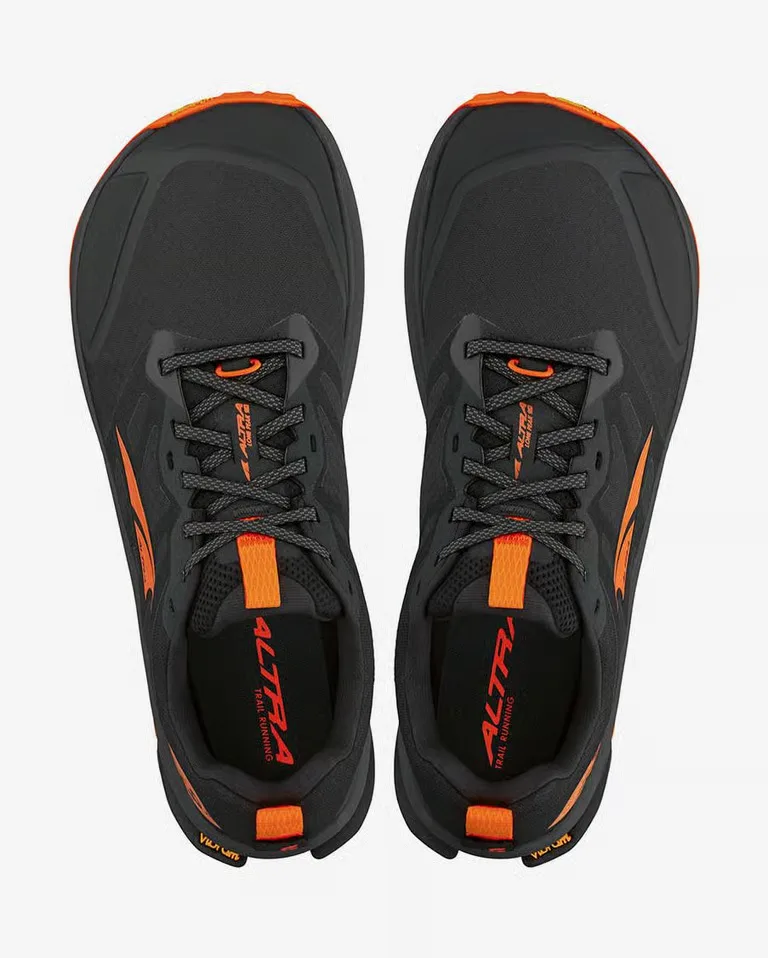 Our top pick#1 · Best Zero Drop OverallAltra Lone Peak 9295 g · 0 mm drop · 3.8 mm lugsPro: Zero drop (0 mm): natural foot posture with no heel elevationDownside: 3.5 mm lugs insufficient for deep mud or wet rockView on Amazon (opens in a new tab)
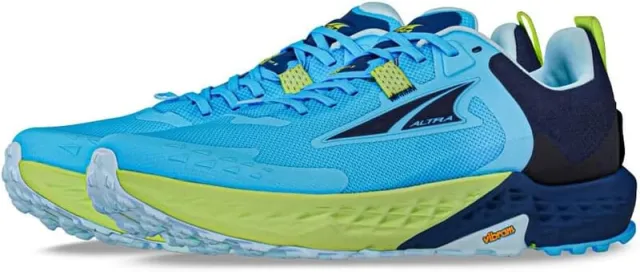 #2 · Best Light and Stable Zero DropAltra Timp 5269 g · 0 mm drop · 3 mm lugsView on Amazon (opens in a new tab)
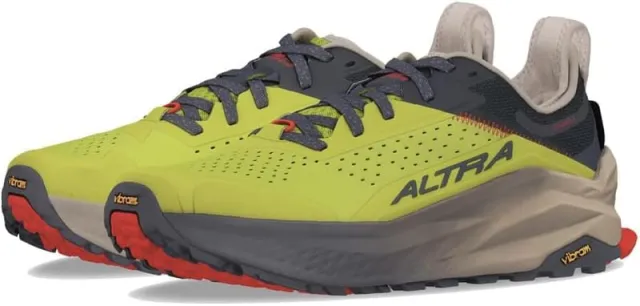 #3 · Best Zero Drop with Max CushioningAltra Olympus 6357 g · 0 mm drop · 3.5 mm lugsView on Amazon (opens in a new tab)
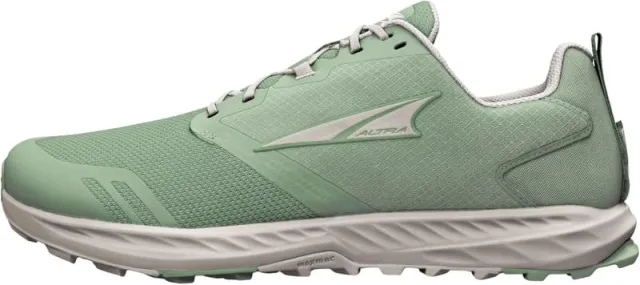 #4 · Best Minimalist Zero DropAltra Superior 7264 g · 0 mm drop · 3.5 mm lugsView on Amazon (opens in a new tab)
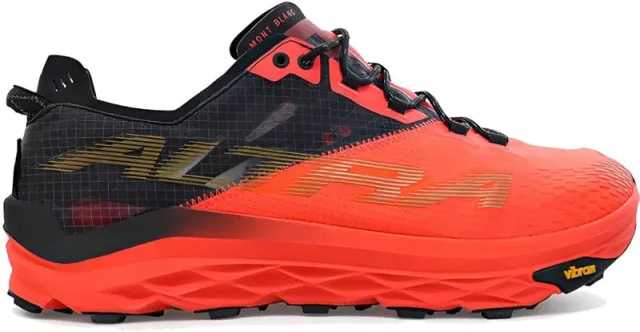 #5 · Best Zero-Drop Race ShoeAltra Mont Blanc Carbon309 g · 0 mm drop · 3.5 mm lugsView on Amazon (opens in a new tab)
Affiliate links: if you buy through them we earn a commission at no extra cost to you. It does not affect the ranking.
Pick by your profile
- #1(opens in a new tab)
Best Zero Drop Overall
Altra Lone Peak 9
295 g · 0 mm drop · 3.8 mm lugs
- Pro: Zero drop (0 mm): natural foot posture with no heel elevation
- Downside: 3.5 mm lugs insufficient for deep mud or wet rock
- #2(opens in a new tab)
Best Light and Stable Zero Drop
Altra Timp 5
269 g · 0 mm drop · 3 mm lugs
- #3(opens in a new tab)
Best Zero Drop with Max Cushioning
Altra Olympus 6
357 g · 0 mm drop · 3.5 mm lugs
- #4(opens in a new tab)
Best Minimalist Zero Drop
Altra Superior 7
264 g · 0 mm drop · 3.5 mm lugs
- #5(opens in a new tab)
Best Zero-Drop Race Shoe
Altra Mont Blanc Carbon
309 g · 0 mm drop · 3.5 mm lugs
Drop is the height difference between heel and toe. A zero-drop shoe has heel and forefoot at the same height, which puts the foot in a more natural posture, and usually comes with a wide toe box. In trail running the benchmark is Altra, whose FootShape last lets toes splay. This guide compares the 5 best zero-drop trail running shoes of 2026, from the light Superior to the maximalist Olympus, with real weight, stack and lug data. If you want the most extreme option, see the barefoot shoes guide; if you are new to trail and want a first pair, start with the best trail running shoes for beginners.
Summary table: zero-drop trail running shoes
| Shoe | Weight | Drop | Lugs | Best for | Buy |
|---|---|---|---|---|---|
| Altra Lone Peak 9 | 295 g | 0 mm | 3,8 mm | Trails, tracks and long-distance paths | Amazon →(opens in a new tab) |
| Altra Timp 5 | 269 g | 0 mm | 3 mm | Fast tracks and paths | Amazon →(opens in a new tab) |
| Altra Olympus 6 | 357 g | 0 mm | 3,5 mm | Long distances and ultras | Amazon →(opens in a new tab) |
| Altra Superior 7 | 264 g | 0 mm | 3,5 mm | Feeling the ground | Amazon →(opens in a new tab) |
| Altra Mont Blanc Carbon | 309 g | 0 mm | 3,5 mm | Mountain racing | Amazon →(opens in a new tab) |
Amazon links lead to the live, up-to-date price.
What are 0 drop trail running shoes and who are they for?
Zero drop spreads the sole height equally between heel and forefoot. Common benefits: a more natural footstrike and more work for the foot and calf. In exchange, it demands adaptation: if you come from 8 mm drop or more, calves and Achilles tendons take weeks to adjust. The rule is to progress slowly, starting with short runs.
How to choose zero-drop trail shoes
1. Amount of cushioning
Zero drop does not mean little cushioning: the Olympus 6 has a 35 mm stack and the Superior 7 only 21 mm. More stack means more protection over long distances; less means more ground feel.
2. Wide toe box
All Altra use the FootShape last. If your foot is wide, also check the guide to trail shoes for wide feet.
3. Lugs and terrain
Altra lugs are moderate (3 to 3.8 mm): perfect for trails and tracks, not for deep mud.
4. Transition
Introduce zero-drop shoes gradually: alternate with your usual shoes in the first weeks.
Individual reviews
1. Altra Lone Peak 9 — Best Zero Drop Overall
The Altra Lone Peak 9 is the brand flagship: zero drop, 25 mm stack with EGO foam, 295 g and MaxTrac outsole with 3.8 mm lugs. Balanced cushioning without losing ground contact.
Pros: zero drop and wide FootShape last, balanced cushioning without isolating from the ground, breathable mesh upper.
Cons: lugs not enough for deep mud or wet rock; not suited to very technical terrain.
Best for: non-technical trails, forest tracks and long-distance paths.
View Altra Lone Peak 9 on Amazon →(opens in a new tab)2. Altra Timp 5 — Best Light and Stable Zero Drop
The Altra Timp 5 combines zero drop, FootShape toe box and a Vibram Megagrip outsole at 269 g, with a 29 mm stack. Light and stable.
Pros: zero drop and wide toe box, Vibram Megagrip outsole, light and stable.
Cons: 3 mm lugs: little bite in mud; requires adaptation to zero drop.
Best for: faster runs on tracks and paths.
View Altra Timp 5 on Amazon →(opens in a new tab)3. Altra Olympus 6 — Best Zero Drop with Max Cushioning
The Altra Olympus 6 is Altra’s maximum cushioning: zero drop, 35 mm stack and 357 g, with a wide FootShape toe box. Designed for long distances.
Pros: maximum cushioning with zero drop, wide toe box, protection for long distances.
Cons: the heaviest on the list (357 g); 3.5 mm lugs: little grip in mud.
Best for: ultras and long runs for those who want cushioning without leaving zero drop.
View Altra Olympus 6 on Amazon →(opens in a new tab)4. Altra Superior 7 — Best Minimalist Zero Drop
The Altra Superior 7 is the lightest and least cushioned on the list: 264 g, 21 mm stack, zero drop and a wide toe box, to feel the terrain.
Pros: light and flexible, zero drop and wide toe box, maximum ground feel.
Cons: little cushioning for long distances; moderate lugs.
Best for: adapted runners who want ground feel on trails and tracks.
View Altra Superior 7 on Amazon →(opens in a new tab)5. Altra Mont Blanc Carbon — Best Zero-Drop Race Shoe
The Altra Mont Blanc Carbon is the race model: carbon plate, zero drop and wide toe box, 309 g and 29 mm stack, built for racing and ultras.
Pros: carbon plate, zero drop and wide toe box, designed for racing.
Cons: 3.5 mm lugs; requires prior adaptation to zero drop.
Best for: runners already adapted to zero drop who want race performance.
View Altra Mont Blanc Carbon on Amazon →(opens in a new tab)Common mistakes when switching to zero drop
-
Switching all at once. Going from 8-10 mm to zero drop without transition overloads calves and Achilles. Alternate shoes and progress over weeks.
-
Starting with long runs. For the first outings, keep them short (30-45 minutes).
-
Confusing zero drop with minimalism. An Olympus 6 has a 35 mm stack: zero drop does not mean little cushioning.
-
Expecting extreme grip. Altra prioritises a wide toe box and comfort; for serious mud, look at another tool.
Frequently asked questions
What is drop in a trail shoe?
It is the height difference between heel and toe, in millimetres. A shoe with 8 mm drop has its heel 8 mm higher than the forefoot.
What is the best zero-drop trail shoe?
The Altra Lone Peak 9 is the most balanced. For ultras, the Altra Olympus 6; to feel the ground, the Superior 7.
Which trail running shoes have 0 drop?
In trail running, the 0 drop range is dominated by Altra: Lone Peak 9, Timp 5, Olympus 6, Superior 7 and Mont Blanc Carbon, all in the table above. If you prefer a conventional 4-6 mm drop with a roomy toe box, see the wide toe box trail shoes guide.
Do I need to adapt to zero drop?
Yes, gradually. Alternate with your usual shoes and increase volume slowly. Calf or heel pain after the switch? Read our guides on plantar fasciitis in trail running and shin splints before pushing the mileage.
Is zero drop the same as barefoot?
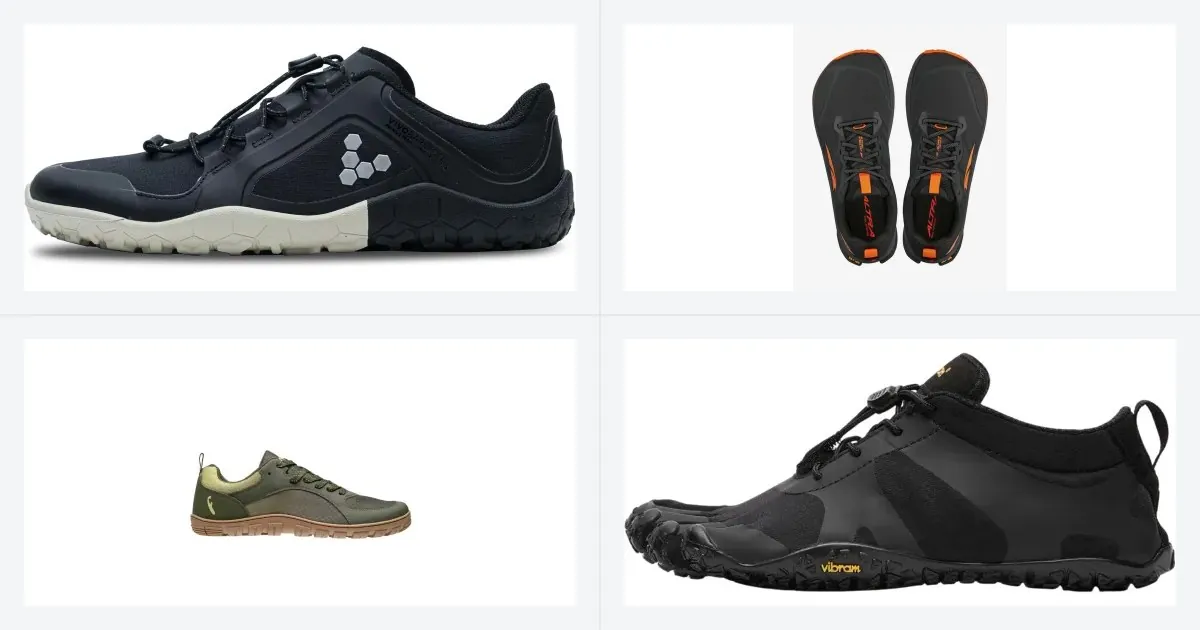
No: barefoot also means minimal stack and a thin sole. If that is what you want, see the barefoot shoes guide.
Final verdict
- Best Zero Drop Overall: Altra Lone Peak 9(opens in a new tab)
- Best Light and Stable Zero Drop: Altra Timp 5(opens in a new tab)
- Best Zero Drop with Max Cushioning: Altra Olympus 6(opens in a new tab)
- Best Minimalist Zero Drop: Altra Superior 7(opens in a new tab)
- Best Zero-Drop Race Shoe: Altra Mont Blanc Carbon(opens in a new tab)
To start with zero drop, the Altra Lone Peak 9. For long distances, the Olympus 6; for racing, the Mont Blanc Carbon. If you do not want to change drop, the guide to trail shoes for wide feet includes wide options with conventional drop. Want to compare against the whole market first? Our pillar guide to the best trail running shoes ranks every category, and the women’s wide-fit guide covers FootShape fits in women’s sizing.
Running at night, in an ultra or in winter? The headlamp is the gear runners buy most right after this: Best Headlamps for Trail & Ultra Running 2026: 12 Compared
How we choose
We don't have our own lab, so we don't pretend to. We cross three sources: brand-declared specs (weight, drop, stack, lugs), published independent lab measurements (RunRepeat and similar) and reviews from runners who have raced in each shoe. We pick one winner per terrain and distance, and we tell you its downside too. We update the guide when new versions launch. Some links are affiliate links: if you buy through them, TrailRunTemple earns a commission at no extra cost to you and with no influence on the selection.
Pick by your case
If the problem is not the shoe but the terrain or a specific niggle, start here.
- Stable trail running shoes for overpronators
- Best trail running shoes for beginners
- Trail running shoes for technical terrain
- Trail running shoes for ultra distance
- Trail running shoes for heavier runners
- Trail running shoes for plantar fasciitis
- Trail running shoes for wide feet
- Shoes for the Camino de Santiago