Plantar fasciitis in trail running: what gear may help (and when to see a professional)
Quick answer: if you only want one, AMITYUNION 5 cm Fascia Ball Set with Instruction Book (best for foot self-massage). For best roller for calf work, TriggerPoint GRID Foam Roller.
Our picks by use case
 Our top pick#1 · Best for foot self-massageAMITYUNION 5 cm Fascia Ball Set with Instruction BookPro: 5 cm balls to apply localised pressure to sole and calfView on Amazon (opens in a new tab)
 #2 · Best roller for calf workTriggerPoint GRID Foam RollerPro: Raised surface for self-massage of thigh, glute and calfDownside: Hard surface for beginnersView on Amazon (opens in a new tab)
 #3 · Best for spreading arch pressureSuperfeet Trim-to-Fit High Arch InsolesPro: Arch support that spreads pressure along the sole of the footView on Amazon (opens in a new tab)
 #4 · Best rocker recovery footwearHOKA Ora Recovery Slide 3Pro: Meta-Rocker geometry eases foot rollover without added toe strainDownside: Considerable bulk, takes up more space in the race bag than a flat flip-flopView on Amazon (opens in a new tab)
 #5 · Best sandal with arch supportOOFOS OOriginal SportPro: Cushioning OOfoam with built-in arch support to offload the foot after runningDownside: High price for a post-race sandalView on Amazon (opens in a new tab)
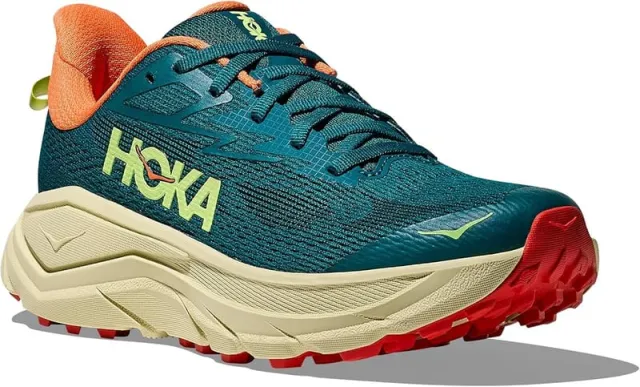 #6 · Best cushioned everyday trail shoeHoka Challenger 8275 g · 8 mm drop · 3.7 mm lugsPro: Generous, very comfortable cushioningDownside: Low lugs: insufficient in mud and technical rockView on Amazon (opens in a new tab)
 #7 · Best dual-density alternativeSkechers GOrecover RefreshPro: Dual-density Arch Fit: firm base plus soft top layerDownside: Less specifically recognised as a recovery brand than OOFOS or HOKAView on Amazon (opens in a new tab)
 #8 · Best compression socksCompressport Full Socks RecoveryPro: Recovery-specific graduated compressionDownside: High price for socksView on Amazon (opens in a new tab)
 #9 · Best for strength work at homePOWER GUIDANCE Elastic Resistance Bands (Set of 6)Pro: Six progressive resistance levels for strength work at homeView on Amazon (opens in a new tab)
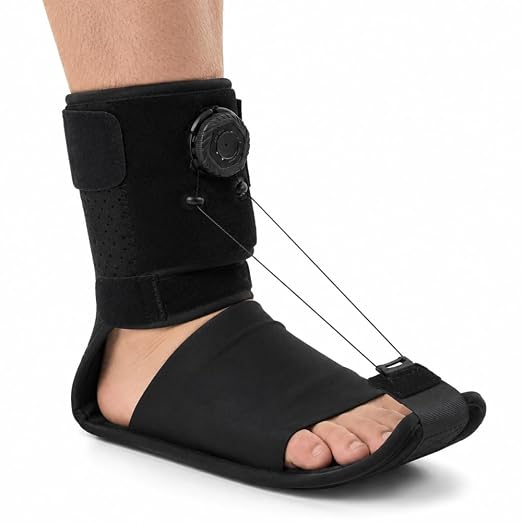 #10 · Best night splintSin marca Plantar Fasciitis Night Splint with Screw ClosurePro: Adjustable screw closure to fix the foot positionView on Amazon (opens in a new tab)
 #11 · Best kinesiotape setaxion Assorted Colour Kinesiotape Set (12 Rolls)Pro: Set of 12 coloured rollsView on Amazon (opens in a new tab)
Affiliate links: if you buy through them we earn a commission at no extra cost to you. It does not affect the ranking.
Pick by your profile
- #1(opens in a new tab)
Best for foot self-massage
AMITYUNION 5 cm Fascia Ball Set with Instruction Book
- Pro: 5 cm balls to apply localised pressure to sole and calf
- #2(opens in a new tab)
Best roller for calf work
TriggerPoint GRID Foam Roller
- Pro: Raised surface for self-massage of thigh, glute and calf
- Downside: Hard surface for beginners
- #3(opens in a new tab)
Best for spreading arch pressure
Superfeet Trim-to-Fit High Arch Insoles
- Pro: Arch support that spreads pressure along the sole of the foot
- #4(opens in a new tab)
Best rocker recovery footwear
HOKA Ora Recovery Slide 3
- Pro: Meta-Rocker geometry eases foot rollover without added toe strain
- Downside: Considerable bulk, takes up more space in the race bag than a flat flip-flop
- #5(opens in a new tab)
Best sandal with arch support
OOFOS OOriginal Sport
- Pro: Cushioning OOfoam with built-in arch support to offload the foot after running
- Downside: High price for a post-race sandal
- #6(opens in a new tab)
Best cushioned everyday trail shoe
Hoka Challenger 8
275 g · 8 mm drop · 3.7 mm lugs
- Pro: Generous, very comfortable cushioning
- Downside: Low lugs: insufficient in mud and technical rock
- #7(opens in a new tab)
Best dual-density alternative
Skechers GOrecover Refresh
- Pro: Dual-density Arch Fit: firm base plus soft top layer
- Downside: Less specifically recognised as a recovery brand than OOFOS or HOKA
- #8(opens in a new tab)
Best compression socks
Compressport Full Socks Recovery
- Pro: Recovery-specific graduated compression
- Downside: High price for socks
- #9(opens in a new tab)
Best for strength work at home
POWER GUIDANCE Elastic Resistance Bands (Set of 6)
- Pro: Six progressive resistance levels for strength work at home
- #10(opens in a new tab)
Best night splint
Sin marca Plantar Fasciitis Night Splint with Screw Closure
- Pro: Adjustable screw closure to fix the foot position
- #11(opens in a new tab)
Best kinesiotape set
axion Assorted Colour Kinesiotape Set (12 Rolls)
- Pro: Set of 12 coloured rolls
Notice: general, educational information. It does not replace assessment by a healthcare professional and cannot be used to diagnose.
Quick answer: if your heel or arch hurts with the first steps in the morning, the sensible move is to have a physiotherapist or doctor assess it before buying anything. Gear can accompany the process but does not replace it: the evidence on insoles is limited [2][4], while the evidence supporting guided strength work is stronger [3]. As practical support, some pieces serve a specific function: spreading arch pressure (Superfeet insoles(opens in a new tab)), offloading the foot after running (HOKA Ora Recovery Slide(opens in a new tab)) and strength work at home (resistance bands(opens in a new tab)) if your professional prescribes it.
Transparency: this guide contains affiliate links. If you buy through them we earn a commission at no extra cost to you. We have not personally tested every product; they are selected for their specifications and the function they serve.
Red flags: when to see a professional
See a healthcare professional, without waiting to try gear, if you notice:
- Severe pain that stops you putting weight on the foot, wakes you at night, or occurs at rest.
- Marked swelling, redness, local warmth or deformity of the foot.
- Tingling, numbness or loss of strength in the foot or leg.
- Fever together with foot pain.
- Pain after a knock or a fall, or pain that does not improve over time.
- Pain that returns every time you run and forces you to change how you land.
For pain relief or any treatment, consult your doctor or pharmacist.
What it is and what the evidence says
Plantar fasciitis is a common cause of heel pain. The 2023 JOSPT clinical practice guideline covers it as heel pain and is the reference to review with your physiotherapist [1]. We do not reproduce its specific recommendations here; we refer you to the source.
What we can say from the sources we consulted:
- Insoles. In a randomized trial of 135 participants, insoles improved function at 3 months versus a sham insole, but pain differences were not significant and by 12 months differences were negligible [2]. The Cochrane review on custom-made foot orthoses concludes that evidence is limited [4]. Evidence: randomized trial · systematic review.
- Strength training. In another randomized trial, combining insoles with high-load strength training gave better results at 12 months than combining them with plantar-specific stretching [3]. Evidence: randomized trial.
- Stretching. A meta-analysis of 12 trials found no statistically significant difference between stretching and the comparators [5]. Evidence: systematic review with meta-analysis.
- Biomechanics in runners. A small cohort study observed greater ankle eversion in recreational runners with plantar fasciitis; the authors suggest that technique changes and stability footwear might help, though this is a hypothesis [6]. Evidence: small cohort.
- Footwear. A recent review indicates that footwear effects on injuries are limited, although runners and clinicians perceive it as a key factor [7]. Evidence: narrative review.
What we cannot claim: we have not verified solid evidence on night splints or on any specific shoe model for this condition. That is why the gear in this guide is chosen by function (cushioning, spreading pressure, offloading), not clinical efficacy.
Gear at a glance
Gear comparison for plantar fasciitis
Tap a column to sortSwipe to see more
| Piece | Product | Function | Buy |
|---|---|---|---|
| Insoles | Superfeet high arch | Arch support that spreads pressure across the sole; trim-to-fit | See on Amazon(opens in a new tab) |
| Recovery | HOKA Ora Recovery Slide | Rocker-geometry sole for post-run footwear | See on Amazon(opens in a new tab) |
| Recovery | OOFOS OOriginal Sport | Cushioning foam with built-in arch support | See on Amazon(opens in a new tab) |
| Recovery | Skechers GO RECOVER Refresh | Dual density: firm base and soft top layer | See on Amazon(opens in a new tab) |
| Shoe | HOKA Challenger 8 | Generous cushioning for road-to-trail running | See on Amazon(opens in a new tab) |
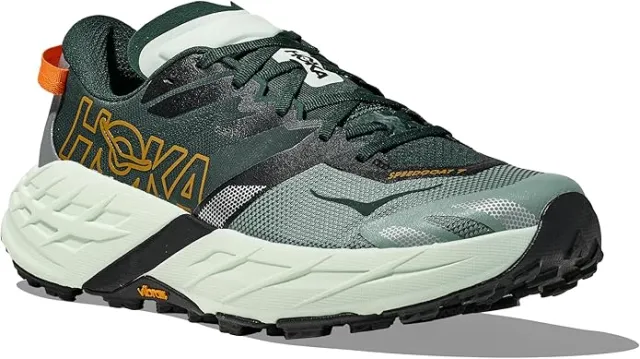 Shoe | HOKA Speedgoat 7 | High cushioning for long distances | See on Amazon(opens in a new tab) |
| Strength | Resistance bands (set of 6) | Progressive resistance for exercises at home | See on Amazon(opens in a new tab) |
| Splint | Night splint | Holds the foot in a fixed position while you rest | See on Amazon(opens in a new tab) |
| Foot ball | Fascia ball set (5 cm) | Localised pressure on sole and calf | See on Amazon(opens in a new tab) |
| Taping | axion Kinesiotape (12 rolls) | Elastic adhesive tape applied to the skin | See on Amazon(opens in a new tab) |
What to look for (by function)
- Insoles: they should fit your shoe volume without changing how snug the shoe feels. Try them first on short runs.
- Shoe: cushioning that feels comfortable and a secure heel fit. Very minimalist models change the load on the foot; do not introduce them abruptly.
- Recovery footwear: arch support and a stable sole for the times you are not running.
- Roller and bands: home tools; use them with the guidance your professional gives you.
How to use each piece
1. Insoles
If your professional recommends insoles, prefabricated ones such as Superfeet(opens in a new tab) are a practical option. Trim them carefully along the outline of your shoe’s original insole.
2. Recovery footwear
After a run or on days with a lot of standing, footwear with arch support may feel more comfortable than going barefoot. Options: HOKA Ora(opens in a new tab), OOFOS(opens in a new tab) or Skechers GO RECOVER(opens in a new tab).
3. Strength work at home
The Rathleff trial used high-load strength exercise [3]. The programme (exercise, sets, load) should come from your physiotherapist; resistance bands(opens in a new tab) let you grade the resistance.
4. Night splint
Worn while you sleep to hold the foot in a fixed position. We have not verified solid evidence on its effectiveness, so we do not present it as a solution: it is a medical-type device and its use should be agreed with your professional. Option: night splint(opens in a new tab).
5. Foot ball
A small ball lets you apply localised pressure to the sole or calf, standing or seated. Use a comfortable pressure and stop if you feel sharp pain. Option: foot ball(opens in a new tab).
6. Kinesiology tape
Elastic adhesive tape that some people use for comfort. We have not verified evidence of its effect on this condition; if you use it, ask to be shown how to apply it. Option: kinesiotape(opens in a new tab).
Returning to running gradually
We found no reliable return-to-run timeframe in the verified sources, so we give no figures. The return should be gradual and guided by your professional, starting with less volume and less elevation gain than before.
Common mistakes
- Buying gear before a professional assesses the pain.
- Debuting new insoles on race day.
- Switching shoes or drop abruptly without a transition.
- Ignoring pain that increases while you run.
- Expecting one piece to solve the problem: the evidence points to combining measures [3].
Frequently asked questions
Do insoles work for plantar fasciitis? The evidence is limited: they improved function in the short term in one trial, but differences faded by 12 months [2][4].
Is stretching enough? A meta-analysis found no significant difference between stretching and the comparators [5]. Ask your physiotherapist which combination suits you.
Can I keep running? It depends on your case. That decision belongs to your healthcare professional.
Sources and evidence
This guide was compiled from the sources below. It is general information and does not replace assessment by a healthcare professional.
- Koc TA Jr, Bise CG, Neville C, Carreira D, Martin RL, McDonough CM. Heel Pain – Plantar Fasciitis: Revision 2023. J Orthop Sports Phys Ther. 2023;53(12):CPG1–CPG39. DOI 10.2519/jospt.2023.0303. Clinical practice guideline (cited for scope only)
- Landorf KB, Keenan AM, Herbert RD. Effectiveness of foot orthoses to treat plantar fasciitis: a randomized trial. Arch Intern Med. 2006;166(12):1305–1310. DOI 10.1001/archinte.166.12.1305. Randomized trial
- Rathleff MS et al. High-load strength training improves outcome in patients with plantar fasciitis: a randomized controlled trial with 12-month follow-up. Scand J Med Sci Sports. 2015. DOI 10.1111/sms.12313. Randomized trial
- Hawke F, Burns J, Radford JA, du Toit V. Custom-made foot orthoses for the treatment of foot pain. Cochrane Database Syst Rev. 2008. DOI 10.1002/14651858.CD006801.pub2. Systematic review
- Jawade SS, Jawade SA. Therapeutic efficacy of stretching exercises as a conservative treatment for plantar fasciitis: a systematic review with meta-analysis. J Man Manip Ther. 2026. DOI 10.1080/10669817.2026.2733480. Systematic review with meta-analysis
- Plesek J et al. Ankle joint biomechanics in recreational runners with resolved and incident plantar fasciitis: a one-year prospective 4HAIE cohort study. Scand J Med Sci Sports. 2026;36(4). DOI 10.1111/sms.70281. Small cohort study
- Neubauer TM, Hill RD, Hu YE. Updates to running shoe and injury considerations. Cureus. 2026. DOI 10.7759/cureus.107402. Review
Last content review: 4 October 2026. Guide compiled from the cited sources; no individual professional review.
How we choose
We compare every model on verified technical specs (weight, materials, price), user reviews and our own experience running and testing gear in races from 21K to 100K+. We update this guide when prices change or new models launch. Some links are affiliate links: if you buy through them, TrailRunTemple earns a commission at no extra cost to you and with no influence on the selection.
Other guides you might find useful
- Iliotibial band syndrome in trail running: what gear may help (and when to see a professional)
- Shin splints in trail running: what gear may help (and when to see a professional)
- Best Hygiene and Body Care Products for Trail Running 2026: complete comparison
- Best Nasal Strips for Trail Running 2026: Comparison & Buying Guide