Best Shoes for Backyard Ultra 2026: Buying Guide
Our picks by use case
Affiliate links: if you buy through them we earn a commission at no extra cost to you. It does not affect the ranking.
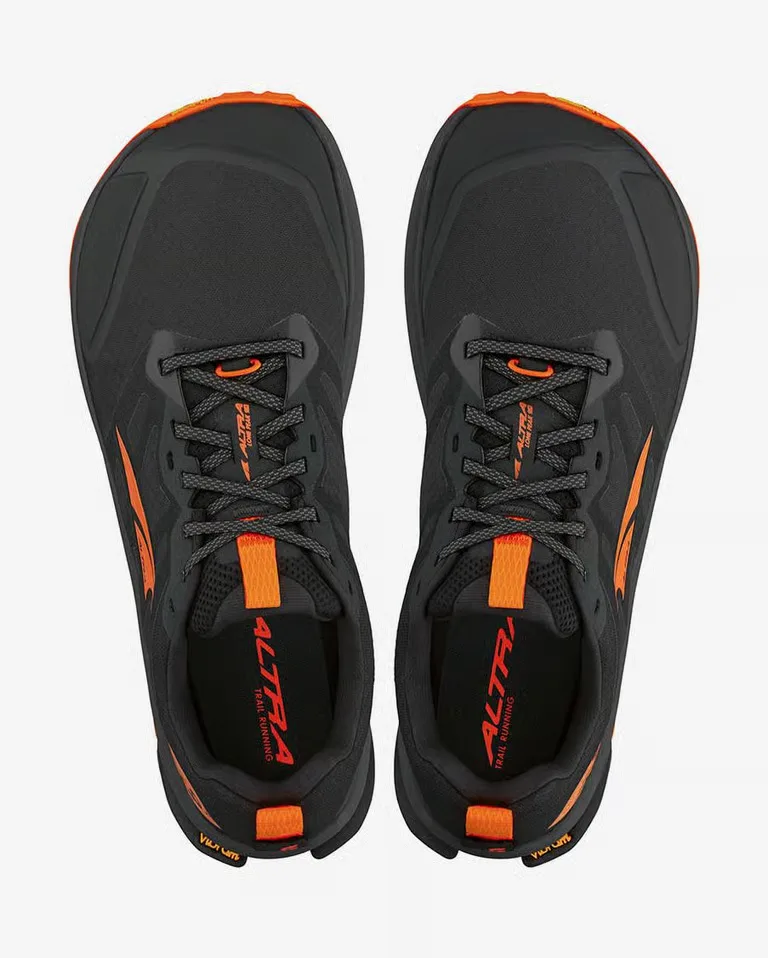 Our top pick#1 · Best for Swelling FeetAltra Altra Lone Peak 9View on Amazon (opens in a new tab)
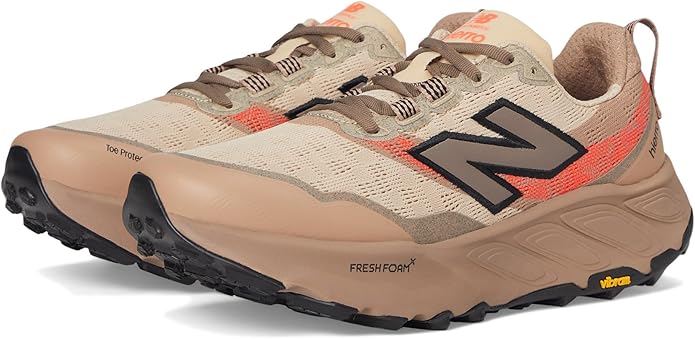 #2 · Best All-RounderNew Balance New Balance Fresh Foam X Hierro v9View on Amazon (opens in a new tab)
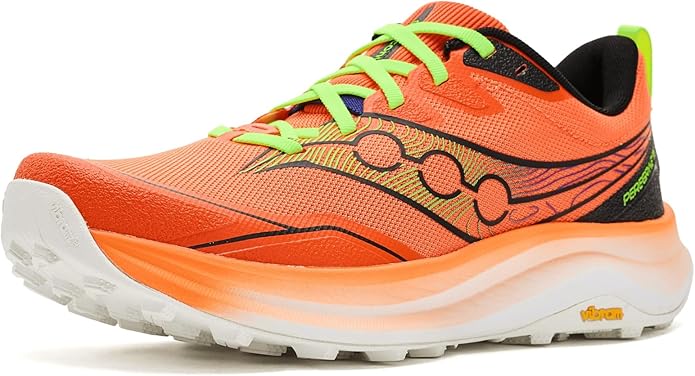 #3 · Best DurabilitySaucony Saucony Peregrine 16View on Amazon (opens in a new tab)
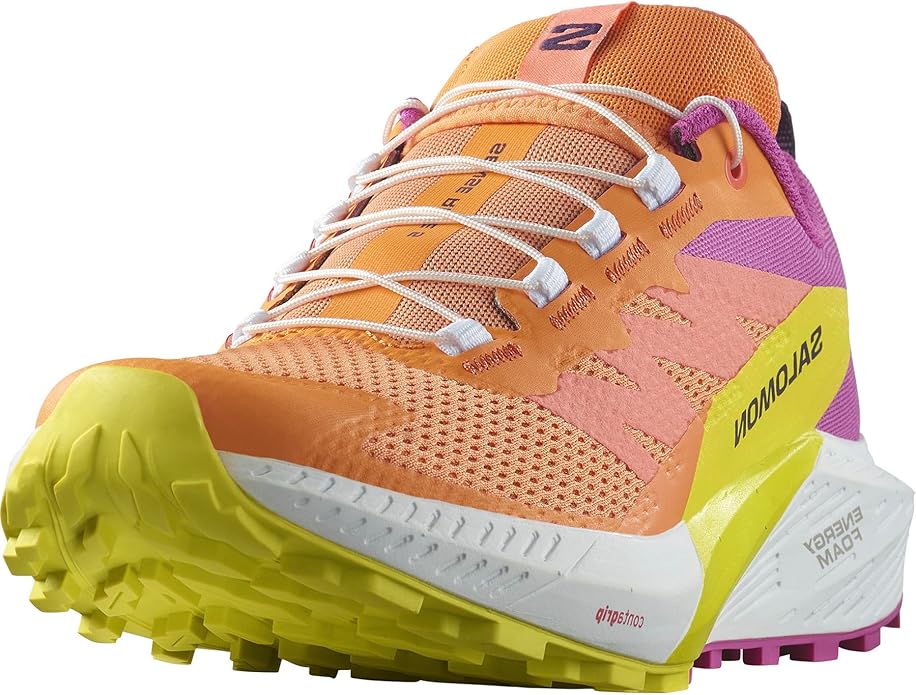 #4 · Best for Mixed TerrainSalomon Salomon Sense Ride 5View on Amazon (opens in a new tab)
How we choose
We compare every model on verified technical specs (weight, materials, price), user reviews and our own experience running and testing gear in races from 21K to 100K+. We update this guide when prices change or new models launch. Some links are affiliate links: if you buy through them, TrailRunTemple earns a commission at no extra cost to you and with no influence on the selection.
All products in this guide
Altra
Altra Lone Peak 9
Trail running shoe with zero drop and wide FootShape toe box that allows natural toe splay. 25 mm stack with EGO foam for balanced cushioning without losing ground contact. MaxTrac outsole with 3.5 mm lugs, ideal for non-technical trails, forest tracks and long-distance paths.
New Balance
New Balance Fresh Foam X Hierro v9
The model breaking into Spain's best-seller charts. Fresh Foam X midsole with a solid balance between cushioning and ground feel, a Vibram Megagrip outsole, and a comfortable last suited to wide feet. A reliable all-rounder for training runs and mountain races of any distance.
Saucony
Saucony Peregrine 16
The all-round trail shoe par excellence, with excellent reviews across every type of runner. PWRTRAC outsole with 5 mm lugs for grip on mixed and technical terrain, balanced PWRRUN cushioning, and rock-plate protection depending on the version. The perfect middle ground between responsiveness and protection.
Salomon
Salomon Sense Ride 5
Salomon's do-it-all trail shoe: a balance of cushioning and grip for any terrain. All Terrain Contagrip outsole and Quicklace system, ideal for training and racing on mixed trail.
A Backyard Ultra isn’t run like a regular ultra trail: it’s identical 4.167-mile (6.706 km) loops, one every hour, until only one runner is left standing. That completely changes what you need from your shoe. You’re not chasing the most aggressive grip or carbon-plate cushioning for speed: you’re prioritising a foot that doesn’t fall apart when it’s swelling inside the same shoe lap after lap, on a course that’s usually a track or easy trail, not technical terrain. If you’re looking for a shoe for a mountain ultra with heavy vert and technical terrain, check the best cushioned trail shoes guide instead; this guide is specific to the backyard format.
Comparison table
| Shoe | Fit | Drop | Ideal terrain | Price | Buy |
|---|---|---|---|---|---|
| Altra Lone Peak 9 | Wide (FootShape) | 0 mm | Track, easy trail | €140 | Amazon →(opens in a new tab) |
| New Balance Fresh Foam X Hierro v9 | Comfortable, wide-foot friendly | Standard | Mixed | €150 | Amazon →(opens in a new tab) |
| Saucony Peregrine 16 | Standard | Standard | Mixed, light technical | €130 | Amazon →(opens in a new tab) |
| Salomon Sense Ride 5 | Standard | Standard | Mixed | €140 | Amazon →(opens in a new tab) |
Prices are indicative and subject to change on Amazon.
What to look for in a Backyard Ultra shoe: 4 key criteria
1. Wide toe box (your foot swells)
After 15-20 loops, your feet have spent hours standing and moving with no real rest, and they swell noticeably. A snug fit that felt fine on loop 1 becomes torture by loop 25, with guaranteed blisters and black toenails. A wide toe box isn’t a nice-to-have, it’s the difference between finishing and dropping out from foot pain, not actual exhaustion.
2. Durability over pure performance
You don’t need the lightest shoe or the best energy return: you need one that survives dozens of hours of continuous use without the midsole collapsing or the upper tearing from repeated friction. Shoes built for fast, short races aren’t designed for this kind of accumulated wear.
3. Course terrain, not technical terrain
Most Backyard Ultras use a repeated loop on track, forest road, or easy trail. You don’t need an aggressive technical mountain-shoe lug: you need an outsole that won’t wear out after a few dozen loops on repetitive, mildly abrasive surface.
4. Fast changeover between loops
Between loops you have minutes, not hours. A lacing or closure system (Quicklace, well-adjusted traditional laces) that lets you get back into your shoe fast at every transition saves seconds that add up over 24-48 hours.
Individual breakdown of the 4 shoes
1. Altra Lone Peak 9 — Best for Swelling Feet
The Altra Lone Peak 9 is the reference pick when your foot is the limiting factor. Its FootShape toe box lets your toes splay naturally with every stride, which becomes especially valuable past hour 10-12. The zero drop keeps a natural posture without overloading the Achilles in such a long, repetitive effort.
Pros: widest fit in the lineup, zero drop, low weight, breathable seamless upper.
Cons: zero drop requires prior adaptation if you’re not used to it; 25 mm cushioning is sufficient but not the most protective in the group.
Best for: runners who’ve already suffered swelling or blisters in long ultras and prioritise foot comfort above everything else.
See Altra Lone Peak 9 on Amazon →(opens in a new tab)2. New Balance Fresh Foam X Hierro v9 — Best All-Rounder
A model that’s broken into Spain’s best-seller charts for a clear reason: it balances cushioning, ground feel and a comfortable last that also fits wide feet, without being over-specialised. For a Backyard Ultra where you don’t know exactly what terrain each stretch of the course will throw at you, that versatility counts for a lot.
Pros: ideal cushioning-ground feel balance, reliable Vibram Megagrip outsole, comfortable wide-foot-friendly last.
Cons: not as extreme in wide-fit terms as the Altra; standard drop, not zero-drop.
Best for: runners who want one reliable shoe without overthinking course specifics.
See New Balance Hierro v9 on Amazon →(opens in a new tab)3. Saucony Peregrine 16 — Best Durability
The Peregrine has a well-earned reputation for surviving the miles without falling apart, with consistently strong reviews across every runner profile. Its PWRTRAC outsole with 5 mm lugs handles both track and the slightly more technical stretches some mountain Backyard courses include.
Pros: extremely versatile, durable and reliable outsole on mixed terrain, balanced PWRRUN cushioning.
Cons: standard fit, not specifically designed for extreme foot swelling.
Best for: runners who value proven reliability over specific features, or who race courses with some technical terrain.
See Saucony Peregrine 16 on Amazon →(opens in a new tab)4. Salomon Sense Ride 5 — Best for Mixed Terrain
Salomon’s do-it-all shoe at its best. The Quicklace closure is especially useful in a format where you’ll be putting shoes on and taking them off many times between loops: a fast, secure fit without losing seconds to traditional laces.
Pros: versatile on any terrain, fast Quicklace closure, comfortable cushioning for long distances.
Cons: standard fit, not the pick if you already know you suffer from severe swelling.
Best for: runners who value quick changeovers between loops and a course with variable terrain.
See Salomon Sense Ride 5 on Amazon →(opens in a new tab)4 common mistakes when choosing Backyard Ultra shoes
-
Picking the lightest shoe thinking about speed. In a Backyard you’re not racing the clock of a short race: you’re racing your own foot at hour 30. Prioritise cumulative comfort over grams.
-
Not trying the fit with a swollen foot. If you can, try the shoe in the evening, when your foot is already somewhat swollen from the day, not first thing in the morning.
-
Bringing only one pair for the whole race. Many Backyard runners rotate 2 pairs (sometimes even slightly different sizes) as the foot swells over the hours. Have a plan B.
-
Ignoring socks. The shoe is half the equation; without seamless technical socks that manage moisture well, any shoe on this list can still fail you. Check the trail running socks guide too.
Frequently asked questions
Do I need a technical mountain shoe for a Backyard Ultra?
Depends on the course. If it’s track or easy trail (most are), no: prioritise fit and durability. If the course has technical mountain terrain, the Saucony Peregrine 16 on this list is the option with the most grip.
Zero drop or standard drop for Backyard Ultra?
If you’ve never run zero drop before, don’t try it for the first time on race day: it needs weeks of prior adaptation. If you already use it in long training runs, the Altra Lone Peak 9 is an excellent choice for its wide fit.
How many pairs of shoes should I bring to a Backyard Ultra?
At minimum two pairs of the same model (in case one gets wet or breaks), and many experienced runners add a third pair a half-size up for when the foot is very swollen, past hour 15-20.
Final verdict: our pick of the 4 shoes
- If you’ve already suffered foot swelling in long ultras: Altra Lone Peak 9(opens in a new tab)
- If you want one reliable shoe for everything: New Balance Fresh Foam X Hierro v9(opens in a new tab)
- If your course has technical stretches: Saucony Peregrine 16(opens in a new tab)
- If you prioritise fast changeovers between loops: Salomon Sense Ride 5(opens in a new tab)
In a Backyard Ultra, the winning shoe isn’t the fastest one: it’s the one you’re still wearing when there’s no one else left on the course.
Other guides you might find useful
Races where you'll need this gear
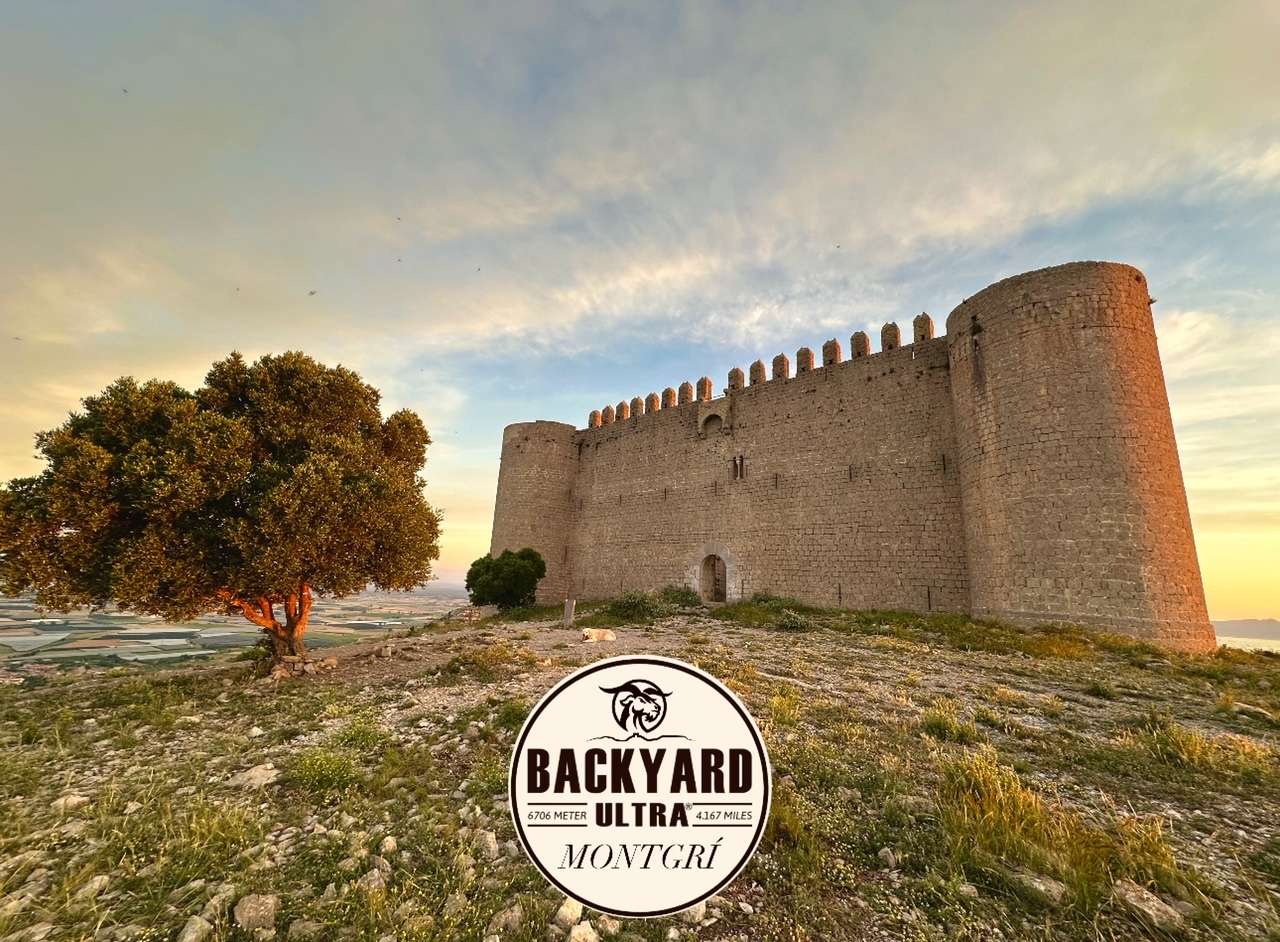
Backyard Ultra Montgrí
Charity backyard ultra — 6.7 km loops with 90 m D+ in Torroella de Montgrí, night start
Read more →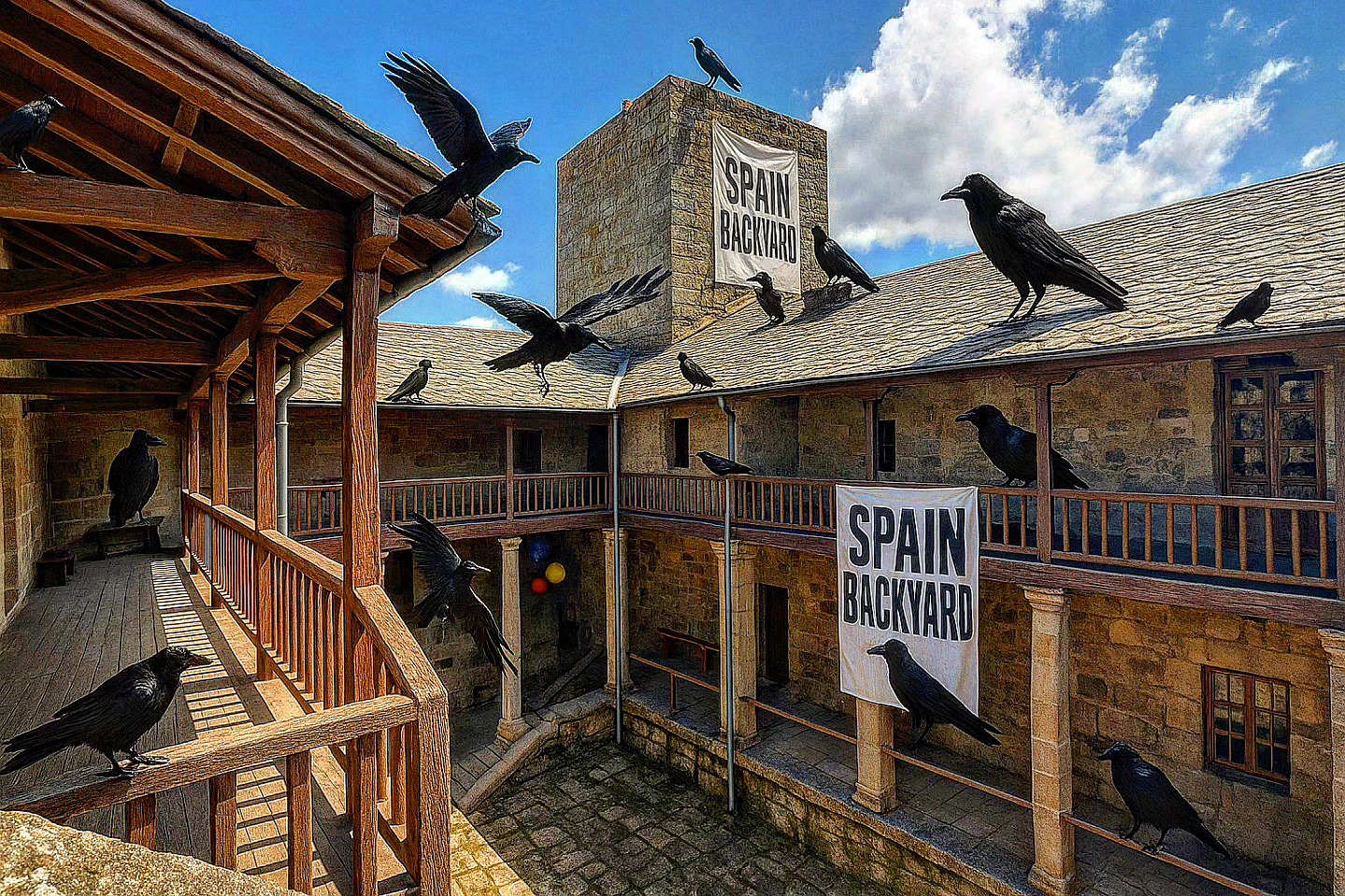
Spain Backyard Ultra
Spain's official backyard ultra — 6.7 km loops with 240 m D+ in Castro Caldelas, Ribeira Sacra
Read more →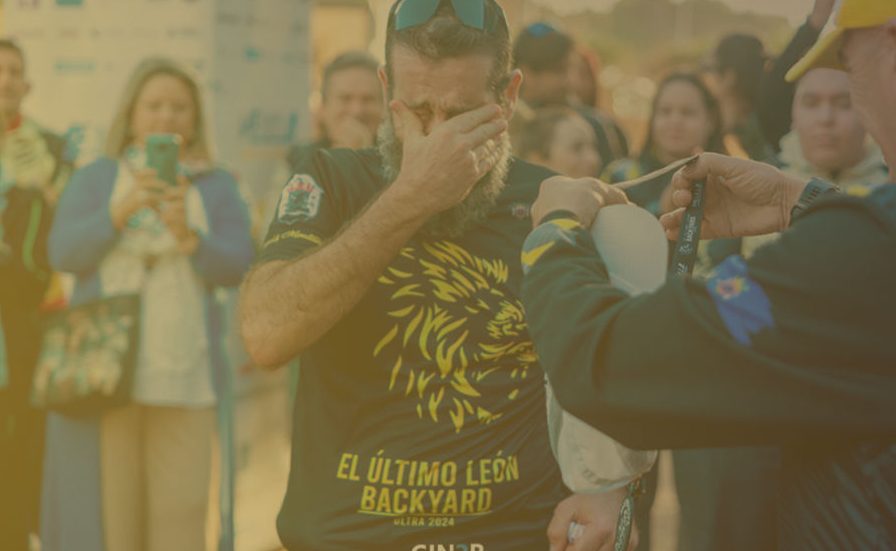
El Último León
Backyard ultra in Melilla — 6.7 km loops through Fuerte de Rostrogordo pine forests, Silver Ticket
Read more →
Backyard Ultra Aranjuez
Backyard ultra in Aranjuez — 6.7 km loops with 200 m D+ along the Tagus river, Big's Backyard Ultra format
Read more →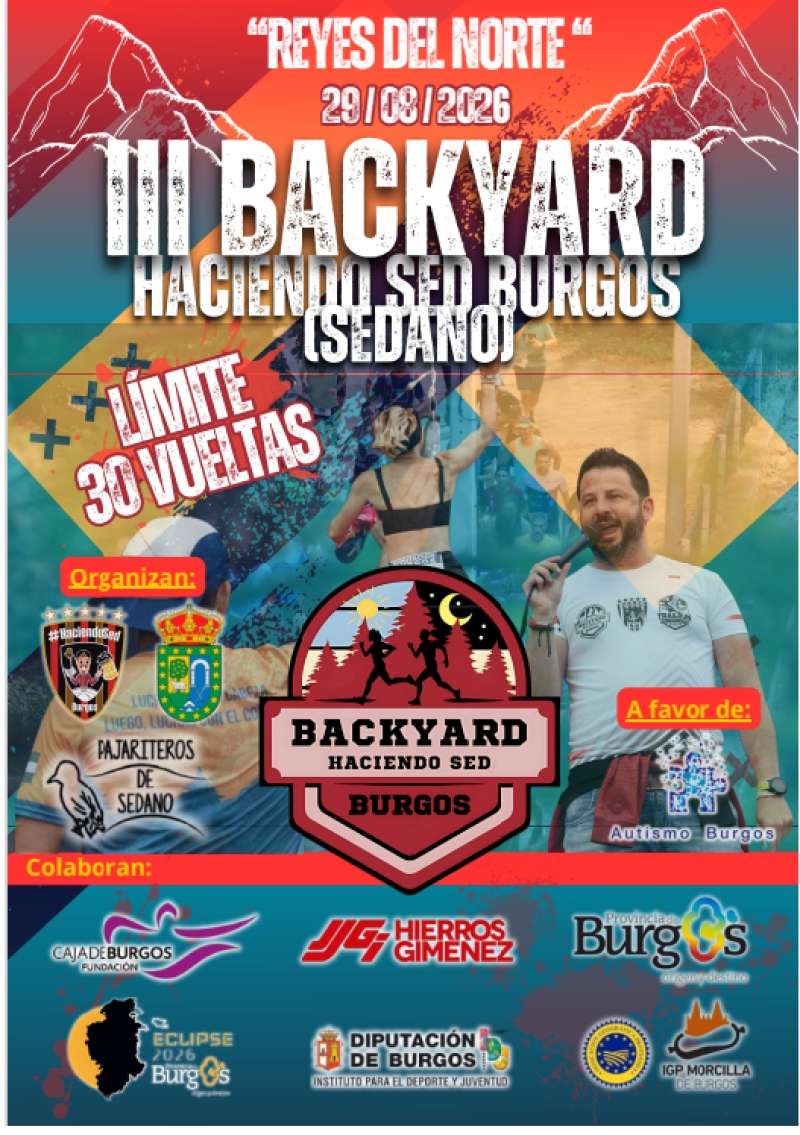
Backyard Haciendo Sed Burgos
Charity backyard ultra in Sedano (Burgos) — 6.7 km loops benefiting Autismo Burgos
Read more →
Las 100 Millas de Boñar – Noche Roja
Free backyard ultra in the Alto Porma — 6.7 km loops every hour for up to 24 laps in 24 hours
Read more →