72-Hour Survival Kit for Trail Running: What to Carry (and What You Already Own)
Quick answer: if you only want one, Lifesystems Thermal Blanket (first thing in the bag). For signalling without batteries, Fox 40 Classic.
Our picks by use case
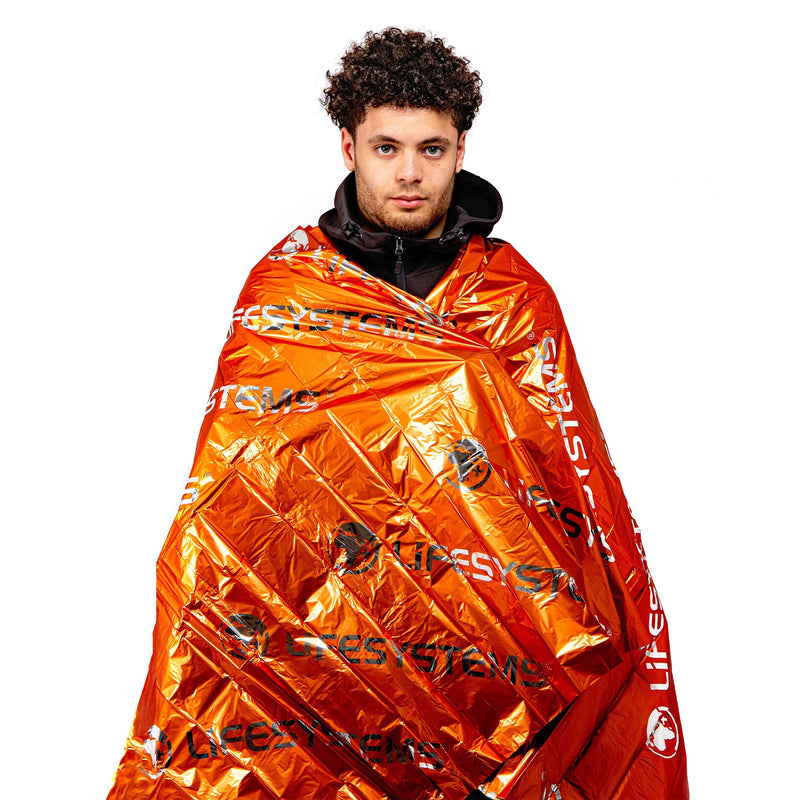 Our top pick#1 · First thing in the bagLifesystems Thermal BlanketView on Amazon (opens in a new tab)
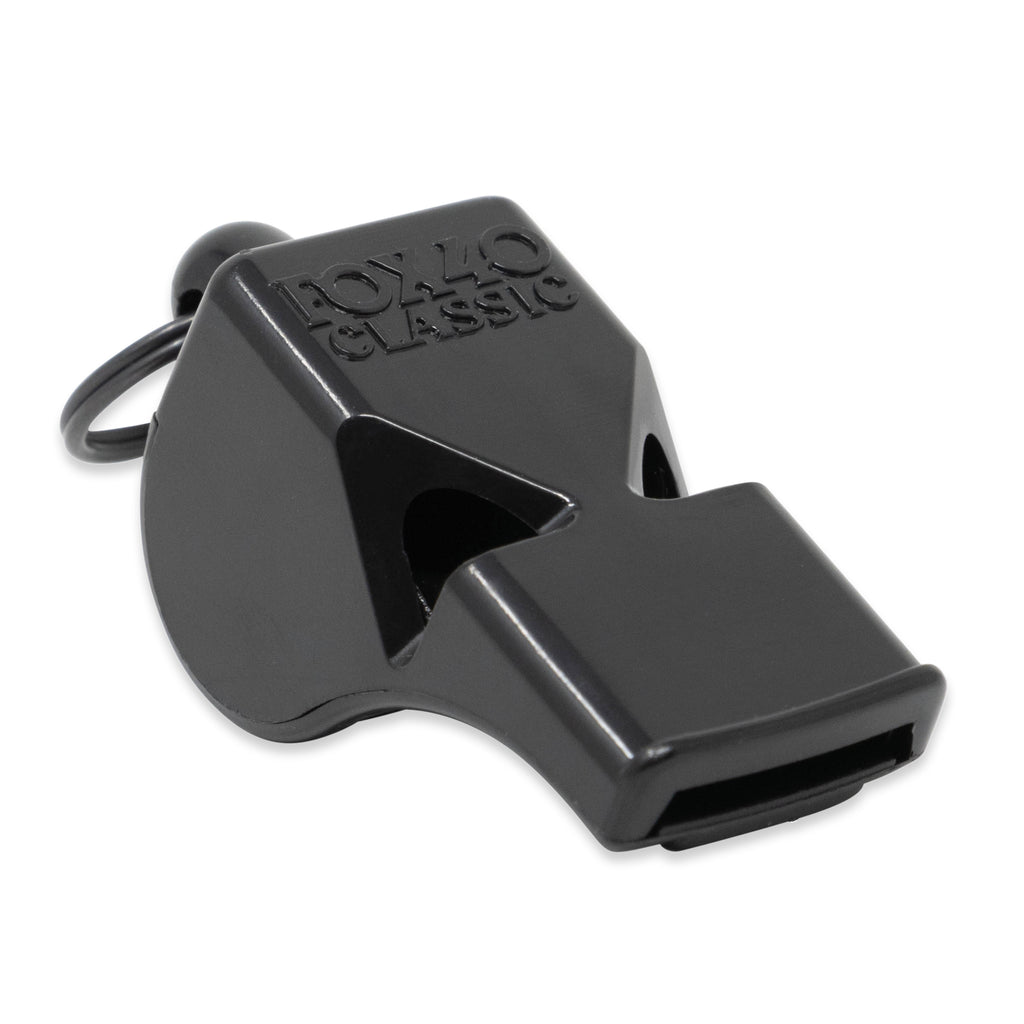 #2 · Signalling without batteriesFox 40 ClassicView on Amazon (opens in a new tab)
 #3 · First aid kit that passes the gear checkTatonka First Aid BasicPro: Ultralight (120 g): no weight penalty while runningDownside: Does not include antihistamine or specific medicationView on Amazon (opens in a new tab)
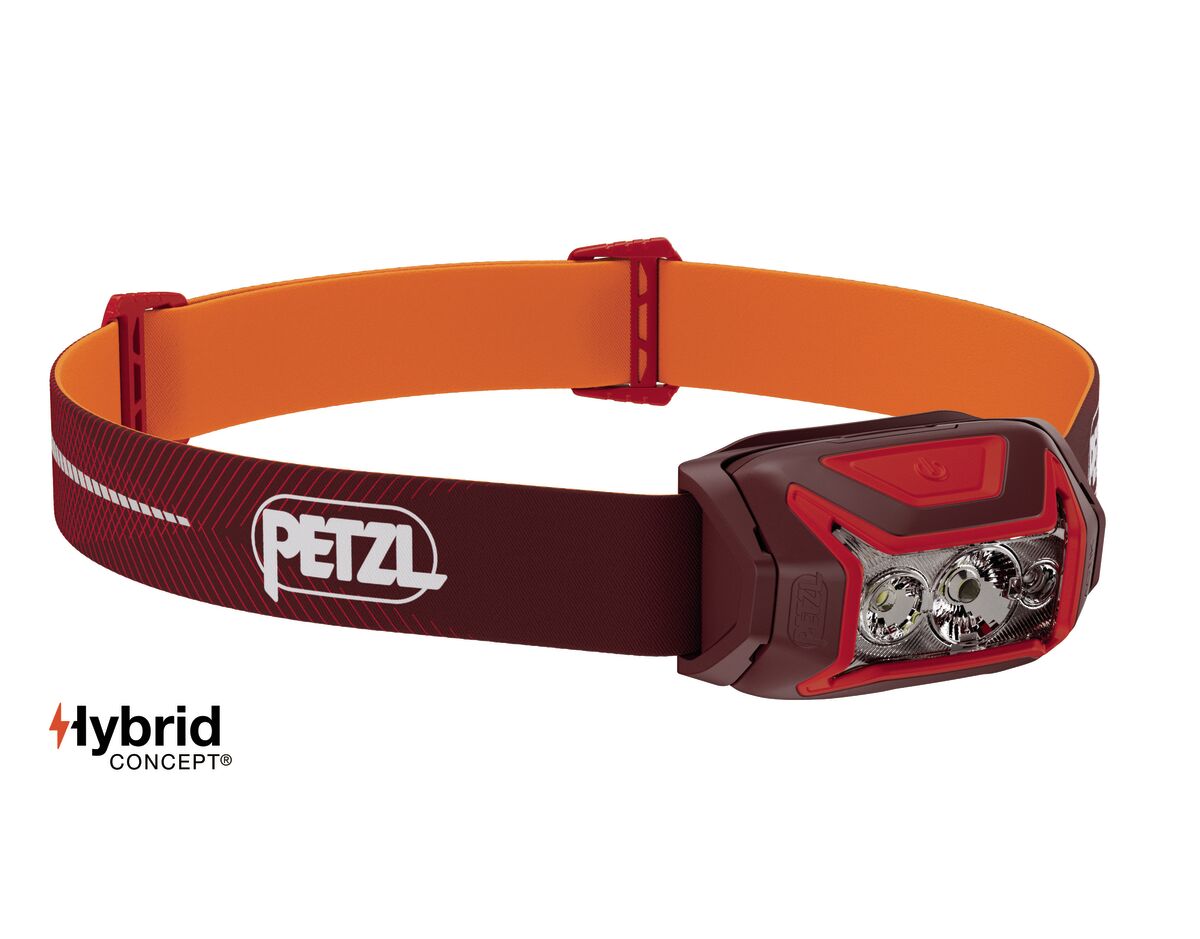 #4 · See and be seen at nightPetzl Actik CoreView on Amazon (opens in a new tab)
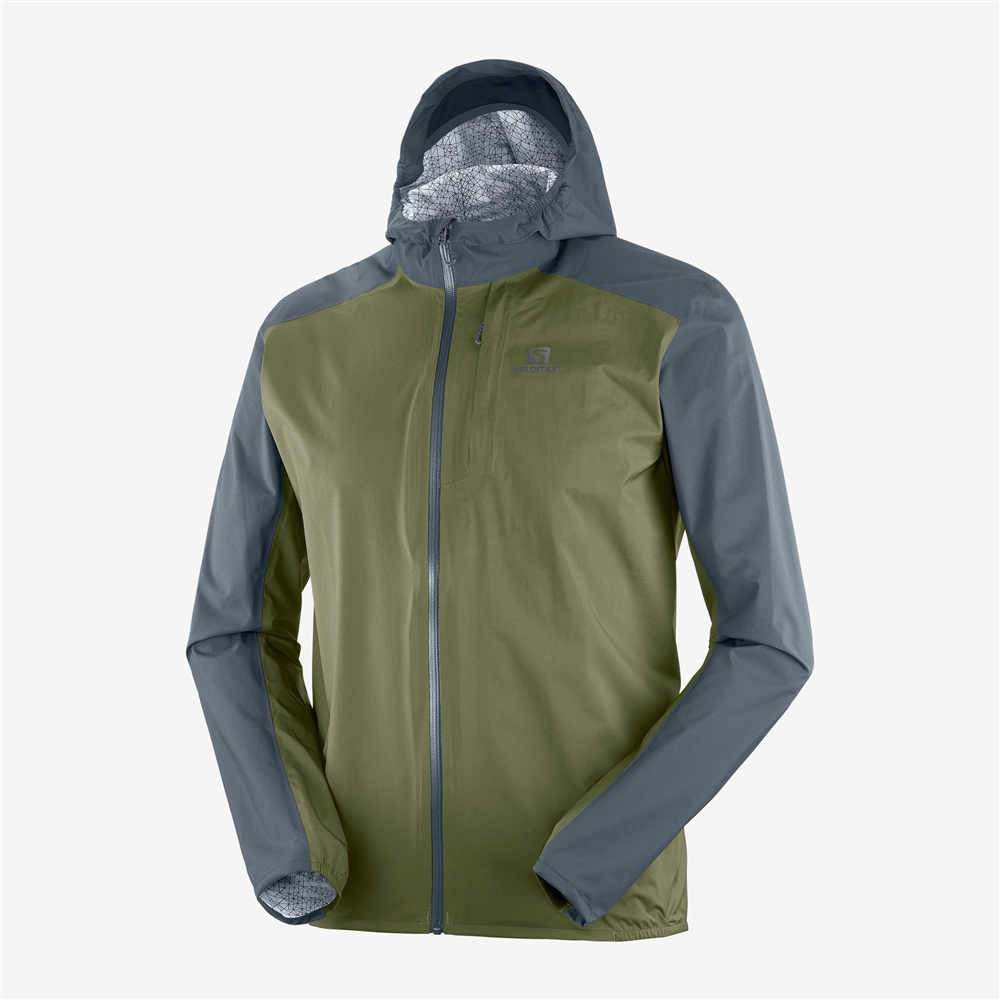 #5 · The layer that blocks wind and rainSalomon Bonatti WPView on Amazon (opens in a new tab)
Affiliate links: if you buy through them we earn a commission at no extra cost to you. It does not affect the ranking.
How we choose
We compare every model on verified technical specs (weight, materials, price), user reviews and our own experience running and testing gear in races from 21K to 100K+. We update this guide when prices change or new models launch. Some links are affiliate links: if you buy through them, TrailRunTemple earns a commission at no extra cost to you and with no influence on the selection.
All products in this guide
Lifesystems
Lifesystems Thermal Blanket
Reflective emergency thermal blanket. Retains 90% of body heat. Ultralight (60 g) and compact, it fits in any trail pack.
Fox 40
Fox 40 Classic
Emergency whistle with no internal part; works when wet and muddy. 115 dB sound audible from far away. The standard in mountain races.
Tatonka
Tatonka First Aid Basic
Compact, lightweight first aid kit (120 g) designed for outdoor activities. Includes bandages, plasters, antiseptic wipes, tape and waterproof pouch. Ideal format for a trail running vest. Supplement with antihistamine cream and adhesive tape for processionary caterpillar situations.
Petzl
Petzl Actik Core
Rechargeable 600-lumen headlamp with the Core battery included. Compatible with AAA batteries. Red mode to preserve night vision. Ideal for ultras with night sections.
Salomon
Salomon Bonatti WP
Ultralight waterproof windproof jacket (135 g). Taped seams, adjustable hood and back ventilation. Packs into its own pocket.
If you searched for a “survival kit” lately, the results were not a mountain shop: they were official guidance to keep 72 hours of self-sufficiency at home —water, food, torch, blanket, first aid kit, whistle— in case of a supply cut or an emergency. And here is the interesting part for you: if you run ultras, you already carry half of that bag. The thermal blanket, the whistle, the headlamp, the shell and the first aid kit have been compulsory at most mountain races for years.
This guide is not prepper content: it sorts the five pieces that work for both cases, tells you which ones the race rules actually check, how much they weigh and what it costs to close the whole kit (under €220 and under 700 g including the jacket, which is the expensive piece).
If you only want what the gear check asks for, we have a dedicated guide: mandatory emergency gear for trail running.
What Europe recommends and how it maps to your race
The 72-hour figure is the time a household should be able to cope without outside supply. For a trail runner the translation is direct, because a long ultra is exactly that: 6 to 30 hours with no socket, no shop and, if you get lost or injured, a night out on the mountain.
| 72-hour kit piece | On a trail race | Do the rules require it? |
|---|---|---|
| Water (3 litres per person) | Soft flasks plus refills at aid stations | Partly: a minimum reserve depending on the race |
| Non-perishable food | Gels, bars, real food | Yes, an emergency food reserve in ultras |
| Thermal blanket | Reflective emergency blanket | Yes, almost universal |
| Whistle | Pealess whistle | Yes, almost universal |
| Torch and batteries | Headlamp with spare battery | Yes if there is a night section |
| Basic first aid | Compact kit with bandage and antiseptic | Yes at most races |
| ID and some cash | ID card, licence, €20 in notes | Yes, a document with medical details |
| Radio or whistle to signal | Phone with battery plus whistle | Partly |
The practical conclusion: the 72-hour kit and the compulsory trail gear list are the same kit in different packaging. What changes is weight and format, not the list.
The five pieces: cost and weight
| Piece | What it actually does | Weight | Price | Buy |
|---|---|---|---|---|
| Thermal blanket | Prevents hypothermia when you are forced to stop; also works at home | 60 g | €8.99 | Amazon →(opens in a new tab) |
| Whistle | Gets you found without draining battery or voice | 25 g | €12.03 | Amazon →(opens in a new tab) |
| Compact first aid kit | Bandage, antiseptic and tweezers without eating half your pack | 180 g | €14.95 | Amazon →(opens in a new tab) |
| Rechargeable headlamp | See the trail and signal your position at night | 75 g | €73.30 | Amazon →(opens in a new tab) |
| Waterproof jacket | Block wind and rain: the line between uncomfortable and hypothermic | 190 g | €109.97 | Amazon →(opens in a new tab) |
Prices change; the link always goes to the current price.
The five pieces, one by one
1. Thermal blanket: the €9 piece that can save a life
Hypothermia does not arrive while you run: it arrives when you stop. Forty forced minutes on a cold, windy col is enough for your body to stop generating heat. A reflective blanket retains up to 90% of body heat, weighs 60 g and fits in any vest pocket.
Two details almost nobody checks: it should measure at least 1.4 × 2 m (many rulebooks specify it) and it should be reusable, not the single-use type that tears the moment you open it with gloves on.
Check the blanket on Amazon →(opens in a new tab)2. Whistle: the signal that never runs out of battery
In an emergency your phone loses signal or battery exactly when you need it. A whistle always works and carries over a kilometre in the mountains. Rules usually ask for a pealess whistle, because the pea freezes or jams; the Fox 40 Classic is the model repeated across most official lists.
Check the whistle on Amazon →(opens in a new tab)3. First aid kit: the piece the gear check opens and inspects
This is where many runners get it wrong: they buy a huge car kit or a three-plaster toy that never passes the check. What rulebooks ask for is small and specific: elastic bandage, gauze, antiseptic, plasters and tweezers. A 180 g compact kit covers it and you can refill the parts you use most, which is almost always the bandage.
Check the first aid kit on Amazon →(opens in a new tab)4. Headlamp: the piece you will actually use most
The torch in a household kit is for three days without power. Your headlamp is for eight hours of darkness on the move, with gloves, sweating, unable to stop and swap batteries comfortably. Look for three things: real runtime of at least eight hours in mid mode, USB recharging (or AAA spares, depending on the rules) and a red rear light so people see you from behind.
For a full comparison, see the best trail running headlamps.
Check the headlamp on Amazon →(opens in a new tab)5. Waterproof jacket: the only expensive piece
It is the piece that separates “a rough night” from “evacuated with hypothermia”. UTMB rules and nearly every Spanish ultra require a waterproof jacket with sealed seams and a hood, not a windshell. The Salomon Bonatti WP complies, weighs 190 g and packs down to the size of a fist. A windshell is not a substitute: they are two different garments and the gear check knows it.
Check the jacket on Amazon →(opens in a new tab)Build it in two bags
The beginner mistake is stuffing everything into the race pack “just in case” and carrying 2 kg you never touch. Split it:
Bag A — what you wear (350-400 g): thermal blanket, whistle, first aid kit, charged headlamp, jacket. This is what the check asks for and what you need if you have to stop on the mountain.
Bag B — the drop bag (car or big aid station): real water and food for 24 hours, a full dry change of clothes, shoes for afterwards, charger and powerbank, cash. You do not run with this bag: it is what turns a DNF into a bad memory instead of a night out in the cold.
If your race has a drop bag or a bivouac, best bivvy gear for the night before an ultra covers that part in detail.
3 mistakes that cost you
-
Buying the kit the week of the race and debuting it at the start line. A headlamp with a fresh battery, a stiff jacket and an unopened first aid kit all behave differently on race day. Test everything on a long training run, at night, with gloves.
-
Mistaking a windshell for a waterproof. A windshell has no sealed seams and no hood, and many rulebooks list it as an additional item, never as a substitute. If the check rejects it, you do not start.
-
Betting everything on your phone. No signal means no GPS and no call. The whistle and the blanket depend on nothing: that is why they are still compulsory in the GPS era.
FAQ
Is a 72-hour survival kit the same as trail race mandatory gear?
In essence, yes: blanket, whistle, torch, first aid and a warm layer appear on both lists. The difference is weight and format. The household kit prioritises autonomy (water and food for three days); the race kit prioritises fitting in a vest without slowing you down.
How much does it cost to complete the kit from scratch?
Around €220 including the waterproof jacket, which is more than half the total. Without it, the other four pieces come to about €110 and under 350 g. It is the best-value purchase in trail gear: you use it at every race, it does not expire and it does not follow trends.
Can I use the emergency blanket from my car kit?
You can, but check two things: that it is still intact (they crack with sun exposure) and that it meets the minimum size in the rules. A 1.2 m petrol-station blanket will not pass the check at many races.
Do I need a whistle if my vest has one built in?
Many vests include one on the chest. If yours does and it is pealess, it is valid. If it has a pea, some rulebooks reject it, so carry a compliant one separately.
Verdict
- Starting from zero? Buy these first: thermal blanket(opens in a new tab) and whistle(opens in a new tab) — €21 that covers the two items almost every race requires.
- First ultra coming up: add a first aid kit(opens in a new tab) and a headlamp(opens in a new tab).
- Running at night or in bad weather: the waterproof jacket(opens in a new tab) stops being optional.
The kit will not make you faster. It makes you come back. And at 90% of races it is exactly the gear you will be asked for at the start line: no purchase in trail running pays back better.
Other guides you might find useful
Races where you'll need this gear
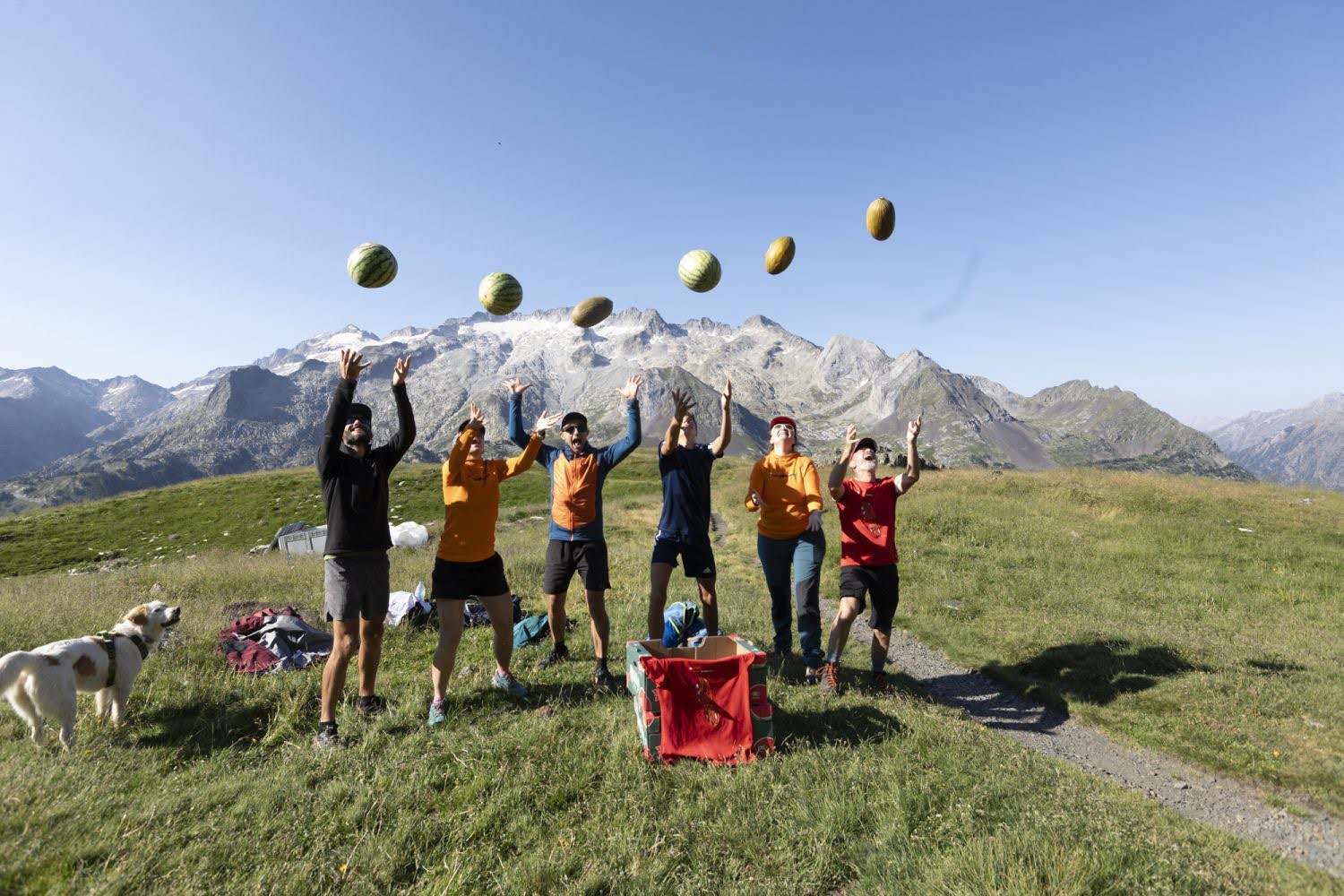
Gran Trail Trangoworld Aneto-Posets
From 5K to 105K between the Pyrenean rooftops: Aneto and Posets from the Benasque Valley
Read more →
Transgrancanaria
128K, 83K, 44K, and 30K crossing Gran Canaria from north to south
Read more →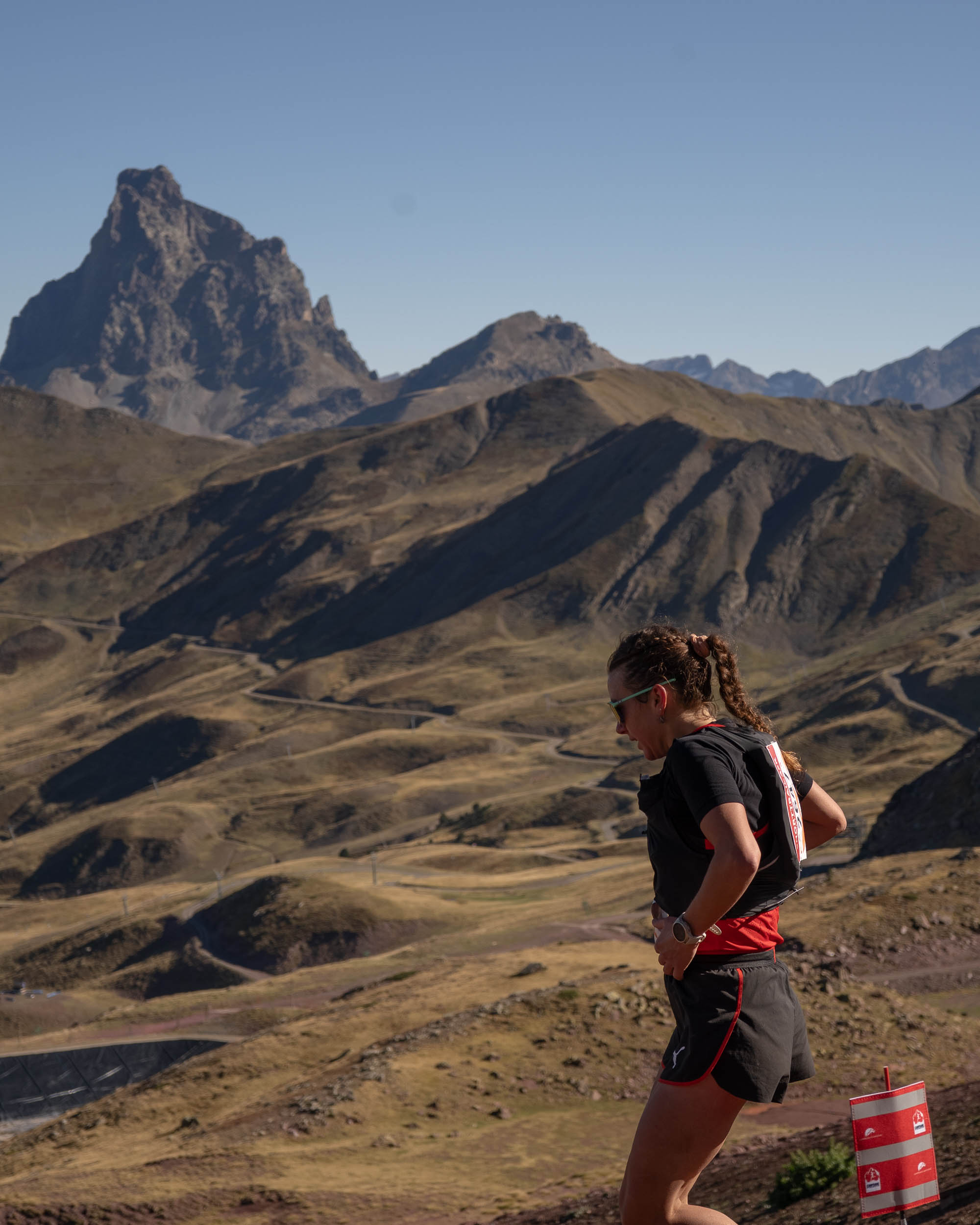
Canfranc-Canfranc
From 6K to 100K through the central Pyrenees from the iconic Canfranc International Station
Read more →
Ultra Pirineu
100K, 54K, and 30K along the Cadí Range in the Catalan Pyrenees
Read more →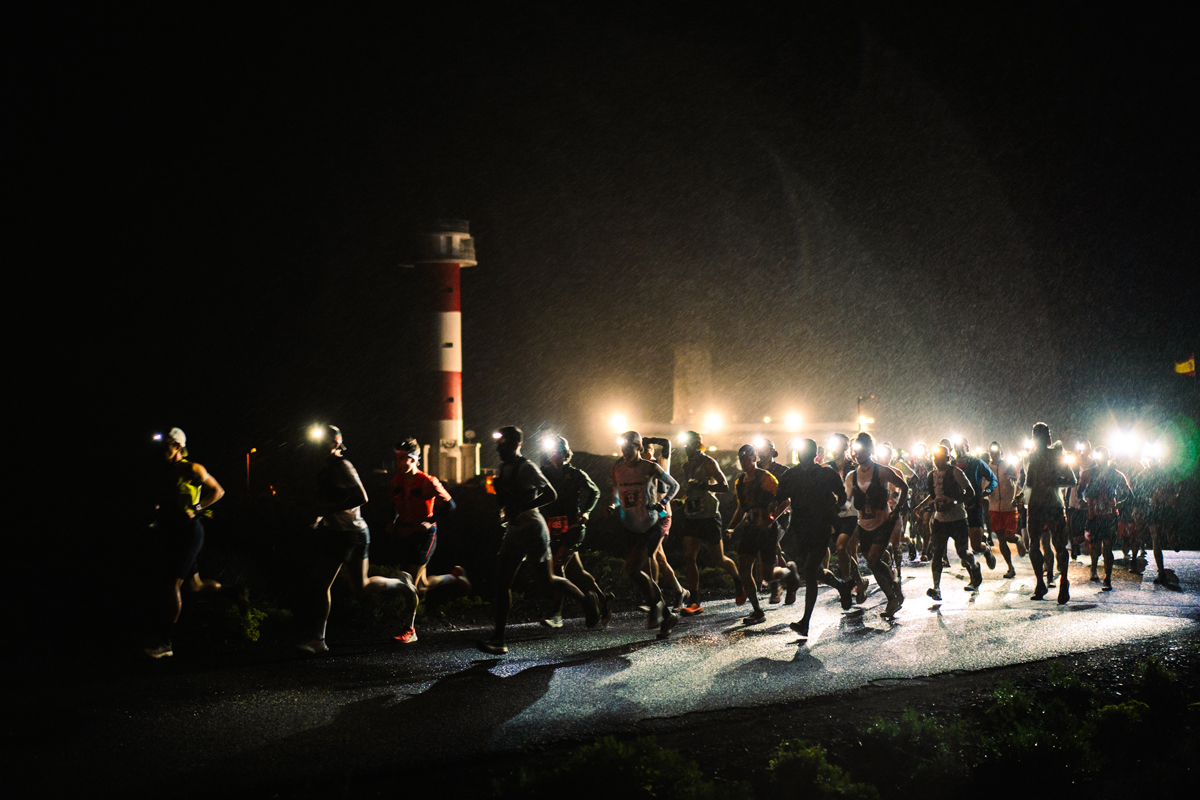
Transvulcania
73K, 43K, 25K, and VK crossing La Palma along the Ruta del Bastón
Read more →