Best Premium Trail Running Shoes 2026: High-End & Carbon Plate
 (se abre en una pestaña nueva)
 (se abre en una pestaña nueva)
 (se abre en una pestaña nueva)
 (se abre en una pestaña nueva)
How we choose
We compare every model on verified technical specs (weight, materials, price), user reviews and our own experience running and testing gear in races from 21K to 100K+. We update this guide when prices change or new models launch. Some links are affiliate links: if you buy through them, TrailRunTemple earns a commission at no extra cost to you and with no influence on the selection.
Our picks by use case
- #1Most Premium & Lightest: Hoka Hoka Cielo X1View on Amazon →(se abre en una pestaña nueva)
- #2Best for Racing Ultra Trail: Hoka Hoka Tecton X3View on Amazon →(se abre en una pestaña nueva)
- #3Best Bounce Feel: Nike Nike UltraflyView on Amazon →(se abre en una pestaña nueva)
- #4Best Entry to Premium: Adidas Adidas Terrex Agravic UltraView on Amazon →(se abre en una pestaña nueva)
All products in this guide
Hoka
Hoka Cielo X1
Hoka's hybrid super shoe with a dual carbon plate and dual-density PEBA foam: built for the road (10K to marathon), but its light weight (213 g) and aggressive Meta-Rocker make it a premium pick for fast, rolling trail terrain.
Hoka
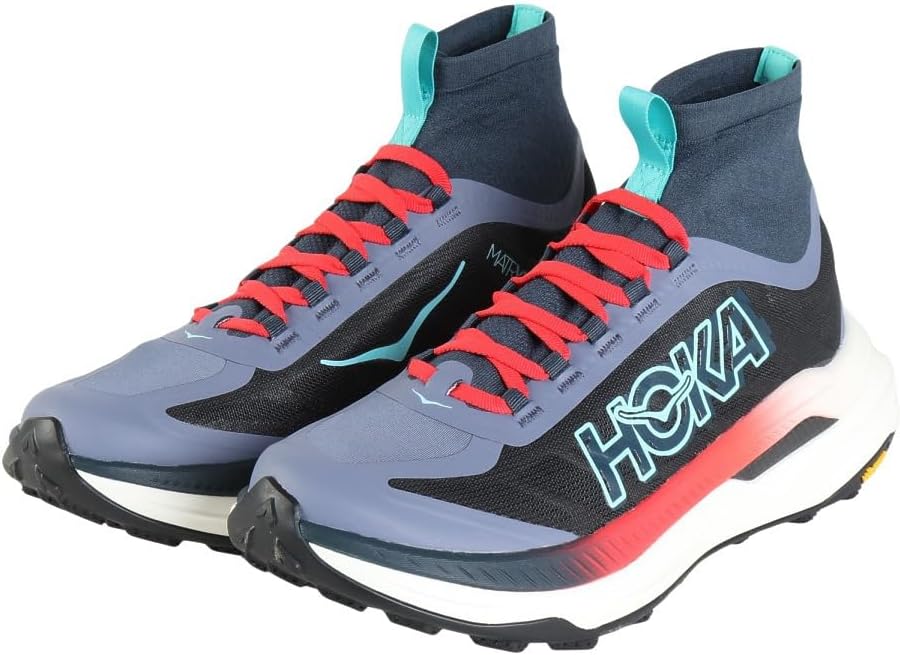
Hoka Tecton X3
Racing trail shoe designed for ultra distance. Dual parallel carbon fibre plates for maximum energy efficiency and ultralight PEBA foam that absorbs impact mile after mile. Vibram Megagrip outsole with 5 mm lugs for reliable grip on mixed terrain. Weight: 290 g. Drop: 5 mm.
Nike
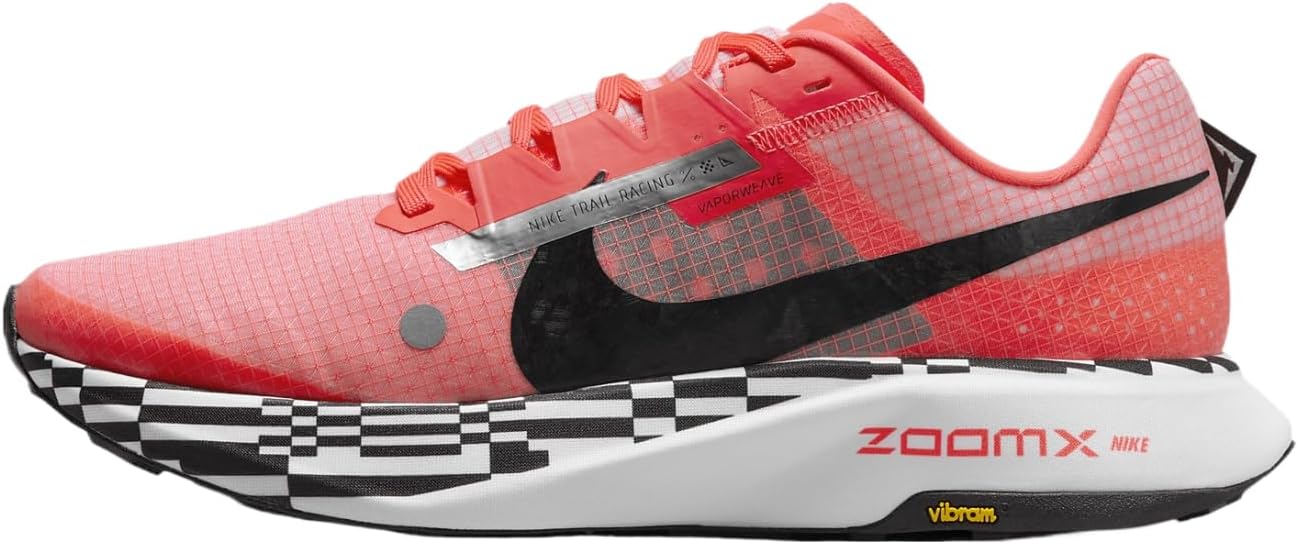
Nike Ultrafly
Nike's most versatile trail shoe, suited to almost any terrain. ZoomX foam (the same as the road Vaporfly) for exceptional energy return and a Vibram Megagrip outsole providing the traction missing in earlier models. Good cushioning for medium and long distances. Weight: 305 g. Drop: 8 mm.
Adidas
Adidas Terrex Agravic Ultra
Adidas Terrex's high-end trail shoe built for ultra distance: Lightstrike Pro midsole, 8 mm drop and a Continental outsole with low-profile lugs for rolling and mixed terrain.
If you’ve heard someone mention “the €500 Adidas trail shoe,” they’re likely confusing the model: the Terrex Agravic Flow retails around €150, not €500. But the instinct behind that search is real and growing: there’s a genuine premium trail shoe segment — carbon plates, dual-density PEBA/ZoomX foams, premium materials — where prices climb well above a standard shoe, from €160 to over €400. This guide covers the real options in that segment for 2026 and tells you whether the extra cost translates into performance or just marketing.
Premium shoe comparison
Tap a column to sortSwipe to see more
| Product | Standout feature | |
|---|---|---|
HokaHoka Cielo X1 (se abre en una pestaña nueva) | Extremely lightweight (213 g) for its cushioning level | View on Amazon(se abre en una pestaña nueva) |
HokaHoka Tecton X3 (se abre en una pestaña nueva) | Dual carbon plate: exceptional energy efficiency over long distances | View on Amazon(se abre en una pestaña nueva) |
NikeNike Ultrafly (se abre en una pestaña nueva) | ZoomX foam: exceptional energy return inherited from the Vaporfly | View on Amazon(se abre en una pestaña nueva) |
AdidasAdidas Terrex Agravic Ultra (se abre en una pestaña nueva) | Very protective Lightstrike Pro midsole for long distance | View on Amazon(se abre en una pestaña nueva) |
Weight in men’s US 9 / EU 42-42.5 (varies by size). Current price and stock are always on the Amazon listing.
What actually makes a trail shoe “premium”?
It’s not the logo or the colorway. It’s a specific combination of expensive-to-manufacture technology:
1. Next-gen foams (PEBA, ZoomX)
PEBA (Hoka) and ZoomX (Nike) foams cost far more to produce than traditional EVA, but cushion more with less weight and return energy with every stride. That’s the main reason these shoes cost roughly double a mid-range model.
2. Carbon plate (or dual plate)
A carbon fiber plate adds controlled stiffness that saves energy on rolling terrain. Models like the Cielo X1 or Tecton X3 run a dual plate, more expensive to manufacture and more efficient than a single one. Rule of thumb: a plate rewards fast, rolling terrain and penalizes slow, technical ground where the foot needs to adapt to the surface.
3. Ultralight weight without sacrificing protection
Hitting 213 g (Cielo X1) with long-distance cushioning requires pricier upper materials (technical mesh, minimal reinforcement) than a conventional 300 g shoe. That saved weight costs money.
4. High-end outsole rubber compound
Vibram Megagrip and Continental are rubber compounds superior in grip and durability to generic outsoles. In a premium shoe, the outsole is also engineered to resist breaking down in the first 200 km.
What about Norda?
If you’ve researched this segment, you’ve probably come across Norda, the niche Canadian brand whose models (002, 003) run €350-420 and use military-grade Dyneema mesh. It’s honestly the most literally “premium” product on the market. We’re not including it in the table because Norda doesn’t sell through Amazon, so there’s no affiliate link to offer — if you’re after one, you’ll need to buy direct from their site.
Individual Reviews
1. Hoka Cielo X1 — Most Premium & Lightest
The Hoka Cielo X1 is technically a road super shoe (built for 10K-marathon), but its extreme light weight and aggressive Meta-Rocker have made it a favorite among trail runners chasing speed on rolling fire roads and pavement sections within a mountain race. Dual carbon plate and dual-density PEBA foam — the most advanced tech on this list.
Key specs: 213 g, 7 mm drop, dual carbon plate, dual-density PEBA foam, aggressive Meta-Rocker.
Pros: extremely lightweight for its cushioning level, very high energy return, fast transition thanks to the rocker.
Cons: not a technical trail shoe — no aggressive grip —, the highest price in this comparison, not suited for mud or rock.
Best for: runners chasing the most cutting-edge tech on the market for rolling and hardpack sections within an ultra, or fast races on compact surfaces.
See Hoka Cielo X1 on Amazon →2. Hoka Tecton X3 — Best for Racing Ultra Trail
The Hoka Tecton X3 is Hoka’s ultra racing shoe: a parallel dual carbon fiber plate for maximum efficiency and an ultralight PEBA foam that holds its cushioning mile after mile. Vibram Megagrip outsole with 5 mm lugs, so unlike the Cielo X1, it actually works on real mountain terrain.
Key specs: 290 g, 5 mm drop, dual carbon plate, PEBA foam, Vibram Megagrip outsole with 5 mm lugs.
Pros: dual carbon plate with exceptional energy efficiency, reliable Vibram Megagrip in dry and wet, purpose-built for mountain ultras.
Cons: high price, 5 mm lugs insufficient for deep mud, stiff plate not ideal on very technical, slow terrain.
Best for: runners who race rolling, fast mountain ultras (Transgrancanaria’s fire roads, rolling sections of Canfranc-Canfranc) and want the best Hoka has to offer in one shoe.
See Hoka Tecton X3 on Amazon →3. Nike Ultrafly — Best Bounce Feel
The Nike Ultrafly brings the ZoomX foam from the road Vaporfly to trail, with a carbon Flyplate that delivers a surprising energetic response over long distances. Nike fixed its historic trail grip problem with a Vibram Megagrip outsole, so the result is a very versatile shoe.
Key specs: 305 g, 8 mm drop, ZoomX foam, carbon Flyplate, Vibram Megagrip outsole with ~4.5 mm lugs.
Pros: ZoomX foam with exceptional energy return inherited from the Vaporfly, Vibram Megagrip with solid grip, very versatile on mixed terrain.
Cons: high price, high drop (8 mm) compared to more technical trail shoes, less grip in deep mud than aggressive-lug models.
Best for: road runners transitioning to trail who want that carbon bounce feel on mixed rolling ultra terrain without giving up versatility.
See Nike Ultrafly on Amazon →4. Adidas Terrex Agravic Ultra — Best Entry to Premium
The Adidas Terrex Agravic Ultra is the most affordable gateway into the premium segment: no carbon plate, but a very protective Lightstrike Pro midsole and a Continental outsole — the same rubber compound the brand uses in its high-performance tires — for reliable grip in dry and wet conditions. It’s the pick for runners who want high-end tech without paying the carbon premium.
Key specs: 328 g, 8 mm drop, Lightstrike Pro midsole, low-profile Continental outsole, no plate.
Pros: very protective midsole for long distance, reliable Continental outsole in any condition, rugged build made to rack up mileage, the most accessible price on this list.
Cons: somewhat narrow forefoot fit, high drop (8 mm), no carbon-plate propulsion.
Best for: ultra runners who want premium-level durability and protection without paying the carbon surcharge, or as a first “premium” shoe before jumping to carbon.
See Adidas Terrex Agravic Ultra on Amazon →Is it worth paying more for a premium shoe?
It depends on your profile:
- If you race and the terrain is rolling or mixed, yes: carbon plates and PEBA/ZoomX foams save real energy over long races, and that saving shows up in your finish time.
- If your terrain is very technical (deep mud, loose rock, steep grades), the carbon premium doesn’t translate into an advantage: prioritize grip and stability over midsole tech. Check the guide to mud trail shoes or the general trail shoe guide.
- If you train daily, none of these four is the right shoe: premium foams break down faster with training volume. Save them for race day or key long runs.
FAQ
Why doesn’t the Terrex Agravic Flow cost €500?
Because it’s a mid-to-upper-tier model (~€150), not Adidas’s flagship. Adidas’s real premium model is the Terrex Agravic Speed Ultra 2, closer to €230 RRP. No trail shoe from a major brand routinely reaches €500 — that price only shows up in very limited editions or resale.
What’s the most expensive trail shoe on the market?
Norda, with models around €350-420, is probably the priciest option with real distribution (though it doesn’t sell through Amazon). Among major brands available on Amazon, the Hoka Cielo X1 (~€275) is among the pricier picks.
Does the carbon plate justify the premium in trail running?
Only on rolling, fast terrain. On technical mountain terrain, a plate-free shoe with better grip (like the Terrex Agravic Ultra) performs better despite costing less.
Final Verdict: Our Pick of the 4 Shoes
- Want the most cutting-edge tech: Hoka Cielo X1
- Racing mountain ultra trail: Hoka Tecton X3
- Want that ZoomX bounce feel: Nike Ultrafly
- Want premium without paying for carbon: Adidas Terrex Agravic Ultra
The premium trail segment isn’t pure marketing — there’s real technology behind the extra cost. But it only pays off if your terrain and your goal can actually use it. Define your race profile first, then pick the tool.
Other guides you might find useful
Races where you'll need this gear

Ultra Pirineu
100K, 54K, and 30K along the Cadí Range in the Catalan Pyrenees
Read more →
Transgrancanaria
128K, 83K, 44K, and 30K crossing Gran Canaria from north to south
Read more →
HOKA Val d'Aran by UTMB
163K, 110K, 75K, 55K, 32K and more through the Pyrenees of Val d'Aran — European Major UTMB World Series
Read more →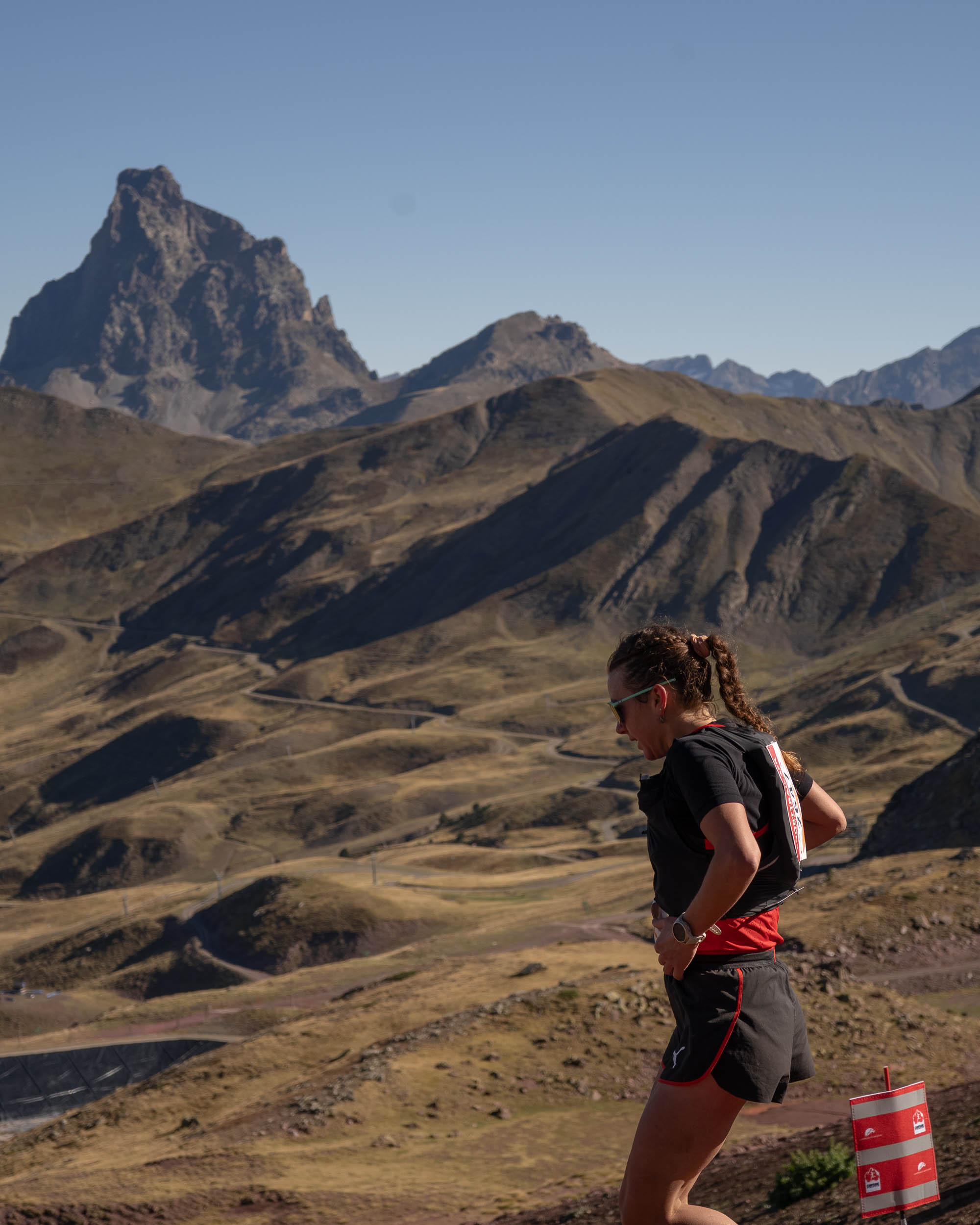
Canfranc-Canfranc
From 6K to 100K through the central Pyrenees from the iconic Canfranc International Station
Read more →