From SuperPaco to Bob Becker: Runners Over 70 in Ultra Trail
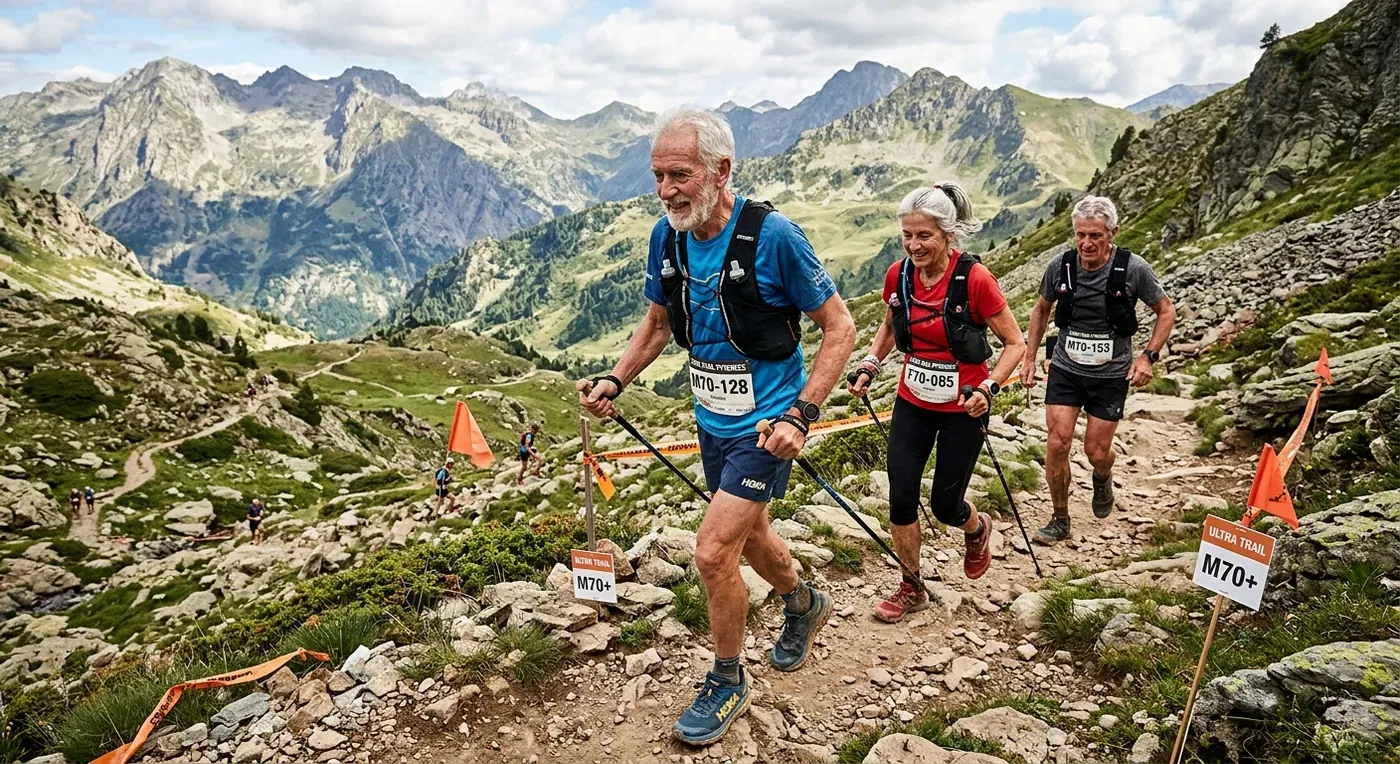
Francisco Contreras Padilla, known as SuperPaco, was a farmer from Cártama (Málaga, Spain) who finished 100 km ultras in a straw hat and cotton trousers. When Carreras por Montaña profiled him in 2015 he was a charming oddity. A decade on, runners aged 70 and over in ultra trail are no longer an anecdote: they have records, dedicated age groups, and even the UTMB co-founder on the start line.
This article tells his story and follows what has happened since with the M70s. It also separates the data that exists from the numbers nobody has actually measured.
Who was SuperPaco
Contreras started walking on his doctor’s advice to lower his cholesterol. His first ultra was the 101 km of Ronda in 2007, which he repeated every year, followed by Transgrancanaria, Hiru Haundiak, Última Frontera and several Summum Ultra Cup races. He was also disqualified at UTMB 2009, about 19 km from the finish, for missing a cut-off (RaceSplitter).
Sources give different ages depending on the year: 77 in 2015, 78 in 2017 (The Olive Press) and over 80 when he died on 22 October 2019 (tribute by Juan, Corredor Errante).
What people who ran with him remember is more telling than the numbers: he carried food and water to share, was strong on climbs, and corrected anyone who called him “Super”: “mini Paco, more like it”. His children published a book in 2016, Súper Paco. Kilómetros de Vida.
For the full story, his children told it in Súper Paco. Kilómetros de Vida (in Spanish): from the cholesterol warning to the 101 km of Ronda and UTMB, told from the inside.
Are there more runners over 70 in ultras?
Let’s be honest: no dataset counts how many M70 finish trail ultras each year, in Spain or anywhere else. What exists is three kinds of evidence pointing the same way:
- Long-race studies. In the 100 km of Biel (Switzerland), an analysis of 96,036 runners from 1956 to 2019 found male participation fell in every age group under 70, but not in the 70-79 and 80-89 groups, which stayed stable. Among women, groups aged 40 to 69 grew (study on PMC). That is road ultra, not trail, but it shows the older runner is not a new phenomenon.
- Age records at iconic races. Individual cases, not statistics, but they keep piling up.
- Races creating age groups. When an event adds an age bracket, it is because people already fill it.
Timeline of milestones
| Year | Runner | What happened |
|---|---|---|
| 2015 | Gunhild Swanson, 70 | Finishes Western States with 6 seconds to spare on the 30 h cut-off (WSER) |
| 2018 | Nick Bassett, 73 | Oldest finisher in Western States history, in 29:09 (ADN) |
| 2025 | Jan Vleck, 72 | Finishes Western States out of a record six runners aged 70+ on the start line (Northern News Now) |
| 2025 | Bob Becker, 80 | Finishes Badwater 135 in 45:00:06; the race creates an 80-84 age group (NPR, iRunFar) |
| 2026 | Michel Poletti, 71 | UTMB co-founder finishes the 174 km in 44:58:26 and wins the 70-74 category (SI México) |
Two caveats matter. At Western States 2025, of the six runners aged 70+ who started, only one finished: the 30-hour cut-off is merciless. And Bassett’s record (age 73) has stood since 2018. More contenders, but finishing is just as hard.
And in Spain, where does an M70 run?
This is the real gap. Spanish races rarely separate older runners. The rules of the 101 km of Ronda 2026, the race that made SuperPaco famous, group everyone over 60 into one category (Veteranos C). A 62-year-old and a 77-year-old compete together.
The Masters Mountain Running World Championships, held since 2001, keep breaking participation records: Canfranc 2024 drew 1,400 entrants, up from 1,018 in Germany 2012 (Carreras de Montaña). But it is open to masters aged 35 to 79 in five-year blocks, and published figures do not break out the 70+.
To know how many runners over 70 finished a specific race, you have to go to the official results by category (for Ronda, Cruzando la Meta) and filter by age by hand. Nobody has done that data work yet.
What changes at 70: gear and logistics
Runners this age are not slow just because of age: what shrinks is the margin for error. And you offset it with gear, not extra effort.
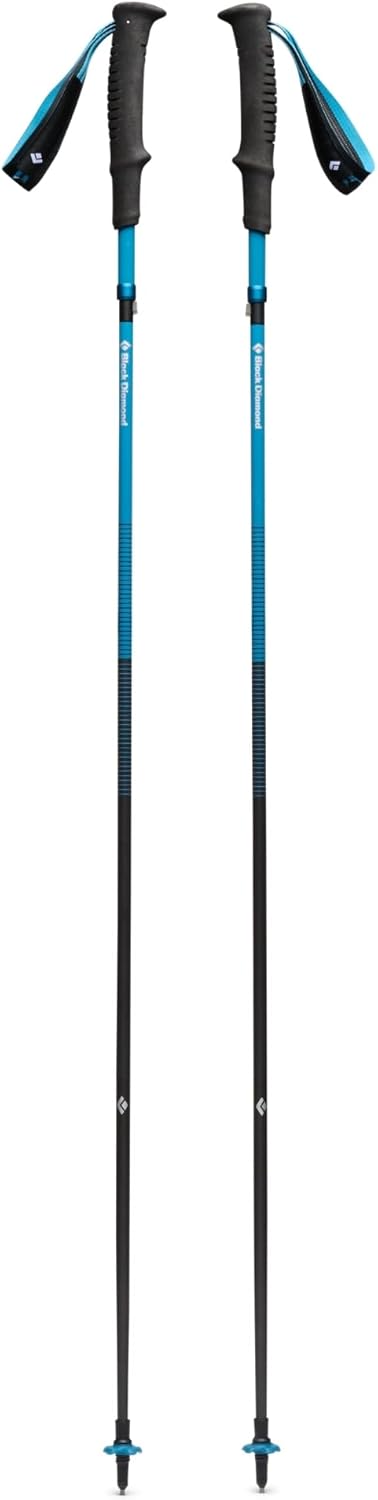
- Poles. They reduce load on knees and hips on descents and are almost mandatory in long ultras. See our trail poles guide.
- A reliable headlamp. Ultras stretch into a second night, and seeing the ground clearly prevents falls. We compare them in the headlamp guide.

- A vest with capacity. A runner finishing in 45 hours needs to carry more: warm layer, food and water for long gaps between aid stations.

- Sun protection. Over hours of accumulated sun, mature skin suffers more. A sweat-resistant stick is one of the cheapest purchases with the biggest impact.

- Insurance. A federation licence or day insurance covers a rescue if something goes wrong in the mountains. Details in the trail running insurance guide.
Where to start if you want to follow in his footsteps
The 101 km of Ronda is SuperPaco’s race: 101 km with a 24-hour limit and a long tradition in Ronda. Get a feel for the terrain and the Pack 360 on the 101 km La Legión page. For real mountain terrain, Ultra Sierra Nevada is another Andalusian option.
Frequently asked questions
Who was SuperPaco?
Francisco Contreras Padilla, a farmer from Cártama (Málaga) who started running because of cholesterol and finished 100 km ultras in his 70s. He died on 22 October 2019.
Who is the oldest finisher of UTMB?
There is no verifiable official figure in the sources consulted. What is confirmed is that Michel Poletti finished in 2026 at 71 and won the 70-74 category.
Who is the oldest Western States finisher?
Nick Bassett, aged 73, in 2018, in 29:09 against a 30-hour limit.
Are there more runners over 70 than before?
There are more known cases and more contenders at big races, but no global statistic measures it yet. The Biel study suggests the 70 to 89 age groups hold steady in long races.