Homemade maltodextrin gel: how much you save making your own energy gel
What a gel actually costs
A branded energy gel costs between €1.50 and €3 a piece. That sounds manageable until you multiply it by what you actually use over a season: if you train with gels as well as racing with them, and run a handful of ultras a year, your gel bill can quietly climb into the hundreds of euros.
What’s inside that sachet, for most brands, is water, maltodextrin, fructose, and some flavoring or electrolytes. Cheap ingredients on their own. What you’re paying for is someone else mixing, dosing, and packing them into an individual wrapper. Do that step yourself and the cost per serving drops sharply.
This isn’t the post about natural alternatives to gels (guava paste, dates, honey), which are about real food and a different flavor. The goal here is different: replicate a technical gel at home, with the same carbohydrate mix brands use, at the lowest possible cost per serving.
Why maltodextrin + fructose, not just one
Premium gels (Maurten, some SiS, some 226ERS) combine two types of carbohydrate that use different absorption pathways in the gut:
- Maltodextrin: a long glucose chain, absorbed quickly but the glucose transporter saturates at around 60 g/h.
- Fructose: uses a different intestinal transporter. Combined with maltodextrin, it lets you push total carbohydrate intake up to 80-90 g/h without the gut distress that same amount of maltodextrin alone would cause.
The ratio most cited in sports nutrition literature, and the one used by most commercial gels that disclose both ingredients, is 2:1 maltodextrin to fructose. That’s the one we’ll use here.
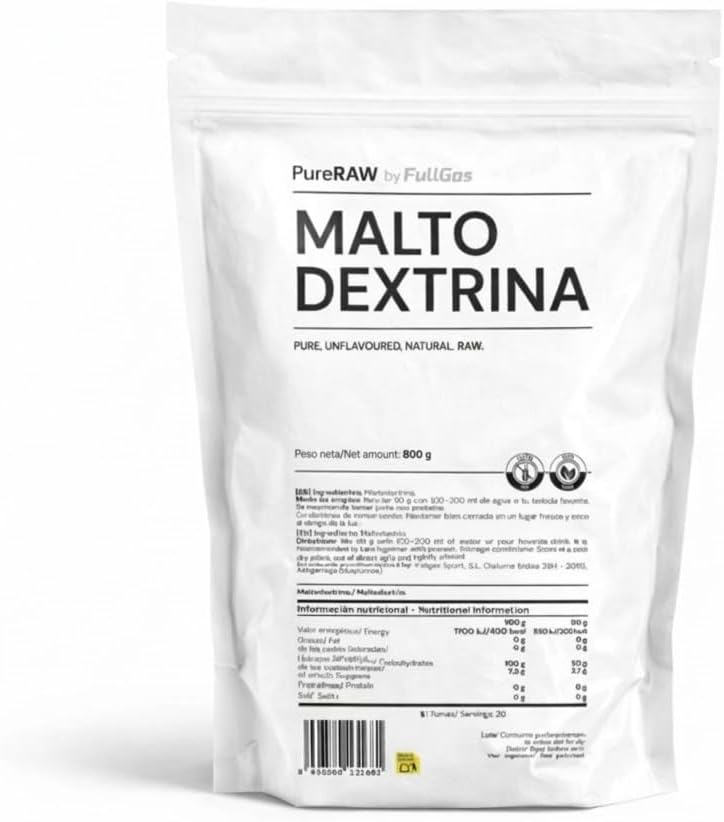

Base recipe: 2:1 homemade gel
For a 300 ml flask, roughly 5-6 servings the size of a commercial gel:
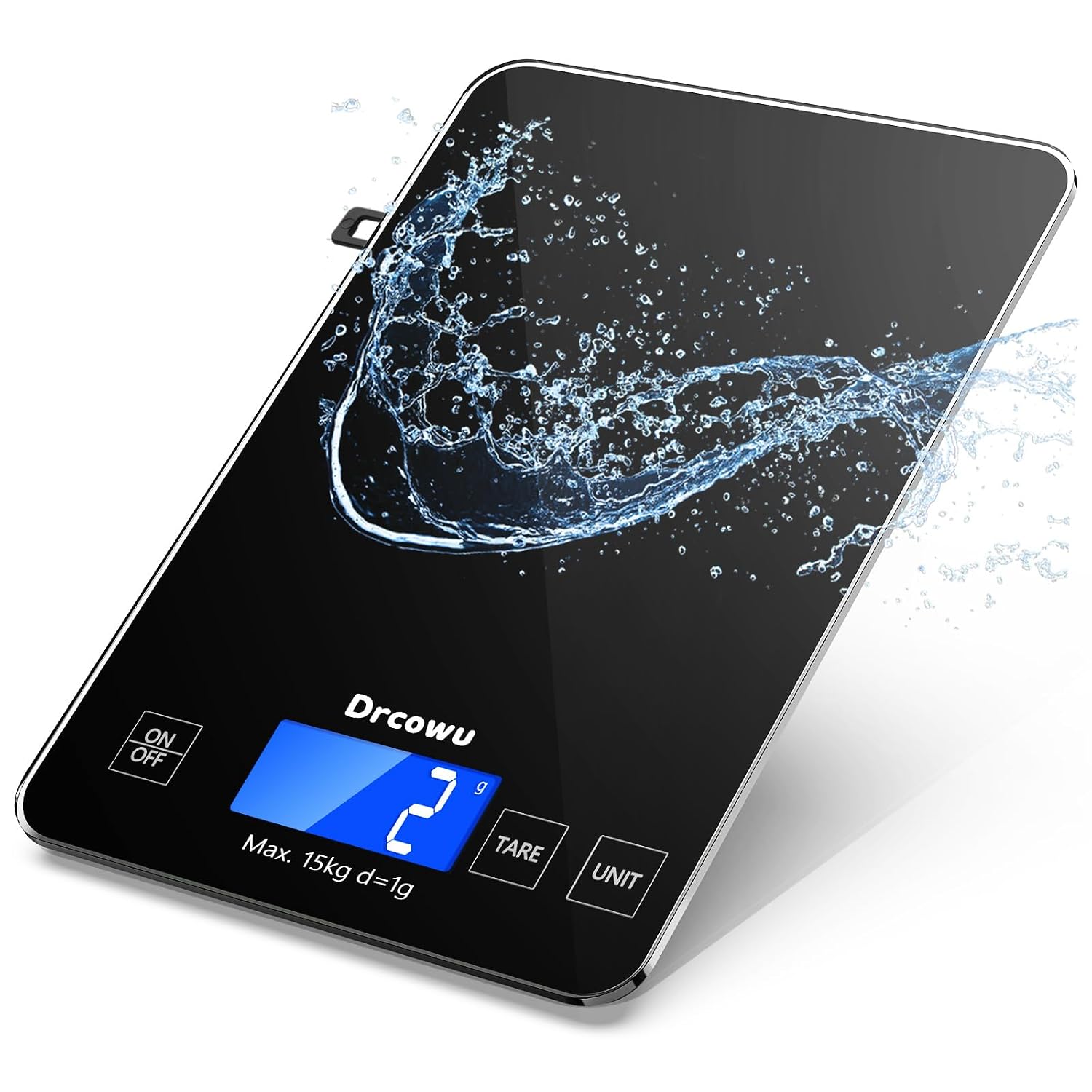
- Weigh 100 g of maltodextrin and 50 g of fructose (2:1 ratio) on the precision scale.
- Add 150-180 ml of warm water and stir until no lumps remain. Less water means a thicker texture (closer to a branded gel); more water makes it thinner and easier to swallow at high effort.
- Add a pinch of salt (it supplies sodium, which helps water absorption and cramp prevention) and, if you like, a splash of lemon juice or instant coffee for flavor and a bit of caffeine.
- Fill the reusable flask with a narrow funnel or a kitchen syringe.
- Refrigerate if you won’t use it within 2-3 days; without preservatives, the mix ferments faster than a packaged commercial gel.
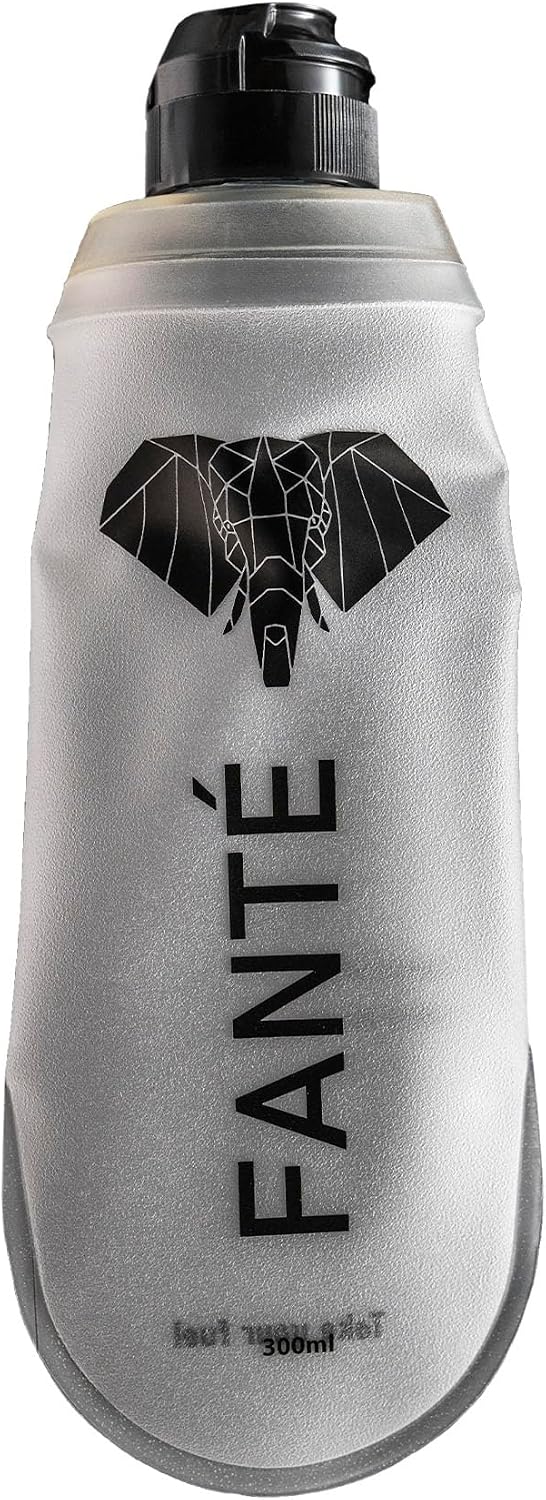
This 300 ml batch delivers around 150 g of total carbohydrate, split into 5-6 servings of about 25-30 g each, in line with what a single commercial gel delivers (21-27 g depending on the brand).
The savings math
At typical prices for a 1 kg tub of maltodextrin and one of fructose, a 150 g batch (100 g malto + 50 g fructose) costs well under half a euro in raw ingredients. Spread across 5-6 servings, that’s cents per serving, against €1.50-3 for a branded gel.

A real-world example from our own catalog: a box of 24 GU gels runs around €40, or €1.66 per gel. A single 1 kg tub of maltodextrin plus its matching tub of fructose makes far more servings than that box, and lasts several races and plenty of long training sessions.
The difference shows up most if you train with gels: on long runs during marathon or ultra prep, using the homemade mix for training and saving commercial gels for race day cuts spending a lot without changing your fueling strategy.
Limitations: when it’s not worth doing yourself
Making your own gel doesn’t fully replace the commercial one in every case:
- Dosing precision: a brand controls carbohydrate content to the gram, batch after batch; at home, with a scale, you get close but not factory-level repeatability.
- Shelf life: without preservatives, the homemade mix only keeps a few days in the fridge. You can’t prep it months ahead the way you can by buying a box of gels.
- Exact caffeine and electrolytes: if you follow a precise caffeine plan (specific mg per hour), it’s easier to control with commercial products that state the exact dose on the label.
- Race-day convenience: batching takes time. For a single important race, many runners still prefer the reliability of a proven branded gel.
The most practical approach for most runners is mixed: homemade gel for training (where consumption volume is high and cost matters) and a mix of homemade and commercial gel on race day, the same approach we covered in kitchen gear for homemade ultra nutrition.
Test in training, never on race day
As with any nutrition change, the golden rule stays the same: never try the homemade gel for the first time on race day. Dial in the water ratio, salt, and flavor over long training runs until you find your formula, and only then take it to competition.
To calculate how many carbohydrates you need per hour based on your pace and race duration, use the nutrition and hydration calculator and check our best ultra trail gels and nutrition guide if you’d rather compare ready-to-use options.