Kitchen gear for making your own ultra trail nutrition
Why make your own ultra nutrition
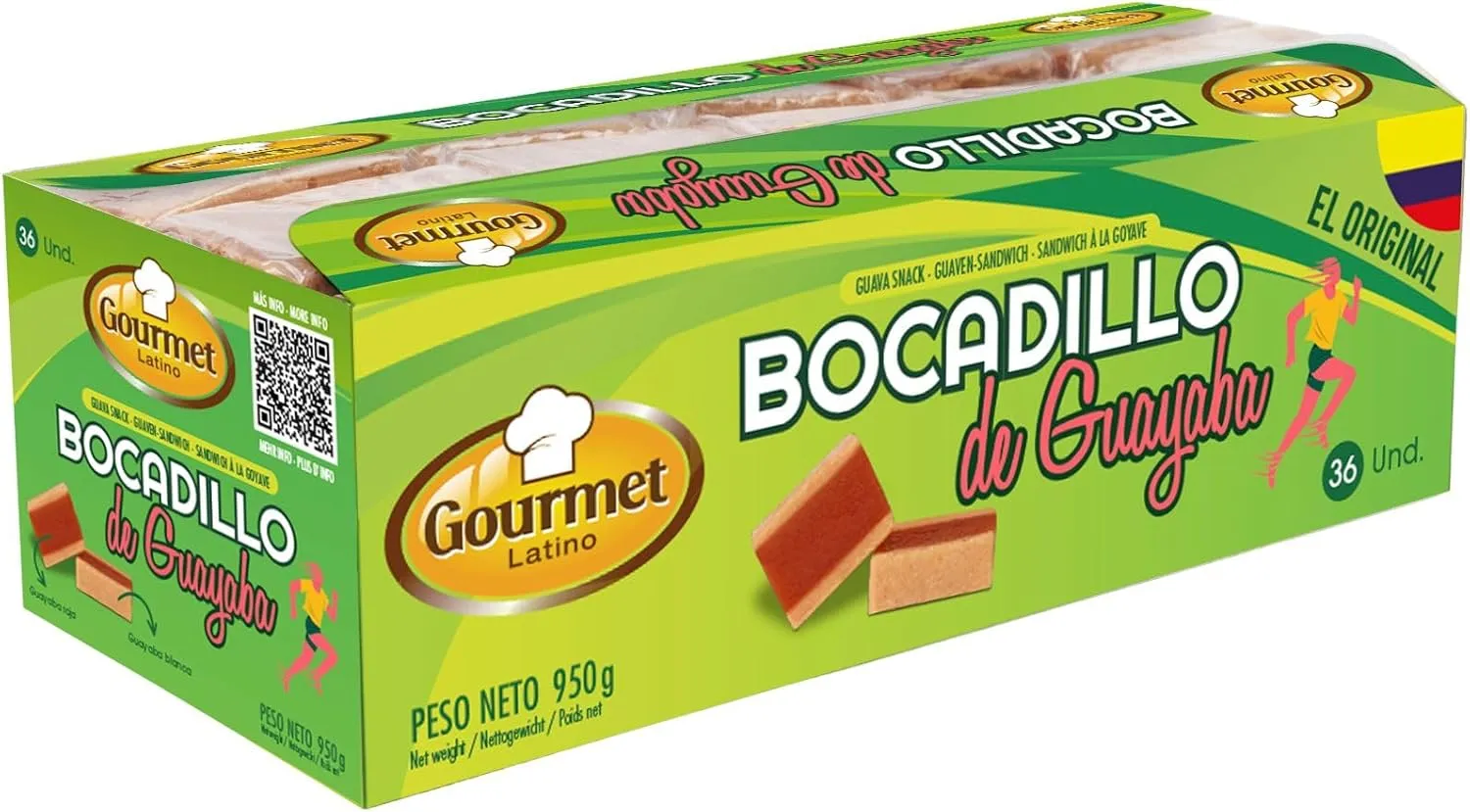
We’ve already covered natural alternatives to energy gels: guava paste, dates, dried apricots, honey sticks. They’re cheaper and easier on the palate than a commercial gel, but they’re still store-bought products.
The next step is making your own gels and energy snacks at home. It’s not a new idea — ultra runners have been dehydrating fruit and mixing their own energy paste to fill reusable flasks for years. With the right kitchen gear the process is simple, you control exactly what you’re eating on race day, and the cost per serving drops sharply compared to a branded gel.
For that you need four pieces of kitchen equipment, none of them exclusive to baking or sports nutrition: a dehydrator, a precision scale, a reusable flask, and a blender or food processor.
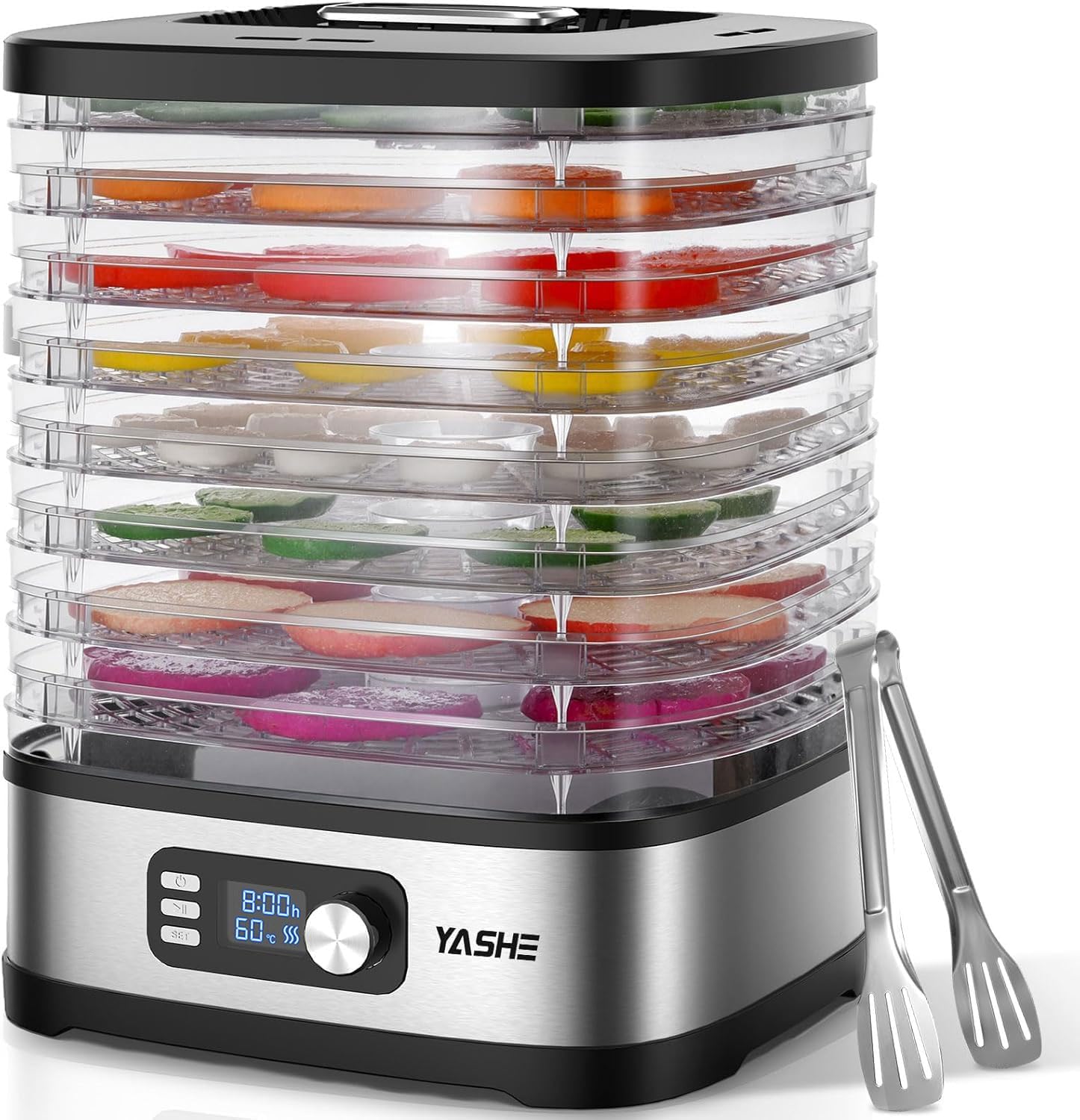
Food dehydrator
A home dehydrator lets you dry fruit (banana, mango, strawberry, apricot) to make your own dried fruit snacks, or prepare concentrated fruit pulp as a base for homemade gels. The advantage over buying pre-packaged dried fruit is twofold: you control how dry it gets, and you avoid the added sugars or preservatives that many commercial products contain.
For a runner’s use case, look for a model with adjustable temperature and time (fruit dehydrates best between 55-65°C over several hours) and multiple trays, so you can prepare enough for several races at once.
Precision kitchen scale
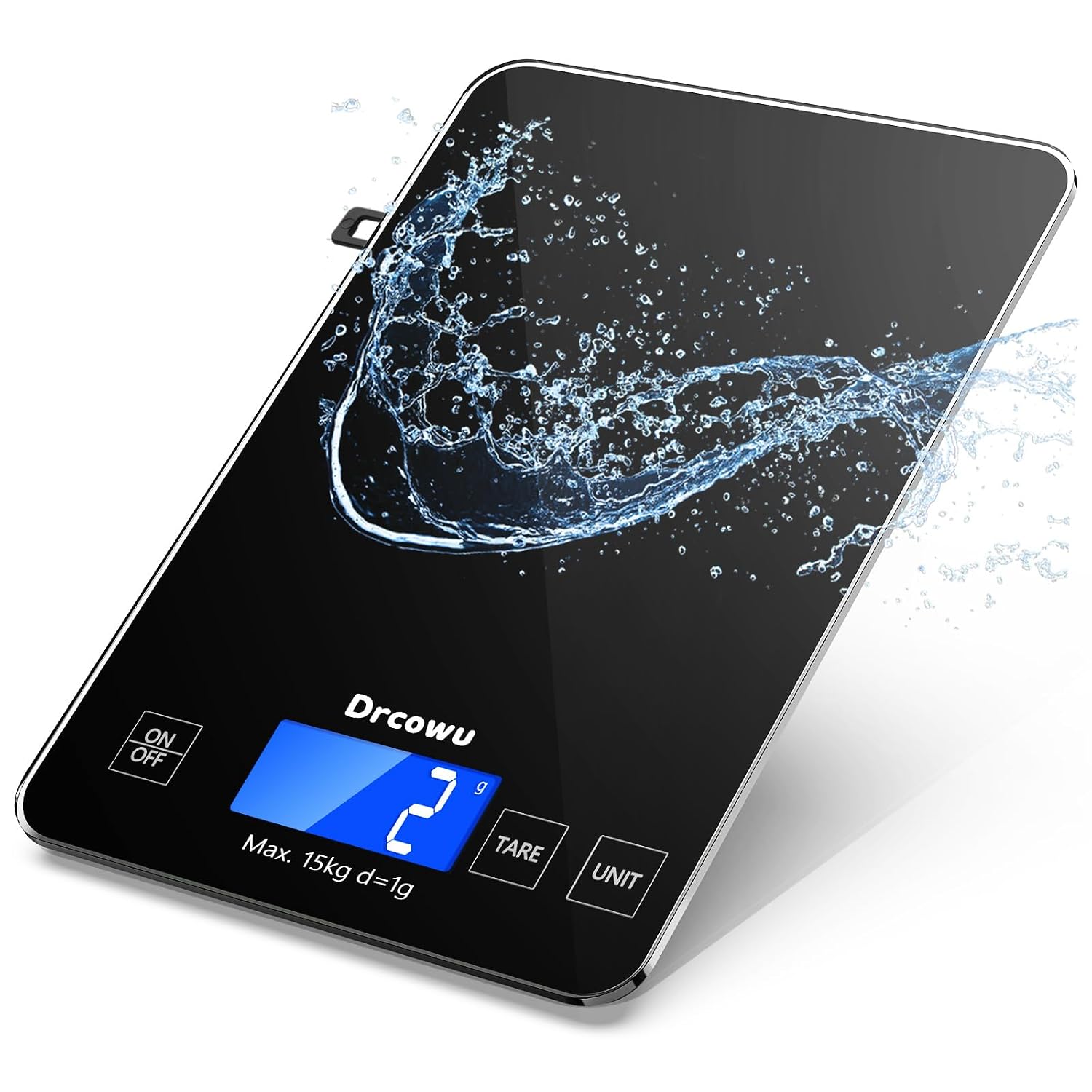
If you’re going to make your own nutrition, you need to measure it accurately. A precision scale (with 1 g increments or finer) is the difference between “roughly 30 g of carbs per serving” and actually knowing how much you’re carrying in each flask or stuffed date.
This matters most if you follow a nutrition plan with specific grams of carbohydrate per hour: weighing your ingredients when you batch-prepare lets you calculate exactly how much each homemade serving delivers — something a commercial product already prints on the label, but that you have to work out yourself with homemade nutrition.
Reusable flask for homemade gel
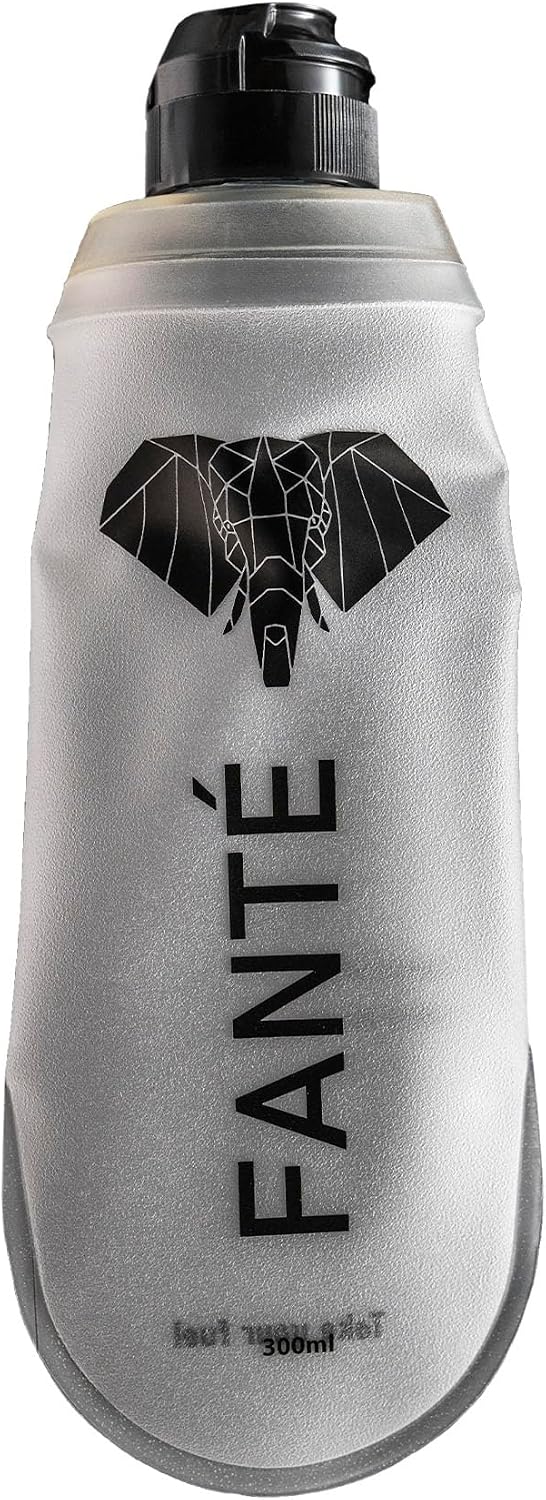
Once you have your mix (blended fruit, honey, dates, a pinch of salt), you need something to carry it in during the race. Reusable flasks made of silicone or flexible plastic, the kind cyclists use for homemade gels, do exactly that job: fill them at home, seal them with an airtight cap, and squeeze them exactly like a commercial gel.
Compared to buying individually wrapped gels, a reusable flask eliminates the plastic waste per serving and lets you carry the exact amount you want for each stretch of the race.
Blender or food processor
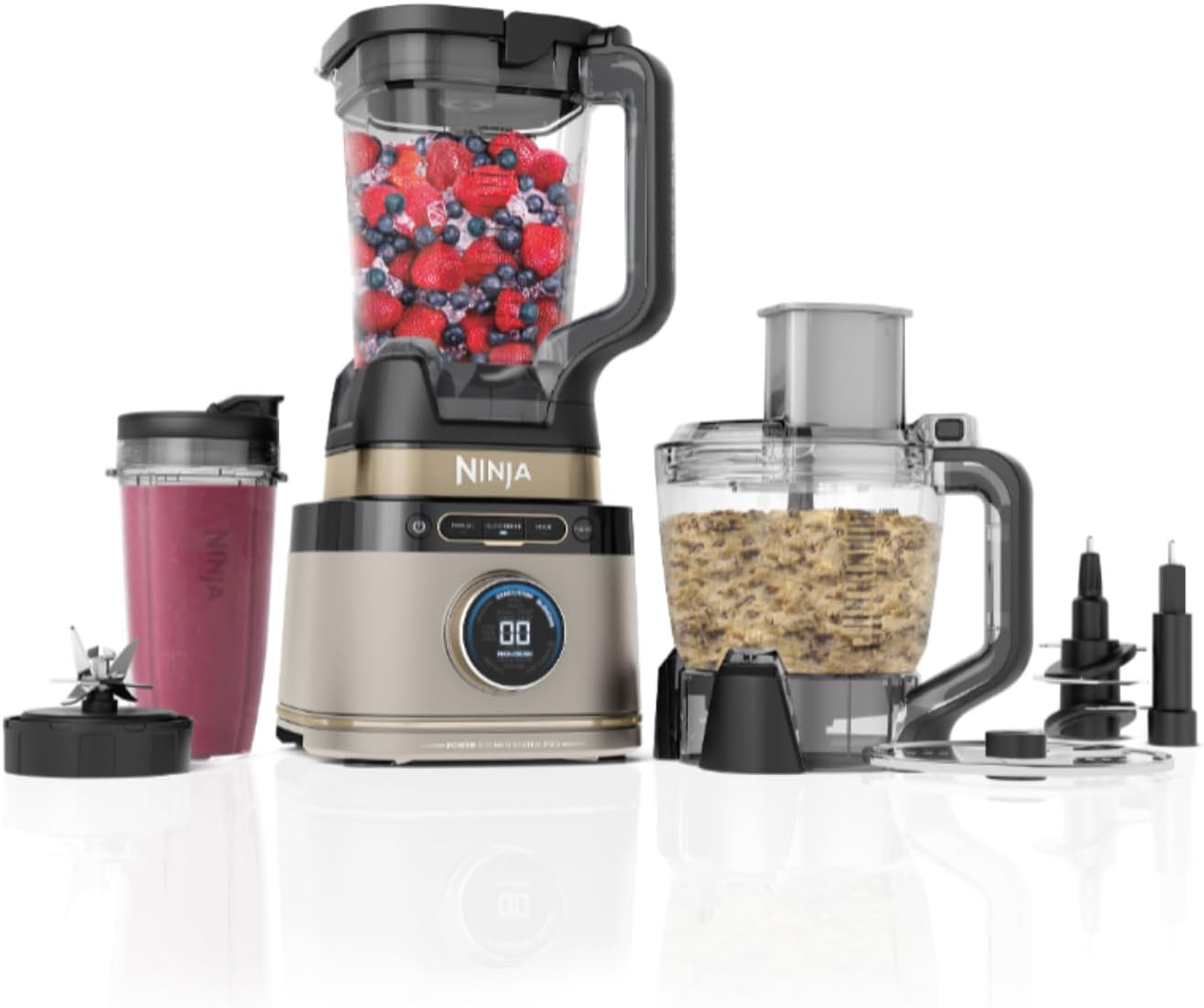
To get a smooth texture that flows well through the flask nozzle, you need to blend the fruit, dates, or nuts thoroughly. A blender or food processor with enough power does that job in seconds and lets you experiment with combinations: banana and honey, date and salt, fruit with a hint of coffee for caffeine.
How to start: your first batch of homemade gel
A basic recipe to start experimenting at home:
- Blend 3-4 pitted Medjool dates with a tablespoon of honey and a pinch of salt, adding warm water until you get a thick gel-like texture.
- Weigh the result on the precision scale and estimate the carbohydrate content (Medjool dates provide roughly 75 g of carbs per 100 g).
- Fill the reusable flask using a kitchen syringe or a narrow funnel.
- Test it in training, never on race day. Adjust the water, salt and sweetness ratio until you find your formula.
If you also want to vary things with dried fruit, the dehydrator lets you dry banana or mango at home and store it in airtight containers as a stock for several races.
Combining homemade nutrition with commercial products
Making your own nutrition doesn’t mean cutting out commercial gels entirely. The same strategy from our natural alternatives to gels guide still applies: use your homemade nutrition on stretches where you can chew or where the pace allows it, and save commercial gels for high-intensity moments or when you need guaranteed caffeine.
The savings are significant: a batch of homemade gel made with dates and honey costs a few cents per serving, compared to €1.50-3 for a branded gel. Over an ultra with aid every 30-45 minutes, that difference adds up.
To plan how much energy you’ll need for your next race, use our nutrition and hydration calculator and check our trail running nutrition recommendations.