Zeitschätzer für Trailrunning
Berechne, wie lange du für dein nächstes Trailrennen brauchen wirst. Gib die Streckendaten und dein Niveau ein, um eine Schätzung mit Aufschlüsselung nach Komponenten zu erhalten.
Schnellreferenz für Trailzeiten
Typische Vertikalgeschwindigkeit (Anstieg)
- Anfänger: 350–450 m/h
- Fortgeschritten: 500–600 m/h
- Erfahren: 700–800 m/h
- Elite: 900–1100 m/h
Ultra-Ermüdungsfaktor
- < 42 km: keine Strafe
- 42–80 km: +3–5% Zeit
- 80–120 km: +8–12% Zeit
- 120–170 km: +15–20% Zeit
Renndaten
Geschätzte Zeit
Zeitlimit des Rennens
Die Uhr, um diese Zeit am Renntag zu treffen
Ein GPS, das dir das Zieltempo in Echtzeit anzeigt und dich warnt, wenn du in den Abfahrten zu stark bremst. Wir zeigen nie den Preis: prüf ihn bei Amazon.
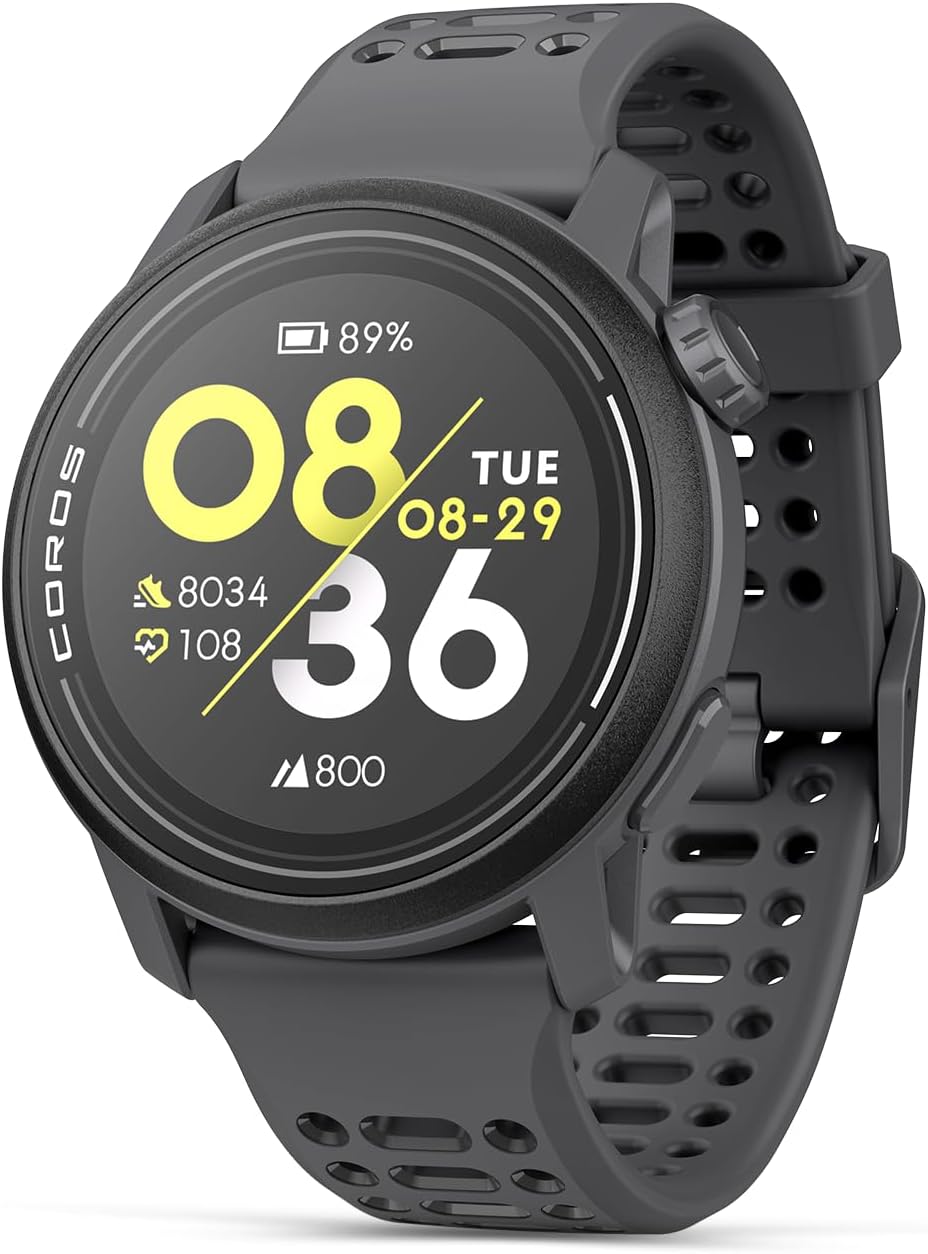
Unsere Empfehlung
Coros Pace 3
GPS-Trailrunning-Uhr mit Track-Navigation, barometrischem Höhenmesser und bis zu 38 h Akkulaufzeit im GPS-Modus
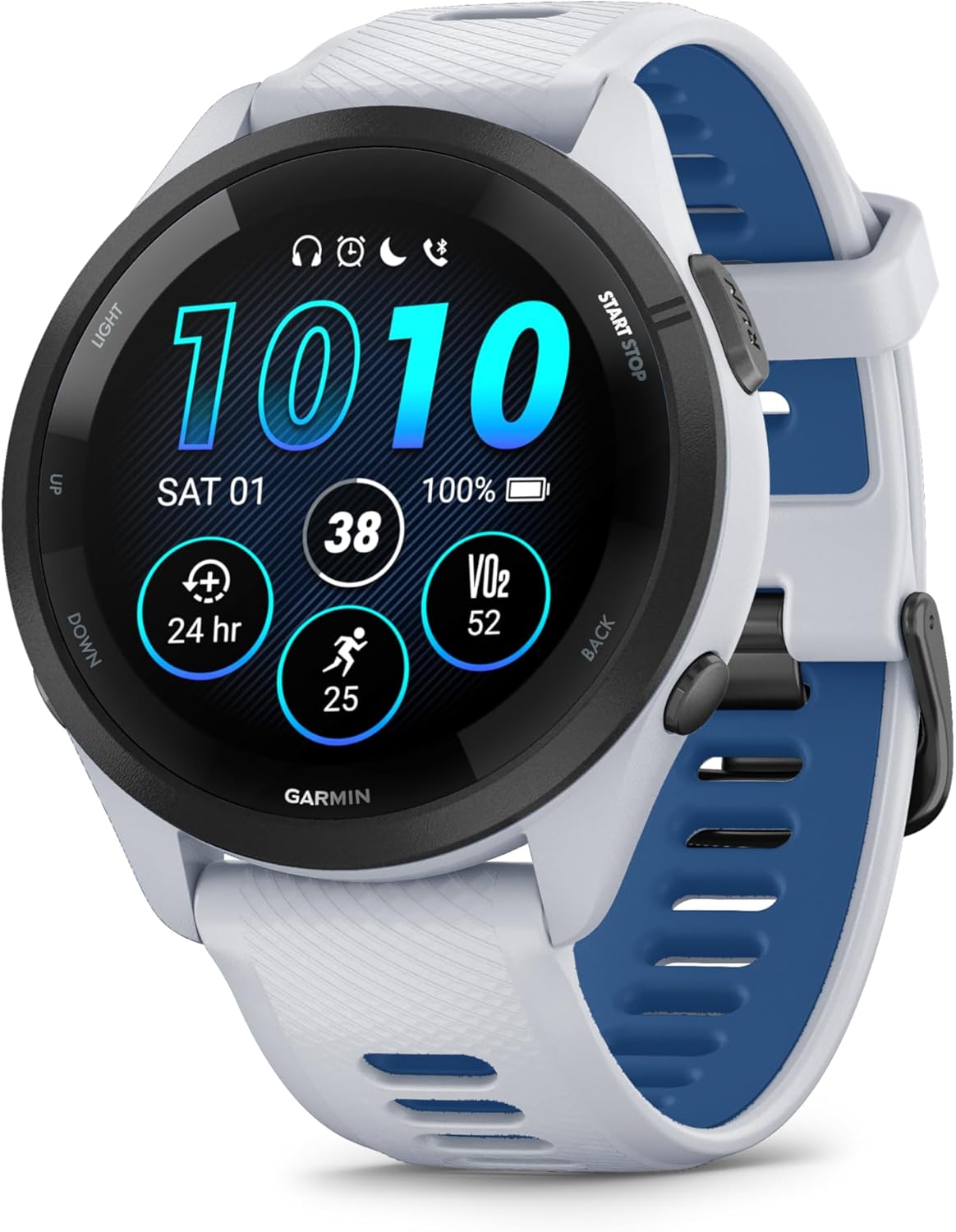
Alternative
Garmin Forerunner 265
Laufuhr mit AMOLED-Display, Dualband-Multiband-GPS und Musik an Bord
Einige Links sind Affiliate-Links. Wenn du darüber kaufst, erhalten wir eine Provision ohne Mehrkosten für dich.
Zeit im Flachen
Anstiegszeit
Abstiegszeit
Ausrüstung und Ernährung für dein Ziel
Material und Verpflegung, um dein Rennen zu optimieren
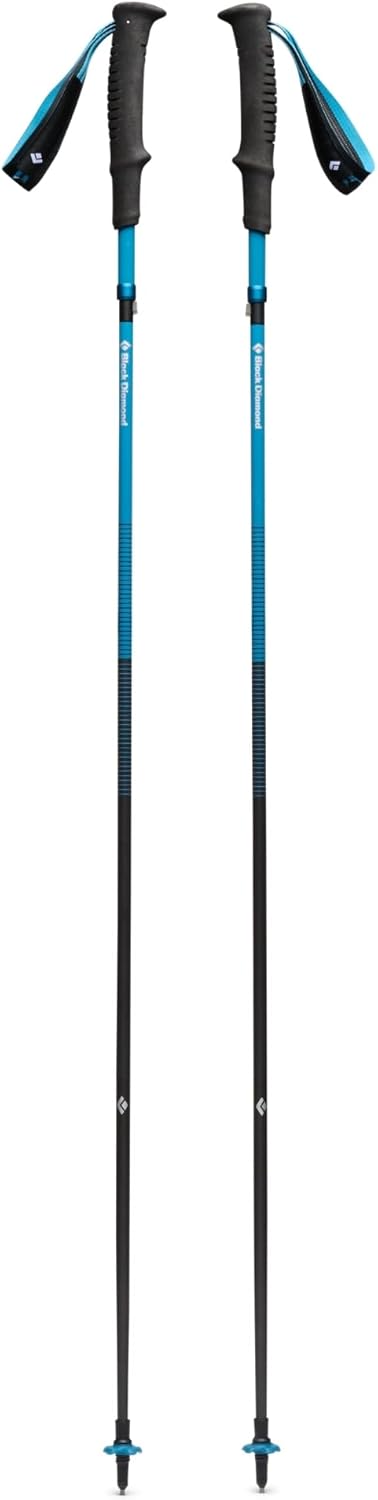
Black Diamond
Black Diamond Distance Carbon Z
Ultralight carbon Z-pole foldable trekking poles. 137 g per pole in 110 cm length, 33 cm folded. EVA grip and adjustable strap. The trail running reference.
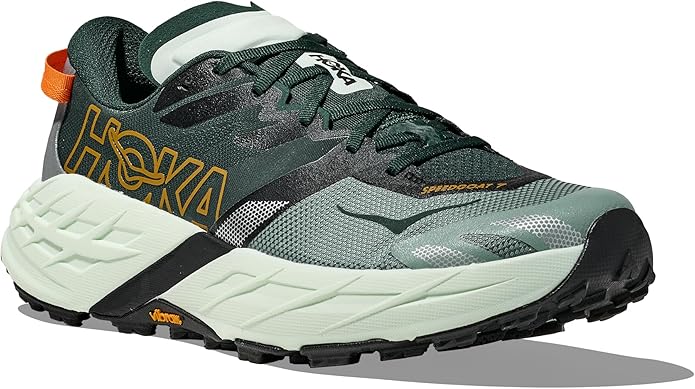
Hoka
Hoka Speedgoat 7
The best-selling trail shoe in the US and an absolute ultra-trail classic. Max Hoka cushioning, a Vibram Megagrip outsole with 5 mm lugs for grip in mud and technical terrain, and a snug Matryx upper. Built to eat up kilometres without punishing your legs in long races.

Maurten
Maurten Gel 100
Gel de hidrogel con 25g de carbohidratos. La tecnología de hidrogel encapsula los carbohidratos para una absorción sin molestias gástricas. Sabor neutro, sin edulcorantes artificiales. Usado por corredores de élite en maratón y ultra.

GU
GU Energy Gel Original
Gel energético con 100 calorías y 21g de carbohidratos por sobre. Mezcla de maltodextrina y fructosa para absorción óptima. Incluye aminoácidos y electrolitos. El gel más usado en ultratrails de todo el mundo.
Einige Links sind Affiliate-Links. Wenn du darüber kaufst, erhalten wir eine Provision ohne Mehrkosten für dich.
Zusammenfassung
Durchschnittliche Pace
Steiggeschw.
Abstiegsgeschw.
Aufwand-km
Angewendete Faktoren
Häufige Fragen
How is the estimated time calculated?
The estimator uses a three-component model: flat time (based on your pace), climb time (based on your vertical ascent speed) and descent time. It then applies correction factors for terrain type and accumulated fatigue at long distances. This is the same approach used by professional trail running coaches.
How accurate is the estimator?
For trail races with reliable distance and elevation data, typical accuracy is ±10-15%. Factors like altitude, weather, your fitness on the day or downhill technique can affect the result. That's why we show an optimistic-conservative range.
What is vertical speed?
Vertical speed (m/h) measures how many meters of elevation gain you can climb per hour. A beginner runner climbs at around 400 m/h, while an elite can exceed 1000 m/h. It is one of the most important metrics in trail running because climbs consume most of the time in mountain races.
Why does the time increase disproportionately at ultra distances?
At distances over 42 km, the body accumulates muscular, digestive and mental fatigue that progressively slows the pace. This effect is called "ultra fatigue" and is normal: even elite runners slow down 15-20% in the final hours of an ultra trail. Our model applies a fatigue factor based on total distance.
How do I choose my runner level?
Beginner: your first trail or less than 1 year running in the mountains. Intermediate: you run trails regularly, you have completed a race of 20-40 km. Advanced: you compete regularly, you have finished ultras, you train 4-5 days/week. Elite: you place in the top positions, you train 6+ days/week, you have a high ITRA index.
What if I don't know the negative elevation (D−)?
If you don't know it, leave it equal to the positive elevation (D+). In most loop or point-to-point races, D+ and D− are very similar. They only differ significantly in races that finish at a very different altitude from the start.
Wie der Zeitschätzer funktioniert
Dieser Schätzer berechnet deine Wettkampfzeit mit einem Drei-Komponenten-Modell, das an das Trailrunning angepasst ist:
- Horizontale Komponente: die Zeit, die du brauchst, um die Distanz im Flachen zurückzulegen, nach deiner Grund-Pace.
- Anstiegskomponente: die zusätzliche Zeit fürs Bergaufgehen, berechnet nach deiner Vertikalgeschwindigkeit (Meter/Stunde positive Höhenmeter).
- Abstiegskomponente: die Abstiegszeit, die ebenfalls Zeit hinzufügt, wenn auch weniger als der Anstieg.
Auf diese Grundzeit werden zwei Korrekturfaktoren angewendet:
- Geländefaktor: ein technischer Pfad mit Steinen und Wurzeln ist langsamer als ein rollender Pfad. Skyrunning mit Graten und Kletterpassagen ist noch langsamer.
- Ultra-Ermüdungsfaktor: ab 42 km verliert der Körper durch muskuläre, digestive und mentale Ermüdung fortschreitend an Effizienz.
Das Ergebnis ist ein Bereich (optimistisch – konservativ), weil kein Modell Faktoren wie das Wetter, deine Tagesform oder die Zeiten an den Verpflegungsstellen exakt vorhersagen kann.