Calcolatore del passo nel trail running
Converti tra passo, tempo e distanza. Analizza il tuo passo trail per tratto e genera una tabella dei parziali per la tua prossima gara.
Convertitore da passo a velocità (min/km, km/h, min/miglio)
Compila due campi qualsiasi e calcoleremo il terzo.
Analizzatore del passo trail
Passo medio trail
Passo in piano
Passo in salita
Passo in discesa
Equivalente su strada
Riepilogo
Km-sforzo
Velocità di salita
Velocità di discesa
Tempo totale
Generatore della tabella dei parziali
Inserisci la distanza e il tempo obiettivo per ottenere una tabella del passo chilometro per chilometro.
La tua tabella dei parziali
| Km | Passo | Parziale | Cumulato |
|---|
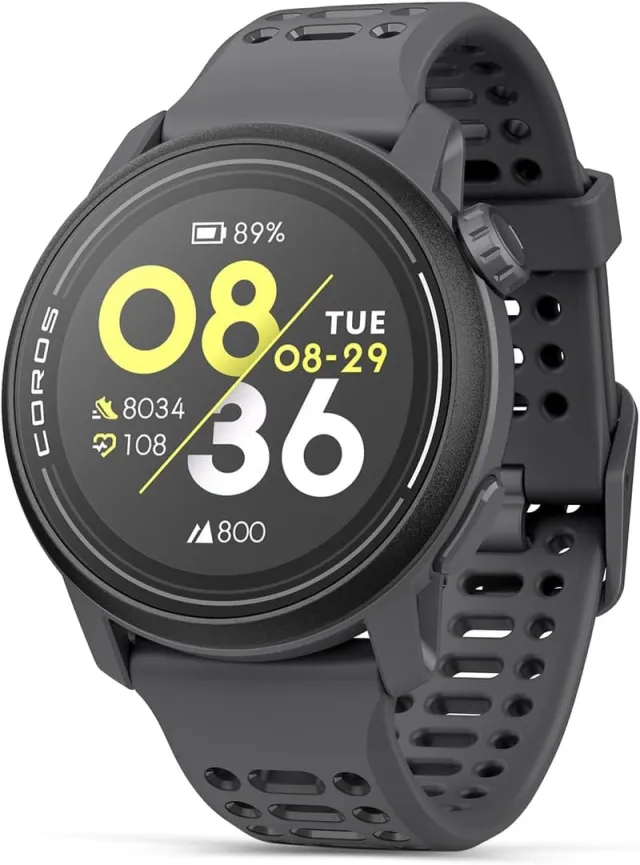

Migliora il tuo passo con l'attrezzatura giusta
Orologio GPS, scarpe e bastoncini che fanno la differenza
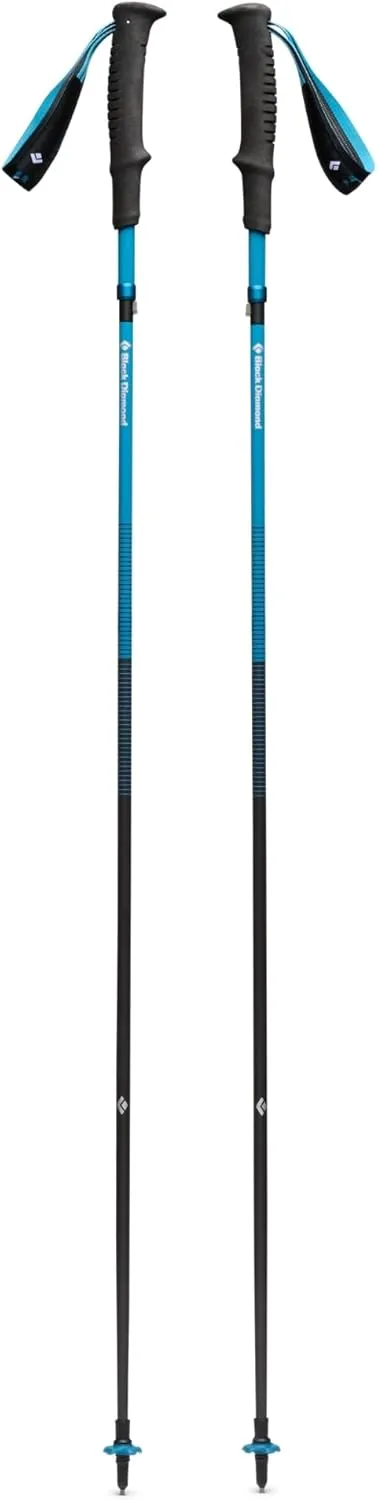
Black Diamond
Black Diamond Distance Carbon Z
Ultralight carbon Z-pole foldable trekking poles. 137 g per pole in 110 cm length, 33 cm folded. EVA grip and adjustable strap. The trail running reference.
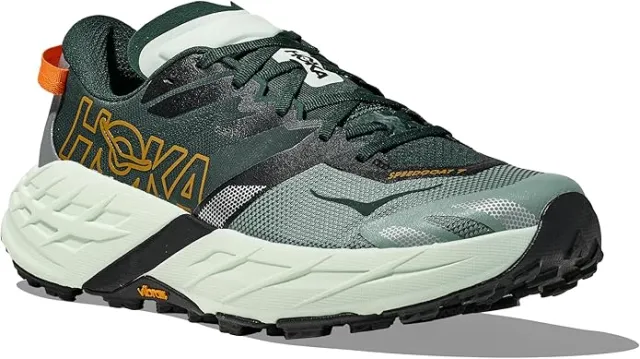
Hoka
Hoka Speedgoat 7
The best-selling trail shoe in the US and an absolute ultra-trail classic. Max Hoka cushioning, a Vibram Megagrip outsole with 5 mm lugs for grip in mud and technical terrain, and a snug Matryx upper. Built to eat up kilometres without punishing your legs in long races.
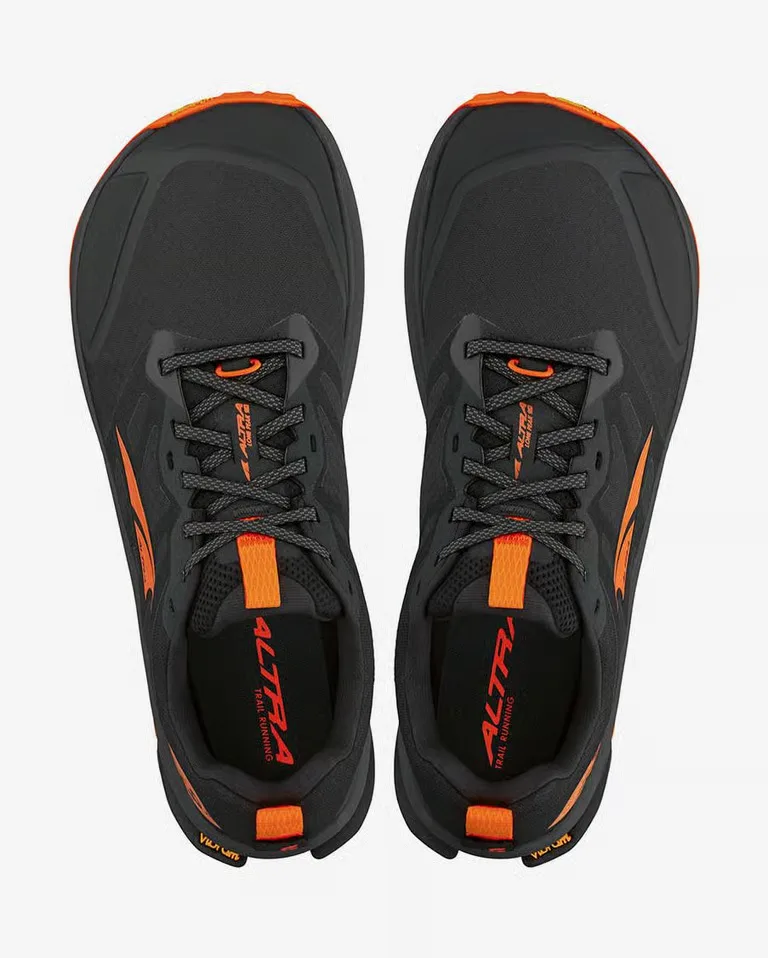
Altra
Altra Lone Peak 9
Trail running shoe with zero drop and wide FootShape toe box that allows natural toe splay. 25 mm stack with EGO foam for balanced cushioning without losing ground contact. MaxTrac outsole with 3.5 mm lugs, ideal for non-technical trails, forest tracks and long-distance paths.
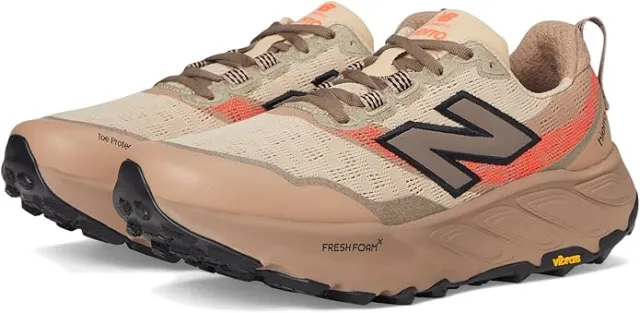
New Balance
New Balance Fresh Foam X Hierro v9
The model breaking into Spain's best-seller charts. Fresh Foam X midsole with a solid balance between cushioning and ground feel, a Vibram Megagrip outsole, and a comfortable last suited to wide feet. A reliable all-rounder for training runs and mountain races of any distance.
Alcuni link sono di affiliazione. Se acquisti tramite questi, guadagniamo una commissione senza costi aggiuntivi per te.
Continua a preparare la tua gara...
Passi tipici nel trail running
Passo medio per livello
- Principiante: 9:00–14:00 /km
- Intermedio: 7:00–11:00 /km
- Avanzato: 6:00–9:00 /km
- Elite: 5:00–7:00 /km
Strada vs trail (stesso sforzo)
- 5:00 /km strada ≈ 7:00–9:00 /km trail
- 6:00 /km strada ≈ 8:00–11:00 /km trail
- 7:00 /km strada ≈ 9:00–13:00 /km trail
*Dipende da dislivello e terreno
Tabella di conversione da passo (min/km) a velocità (km/h)
Valori di riferimento da 3:00 a 12:00 min/km, ogni 15 secondi, con il loro equivalente in km/h.
| Passo (min/km) | Velocità (km/h) | Velocità (mph) |
|---|---|---|
| 3:00 /km | 20.0 km/h | 12.4 mph |
| 3:15 /km | 18.5 km/h | 11.5 mph |
| 3:30 /km | 17.1 km/h | 10.7 mph |
| 3:45 /km | 16.0 km/h | 9.9 mph |
| 4:00 /km | 15.0 km/h | 9.3 mph |
| 4:15 /km | 14.1 km/h | 8.8 mph |
| 4:30 /km | 13.3 km/h | 8.3 mph |
| 4:45 /km | 12.6 km/h | 7.8 mph |
| 5:00 /km | 12.0 km/h | 7.5 mph |
| 5:15 /km | 11.4 km/h | 7.1 mph |
| 5:30 /km | 10.9 km/h | 6.8 mph |
| 5:45 /km | 10.4 km/h | 6.5 mph |
| 6:00 /km | 10.0 km/h | 6.2 mph |
| 6:15 /km | 9.6 km/h | 6.0 mph |
| 6:30 /km | 9.2 km/h | 5.7 mph |
| 6:45 /km | 8.9 km/h | 5.5 mph |
| 7:00 /km | 8.6 km/h | 5.3 mph |
| 7:15 /km | 8.3 km/h | 5.1 mph |
| 7:30 /km | 8.0 km/h | 5.0 mph |
| 7:45 /km | 7.7 km/h | 4.8 mph |
| 8:00 /km | 7.5 km/h | 4.7 mph |
| 8:15 /km | 7.3 km/h | 4.5 mph |
| 8:30 /km | 7.1 km/h | 4.4 mph |
| 8:45 /km | 6.9 km/h | 4.3 mph |
| 9:00 /km | 6.7 km/h | 4.1 mph |
| 9:15 /km | 6.5 km/h | 4.0 mph |
| 9:30 /km | 6.3 km/h | 3.9 mph |
| 9:45 /km | 6.2 km/h | 3.8 mph |
| 10:00 /km | 6.0 km/h | 3.7 mph |
| 10:15 /km | 5.9 km/h | 3.6 mph |
| 10:30 /km | 5.7 km/h | 3.6 mph |
| 10:45 /km | 5.6 km/h | 3.5 mph |
| 11:00 /km | 5.5 km/h | 3.4 mph |
| 11:15 /km | 5.3 km/h | 3.3 mph |
| 11:30 /km | 5.2 km/h | 3.2 mph |
| 11:45 /km | 5.1 km/h | 3.2 mph |
| 12:00 /km | 5.0 km/h | 3.1 mph |
Confronto del passo tra strada e trail
Tabella di riferimento con le equivalenze approssimative del passo tra corsa su strada e trail running per diversi livelli. I passi trail presuppongono un dislivello moderato (~50 m D+ per km).
| Livello | Passo su strada | Passo trail* | Fattore |
|---|---|---|---|
| Principiante | 6:30–7:30 /km | 9:00–14:00 /km | ×1.4–1.9 |
| Intermedio | 5:30–6:30 /km | 7:00–11:00 /km | ×1.3–1.7 |
| Avanzato | 4:30–5:30 /km | 6:00–9:00 /km | ×1.3–1.6 |
| Elite | 3:30–4:30 /km | 5:00–7:00 /km | ×1.3–1.6 |
*Il passo trail varia molto con dislivello, terreno e distanza. Sono valori approssimativi per gare di difficoltà tecnica moderata.
Domande frequenti
What is a normal pace in trail running?
It depends heavily on elevation and terrain. As a general reference: beginners run 9-14 min/km, intermediate runners 7-11 min/km, advanced 6-9 min/km and elite 5-7 min/km. On flat terrain these paces are faster; with heavy elevation gain, much slower. Average pace on a trail with 2000 m elevation gain will always be slower than a road race of the same distance.
Why is my trail pace so much slower than on road?
Three main factors: elevation (climbing at 500 m/h equals about 22 min/km), terrain (rocks, roots and technical trails slow you 5-15%) and accumulated fatigue in ultras. That's why the concept of 'effort-km' is used: 1 km with 100 m of climbing equals 2 km on flat. A 42 km race with 3000 m D+ equals about 72 effort-km.
How do I calculate my uphill pace?
The most practical way is to use vertical speed (meters of elevation per hour). If you climb at 550 m/h and the average gradient is 20%, your horizontal speed is about 2.75 km/h, which equals ~22 min/km. Beginners climb at 350-450 m/h, intermediate at 500-600 m/h, advanced at 700-800 m/h and elite at 900-1100 m/h.
What are negative splits in trail running?
It means running the second half faster than the first. In trail running this is unusual due to fatigue, but a good strategy is to start conservatively to save energy. The split table in this calculator helps you plan sustainable paces from the start.
How do I interpret pace in a race with heavy elevation?
Average pace (min/km) is misleading in trail. It's more useful to look at vertical speed (m/h) for climbs and effort-km to compare races. A 7:00/km on a race with 2000 m elevation gain is a much bigger effort than the same pace on flat ground.
How do I use the split table during a race?
Print it or save it to your phone. Check at each kilometer or aid station if you're ahead or behind the plan. Allow a 3-5% margin for the unexpected. The elevation-adjusted paces help you go slower uphill and recover downhill without overdoing it.
What is the difference between pace and speed?
Pace (min/km) is the inverse of speed (km/h). Trail runners use min/km because it's more intuitive for planning: 'I need to run 7:30/km to finish in 5 hours'. Speed is used more in cycling and flat running. Formula: pace = 60 / speed.
How much slower am I on technical terrain?
As a reference: smooth trail +0%, technical (rocks, roots) +5%, mountain (uneven, exposed sections) +10%, skyrunning (ridges, scrambling) +15%. On very technical sections like the Aizkorri ridge at Zegama, the penalty can reach 20-30%.
Come funziona il calcolatore del passo
Questo calcolatore offre tre strumenti per pianificare il tuo passo nel trail running:
- Convertitore rapido: converte tra distanza, tempo e passo. Inserisci due valori qualsiasi e ottieni subito il terzo. Utile per calcoli rapidi prima o dopo una gara.
- Analizzatore del passo trail: suddivide il passo previsto per tipo di tratto (piano, salita, discesa) considerando dislivello, terreno e il tuo livello. Mostra anche il tuo passo equivalente su strada, cioè quale passo in piano su asfalto corrisponde allo stesso sforzo.
- Tabella dei parziali: genera una tabella del passo chilometro per chilometro in base al tuo tempo obiettivo. Stampala o copiala per il giorno della gara per controllare i progressi a ogni chilometro.
L'analizzatore del passo trail usa un modello a tre componenti: passo in piano (basato sulla tua velocità di corsa di base), passo in salita (derivato dalla velocità verticale in m/h) e passo in discesa. In più si applicano fattori di correzione per il tipo di terreno e la fatica da ultra.
L'equivalente su strada usa i km-sforzo (distanza + D+/100 + D-/300) per esprimere il tuo sforzo in trail come passo equivalente su strada in piano. Ti aiuta a confrontare le prestazioni in trail con i tuoi tempi su strada.
Preparati per la tua prossima gara
Ora conosci il tuo passo: assicurati che anche l'attrezzatura sia all'altezza. Le nostre guide all'acquisto, pensate per la montagna: