Stimatore di nutrizione e idratazione per il trail running
Stima il tuo fabbisogno di idratazione, carboidrati ed elettroliti per la tua prossima gara di trail, in base alle linee guida scientifiche pubblicate.
Stimatore orientativo: non è un piano personalizzato
Questo strumento mostra intervalli generali basati su linee guida scientifiche pubblicate (ACSM, ISSN, IOC). Non costituisce un parere medico o nutrizionale.
Ti consigliamo di rivolgerti a un professionista della nutrizione sportiva per un piano personalizzato, adatto alle tue esigenze individuali.
Riferimento rapido (linee guida pubblicate)
Carboidrati all'ora (ISSN 2017)
- Eventi < 3 h: 30–60 g/h
- Eventi > 3 h (ultra): 60–90 g/h
Idratazione all'ora (ACSM 2007)
- < 15 °C: 400–500 ml/h
- 15–25 °C: 500–700 ml/h
- > 25 °C: 700–800 ml/h
Stima orientativa basata su ACSM/ISSN
Calorie totali
kcal/h
Acqua totale
ml/h
Carboidrati/h
Sodio/h
Il tuo kit per questa gara
I prodotti esatti per coprire quanto hai appena calcolato. Non mostriamo mai un prezzo: controllalo su Amazon.
Vedi tutte le alternative →Calorie
Idratazione
Nutrizione
Equivalenza orientativa in prodotti
In base al contenuto tipico di carboidrati per prodotto (gel ~22 g, barretta ~40 g)
Piano orario orientativo
In base alle raccomandazioni generali di ISSN e ACSM. Le esigenze individuali possono variare.
| Ora | Acqua | Carboidrati | Sodio | Esempio |
|---|
Idratazione pre-gara (ACSM)
L'ACSM raccomanda 5-10 ml/kg di peso corporeo, 2-4 ore prima della partenza.
Prodotti di nutrizione consigliati
I gel, le barrette e gli elettroliti più popolari nel trail running e nelle gare ultra.
Gel energetici

Maurten
Maurten Gel 100
Hydrogel gel with 25 g of carbohydrates. The hydrogel technology encapsulates carbohydrates for absorption without gastric discomfort. Neutral flavour, no artificial sweeteners. Used by elite runners in marathon and ultra.

GU
GU Energy Gel Original
Energy gel with 100 calories and 21 g of carbohydrates per sachet. Blend of maltodextrin and fructose for optimal absorption. Includes amino acids and electrolytes. The most widely used gel in ultras around the world.

Santa Madre
Santa Madre Unusual Fuel 100CHO With Caffeine
High-density liquid fuel with 100 g of carbohydrates in a 1:1 glucose:fructose ratio plus caffeine, in a 106 g format. Designed for high-intensity ultras and demanding carbohydrate-per-hour strategies, lemon flavour. A Spanish alternative to Maurten Gel 160 for those seeking maximum energy density in a single format.

Santa Madre
Santa Madre Unusual Gel 45CHO Caffeine Free
Spanish energy gel with a liquid (not gelatinous) texture and 45 g of carbohydrates in a 1:1 glucose:fructose ratio, designed for 90 g+ per hour strategies. Caffeine-free, neutral and fresh flavour. A domestic alternative to high-density carbohydrate gels such as Maurten 160.
Barrette energetiche

Clif Bar
Clif Bar Original Energy Bar
Energy bar with 40 g of carbohydrates and 10 g of protein. Organic ingredients and natural flavours. Dense texture, ideal for aid stations or calmer sections. One of the most popular bars in trail running.

PowerBar
PowerBar Energize Original
Energy bar with 45 g of carbohydrates per unit. Blend of fast- and slow-absorbing carbohydrates for sustained energy. Chewy texture, ideal for climbs where you can eat calmly.
Elettroliti e bevande isotoniche
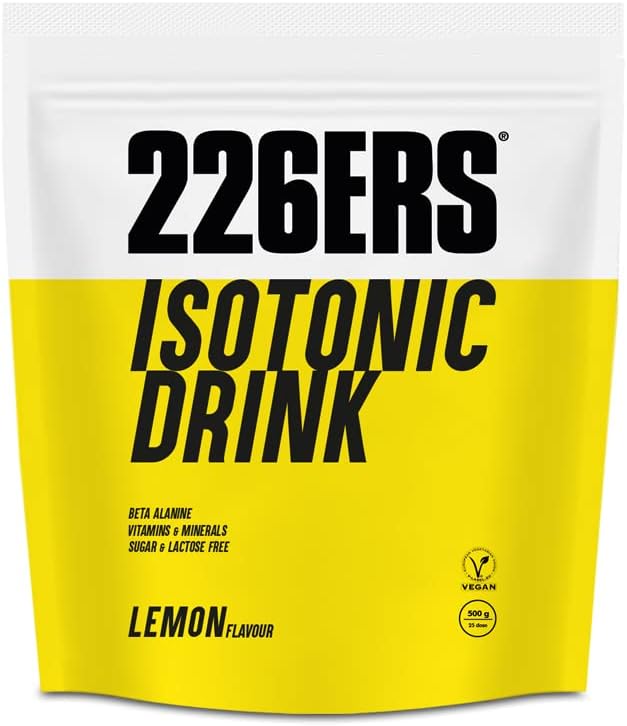
226ERS
226ERS Isotonic Drink
Isotonic powder drink from the Spanish brand 226ERS. Provides carbohydrates, electrolytes and minerals to maintain hydration during exercise. Formula with amylopectin for fast absorption without digestive discomfort.

Victory Endurance
Victory Endurance Total Recovery
Powdered post-workout recovery drink with carbohydrates, electrolytes and protein in a 2:1:1 BCAA ratio. Includes 12 vitamins and 9 minerals to speed up muscle recovery after a long trail. 1250 g format, watermelon flavour.

226ERS
226ERS Sub9 Pro Salts Electrolytes
The caffeinated version of Sub9 Salts: 250 mg of sodium and 40 mg of caffeine per capsule, plus potassium, magnesium and ginger. Made for the final stretch of an ultra, when you need to replace salts and get a lift without opening another caffeine gel.

226ERS
226ERS Sub9 Salts Electrolytes
Mineral salt capsules with 250 mg of sodium each, plus potassium, magnesium and ginger extract for better digestive tolerance. The highest sodium per capsule from Spain's benchmark endurance brand. Zero calories: you replace salts without touching your gel plan.
Vuoi un confronto completo prima di acquistare?
Abbiamo confrontato le opzioni migliori per le due esigenze che questo calcolatore dimensiona:
Fonti scientifiche
- ACSM Position Stand — Exercise and Fluid Replacement (2007).Medicine & Science in Sports & Exercise, 39(2), 377-390.PubMed(si apre in una nuova scheda)
- ISSN Position Stand — Nutrient Timing (2017).Journal of the International Society of Sports Nutrition, 14:33.PubMed(si apre in una nuova scheda)
- ACSM/AND/DC Joint Position — Nutrition and Athletic Performance (2016).Medicine & Science in Sports & Exercise, 48(3), 543-568.PubMed(si apre in una nuova scheda)
Domande frequenti
What are the calculations in this estimator based on?
All ranges shown come from published scientific guidelines by reference bodies: the ACSM (American College of Sports Medicine) for hydration and electrolytes (Position Stand 2007), the ISSN (International Society of Sports Nutrition) for carbohydrates during exercise (Position Stand 2017), and the joint ACSM/AND/DC position on nutrition and athletic performance (2016) for caloric expenditure.
How many gels do I need for a trail race?
According to ISSN guidelines, 30-60 g of carbohydrates per hour is recommended for events under 3 hours, and 60-90 g/hour for ultras over 3 hours. A typical gel provides about 20-25 g of carbohydrates, so you would roughly need 1-3 gels per hour depending on duration. This estimator calculates the specific range for your race.
How much water should I drink during a mountain race?
ACSM guidelines recommend a range of 400-800 ml/hour during exercise, varying by temperature: less in cold conditions (<15 °C) and more in heat (>25 °C). The exact rate depends on your individual sweat rate. This estimator uses the general ACSM ranges adjusted by temperature.
What are electrolytes and why are they important?
Electrolytes (mainly sodium) are lost through sweat. The ACSM recommends replenishing 300-600 mg of sodium per hour in events over 2 hours to reduce the risk of dehydration and hyponatremia (low blood sodium). This can be achieved with salt tablets, isotonic drinks, or gels with electrolytes.
Is this estimator the same as a personalized nutrition plan?
No. This estimator shows orientative ranges based on general scientific guidelines. A personalized nutrition plan, developed by a sports dietitian-nutritionist, takes into account your history, body composition, individual sweat rate, intolerances, and specific goals. We recommend consulting a professional for a plan adapted to your needs.
How should I hydrate before the race?
ACSM guidelines recommend consuming 5-10 ml per kg of body weight in the 2-4 hours before exercise. For example, for a 70 kg person, this means 350-700 ml of fluid. The goal is to start the race well hydrated without overloading the stomach.
Why are ranges shown instead of exact values?
Because hydration and nutrition needs vary enormously between individuals. Factors such as individual sweat rate, gastric tolerance, heat acclimatization, altitude, and fitness level make a single value imprecise. The ranges from scientific guidelines reflect this variability and are more honest and useful.
Come funziona lo stimatore di nutrizione
Questo stimatore usa linee guida scientifiche pubblicate per calcolare intervalli orientativi del tuo fabbisogno di nutrizione e idratazione durante il trail running:
- Dispendio calorico: stimato con i valori MET (Metabolic Equivalent of Task) per il trail running, moltiplicati per il tuo peso corporeo e la durata. La formula deriva dalla posizione congiunta ACSM/AND/DC (2016).
- Carboidrati: l'ISSN (2017) raccomanda 30-60 g/ora per gli eventi sotto le 3 ore e 60-90 g/ora per quelli più lunghi. Mostriamo l'equivalente in gel e barrette.
- Idratazione: l'ACSM (2007) raccomanda 400-800 ml/ora, regolati in base alla temperatura ambiente. L'obiettivo è prevenire una disidratazione eccessiva (>2% di perdita di peso corporeo).
- Elettroliti: per gli eventi di oltre 2 ore, l'ACSM raccomanda 300-600 mg di sodio all'ora per ridurre il rischio di iponatremia.
Tutti i risultati sono mostrati come intervalli min-max perché le esigenze individuali variano molto. Fattori come la tua sudorazione, la tolleranza gastrica, l'altitudine e il livello di forma influenzano il tuo fabbisogno reale. Per un piano personalizzato, rivolgiti a un professionista della nutrizione sportiva.