How to connect your Garmin to ChatGPT or Claude (2026)
Our picks by use case
Affiliate links: if you buy through them we earn a commission at no extra cost to you. It does not affect the ranking.
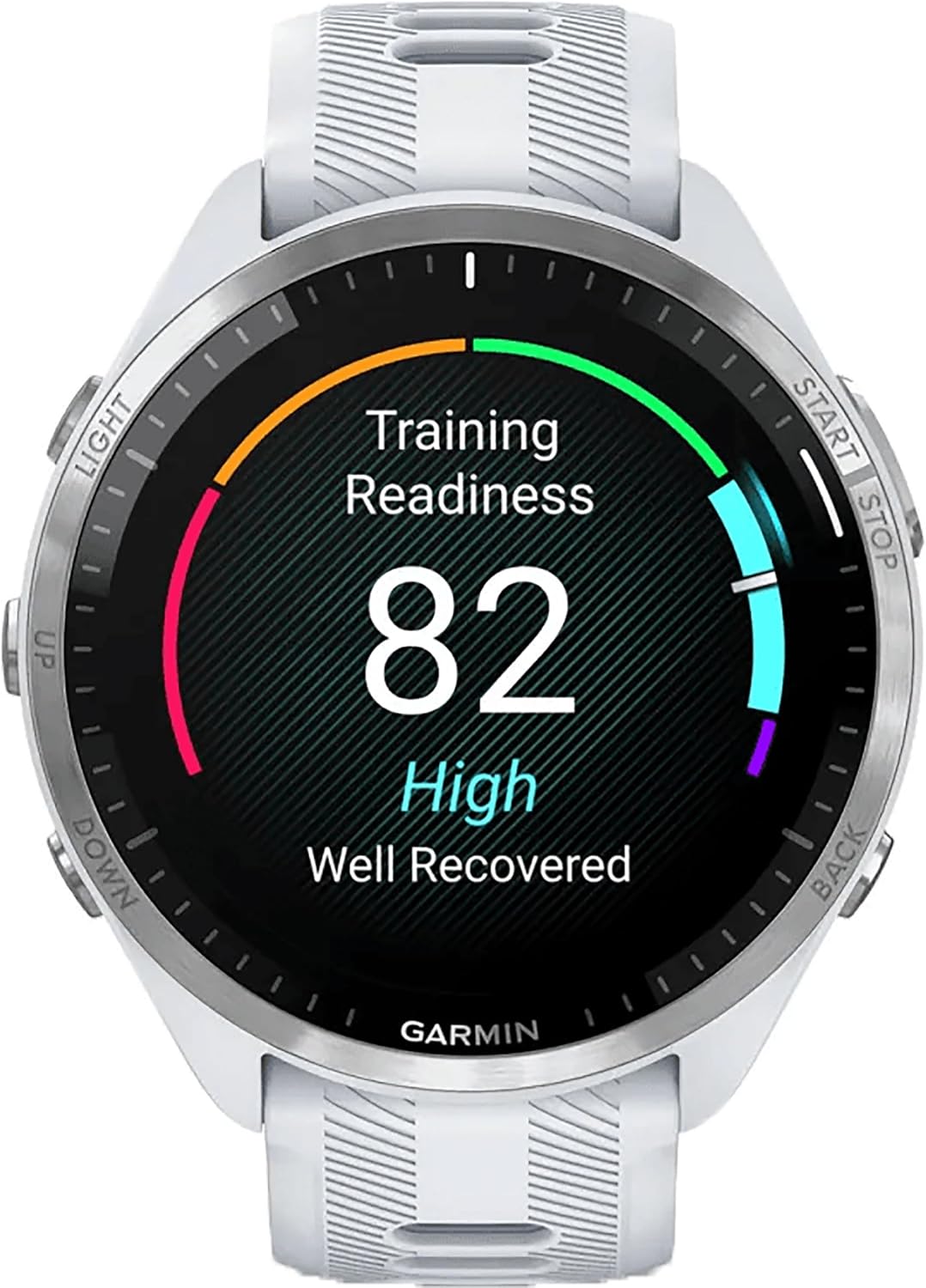 Our top pick#1 · Best Garmin for AI coachingGarmin Garmin Forerunner 965View on Amazon (opens in a new tab)
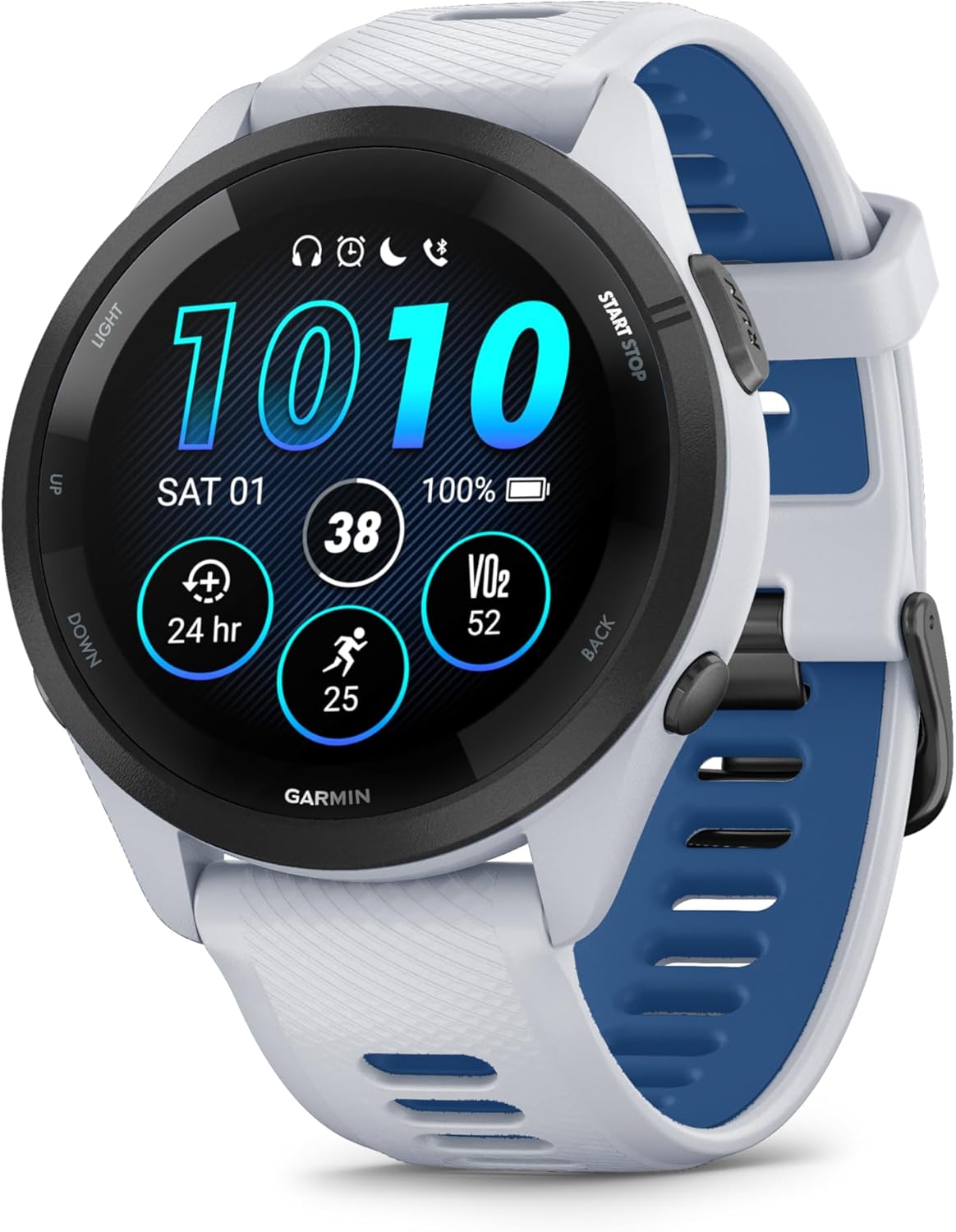 #2 · Best ValueGarmin Garmin Forerunner 265View on Amazon (opens in a new tab)
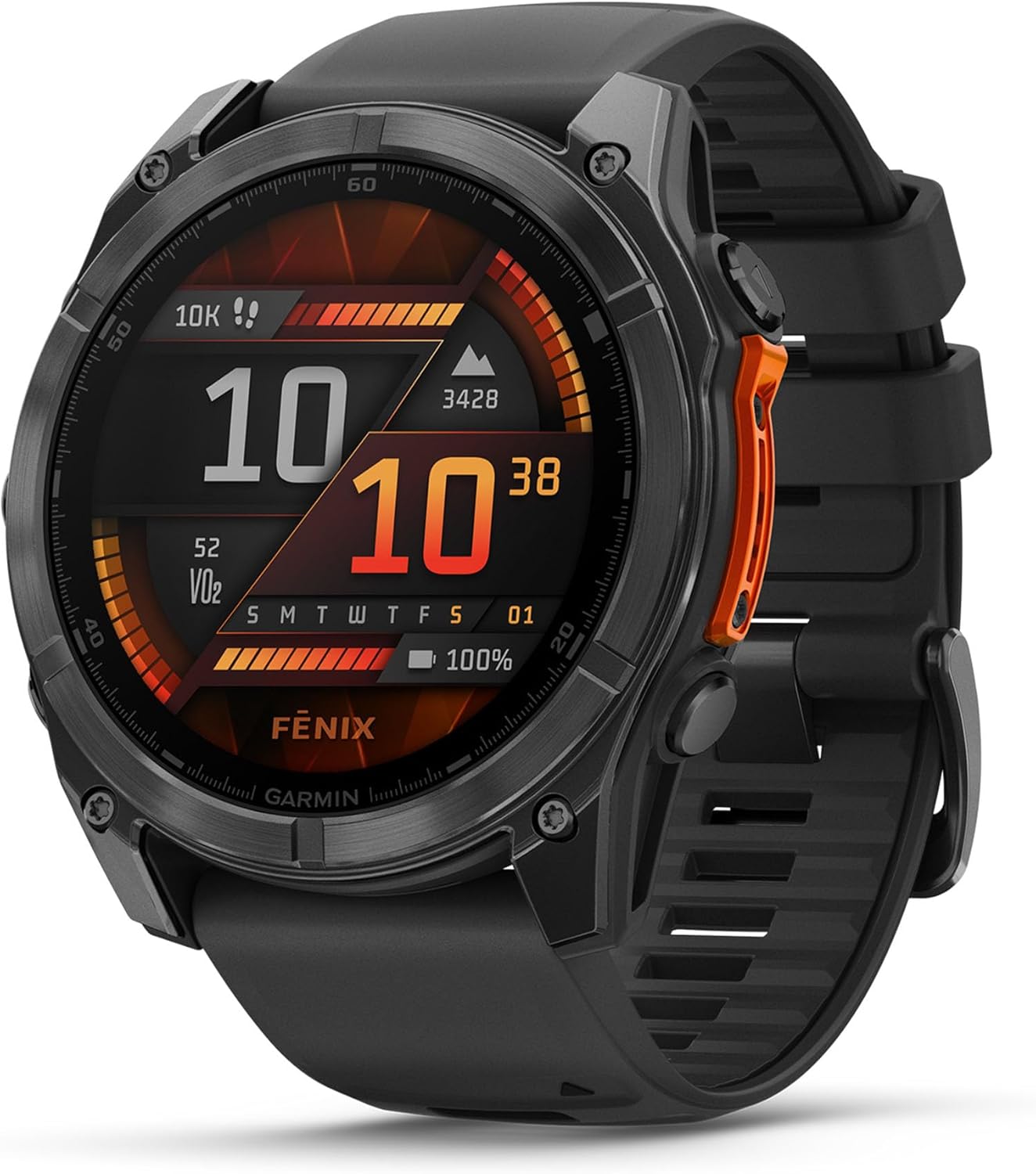 #3 · Most dataGarmin Garmin Fénix 8 AMOLED 47 mmView on Amazon (opens in a new tab)
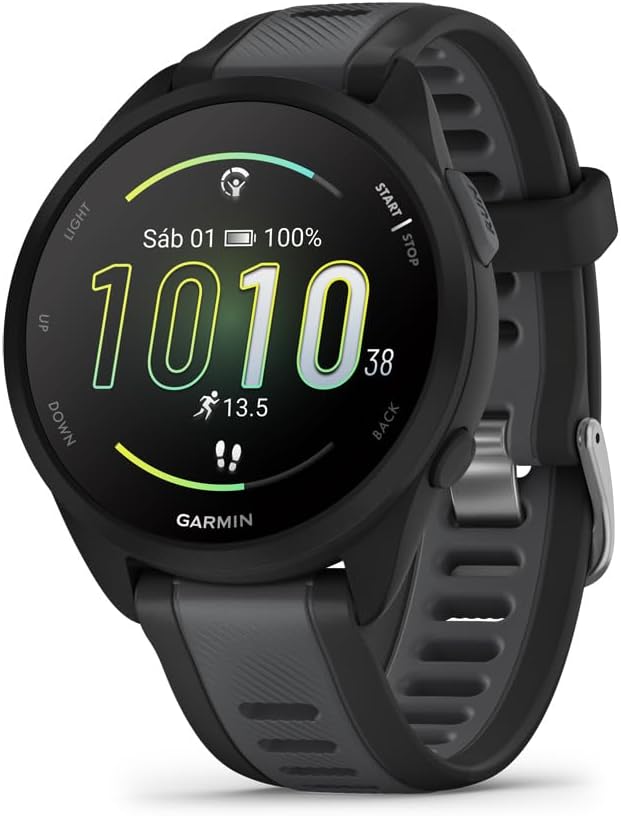 #4 · Entry levelGarmin Garmin Forerunner 165View on Amazon (opens in a new tab)
How we choose
We compare every model on verified technical specs (weight, materials, price), user reviews and our own experience running and testing gear in races from 21K to 100K+. We update this guide when prices change or new models launch. Some links are affiliate links: if you buy through them, TrailRunTemple earns a commission at no extra cost to you and with no influence on the selection.
All products in this guide
Garmin
Garmin Forerunner 965
Premium running watch with a 1.4" AMOLED display, onboard topo maps, multi-band GPS and music. Up to 31 h in GPS mode (19 h multi-band) and 23 days in smartwatch mode, at just 53 g. Garmin's top running watch without the bulk of a Fenix: ideal for marathons and single-day ultras with accurate navigation.
Garmin
Garmin Forerunner 265
Running watch with AMOLED display, dual-frequency multi-band GPS and onboard music. 20 h in GPS mode (14 h multi-band) and 13 days in smartwatch mode, at 47 g. The perfect balance of accuracy, advanced metrics and price for training and racing from 10K to marathon.
Garmin
Garmin Fénix 8 AMOLED 47 mm
Garmin's flagship multisport watch: AMOLED display, topo maps, multi-band GPS, LED flashlight, speaker and microphone. 47 h in GPS mode (35 h multi-band) and 16 days in smartwatch mode. Rugged case with sapphire glass for mountain ultras and multi-day adventures.
Garmin
Garmin Forerunner 165
Entry-level running watch with a 1.2" AMOLED display, 19 h GPS battery and just 39 g. Training metrics, adaptive plans and accurate multi-GNSS GPS for training and racing marathons. Garmin's gateway watch for runners who don't need maps or multi-band.
Your Garmin records HRV, sleep, training load and every stride, but Garmin Connect shows it to you across twenty charts. Connecting it to ChatGPT or Claude turns all of that into a conversation: “Am I recovered for tomorrow’s intervals?”, “Build me a 12-week plan for my first ultra” or “Why am I struggling on climbs this month?”. This guide covers every way to do it in 2026, which one to pick and which watch gives the AI the most data to work with.
Is there an official Garmin connector?
No. As of September 2026 Garmin offers no official connector for ChatGPT or Claude. It has its own AI inside Connect+ (subscription), but it does not open your data to outside assistants. The one official exception comes via Strava (see below). To read Garmin directly, everything available is third-party and built on MCP (Model Context Protocol), the standard Claude and ChatGPT use to plug into external services.
The 5 ways to connect Garmin to AI
1. Hosted MCP connector (easiest)
A cloud service links your Garmin Connect account and gives you a personal connector URL. Paste it into your assistant and you are done:
- In Claude: Settings → Connectors → Add custom connector → paste the URL.
- In ChatGPT: enable developer mode / MCP servers in Settings and add the URL as a custom server.
Options include AthleteData (also pulls Strava, Oura or WHOOP), Garmin Chat Connector (an independent project, not made by Garmin) and others. Mind your privacy: favour the ones that use OAuth sign-in and never ask for your Garmin password.
Does your Garmin track HRV and training readiness? If not, the AI is flying blind. See the Garmins that work best with AI →
2. Apps that push workouts to your watch
Most connectors only read your data. If you want the AI to build your sessions and have them show up on your watch, you need a service that writes to your Garmin calendar. Tredict does it through Garmin’s official Training API, and apps like Running Workout promise to create structured workouts and send them to the watch from a single sentence. This is the most practical option for actually training with AI.
3. Open-source MCP server (free, for technical users)
GitHub hosts free Garmin MCP servers that run on your computer with Claude Desktop. No third party sees your data, but you have to install Python or Node, edit a JSON config and store your credentials. They rely on Garmin Connect’s unofficial API: when Garmin changes something, they break until someone fixes them, and two-factor login is a frequent headache.
4. Export and upload the file
No connection at all: export your activities from Garmin Connect (CSV or FIT) and upload them to Claude or ChatGPT. Zero risk, but it is manual and never updates itself.
5. Via Strava: the official Claude connector
If your Garmin already syncs to Strava (almost everyone’s does), you have the only official route: since June 2026 Strava has its own MCP connector for Claude. Garmin uploads the activity to Strava and Claude reads it from there.
- How: in Claude, Settings → Connectors → add Strava and authorise with OAuth. No passwords, nothing to install.
- Requirements: a paid Strava subscription (free trials do not count). For now it works with Claude only, not ChatGPT.
- What it sees: activity history, second-by-second heart rate and pace, GPS routes, fitness and load trends.
- What it does not see: HRV and sleep, which stay in Garmin Connect. It is read-only: it cannot send workouts to your watch.
It is the safest and most stable option for analysing training and races. For recovery calls (intervals or rest?) you still need HRV and sleep data from a Garmin connector.
Which one should you use?
- Already pay for Strava and use Claude: Strava’s official connector, the safest and most stable.
- Want to try it in 5 minutes: hosted MCP connector with OAuth.
- Want the AI to schedule workouts on your watch: an app that writes to your Garmin calendar.
- Technical and want no third parties: open-source MCP server.
- Just want to analyse one race: export and upload.
What to ask (prompts that work)
- “Analyse my last 4 weeks: load, sleep and HRV. Am I overtraining?”
- “Build a 10-week plan for a 42 km trail race with 2,500 m of climbing, 4 days a week.”
- “Compare my climbing pace this month with last month.”
- “Given my recovery, should I do intervals tomorrow or an easy run?”
AI does not replace a coach or a doctor, but with good data it is right far more often than you would expect. And that is the key: the quality of the analysis depends on what your watch measures.
Which Garmin gives the AI the most data
The more metrics your watch records (overnight HRV, training status, running power, training readiness), the sharper ChatGPT or Claude gets. A Forerunner 165 covers the basics; a 965 or a Fenix 8 gives you the full package.
Battery & specs comparison
Tap a column to sort| Watch | 🔋 GPS battery ▾ | Multi-band | Smartwatch | Weight | Maps | Display | Actions |
|---|---|---|---|---|---|---|---|
GarminGarmin Forerunner 965 (opens in a new tab) | 31 h | 19 h | 23 days | 53 g | ✓ | amoled | View on Amazon(opens in a new tab) |
GarminGarmin Forerunner 265 (opens in a new tab) | 20 h | 14 h | 13 days | 47 g | – | amoled | View on Amazon(opens in a new tab) |
GarminGarmin Fénix 8 AMOLED 47 mm (opens in a new tab) | 47 h | 35 h | 16 days | 59 g | ✓ | amoled | View on Amazon(opens in a new tab) |
GarminGarmin Forerunner 165 (opens in a new tab) | 19 h | – | 11 days | 39 g | – | amoled | View on Amazon(opens in a new tab) |
GPS battery = each manufacturer's standard GPS mode; multi-band = dual-frequency (maximum accuracy). On Suunto, Polar Grit and Amazfit T-Rex the GPS figure already corresponds to dual-band mode. Figures verified against the manufacturer.
- Best for AI coaching — Forerunner 965. Training readiness, HRV, acute load and maps in 53 g. The one that gets the most out of an assistant.
- Best value — Forerunner 265. The same key training metrics for a lot less.
- Most data — Fenix 8. Everything in the 965 plus extra sensors and battery to log weeks in the mountains.
- Entry level — Forerunner 165. Enough for the AI to analyse pace, heart rate and sleep.
Still not sure which Garmin to get? The full comparison is in our best Garmin trail watches guide.