Trail Running Shoes for Heavy Runners: the 4 That Hold Up
Quick answer: if you only want one, Hoka Mafate 5 (max cushion with a stable base). For best weight-stability balance, Hoka Speedgoat 7.
Our picks by use case
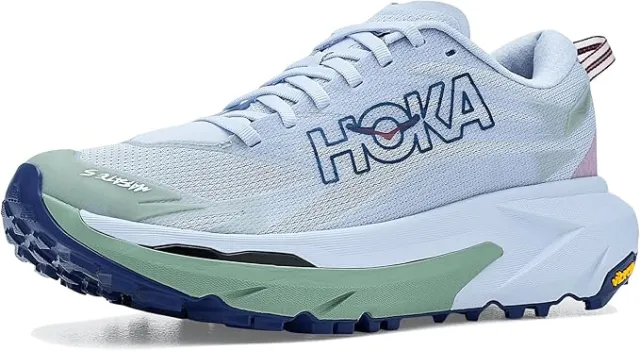 Our top pick#1 · Max Cushion with a Stable BaseHoka Mafate 5332 g · 8 mm drop · 4.4 mm lugsPro: Maximum cushioning and protection in the entire Hoka lineupDownside: High price, the highest in the footwear catalogueView on Amazon (opens in a new tab)
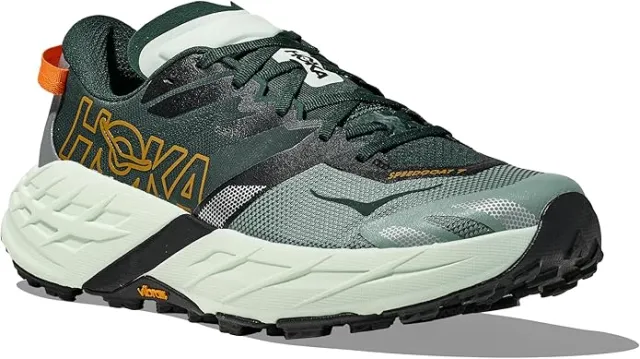 #2 · Best Weight-Stability BalanceHoka Speedgoat 7275 g · 4 mm drop · 4.5 mm lugsPro: Max Hoka cushioning: protects your legs over long distancesDownside: High stack: less stable for those who want more ground feelView on Amazon (opens in a new tab)
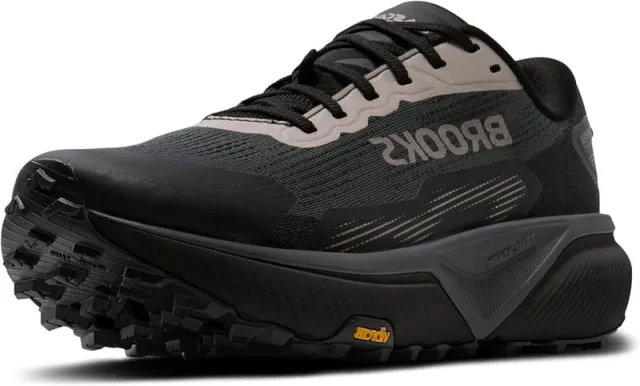 #3 · Best for Mud, Rain and RockBrooks Cascadia 20 GTXPro: Very stable on rocky, technical terrainDownside: Heavier than a non-membrane shoeView on Amazon (opens in a new tab)
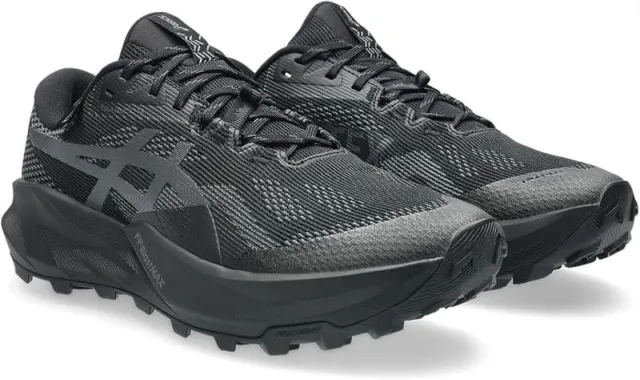 #4 · Best Wide Fit and ValueAsics Gel-Trabuco 14 GTX281 g · 8 mm drop · 3.7 mm lugsPro: Comfortable GEL cushioning for beginnersDownside: Moderate lugs, just adequate in deep mudView on Amazon (opens in a new tab)
Affiliate links: if you buy through them we earn a commission at no extra cost to you. It does not affect the ranking.
How we choose
We don't have our own lab, so we don't pretend to. We cross three sources: brand-declared specs (weight, drop, stack, lugs), published independent lab measurements (RunRepeat and similar) and reviews from runners who have raced in each shoe. We pick one winner per terrain and distance, and we tell you its downside too. We update the guide when new versions launch. Some links are affiliate links: if you buy through them, TrailRunTemple earns a commission at no extra cost to you and with no influence on the selection.
All products in this guide
Hoka
Hoka Mafate 5
Hoka's ultra-trail flagship: the maximum cushioning and protection possible in a trail running shoe. Integrated stability plate, Vibram Megagrip outsole with aggressive 5 mm lugs, and reinforced construction built for the final kilometres of a 100-miler, when your legs have nothing left to forgive.
Hoka
Hoka Speedgoat 7
The best-selling trail shoe in the US and an absolute ultra-trail classic. Max Hoka cushioning, a Vibram Megagrip outsole with 5 mm lugs for grip in mud and technical terrain, and a snug Matryx upper. Built to eat up kilometres without punishing your legs in long races.
Brooks
Brooks Cascadia 20 GTX
The Cascadia 20 with a GORE-TEX membrane: stability and protection for rocky mountain terrain, keeping the foot dry on cold, rainy days.
Asics
Asics Gel-Trabuco 14 GTX
A best-selling beginner trail shoe: GEL cushioning, good stability and a waterproof GORE-TEX membrane. Versatile and reliable for training on mixed terrain in any weather.
Weighing 90 kg or more changes the whole shoe conversation. Foam that lasts a 65 kg runner 800 km will collapse under you at 300: the EVA compresses, loses stack height and your foot starts hunting for the ground on every step. And once the shoe is flattened, the thing that actually pulls you out of a race shows up: plantar pain, a battered shin and a rolling ankle.
Trail running shoes for heavy runners are not the lightest or the most radical: they are the ones that combine a tall platform, foam that bounces back and a wide base that forgives. Here are the four in our catalogue that fit best — and, more importantly, who each one is for.
If you are still unsure about your terrain or distance, start with the shoe finder by profile and come back once you know your profile: the best trail running shoes guide is too general for your case.
Comparison table
| Shoe | Weight | Drop | Stack (heel/toe) | Lugs | Base | Best for | Buy |
|---|---|---|---|---|---|---|---|
| Hoka Mafate 5 | 332 g | 8 mm | 45 / 37 mm | 4.4 mm | Stable | Maximum protection | Amazon →(opens in a new tab) |
| Hoka Speedgoat 7 | 275 g | 4 mm | 37 / 33 mm | 4.5 mm | Stable | One shoe for everything | Amazon →(opens in a new tab) |
| Brooks Cascadia 20 GTX | n/a | 6 mm | 38 / 32 mm | 3.4 mm | Stable | Mud, rain and rock | Amazon →(opens in a new tab) |
| Asics Gel-Trabuco 14 GTX | 281 g | 8 mm | 36 / 28 mm | 3.7 mm | Neutral | Wide foot and budget | Amazon →(opens in a new tab) |
Men’s EU 42-42.5 weight where the brand publishes it. Stack and lug figures verified in the lab (RunRepeat), not taken from the marketing sheet.
Why a normal shoe fails you at 90 kg
It is not about “lasting longer”: it is physics. More mass means more energy per footstrike and less margin for the foam to recover between steps.
- The foam compresses sooner. A 30 mm midsole of soft EVA can lose several millimetres of usable height within a few hundred kilometres. At 65 kg that is unnoticeable; at 95 kg the shoe becomes a plank and the impact travels up to your knee.
- A wide base is not cosmetic. A 45 mm platform on a narrow base twists. With more weight the ankle’s lever arm on an uneven landing is bigger: you need surface area, not just height.
- Lugs wear out faster. The same rubber, with 30 kg more on top, wears down much quicker. Checking lugs every 500 km is not fussy: it is the difference between gripping and sliding on the last descent.
The 4 criteria that actually matter
1. Stack height above 35 mm
Below 34 mm at the heel, at 90 kg you will feel the ground through the shoe for hours. Look for 36-45 mm and, above all, a foam the brand claims recovers well (PEBA, supercritical) or a firm, dense EVA.
2. Wide base and a stable transition
Tall stack on a narrow base is the recipe for a sprain. Check the platform width and how the load is spread: shoes with a stability plate (like the Mafate 5) distribute the load without forcing you into an orthopaedic shoe.
3. Fit: wide is not the same as big
This is the real problem. Of the wide-toebox shoes in our catalogue, almost none go beyond 36 mm of stack. If your foot is wide and you are heavy, you will have to choose between fit and cushioning, or size up half a number and accept some volume. Read the wide trail shoe guide before buying blind.
4. Upper and outsole durability
With more weight the upper takes more abuse on the sides and the outsole wears faster. Prioritise heel reinforcements, a protected toe cap and reputable rubber (Vibram Megagrip) over lightweight racing compounds.
The 4 shoes, one by one
Hoka Mafate 5: the benchmark if the goal is not getting wrecked
Hoka Mafate 5(opens in a new tab) is the most protective shoe in the catalogue and the only one with 45 mm of heel stack, 37 mm at the toe and a stability plate. Translation for a heavy runner: the foam has room to compress without you touching the ground, and the plate stops the tall platform from twisting when the terrain turns ugly.
- Pros: real maximum cushioning, Vibram Megagrip with 4.4 mm lugs, reinforced construction built for the final hours of a long race.
- Cons: 332 g and a “big shoe” feel that fast feet will not enjoy. On very broken ground, all that height costs you feel.
- Who it is for: anyone who wants to reach ultras in one piece, train volume without punishment and has an ankle used to tall stack.
Hoka Speedgoat 7: the one to buy if you only want one pair
Hoka Speedgoat 7(opens in a new tab) weighs 275 g with 37/33 mm of stack and a stable base, which makes it the most versatile option: it handles long runs, grips in mud with 4.5 mm lugs and does not force you to change shoes depending on the day.
- Pros: the best weight/protection/grip balance on the list. Vibram Megagrip and a snug upper (Matryx) that stops the foot sliding around with more mass on top.
- Cons: narrow fit. If your foot is wide, this is not your shoe however good it is.
- Who it is for: 90-100 kg runners on mixed terrain, one shoe for training and racing up to mountain marathon distance.
Brooks Cascadia 20 GTX: mud, rain and loose rock
The Brooks Cascadia 20 GTX(opens in a new tab) is the classic all-rounder: 38/32 mm, stable base and a GORE-TEX membrane for wet, cold days. Its strong point for heavier runners is how long the whole package lasts: reinforced upper, toe protection and an outsole that takes the miles.
- Pros: a genuinely waterproof version, plenty of front protection, predictable when the ground is rough.
- Cons: 3.4 mm lugs (tight for deep mud), narrow fit, and GTX cuts breathability: you notice it in summer.
- Who it is for: winter, wet mountains and runners who value a shoe lasting longer than the trend cycle.
Asics Gel-Trabuco 14 GTX: the wide-foot option
If your problem is not only weight but fit, the Asics Gel-Trabuco 14 GTX(opens in a new tab) is the most honest shoe on the list: wide toe box, GEL in the heel, 36/28 mm and a waterproof membrane at a fairly reasonable price.
- Pros: a genuinely wide fit, pleasant GEL cushioning, GTX, price.
- Cons: neutral stability (it is not a stability shoe) and an 8 mm drop with 28 mm at the toe: less cushioning up front than ideal for heavier runners.
- Who it is for: wide feet, tight budget, beginner trail and middle distances.
The 5 most expensive mistakes
- Buying the shoe recommended by a 65 kg runner. Shoe reviews are almost always written without stating the tester’s weight. Always ask: “how much does the person recommending this weigh?”
- Trusting the cushioning you feel in the first two hours. Every shoe feels cushioned when new. What matters is how it feels at kilometre 500.
- Going lower on stack to “improve technique”. With more weight, less cushioning means more punishment for your plantar and shin. Technique can be trained; foam cannot.
- Ignoring the sock. At 90 kg, one badly placed seam is a guaranteed blister. See the trail sock guide.
- Not rotating two pairs. Alternating two shoes spreads the wear and gives the foam time to recover. It is the cheapest trick to make them last longer.
FAQ
Can I run trail at 100 kg?
Yes, and plenty of people do. What changes is the shoe and the progression: more cushioning, a more stable base and more conservative volume increases. If you are coming from a sedentary lifestyle, the beginner trail shoe guide is the starting point.
Do I need a pronation shoe?
Only if a professional has recommended it because of recurring issues. “Being heavy” does not equal “overpronating”. A stable shoe (Mafate 5, Speedgoat 7, Cascadia) adds control without being a corrective shoe. If the diagnosis is clear, try the shoe finder for overpronators.
How often should I replace my shoes if I am heavy?
Sooner than the brand says. Check foam height and lugs every 400-500 km. If it feels “flat” or new niggles appear in your plantar or knee, that is the warning.
Is a carbon plate worth it if I am heavy?
The plate helps spread the load and keep the platform firm, but it is not essential. In our catalogue the best mix of that and protection is the Mafate 5 (a stability plate, not carbon). There are carbon options for racing, but they tend to be stiffer and less comfortable in the mountains.
Verdict: what I would buy
- If you want maximum protection and do not care about weight: Hoka Mafate 5(opens in a new tab)
- If you want a single pair for everything: Hoka Speedgoat 7(opens in a new tab)
- If you run in water, cold and mud: Brooks Cascadia 20 GTX(opens in a new tab)
- If your foot is wide and budget rules: Asics Gel-Trabuco 14 GTX(opens in a new tab)
None of the four is the “fastest” shoe on the market, and that is exactly why they work: they are chosen to carry your weight for hours, not to win a 10 km race. Pick for the terrain you actually run on, not the one you wish you ran on.
Pick by your case
If the problem is not the shoe but the terrain or a specific niggle, start here.
- Stable trail running shoes for overpronators
- Best trail running shoes for beginners
- Trail running shoes for technical terrain
- Trail running shoes for ultra distance
- Trail running shoes for heavier runners
- Trail running shoes for plantar fasciitis
- Trail running shoes for wide feet
- Shoes for the Camino de Santiago