Waterproof jacket for trail running: what mandatory gear rules require and which to buy

You arrive to collect your bib, the volunteer opens your pack, looks inside your jacket and tells you it doesn’t count. It’s the most common scene at autumn gear checks, and almost always for the same reason: a windbreaker that looked waterproof.
Here’s what the rules really require, how to check your jacket in 30 seconds and which one to buy if it fails.
Jackets that pass the gear check
The 4 requirements of a mandatory-gear waterproof jacket
- A waterproof, breathable membrane (Gore-Tex, Pertex Shield, AdvancedSkin Shield or similar).
- Taped seams (sealed with tape on the inside). Without them, water gets in through the stitching even if the fabric is waterproof.
- An integrated hood, not a detachable one or a separate cap.
- A recommended hydrostatic head of 10,000 mm or more (the benchmark used by UTMB-style rules).
A windbreaker does not count, even with a water-repellent (DWR) finish that beads water for the first 15 minutes.
Comparison: which one passes the check?
| Model | Approx. weight | Membrane | Taped seams | Passes the check? | Best for |
|---|---|---|---|---|---|
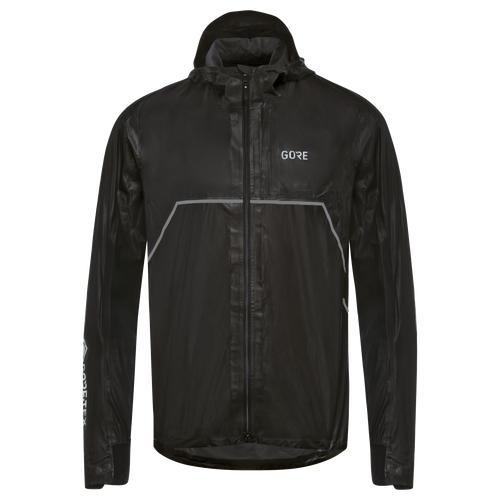
| Gore Wear R7 GTX Shakedry | 110 g | Gore-Tex Shakedry | Yes | ✅ Yes | Rainy ultras and the lightest possible kit |
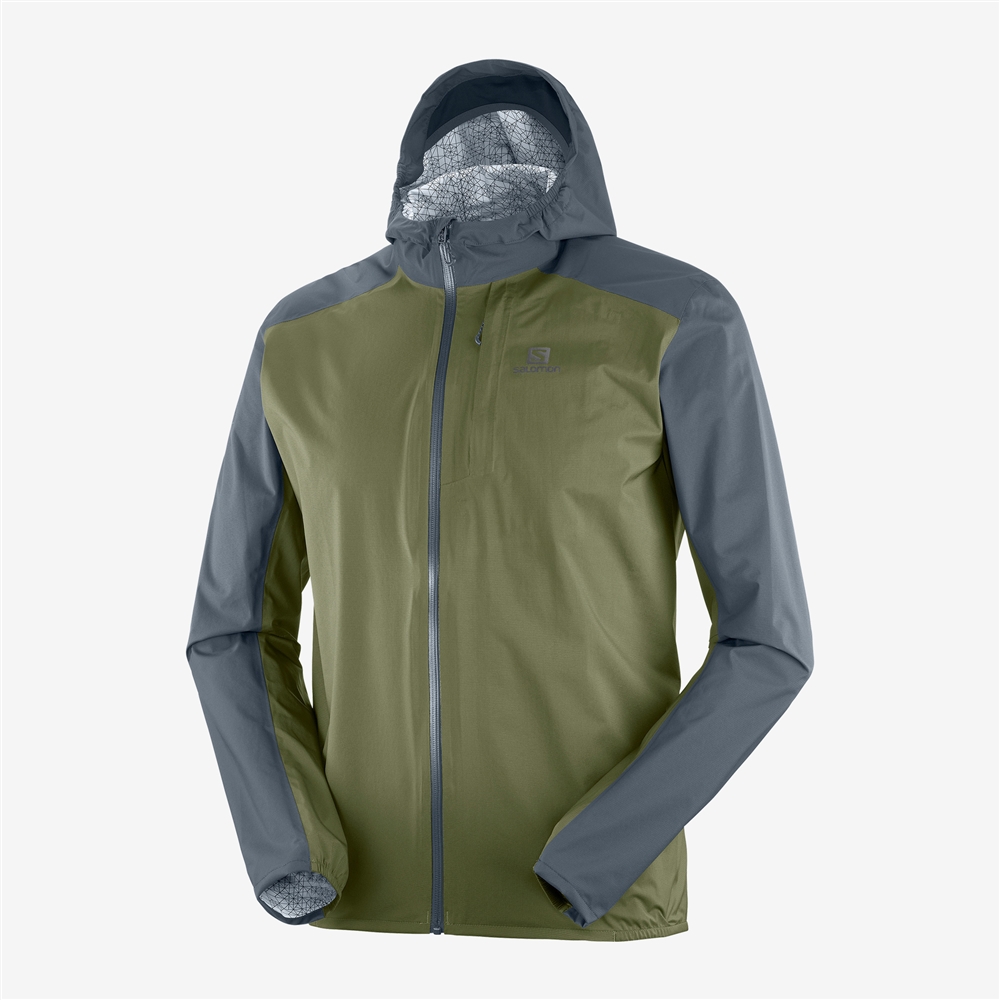
| Salomon Bonatti WP | 135 g | Yes | Yes | ✅ Yes | One jacket for racing and training |
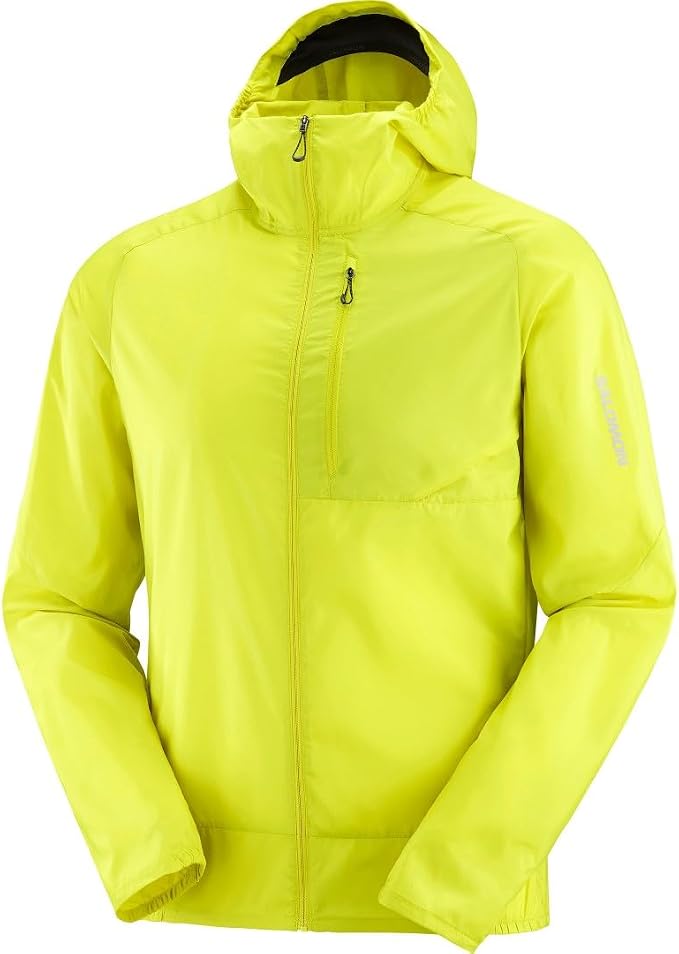
| Salomon Bonatti Cross Wind | 134 g | No (DWR only) | No | ❌ No | Training in wind and drizzle |
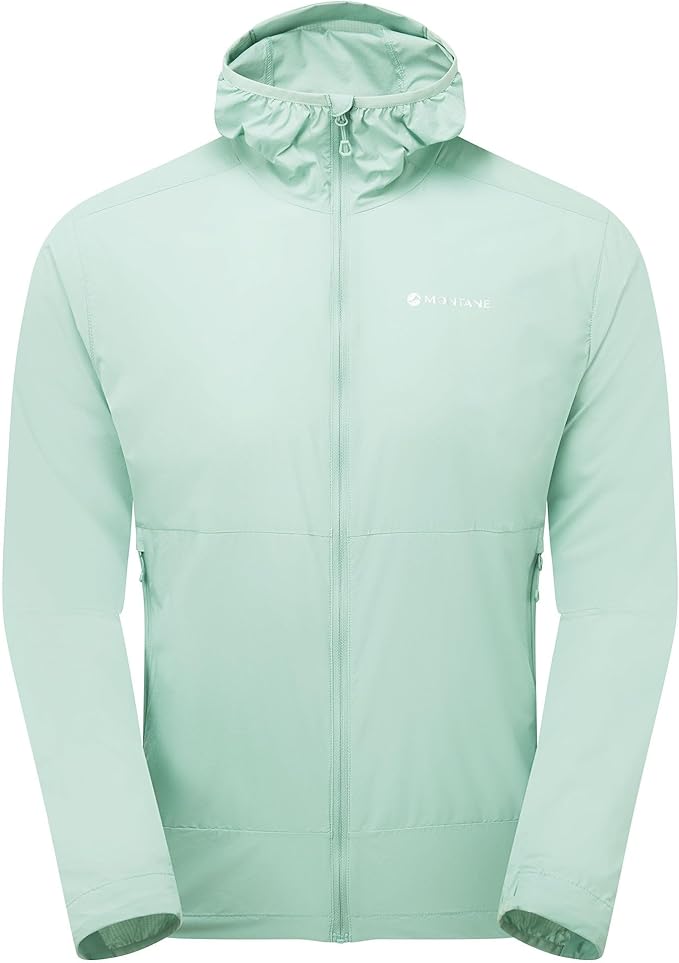
| Montane Featherlite Hooded | 120 g | No | No | ❌ No | Windbreaker for dry ridges |
The jackets, one by one
Gore Wear R7 GTX Shakedry: the ultralight benchmark
Shakedry has no face fabric to wet out: the membrane is on the outside, so water beads off and breathability holds up even after hours of rain. It’s our pick for autumn mountain ultras. Its weak spot: the exposed membrane is more delicate against pack straps. Treat it gently and it’ll last seasons.
Salomon Bonatti WP: the do-it-all jacket
Taped seams, adjustable hood, back vent, and it packs into its own pocket. It’s a few grams heavier than the Gore but copes better with pack abrasion and daily use. If you’ll only own one jacket, make it this one.
Windbreakers for training (not for the gear check)
For windy ridges or short drizzle in training, a windbreaker breathes far better than any membrane jacket. Use one as your training layer, but don’t present it at the gear check: no membrane, no taped seams.
What the numbers on the label mean
Hydrostatic head (mm)
It measures how much water pressure the fabric withstands before leaking:
- Under 5,000 mm: sheds drizzle. Not valid as mandatory gear.
- 10,000 mm: the sensible minimum for the mountains and the reference figure in race rules.
- 20,000 mm and up: heavy, prolonged rain, plus the pressure of pack straps on your shoulders.
Mind the straps: where the vest presses down, pressure on the fabric multiplies. That’s why cheap “waterproof” jackets soak through right at the shoulders.
Breathability (RET or g/m²/24h)
If the jacket doesn’t breathe, you get wet anyway, from sweat. For running, look for RET under 6 or over 20,000 g/m²/24h.
The 30-second test
Turn the jacket inside out. If there’s a plastic tape over every seam, it’s taped. If you only see thread, it isn’t, and the gear check may reject it.
How it gets checked at bib pick-up
Volunteers usually check three things: the membrane label or logo, the seams on the inside and the hood. Some organisers also run gear checks at mid-race aid stations, and a missing jacket can mean a time penalty or disqualification.
In the Pyrenees, the Picos de Europa or the Sierra Nevada, the weather can turn within an hour even with a good forecast. That’s why the jacket appears in the rules of virtually every autumn mountain ultra. Get the full race-by-race list in our mandatory gear guide for ultra trail.
3 mistakes that cost you your bib (or leave you soaked)
- Bringing a DWR windbreaker. It repels splashes, but has no membrane or taped seams, so it doesn’t comply.
- Buying it too tight. It must fit over your hydration vest, or at least over a thermal layer. If it pulls at the shoulders, size up.
- Not reactivating the DWR. With use, the face fabric wets out and breathability collapses. Wash it with technical detergent and give it a low tumble-dry two or three times a season.
Complete your rain kit
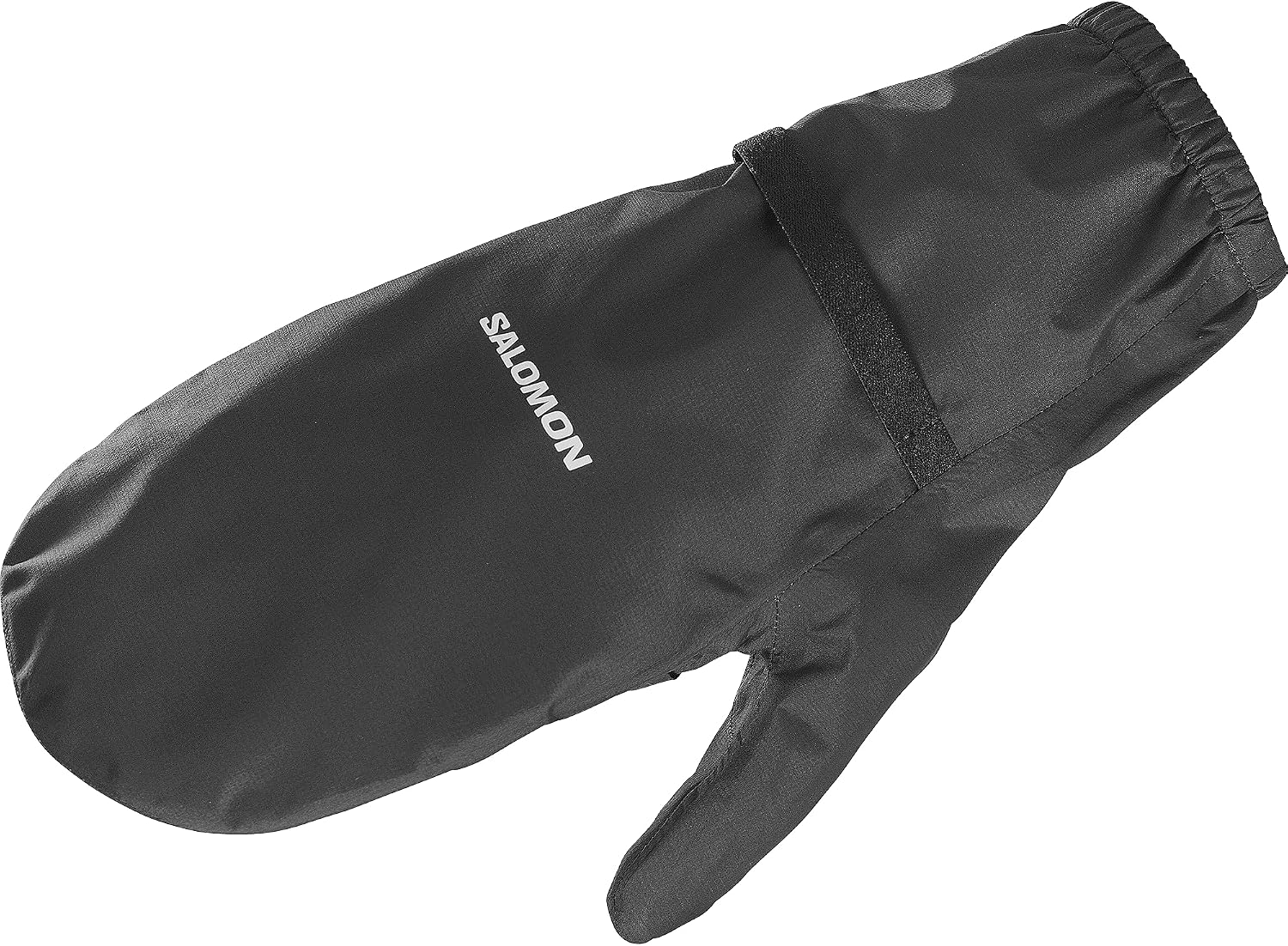
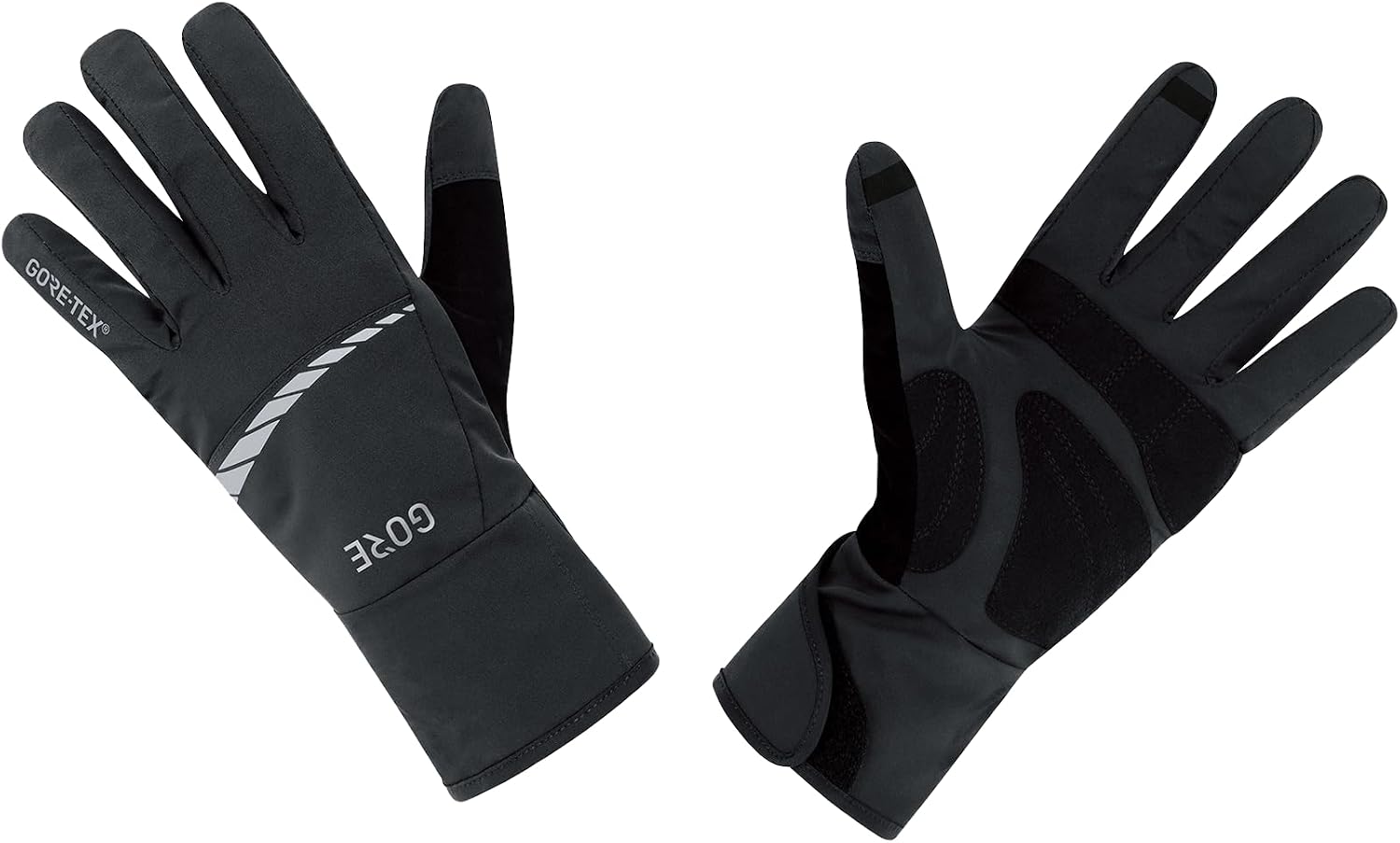
A jacket alone isn’t enough in real rain. Your hands lose dexterity first: with frozen fingers you can’t open a gel or grip a pole.
For cold rain, a light waterproof glove that still lets you handle gels and poles:
For sleet or snow, a Gore-Tex membrane with insulation:
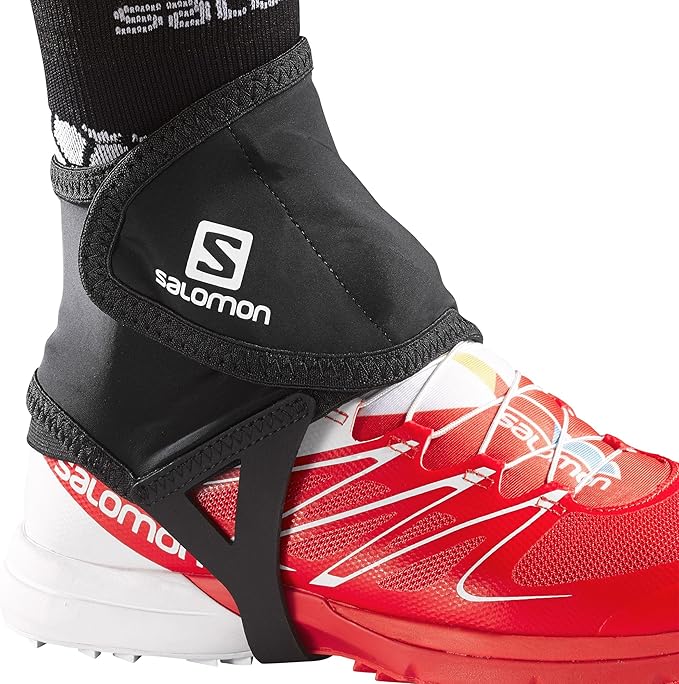
On muddy sections, gaiters stop mud and water getting in at the ankle:
Want to compare more models? See our best trail running gloves guide.
FAQ
Is a 5,000 mm jacket OK for mandatory gear?
It depends on the rules. If the race sets 10,000 mm as a minimum, no. Even without a figure, in serious rain a 5,000 mm jacket soaks through within hours, especially under the pack straps.
Does a poncho or a cheap rain cape count?
No. Most rules require sleeves, an integrated hood and taped seams. A poncho is also unsafe in wind on an exposed ridge.
How much should a good trail jacket weigh?
Between 100 and 250 g. Below 150 g you save pack space but lose durability and usually get a tighter hood. If you run many rainy ultras, a little extra weight for robustness pays off.
Women’s or men’s?
Women’s versions have a shorter torso and narrower shoulders. On a garment worn over a vest, the cut matters more than on a T-shirt: pick the one that fits your body.