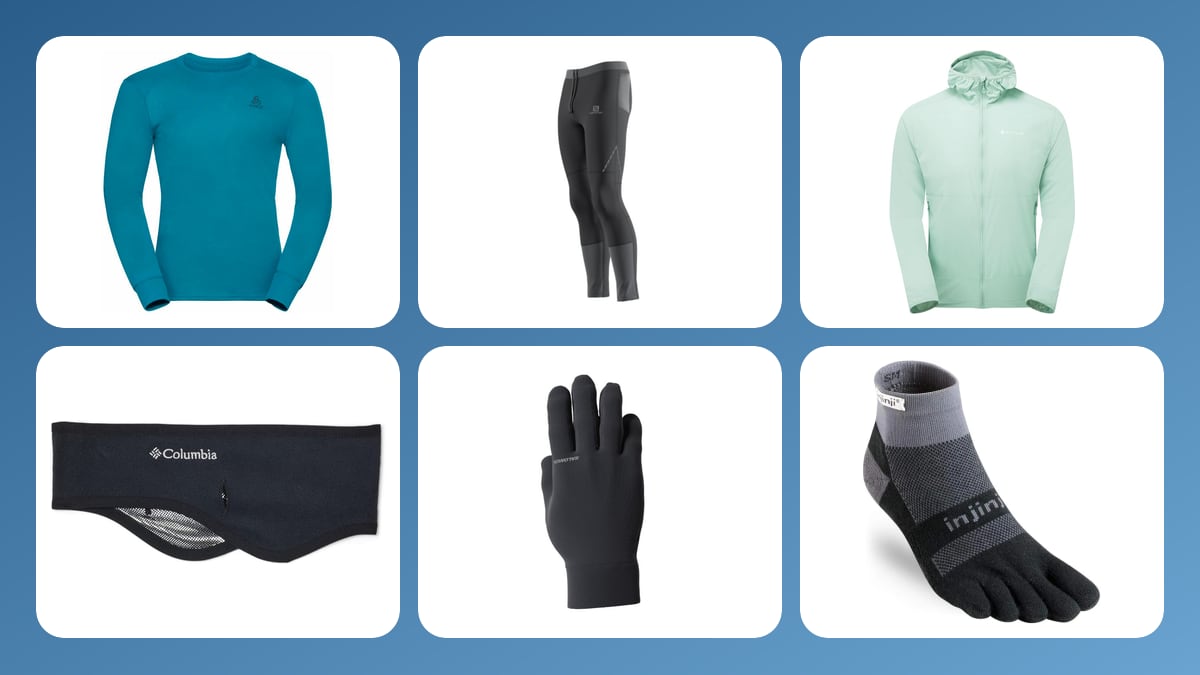
Head and neck
Thermal buff or thin beanie. You lose a lot of heat through head and neck, and it fits in a pocket once you warm up.
- Top pick
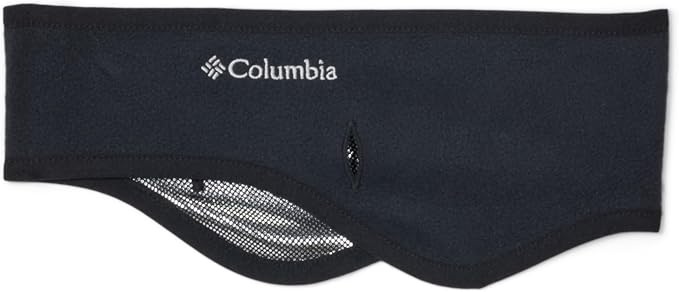 ColumbiaColumbia Trail Shaker Headring Diadema de Invierno UnisexUnisex winter headband that covers the ears but not the crown: warms where you lose heat and vents once you warm up. Light and easy to stash in a pocket.See Columbia Trail Shaker Headring Diadema de Invierno Unisex on Amazon(se abre en una pestaña nueva)
 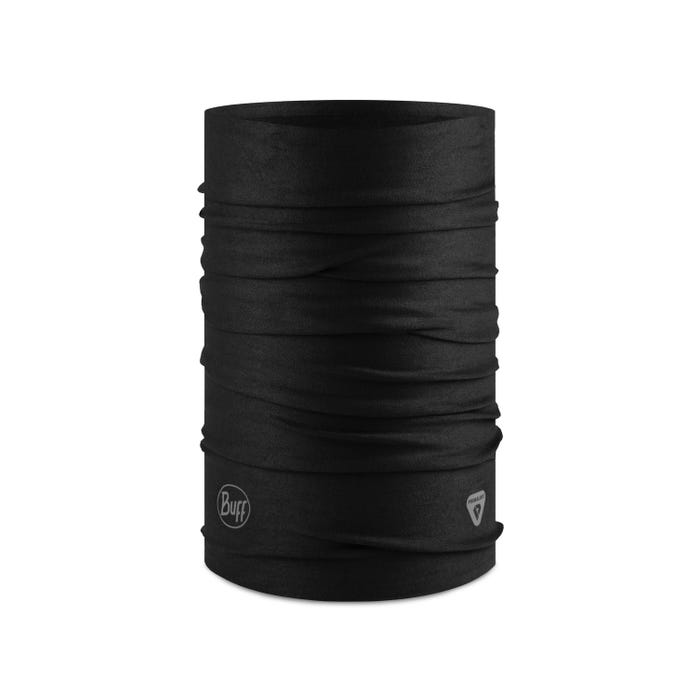 BuffBuff ThermonetBuff tubular térmico con tecnología Primaloft. Retiene el calor corporal, ultraligero y polivalente: gorro, braga, cinta. Ideal para alta montaña.See Buff Thermonet on Amazon(se abre en una pestaña nueva)
 HANKERHANKER Braga de Cuello TérmicaUnisex thermal seamless neck gaiter in Soft Air Plus fabric (97% polyester). Seamless fit designed for trail running, cycling, motorcycling and outdoor sports. A budget alternative to Buff for moderate cold.See HANKER Braga de Cuello Térmica on Amazon(se abre en una pestaña nueva)